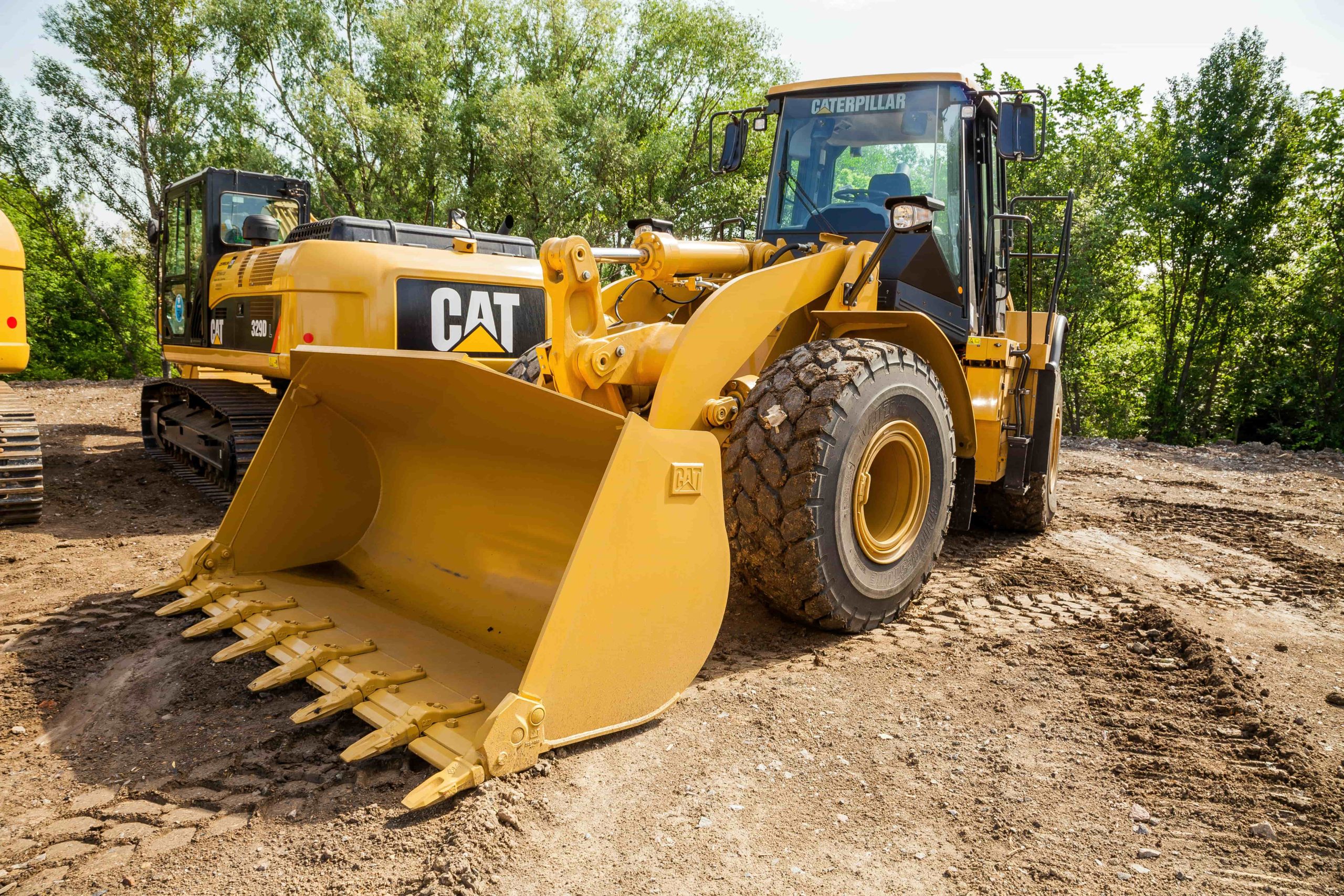

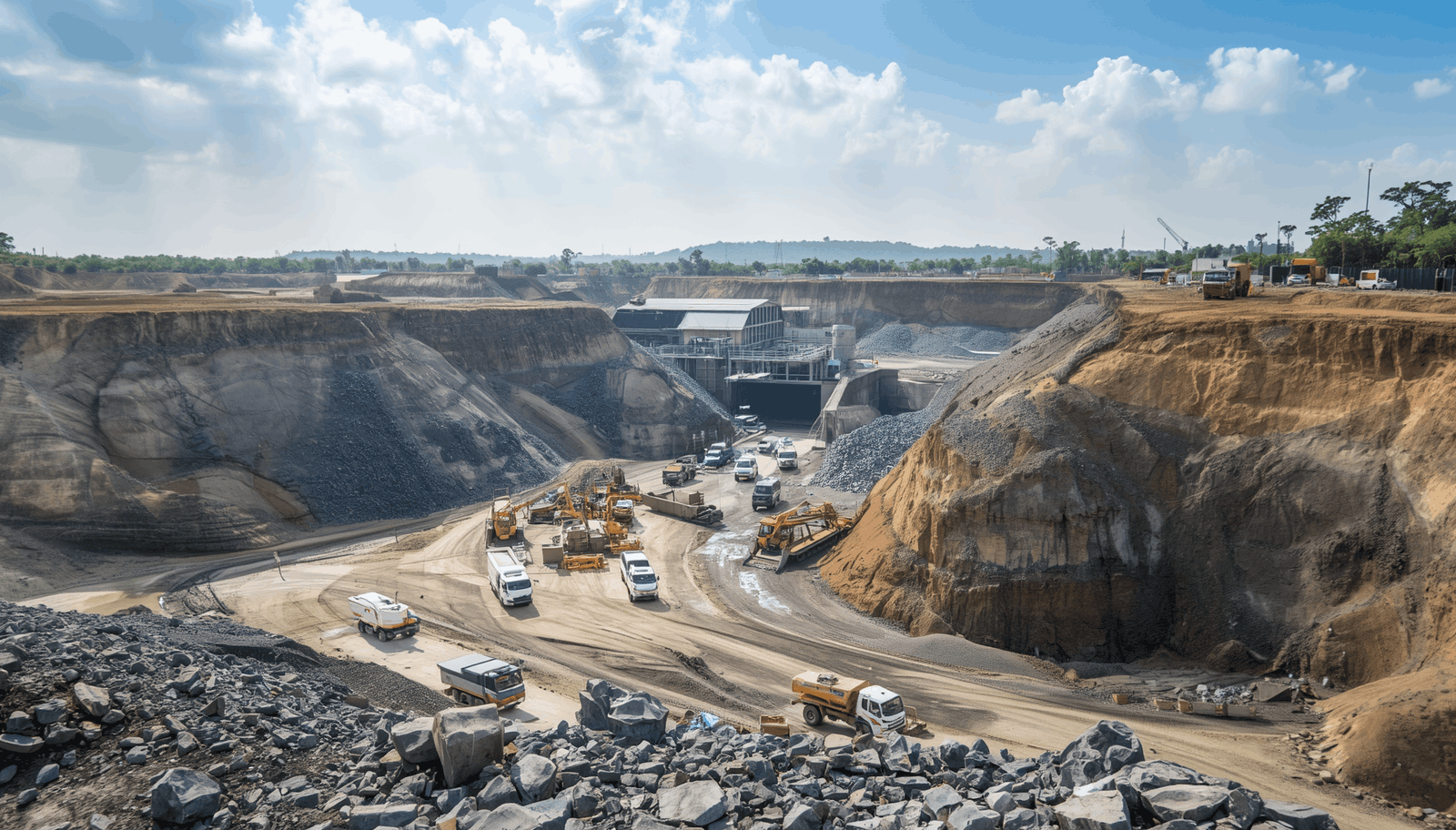
The Nigerian mining sector is rapidly emerging as one of the most attractive investment destinations in Africa. As the global economy increasingly focuses on critical minerals, battery minerals, rare earth elements, industrial minerals, and strategic raw materials, Nigeria is gaining recognition as a country with significant untapped mining potential.
For decades, Nigeria’s economy was heavily dependent on crude oil revenues. However, growing efforts to diversify the economy have placed renewed emphasis on the solid minerals sector. Today, investors from around the world are exploring opportunities in Nigeria’s mining industry as the demand for lithium, tin, coltan, zircon, monazite, bastnasite, lead, zinc, gold, and other minerals continues to grow.
Whether you are a local entrepreneur, an international investor, a mining company, or a commodity trader, understanding how to invest in the Nigerian mining sector is essential for maximizing opportunities and minimizing risks.
This comprehensive guide explores the investment landscape, available opportunities, regulatory framework, challenges, and practical steps required to invest successfully in Nigeria’s mining industry.

Why Invest in the Nigerian Mining Sector?
Nigeria possesses one of Africa’s most diverse mineral endowments.
The country is estimated to contain commercially significant deposits of:
- Lithium
- Tin Ore
- Columbite
- Tantalite
- Monazite
- Bastnasite
- Zircon Sand
- Ilmenite
- Lead Ore
- Zinc Ore
- Gold
- Barite
- Fluorite
- Limestone
- Gypsum
- Silica Sand
Many of these minerals are becoming increasingly important due to global industrialization, renewable energy development, and the transition to electric vehicles.
Growing Global Demand
The demand for critical minerals continues to rise because of:
- Electric vehicle production
- Renewable energy projects
- Battery manufacturing
- Electronics production
- Aerospace applications
- Defense technologies
Countries capable of supplying these minerals are becoming strategically important within global supply chains.
Untapped Potential
Large portions of Nigeria remain underexplored compared to other major mining jurisdictions.
This creates opportunities for:
- New discoveries
- Resource development
- Exploration partnerships
- Early-stage investments
Government Support
The Nigerian government continues implementing policies designed to encourage investment in mining.
Key objectives include:
- Economic diversification
- Increased foreign direct investment
- Local mineral beneficiation
- Export growth
- Job creation
These initiatives are helping improve investor confidence in the sector.
Understanding the Nigerian Mining Industry
The Nigerian mining industry consists of several segments.
Exploration
Exploration involves identifying and evaluating mineral deposits.
Activities include:
- Geological mapping
- Sampling
- Geophysical surveys
- Drilling
- Resource estimation
Exploration investments offer significant upside potential but also involve higher risk.
Mining
Mining involves the extraction of minerals from the ground.
Mining operations may include:
- Open-pit mining
- Underground mining
- Alluvial mining
- Quarrying
Beneficiation
Beneficiation involves upgrading minerals through processing.
Examples include:
- Gravity separation
- Magnetic separation
- Flotation
- Screening and classification
Beneficiation significantly increases mineral value.
Processing and Refining
Processing converts mineral concentrates into higher-value products.
This remains one of the most promising investment opportunities in Nigeria.
Export and Trading
Many investors participate in:
- Mineral sourcing
- Commodity trading
- Export facilitation
- International marketing
This segment often requires less capital than mining operations.
Key Minerals Attracting Investment
Lithium
Lithium is among Nigeria’s most sought-after minerals.
Demand is driven by:
- Electric vehicles
- Battery storage systems
- Renewable energy technologies
Several states have reported lithium-bearing pegmatites, including:
- Nasarawa State
- Niger State
- Kaduna State
- Kogi State
Tin Ore
Nigeria has a long history of tin production, particularly in Plateau State.
Tin remains important for:
- Electronics
- Battery technologies
- Industrial manufacturing
Coltan
Coltan contains tantalum and niobium.
These minerals are used in:
- Electronics
- Aerospace applications
- Telecommunications
- Advanced technologies
Rare Earth Elements
Minerals such as:
- Monazite
- Bastnasite
contain valuable rare earth elements used in electric vehicles, renewable energy systems, and advanced manufacturing.
Zircon and Ilmenite
These minerals are important for:
- Ceramics
- Titanium production
- Industrial applications
- Strategic manufacturing
Investment Models in Nigerian Mining
Direct Mining Investment
Investors can acquire interests in mining projects and participate directly in operations.
Advantages:
- Higher potential returns
- Greater operational control
Challenges:
- Higher capital requirements
- Operational risks
Joint Ventures
Joint ventures allow investors to partner with existing mining companies.
Benefits include:
- Reduced risk
- Access to local expertise
- Shared responsibilities
Mineral Processing Investments
Investing in beneficiation and processing facilities often offers attractive opportunities.
Benefits:
- Higher margins
- Increased value addition
- Growing demand
Mineral Trading
Commodity trading requires lower capital compared to mine development.
Activities include:
- Mineral sourcing
- Aggregation
- Export facilitation
- International marketing
Equipment and Service Provision
Investors may also participate by providing:
- Mining equipment
- Technical services
- Laboratory services
- Logistics support
Licensing and Regulatory Framework
Mining activities in Nigeria are regulated by the Federal Government through the Ministry of Solid Minerals Development and the Mining Cadastre Office.
Common mining titles include:
Reconnaissance Permit
Allows preliminary exploration activities.
Exploration License
Permits detailed exploration and resource evaluation.
Small Scale Mining Lease
Allows small-scale commercial mining operations.
Mining Lease
Permits large-scale commercial mining.
Investors should ensure that all projects possess valid licenses and regulatory approvals.
Due Diligence Before Investing
One of the most important aspects of mining investment is due diligence.
Investors should verify:
Legal Status
- Corporate registration
- Ownership structure
- Licensing validity
Geological Information
- Resource estimates
- Assay reports
- Geological data
Technical Feasibility
- Mining methods
- Processing requirements
- Infrastructure needs
Environmental Compliance
- Environmental permits
- Community relations
- Sustainability practices
Financial Assessment
- Capital requirements
- Operating costs
- Revenue projections
Proper due diligence reduces risk and improves investment outcomes.
Risks of Investing in the Nigerian Mining Sector
Like all investments, mining carries risks.
Geological Risk
Mineral deposits may not perform as expected.
Commodity Price Volatility
Mineral prices fluctuate with market conditions.
Infrastructure Challenges
Roads, power supply, and logistics can affect project economics.
Regulatory Changes
Government policies may evolve over time.
Financing Challenges
Mining projects often require substantial capital.
Successful investors understand these risks and implement appropriate mitigation strategies.
The Importance of Local Partnerships
Many successful investors work with local partners.
Benefits include:
- Market knowledge
- Community relationships
- Operational experience
- Regulatory understanding
Strong local partnerships often improve project success rates.
The Future of Mining Investment in Nigeria
Several trends support a positive outlook.
Energy Transition
Global demand for critical minerals continues increasing.
Battery Mineral Growth
Electric vehicle production requires large quantities of minerals.
Rare Earth Development
Interest in rare earth elements is expanding rapidly.
Local Beneficiation
Nigeria is encouraging value addition within the country.
International Interest
Foreign investors are increasingly exploring opportunities within the sector.
Practical Steps to Invest in Nigerian Mining
- Define your investment objectives.
- Identify target minerals.
- Conduct market research.
- Evaluate available projects.
- Perform technical due diligence.
- Verify legal documentation.
- Establish local partnerships.
- Secure financing.
- Develop an implementation strategy.
- Monitor operations and market developments.
Conclusion
The Nigerian mining sector offers significant opportunities for local and foreign investors seeking exposure to critical minerals, battery minerals, rare earth elements, industrial minerals, and strategic resources.
From exploration and mining to beneficiation, processing, and international trade, the sector provides multiple pathways for participation. While risks exist, proper due diligence, strategic partnerships, and sound investment planning can help investors capitalize on the growing opportunities available.
As global demand for minerals continues to increase and Nigeria expands its mining industry, those who position themselves early may benefit from one of Africa’s most promising resource sectors. For investors seeking long-term growth, diversification, and exposure to future-focused industries, the Nigerian mining sector deserves serious consideration.
-
Previous Post
The Future of Electric Vehicle Minerals in Africa
Post a comment
Related Posts
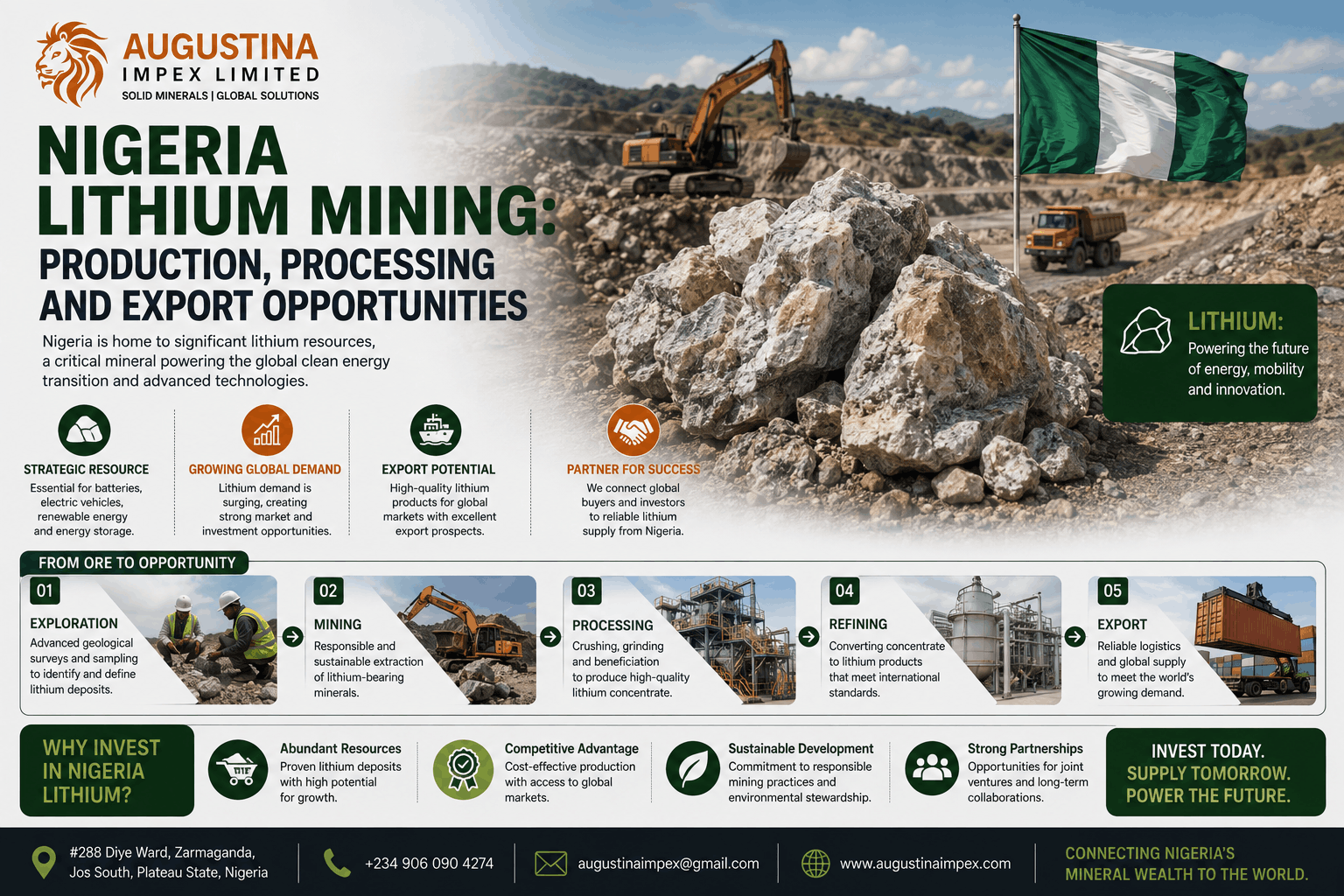
Nigeria Lithium Mining: Production, Processing & Export
Nigeria Lithium Mining: Production, Processing and Export Opportunities By Kolawole King, CEO — Augustina Impex…
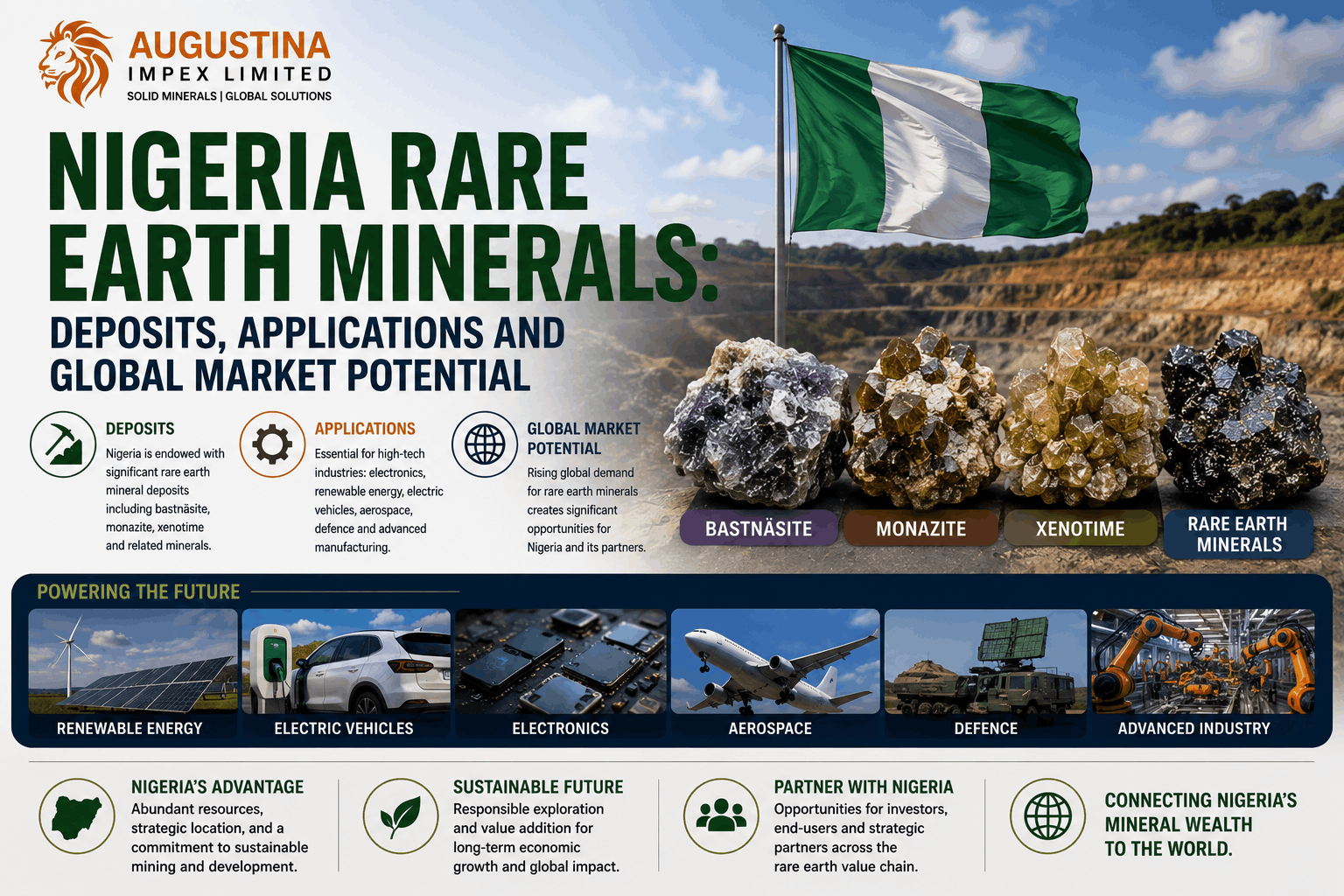
Nigeria Rare Earth Minerals: Deposits & Market Potential
Nigeria Rare Earth Minerals: Deposits, Applications and Global Market Potential By Kolawole King, CEO —…
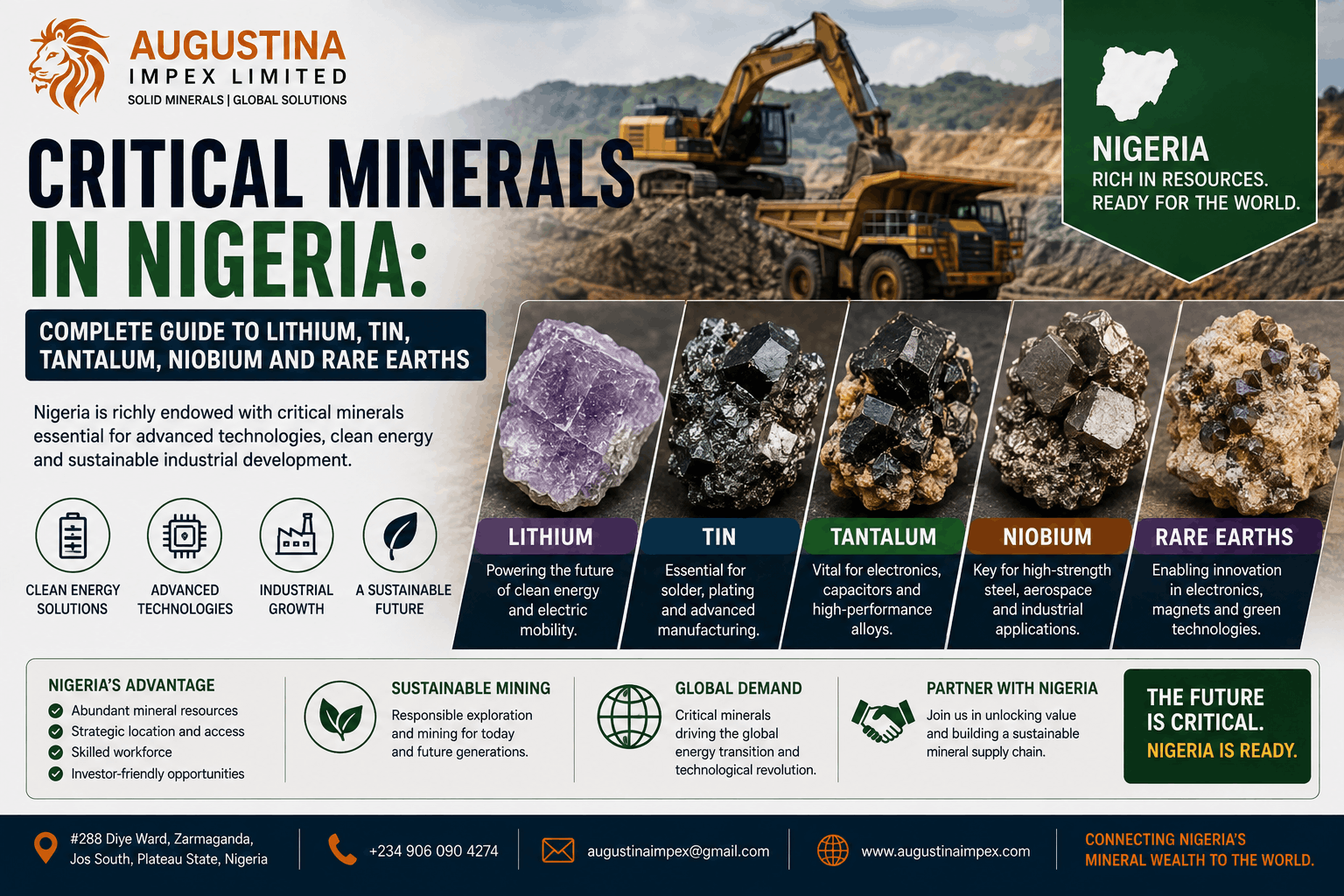
Nigeria Critical Minerals Guide: Lithium, Tin & Rare Earths
Critical Minerals in Nigeria: Complete Guide to Lithium, Tin, Tantalum, Niobium and Rare Earths By…
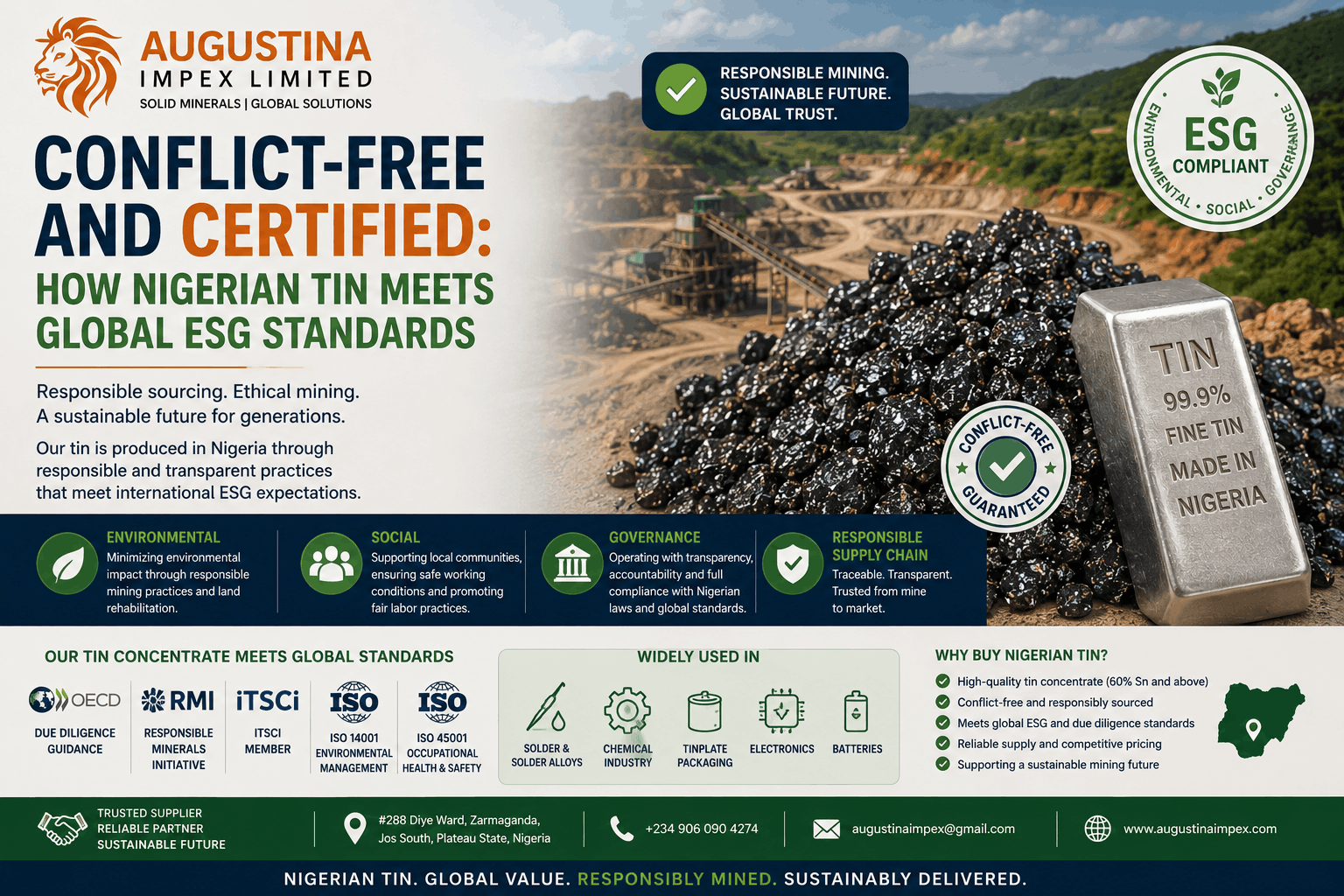
Conflict-Free Nigerian Tin Meets Global ESG Standards
Conflict-Free and Certified: How Nigerian Tin Meets Global ESG Standards By Kolawole King, CEO —…