

When international buyers search for a trusted monazite supplier, they are looking for more than just a seller with product to move. They are looking for a partner who understands the regulatory complexity of rare earth mineral trade, can provide independently verified laboratory analysis, operates within a proper legal and export compliance framework, and has the professional infrastructure to deliver what is promised — on time, with complete documentation, and without surprises at customs.
Monazite is not an ordinary mineral commodity. It is a rare earth phosphate that carries trace quantities of thorium and uranium, making it subject to radioactive materials import licensing in most importing countries. Its commercial value lies in its Total Rare Earth Oxide (TREO) content — a concentration of cerium, lanthanum, neodymium, praseodymium, samarium, and other strategically critical elements that underpin permanent magnet production, catalytic converters, phosphors, nuclear applications, and a broad spectrum of advanced technology manufacturing.
This means that buying monazite from an unreliable supplier is not merely a commercial risk — it is a regulatory risk that can expose your import licence, your facility, and your downstream customers to consequences that go well beyond a bad transaction. You need a supplier you can trust completely.
Augustina Impex Limited, a licensed Nigerian solid minerals export company headquartered in Jos, Plateau State, has been building exactly that reputation — as a transparent, documentation-first, compliance-led monazite supplier for international buyers who demand both quality and accountability. This article explains what a trusted monazite supplier looks like, what Nigerian monazite offers commercially, and why serious buyers are increasingly sourcing this critical rare earth mineral from Nigeria.

What Is Monazite and Why Does It Matter in Global Trade?
Monazite is a rare earth phosphate mineral belonging to the monoclinic crystal system, with the general chemical formula (Ce,La,Nd,Th)PO₄. It is one of the world’s most commercially significant sources of light rare earth elements (LREEs), containing high concentrations of cerium (Ce), lanthanum (La), neodymium (Nd), and praseodymium (Pr) — elements that are indispensable to modern manufacturing across dozens of high-technology sectors.
Monazite also contains detectable quantities of thorium (ThO₂) — typically between 3% and 12% — and trace uranium (U₃O₈), which classifies it as a naturally occurring radioactive material (NORM) under most national and international regulatory frameworks. This radioactivity, while not dangerous at the mineral handling stage when properly managed, triggers import licensing requirements in virtually every significant importing country and requires proper radiation safety protocols throughout the supply chain.
The commercial demand for monazite is driven primarily by its rare earth content. The permanent magnet supply chain — which underpins electric vehicle motors, wind turbine generators, industrial robotics, defence applications, and consumer electronics — requires neodymium and praseodymium, both present in commercially significant quantities in monazite. Cerium and lanthanum, the most abundant rare earths in monazite, are used in fluid catalytic cracking catalysts (petroleum refining), optical glass polishing compounds, phosphors, water treatment applications, and hydrogen storage alloys.
Global monazite supply has historically been dominated by a small number of producing countries — Australia, India, Brazil, and China — with significant concentration of processing capability in China. The same geopolitical pressures that are reshaping lithium and other critical mineral supply chains are creating urgency around alternative, non-Chinese-origin monazite supply. Nigeria is increasingly visible in this context, offering a genuine, licensed, commercially viable source of monazite for international buyers.
Nigeria’s Monazite Deposits: Geology and Commercial Significance
Nigeria’s rare earth mineral endowment is a direct function of its geology. The vast Precambrian basement complex that underlies most of Nigeria hosts extensive zones of granitic pegmatites and alluvial placer deposits — exactly the geological settings in which monazite concentrates naturally through weathering, erosion, and hydraulic sorting of heavy minerals.
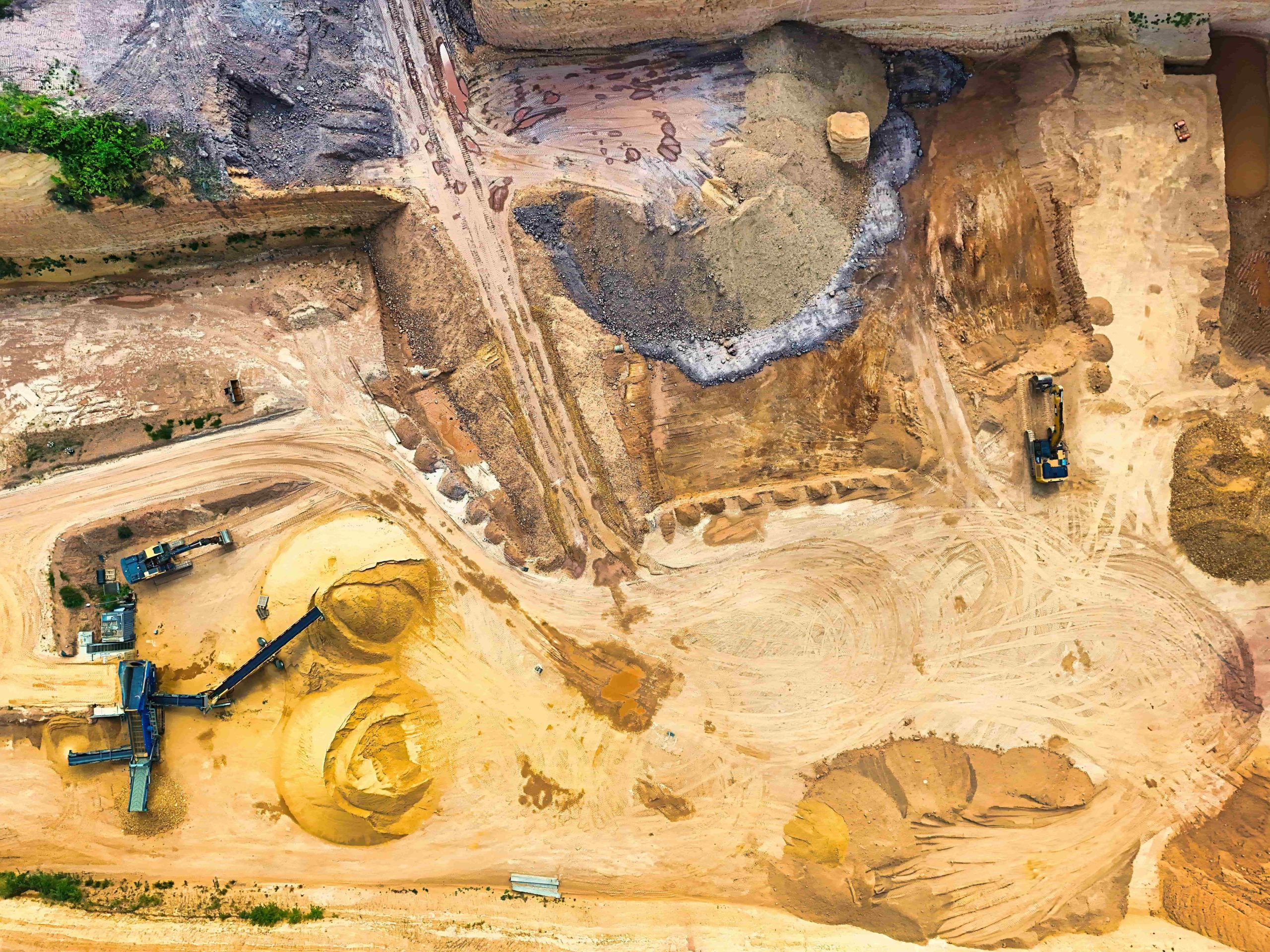
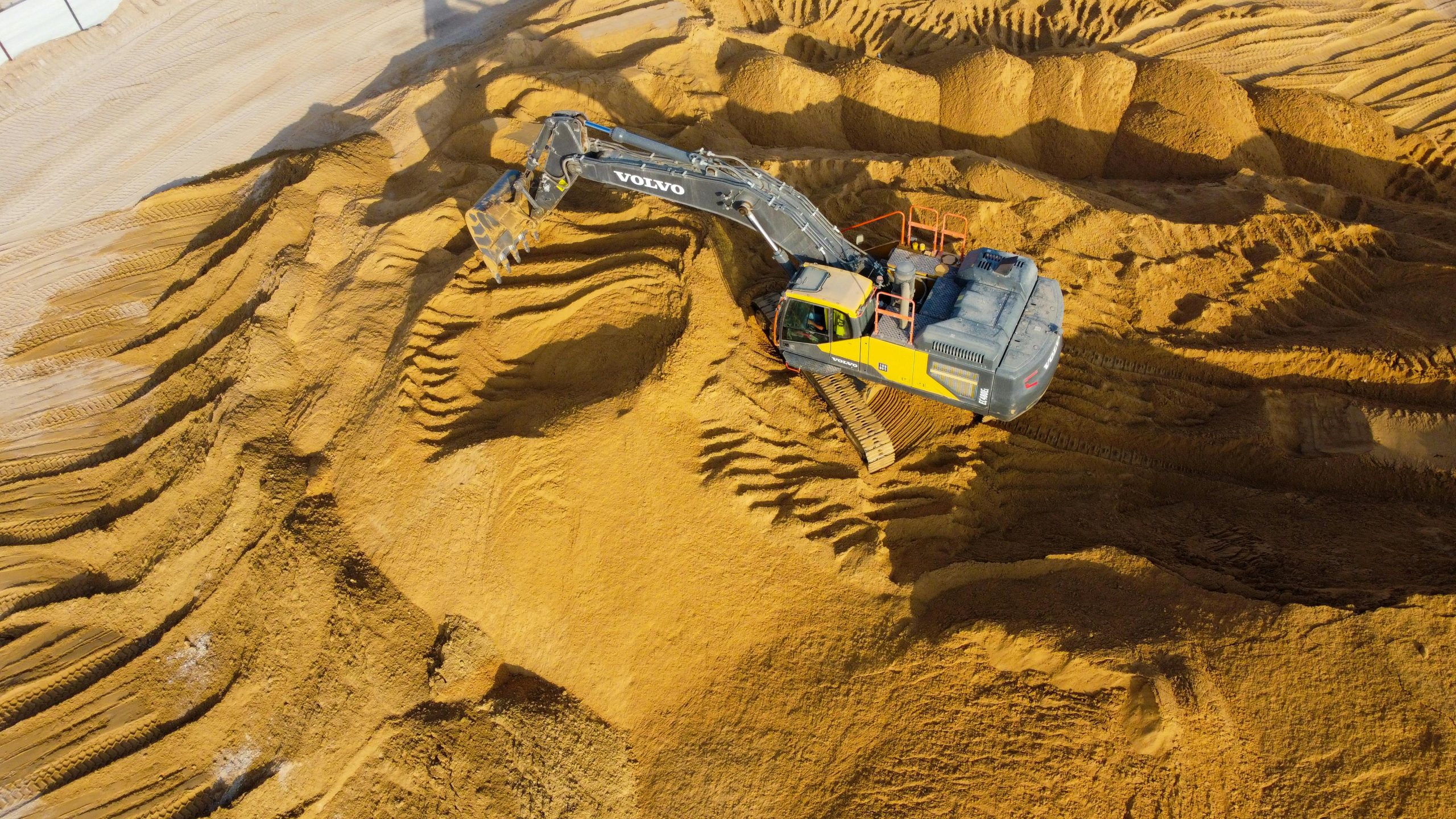
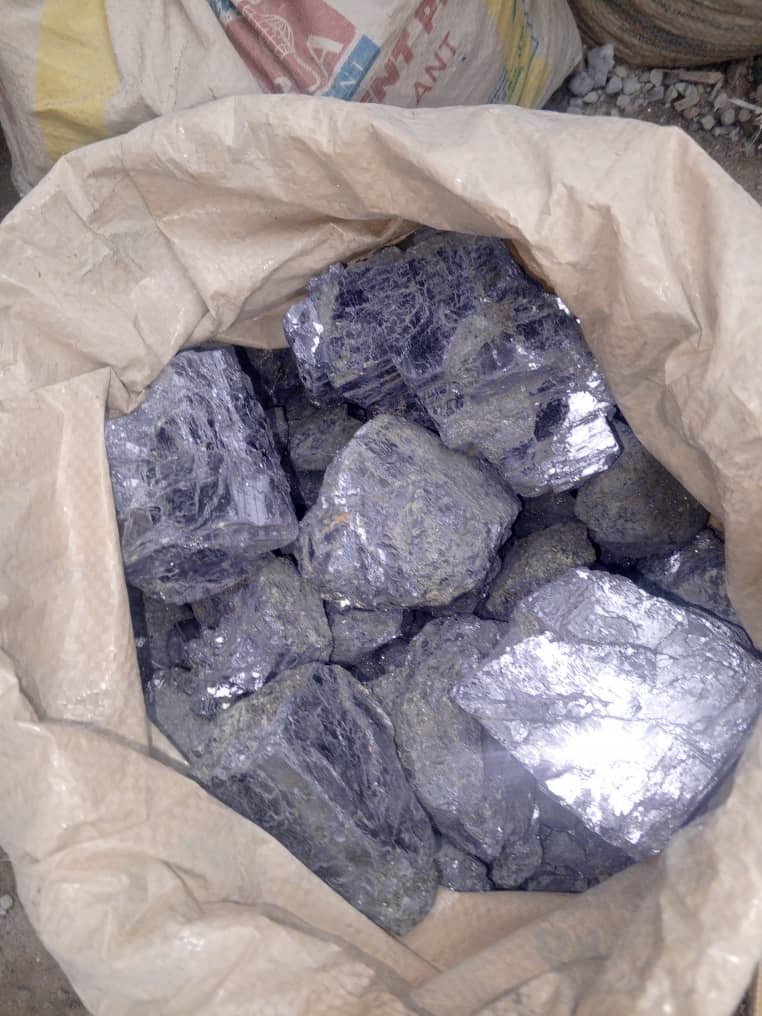
Monazite in Nigeria occurs most commonly as a heavy mineral placer — concentrated in alluvial and eluvial sediments alongside other high-density minerals including zircon, ilmenite, rutile, xenotime, and columbite-tantalite. The Jos Plateau, in particular, has a well-documented history of heavy mineral mining stretching back to the colonial tin-mining era, and monazite has been consistently identified as a co-product or by-product of alluvial mineral operations in this region.
The key Nigerian states with documented monazite presence and active or potential mineral production include:
| Plateau State | The historic heartland of Nigerian solid mineral production. Plateau’s alluvial tin fields host significant concentrations of monazite in the heavy mineral assemblage. The Jos Plateau’s established mining infrastructure — weighbridges, processing equipment, export logistics — gives it an operational advantage over more remote deposits. |
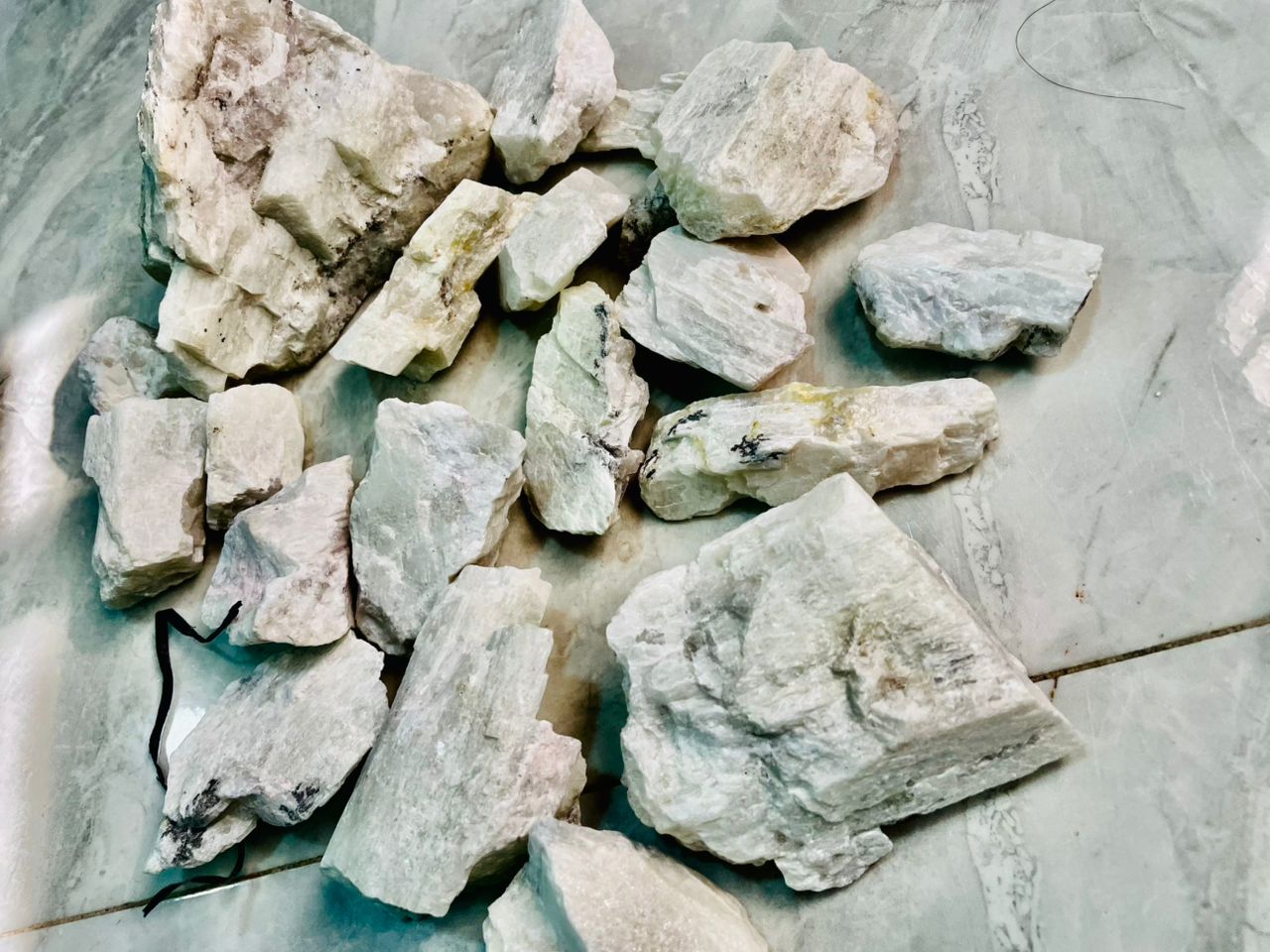
| Nasarawa State | Emerging as a major rare earth mineral state. Monazite is found alongside spodumene and other rare earth-bearing minerals in Nasarawa’s pegmatite zones. Some deposits contain bastnasite-monazite assemblages with combined TREO values of commercial interest. |
| Kwara State | Documented heavy mineral occurrences including monazite in alluvial contexts associated with the Kwara crystalline basement. The Kwara State government has been actively promoting solid mineral development under the NEPC compliance framework. |
| Kogi State | Basement complex geology hosts pegmatite-related rare earth mineralisation including monazite. Kogi is an emerging solid minerals state with growing interest from both domestic and international mining operators. |
| Cross River State | Eastern Nigerian basement complex hosts rare earth mineralisation in a geologically underexplored region. Monazite-bearing alluvial deposits are an area of increasing prospecting activity. |
Nigeria’s monazite resource base, like its broader rare earth and lithium endowment, remains substantially underexplored by international mining standards. This means that the commercially available monazite being produced and exported today represents only a fraction of what exists, and that buyers entering the Nigerian rare earth market now are accessing supply before it becomes fully competitive and priced by global capital.
What Makes a Monazite Supplier Truly Trustworthy?
The word “trusted” in mineral trade means something specific. It is not about how a supplier presents itself or what it says about its credentials. Trust in commodity mineral supply is earned through documentation, verified by independent parties, and confirmed through consistent delivery performance over time. Before we explain why international buyers trust Augustina Impex Limited as their monazite supplier, it is worth defining exactly what a trustworthy monazite supplier must be able to demonstrate.
1. Valid Legal and Regulatory Standing
A trustworthy monazite supplier must be a duly registered limited liability company under Nigerian law, with a valid Corporate Affairs Commission (CAC) registration certificate. It must hold a valid NEPC Registered Exporter (RE) certificate and Mineral Export Permit from the Nigerian Export Promotion Council — the regulatory body that governs all solid mineral exports from Nigeria. If the supplier is also a miner, it must hold a valid mining lease or mineral title from the Ministry of Mines and Steel Development (MMSD).
These are not optional formalities. They are the legal foundation on which any legitimate Nigerian monazite transaction rests. A supplier that cannot produce all of these documents — current, unambiguous, and verifiable — is not operating legally and cannot be trusted to complete an export without regulatory complications.
2. Independent ISO/IEC 17025 Accredited Laboratory Analysis
Monazite’s commercial value is entirely dependent on its TREO content and its thorium and uranium levels. The only way to know what you are actually buying is through laboratory analysis conducted by an independent, ISO/IEC 17025 accredited facility — not a document generated by the supplier themselves.
A trustworthy monazite supplier provides laboratory analysis from recognised accredited facilities — in Nigeria, Zirconex Mining & Metal Laboratory (ISO/IEC 17025) and SGS Nigeria are among the credible options. The analysis report must identify the specific sample batch, the sampling methodology, the analytical methods used, and the full elemental oxide panel. It must be signed by the laboratory’s technical director and carry the laboratory’s ISO/IEC 17025 accreditation seal.
Any supplier offering monazite without independent laboratory analysis supporting the claimed TREO grade is offering an unverified product. The grade claimed may be accurate or may be substantially inflated. Without independent verification, you have no way to know — and in a transaction involving a radioactive material import permit tied to a specific grade and quantity, inaccuracy is not merely a commercial problem.
3. Third-Party Pre-Shipment Inspection
Before any commercial payment, a trustworthy monazite supplier facilitates third-party inspection of the physical stockpile by an internationally recognised inspection agency of the buyer’s choice. SGS, Bureau Veritas, Intertek, and CCIC (China Certification and Inspection Group) are among the agencies commonly used for pre-shipment inspection of Nigerian mineral exports.
The inspection confirms the physical existence of the material, its approximate quantity, and allows representative sampling for independent laboratory analysis. A supplier who resists or delays third-party inspection is a supplier who does not want you to know what you are actually buying.
4. Complete and Consistent Export Documentation
For a radioactive mineral like monazite, complete documentation is not just a commercial requirement — it is a regulatory requirement. Nigerian monazite export documentation must be complete, internally consistent, and authentic. Missing or contradictory documents create problems at customs, delay shipments, and in the worst case trigger import rejection or regulatory action by the receiving country’s nuclear authority.
5. Physical Sample Availability
For any significant commercial transaction, a trustworthy supplier provides a physical sample — typically 1–2 kg — for in-house testing by the buyer’s laboratory or converter facility. This physical sample confirms that the material being offered matches the laboratory certificate and gives the buyer’s technical team the information they need to make a fully informed purchasing decision.
Nigerian Monazite Specifications: What to Request and Expect
Understanding the specification of Nigerian monazite before approaching a supplier protects you from misrepresentation and allows you to evaluate offers objectively. The following table sets out the key parameters that define the commercial value and regulatory classification of Nigerian monazite.
| Parameter | Standard Grade | Premium Grade | Notes |
| TREO (Total Rare Earth Oxide) | 45 – 55% | 55 – 65%+ | Higher TREO = higher commercial value |
| ThO₂ (Thorium Oxide) | 3 – 8% | 3 – 7% | Radioactive — governs import licensing in most countries |
| U₃O₈ (Uranium Oxide) | < 0.5% | < 0.3% | Trace uranium — IAEA-reported by most jurisdictions |
| Ce₂O₃ (Cerium Oxide) | 20 – 30% | 25 – 32% | Highest-volume REE in monazite |
| La₂O₃ (Lanthanum Oxide) | 10 – 15% | 12 – 16% | Used in optical glass, catalysts |
| Nd₂O₃ (Neodymium Oxide) | 8 – 12% | 10 – 13% | Key for NdFeB permanent magnets |
| Pr₂O₃ (Praseodymium Oxide) | 2 – 4% | 3 – 5% | Co-extracted with Nd for magnet production |
| Sm₂O₃ (Samarium Oxide) | 1 – 3% | 1.5 – 3% | SmCo magnets, nuclear applications |
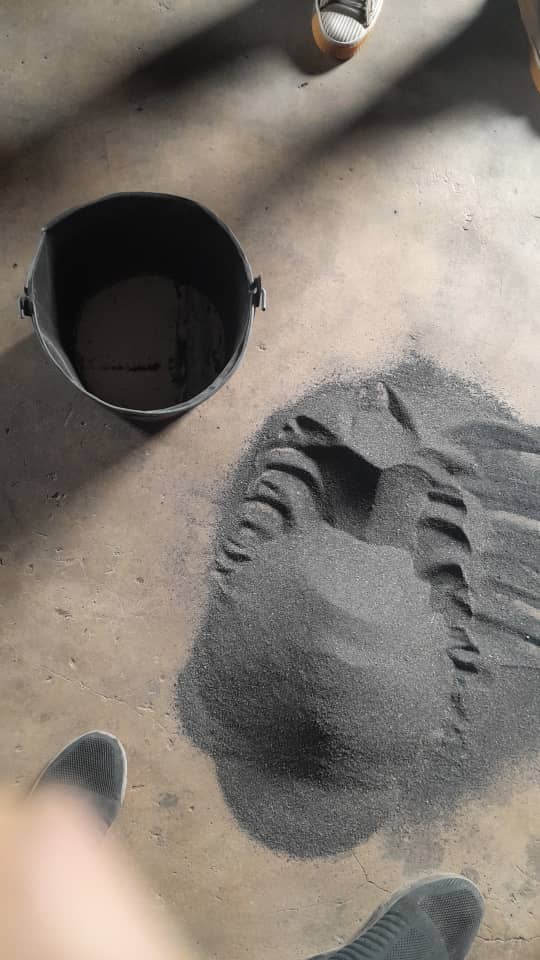
| Physical Form | Sand / granular | Sand / granular | Dense mineral, typical SG 4.9–5.3 |
| Moisture | < 10% | < 8% | Settled on dry-weight basis |
When reviewing a laboratory analysis report for Nigerian monazite, pay particular attention to the TREO percentage, the ThO₂ content (which determines the radioactive material classification and import licence category in most countries), and the individual rare earth oxide breakdown — particularly Nd₂O₃ and Pr₂O₃, which are the highest-value components for permanent magnet feedstock applications.
Always request the full elemental oxide panel, not just a TREO headline figure. The breakdown of individual rare earth oxides determines whether the material is useful for your specific downstream application. Monazite rich in cerium is valuable for polishing compounds and catalysts. Monazite with higher Nd+Pr content commands a premium for magnet feedstock buyers. The headline TREO figure does not tell you which rare earths you are actually getting.
| Important Note on Thorium and Import Licensing Monazite contains thorium (ThO₂) at levels that classify it as a Naturally Occurring Radioactive Material (NORM) in most jurisdictions. Before importing monazite, verify your country’s specific import licensing requirements for radioactive ores. Most significant importing countries — China, Japan, South Korea, EU member states, the USA — have established import procedures for monazite under their nuclear/radioactive materials regulatory frameworks. Your import licence application will typically require a laboratory certificate confirming TREO, ThO₂, and U₃O₈ content. Ensure your Nigerian supplier’s laboratory documentation matches the specifications declared on your import licence. |
Why International Buyers Are Sourcing Monazite from Nigeria
Nigeria is not the first country buyers think of when they consider rare earth supply. China, Australia, India, and Brazil have dominated the conversation for decades. So why are serious international buyers — Chinese converters, South Korean magnet manufacturers, European catalyst producers, and commodity traders across Asia and the Middle East — increasingly considering Nigerian monazite as part of their sourcing strategy?
Supply Diversification Away from Chinese-Controlled Rare Earths
China processes approximately 85% of the world’s rare earth elements and has demonstrated a willingness to use rare earth export controls as a geopolitical instrument. For buyers whose downstream supply chains depend on rare earth oxides, the concentration of processing in China represents an existential supply risk. Nigerian monazite — extracted, processed, and exported by Nigerian companies outside China’s sphere of control — offers genuine supply chain independence that buyers from South Korea, Japan, the EU, and the US are actively seeking.
Competitive TREO Values
Nigerian monazite from quality-controlled sources offers TREO content of 45–65%+ in concentrate, competitive with commercially traded monazite from other producing countries. When supported by independent laboratory analysis from an ISO/IEC 17025 accredited facility, Nigerian monazite TREO values can be verified and relied upon as the basis for commercial pricing and downstream processing economics.
FOB Export from Established Ports
Nigerian monazite is exported FOB from established ports — Apapa, Lekki, and Onne — with regular shipping connections to all major global destinations. Transit to Chinese ports is approximately 25–35 days; to South Korean and Japanese ports, 28–40 days; to Indian ports, 15–22 days; to European ports, 18–25 days. Buyers with established freight relationships can minimise ocean carriage costs and maintain scheduling flexibility on a FOB basis.
No Domestic Processing Mandate
Unlike some producing countries that are moving toward requiring in-country processing of rare earth minerals before export, Nigeria currently operates a permit-based export framework that allows raw monazite concentrate to be exported under the NEPC Mineral Export Permit system. Buyers can import Nigerian monazite as a raw mineral for processing at their own facilities, capturing the downstream value in their own jurisdiction — exactly the supply chain model that most international buyers prefer.
Competitive Pricing at an Early Stage
Nigerian monazite, as an emerging supply origin with less market recognition than Australian or Chinese material, is currently available at pricing that reflects the early-stage premium — a discount to established benchmarks that compensates buyers for the additional due diligence effort. As Nigerian supply credentials become more widely established and the volume of verified, documented Nigerian rare earth exports grows, this discount will narrow. Buyers entering the market now capture an advantage that will not be available indefinitely.
The Step-by-Step Process for Buying Monazite from a Nigerian Supplier
Understanding the buying process removes uncertainty and protects your commercial and regulatory position. The following is the structured pathway that reputable Nigerian monazite transactions follow from first contact to delivered cargo.
Step 1 — Define Your Specification Requirements
Before approaching any supplier, define your minimum acceptable TREO content, the maximum ThO₂ level your import licence allows, your preferred individual rare earth oxide breakdown, the quantity needed (trial shipment and ongoing commercial volume), your destination port, and your financial instrument capability. Having these parameters in writing allows you to evaluate supplier offers on a strictly objective basis.
Step 2 — Verify Supplier Credentials
Request the supplier’s CAC registration certificate, NEPC Registered Exporter number, and mining lease (if applicable). Cross-check the company name, registration number, and bank details for internal consistency. Call the NEPC directly to verify the RE number if the transaction value warrants it. Do not proceed to any commercial discussion without completing this step.
Step 3 — Request the Soft Corporate Offer (SCO) and Laboratory Analysis
A formal SCO sets out the proposed commercial terms: product specification and TREO grade, origin and loading port, quantity, price on FOB basis, payment terms, validity, and inspection provisions. Review the accompanying laboratory analysis report carefully — confirm it is from an ISO/IEC 17025 accredited facility, identifies the specific batch, and provides a full elemental oxide panel including ThO₂ and U₃O₈ content.
Step 4 — Commission Pre-Shipment Third-Party Inspection
Before any payment, commission SGS, Bureau Veritas, Intertek, or CCIC to inspect the stockpile and collect representative samples. Your inspector’s independent laboratory analysis — not the supplier’s — is the document on which your purchasing decision rests. Pay for this inspection yourself. Do not ask the supplier to arrange it — you need full independence.
Step 5 — Obtain and Apply for Your Import Licence
Contact your national nuclear or radioactive materials regulatory authority to confirm the import licence requirements for monazite at the specific TREO and ThO₂ levels confirmed by your inspection. Most jurisdictions have a specific import permit category for naturally occurring radioactive material ores. Apply with the independent laboratory certificate confirming the grade.
Step 6 — Finalise Payment Terms and Financial Instrument
For commercial orders, the standard instrument is an irrevocable Letter of Credit (LC) at sight — 95% against shipping documents at sight, 5% against discharge port survey confirmation. For trial shipments with an established partner, Telegraphic Transfer (T/T) — 30% advance and 70% against bill of lading — is also used. A 2% Performance Bond can be issued by reputable Nigerian monazite exporters upon receipt of a non-operative LC.
Step 7 — Export Documentation and Shipment
A compliant Nigerian monazite export generates: Commercial Invoice, Packing List, NEPC Certificate of Origin, NEPC Mineral Export Permit, Bill of Lading, ISO/IEC 17025 Certificate of Analysis, Weighbridge Certificate, Clean Certificate of Inspection (CCI), and CBN e-Form M. Additional documents required by your import country’s nuclear regulatory authority — such as a radiation safety compliance certificate or specific radioactivity measurement certificate — should be specified in the Sales and Purchase Agreement and obtained from the supplier before shipment.
Red Flags When Evaluating a Nigerian Monazite Supplier
The Nigerian solid minerals market has a well-documented problem with misrepresentation — brokers presenting themselves as producers, inflated grade claims, and advance-fee fraud targeting buyers who skip due diligence in pursuit of attractive pricing. Knowing the red flags protects you.
| No NEPC Registration | Cannot produce a valid, current NEPC Registered Exporter certificate with verifiable RE number. This is a fundamental legal requirement — its absence means the export cannot be completed legitimately. |
| Self-Generated Lab Reports | Laboratory analysis documents generated by the supplier rather than issued by an independent, ISO/IEC 17025 accredited facility. Unverifiable and commercially unreliable. |
| Inspection Resistance | Unwillingness to facilitate third-party inspection of the stockpile before payment. A supplier with nothing to hide has no reason to resist independent inspection. |
| Large Advance Payment Demands | Requests for substantial advance T/T payments — more than 10–15% of contract value — before any inspection or documentation is completed. Classic structure for advance-fee fraud. |
| Unstable Commercial Terms | Multiple rapid changes in quoted price, specification, or quantity — indicative of a broker who does not actually control the material being offered. |
| Mismatched Company Details | CAC registration name, bank account name, NEPC certificate, and email domain that do not match or are inconsistent. Any mismatch in company identity documentation is a serious concern. |
| No Physical Sample | Refusal or inability to provide a physical sample for independent testing by your laboratory prior to commercial commitment. Reputable suppliers welcome sample requests. |
| Unverifiable Mining Licence | Claims of mine ownership without a verifiable MMSD mining lease number that can be cross-checked with the Ministry of Mines and Steel Development. |
Augustina Impex Limited: A Trusted Nigerian Monazite Supplier
Augustina Impex Limited was established as a licensed Nigerian solid minerals export company with one overriding commercial principle: to provide international buyers with exactly what is promised, supported by the documentation that makes every transaction verifiable, compliant, and commercially secure. We operate from Jos, Plateau State — Nigeria’s historic mining heartland — with direct access to the mine-level relationships and the production networks that determine whether a mineral export transaction delivers or fails.
Our approach to monazite supply is built on the same foundation as our approach to all rare earth and critical mineral transactions: documentary completeness first, pricing second. We know that buyers sourcing a radioactive material for import into licenced facilities cannot afford surprises, inconsistencies, or document gaps. We structure every transaction to eliminate those risks from the outset.
When you source monazite through Augustina Impex Limited, you receive:
- Access to verified, MMSD-licensed Nigerian monazite producers with documented, inspectable stockpiles — not brokers offering material they do not control
- ISO/IEC 17025 accredited Certificate of Analysis for every commercial consignment, from Zirconex Mining & Metal Laboratory or equivalent — confirming TREO, ThO₂, U₃O₈, and the full rare earth oxide breakdown
- Third-party pre-shipment inspection facilitation through SGS, Bureau Veritas, Intertek, or CCIC — your choice of inspector, fully transparent
- Physical sample dispatch — 1–2 kg via DHL/FedEx International Priority — for your laboratory’s in-house verification before commercial commitment
- Complete NEPC/MMSD/CAC/CBN export documentation package, prepared accurately and completely for every consignment
- Competitive FOB pricing on a transparent, documented basis — no hidden intermediary markups or undisclosed fees
- 2% Performance Bond capability for qualified buyers with a non-operative LC in place
- Guidance on import licensing requirements — we can advise on the documentation your national nuclear regulatory authority typically requires for monazite import, based on experience working with buyers in China, Southeast Asia, Europe, and the Middle East
- Prompt, professional, English-language communication from a team that knows Nigeria’s mineral trade from the inside
| Contact Augustina Impex Limited To request a monazite Soft Corporate Offer (SCO), current laboratory analysis report, or to discuss your specific TREO and volume requirements, contact us directly: Kolawole King — Chief Executive Officer Email: augustinaimpex@gmail.com | WhatsApp: +234 906 090 4274 Website: www.augustinaimpex.com | #288 Diye Ward, Zarmaganda, Jos South, Plateau State, Nigeria We respond to all serious buyer enquiries within 24 hours. |
Frequently Asked Questions: Buying Monazite from Nigeria
What is TREO and why does it matter when buying monazite?
TREO stands for Total Rare Earth Oxide — the combined percentage by weight of all rare earth oxide compounds in the monazite sample. TREO is the primary driver of commercial value: higher TREO means more usable rare earth content per tonne. Nigerian monazite typically offers TREO of 45–65%+ in concentrate, comparable with material from established producing countries. Always request the individual rare earth oxide breakdown alongside the TREO headline figure.
Is Nigerian monazite subject to radioactive material import restrictions?
Yes. Monazite contains thorium (ThO₂) and trace uranium (U₃O₈), which classify it as a Naturally Occurring Radioactive Material (NORM) under most national regulatory frameworks. Import of monazite typically requires a specific radioactive materials import permit from your country’s nuclear regulatory authority — which is not the same as a standard mineral import licence. Requirements vary by country; confirm with your national authority before committing to a purchase.
What is the minimum order quantity for Nigerian monazite?
Physical samples of 1–2 kg are available for laboratory testing prior to commercial commitment. Commercial trial shipments typically start at 20–50 metric tonnes for a single container parcel. Larger commercial volumes — full container loads (20MT per 20-ft container) and multi-container consignments — scale from there. Contact Augustina Impex Limited to discuss quantities that match your specific procurement requirements.
What payment terms are accepted?
Standard commercial payment is via irrevocable Letter of Credit (LC) at sight — 95% against shipping documents, 5% against discharge port survey. For established partners on trial shipments, T/T (30% advance / 70% against bill of lading) is also acceptable. A 2% Performance Bond is available for buyers issuing a non-operative LC.
Can I arrange third-party inspection before payment?
Yes — and we strongly recommend it. Augustina Impex Limited actively welcomes pre-shipment third-party inspection by SGS, Bureau Veritas, Intertek, CCIC, or any equivalent agency. The inspection is arranged transparently, and the inspector has full access to the identified stockpile. You commission and pay the inspector directly for full independence.
What documents accompany a Nigerian monazite shipment?
A complete documentation package includes: Commercial Invoice, Packing List, NEPC Certificate of Origin, NEPC Mineral Export Permit, Bill of Lading, ISO/IEC 17025 Certificate of Analysis (full oxide panel), Weighbridge Certificate, Clean Certificate of Inspection (CCI) from your appointed inspector, and CBN e-Form M. Additional radiation safety or radioactivity measurement certificates can be provided on request where required by the importing country’s regulatory authority.
How long does shipping take from Nigeria to my port?
Ocean transit from Lagos (Lekki or Apapa) to China (major ports) is approximately 25–35 days. South Korea (Busan) is 28–38 days; Japan (major ports) 30–40 days; India (Mumbai/Nhava Sheva) 15–22 days; Europe (Rotterdam, Hamburg) 18–25 days. Work with an experienced freight forwarder who knows Nigerian port procedures for optimal scheduling.
What is the difference between monazite, xenotime, and bastnasite?
All three are rare earth-bearing minerals but with different chemical compositions and REE profiles. Monazite is a phosphate rich in light rare earths (Ce, La, Nd, Pr) with significant thorium. Xenotime is a yttrium phosphate rich in heavy rare earths (Y, Dy, Er, Yb) with lower thorium — valuable for its HREE content. Bastnasite is a carbonate fluoride rich in cerium and lanthanum with negligible thorium — the primary REE mineral mined at Mountain Pass (USA) and Bayan Obo (China). Nigeria has commercial quantities of all three, often in association. Augustina Impex Limited can supply all three on request.
Conclusion: The Standard for a Trusted Monazite Supplier
The monazite market rewards suppliers who take compliance and documentation seriously, and punishes those who do not. A single consignment with incomplete radioactive materials documentation can trigger import rejection, licence suspension, or regulatory investigation in the receiving country. A TREO grade claim that does not survive independent laboratory testing can trigger contract disputes and reputational damage that reverberates through supply chain relationships.
This is why the question of trust in monazite supply is not abstract. It is specific, technical, and consequential. A trusted Nigerian monazite supplier is one who can produce every document we have described in this article, welcomes every independent verification step, prices the material honestly on the basis of verified grade, and delivers exactly what is agreed — on time, with complete documentation, without excuses.
That is the standard Augustina Impex Limited holds itself to. Not because compliance is easy in Nigerian mineral trade — it is not — but because it is the only way to build the long-term commercial relationships with international buyers that sustain a serious export business. Every shortcut a supplier takes is a risk transferred to the buyer. We do not transfer risk to our buyers. We absorb it through proper process, so that when you receive your consignment of Nigerian monazite, the only thing you need to think about is how to process it.
We look forward to demonstrating what a truly trusted Nigerian monazite supplier looks like in practice. Contact us today to begin the conversation.
Kolawole King | Chief Executive Officer — Augustina Impex Limited
#288 Diye Ward, Zarmaganda, Jos South, Plateau State, Nigeria
augustinaimpex@gmail.com | WhatsApp: +234 906 090 4274 | www.augustinaimpex.com
-
Previous Post
Why International Buyers Choose Nigerian Lithium Ore
Post a comment
Related Posts
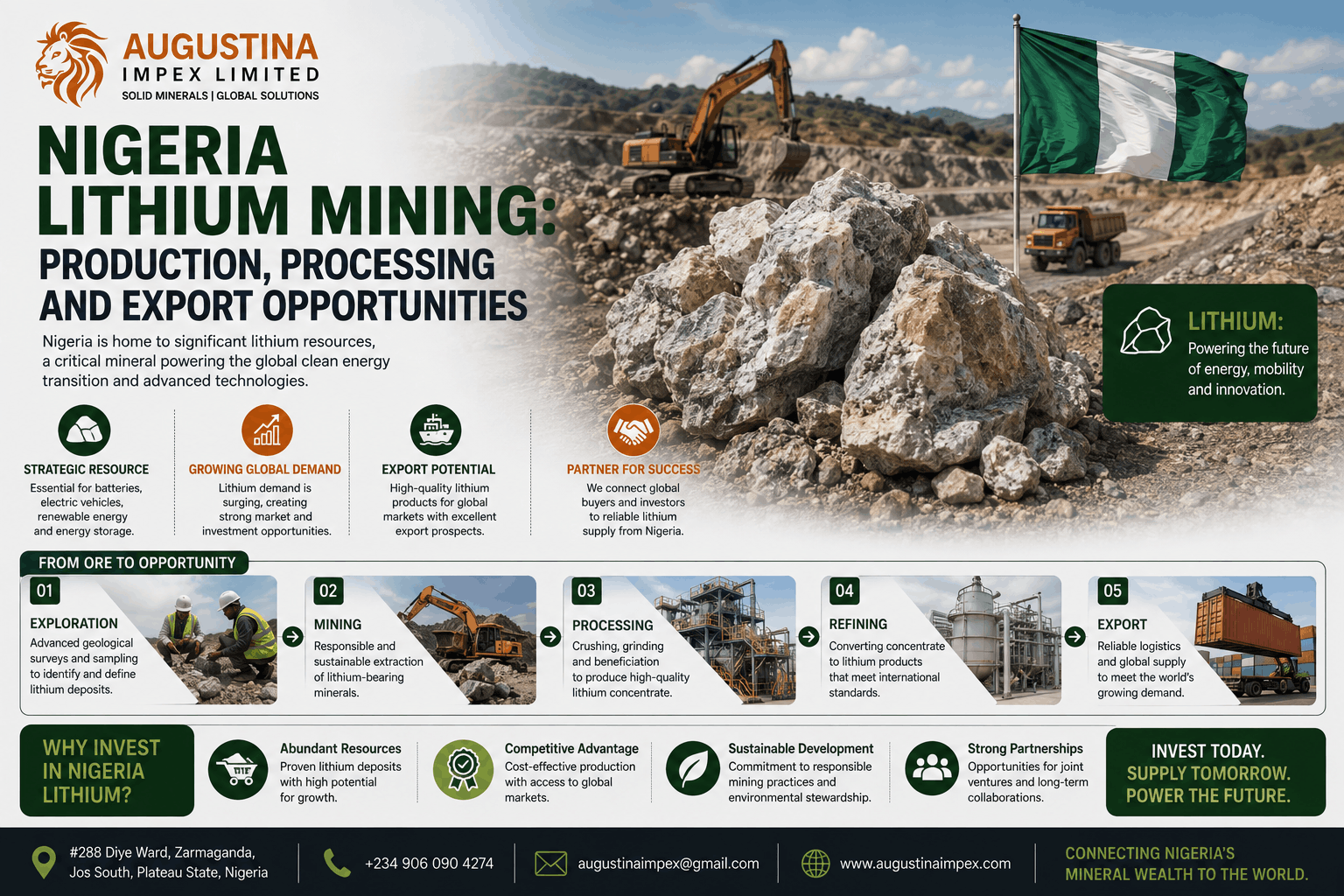
Nigeria Lithium Mining: Production, Processing & Export
Nigeria Lithium Mining: Production, Processing and Export Opportunities By Kolawole King, CEO — Augustina Impex…

Nigeria Rare Earth Minerals: Deposits & Market Potential
Nigeria Rare Earth Minerals: Deposits, Applications and Global Market Potential By Kolawole King, CEO —…
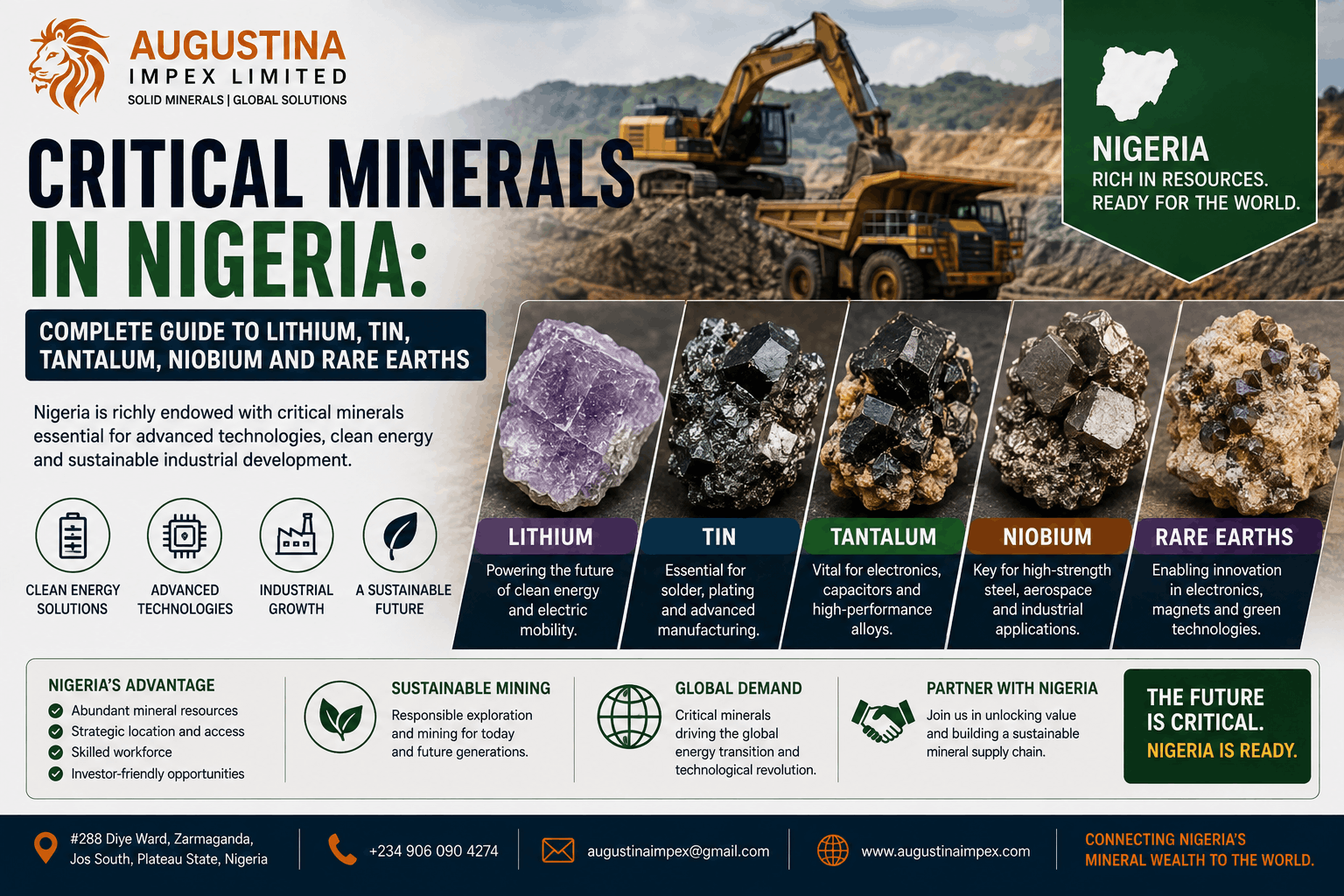
Nigeria Critical Minerals Guide: Lithium, Tin & Rare Earths
Critical Minerals in Nigeria: Complete Guide to Lithium, Tin, Tantalum, Niobium and Rare Earths By…
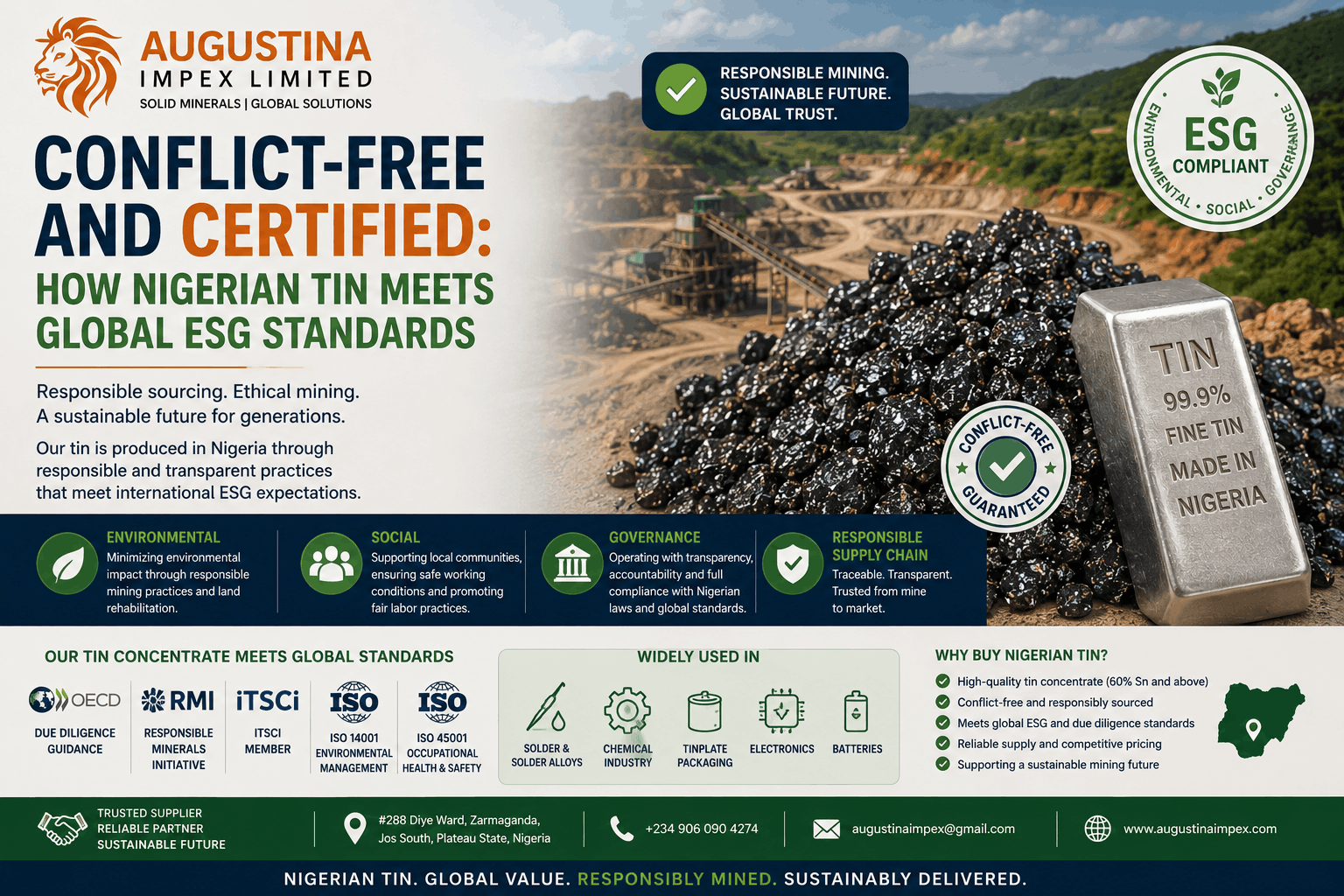
Conflict-Free Nigerian Tin Meets Global ESG Standards
Conflict-Free and Certified: How Nigerian Tin Meets Global ESG Standards By Kolawole King, CEO —…