
By Kolawole King, Chief Executive Officer, Augustina Impex Limited
I have spent my entire working life with tin ore running through my hands. On the Jos Plateau, where I built Augustina Impex, cassiterite is not an abstract commodity — it is the rock that shaped this region, the metal that built our city, and the trade that gave me my start more than two decades ago. So when people ask me about tin ore export from Nigeria, I do not answer from a textbook. I answer from the mineral sheds, the mine ponds, and the quarter-century I have spent moving this metal from Nigerian ground to buyers across the world.
In this guide, I want to explain tin ore supply and export from Nigeria clearly and honestly — what tin ore is, where it comes from in this country, how it moves from the mine to the international market, why global demand is rising, and what it takes to do this business properly. Whether you are an international buyer, an investor, or someone curious about Nigeria’s solid minerals sector, this is the practitioner’s view of one of Africa’s most enduring mineral trades.

A Brief History: The Mineral That Built Jos
Before Nigeria was an oil nation, it was a tin nation. For decades, tin was among the country’s most important mineral resources and a major earner of foreign exchange. The Jos Plateau, with its rich alluvial cassiterite, made Nigeria one of the significant tin producers of the twentieth century, reaching a wartime peak in the 1940s when Plateau tin — and its companion minerals tantalum and niobium — fed industries far beyond our shores.
Then came oil, and the slow neglect of solid minerals. Tin production declined steeply through the 1970s and 1980s, falling from around ten thousand tonnes a year in its prime to a fraction of that. The big companies left, and what remained passed largely into the hands of artisanal miners working much as their grandparents had. But the tin never disappeared. It was simply waiting — and today, as the world rediscovers the strategic value of this metal, tin ore export from Nigeria is once again a serious opportunity. Understanding that history is the first step to understanding the present.
What Is Tin Ore? Understanding Cassiterite
Let me start with the basics, because clarity matters. Tin ore is the raw mineral from which tin metal is extracted, and in Nigeria — as in most of the world — that ore is overwhelmingly cassiterite.
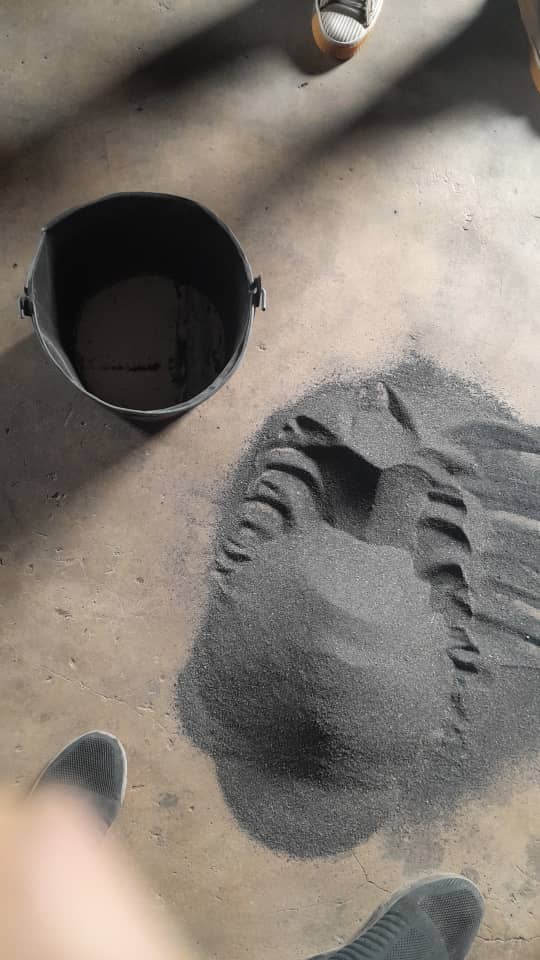
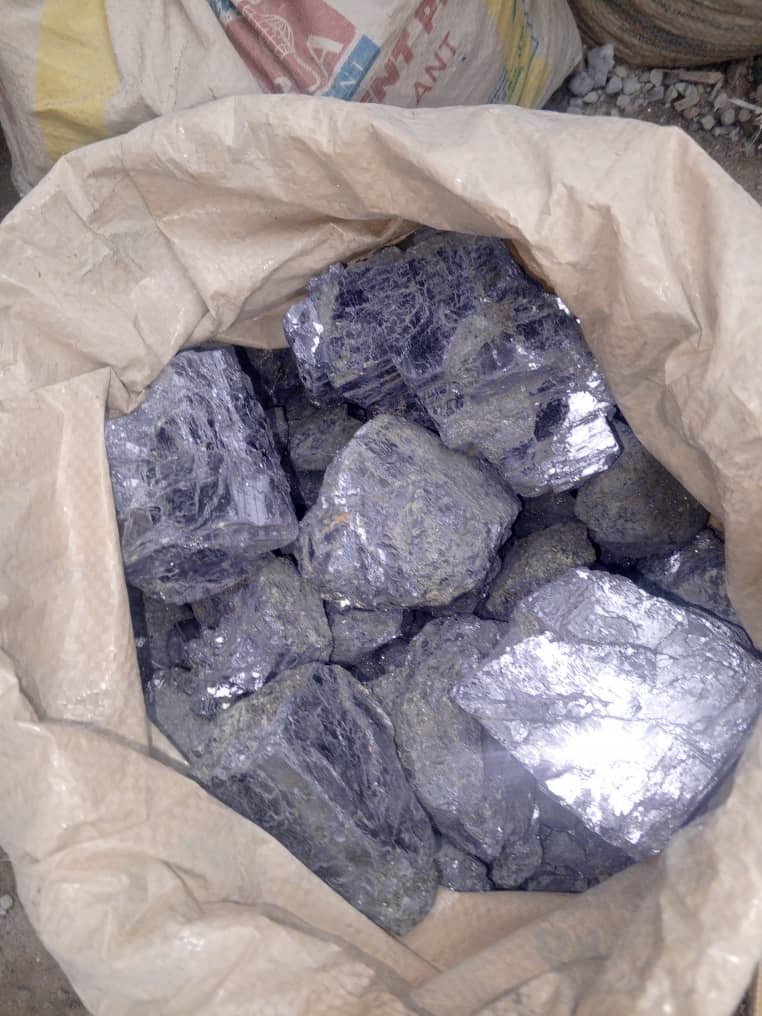
Cassiterite is tin oxide, with the chemical formula SnO2. It is a heavy, hard, typically dark brown to black mineral, and it is the single most important commercial source of tin on earth. On the Jos Plateau, cassiterite occurs both in alluvial deposits — concentrated in the gravels of ancient riverbeds and weathered granite — and in hard-rock formations. Its high density is precisely what makes it recoverable by gravity-based methods, the same principle that has been used here for over a century.
Why does the world want it? Because tin is indispensable to modern life. Its single largest use, accounting for roughly forty percent of global demand, is solder — the material that joins virtually every electronic connection on the planet. Beyond electronics, tin is used in tinplate for packaging, in alloys such as bronze and pewter, in chemicals, and increasingly in the technologies of the energy transition, from circuit boards in electric vehicles to the junctions in solar panels. When you understand that tin is the connective tissue of the electronic age, you understand why steady cassiterite supply matters so much.
Nigeria’s Tin Ore Supply: Where It Comes From
Nigeria is a long-established tin producer — historically ranked among the world’s significant suppliers — and the country holds substantial reserves that remain underexploited relative to their potential. The supply picture rests on a few key regions.
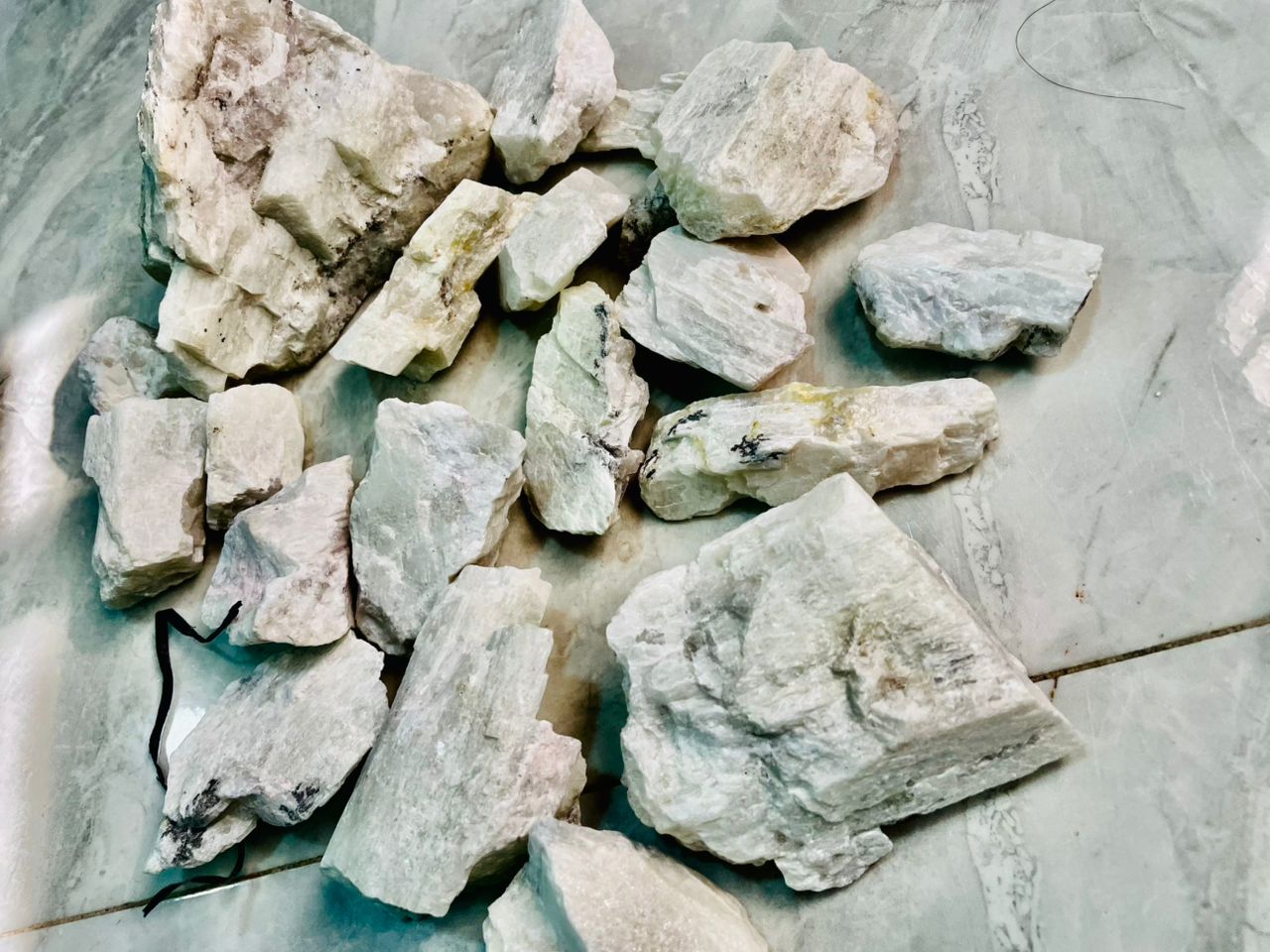
The Jos Plateau in Plateau State is the historic and still dominant heartland of Nigerian tin, the centre of the country’s cassiterite production for well over a century. Beyond the Plateau, tin ore deposits are also found in parts of Cross River State and Akwa Ibom State, broadening the national supply base. Across these regions, the resource is genuinely abundant, and decades of limited modern exploration mean a great deal remains untapped.
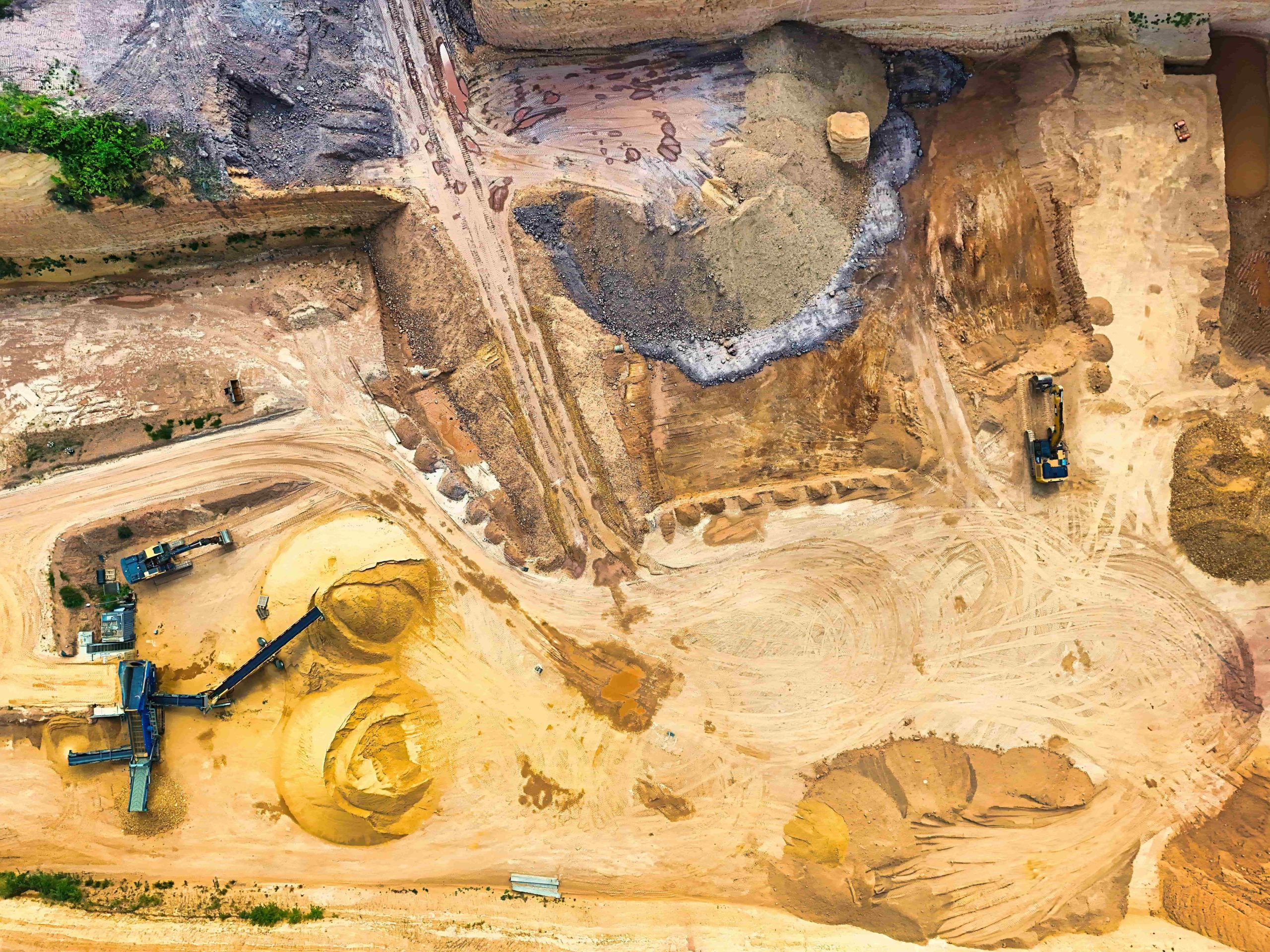
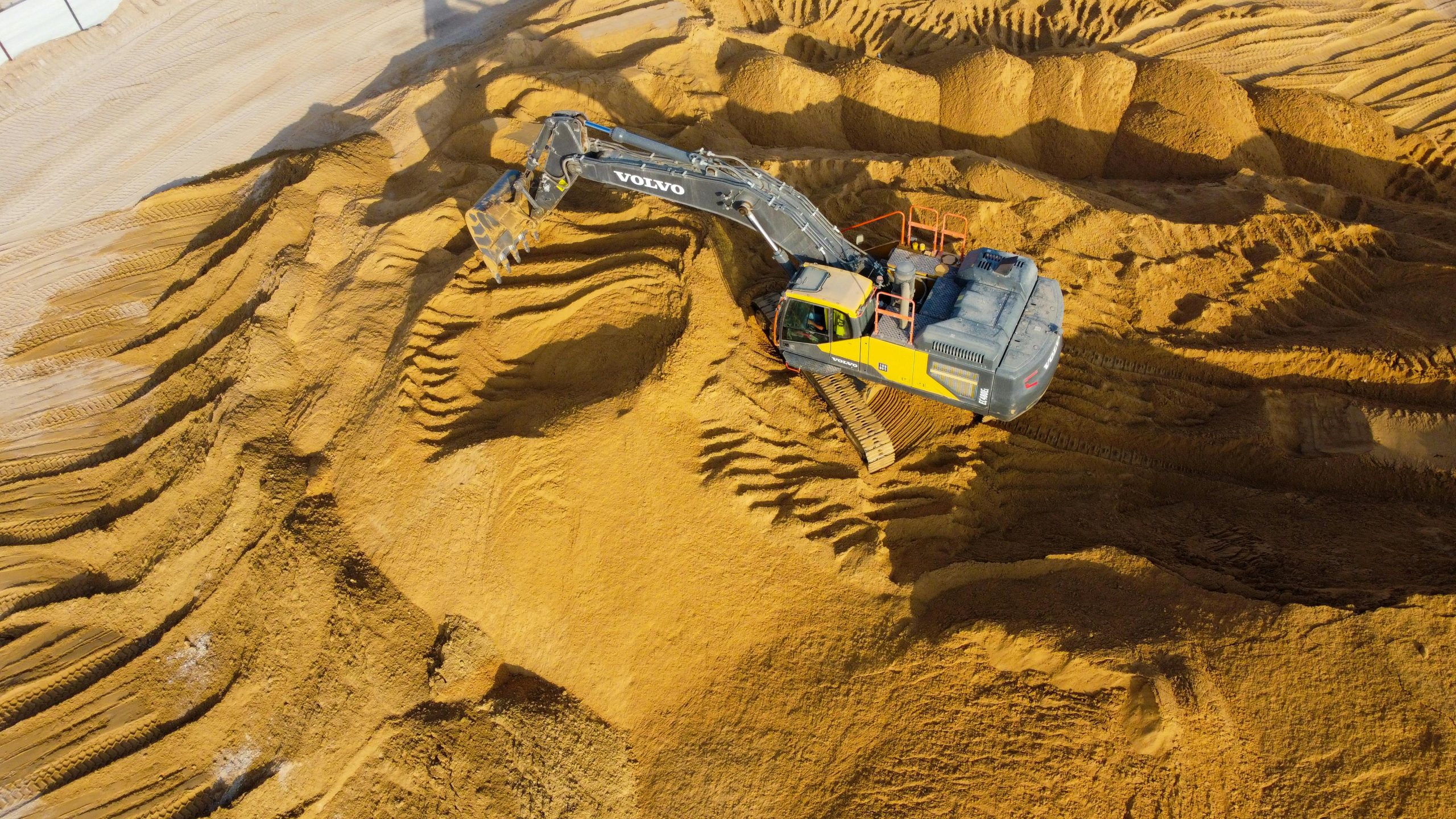
The defining feature of Nigerian tin supply today, however, is that it is overwhelmingly artisanal and small-scale. Thousands of individual miners and small operators recover cassiterite using methods ranging from simple hand tools to small mechanised equipment, selling their output through a network of local buyers and mineral sheds. The cassiterite they produce is of genuinely high quality — but the supply chain that brings it to market is fragmented, largely informal, and in need of organisation. This is both the central challenge and the central opportunity of tin ore supply in Nigeria, and it shapes everything about how the export business works.
From Mine to Market: The Tin Ore Supply Chain
For tin ore to travel from a Plateau mine to an international buyer, it must pass through several stages, and value is added — or lost — at each one.
It begins at the source, where artisanal and small-scale miners extract the raw cassiterite-bearing material. From there, the ore moves to aggregation points and mineral sheds, where buyers consolidate output from many small producers into commercially meaningful quantities. The material is then processed and concentrated — washed, separated by gravity and other physical methods, and upgraded to remove waste and raise the tin content. Well-processed Nigerian cassiterite concentrate typically reaches tin grades in the range of sixty to seventy-five percent, which is highly attractive to international smelters and buyers.
Crucially, the concentrate must then be verified for quality. Reputable exporters arrange independent assay and inspection — through internationally recognised agencies such as SGS or Bureau Veritas — to certify the tin content and confirm the material meets the buyer’s specifications. Only then is the concentrate ready for export logistics: packaging, documentation, and shipment to the buyer’s destination. The exporters who manage this chain well — ensuring consistent quality, honest grading, and reliable delivery — are the ones who build lasting relationships with serious international buyers.
Global Demand: Why the World Wants Nigerian Tin
The timing for tin ore export from Nigeria could hardly be better, because global tin demand is firm and the supply outlook is tight.
Tin prices have been strong. On the London Metal Exchange, refined tin has traded around fifty-five thousand US dollars per tonne through 2026, having touched even higher levels earlier in the year — robust numbers that reflect healthy demand and constrained supply. The market for tin ore and concentrate has rebounded sharply too, with average traded concentrate prices rising substantially in recent years. Analysts expect global cassiterite demand to keep growing at a steady annual clip, and the supply of new tin resources worldwide remains limited, which supports prices over the long term.
What is driving this demand? Above all, electronics and the digital economy. Solder remains tin’s dominant application, and the relentless growth of consumer electronics, 5G infrastructure, the internet of things, and electric vehicles is forecast to drive the majority of refined tin demand growth in the years ahead. Tin has quietly become a critical mineral of the technology and energy-transition era. For Nigerian suppliers, the destinations are well established: the great tin-consuming and smelting economies of Asia — China above all, along with Malaysia and Indonesia — are large, sustainable markets where buyers actively seek steady, reliable sources of supply. That last phrase matters: buyers do not want one-off cargoes. They want dependable partners.
How Tin Ore Export from Nigeria Works
Let me turn to the practical mechanics, because tin ore export from Nigeria is a regulated trade, and doing it correctly is what separates credible exporters from the rest.
It begins with the product specification. Buyers contract on the basis of agreed parameters — tin content (commonly expressed as a minimum percentage of Sn), permissible impurities, moisture, and quantity. Honest, verifiable grading against these specifications is the foundation of every legitimate deal.
Then come the commercial terms, most often expressed as FOB or CIF. Under FOB (Free On Board), the seller delivers the goods to the port and loads them onto the vessel, after which responsibility passes to the buyer. Under CIF (Cost, Insurance and Freight), the seller handles loading, insurance, and freight all the way to the buyer’s chosen destination. Which one applies depends on what the parties negotiate, and each has implications for price and risk.
Export also requires proper documentation and compliance. A legitimate exporter must hold the appropriate mineral title and export authorisation from Nigeria’s mining authorities, register with the Nigerian Export Promotion Council, and obtain the necessary export permits and inspection certificates — including a clean certificate of inspection confirming the verified quality of the consignment. Working with a competent freight forwarder to handle shipping logistics completes the process. Margins in this trade can be substantial — particularly for those who source efficiently and add value through quality processing — but they are earned through diligence, compliance, and reliability, not shortcuts.
This is the part of the business where reputation is built or destroyed. The exporters who respect the documentation, certify their quality honestly, and deliver consistently are the ones international buyers return to, year after year.
The Challenges We Cannot Ignore
I never present an opportunity without an honest account of its obstacles, and tin ore export from Nigeria carries real ones.
Illegality and traceability sit at the top of the list. A large share of Nigerian tin moves through informal, undocumented channels, and international buyers increasingly demand proof that the cassiterite they purchase was sourced legitimately, without conflict or illegal activity. The exporters who can prove clean, traceable provenance hold a decisive advantage; those who cannot will find doors closing.
Security is a second, serious reality. Parts of the mining regions have faced insecurity, which can disrupt supply and deter investment. It is a challenge that the sector and the authorities must continue to confront honestly.
Quality consistency is a third. Because so much supply comes from fragmented artisanal sources, maintaining consistent grade and reliable volume requires real effort in aggregation, processing, and quality control. Buyers value dependability above almost everything, and delivering it is a genuine operational discipline.
Value addition is a fourth, and one I feel strongly about. For over a century, Nigeria has largely exported tin in raw or concentrate form while the smelting and the highest-value processing happened elsewhere. Building more in-country processing and beneficiation capacity is the path to capturing greater value — a goal that aligns squarely with the government’s current drive to end the export of unprocessed minerals.
Finally, price volatility and logistics. Tin prices, while strong, do move with global cycles, and the cost and complexity of moving concentrate from the Plateau to international ports remain real factors in the economics. Anyone serious about this trade must plan for both.
None of these challenges is a reason to stay away. They are simply the reasons that credible, well-organised, responsible operators are exactly what this sector needs.
Where Augustina Impex Fits In
I did not write this guide as a neutral observer. I wrote it because tin ore supply and export from Nigeria is the work I have done for a quarter of a century, and because the gap between Nigeria’s potential and its reality is bridged by credible operators on the ground — which is precisely what Augustina Impex was built to be.
Augustina Impex Limited has operated across the Jos Plateau mineral belt since 2001, formally incorporated in 2008, with tin and cassiterite at the very core of our heritage and our trade, alongside columbite, tantalite, monazite, zircon, lithium, and more. We know the miners and the mineral sheds because we come from this place. We understand processing, honest grading, quality verification, documentation, and export logistics because we have spent twenty-five years doing it. And in a market where international buyers now demand not just quality but legitimacy and reliability, that combination of deep local roots and professional, transparent dealing is exactly what makes us a partner worth trusting.
For international buyers seeking a steady, reliable, responsibly sourced supply of high-grade Nigerian cassiterite, and for investors interested in Nigeria’s tin and broader solid minerals opportunity, Augustina Impex offers the credible bridge between the ground here on the Plateau and the global market. We have spent a career learning to do this business the right way.
Tin built the Jos Plateau more than a century ago, and today, as the world rediscovers this remarkable metal, the Plateau has the chance to matter on the global stage once again. After a lifetime working these hills, I am determined to help write that next chapter — more organised, more responsible, more value-adding, and more honest than the last. At Augustina Impex, with both feet planted firmly in this soil and both eyes on the world, that is the future we are working to build.
If you are a buyer, an investor, or a partner thinking seriously about sourcing tin ore from Nigeria, I would welcome the conversation.
Contact Augustina Impex Limited
Kolawole King Chief Executive Officer, Augustina Impex Limited #288 Diye Ward, Zarmaganda, Jos South, Plateau State, Nigeria Email: augustinaimpex@gmail.com WhatsApp: +234 906 090 4274 Website: https://augustinaimpex.com Blog: https://augustinaimpexng.blogspot.com/ Advert Video: https://www.youtube.com/watch?v=Izg0t7By6co
-
Previous Post
Understanding Li₂O Grades in Lithium Ore
Post a comment
Related Posts
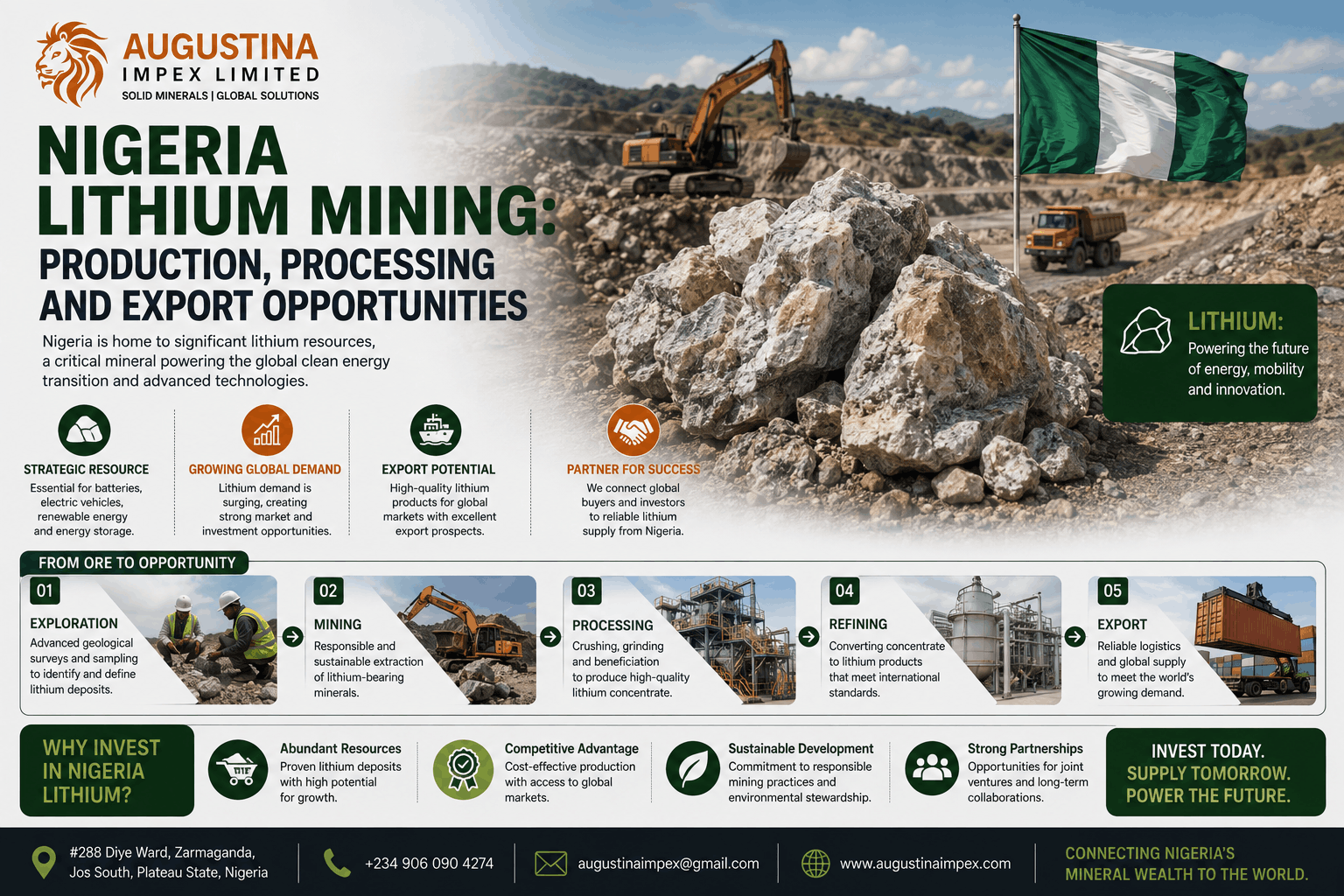
Nigeria Lithium Mining: Production, Processing & Export
Nigeria Lithium Mining: Production, Processing and Export Opportunities By Kolawole King, CEO — Augustina Impex…
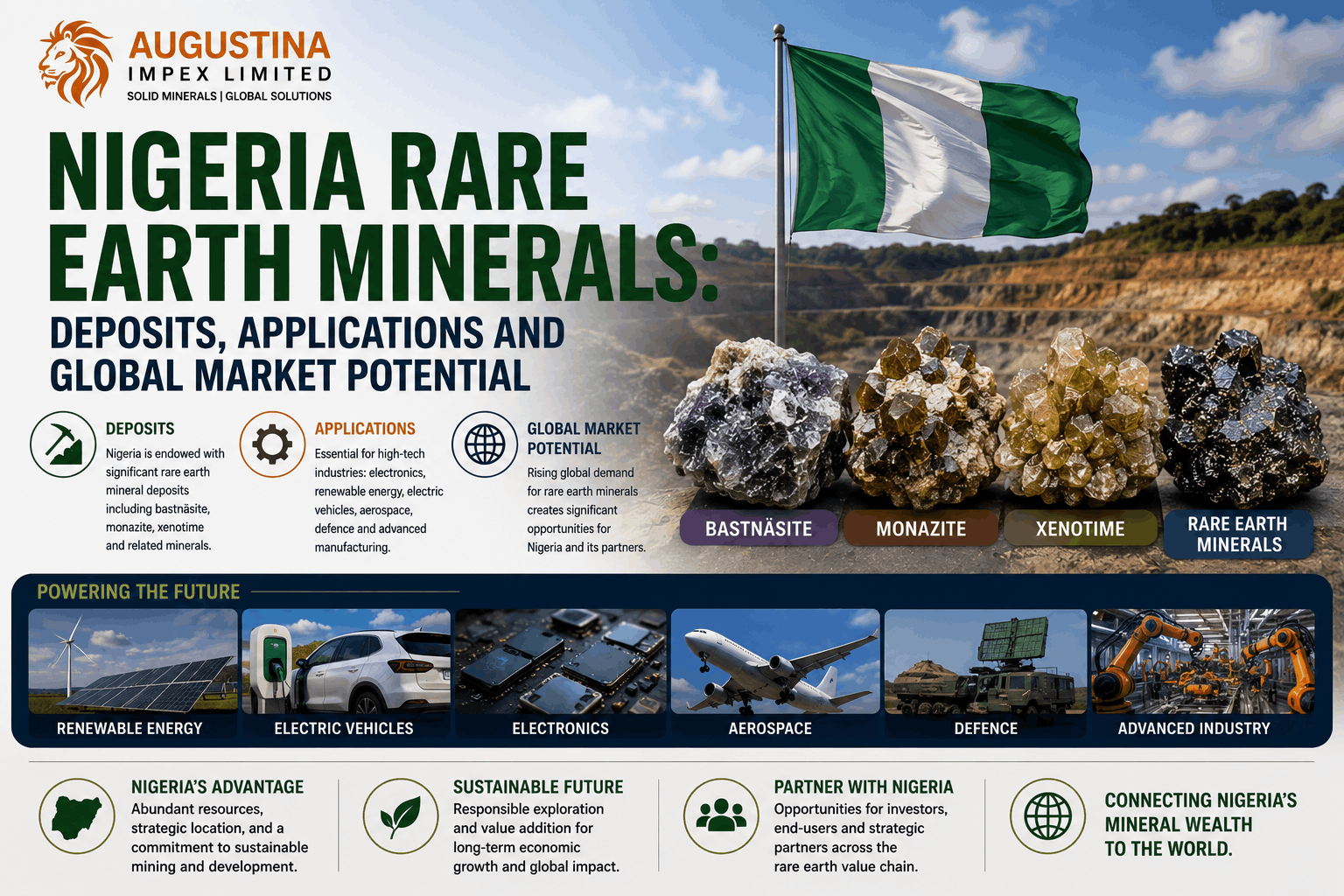
Nigeria Rare Earth Minerals: Deposits & Market Potential
Nigeria Rare Earth Minerals: Deposits, Applications and Global Market Potential By Kolawole King, CEO —…
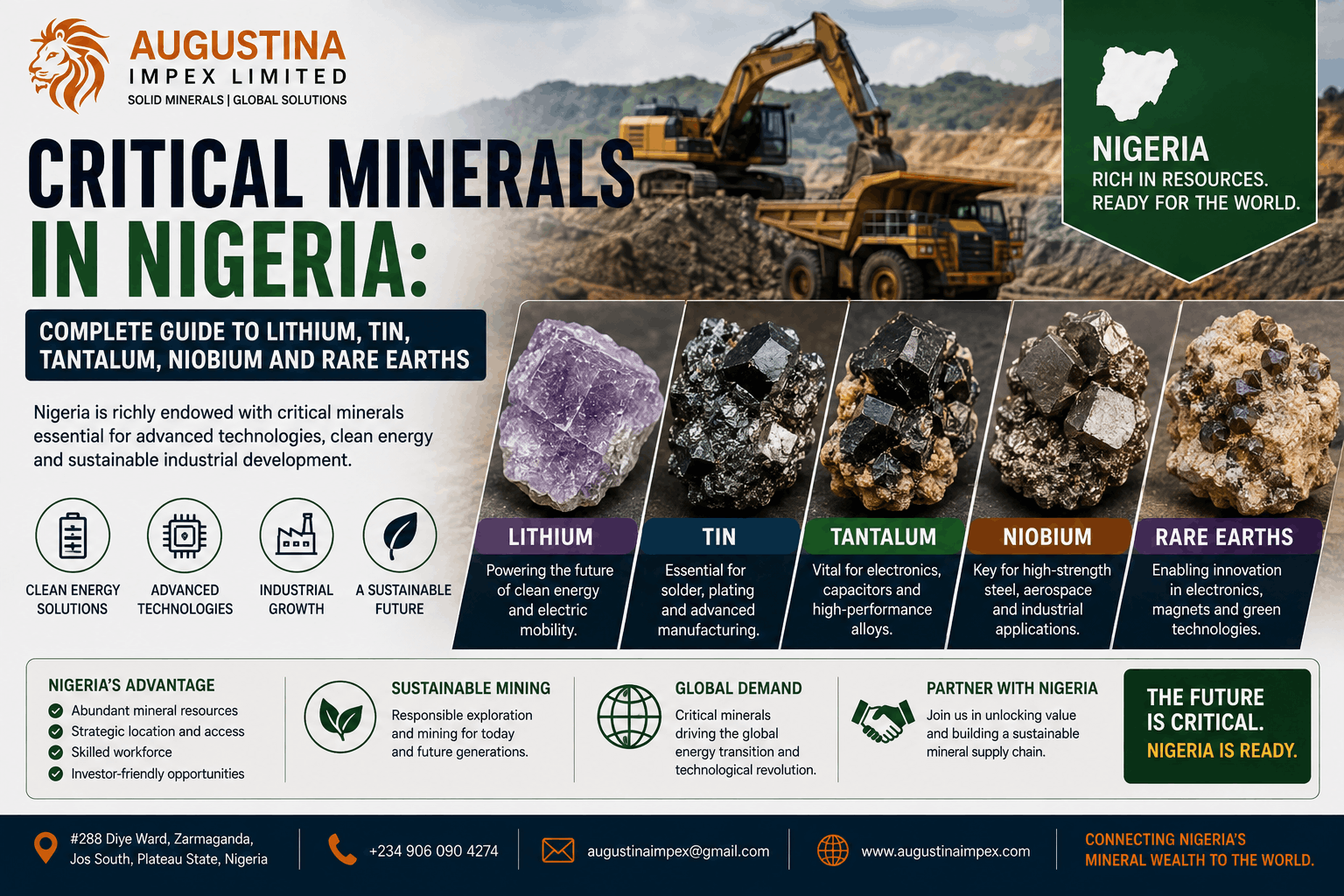
Nigeria Critical Minerals Guide: Lithium, Tin & Rare Earths
Critical Minerals in Nigeria: Complete Guide to Lithium, Tin, Tantalum, Niobium and Rare Earths By…
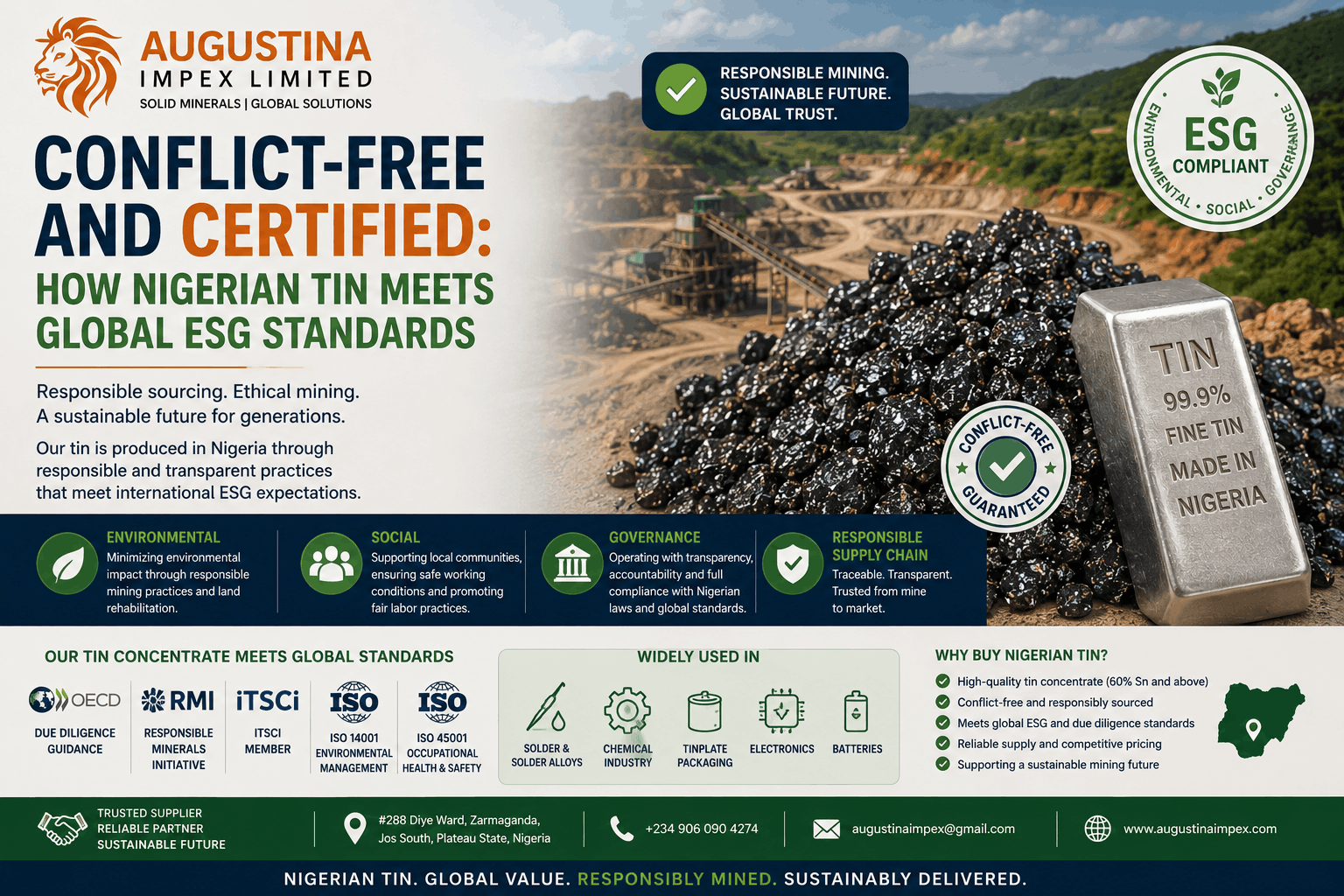
Conflict-Free Nigerian Tin Meets Global ESG Standards
Conflict-Free and Certified: How Nigerian Tin Meets Global ESG Standards By Kolawole King, CEO —…