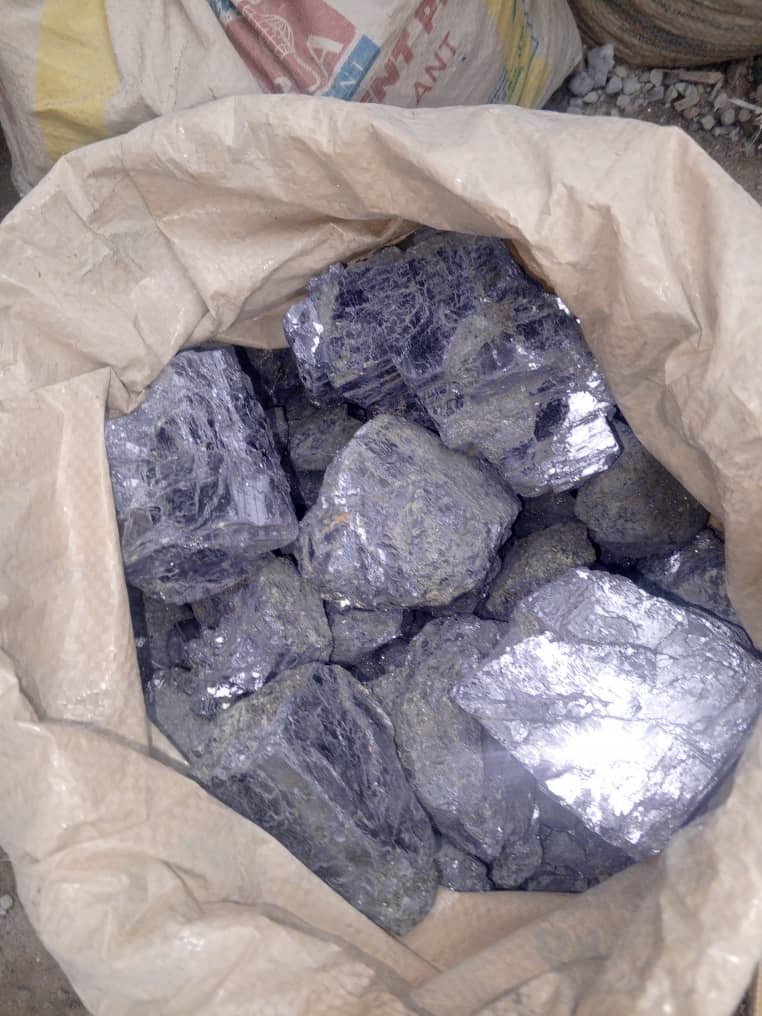

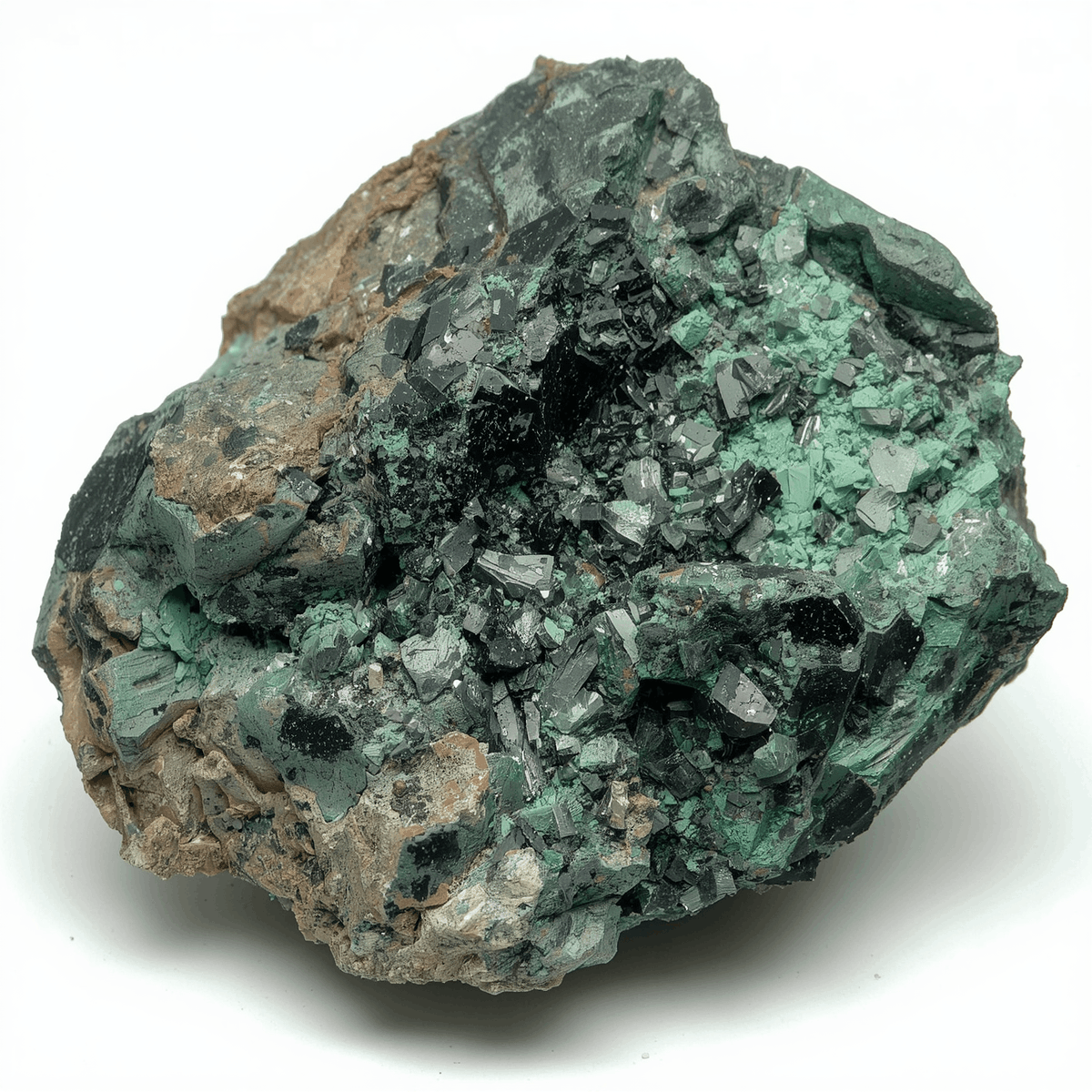
If you are searching for a dependable Nigerian Lithium Ore supplier, you have arrived at the right place at exactly the right time. The world is in the middle of a lithium revolution — driven by the explosive growth of electric vehicles, grid-scale energy storage, and the broader clean energy transition — and Nigeria is quietly emerging as one of Africa’s most promising sources of lithium ore. At Augustina Impex Limited, we are at the forefront of that emergence, connecting international buyers with genuine, certified, export-ready lithium ore from Nigeria’s mineral-rich interior.
This article is our most comprehensive guide to Nigerian Lithium Ore. We have written it for serious international buyers: battery manufacturers, lithium converters, commodity traders, and strategic procurement teams who need to understand not just that Nigeria has lithium, but exactly where it is, what it looks like technically, how it is priced, how to import it legally, and what to look for in a Nigerian lithium ore supplier. By the time you finish reading, you will have all the information you need to make a confident decision.
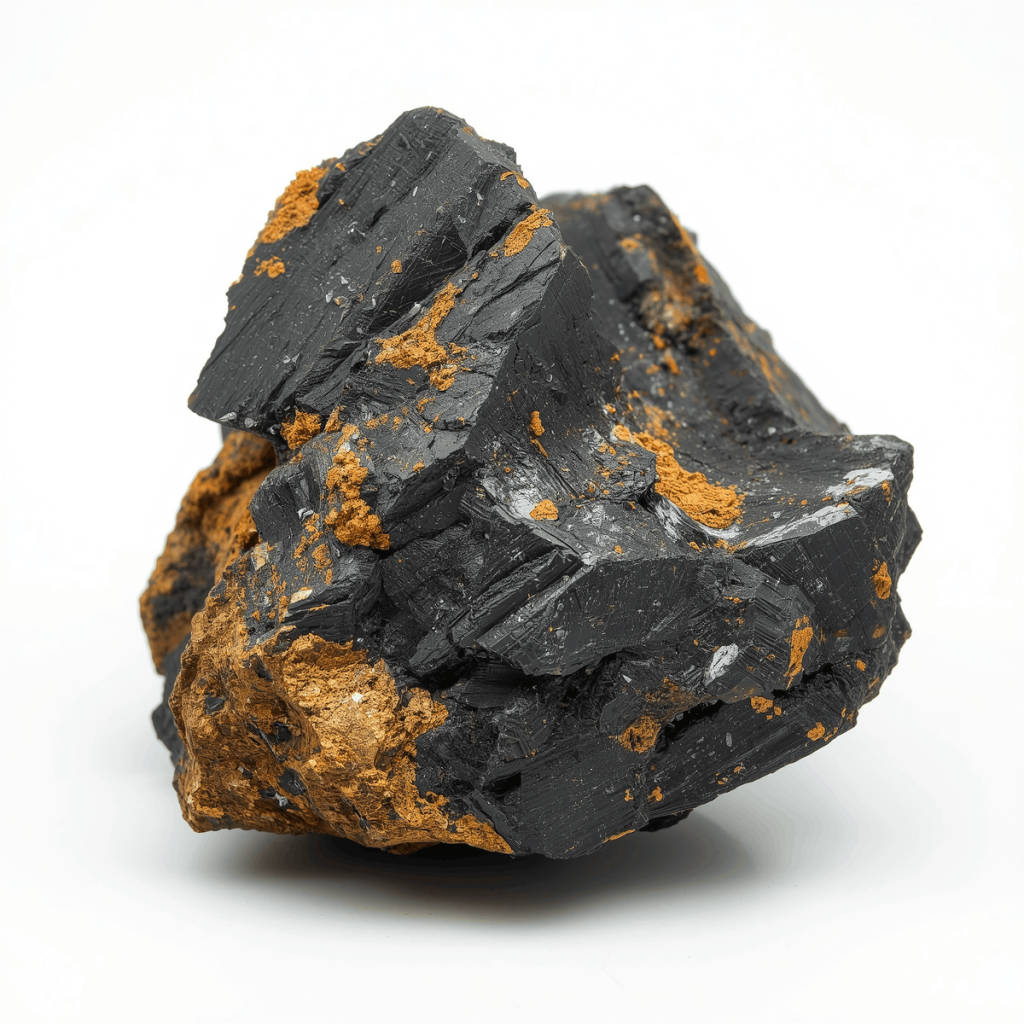
What Is Lithium Ore? Understanding Spodumene, Lepidolite, and Nigeria’s Lithium Minerals
Lithium does not occur in nature as a pure metal. It is always found locked inside mineral structures that need to be processed — either through hydrometallurgical or pyrometallurgical methods — before the lithium can be extracted, refined, and used in battery manufacture. The two most commercially significant lithium minerals found in Nigeria are Spodumene and Lepidolite, and understanding the difference between them is the foundation of any intelligent lithium ore procurement decision.
Spodumene — The Hard Rock Lithium Standard
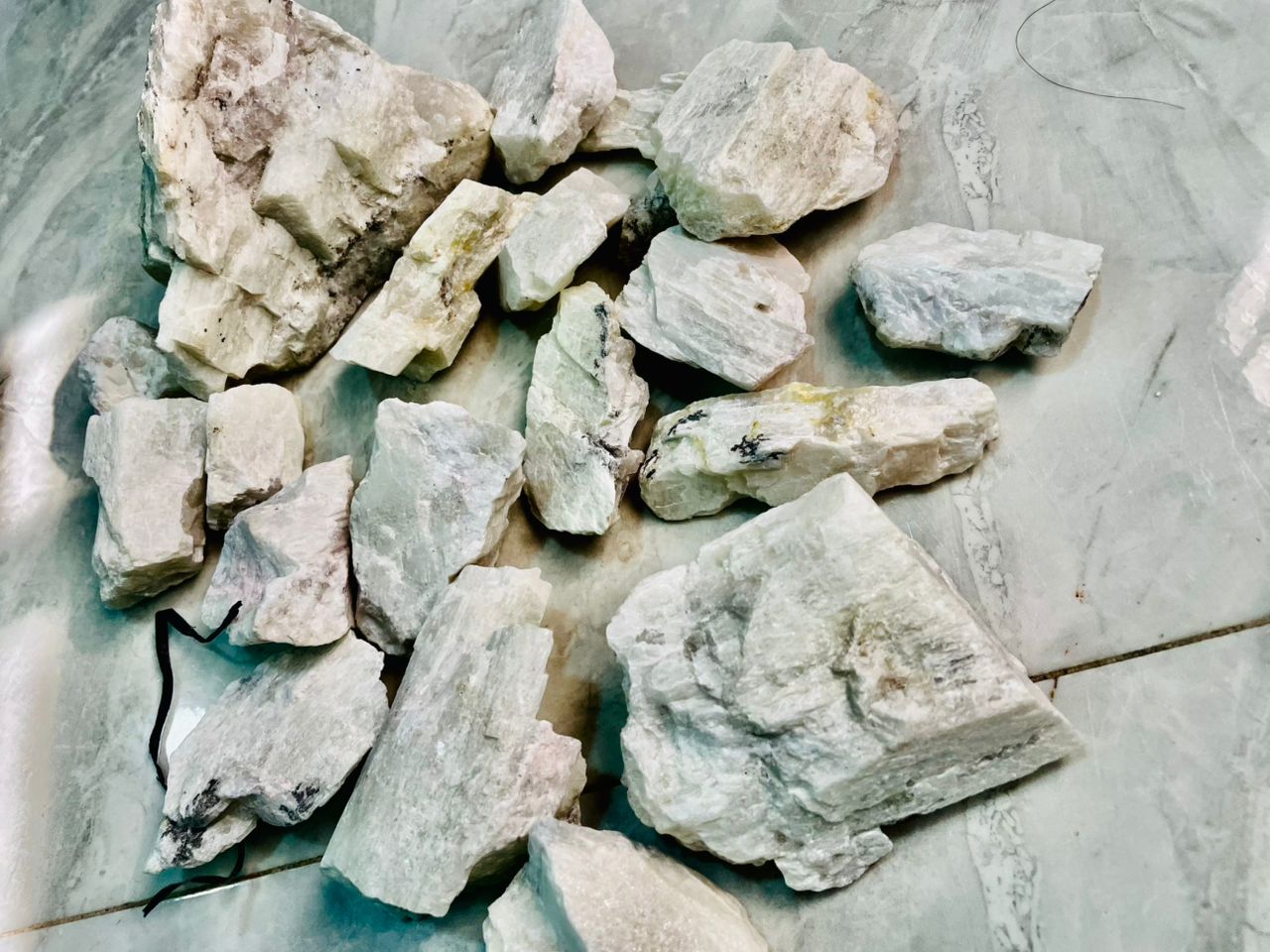
Spodumene is a pyroxene mineral — a silicate of lithium and aluminium — that is widely considered the premium hard rock lithium ore. It appears as elongated crystals ranging from white to grey, sometimes with a pale green or yellowish tint depending on trace element content. Spodumene is the dominant lithium mineral in the world’s largest hard rock lithium deposits, including Australia’s Pilbara and Goldfields regions where the Greenbushes, Pilgangoora, and Mount Marion mines operate.
The commercial value of Spodumene is determined primarily by its Li₂O content — lithium oxide expressed as a percentage by weight. Run-of-mine Spodumene ore typically contains 1–3% Li₂O, and it is beneficiated through crushing, flotation, and dense media separation to produce a Spodumene concentrate with Li₂O content typically ranging from 4% to 7.5%. The 6% Li₂O grade threshold is considered the international benchmark for commercially tradable Spodumene concentrate destined for lithium hydroxide or lithium carbonate conversion plants.
Nigerian Spodumene is found primarily in pegmatite dykes — coarse-grained granitic intrusions that crystallised slowly from magmatic fluids, allowing lithium-bearing minerals to form large, well-defined crystals. These pegmatite bodies are distributed across several states in Nigeria’s geological interior, with Nasarawa State being the most commercially significant at this stage of Nigeria’s lithium sector development.
Lepidolite — The Mica-Based Lithium Source
Lepidolite is a mica-group mineral — specifically a phyllosilicate containing lithium, potassium, aluminium, and fluorine. It has a characteristic lilac-to-pink colour that makes it visually distinctive in the field, and it often occurs in the same pegmatite bodies as Spodumene. While Lepidolite was historically one of the first lithium mineral sources processed commercially, it fell out of favour in the mid-twentieth century as Spodumene and brines proved to be more economical feedstocks.
Lepidolite is experiencing something of a commercial renaissance in recent years, driven by the enormous demand pressure on lithium supply and the need to mobilise every viable lithium source. Its Li₂O content is typically lower than Spodumene — generally in the 2% to 4% range — and the processing pathway differs: Lepidolite requires either acid roasting or sulphation roasting rather than the calcination process used for Spodumene. The processing cost is therefore higher per unit of lithium output, which is reflected in its lower commercial value relative to Spodumene concentrate of equivalent Li₂O.
In Nigeria, Lepidolite commonly occurs alongside Spodumene in the same pegmatite systems, making it a co-product that adds value to the same mining operations.
Petalite — Nigeria’s Less Common but Notable Lithium Mineral
A third lithium mineral worth mentioning is Petalite (lithium aluminium silicate), which also occurs in Nigerian pegmatites though less commonly than Spodumene or Lepidolite. Petalite has a lower Li₂O content than Spodumene and is primarily used in glass and ceramics applications rather than battery-grade lithium production. Where identified in Nigerian deposits, Petalite represents an additional commercial co-product from the same mining operations.
Nigeria’s Lithium Ore Deposits: Geography, Geology, and Commercial Potential
Nigeria is not yet the first country that comes to mind when battery-sector buyers think about hard rock lithium. That is changing rapidly — and the change is happening for very good geological and commercial reasons.
Nasarawa State — Nigeria’s Lithium Heartland
The most commercially significant lithium mineralisation currently documented in Nigeria is located in Nasarawa State, in the North-Central zone of the country. The state sits within Nigeria’s Basement Complex geological terrain — an ancient Precambrian formation that hosts numerous pegmatite bodies of the lithium-caesium-tantalum (LCT) type, the same pegmatite classification that contains the world’s most important lithium deposits in Australia, Canada, Zimbabwe, and Brazil.
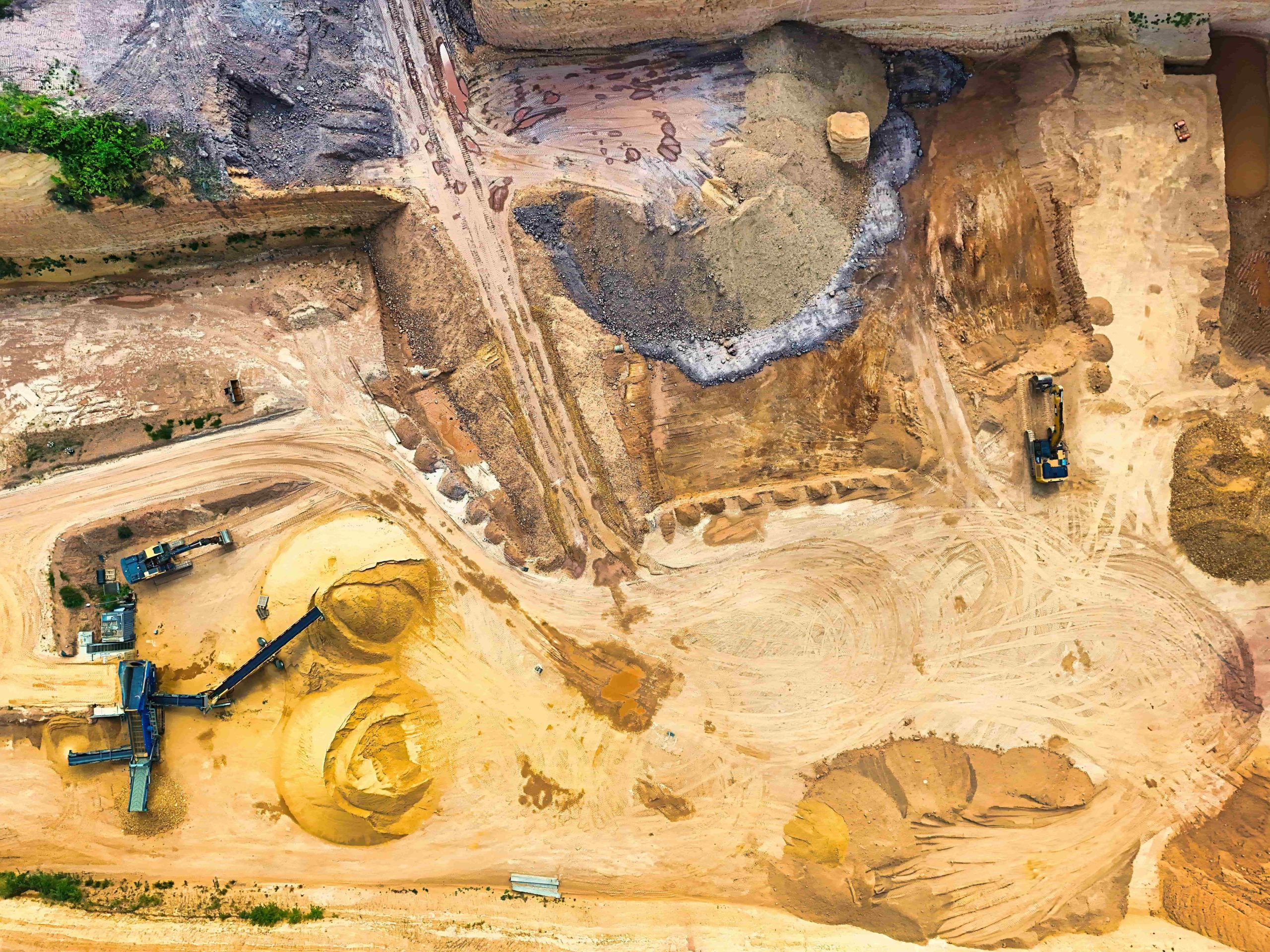
Multiple mining licences have been issued for lithium-bearing pegmatites in Nasarawa State, and active extraction is underway at several sites. The pegmatite bodies here vary in size from small artisanal-scale outcrops to structures that are hundreds of metres in length and tens of metres in width — dimensions that suggest commercially meaningful resource potential even at this early stage of exploration.
Beyond Nasarawa, Lithium mineralisation has also been documented in Kwara State, Cross River State, Oyo State, Ekiti State, and parts of Niger State, reflecting the broad distribution of lithium-bearing pegmatites across Nigeria’s Basement Complex terrane. While many of these occurrences are at earlier stages of exploration than the Nasarawa deposits, they point to a country-wide lithium endowment that is substantially larger than the current mining activity would suggest.
Nigeria’s Lithium Mining Landscape: ASM and Small-Scale Operations
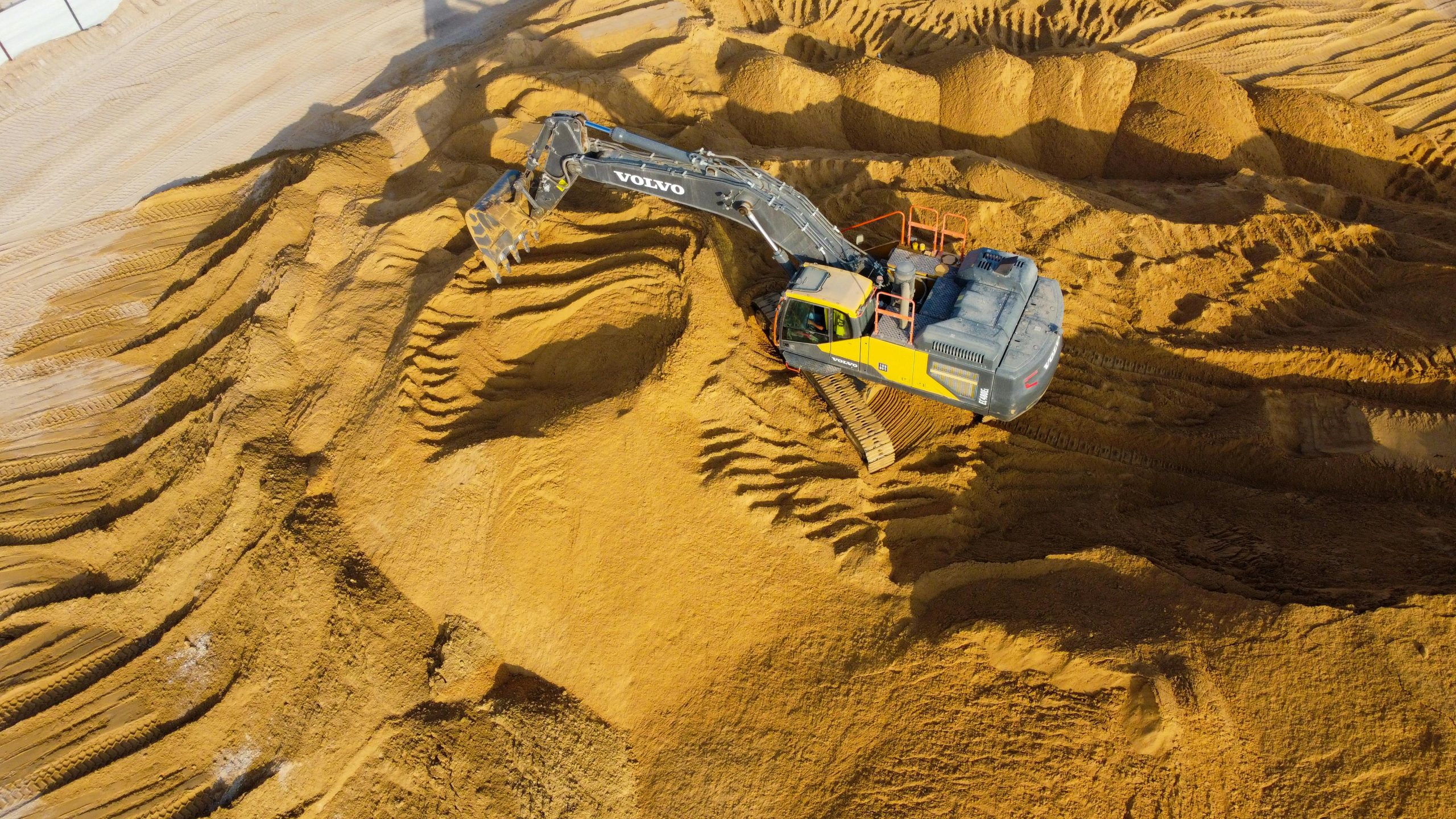
It is important for international buyers to understand that Nigeria’s lithium mining sector is currently dominated by artisanal and small-scale mining (ASM) operations, not large-scale mechanised mines of the type seen in Australia or Chile. This reflects the early-stage nature of the sector’s commercial development, and it has direct implications for how buyers should approach Nigerian lithium supply.
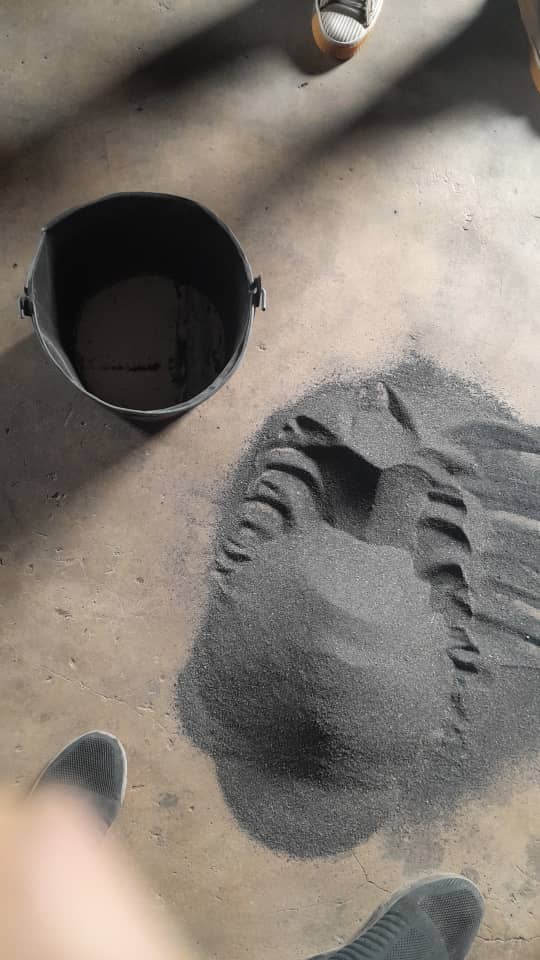
ASM operations typically produce run-of-mine ore or manually crushed concentrate rather than the fully processed, mill-grade concentrate that large-scale operations produce. This means that the Li₂O grades available from Nigerian suppliers at present tend to reflect ore grades rather than fully beneficiated concentrate grades, though basic gravity and flotation processing is available at some operations.
For buyers accustomed to purchasing 6% Li₂O Spodumene concentrate from Australian operations, the Nigerian supply chain requires a somewhat different procurement approach — with more active quality management, closer engagement with the supply chain, and realistic expectations about the processing that may need to be done at the buyer’s end or at a third-party processing facility in Nigeria or the destination country.
Augustina Impex Limited works closely with licensed ASM operations and is actively developing relationships with operators who are investing in processing infrastructure to produce higher-grade products. We are transparent with buyers about the current state of Nigerian lithium processing and work with each buyer to identify the supply specification that best suits their processing capabilities.
The Global Lithium Market and Why Nigerian Supply Matters Now
To understand why sourcing Lithium Ore from Nigeria makes strategic sense, you need to look at the global lithium supply picture — because what is happening at the macro level is creating a genuine commercial opportunity in West Africa that forward-looking buyers are beginning to recognise.
The global lithium market has experienced extraordinary volatility over the past five years. Lithium carbonate and lithium hydroxide prices surged to record highs in 2022 — exceeding USD 80,000 per tonne in some markets — before retreating sharply as new supply came online and near-term demand forecasts were revised. But the medium-to-long-term demand trajectory remains firmly upward. The International Energy Agency projects that lithium demand could increase by ten to forty times current levels by 2040, depending on the pace of EV adoption and energy storage deployment.
The supply response to this demand has been significant but geographically concentrated. Australia accounts for approximately 47% of global lithium mine output, with Chile contributing a further 30% from brine operations. This means that nearly 80% of the world’s lithium supply is controlled by just two countries — a concentration of supply that creates strategic risk for battery manufacturers and consuming nations alike.
The response from major battery-producing economies — China, South Korea, Japan, and increasingly the United States and European Union — has been to pursue aggressive supply chain diversification, including exploratory partnerships with new African lithium source countries. Nigeria, with its documented Spodumene and Lepidolite occurrences, improving mineral governance frameworks, and strategic geographic position, is well-positioned to attract a meaningful share of this diversification investment.
For buyers who are willing to engage with an emerging supply source, Nigeria offers something genuinely valuable: lithium ore that is outside the China-Australia-Chile triangle, priced at levels that reflect the realities of an emerging market, and accessible through a professional export supply chain with the right supplier.
Nigerian Lithium Ore Specifications: What International Buyers Need to Know
When you receive a product specification from a Nigerian Lithium Ore supplier, here is what to look for and how to interpret the numbers.
Li₂O Content — The Primary Commercial Driver
The single most important specification for Lithium Ore is the Li₂O content — lithium oxide expressed as a percentage of the dry weight of the material. This is the number that determines how much extractable lithium the material contains and therefore how much it is worth.
For Nigerian Spodumene, Li₂O content from run-of-mine ore typically ranges from 1.5% to 4%, depending on the specific deposit and the degree of beneficiation applied. For material that has been crushed and processed through flotation or gravity separation, Li₂O content in the 4% to 6% range is achievable from the better-grade Nigerian pegmatite bodies.
For Nigerian Lepidolite, Li₂O content typically ranges from 2% to 4%, with the lower end of this range more common in the mixed mineral assemblages found at many Nigerian sites.
Key Impurities That Buyers Should Evaluate
Beyond Li₂O content, the following impurity levels should be assessed in any Nigerian Lithium Ore specification sheet:
Iron content (Fe₂O₃): High iron content can interfere with lithium processing and reduce the quality of the final battery-grade lithium product. Iron content should be reviewed carefully, particularly for ore intended for direct battery precursor production.
Phosphorus (P₂O₅): Phosphorus is a processing impurity that can affect lithium extraction efficiency. Low phosphorus levels are preferred.
Mica content: High mica content — common in mixed pegmatite assemblages — can affect flotation efficiency and reduce the grade of the final concentrate. Buyers processing the ore themselves should understand the mica content of the material they are purchasing.
Moisture: Moisture content affects the actual payable lithium content per tonne of shipped material. Standard commercial practice is to assay on a dry weight basis, with moisture measured and accounted for in the invoice calculation.
Particle size distribution: Ore processed through crushing and screening will have a defined particle size distribution. This affects handling, shipping, and processing efficiency at destination.
All specifications should be verified through independent laboratory assay at an internationally accredited facility. Augustina Impex Limited supports buyer-nominated pre-shipment inspection and independent quality testing as a standard part of our export process.
Spodumene vs Lepidolite: Choosing the Right Nigerian Lithium Ore for Your Processing Plant
One of the most common questions we receive from buyers new to Nigerian Lithium Ore is straightforward: “Should I buy Spodumene or Lepidolite?” The honest answer is that it depends entirely on what your processing plant is set up to handle.
Spodumene is the preferred feedstock for the majority of lithium conversion plants in China, South Korea, and the emerging Western processing industry. The calcination process used to convert alpha-Spodumene to beta-Spodumene (which is then acid-leached to extract lithium) is well-understood, widely practiced, and economically proven at commercial scale. If your facility is equipped for Spodumene processing or you are supplying to a converter that processes Spodumene, this is the product to focus on.
Lepidolite requires a different processing route — typically acid or sulphate roasting — which is practiced at some Chinese lithium converters but is less common in the global processing industry than Spodumene processing. The processing cost is higher per unit of lithium output, and buyer appetite for Lepidolite is more selective than for Spodumene. However, Lepidolite’s lower price point relative to Spodumene of equivalent Li₂O grade reflects this processing premium, and for buyers with the right processing capability, it can represent a cost-effective lithium feedstock.
If you are uncertain which mineral type best suits your specific situation, we recommend discussing your processing setup directly with our team. We have worked with buyers who have successfully sourced both mineral types from Nigeria and we can help match you to the right product.
The EV Revolution and Nigeria’s Lithium Opportunity
It is impossible to talk about Lithium Ore supply in 2025 and 2026 without talking about electric vehicles. The EV transition is the single biggest demand driver in the lithium market, and understanding its scale helps frame why Nigerian Lithium Ore is becoming commercially relevant on the global stage.
Global EV sales have grown from approximately three million units annually in 2020 to over seventeen million units in 2024, with projections from the International Energy Agency suggesting sales could reach forty to sixty million units per year by 2030. Every EV requires a lithium-ion battery pack, and the lithium content of a typical battery pack ranges from approximately seven kilograms of lithium carbonate equivalent (LCE) in a small EV to forty kilograms or more in a large SUV or commercial vehicle battery.
The arithmetic of this demand growth is staggering. Even a conservative scenario of forty million EVs per year by 2030 implies lithium demand from EVs alone of around 560,000 to over one million tonnes of LCE annually — compared to global lithium production of approximately 870,000 tonnes LCE in 2023. Add in the demand from grid-scale energy storage systems, consumer electronics, and other industrial applications, and the supply challenge becomes clear.
This is the context in which Nigerian Lithium Ore needs to be understood. Nigeria is not positioning itself as a replacement for Australia or Chile — those are established, large-scale operations with decades of production ahead of them. What Nigeria offers is additional supply from a new geography, available to buyers who are willing to engage with an emerging market and help develop its supply chain capacity. The buyers who build relationships with Nigerian lithium suppliers today will be significantly better positioned as the global lithium supply market tightens over the remainder of this decade.
How Lithium Ore Is Priced in the Nigerian Market
Unlike major listed commodities, there is no single exchange-traded price for Lithium Ore. Nigerian Lithium Ore pricing is negotiated bilaterally between seller and buyer, and the price you receive will reflect a set of specific commercial and technical factors.
Li₂O Content: The dominant pricing variable. Higher Li₂O percentage equals higher price per metric tonne. A Spodumene ore at 4% Li₂O will trade at a meaningful premium over a 2% Li₂O material, even from the same deposit, because it delivers more extractable lithium per tonne shipped.
Mineral Type: Spodumene commands a premium over Lepidolite of equivalent Li₂O content, reflecting its lower processing cost and broader buyer acceptance in international conversion markets.
Upstream Lithium Carbonate and Hydroxide Prices: Lithium Ore prices track the downstream market for processed lithium chemicals. When lithium carbonate (LC) and lithium hydroxide monohydrate (LHM) prices are high, ore prices rise. Buyers who track the upstream price on platforms such as Fastmarkets, Benchmark Mineral Intelligence, or Asian Metal will have a strong sense of whether Nigerian ore pricing is aligned with market fundamentals.
Degree of Processing: Run-of-mine ore trades at a significant discount to crushed and screened ore, which in turn trades at a discount to flotation-processed concentrate. The more value-addition processing has been applied, the higher the per-tonne price.
Volume and Offtake Commitment: Long-term offtake agreements with guaranteed monthly volumes enable suppliers to plan production and aggregation more efficiently, and this efficiency is typically shared with the buyer through more competitive pricing than spot purchases.
Loading Port and Logistics: Nigerian Lithium Ore is priced on FOB (Free on Board) terms at the nominated Nigerian loading port — either Onne Port (Rivers State), Apapa Port (Lagos), or Lekki Deep Sea Port (Lagos). The loading port affects inland transport cost from the mining area to the port, which forms part of the FOB price structure.
At Augustina Impex Limited, we provide transparent, itemised pricing quotations that clearly separate the value components so buyers understand what they are paying for. We do not work with inflated documentation fees or opaque price structures.
How to Buy Lithium Ore from Nigeria: The Complete Step-by-Step Process
Many international buyers who are interested in Nigerian Lithium Ore find the procurement process unfamiliar — particularly if they are used to sourcing from Australian miners who operate under standardised JORC-reported resource frameworks and well-established commercial norms. Here is a clear, step-by-step guide to what the Nigerian Lithium Ore procurement process looks like when you work with a professional supplier.
Step 1 — Initial Enquiry and Soft Corporate Offer (SCO)
Begin by reaching out to the supplier with the key parameters of your requirement: the mineral type you need (Spodumene, Lepidolite, or both), the Li₂O grade you are targeting, your monthly volume requirement, your preferred port of destination, and any specific processing or documentation requirements.
A reputable Nigerian Lithium Ore supplier will respond within 48–72 hours with a Soft Corporate Offer (SCO) — a non-binding document that sets out the proposed supply terms including product specification, indicative FOB price, minimum order quantity, payment structure, and the validity period of the offer. Review the SCO carefully, ask questions, and use it as the basis for your initial commercial evaluation.
Step 2 — Due Diligence and Sample Testing
Before committing to a purchase, conduct thorough due diligence on the supplier. Request their company registration certificate, NGSA mineral export licence, recent independent laboratory assay reports for the specific material on offer, and references from previous international buyers.
Request a product sample — typically one to two kilograms — for independent assay at your own nominated laboratory. This allows you to verify the Li₂O content, impurity profile, and mineral type before entering into a binding agreement. A credible supplier will fully support this process.
Also confirm that the mining operations supplying the material hold valid Mining Leases or Small Scale Mining Licences issued under the Nigerian Minerals and Mining Act (2007). Purchasing material from unlicensed mining operations creates regulatory and reputational risk for the buyer as well as the seller.
Step 3 — Full Corporate Offer (FCO) and Sales and Purchase Agreement (SPA)
Once due diligence is satisfactory and sample testing confirms the product specification, the supplier will issue a Full Corporate Offer (FCO) — a binding offer containing all commercial and technical terms. Upon FCO acceptance, both parties proceed to sign a Sales and Purchase Agreement (SPA), the formal contract that governs the transaction.
The SPA should address: product specification with tolerance ranges, quantity and delivery schedule, FOB loading port, payment terms and LC structure, pre-shipment inspection agency and procedures, force majeure provisions, governing law, and dispute resolution mechanism.
Step 4 — Letter of Credit Opening and Pre-Shipment Inspection
Payment for Nigerian Lithium Ore transactions is structured as an Irrevocable Documentary Letter of Credit (LC) issued by the buyer’s bank in favour of the seller. Standard payment terms are:
95% of invoice value — payable at sight against full shipping documents (Bill of Lading, commercial invoice, certificate of origin, NGSA certificate of analysis, pre-shipment inspection certificate, packing list)
5% final payment — payable against discharge port documents confirming weight and quality at destination
Once the LC is confirmed by the seller’s bank, aggregation and pre-shipment inspection scheduling proceeds. The pre-shipment inspection is conducted by an independent third-party agency nominated by the buyer — typically CCIC, Bureau Veritas (BV), SGS, or Intertek — and covers weight verification, representative sampling and rapid on-site assay, moisture determination, and cargo/container condition.
Step 5 — Loading, Export Documentation, and Shipment
Following a satisfactory inspection result, the material is containerised and loaded at the Nigerian port. The full documentation package is assembled and transmitted from the seller’s bank to the buyer’s bank under the LC terms, triggering payment processing.
The buyer collects the original Bill of Lading, the cargo sails to the port of destination, and the buyer takes delivery at discharge. Any quality disputes at destination are addressed against the 5% retention payment, providing a financial safety net for both parties.
Export Documentation for Nigerian Lithium Ore
Every Lithium Ore shipment from Augustina Impex Limited is accompanied by a complete, professionally prepared documentation package. Buyers should expect to receive the following documents:
The Commercial Invoice sets out the full transaction details including buyer and seller particulars, product description, quantity, unit price, and total invoice value in USD. The Bill of Lading is the primary shipping instrument — the document of title that the buyer presents to take delivery of the cargo at the port of destination. The Certificate of Origin is issued by the Nigerian Export Promotion Council (NEPC) or Nigerian Chamber of Commerce, confirming the Nigerian origin of the mineral.
The NGSA Certificate of Analysis is issued by the Nigerian Geological Survey Agency, certifying the mineral type, Li₂O content, and compliance with Nigerian export mineral standards. The Pre-Shipment Inspection Certificate is issued by the buyer’s nominated inspection agency confirming weight, quality, moisture, and container condition. The Packing List details the number of bags, bag weights, container numbers, and seal numbers. The Weight Certificate / Draught Survey Report confirms net and gross weight of the shipment at the point of loading.
Additional documents that can be arranged on request include fumigation certificates, phytosanitary certificates (where required by the destination country), and country-specific customs pre-clearance documentation.
The Nigerian Regulatory Framework for Lithium Ore Export
Understanding the regulatory landscape that governs Nigerian Lithium Ore export is essential for buyers who want to conduct thorough supply chain due diligence. Here is a concise overview of the key institutions and requirements.
The Nigerian Minerals and Mining Act (2007) is the primary legislation governing solid minerals mining and export in Nigeria. Under this Act, all mining operations require a valid mining licence — either a Mining Lease, a Small Scale Mining Licence, or a Quarry Lease — issued by the Ministry of Mines and Steel Development. Purchasing mineral from an unlicensed operation is a statutory offence in Nigeria and creates import compliance risk for the buyer.
The Nigerian Geological Survey Agency (NGSA) is the technical regulatory body responsible for certifying the quality and identity of exported minerals. Every Lithium Ore export shipment from Nigeria requires an NGSA Certificate of Analysis, which is issued after the Agency’s approved laboratory has tested a representative sample from the export batch. This certificate is a mandatory shipping document and a key quality assurance instrument for international buyers.
The Nigerian Export Promotion Council (NEPC) administers Nigeria’s export licensing and documentation framework. A valid NEPC Export Certificate is required for all solid mineral exports, and the Certificate of Origin is issued through the NEPC or through the relevant Nigerian Chamber of Commerce.
Customs clearance is administered by the Nigeria Customs Service (NCS), which operates at all designated export ports. The customs export process includes documentary verification, cargo examination, and issuance of a customs export bill of entry.
Augustina Impex Limited maintains full compliance with all applicable Nigerian export regulations, and our documentation packages are prepared to satisfy the requirements of customs authorities and import regulators in China, South Korea, Japan, India, and European Union member states.
Who Should Buy Nigerian Lithium Ore?
Not every buyer is the right fit for Nigerian Lithium Ore at this stage of the market’s development. Here is an honest picture of who benefits most from sourcing from Nigeria.
Lithium Conversion Plants in China and Asia with processing capability for both Spodumene and Lepidolite ores, and with experience sourcing from emerging or non-standard origins, are the primary natural buyers for Nigerian Lithium Ore. These plants have the technical capability to work with run-of-mine and semi-processed ore grades, and they benefit from the pricing that reflects Nigeria’s emerging-market status.
Battery Material Producers Seeking Supply Diversification who are under strategic pressure to reduce their dependence on Australian Spodumene and South American brine lithium will find Nigerian Lithium Ore a genuinely viable complementary supply source, particularly as Nigerian operations mature and processing grades improve.
Commodity Traders With Lithium Processing Relationships who have established off-take relationships with conversion plants and are looking for new origin material to trade are well-suited to engage with Nigerian Lithium Ore supply. Nigeria’s price point and volume availability make it an attractive trading origin.
Junior Mining and Exploration Companies looking to develop Nigerian lithium assets and seeking an export facilitation partner for their initial commercial ore sales are an important part of the buyer-seller relationship landscape we operate in.
Government Mineral Reserve Agencies and Strategic Procurement Bodies in critical-mineral-importing nations that are building physical mineral stockpiles or strategic reserves as part of national supply chain resilience programmes may also find Nigerian Lithium Ore a suitable addition to their sourcing mix.
Why Augustina Impex Limited Is Your Ideal Nigerian Lithium Ore Supplier
There are many parties in Nigeria who will offer to sell you Lithium Ore. Before engaging with any supplier, ask the questions that separate credible exporters from opportunistic middlemen. Here is what you will find when you ask those questions about Augustina Impex Limited.
We are headquartered in Jos, Plateau State — the geographic heart of Nigeria’s mineral belt and a location that gives us direct access to active mining operations across the North-Central mineral zone. We are not operating remotely. We have people on the ground, relationships with licensed miners, and the physical supply chain infrastructure to aggregate, process, inspect, and ship material reliably.
We insist on full regulatory compliance at every step. Every lot of Lithium Ore we facilitate is sourced from licensed operations, certified by the NGSA, cleared for export by the NEPC and Nigeria Customs Service, and documented to international trade standards. We do not work with unlicensed miners or undocumented material, and we will not cut documentation corners to close a deal faster.
We offer independent quality verification through buyer-nominated third-party inspection agencies and internationally accredited laboratories. You never have to take our word for the Li₂O content — we welcome you to verify it independently, and we will support that verification process at every stage.
We seek long-term commercial partnerships, not one-off transactions. Our most valued buyer relationships are built on consistent supply, open communication, and pricing frameworks that reward commitment. Buyers who work with us across multiple shipment cycles receive preferential pricing, proactive production updates, and priority scheduling.
We are transparent about what Nigeria’s lithium sector can and cannot deliver today. We will not oversell our product, misrepresent the maturity of Nigeria’s lithium processing infrastructure, or make commitments we cannot keep. Sustainable business relationships are built on honesty, and we have built our reputation on exactly that.
Frequently Asked Questions About Nigerian Lithium Ore
What Li₂O grades are typically available from Nigerian Lithium Ore suppliers? For Spodumene ore sourced from Nigerian ASM operations, typical Li₂O content ranges from 1.5% to 4% for run-of-mine ore, and 4% to 6% for processed ore from operations with crushing and flotation capability. We advise buyers to define their minimum acceptable Li₂O grade at the enquiry stage so we can match them to the appropriate supply source.
Is Nigerian Lithium Ore available as a fully processed concentrate? Some Nigerian operations have basic beneficiation infrastructure that can produce processed ore in the 4–6% Li₂O range. Full mill-grade concentrate production at Australian standards (6%+ Li₂O) is not yet widely available but is being developed by several emerging operations. We keep buyers informed of processing capability improvements as they occur.
What is the minimum order quantity for Nigerian Lithium Ore? Trial shipments can be arranged from approximately 50 metric tonnes upward. Standard commercial shipments are typically in the 100–500 metric tonne range. Long-term monthly offtake volumes of 200 to 2,000 metric tonnes per month can be accommodated subject to advance planning and agreed offtake schedules.
What payment terms do you accept? All transactions are denominated and settled in United States Dollars (USD) via Irrevocable Documentary Letter of Credit. For first-time transactions, we do not accept advance bank transfers (T/T) as the primary payment instrument.
Can I visit the mining sites before entering into a contract? Yes. We can arrange site visits for serious buyers who wish to conduct in-person supply chain due diligence. We will coordinate with the relevant licensed mining operators and provide logistical support for your visit to the producing areas.
Do you supply other Nigerian minerals in addition to Lithium Ore? Augustina Impex Limited facilitates the export of a range of Nigerian solid minerals including Monazite Sand, Ilmenite Sand, Zircon Sand, Copper Ore, Coltan, Tin Ore, and Manganese Ore. Buyers interested in multi-commodity offtake arrangements are welcome to discuss a consolidated supply framework with our team.
How long from contract to first shipment? From signing of the SPA and confirmation of the LC, the typical lead time to loading the first shipment is 30 to 60 days, depending on volume, port scheduling, and pre-shipment inspection timeline.
Conclusion: Nigeria’s Lithium Story Is Just Beginning — and the Best Time to Engage Is Now
The global lithium market is in a structural transformation that will play out over the next two decades. As EV adoption accelerates, as grid-scale energy storage scales up, and as the clean energy transition moves from ambition to infrastructure, the demand for lithium ore will grow in ways that the world’s existing supply chains will struggle to meet.
Nigeria is part of the answer. The country’s Spodumene and Lepidolite deposits in Nasarawa State and beyond are real, commercially accessible, and waiting for the right international partners to help develop them into a meaningful piece of the global lithium supply puzzle. Augustina Impex Limited is your bridge to that supply — a trusted, compliance-first, ground-level Nigerian Lithium Ore supplier that combines local expertise with international commercial standards.
If you are ready to explore what Nigerian Lithium Ore can offer your business — whether you are sourcing for immediate processing needs, building a strategic supply chain, or evaluating new origin material as part of a portfolio diversification strategy — we are ready to have that conversation.
Reach out to Augustina Impex Limited today. Our team will respond to your enquiry within 48 hours, and we look forward to showing you what Nigeria’s mineral heartland has to offer.
Contact Augustina Impex Limited Email: augustinaimpex@gmail.com Website: www.augustinaimpex.com Location: Jos, Plateau State, Nigeria
Post a comment
Related Posts
Nigeria Lithium Mining: Production, Processing & Export
Nigeria Lithium Mining: Production, Processing and Export Opportunities By Kolawole King, CEO — Augustina Impex…
Nigeria Rare Earth Minerals: Deposits & Market Potential
Nigeria Rare Earth Minerals: Deposits, Applications and Global Market Potential By Kolawole King, CEO —…
Nigeria Critical Minerals Guide: Lithium, Tin & Rare Earths
Critical Minerals in Nigeria: Complete Guide to Lithium, Tin, Tantalum, Niobium and Rare Earths By…
Conflict-Free Nigerian Tin Meets Global ESG Standards
Conflict-Free and Certified: How Nigerian Tin Meets Global ESG Standards By Kolawole King, CEO —…