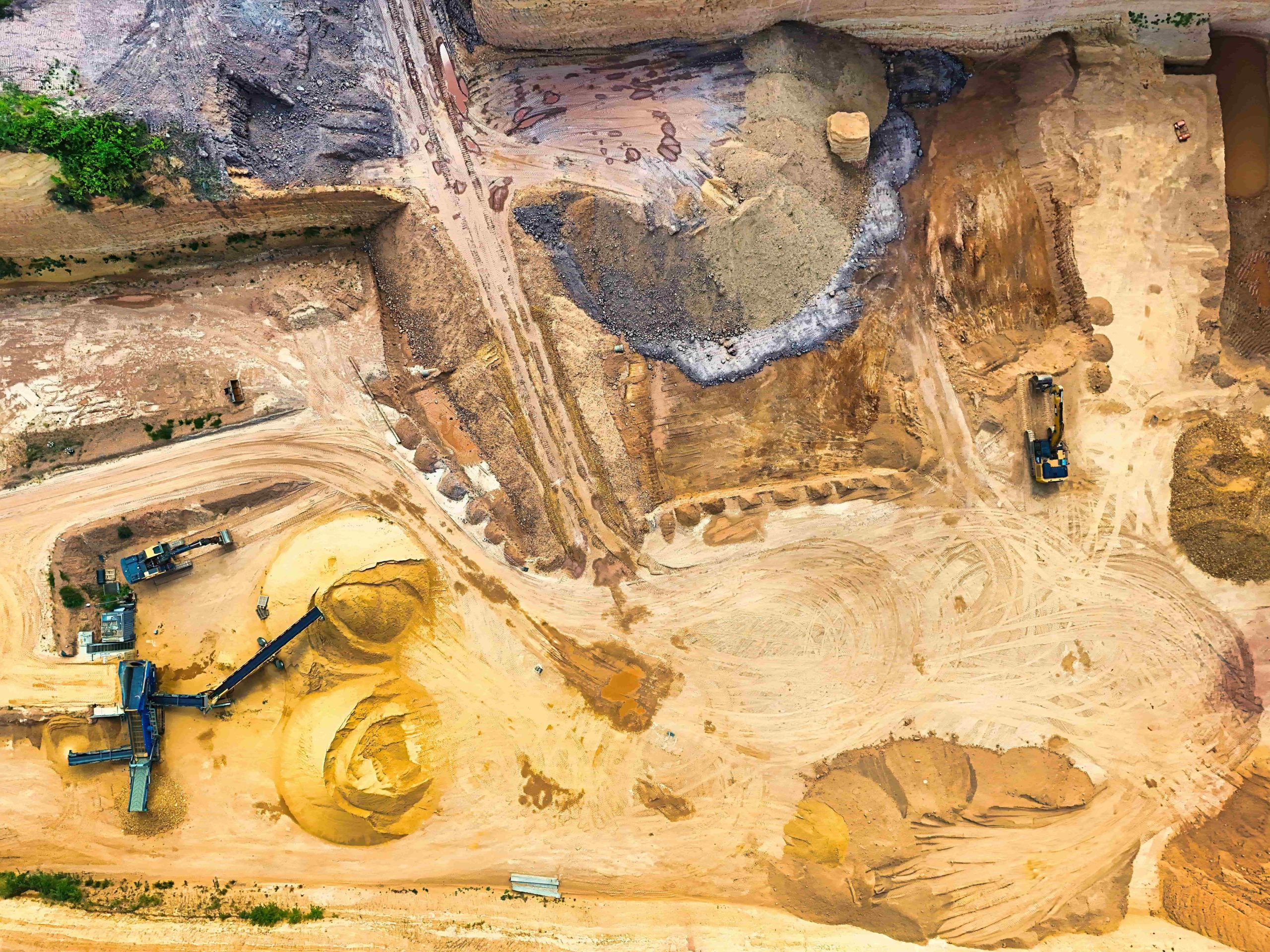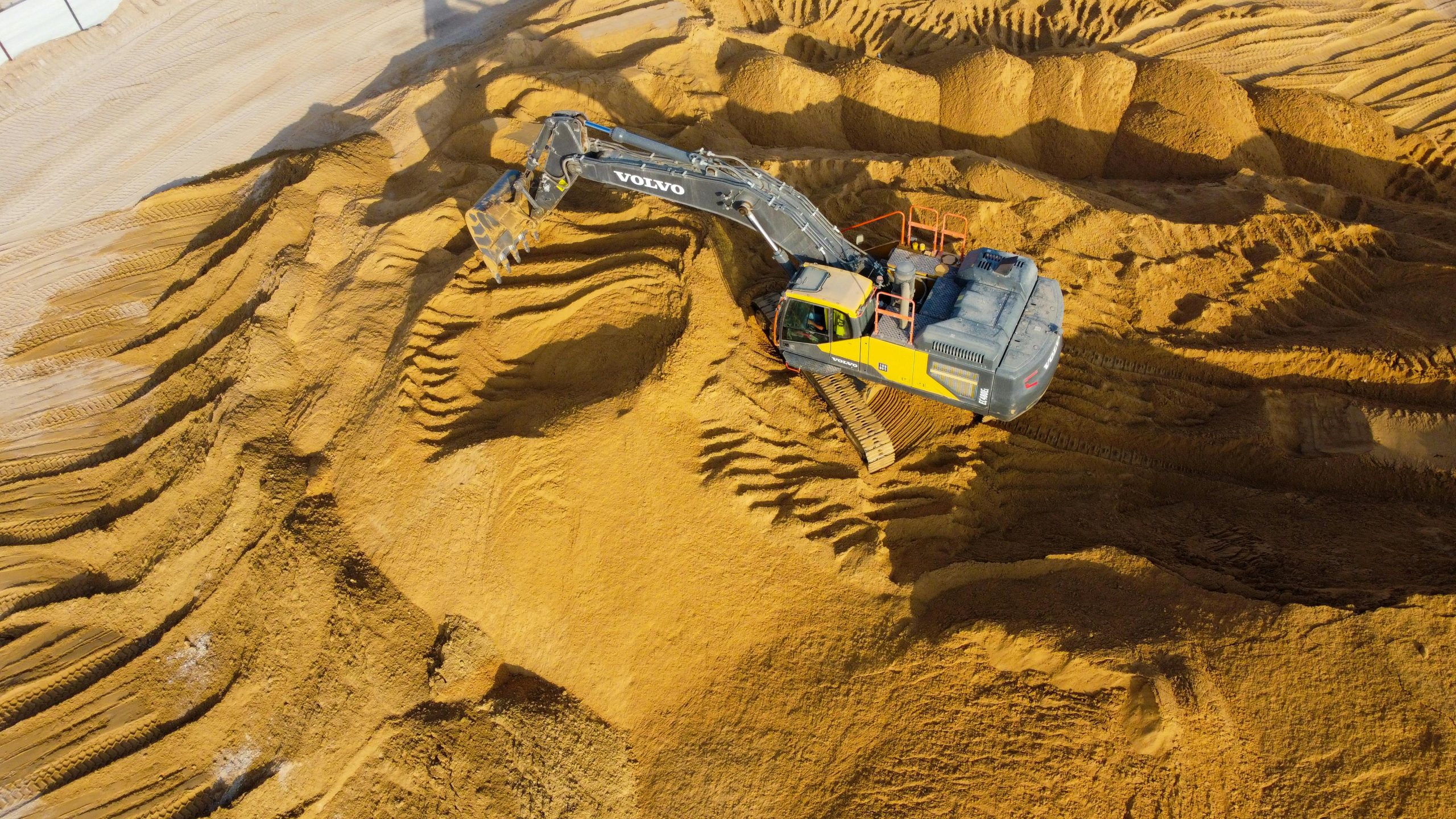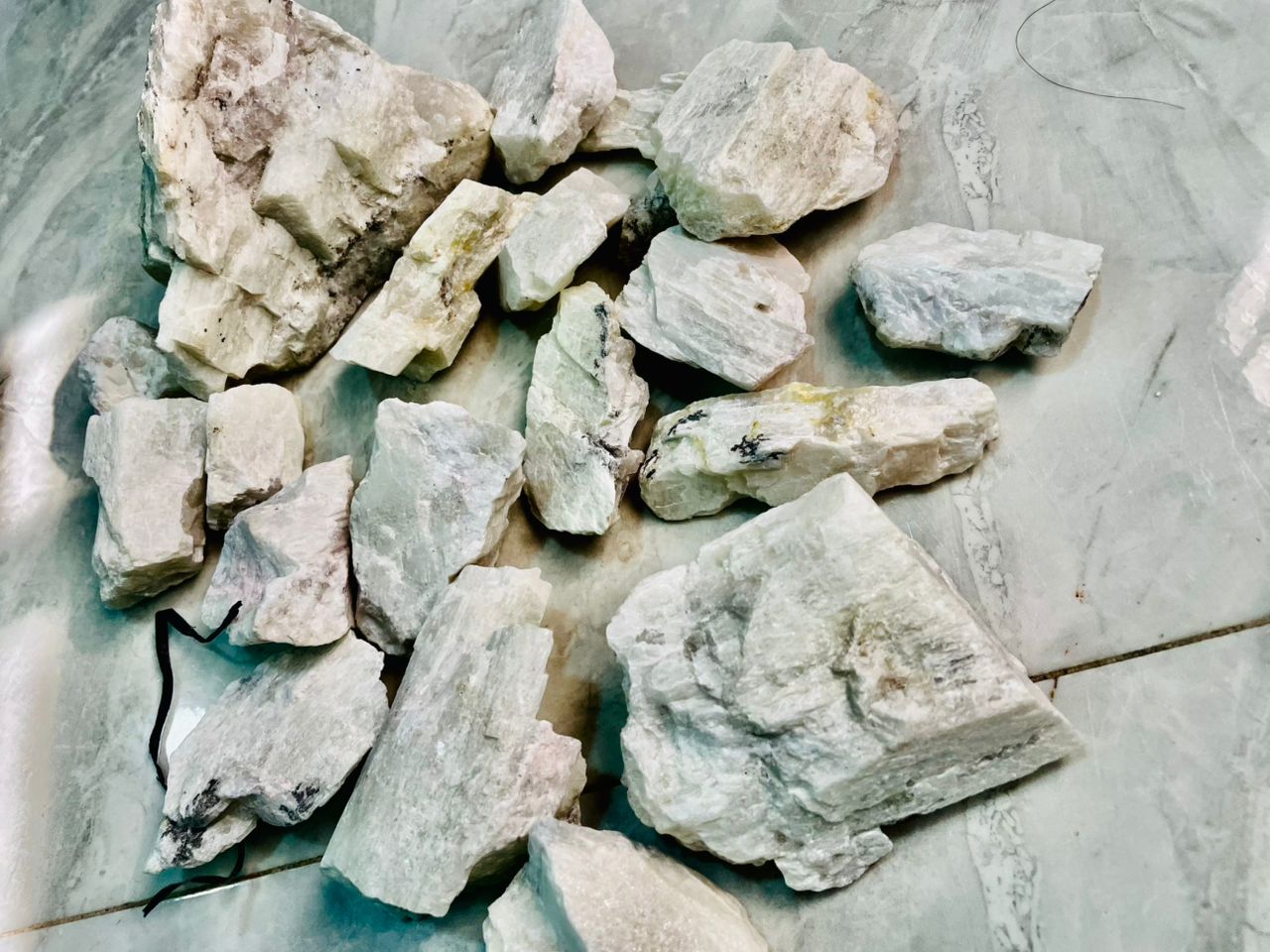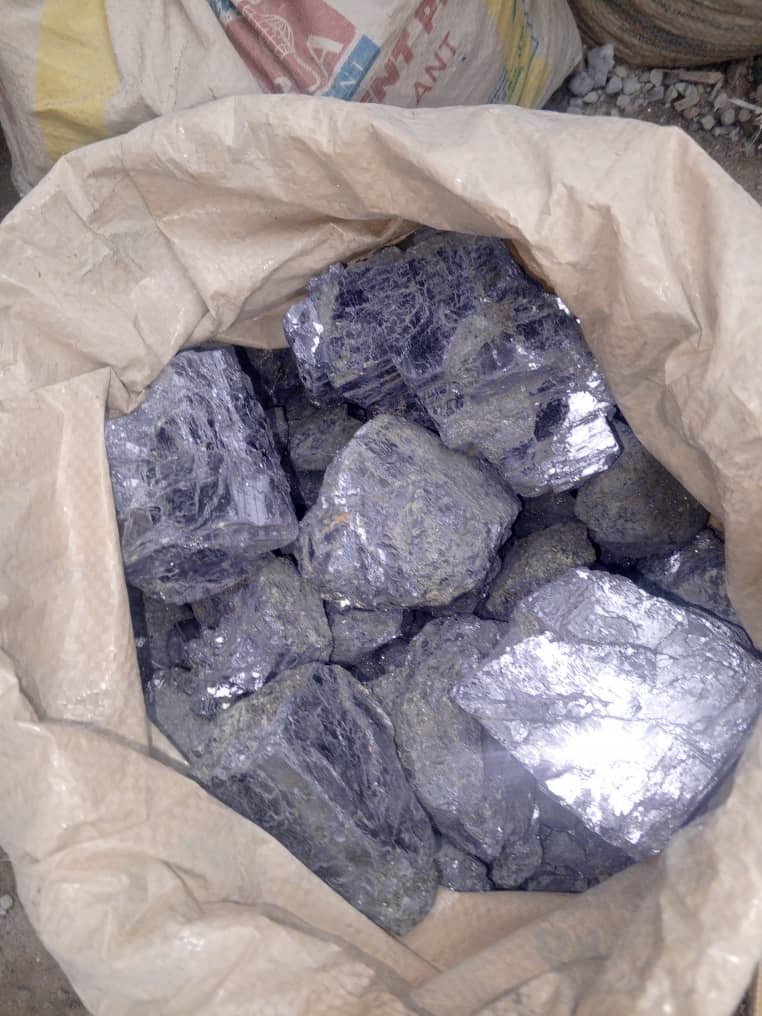
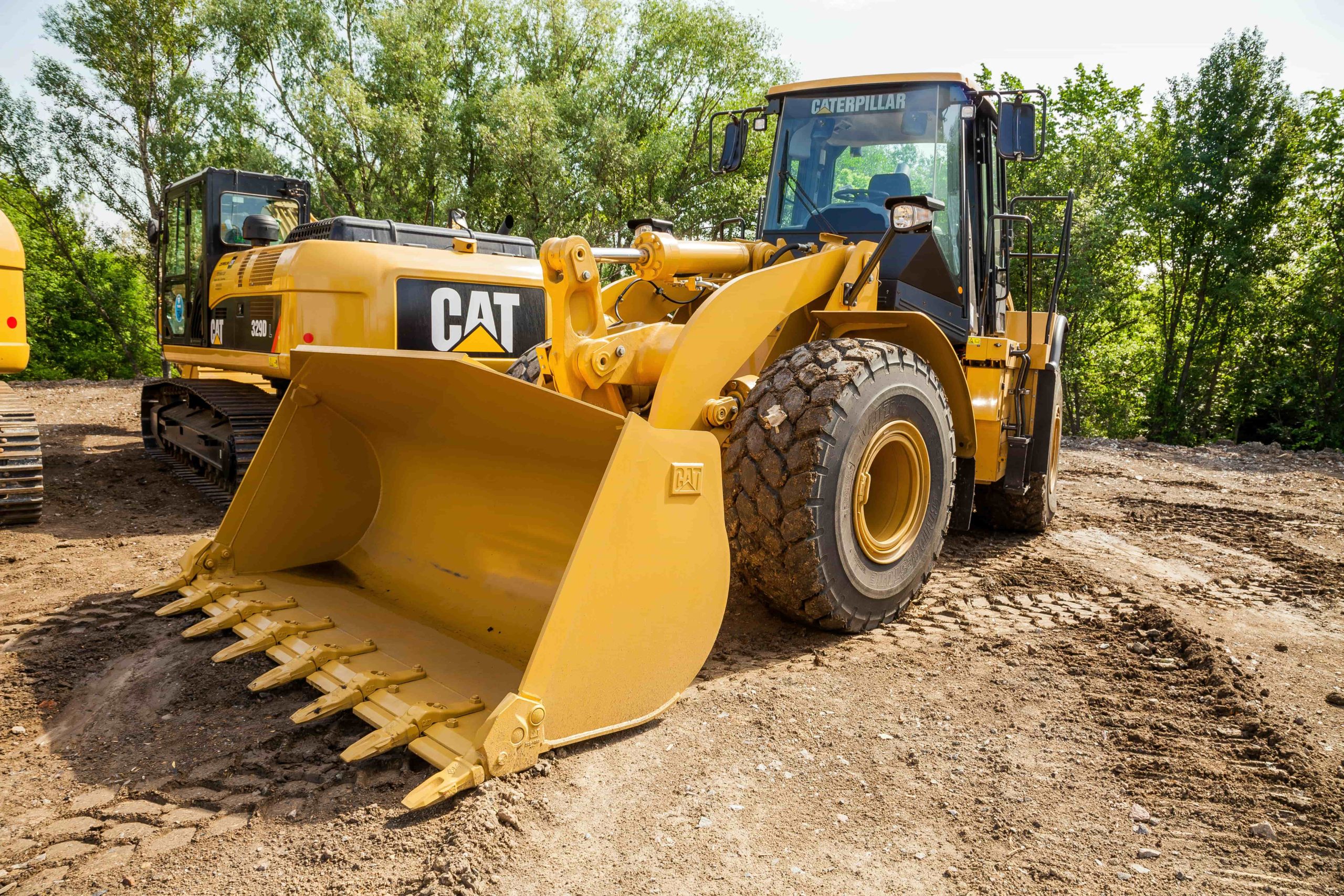

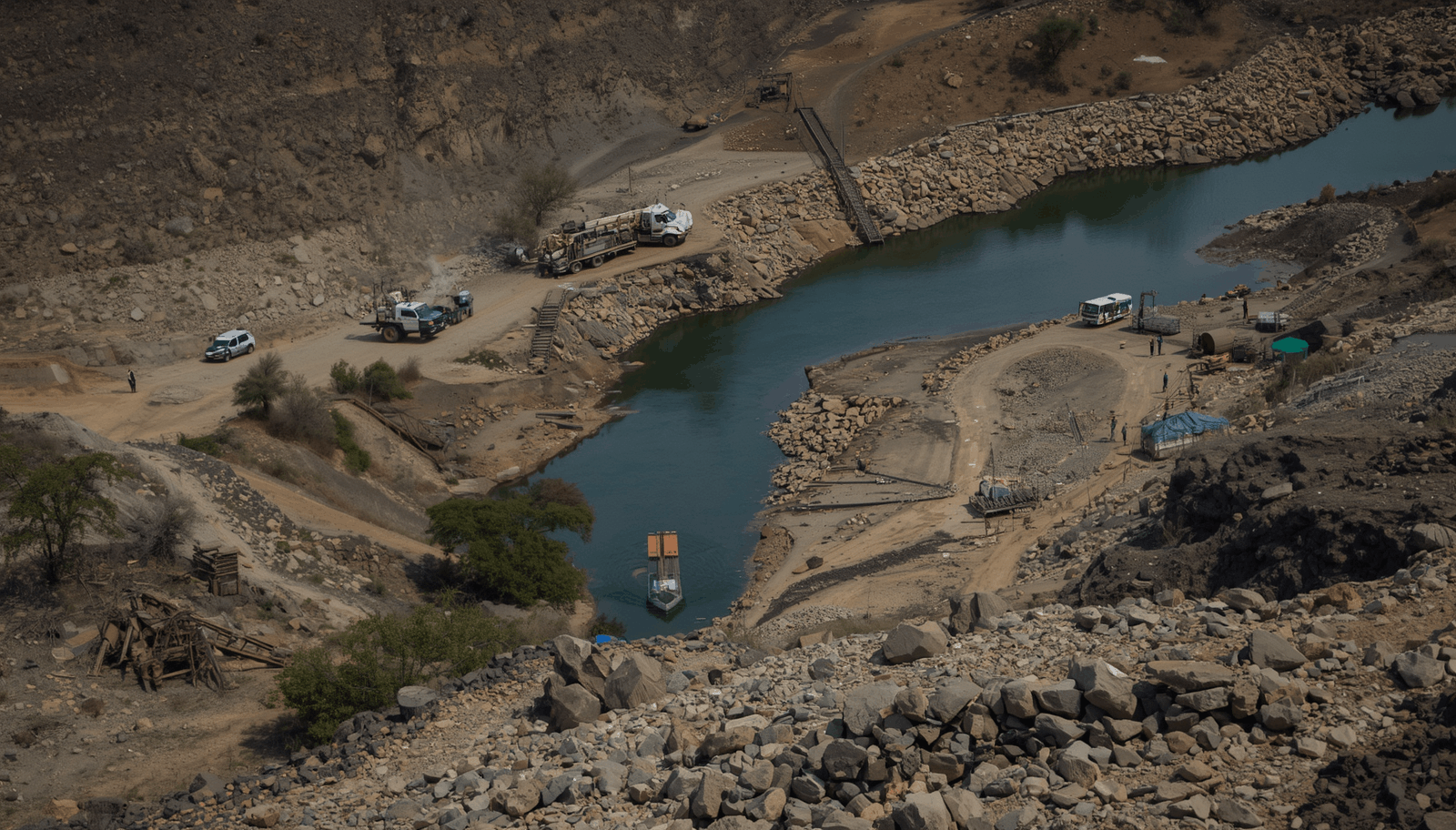
Africa is one of the most mineral-rich continents in the world. From lithium, cobalt, copper, and manganese to tin, tantalum, tungsten, zircon, monazite, and rare earth elements, the continent possesses vast mineral resources that are critical to modern industries and the global energy transition.
As demand for critical minerals continues to rise, international buyers, manufacturers, investors, and governments are paying increasing attention to the origin of the minerals they purchase. Today, it is no longer enough for minerals to be available and competitively priced. Buyers also want assurance that the materials have been sourced responsibly, ethically, and without contributing to armed conflict or human rights abuses.
This growing emphasis on responsible sourcing has led to the development of conflict-free mineral supply chains. Across Africa, governments, mining companies, processors, exporters, and international organizations are working to strengthen transparency, traceability, and accountability within the mining sector.
Conflict-free mineral supply chains are becoming a key factor in determining market access, attracting investment, and supporting sustainable economic development across the continent.

What Are Conflict-Free Minerals?
Conflict-free minerals are minerals that are extracted, processed, transported, and traded without directly or indirectly financing armed groups, criminal organizations, or activities that contribute to violence and instability.
The concept gained international attention through concerns surrounding the sourcing of certain minerals from conflict-affected regions. Global manufacturers increasingly recognized the need to ensure that the raw materials used in their products did not contribute to armed conflict or human rights violations.
Today, conflict-free sourcing has expanded beyond a regulatory requirement and has become an important component of environmental, social, and governance (ESG) practices.
Why Conflict-Free Supply Chains Matter
Modern consumers are increasingly conscious of how products are made and where materials originate.
Whether purchasing electric vehicles, smartphones, laptops, renewable energy equipment, or industrial machinery, customers want confidence that the materials used have been sourced responsibly.
Conflict-free supply chains provide several important benefits:
- Increased buyer confidence.
- Enhanced corporate reputation.
- Greater access to international markets.
- Improved investor interest.
- Compliance with global regulations.
- Support for sustainable development.
For African mining companies, demonstrating conflict-free sourcing can create valuable opportunities for long-term business growth.
Africa’s Strategic Importance in Global Mineral Supply Chains
Africa plays a critical role in supplying minerals required for modern technologies.
The continent possesses substantial deposits of:
- Lithium.
- Cobalt.
- Copper.
- Manganese.
- Graphite.
- Tin.
- Tantalum.
- Tungsten.
- Rare earth elements.
- Monazite.
- Zircon.
These minerals are essential for:
- Electric vehicles.
- Battery manufacturing.
- Renewable energy systems.
- Electronics.
- Aerospace applications.
- Defense technologies.
As global demand for critical minerals grows, Africa’s importance within international supply chains will continue to increase.
Understanding Mineral Traceability
One of the foundations of a conflict-free mineral supply chain is traceability.
Traceability refers to the ability to track minerals from their point of origin through every stage of the supply chain.
This process often includes:
- Mine site identification.
- Production records.
- Transportation documentation.
- Processing records.
- Export documentation.
- Independent audits.
Traceability systems help buyers verify that minerals originate from legitimate sources and comply with responsible sourcing standards.
The Role of Responsible Mining Practices
Conflict-free supply chains begin at the mine site.
Responsible mining practices focus on:
- Legal compliance.
- Worker safety.
- Environmental protection.
- Community engagement.
- Transparent business operations.
- Ethical labor practices.
Mining companies that prioritize responsible operations are better positioned to meet international buyer requirements and participate in premium supply chains.
International Regulations Driving Conflict-Free Sourcing
Several international frameworks encourage responsible mineral sourcing.
OECD Due Diligence Guidance
The Organisation for Economic Co-operation and Development (OECD) developed guidelines to help companies identify and manage risks within mineral supply chains.
These guidelines are widely recognized and used throughout the mining industry.
European Union Regulations
The European Union has implemented regulations requiring companies to conduct due diligence on certain mineral imports.
The objective is to prevent minerals associated with conflict and human rights abuses from entering supply chains.
Corporate ESG Requirements
Many multinational corporations now require suppliers to demonstrate compliance with responsible sourcing standards as part of their environmental, social, and governance commitments.
As a result, traceability and transparency have become essential business requirements.
Benefits of Conflict-Free Supply Chains for African Producers
Conflict-free sourcing provides numerous advantages for African mining companies.
Access to Global Markets
Many international buyers prefer suppliers that can demonstrate responsible sourcing practices.
Conflict-free certification and traceability can improve access to premium markets.
Improved Investor Confidence
Investors increasingly evaluate ESG performance when making investment decisions.
Companies with transparent supply chains are often viewed as lower-risk investment opportunities.
Stronger Business Relationships
Long-term partnerships are more likely to develop when buyers have confidence in the integrity of supply chains.
Better Pricing Opportunities
Responsibly sourced minerals may attract stronger buyer interest and improved pricing in certain market segments.
Conflict-Free Supply Chains and Critical Minerals
The transition to clean energy has intensified demand for critical minerals.
Electric vehicles, solar energy systems, wind turbines, and battery storage technologies all require substantial quantities of minerals sourced from around the world.
As governments seek secure and responsible supplies of critical minerals, conflict-free sourcing has become increasingly important.
Key minerals affected by this trend include:
- Lithium.
- Cobalt.
- Graphite.
- Rare earth elements.
- Tin.
- Tantalum.
- Tungsten.
Producers capable of supplying traceable and responsibly sourced materials are likely to benefit from growing market demand.
Challenges Facing Conflict-Free Mineral Supply Chains
Despite significant progress, challenges remain.
Informal Mining Activities
In some regions, informal and small-scale mining can complicate traceability efforts.
Infrastructure Limitations
Limited transportation and digital infrastructure can make tracking minerals more difficult.
Compliance Costs
Implementing traceability systems and independent audits may require additional investment.
Market Complexity
Minerals often pass through multiple intermediaries before reaching end users, creating challenges for supply chain transparency.
Addressing these issues requires cooperation among governments, mining companies, industry organizations, and international stakeholders.
Technology and the Future of Mineral Traceability
Technology is helping improve transparency within mineral supply chains.
Emerging solutions include:
- Blockchain systems.
- Digital tracking platforms.
- GPS monitoring.
- Electronic documentation systems.
- Supply chain management software.
These technologies enable better visibility throughout the supply chain and strengthen buyer confidence.
As adoption increases, digital traceability is expected to become a standard feature of responsible mineral sourcing programs.
The Role of African Governments
Governments play an essential role in supporting conflict-free supply chains.
Key initiatives include:
- Strengthening mining regulations.
- Improving licensing systems.
- Supporting formalization of mining activities.
- Encouraging responsible investment.
- Enhancing export monitoring.
- Promoting transparency and accountability.
Effective governance helps create a stable environment that attracts investment and supports sustainable industry growth.
Opportunities for Sustainable Development
Conflict-free mineral supply chains can contribute significantly to sustainable development across Africa.
Benefits include:
- Job creation.
- Increased export revenues.
- Community development.
- Improved governance.
- Infrastructure investment.
- Economic diversification.
When managed responsibly, mineral resources can become powerful drivers of long-term economic growth and social progress.
The Future of Conflict-Free Mineral Supply Chains in Africa
The future of Africa’s mining industry will increasingly be shaped by transparency, accountability, and responsible sourcing.
Several trends are expected to influence the sector:
- Growing demand for critical minerals.
- Expansion of ESG-focused investments.
- Stronger supply chain regulations.
- Increased digital traceability.
- Greater emphasis on sustainable development.
- Rising demand for responsibly sourced battery minerals.
Companies that embrace these trends will be better positioned to compete in global markets and attract international buyers.
Conclusion
Conflict-free mineral supply chains are becoming a fundamental requirement within the modern mining industry. As global demand for critical minerals continues to grow, buyers increasingly seek assurance that the materials they purchase have been sourced responsibly and ethically.
For African mining companies, conflict-free sourcing presents a significant opportunity to improve market access, attract investment, strengthen business relationships, and contribute to sustainable development. Through responsible mining practices, traceability systems, regulatory compliance, and technological innovation, Africa can continue to strengthen its position as a trusted supplier of critical minerals to the global economy.
The future of mining in Africa will not depend solely on the abundance of mineral resources. It will also depend on the ability of governments, mining companies, and industry stakeholders to build transparent, ethical, and conflict-free supply chains that create value for communities, investors, and consumers alike.
-
Previous Post
Tin Ore Supply and Export from Nigeria
Post a comment
Related Posts
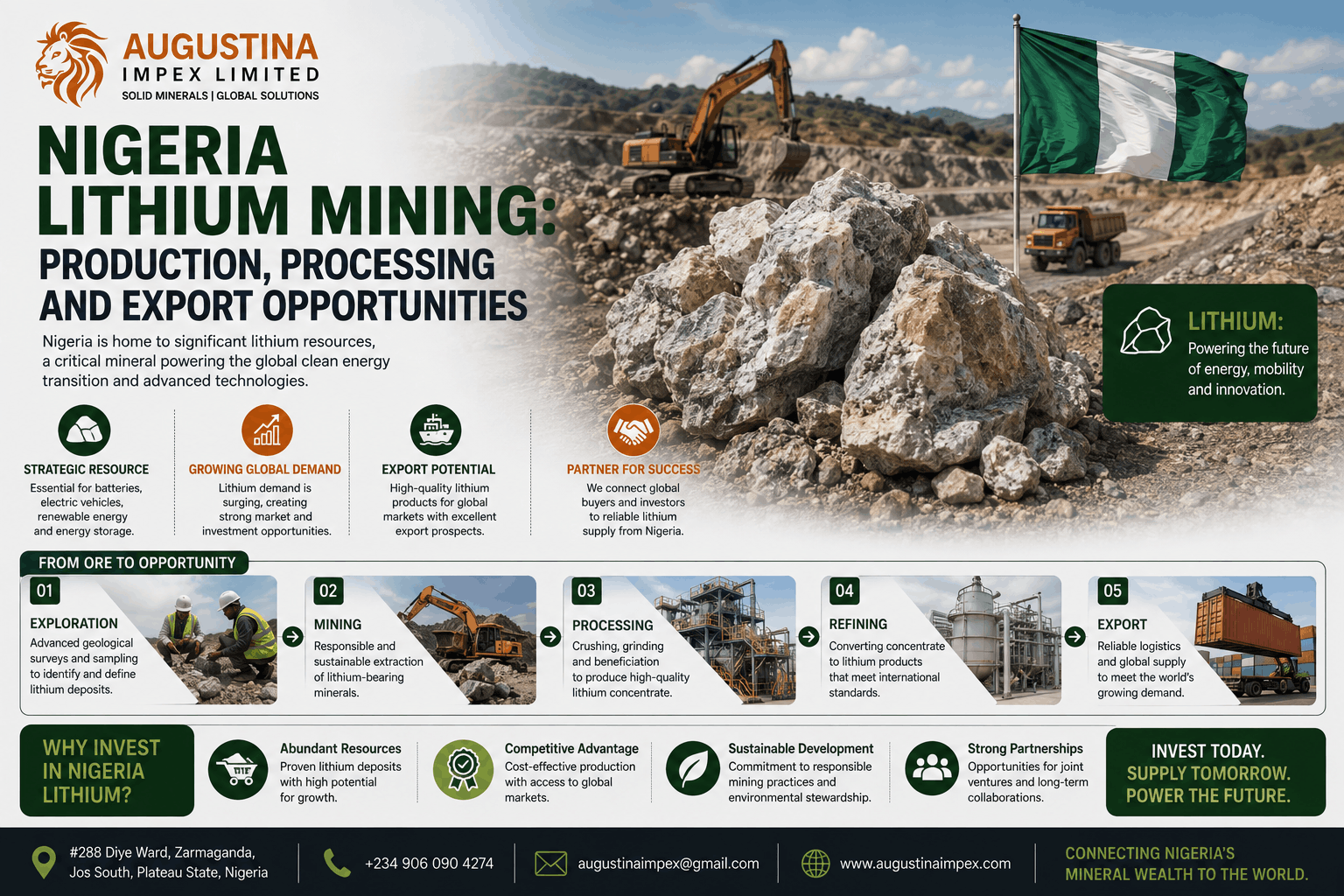
Nigeria Lithium Mining: Production, Processing & Export
Nigeria Lithium Mining: Production, Processing and Export Opportunities By Kolawole King, CEO — Augustina Impex…
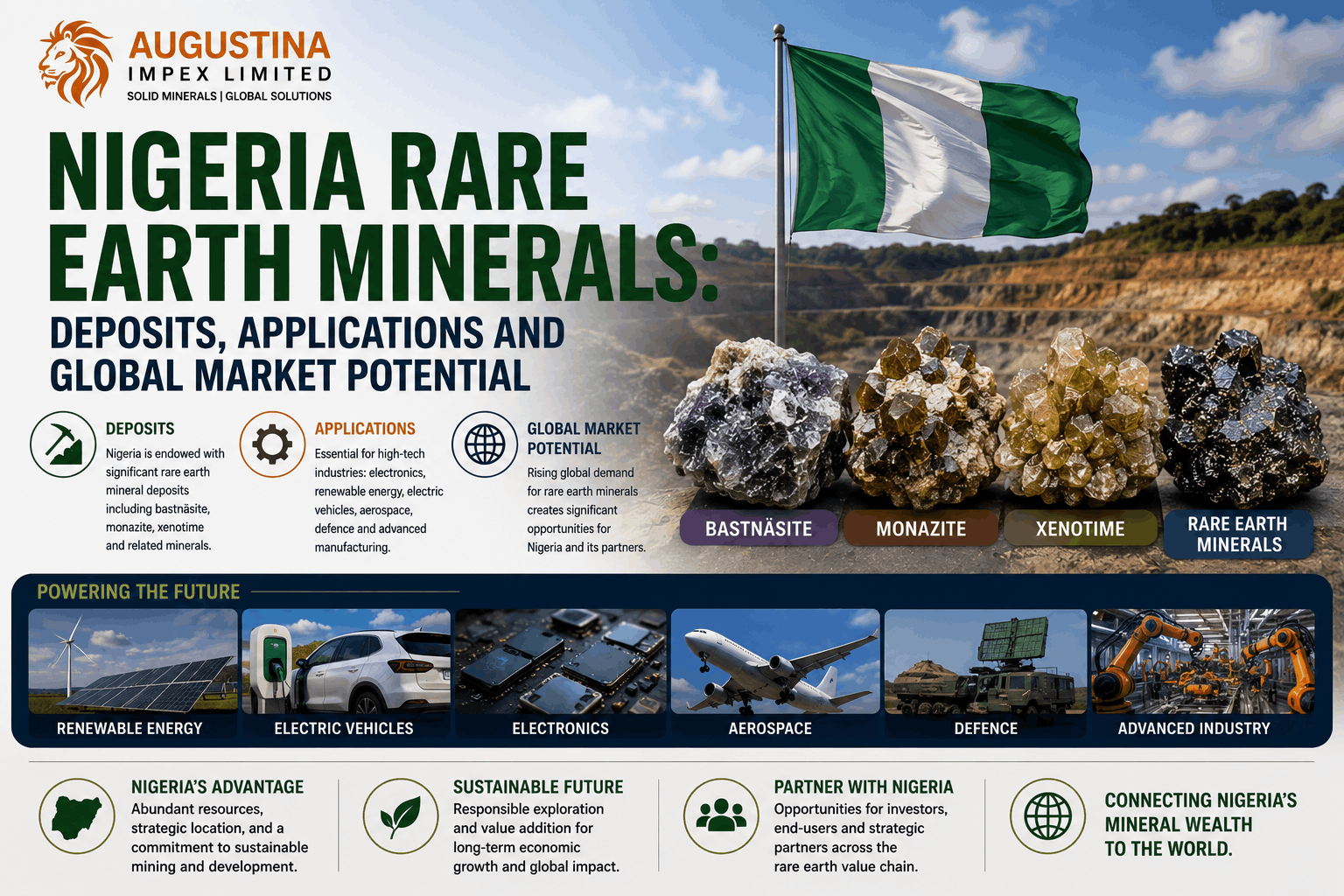
Nigeria Rare Earth Minerals: Deposits & Market Potential
Nigeria Rare Earth Minerals: Deposits, Applications and Global Market Potential By Kolawole King, CEO —…
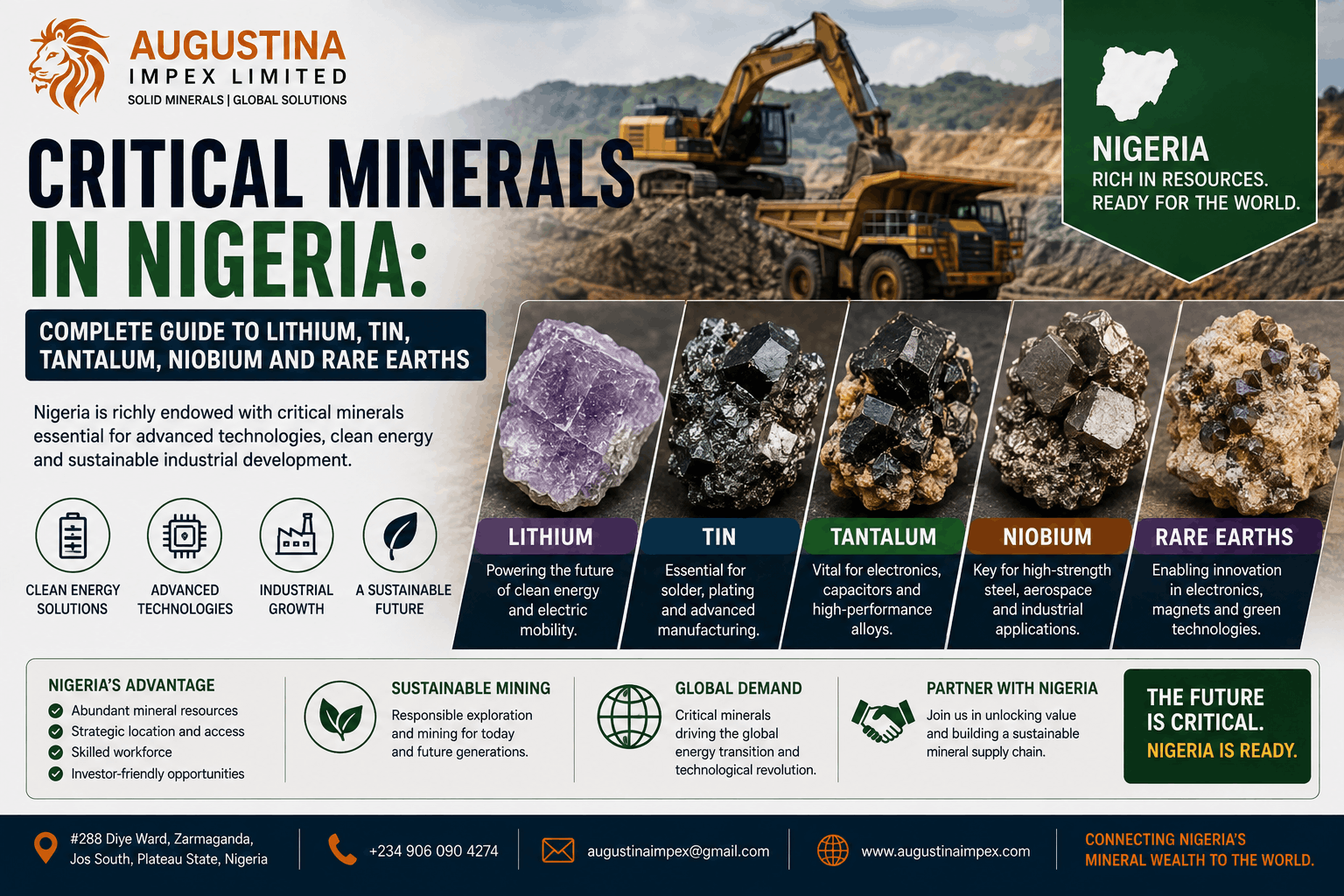
Nigeria Critical Minerals Guide: Lithium, Tin & Rare Earths
Critical Minerals in Nigeria: Complete Guide to Lithium, Tin, Tantalum, Niobium and Rare Earths By…
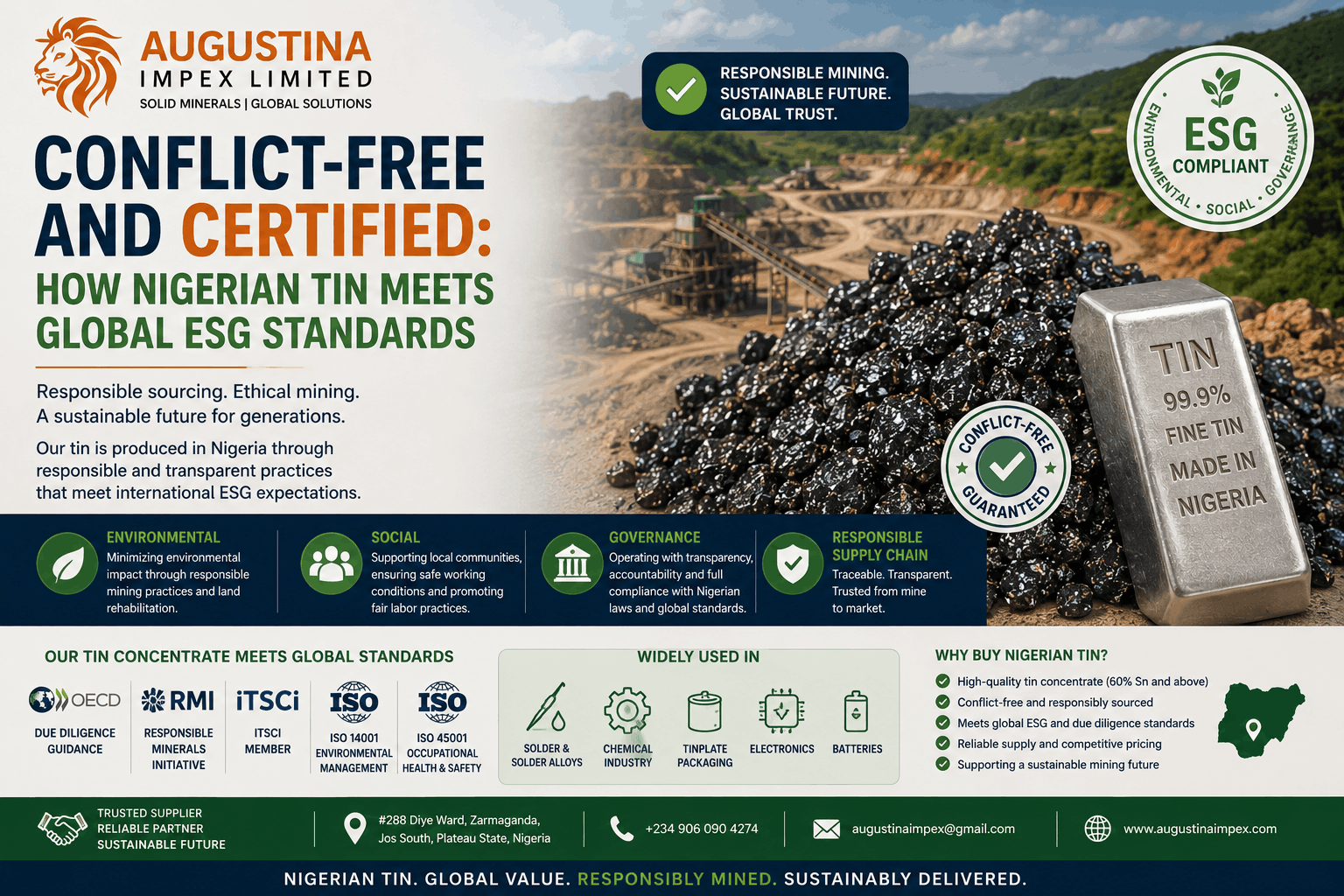
Conflict-Free Nigerian Tin Meets Global ESG Standards
Conflict-Free and Certified: How Nigerian Tin Meets Global ESG Standards By Kolawole King, CEO —…