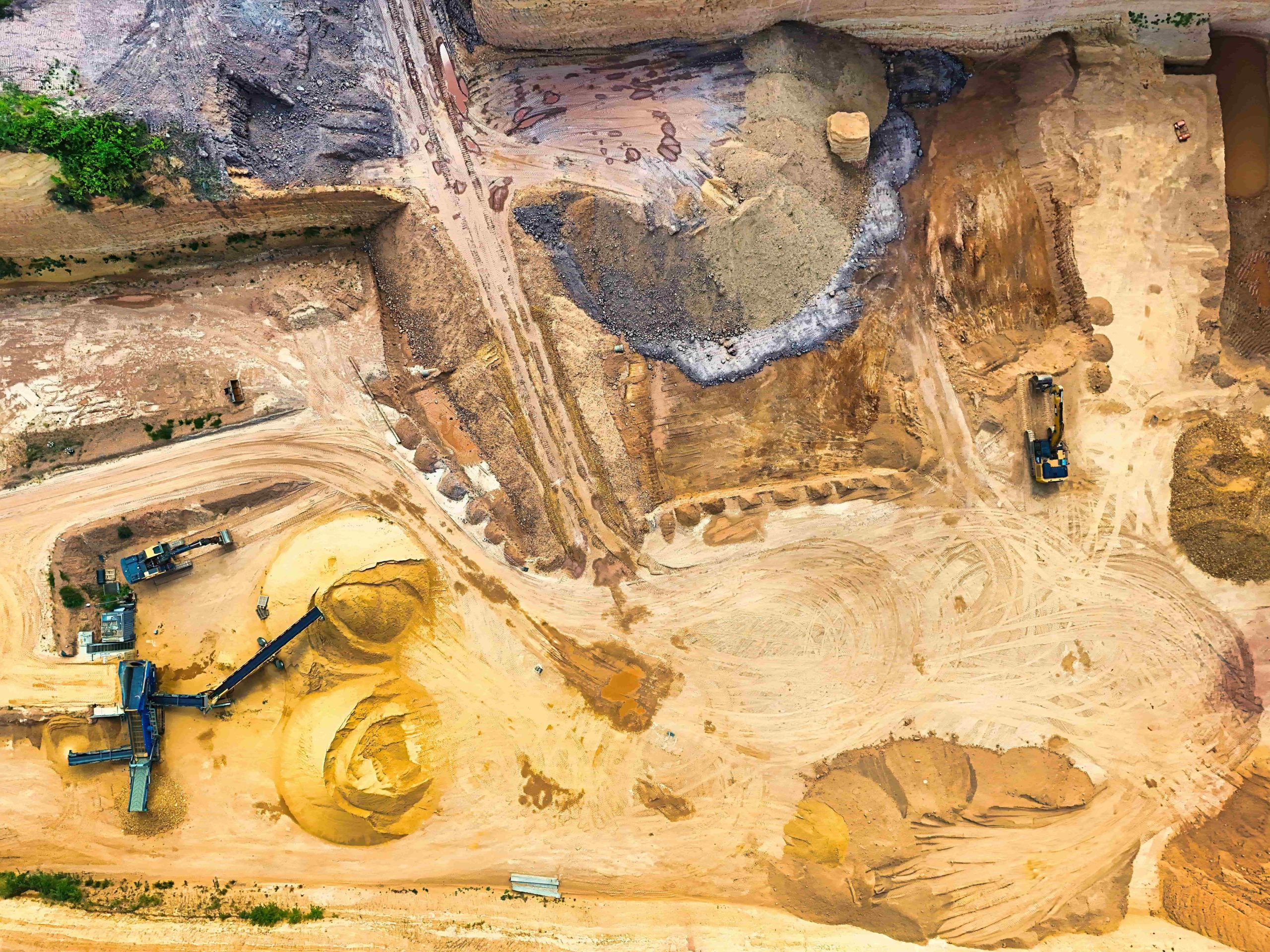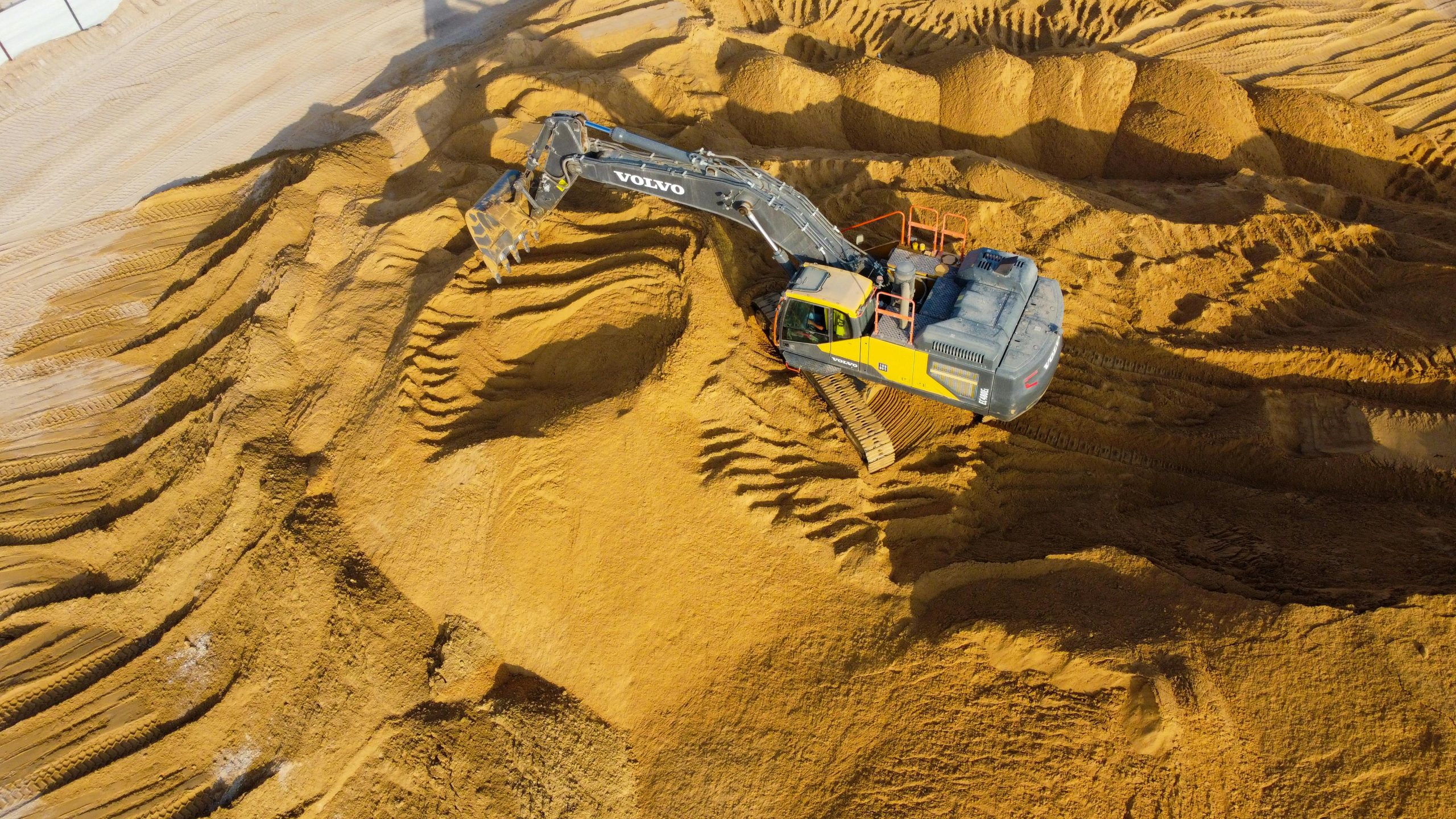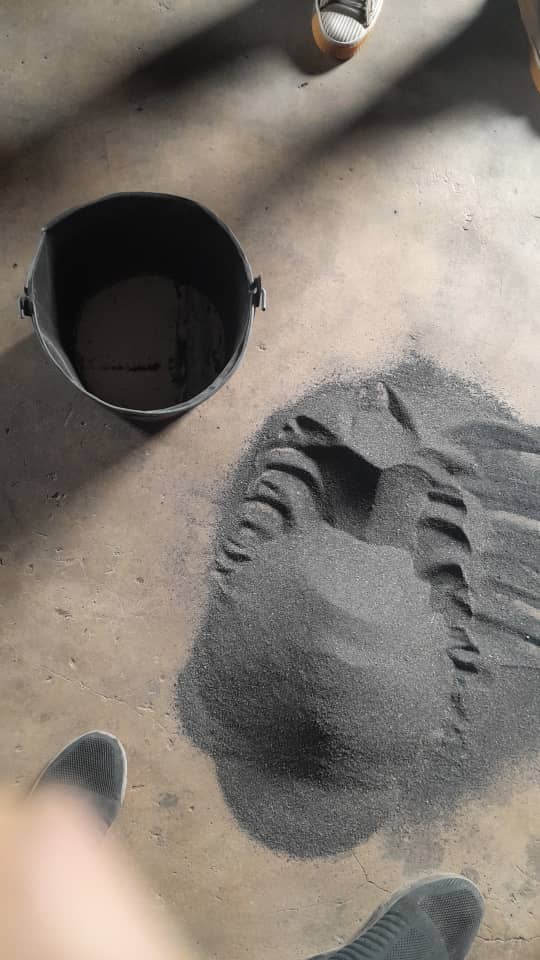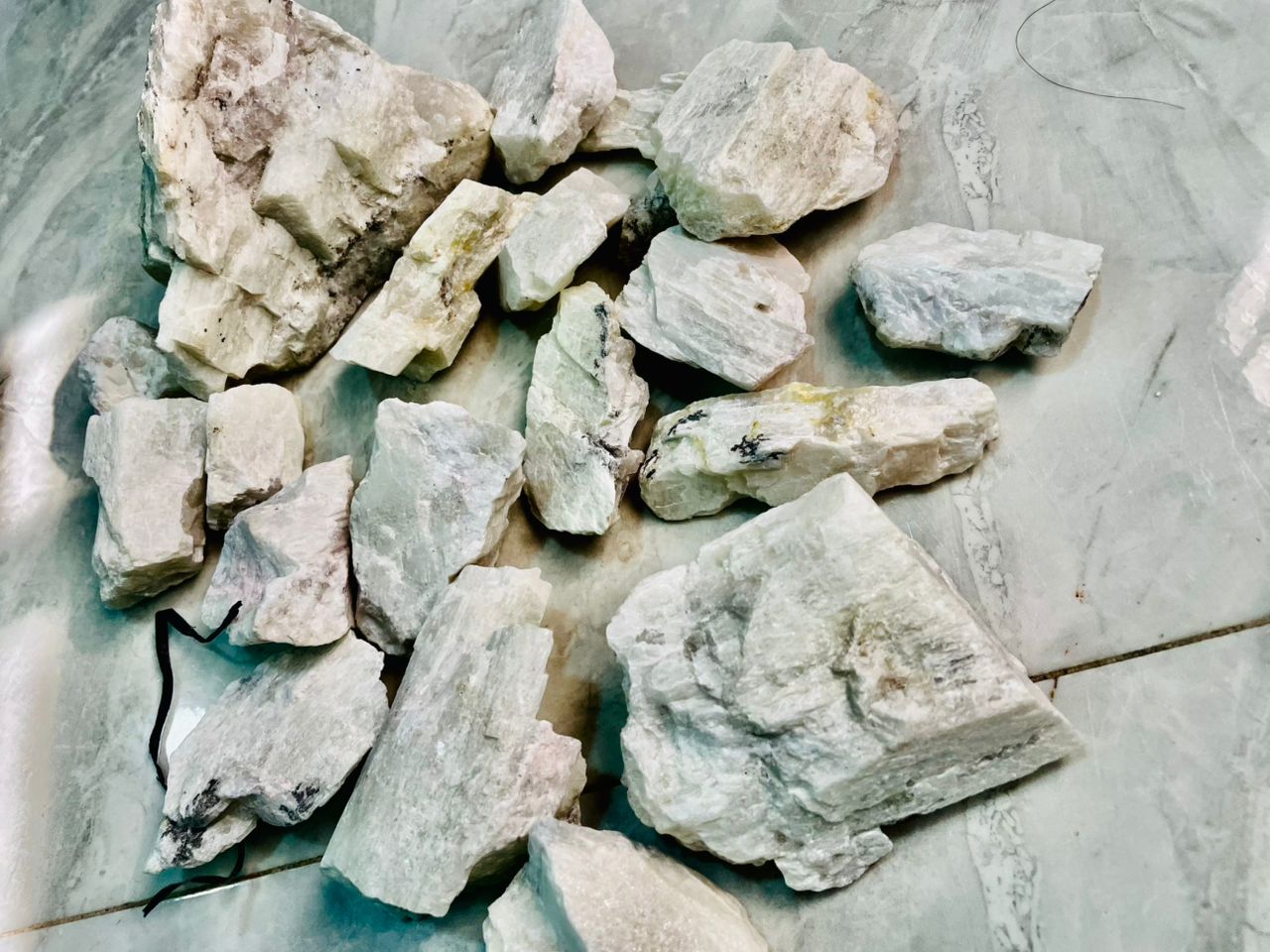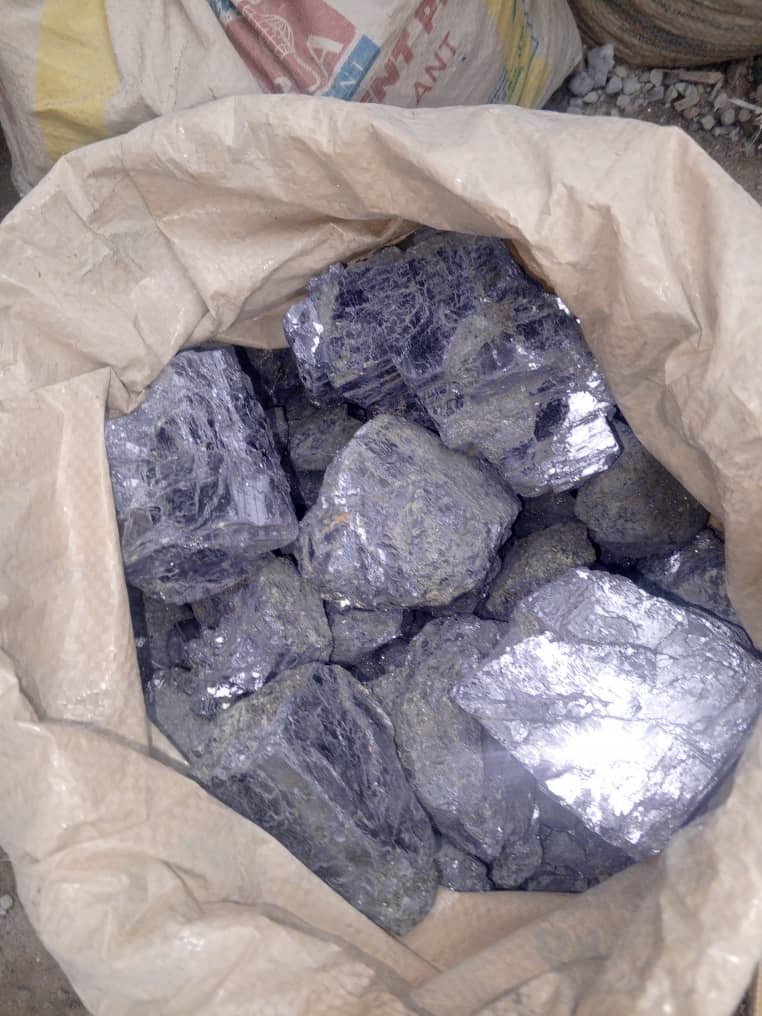

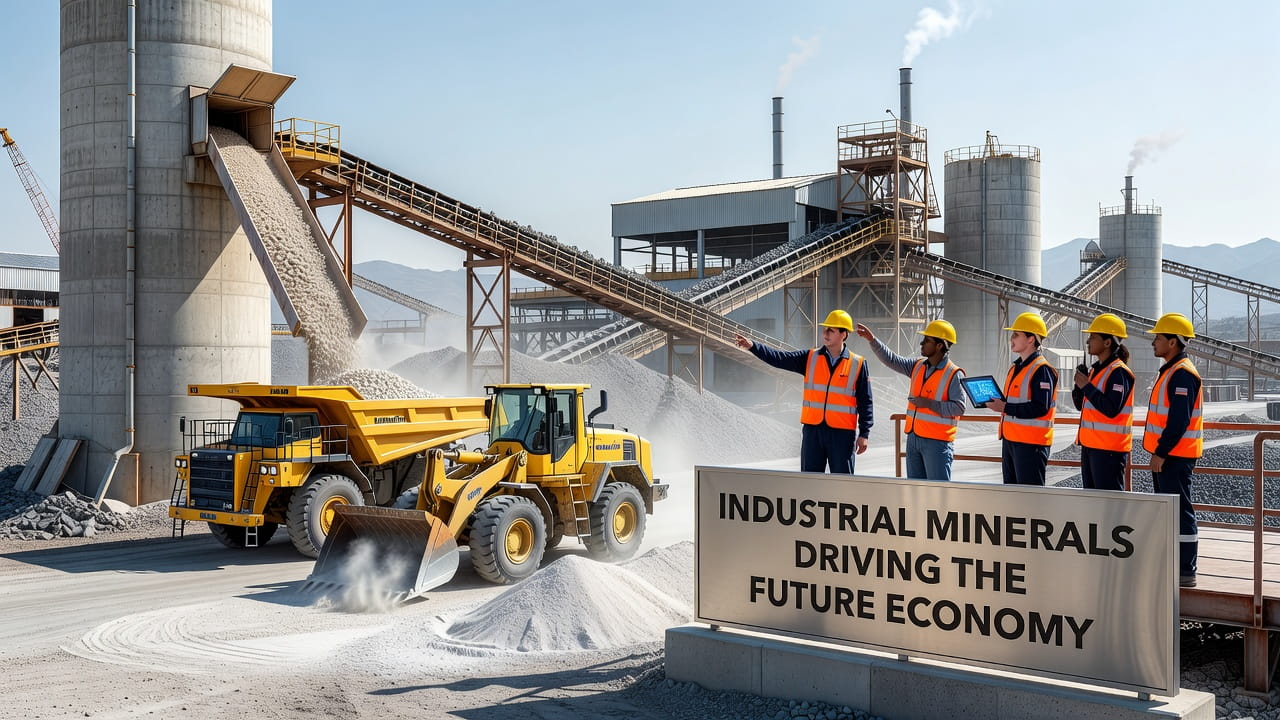
For most of my 24 years in this business, the spotlight has always fallen on the glamorous minerals. On the Jos Plateau, where I learned the trade, everyone wanted to talk about tin, columbite, tantalite — and lately about lithium and rare earths. The materials with the dramatic headlines. But standing on those minesites year after year, I came to respect a quieter group of minerals that nobody writes breathless articles about, yet without which the modern world would simply stop functioning.
I am talking about industrial minerals — the limestone, barite, gypsum, silica, kaolin and fluorite that hold up our buildings, line our drilling rigs, clarify our glass and fertilise our farms. When I think honestly about the materials genuinely driving the future economy, it is not only the battery metals that come to mind. It is also these unglamorous workhorses, in demand everywhere, every single day. This article is my case for paying them the attention they deserve.
It is a long read, because the subject is bigger than most people realise.
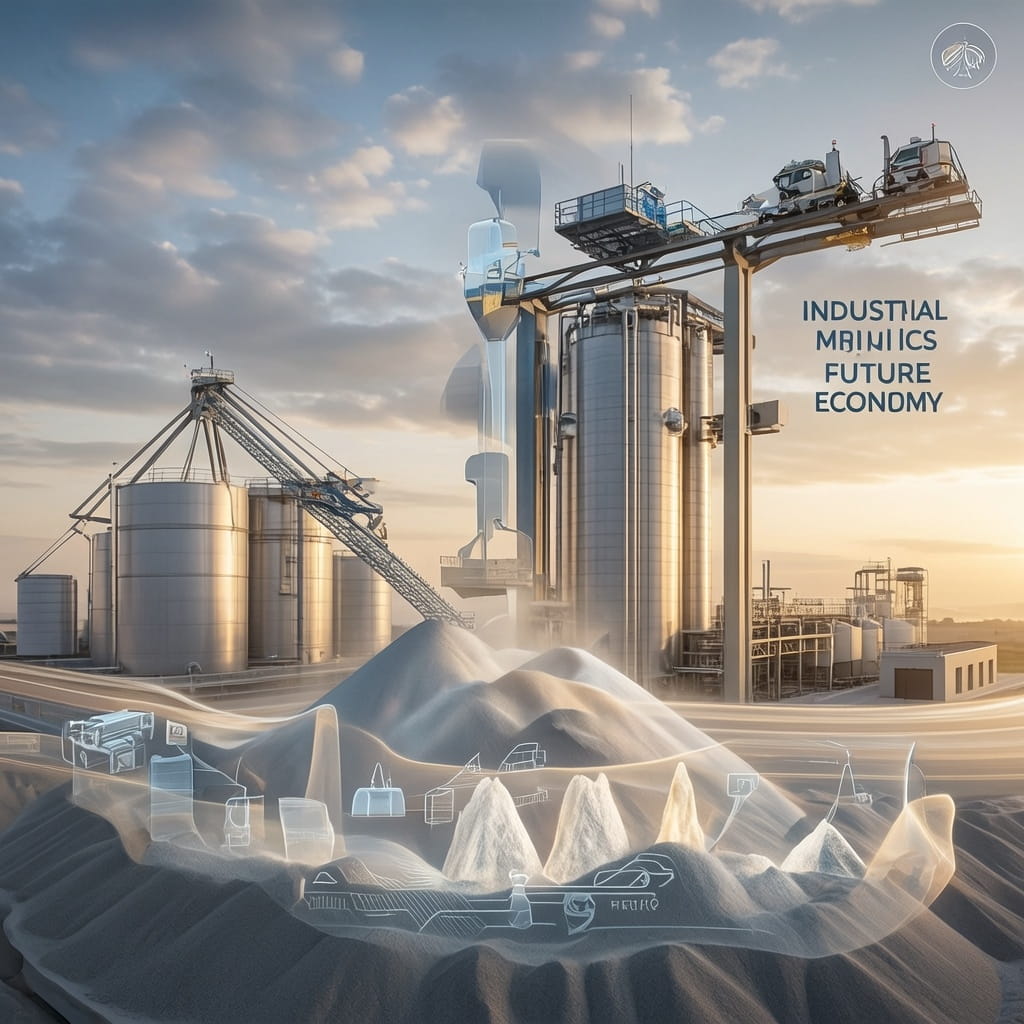
The Minerals Nobody Talks About (But Everyone Depends On)
Let me start with what an industrial mineral actually is, because the term confuses people. Unlike metallic ores, which are mined for the metal locked inside them, and unlike fuel minerals, which are burned for energy, industrial minerals are valued for their physical and chemical properties — their hardness, their whiteness, their density, their absorbency, their resistance to heat. We use them as they are, for what they do.
The list is long and surprisingly intimate. Limestone becomes the cement in your home and the aggregate in your roads. Silica sand becomes glass, and increasingly the high-purity feedstock behind solar panels and electronics. Gypsum becomes plasterboard and helps set cement. Barite, dense and inert, weights the drilling fluids that keep oil and gas wells from blowing out. Kaolin clay coats glossy paper, fills ceramics and even goes into medicines and cosmetics. Talc, feldspar, dolomite, bentonite, fluorspar — each has its quiet, essential role. Look around whatever room you are sitting in right now and I promise you are surrounded by industrial minerals you never think about. That invisibility is exactly why they are so easy to underestimate.
A Market Quietly Worth Billions
Because industrial minerals span so many materials and uses, estimates of the global market’s size vary enormously depending on what gets counted — figures range from several billion dollars for the narrower processed-minerals segment to well over two hundred billion when construction aggregates are included. But here is what matters: every serious analysis agrees on the direction. This is a market growing steadily, year after year, in the low-to-mid single digits, and it does so with a consistency that the more volatile battery metals can only envy.
A few patterns hold across all the research. Limestone dominates by sheer volume, thanks to cement and construction. Silica is among the fastest-growing segments because its applications now stretch from ordinary glass into solar and electronics. North America remains the largest established market, but the Asia-Pacific region is growing fastest on the back of rapid urbanisation and industrialisation — and Africa is squarely identified as an emerging frontier, with rising investment in construction and manufacturing lifting demand for gypsum, kaolin and barite. The underlying drivers are the most dependable forces in the global economy: more people, more cities, more roads, more buildings, more factories. That is what makes this sector such a steady foundation to build a business on.
How Industrial Minerals Are Driving the Future Economy
When I argue that industrial minerals are driving the future economy, I am not being poetic. I am pointing at the specific megatrends shaping the coming decades, and at the minerals sitting underneath each one.
Start with construction and infrastructure. The world, and Africa especially, faces an enormous housing and infrastructure deficit. Closing it means cement, and cement means limestone and gypsum on a vast scale. Every kilometre of road, every bridge, every housing estate is, at bottom, a demand signal for these minerals. Then consider the energy transition. Solar panels need high-purity silica. The glass industry — from windows to fibre optics — runs on it too. Even the cleanest future is built, quite literally, on sand.
Look at the oil and gas sector, which is not disappearing as quickly as some predict: every well drilled needs barite to weight its drilling mud, and demand for properly processed, specification-grade barite remains strong. Agriculture leans on industrial minerals as well — limestone to correct acidic soils, gypsum as a soil conditioner, phosphate rock for fertiliser — and feeding a growing population is the most non-negotiable trend of all. Finally, the electronics and high-technology sectors depend on ultra-pure grades of silica, fluorspar and specialty clays. The thread running through all of it is simple: the future economy everyone is racing toward cannot be built without the humble materials we have been mining all along.
Nigeria’s Industrial Minerals Story
This is where the opportunity becomes personal for me, because Nigeria is genuinely rich in exactly these minerals. We have vast limestone deposits that already feed one of Africa’s largest cement industries. We have significant barite reserves — and a national push to develop them locally so that our own oil and gas sector stops importing what we could produce at home. We have gypsum, kaolin, silica sand, dolomite, fluorite, garnet and a long list of others scattered across the country, with the North-Central belt I know so well holding more than its share.
The challenge, and therefore the opportunity, is that we have historically left much of this value on the table. We import processed barite while sitting on the raw material. We export minerals in crude form and buy back the refined product at a premium. Yet the government’s growing emphasis on local value addition, combined with the single market that the African Continental Free Trade Area is opening up, changes the calculation. There has rarely been a better moment to build a serious industrial minerals business that serves both Nigerian industry and the wider African and international market.
The Case for Value Addition
If there is one lesson I would press on every investor and operator in this space, it is this: do not stop at digging. The real margin in industrial minerals lives in processing.
Raw limestone is cheap; ground calcium carbonate to a controlled particle size, sold to the paint, plastics or paper industries, is worth far more. Run-of-mine barite is a low-value commodity; barite milled and graded to the international drilling specification commands a proper price. Unwashed silica sand is one thing; cleaned, sized, high-purity silica for glass or solar is another entirely. Calcined kaolin earns multiples of the raw clay. The same physical material, processed correctly to a buyer’s specification, can be transformed from a marginal export into a profitable, defensible product — and it creates skilled jobs while doing so. That is the path I believe Nigeria, and the African industrial minerals sector broadly, must walk.
An Honest Look at the Challenges
I never write one of these pieces without being straight about the difficulties, because the people who succeed here are the ones who go in with clear eyes.
The defining challenge of industrial minerals is their low value-to-weight ratio. A tonne of limestone is worth a tiny fraction of a tonne of tantalite, which means logistics and transport costs dominate the economics. A deposit far from a road, a rail line or a port can be commercially worthless no matter how large it is — location is often everything. Quality consistency is the second hurdle: industrial buyers purchase to exact specifications, and a supplier who cannot deliver uniform grade, purity and particle size reliably will not keep customers, however good the underlying rock. Then come the familiar obstacles — financing for processing equipment, patchy infrastructure and power, the prevalence of informal mining that complicates quality and traceability, and stiff competition from established global suppliers with decades of head start.
None of this is a reason to stay away. These are the ordinary frictions of a real, physical industry. They are simply the problems you must plan for rather than wish away.
Where the Opportunities Sit
In practical terms, the opportunities cluster in a few clear areas. There is extraction and quarrying, ideally sited close to demand centres or good transport links to manage those logistics costs. There is processing and beneficiation, which is where the value addition I keep returning to actually happens and where I believe the smartest capital should go. There is supply into Nigeria’s own fast-growing industries — cement, glass, ceramics, drilling and agriculture — which offers a large, hungry domestic market. There is the export of specialty and higher-grade material to regional and international buyers. And there is the whole ecosystem of support services — laboratory testing, equipment, haulage and quality assurance — that any serious minerals sector needs and that remains undersupplied here.
A well-built strategy usually combines two or three of these rather than betting everything on one.
Where Augustina Impex Fits In
This is the work my company has done across the Jos Plateau mineral belt since 2001. Augustina Impex Limited trades a broad portfolio that runs well beyond the headline minerals — fluorite, garnet and lead ore sit alongside our monazite, tin, columbite and tantalite — and we understand the full arc from ground-level sourcing to international delivery. In the industrial minerals space specifically, what we offer is what the sector most lacks: verified local sourcing, attention to quality and specification, proper export documentation, and the on-the-ground consultancy that turns a promising deposit into a dependable, repeatable supply relationship.
If you are an investor weighing an entry into this steady and underappreciated sector, an industrial buyer looking for a reliable African source, or an operator who wants a partner that has spent nearly a quarter of a century learning this ground, that is exactly the conversation I am glad to have.
The minerals making headlines will come and go with the news cycle. The ones holding up our cities, lining our wells and clarifying our glass will be in demand for as long as we keep building. That, to me, is the quiet, durable opportunity — and it is one worth taking seriously.
Kolawole King Chief Executive Officer, Augustina Impex Limited #288 Diye Ward, Zarmaganda, Jos South, Plateau State, Nigeria Email: augustinaimpex@gmail.com WhatsApp: +234 906 090 4274 Website: https://augustinaimpex.com Blog: https://augustinaimpexng.blogspot.com/ Advert Video: https://www.youtube.com/watch?v=Izg0t7By6co
#IndustrialMinerals #Limestone #Barite #Gypsum #Silica #Kaolin #ConstructionMaterials #NonMetallicMinerals #CementIndustry #GlassManufacturing #MineralProcessing #Beneficiation #NigeriaMining #AfricaMinerals #AugustinaImpex
-
Previous Post
Critical Minerals and Global Geopolitics
Post a comment
Related Posts
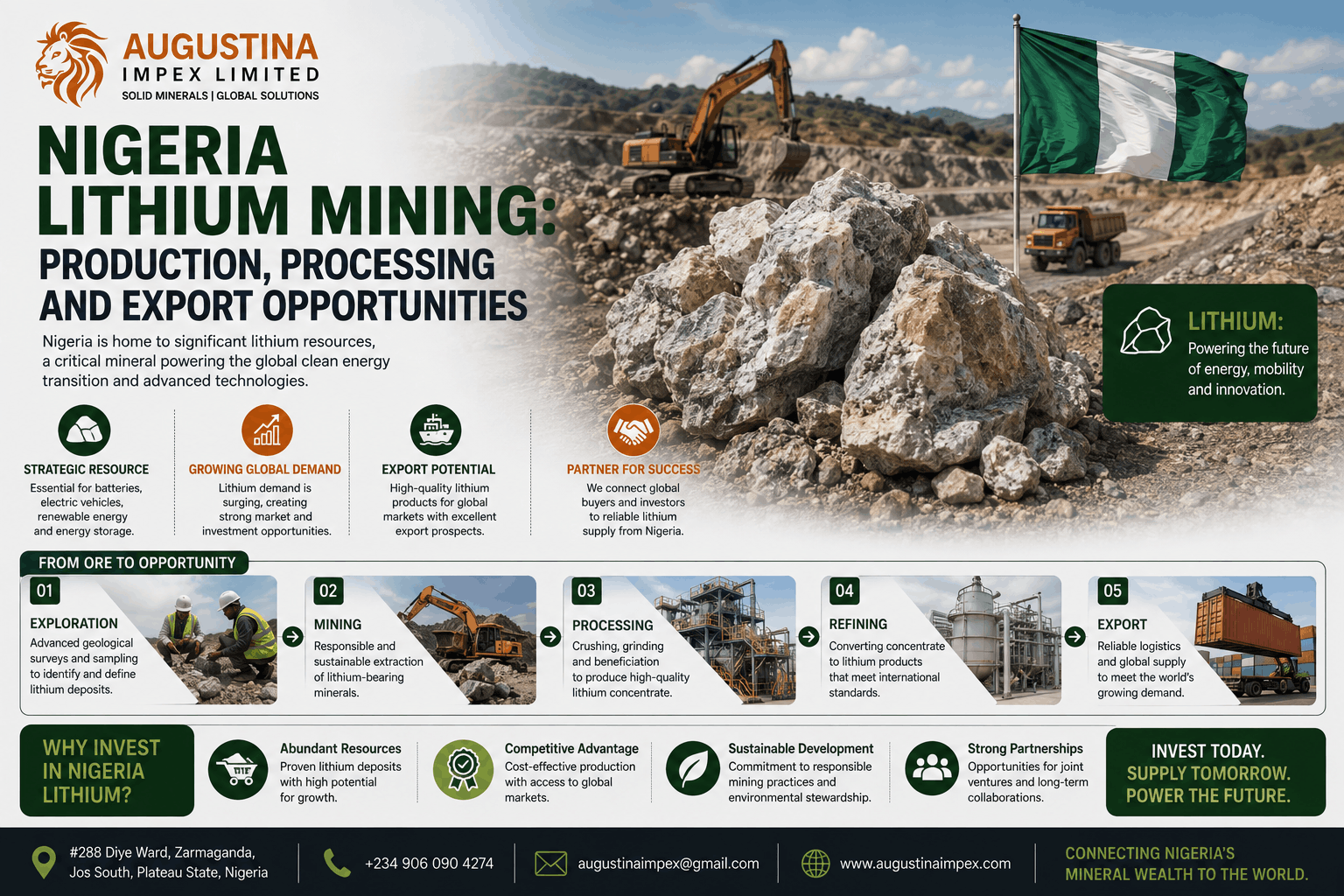
Nigeria Lithium Mining: Production, Processing & Export
Nigeria Lithium Mining: Production, Processing and Export Opportunities By Kolawole King, CEO — Augustina Impex…
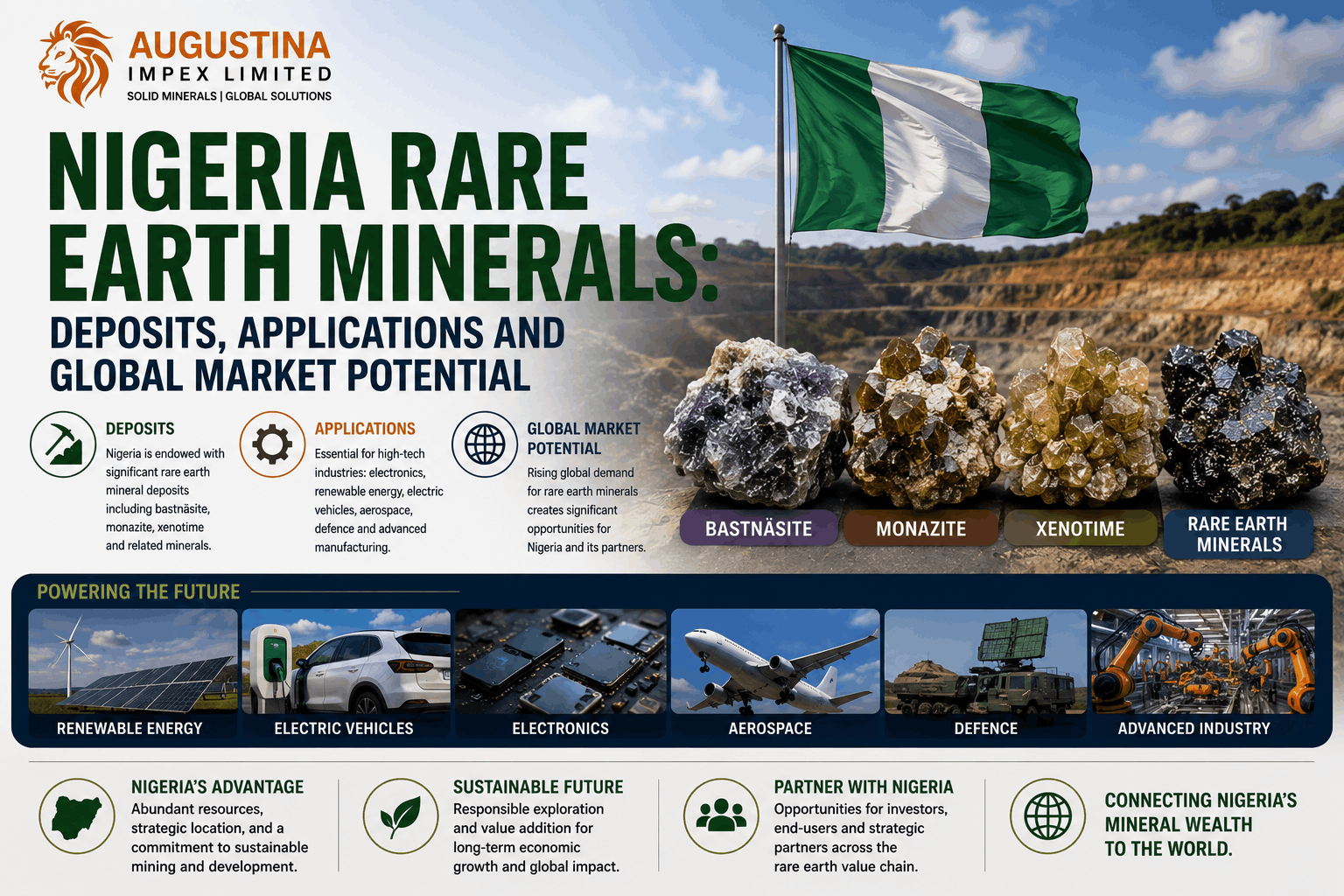
Nigeria Rare Earth Minerals: Deposits & Market Potential
Nigeria Rare Earth Minerals: Deposits, Applications and Global Market Potential By Kolawole King, CEO —…
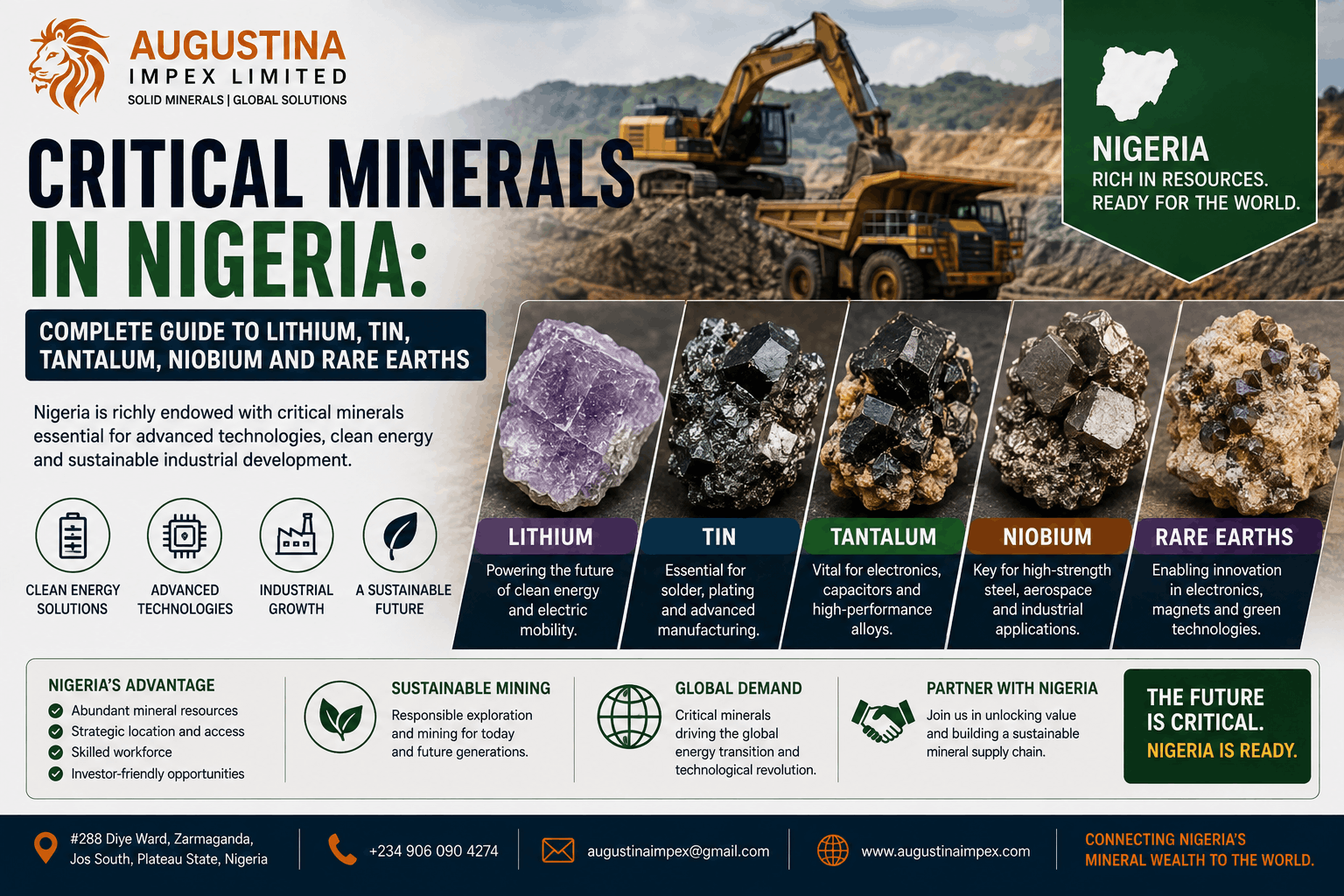
Nigeria Critical Minerals Guide: Lithium, Tin & Rare Earths
Critical Minerals in Nigeria: Complete Guide to Lithium, Tin, Tantalum, Niobium and Rare Earths By…
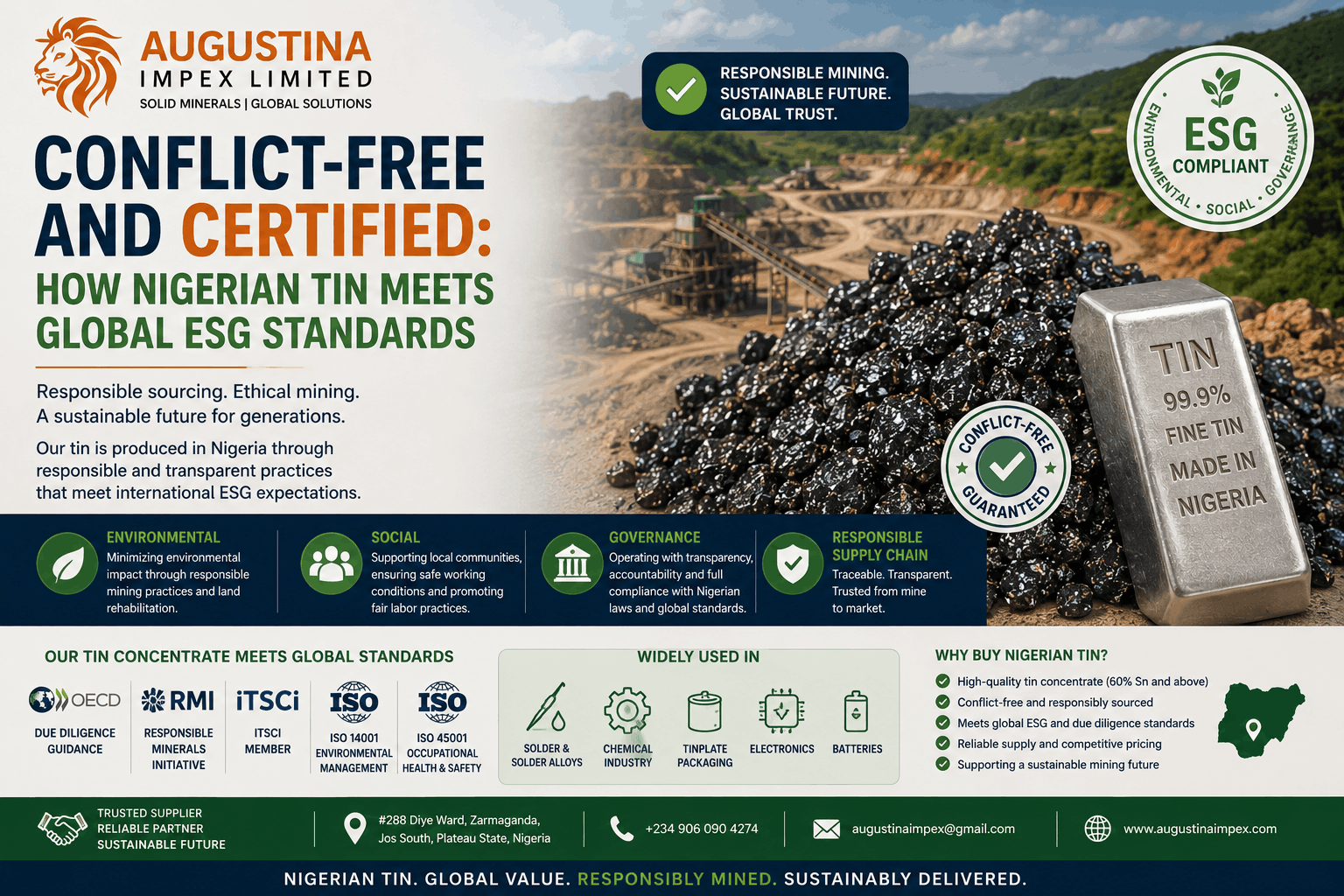
Conflict-Free Nigerian Tin Meets Global ESG Standards
Conflict-Free and Certified: How Nigerian Tin Meets Global ESG Standards By Kolawole King, CEO —…