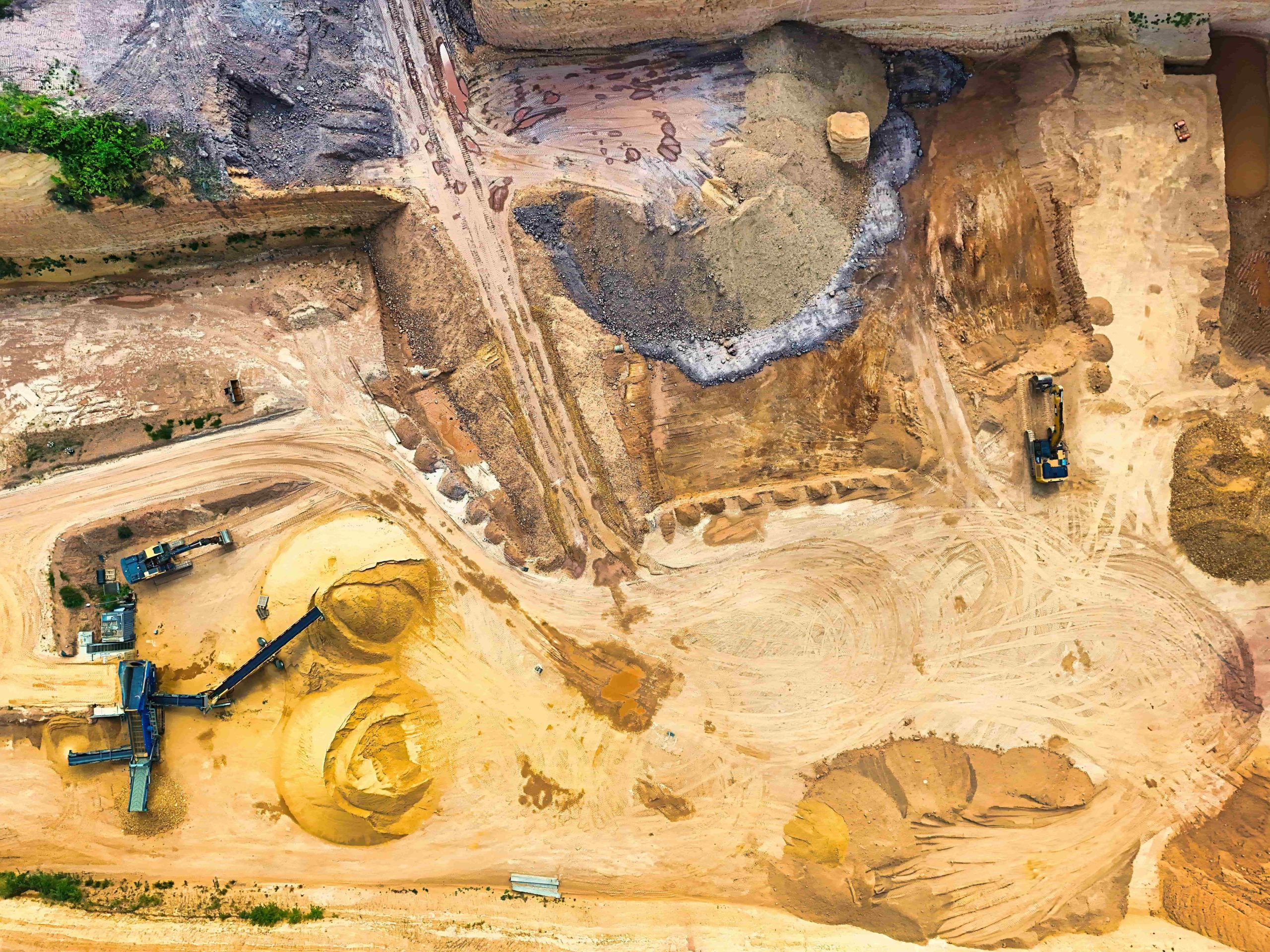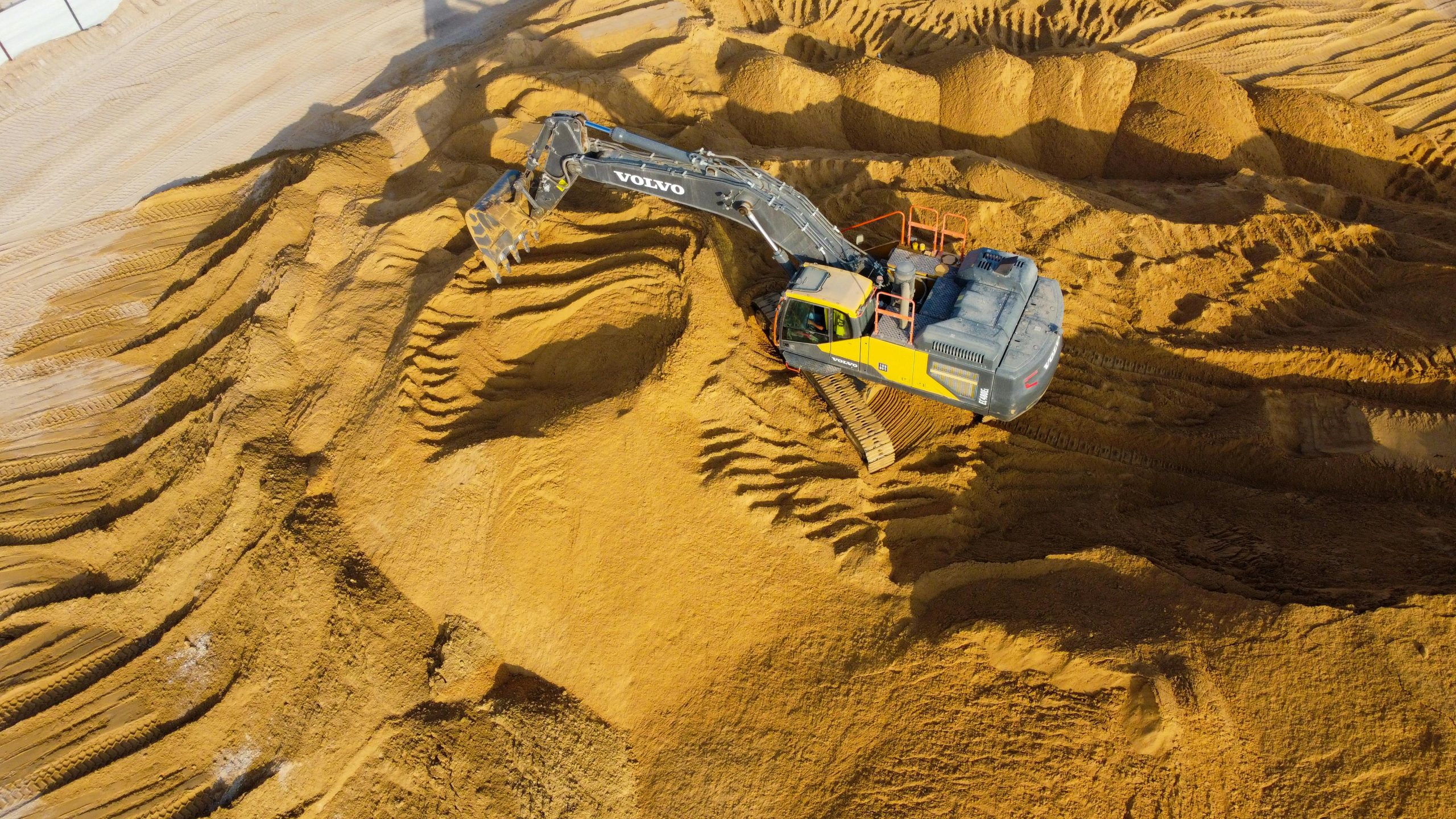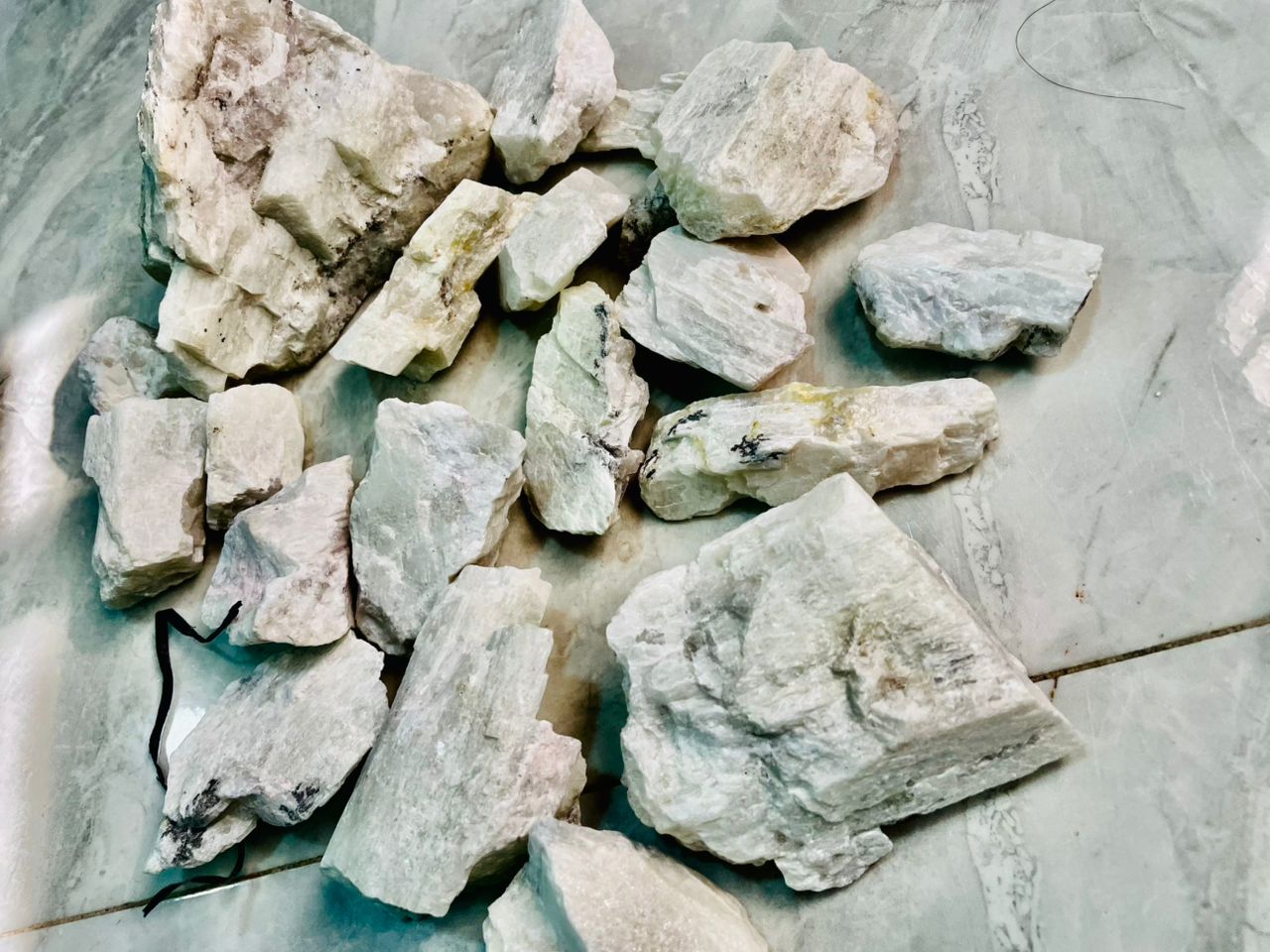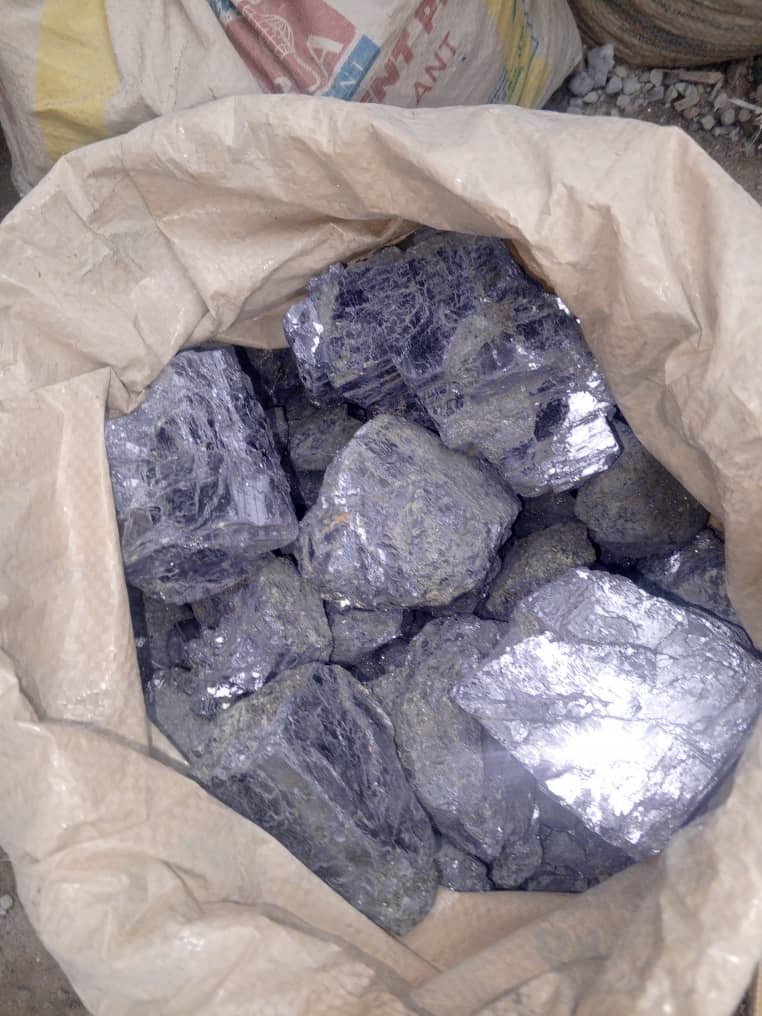

The discovery and increasing commercialization of lithium deposits across Nigeria have positioned the country as one of Africa’s emerging players in the global battery minerals market. As demand for lithium continues to rise due to the growth of electric vehicles, renewable energy storage systems, consumer electronics, and advanced manufacturing technologies, Nigeria’s lithium resources have attracted significant attention from investors, miners, processors, exporters, and international buyers.
In recent years, lithium-bearing pegmatites have been identified in several Nigerian states, leading to increased exploration activities and growing interest from foreign investors. However, despite the tremendous opportunities available, the Nigerian lithium export industry faces several challenges that must be addressed if the country is to maximize the benefits of its lithium resources.
Understanding these challenges is important for miners, investors, policymakers, exporters, and international buyers seeking to participate in Nigeria’s growing lithium sector.

Nigeria’s Growing Importance in the Global Lithium Market
Lithium is often described as the “white gold” of the energy transition.
The mineral is a critical component in the production of:
- Electric vehicle batteries
- Renewable energy storage systems
- Smartphones
- Laptops
- Power tools
- Defense technologies
- Industrial energy systems
As governments and industries worldwide seek to reduce carbon emissions and transition toward cleaner energy sources, lithium demand has grown dramatically.
Nigeria possesses substantial lithium-bearing pegmatite deposits and is increasingly being viewed as a potential supplier of lithium ore and lithium concentrates to global markets.
Several states have become notable for lithium occurrences, including:
- Nasarawa State
- Niger State
- Kaduna State
- Kogi State
- Kwara State
- Oyo State
- Ekiti State
- Plateau State
Despite these opportunities, numerous obstacles continue to affect the development of a robust export industry.
Regulatory Changes and Policy Uncertainty
One of the most significant challenges facing lithium export in Nigeria is the evolving regulatory environment.
Governments often seek to maximize the economic benefits of strategic minerals by encouraging local beneficiation and value addition rather than the export of raw materials.
As a result, exporters may face changing regulations relating to:
- Export permits
- Mineral titles
- Processing requirements
- Local content obligations
- Environmental compliance
Policy changes can create uncertainty for investors and exporters who require stable frameworks to support long-term investments.
For many industry participants, clarity and consistency in regulations remain critical factors for business planning.
Limited Processing and Beneficiation Capacity
One of the biggest challenges facing Nigeria’s lithium sector is the limited availability of processing infrastructure.
Many lithium deposits are mined in ore form, but international buyers increasingly prefer:
- Lithium concentrates
- Beneficiated products
- Battery-grade materials
The lack of sufficient processing plants means that many operators remain dependent on exporting lower-value products.
This situation creates several challenges:
- Reduced export value
- Lower profit margins
- Increased transportation costs
- Limited competitiveness
Developing local beneficiation facilities would significantly improve Nigeria’s position within the global lithium value chain.
Infrastructure Constraints
Infrastructure remains a major challenge throughout the Nigerian mining sector.
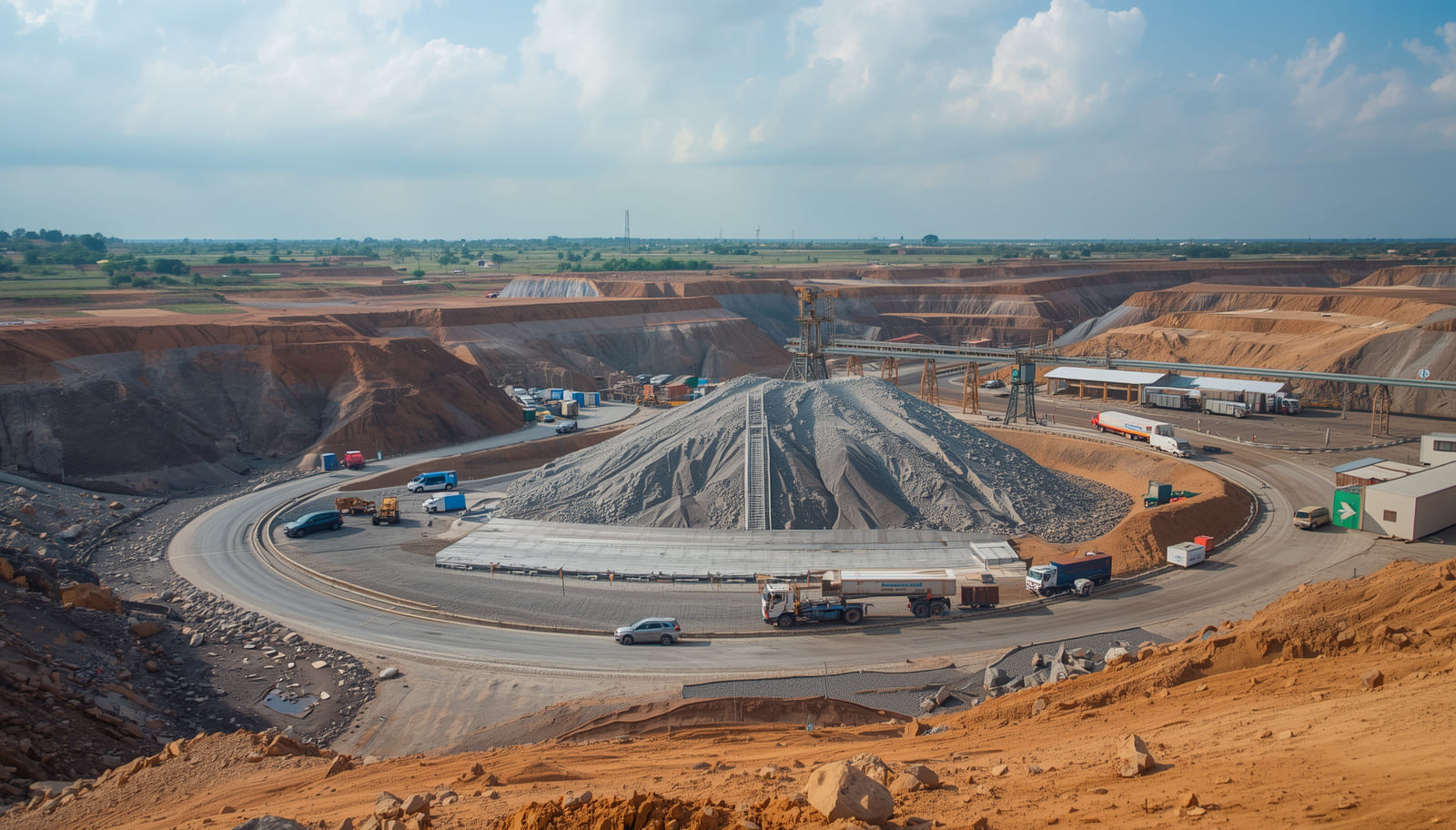
Lithium mining projects often operate in remote areas where infrastructure may be limited.
Common challenges include:
Poor Road Networks
Transportation of lithium ore from mine sites to processing facilities or ports can be difficult and expensive.
Power Supply Issues
Reliable electricity is essential for modern processing facilities.
Frequent power interruptions increase operating costs and reduce productivity.
Water Availability
Lithium processing often requires substantial water resources.
Access to reliable water supplies may be limited in some mining regions.
Port Congestion
Exporters sometimes encounter delays at ports, affecting delivery schedules and increasing costs.
Improved infrastructure would significantly enhance the competitiveness of Nigerian lithium exports.
Financing Challenges
Mining and mineral processing require substantial capital investment.
Many operators face difficulties obtaining:
- Exploration funding
- Equipment financing
- Working capital
- Processing plant investment
- Export financing
Small-scale miners are particularly affected because they often lack access to formal financing institutions.
Without adequate funding, many projects struggle to achieve commercial scale.
Artisanal and Small-Scale Mining Issues
A significant proportion of Nigeria’s lithium production originates from artisanal and small-scale mining operations.
While these miners contribute significantly to production, several challenges arise:
Inconsistent Quality
Material quality can vary considerably between suppliers.
Supply Chain Fragmentation
Production is often dispersed among numerous operators.
Traceability Concerns
International buyers increasingly demand transparent and traceable supply chains.
Limited Technical Knowledge
Some operators lack access to modern mining techniques and geological expertise.
Formalizing and supporting small-scale miners could improve the overall competitiveness of the sector.
Quality Control and Assay Challenges
International buyers require accurate and reliable assay reports before committing to purchases.
Challenges include:
- Limited laboratory capacity
- Variations in testing standards
- Delays in obtaining results
- Quality assurance concerns
Reliable testing facilities are essential for building confidence among international buyers.
Global Competition
Nigeria is entering a highly competitive global lithium market.
Major lithium-producing countries include:
- Australia
- China
- Chile
- Argentina
- Brazil
- Zimbabwe
These countries often possess:
- Advanced processing infrastructure
- Established export systems
- Strong financing networks
- Mature mining industries
To compete effectively, Nigeria must improve efficiency, processing capacity, and regulatory stability.
Environmental and Social Considerations
Environmental responsibility is becoming increasingly important in the global mining industry.
Lithium projects must address:
- Land rehabilitation
- Water management
- Community relations
- Environmental monitoring
- Sustainable mining practices
Failure to meet international sustainability expectations may limit access to certain markets.
Security and Logistics Challenges
Security concerns in some mining regions can affect operations.
Challenges may include:
- Theft of mineral products
- Illegal mining activities
- Transportation risks
Effective security measures and supply chain management are essential for successful export operations.
Foreign Exchange and Currency Risks
Exporters frequently face challenges relating to:
- Currency fluctuations
- Foreign exchange regulations
- International payment systems
Managing these risks requires careful financial planning and strong banking relationships.
The Need for Strong Offtake Agreements
Many lithium projects struggle because they lack reliable buyers.
Long-term offtake agreements can provide:
- Revenue certainty
- Financing support
- Market access
- Business stability
Developing relationships with international buyers remains critical for industry growth.
Opportunities Despite the Challenges
Although challenges exist, the outlook for Nigeria’s lithium sector remains positive.
Several factors support long-term growth:
Rising Global Demand
Electric vehicles and renewable energy systems continue to drive lithium consumption.
Significant Resource Potential
Nigeria possesses substantial undeveloped lithium resources.
Increasing Investor Interest
International investors are actively exploring opportunities in the country.
Growing Processing Capacity
New processing facilities are gradually being developed.
Strategic Location
Nigeria provides access to global shipping routes and major international markets.
Solutions for Sustainable Growth
Several measures could strengthen the industry:
- Expansion of local processing plants
- Improved infrastructure development
- Access to financing
- Regulatory clarity
- Enhanced geological mapping
- Support for small-scale miners
- Investment in laboratory facilities
- Stronger international partnerships
Implementing these measures would significantly improve Nigeria’s competitiveness in the global lithium market.
The Future of Lithium Export in Nigeria
The future of lithium export in Nigeria will depend largely on the country’s ability to move beyond raw ore exports and develop a stronger value-added industry.
Countries that process and upgrade minerals generally capture greater economic benefits than those that export raw materials.
As global demand for battery minerals continues to grow, Nigeria has an opportunity to become an important participant in the international lithium supply chain.
Success will require collaboration among:
- Government agencies
- Mining companies
- Investors
- Processing facilities
- Exporters
- International buyers
Conclusion
Nigeria’s lithium industry offers enormous potential, but several challenges continue to affect the growth of exports. Regulatory uncertainty, infrastructure limitations, financing constraints, processing shortages, and global competition remain important issues that must be addressed.
Despite these obstacles, the long-term outlook remains highly promising. With appropriate investment, improved processing capacity, supportive policies, and stronger international partnerships, Nigeria can establish itself as a significant supplier of lithium products to global markets.
For investors, exporters, and industry participants, understanding the challenges facing lithium export in Nigeria is the first step toward developing sustainable solutions and unlocking the full value of the country’s lithium resources.
At Augustina Impex Limited, we remain committed to supporting responsible lithium development, mineral sourcing, export facilitation, and international trade partnerships that contribute to the growth of Nigeria’s mining sector.
-
Previous Post
Investment in Heavy Mineral Sands Processing Plants
Post a comment
Related Posts
Nigeria Lithium Mining: Production, Processing & Export
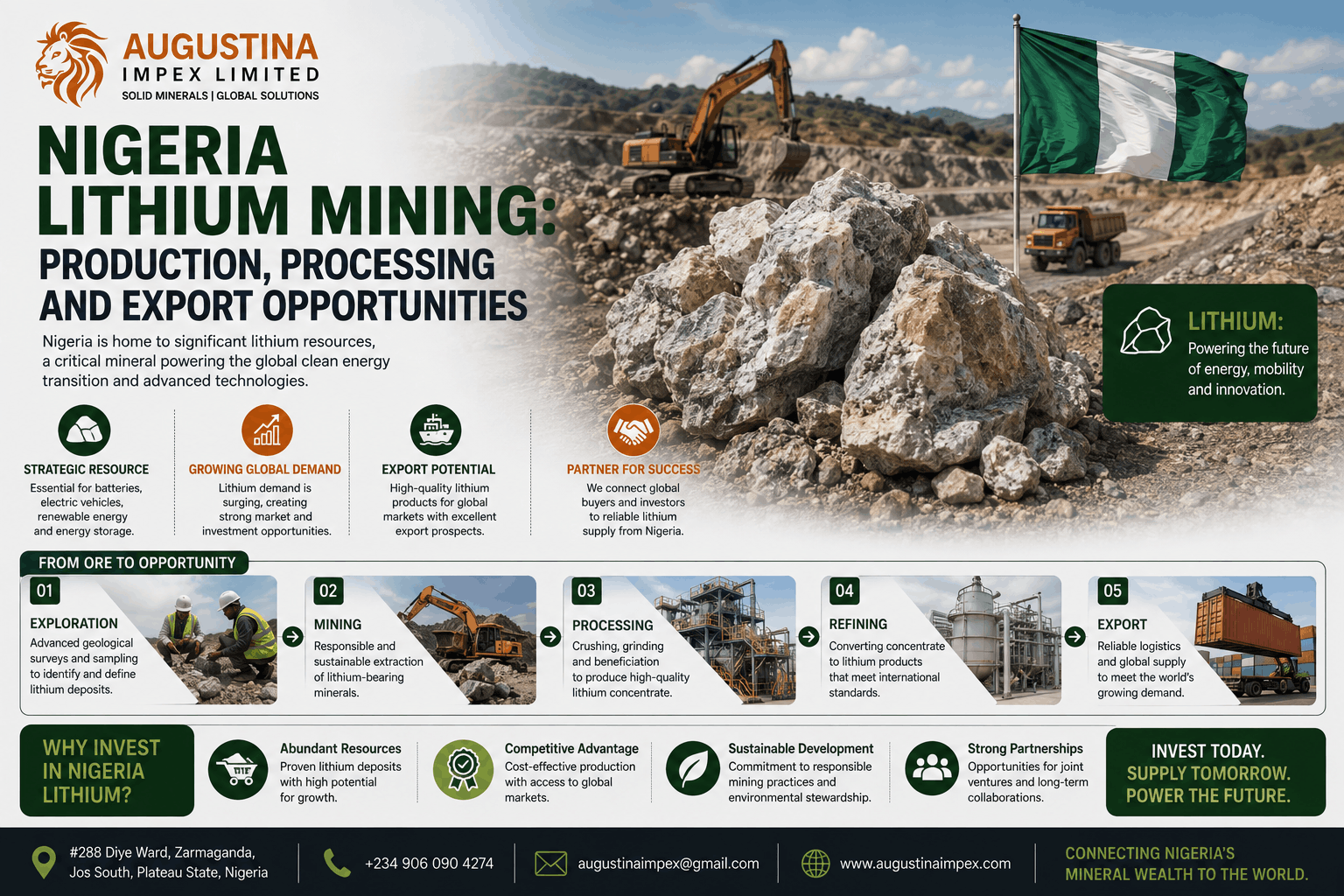
Nigeria Lithium Mining: Production, Processing and Export Opportunities By Kolawole King, CEO — Augustina Impex…
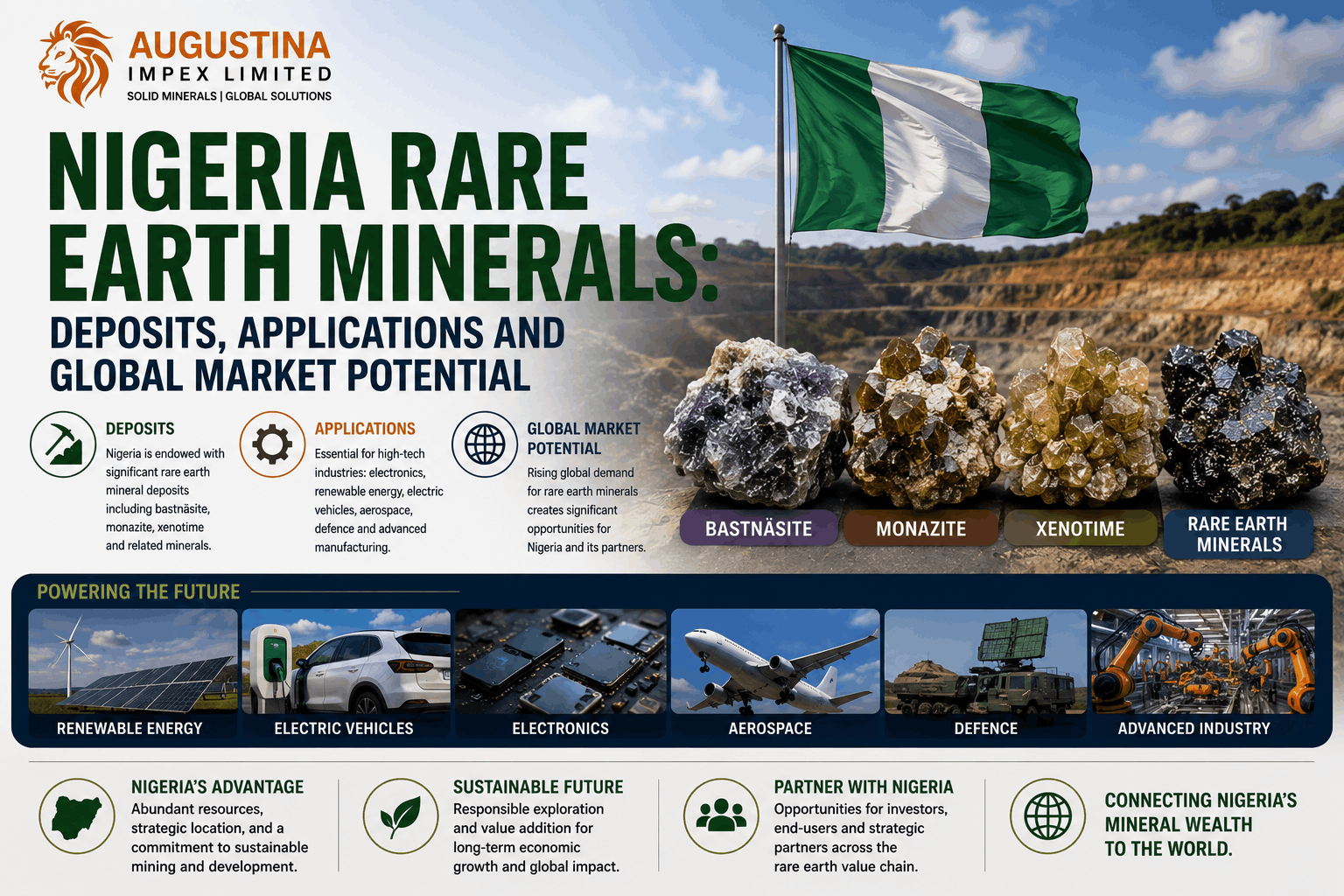
Nigeria Rare Earth Minerals: Deposits & Market Potential
Nigeria Rare Earth Minerals: Deposits, Applications and Global Market Potential By Kolawole King, CEO —…
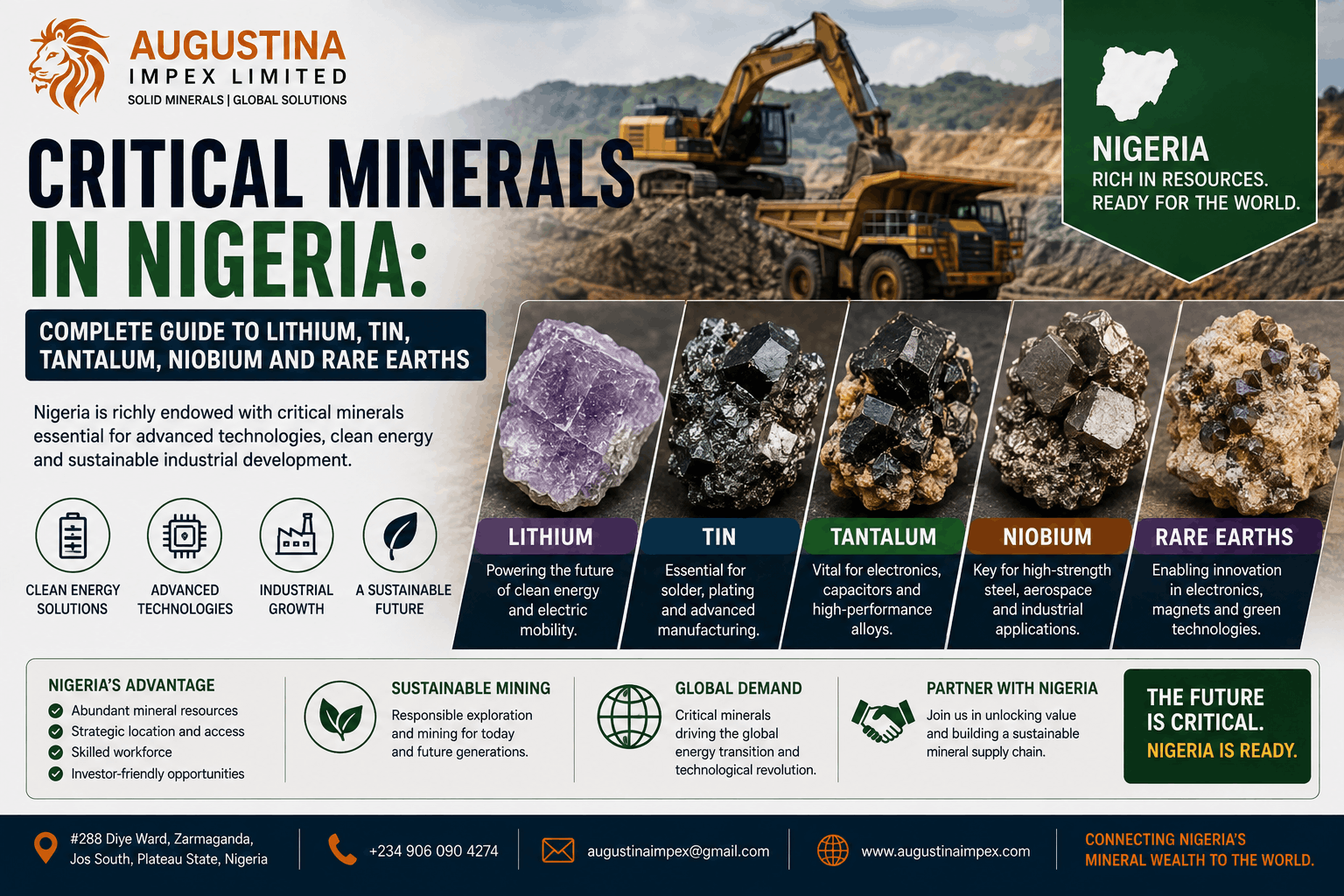
Nigeria Critical Minerals Guide: Lithium, Tin & Rare Earths
Critical Minerals in Nigeria: Complete Guide to Lithium, Tin, Tantalum, Niobium and Rare Earths By…
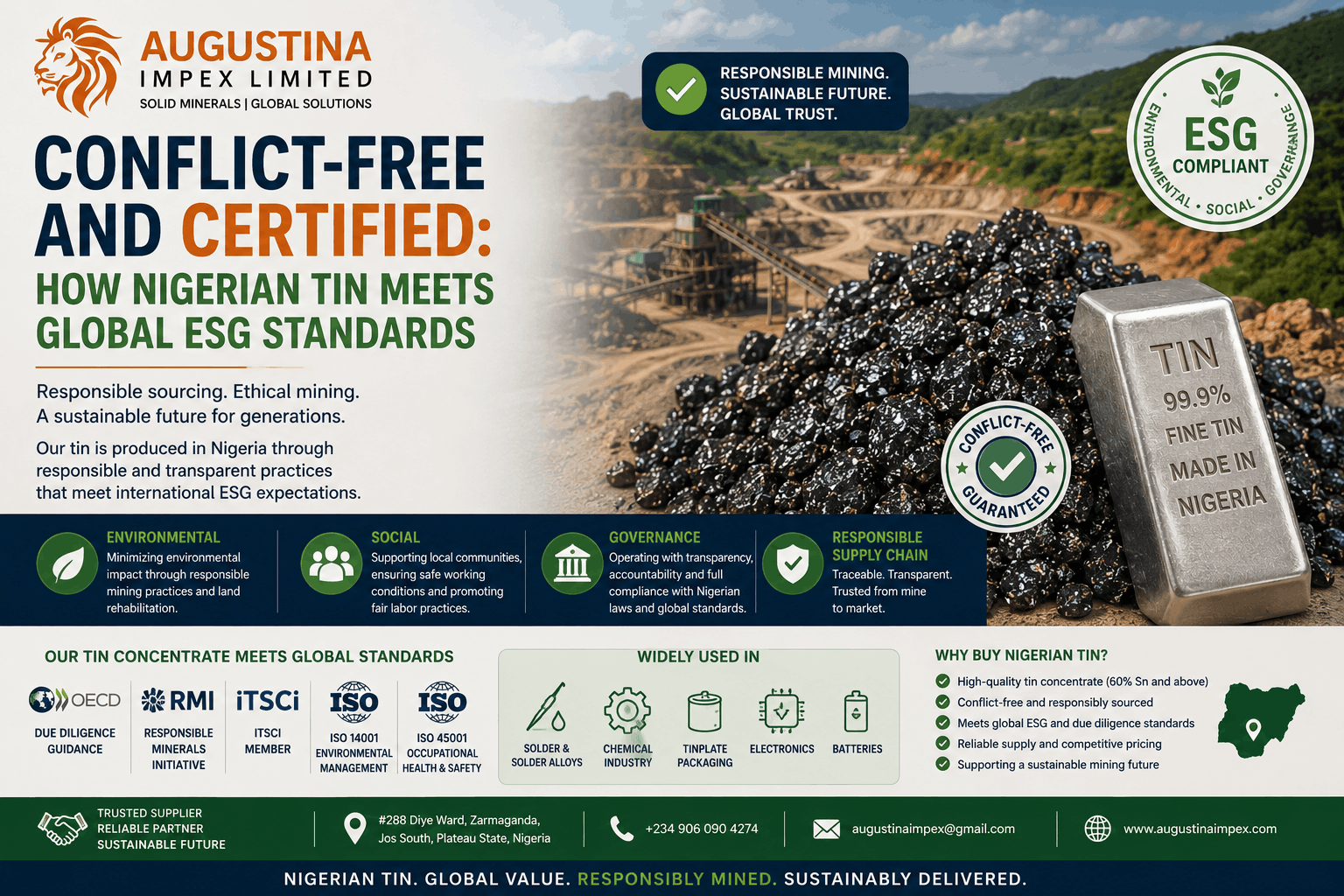
Conflict-Free Nigerian Tin Meets Global ESG Standards
Conflict-Free and Certified: How Nigerian Tin Meets Global ESG Standards By Kolawole King, CEO —…