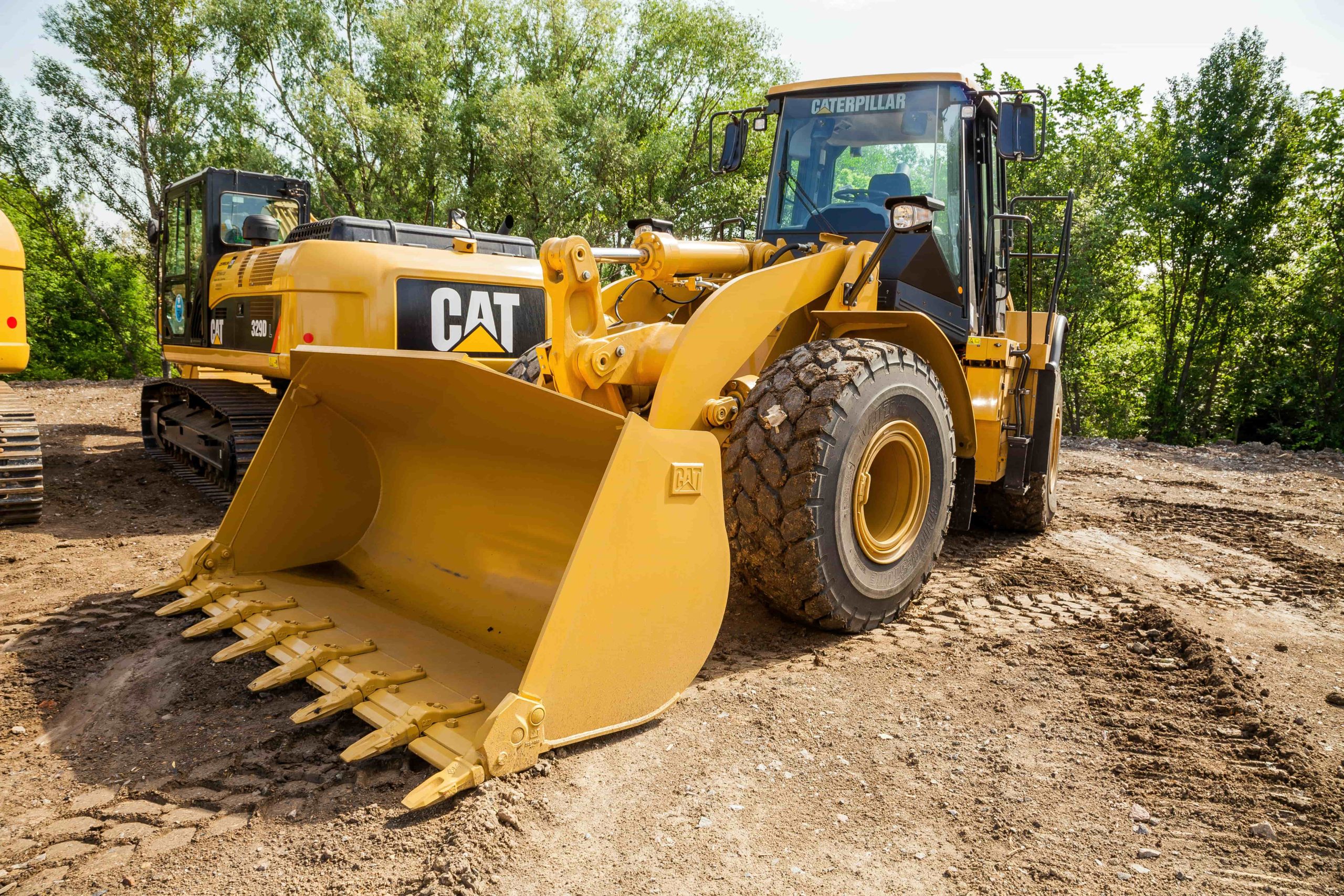

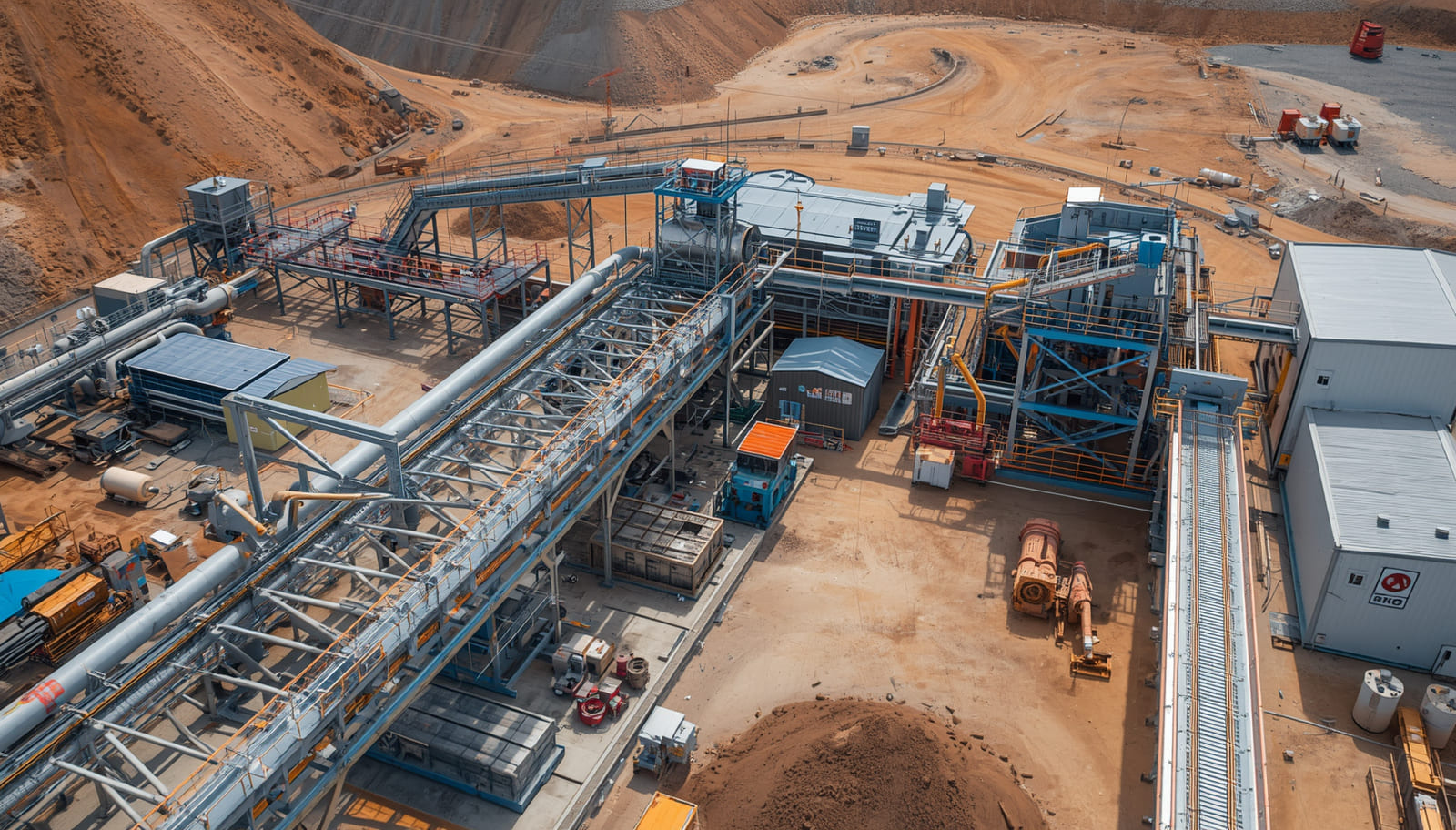
The global mining industry is undergoing a remarkable transformation driven by rising demand for critical minerals, rare earth elements, titanium feedstocks, and industrial mineral products. As governments and industries around the world focus on clean energy technologies, advanced manufacturing, electric vehicles, aerospace systems, and infrastructure development, the strategic importance of heavy mineral sands has never been greater.
Heavy mineral sands processing plants occupy a critical position within the mineral value chain because they transform raw mineral-bearing sands into marketable concentrates with significantly higher commercial value. For investors seeking exposure to the mining and minerals sector, heavy mineral sands processing plants represent one of the most attractive opportunities currently available in emerging mineral-producing countries such as Nigeria.
With abundant deposits of zircon, ilmenite, rutile, monazite, garnet, and other valuable minerals, Nigeria possesses substantial potential to become a leading supplier of heavy mineral sand concentrates to global markets.
This article explores the investment opportunities, commercial potential, processing technologies, risks, returns, and future outlook for heavy mineral sands processing plants in Nigeria.

Understanding Heavy Mineral Sands
Heavy mineral sands are naturally occurring deposits that contain minerals with high specific gravity. These minerals have been concentrated over geological time through weathering, erosion, transportation, and sedimentary processes.
Unlike ordinary silica sand, heavy mineral sands contain valuable industrial and strategic minerals including:
Zircon
Zircon is widely used in:
- Ceramic tile manufacturing
- Sanitary ware production
- Foundry operations
- Refractory products
- Zirconium chemicals
- Nuclear applications
Ilmenite
Ilmenite is a major titanium-bearing mineral used in:
- Titanium dioxide pigment production
- Aerospace manufacturing
- Paints and coatings
- Plastics
- Paper products
Rutile
Rutile contains exceptionally high titanium dioxide content and is used in:
- Titanium metal production
- Welding electrodes
- Pigment manufacturing
- High-performance industrial applications
Monazite
Monazite is one of the world’s most important rare earth-bearing minerals.
It contains:
- Cerium
- Lanthanum
- Neodymium
- Praseodymium
- Other rare earth elements
These materials are critical for:
- Electric vehicles
- Wind turbines
- Permanent magnets
- Electronics manufacturing
- Defense technologies
Garnet
Garnet is utilized in:
- Waterjet cutting
- Abrasive blasting
- Industrial filtration
- Surface preparation applications
Why Processing Plants Create More Value Than Mining Alone
Many investors initially focus on mining operations because mineral extraction appears to be the most visible component of the industry.
However, some of the highest profit margins within the mineral sector are generated through processing and beneficiation.
Raw mineral sands generally contain only a small percentage of valuable minerals.
Processing plants increase value by:
- Upgrading ore quality
- Removing impurities
- Increasing mineral concentration
- Producing exportable products
- Meeting buyer specifications
A processing plant transforms low-value material into premium concentrates that can command significantly higher prices in international markets.
This value addition creates a strong business case for investment.
Nigeria’s Competitive Advantage
Nigeria possesses several advantages that support investment in heavy mineral sands processing plants.
Abundant Mineral Resources
Heavy mineral sands occur in numerous states including:
- Plateau State
- Nasarawa State
- Kaduna State
- Niger State
- Bauchi State
- Taraba State
- Cross River State
- Rivers State
- Akwa Ibom State
These regions host significant quantities of zircon, ilmenite, monazite, rutile, and associated minerals.
Growing Supply Base
Thousands of artisanal and small-scale miners operate throughout Nigeria.
These miners provide a continuous source of raw material that can be upgraded through centralized processing facilities.
Strategic Location
Nigeria offers access to:
- West African markets
- European markets
- Middle Eastern markets
- Asian markets
Its geographic location supports export-oriented mineral processing businesses.
Expanding Demand
International demand continues to increase for:
- Rare earth minerals
- Titanium feedstocks
- Zircon concentrates
- Critical minerals
This creates favorable market conditions for processing plant investments.
How Heavy Mineral Sands Processing Plants Operate
Processing plants generally follow a series of beneficiation steps.
Material Reception
Raw mineral sands are received from:
- Mining operations
- Artisanal miners
- Cooperatives
- Aggregators
Washing and Screening
The material is washed to remove:
- Clay
- Organic matter
- Fine contaminants
Screening systems classify particles according to size.
Gravity Separation
Gravity concentration systems recover heavy minerals from lighter waste materials.
Common equipment includes:
- Spiral concentrators
- Shaking tables
- Jigs
Magnetic Separation
Magnetic systems separate minerals based on magnetic properties.
This stage is particularly important for:
- Ilmenite
- Monazite
- Garnet
Electrostatic Separation
Electrostatic separators further improve concentrate quality by separating minerals according to electrical conductivity.
Final Product Preparation
Concentrates are:
- Dried
- Sampled
- Tested
- Packaged
- Prepared for sale
Capital Requirements
The capital required depends on project scale.
Small Processing Plants
Suitable for regional operations.
Typically involve:
- Basic gravity concentration equipment
- Small workforce
- Lower capital requirements
Medium-Scale Facilities
Include:
- Gravity separation
- Magnetic separation
- Drying systems
- Quality control laboratories
Large Industrial Plants
Feature:
- Integrated beneficiation systems
- Advanced separation technologies
- High throughput capacity
- Export infrastructure
These facilities require larger investments but can achieve significant economies of scale.
Revenue Streams
Heavy mineral sands processing plants can generate income through multiple channels.
Zircon Concentrates
Zircon commands strong demand from ceramic and refractory industries.
Monazite Concentrates
Monazite is increasingly sought after due to rare earth demand.
Ilmenite Concentrates
Titanium feedstock markets continue to expand globally.
Rutile Products
High-grade rutile concentrates often attract premium pricing.
Processing Services
Plants may also generate revenue by providing toll-processing services to third-party miners and aggregators.
Investment Risks
Like all industrial investments, heavy mineral sands processing plants involve risks.
These include:
Feedstock Availability
Consistent raw material supply is essential.
Regulatory Changes
Mining regulations may evolve over time.
Commodity Price Fluctuations
Mineral prices can experience periods of volatility.
Infrastructure Challenges
Power, transportation, and logistics constraints may affect operations.
Technical Risks
Recovery rates and processing efficiency influence profitability.
However, these risks can often be managed through proper planning, experienced management, and strong supplier relationships.
The Role of Rare Earth Elements
One of the most compelling reasons to invest in heavy mineral sands processing is the increasing importance of rare earth elements.
Monazite-bearing deposits contain rare earth minerals essential for:
- Electric vehicle motors
- Renewable energy systems
- Advanced electronics
- Military technologies
As global demand for rare earths continues to rise, processing plants capable of recovering monazite may enjoy substantial long-term advantages.
Partnership Opportunities
Investors do not necessarily need to develop projects independently.
Many opportunities exist through partnerships with:
- Existing processing facilities
- Mineral aggregators
- Mine owners
- Exporters
- International buyers
Joint ventures can reduce risk while accelerating project development.
Future Outlook
Several global trends support long-term growth.
Energy Transition
Electric vehicles and renewable energy systems require increasing quantities of critical minerals.
Rare Earth Demand
Governments worldwide are seeking alternative rare earth supply chains.
Industrial Growth
Emerging economies continue to expand their manufacturing sectors.
Supply Chain Diversification
Many buyers are seeking new sources of strategic minerals outside traditional producing regions.
These factors are likely to support strong demand for heavy mineral sand concentrates for many years.
Conclusion
Investment in heavy mineral sands processing plants represents one of the most promising opportunities within Nigeria’s mining sector. By transforming raw mineral sands into high-value concentrates, processing facilities create significant economic value while supporting global industries that rely on strategic and critical minerals.
With abundant mineral resources, growing international demand, and increasing interest in rare earth elements, zircon, ilmenite, rutile, and other heavy mineral products, Nigeria is well positioned to become a major player in the global mineral processing industry.
For investors seeking long-term exposure to critical minerals, industrial minerals, and rare earth-related opportunities, heavy mineral sands processing plants offer a compelling combination of growth potential, value addition, and strategic importance.
At Augustina Impex Limited, we continue to work closely with miners, processors, aggregators, investors, and international buyers to promote responsible mineral development and support the growth of Nigeria’s mineral processing industry.
-
Previous Post
How Heavy Mineral Sands are Processed in Nigeria
Post a comment
Related Posts
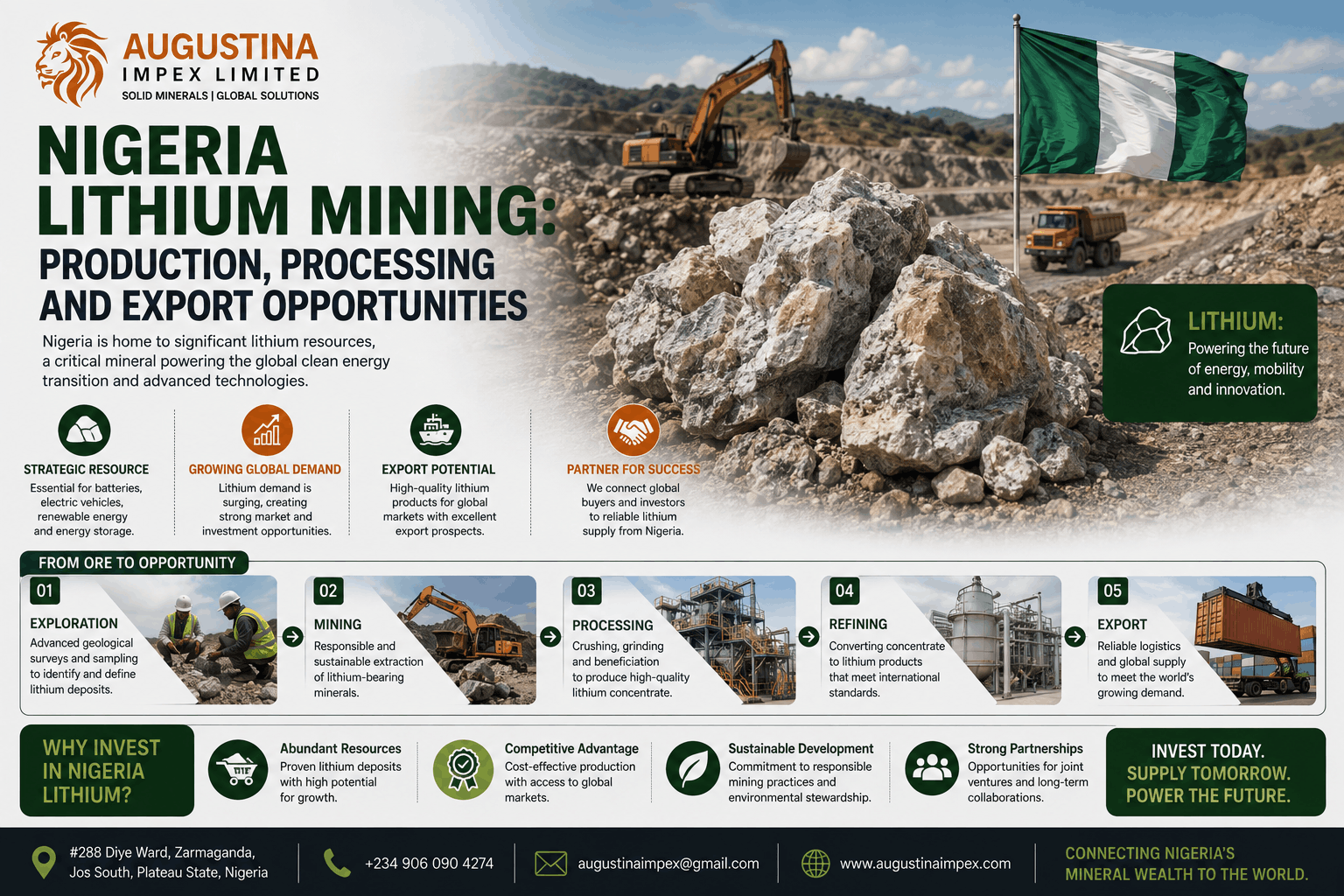
Nigeria Lithium Mining: Production, Processing & Export
Nigeria Lithium Mining: Production, Processing and Export Opportunities By Kolawole King, CEO — Augustina Impex…
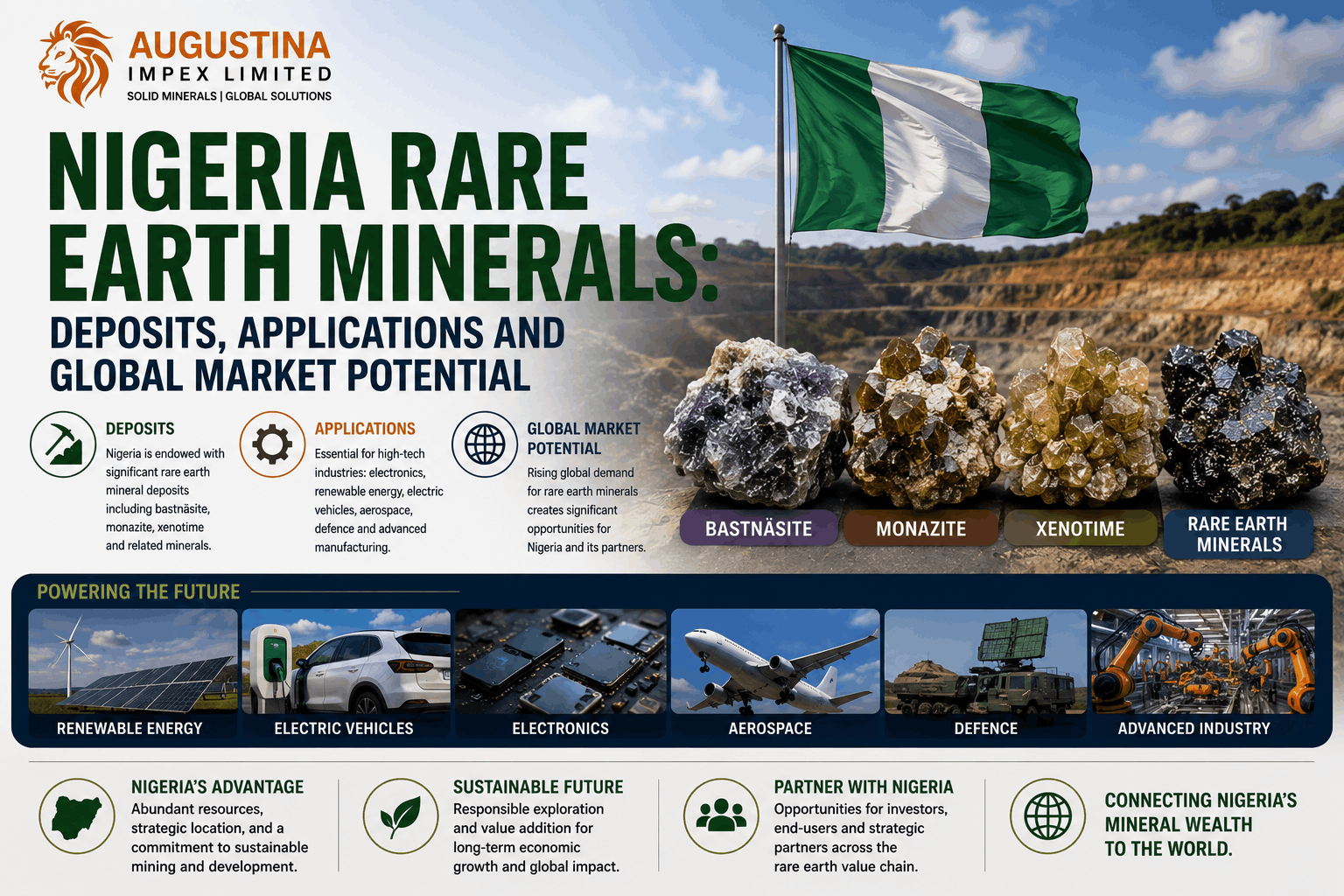
Nigeria Rare Earth Minerals: Deposits & Market Potential
Nigeria Rare Earth Minerals: Deposits, Applications and Global Market Potential By Kolawole King, CEO —…
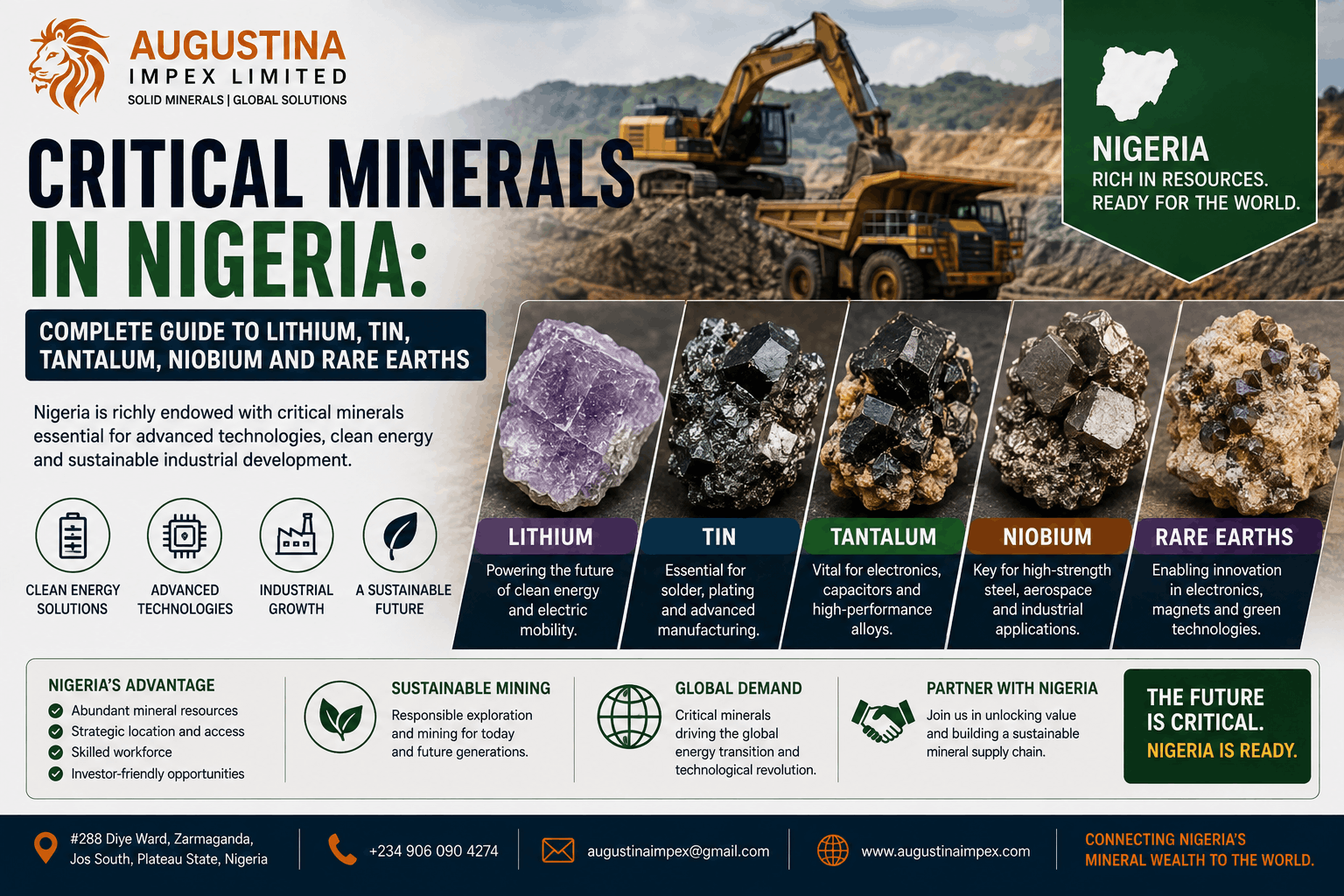
Nigeria Critical Minerals Guide: Lithium, Tin & Rare Earths
Critical Minerals in Nigeria: Complete Guide to Lithium, Tin, Tantalum, Niobium and Rare Earths By…
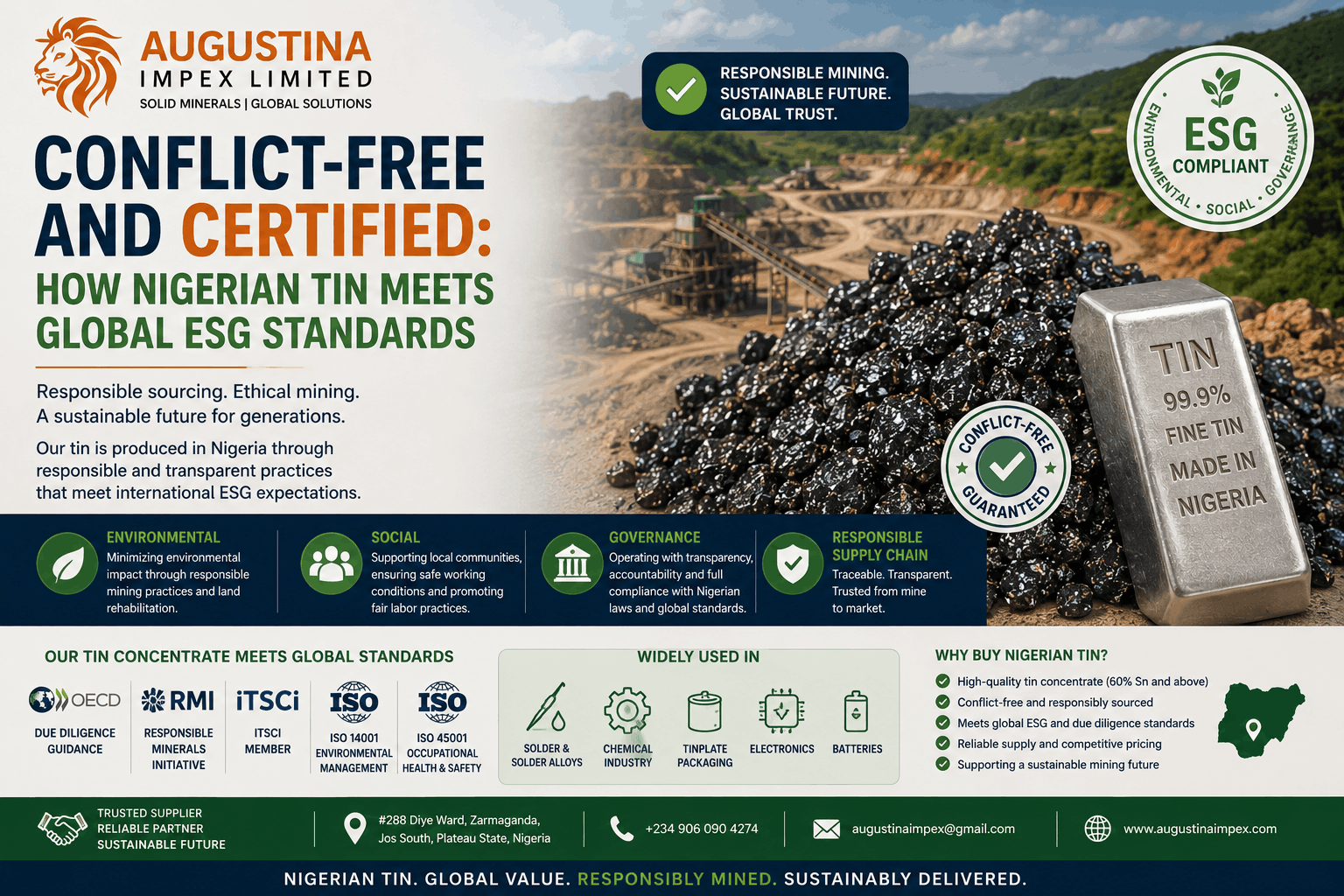
Conflict-Free Nigerian Tin Meets Global ESG Standards
Conflict-Free and Certified: How Nigerian Tin Meets Global ESG Standards By Kolawole King, CEO —…