
The phone calls have changed. For most of my twenty-five years on the Jos Plateau, the people who rang me wanted tin, columbite or tantalite. These days, more and more of the voices on the line — some from Lagos, many from Shanghai, a growing number from London and Toronto — ask about one thing: lithium. I have had investors fly in, sit across from me in Jos, unfold a geological map of the North-Central pegmatite belt, and ask, in so many words, how quickly they can get in. That shift on the ground is the clearest sign I know that something serious is happening, and it explains exactly why investors are targeting African lithium deposits with an intensity I have never witnessed for any mineral in my career.
In this article I want to set out, plainly and honestly, the real reasons behind the rush — not the brochure version, but what I actually see driving the money. And because I have lived through enough booms to be cautious, I will be equally clear about the risks any serious investor must weigh before committing a single dollar.

First, the Scale of What Is Actually Happening
Let me anchor this in numbers, because the scale surprises even people inside the industry. In 2025, Africa became the single largest source of new lithium supply anywhere on earth — the new output coming out of the continent that year exceeded that of the entire rest of the world combined. That is not a forecast or a promise; it already happened. The continent holds roughly 26.7 million tonnes of identified lithium resources, around 5% of the global total, and that figure keeps rising as exploration accelerates.
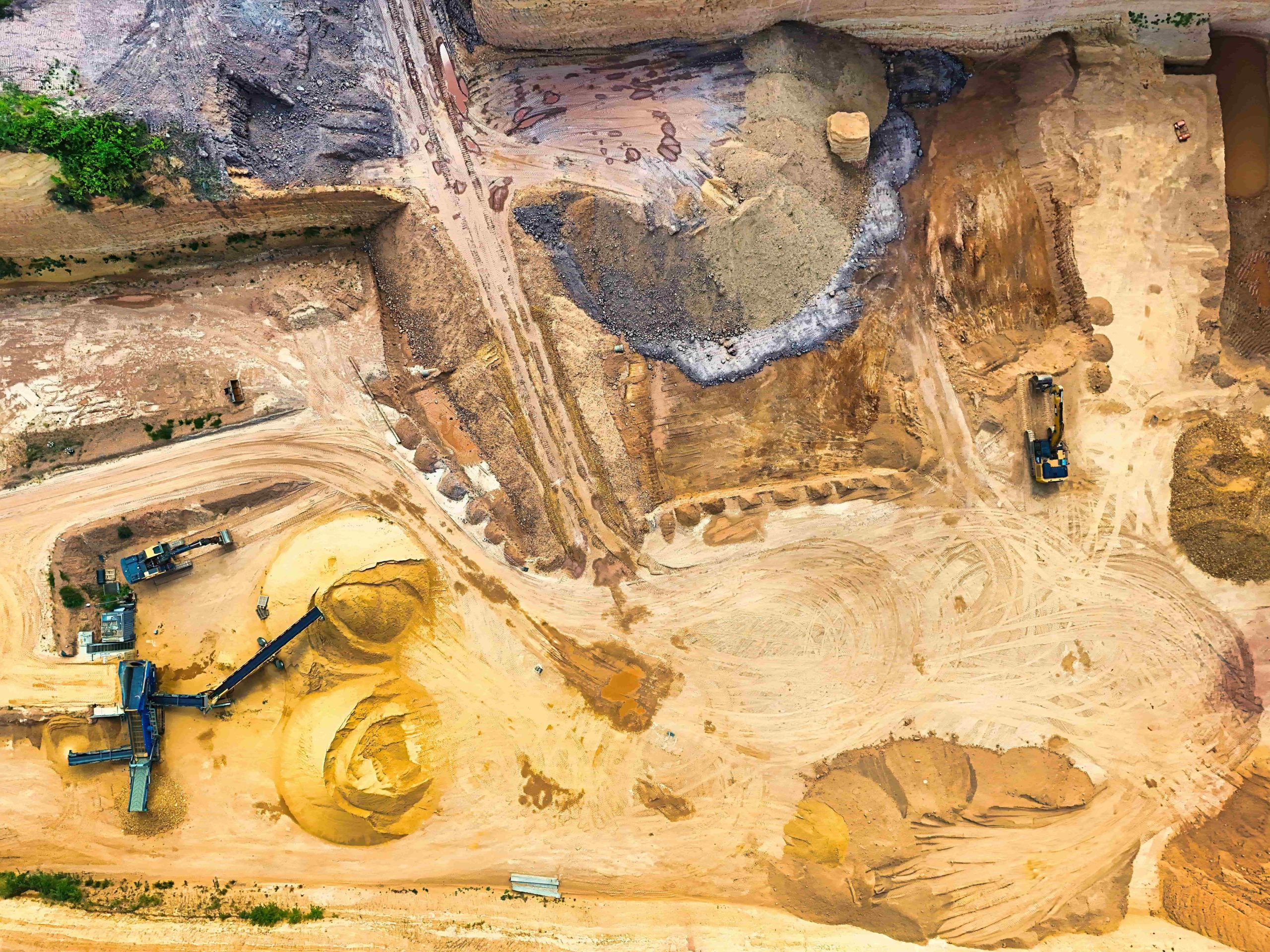
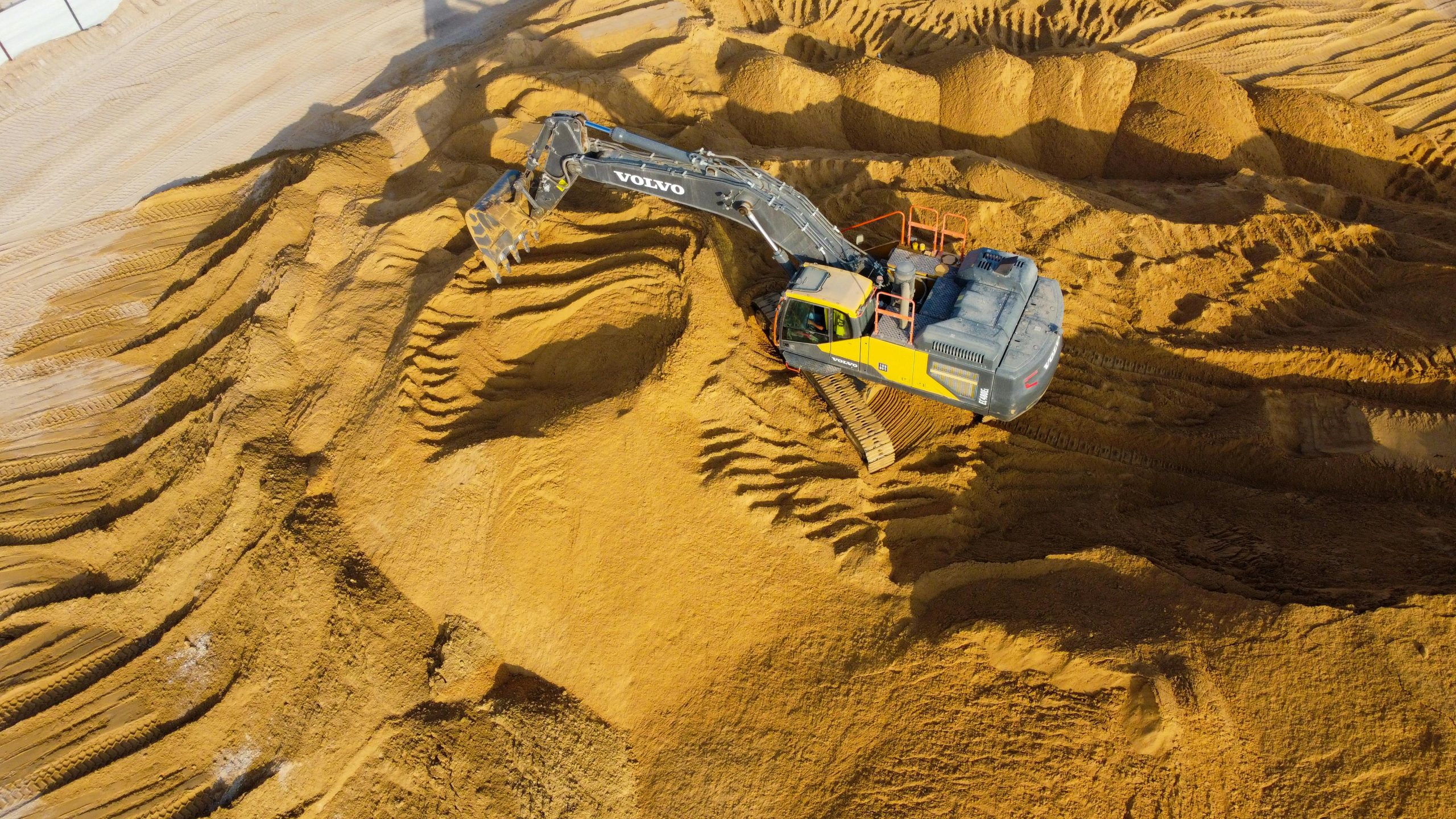
Behind the headline sit real, producing projects. Mali’s Goulamina, one of the largest spodumene deposits in the world, is producing on the order of 500,000 tonnes of spodumene concentrate a year with plans to push toward a million; its neighbour Bougouni was commissioned in 2025 and adds roughly 125,000 tonnes a year. Zimbabwe, the continent’s established leader and the only African country in the global top tier of producers, hosts giants like the Bikita mine — one of the largest known lithium deposits on the planet. And in the Democratic Republic of Congo, the enormous Manono project is moving toward first output. When this much capital and rock starts moving at once, investors pay attention.
Reason One: Demand That Simply Refuses to Quit
The foundation under everything is demand. Lithium is the indispensable element in the batteries powering electric vehicles and grid storage, and the world has committed itself to electrification. Even in cautious scenarios, lithium demand is expected to grow several times over in the coming decades. One widely cited estimate suggests Africa alone will need something in the order of US$276 billion of investment to meet its share of global demand by 2028. Investors are not chasing a fad; they are positioning for a structural, multi-decade shift in how humanity stores energy. When analysts at Wood Mackenzie project that lithium markets stay adequately supplied only until around 2037 before tipping into deficit, the message to capital is obvious: secure the resource now.
Reason Two: African Lithium Deposits Are Simply Cheaper to Mine
Here is the reason that speaks loudest to a hard-nosed investor, and it is pure economics. African lithium deposits are, on the whole, cheaper to bring out of the ground than their rivals. Production costs across much of the continent run between roughly US$250 and US$650 per tonne of spodumene concentrate, comfortably below the Australian benchmark of around US$800. In a commodity business, the low-cost producer survives every downturn and prints money in every upturn. That cost advantage — driven by good grades, favourable geology and lower labour costs — is precisely what lets African projects keep their nerve when prices fall, and it is why the smart money sees the continent as the next great low-cost lithium frontier.
Reason Three: The Geology Is Genuinely World-Class
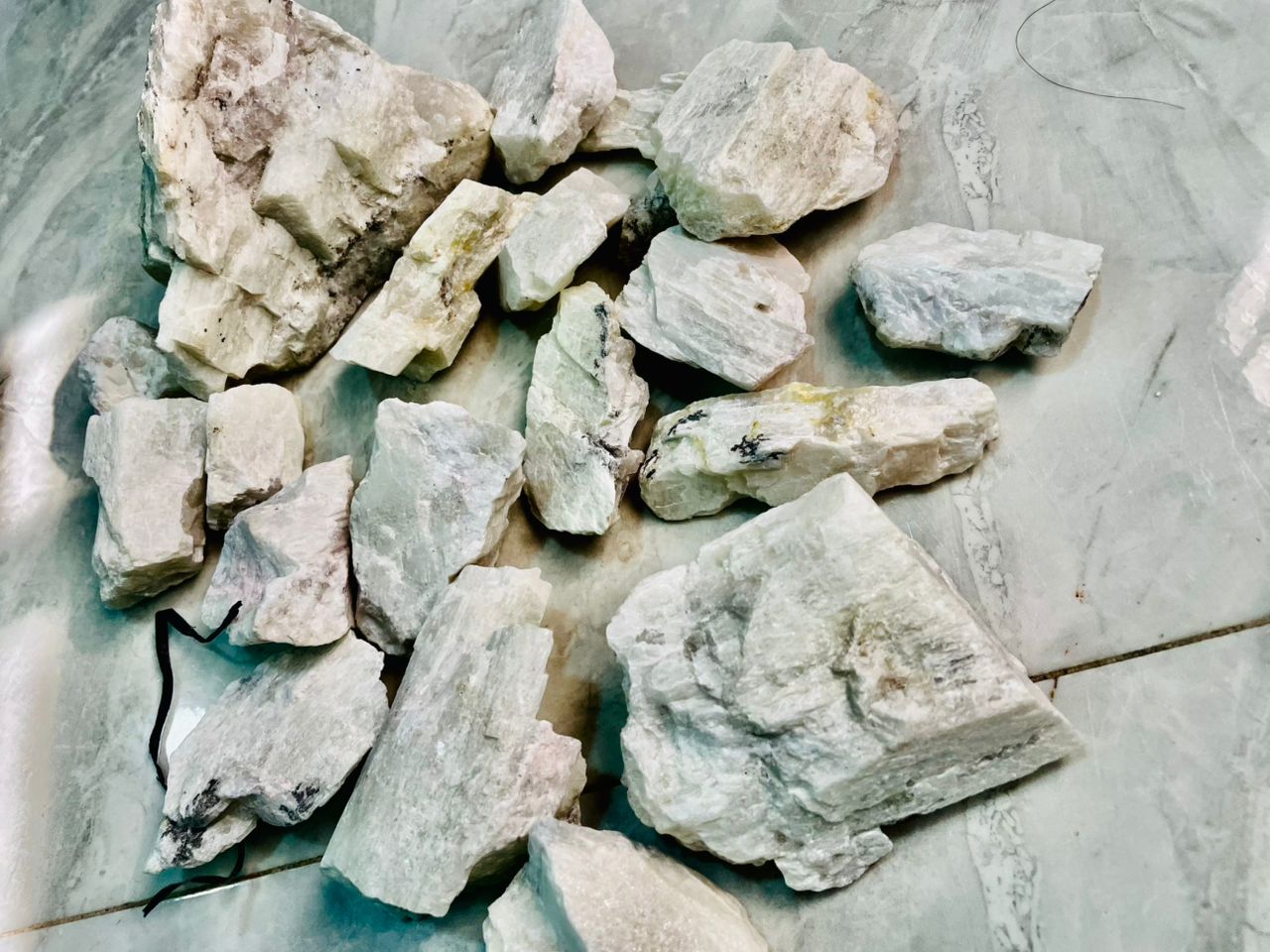
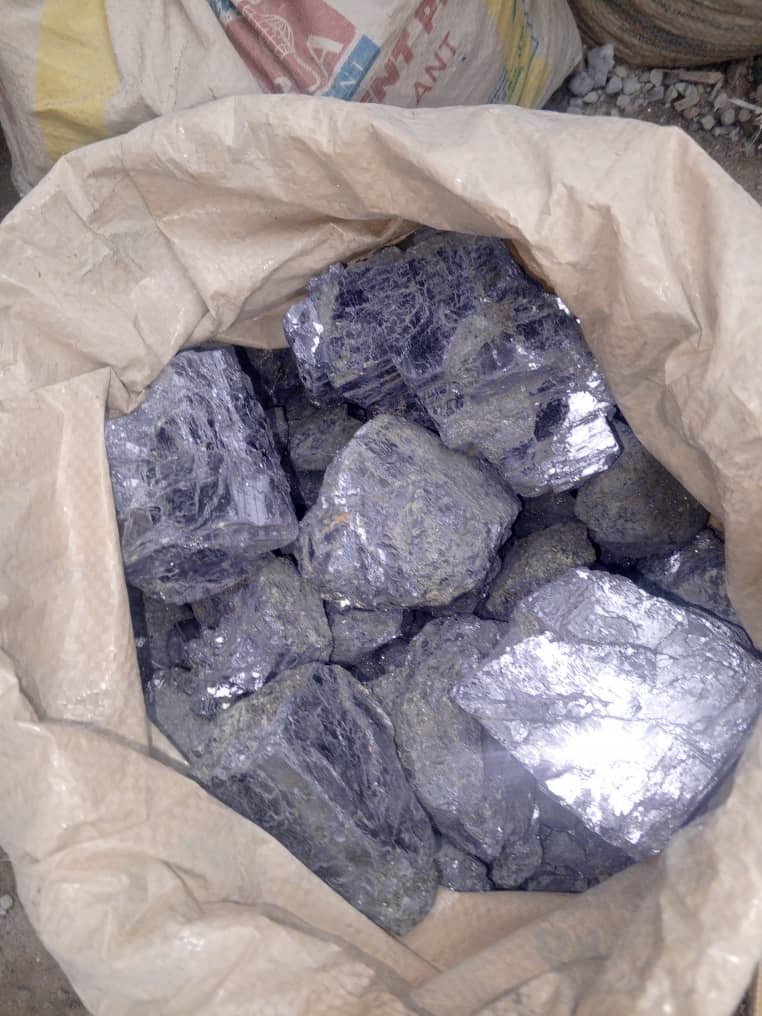
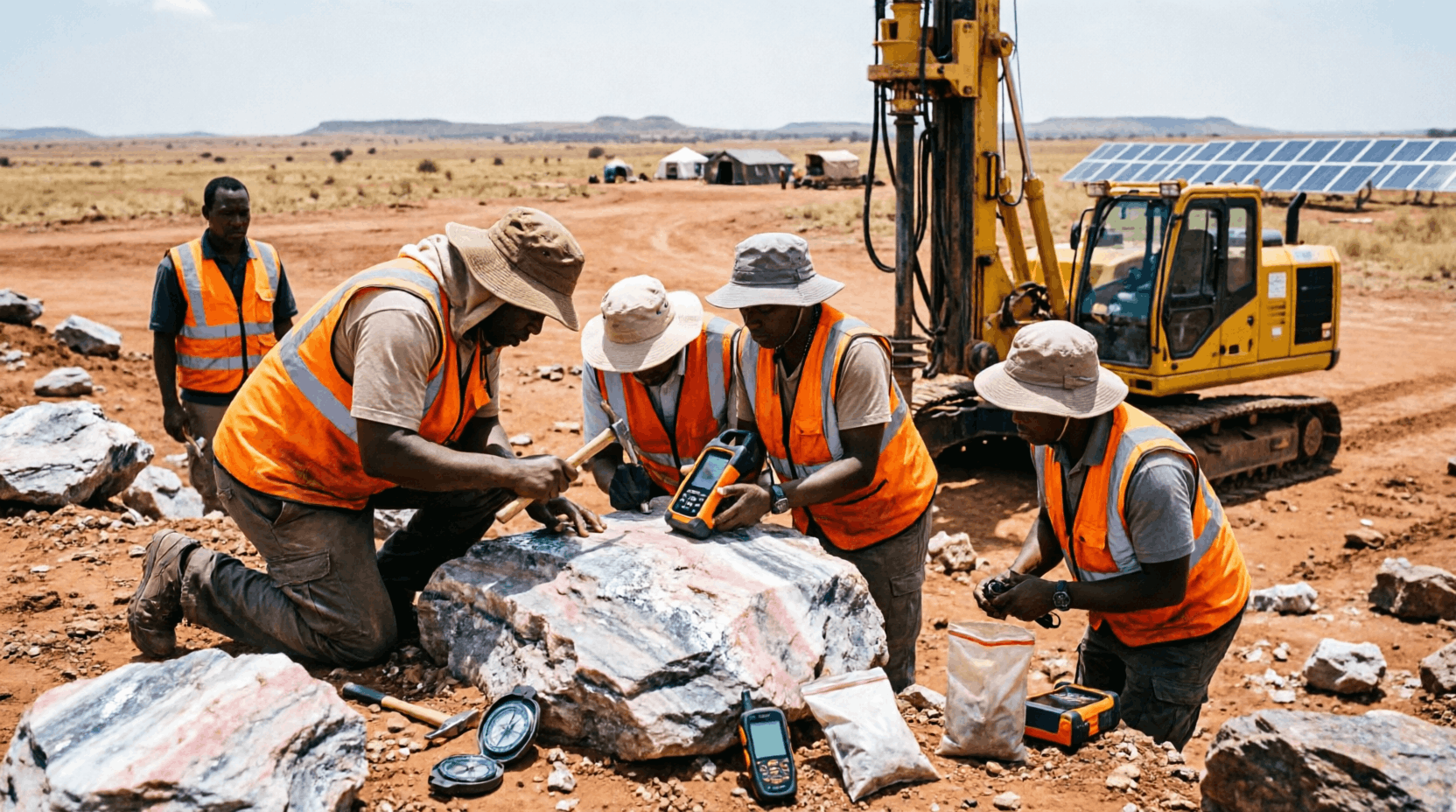
I can speak to this one personally, because I have walked these pegmatites for decades. The lithium-cesium-tantalum pegmatites that stretch across West and Southern Africa, and through Nigeria’s own North-Central belt, are geologically excellent — hard-rock spodumene and lepidolite at grades that make extraction economic with today’s technology. Crucially for a trader like me, these same pegmatites often carry tin and tantalum alongside the lithium, which opens the door to integrated, multi-mineral operations where several revenue streams share the same infrastructure. Investors love that kind of optionality; it spreads risk and improves project economics. The rock, quite simply, is good — and there is a great deal of it still unexplored.
Reason Four: The Global Scramble to Diversify Away From a Single Supplier
The fourth driver is geopolitical, and it may be the most powerful of all. The world has woken up to how dangerously concentrated the battery supply chain is, with one country dominating the refining and processing of lithium and most other battery minerals. Governments and manufacturers in the West are now urgently seeking alternative sources, and Africa, with its untapped resources, is the obvious answer. The United States, the European Union and their allies are actively courting African producers; new entrants such as KoBold Metals are moving into projects like Manono in the DRC alongside established players. For investors, betting on African lithium is partly a bet that the world will pay a premium for supply that sits outside the dominant bloc.
Who Is Actually Writing the Cheques
Now for an uncomfortable irony that every investor must understand. Although the West talks loudest about diversification, it is Chinese capital that has so far moved fastest and committed most across African lithium. The list is long: Sinomine bought Zimbabwe’s Bikita mine for around US$200 million; Zhejiang Huayou Cobalt built a US$300 million processing plant in Zimbabwe capable of handling 4.5 million tonnes of hard rock a year; Chengxin took a majority stake in the Sabi Star project; Ganfeng partnered on Goulamina in Mali and has since pushed into fresh exploration ground in Côte d’Ivoire. Much of this is backed by the long reach of China’s Belt and Road strategy.
Why does this matter to you as an investor? Because it tells you two things. First, the assets are real and valued — the most aggressive buyers in the world are paying up for them. Second, valuations are being set: when a Chinese major offers a benchmark price for a junior’s shares, it establishes a reference for every comparable deposit on the continent. Western and African investors entering now are, in many cases, competing with or buying alongside that Chinese capital. Knowing who is at the table changes how you play your hand.
The Resource-Nationalism Twist Investors Must Understand
There is one more dynamic reshaping every African lithium investment, and it is the one newcomers most often misjudge. African governments are no longer content to be quarries. Zimbabwe banned the export of unprocessed lithium ore in 2022 and Namibia followed in 2023, deliberately forcing processing to happen onshore so that more of the value stays in-country. States are taking direct equity stakes — in Mali, Ghana and Zimbabwe — and Zimbabwe is building a lithium refinery at Mapinga to climb the value chain. This is the Africa Mining Vision in action: a push to move from upstream extraction toward midstream processing and downstream manufacturing.
For an investor, resource nationalism cuts both ways. It raises the capital required, because you may be obliged to build processing capacity rather than simply ship ore, and it introduces political and fiscal risk as the rules shift. But it also means that those willing to invest in beneficiation — in adding value locally — are exactly the partners these governments most want, which can translate into better terms, smoother permitting and genuine goodwill. The era of digging and shipping raw is closing; the era of processing in Africa is opening, and the investors who read that correctly will do best.
The Honest Challenges
I would never let an investor walk into this without hearing the hard truths first, so here they are.
Price volatility is brutal. Lithium peaked at around US$70,000 per tonne in 2022 and then collapsed to roughly US$11,000 by 2024 amid a global surplus. A project financed at the top can be underwater within eighteen months. Any serious investment must be built to survive the trough, not merely to enjoy the peak.
Infrastructure is a real constraint. Power, water, roads, rail to port — these are uneven across the continent, and a world-class deposit stranded behind poor logistics is a world-class problem. Due diligence on infrastructure matters as much as due diligence on grade.
Political and regulatory risk is genuine. Mining codes are being rewritten, export rules are changing, and state participation is rising. None of this is fatal, but it must be priced in and managed with strong local partnerships rather than wished away.
And finally there is the perennial issue closest to my own work: provenance and documentation. A great deal of African mineral flow, especially from artisanal and small-scale sources, still lacks the traceability and clean paperwork that international buyers and lenders increasingly demand. That gap depresses value — and closing it is precisely where disciplined operators can create an edge.
Where Nigeria Fits — and Why I Am Watching It Closely
Investors scanning the continent should not overlook my own country. Nigeria’s lithium sits in the pegmatite-rich states of the North-Central zone — Nasarawa, Plateau and Kaduna among them — as spodumene and lepidolite, frequently alongside the tin and tantalum these hills have produced for over a century. The supply, in other words, already exists in the ground and in the hands of established small-scale networks; what has been missing is organisation, grade control and documentation. The government has signalled its intent with a landmark lithium financing package of around US$1.3 billion aimed at building processing capacity, deliberately echoing the value-addition path Zimbabwe and others have taken. Nigeria is earlier in its journey than Mali or Zimbabwe, but for an investor that can mean ground-floor entry rather than a crowded auction.
Where Augustina Impex Fits In
This is the precise junction where Augustina Impex Limited has worked for years: between the mineral wealth of the Nigerian pegmatite belt and the global investors and buyers who want a credible, documented way in. We do not compete on raw volume or rock-bottom price. We compete on trust, provenance and traceability — the ability to deliver lithium-bearing and associated minerals from the Plateau belt and beyond with clean, documented supply chains behind them, and to help serious capital understand the ground truth before it commits.
For investors, that means honest assessment of which deposits and partners are real, where in the value chain the returns actually sit, what local processing and beneficiation genuinely require, and how to structure entry responsibly in a shifting regulatory landscape. For buyers, it means reliable sourcing with the paperwork to satisfy international due diligence. And in every conversation, we press the same conviction we have held for years — that Africa, and Nigeria within it, should be capturing more of the lithium value chain at home rather than watching it sail away as raw ore.
The investors are coming; the calls keep getting more insistent. The real question is who in Africa will meet that capital with the organisation, the integrity and the documentation it requires. That is the work we have built our name on, and it is exactly the conversation we exist to have.
Kolawole King
Chief Executive Officer, Augustina Impex Limited
#288 Diye Ward, Zarmaganda, Jos South, Plateau State, Nigeria
Email: augustinaimpex@gmail.com
WhatsApp: +234 906 090 4274
Website: https://augustinaimpex.com
Blog: https://augustinaimpexng.blogspot.com/
Advert Video: https://www.youtube.com/watch?v=Izg0t7By6co
#AfricanLithium #LithiumInvestment #LithiumMining #CriticalMinerals #BatteryMinerals #Spodumene #ZimbabweLithium #MaliLithium #DRCLithium #LithiumNigeria #AfricaMining #EVBatteries #EnergyTransition #MiningInvestment #AugustinaImpex
-
Previous Post
Battery Minerals and the Clean Energy Transition
-
Next Post
Industrial Uses of Titanium Dioxide
Post a comment
Related Posts
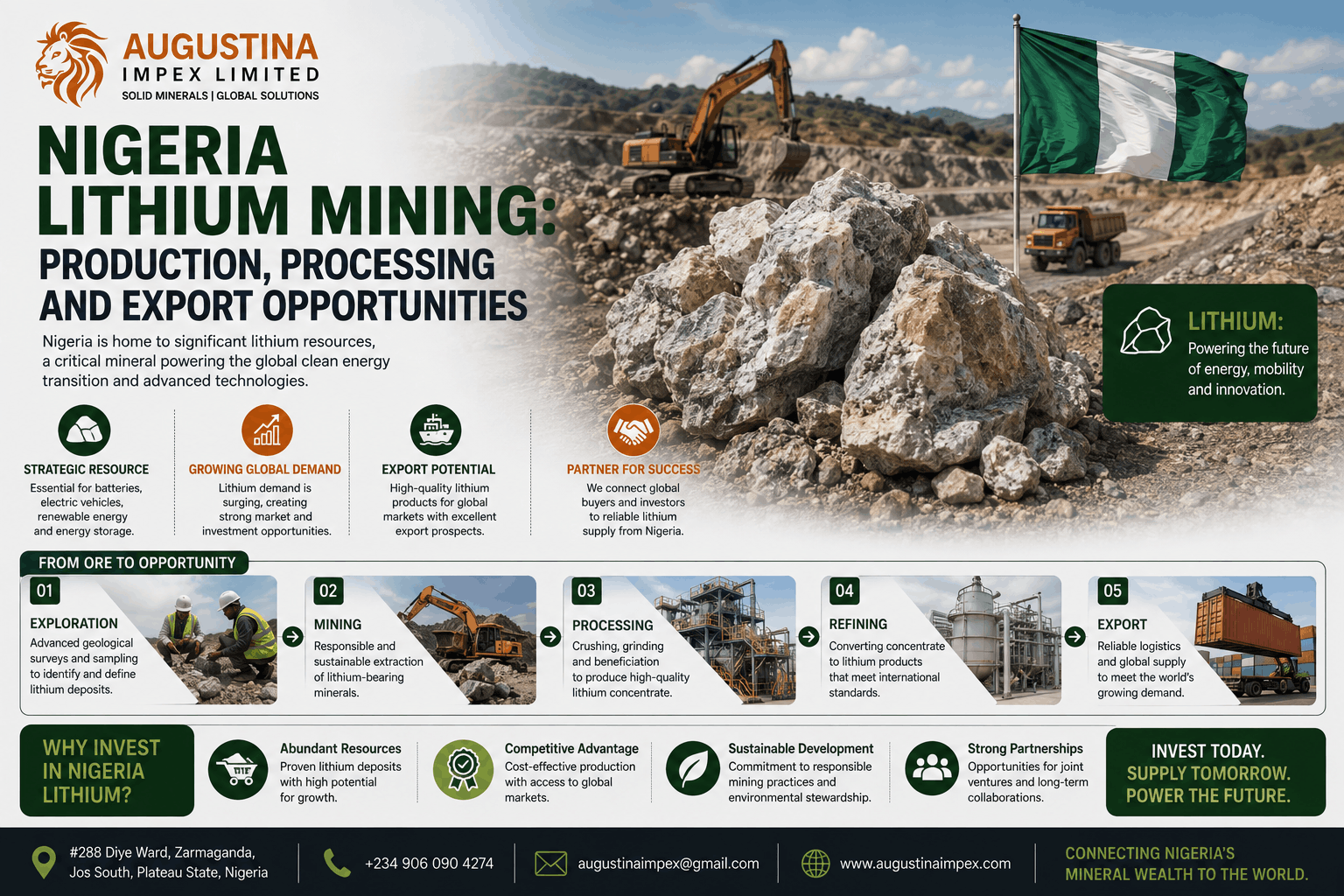
Nigeria Lithium Mining: Production, Processing & Export
Nigeria Lithium Mining: Production, Processing and Export Opportunities By Kolawole King, CEO — Augustina Impex…
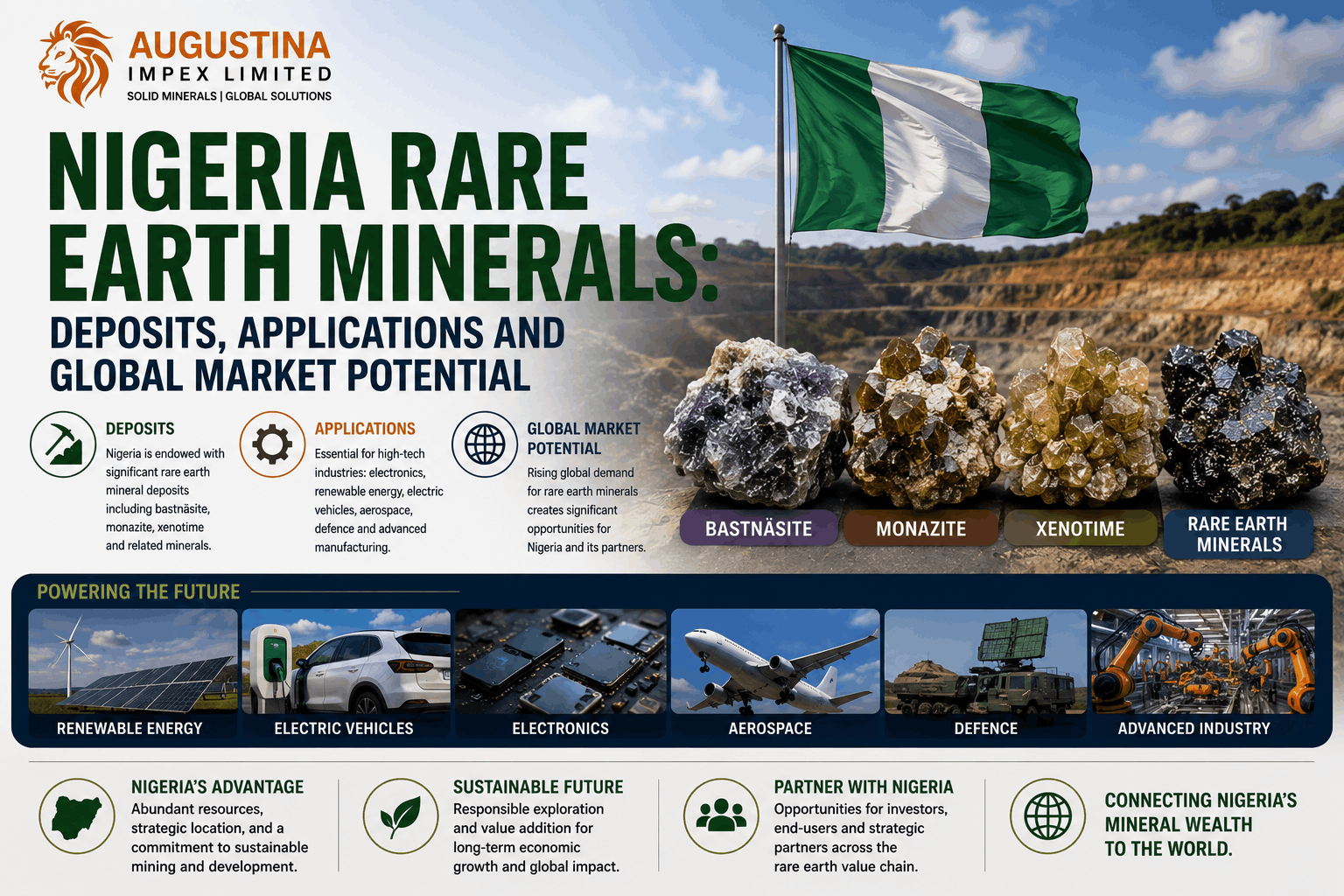
Nigeria Rare Earth Minerals: Deposits & Market Potential
Nigeria Rare Earth Minerals: Deposits, Applications and Global Market Potential By Kolawole King, CEO —…
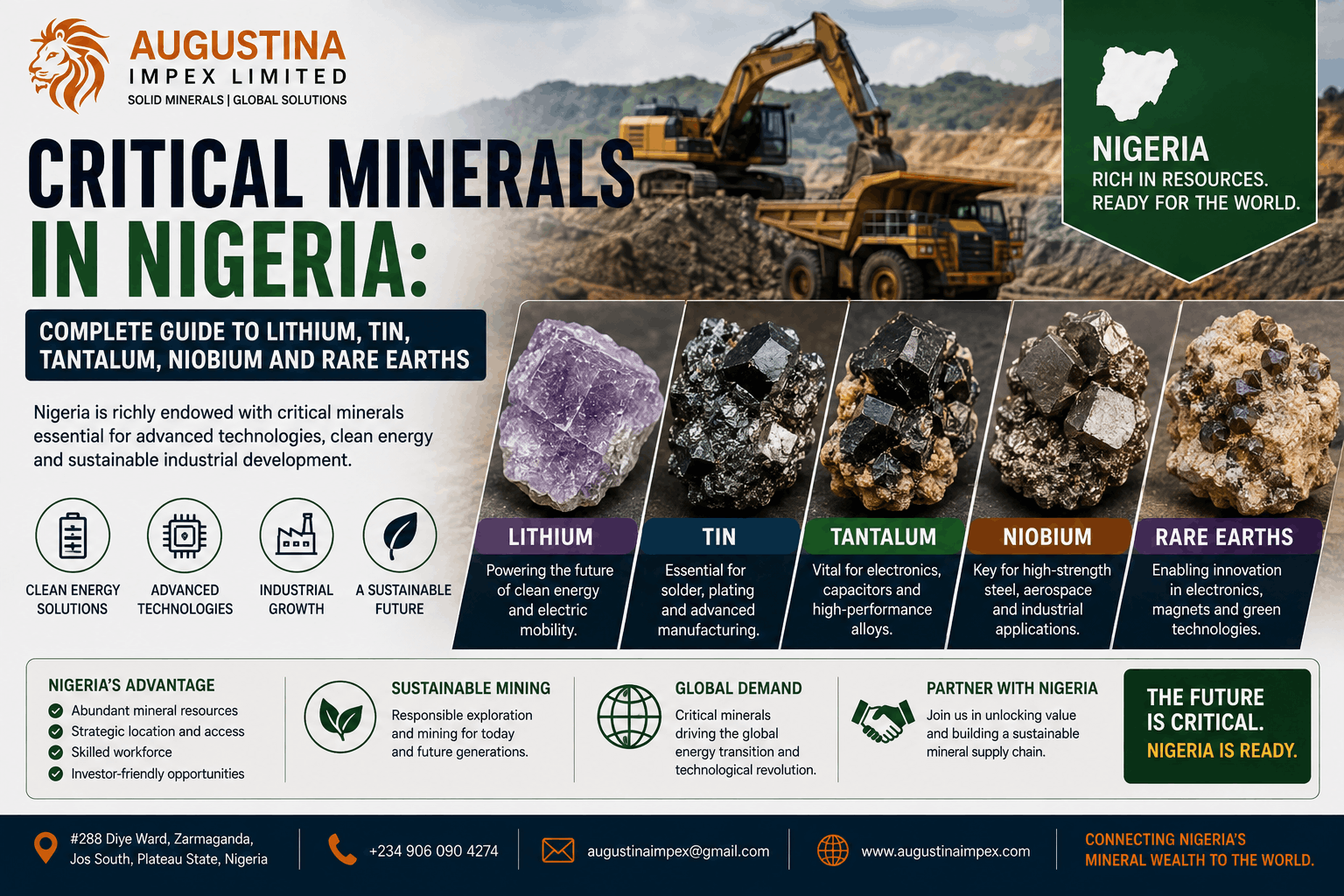
Nigeria Critical Minerals Guide: Lithium, Tin & Rare Earths
Critical Minerals in Nigeria: Complete Guide to Lithium, Tin, Tantalum, Niobium and Rare Earths By…
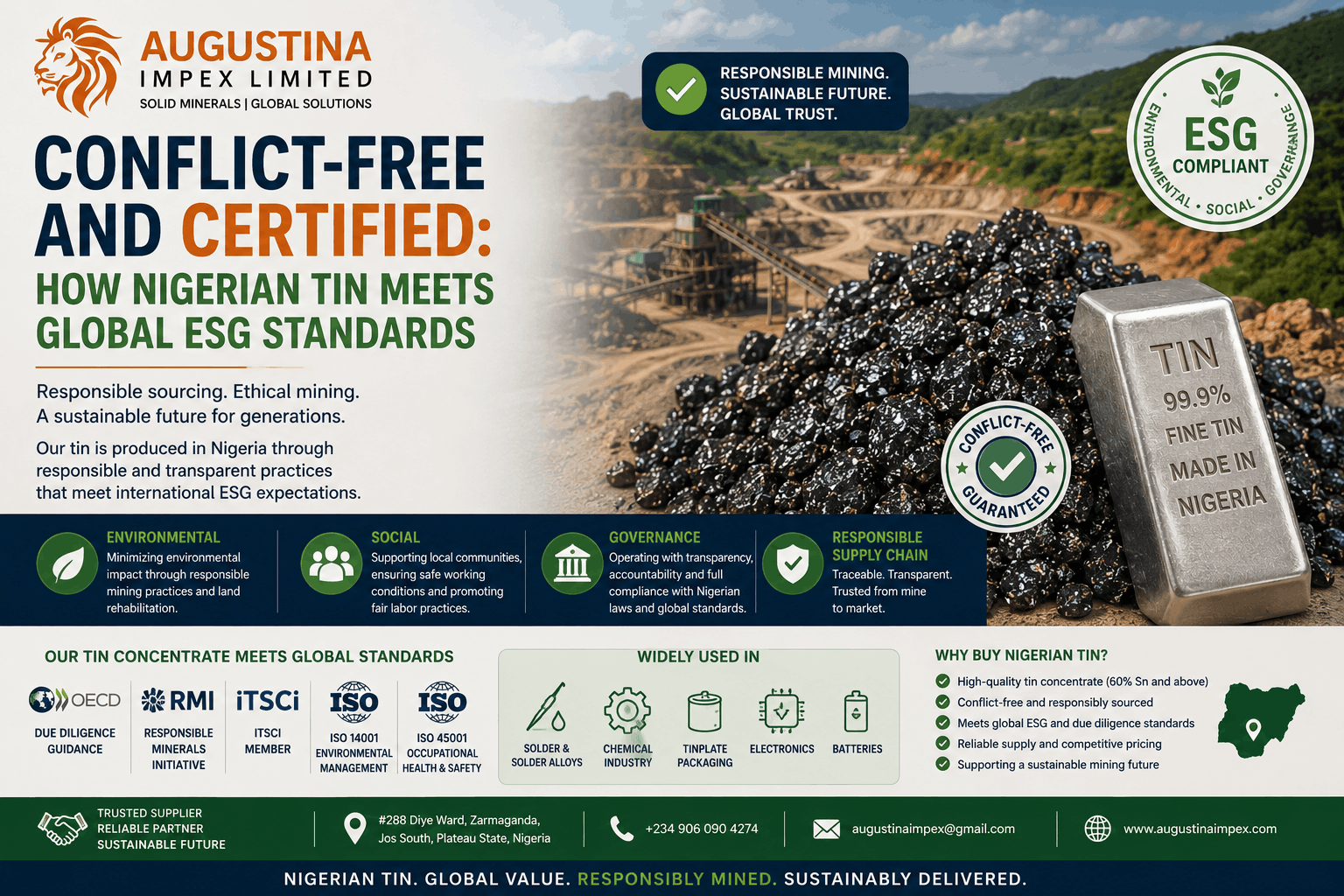
Conflict-Free Nigerian Tin Meets Global ESG Standards
Conflict-Free and Certified: How Nigerian Tin Meets Global ESG Standards By Kolawole King, CEO —…