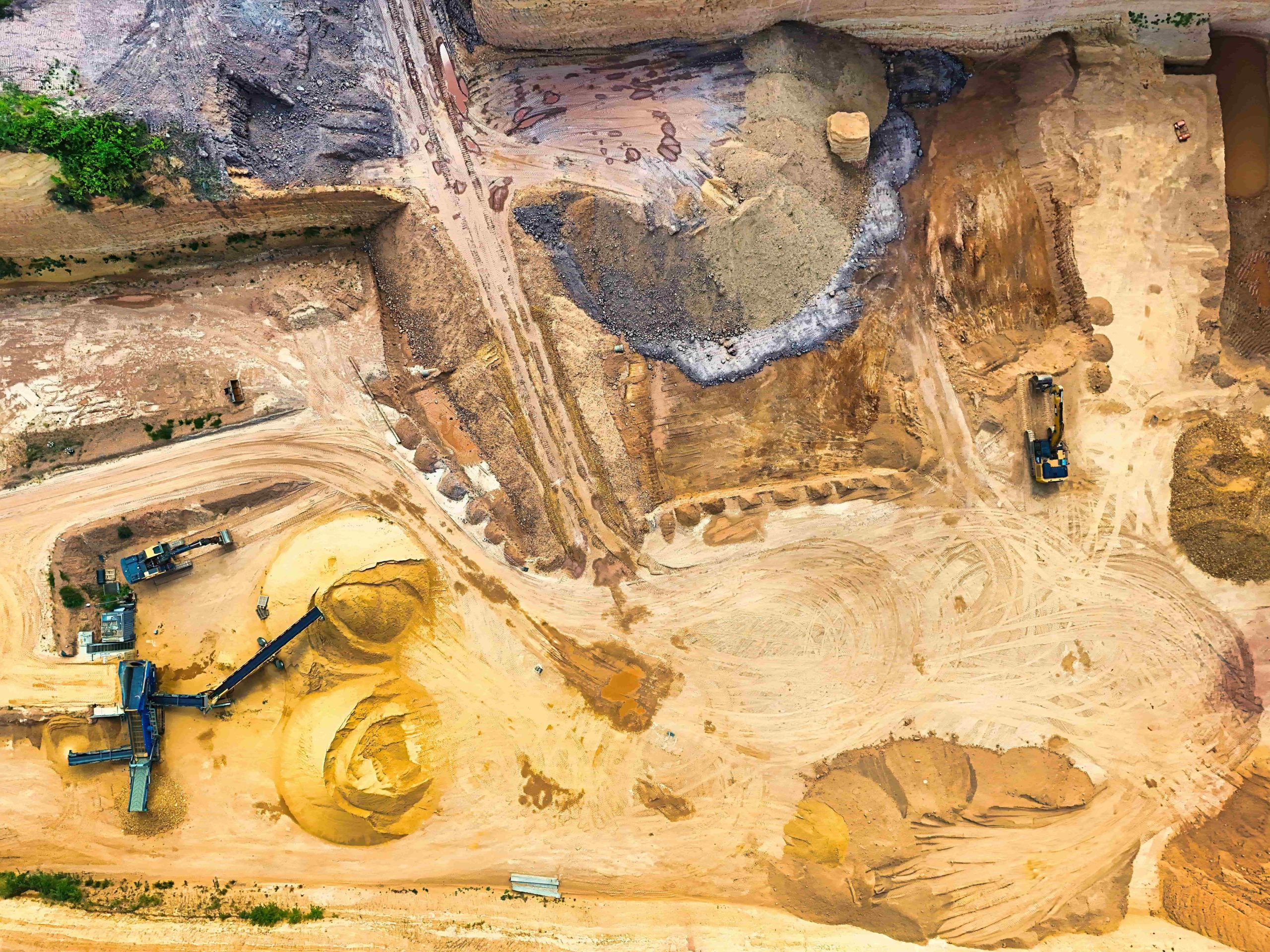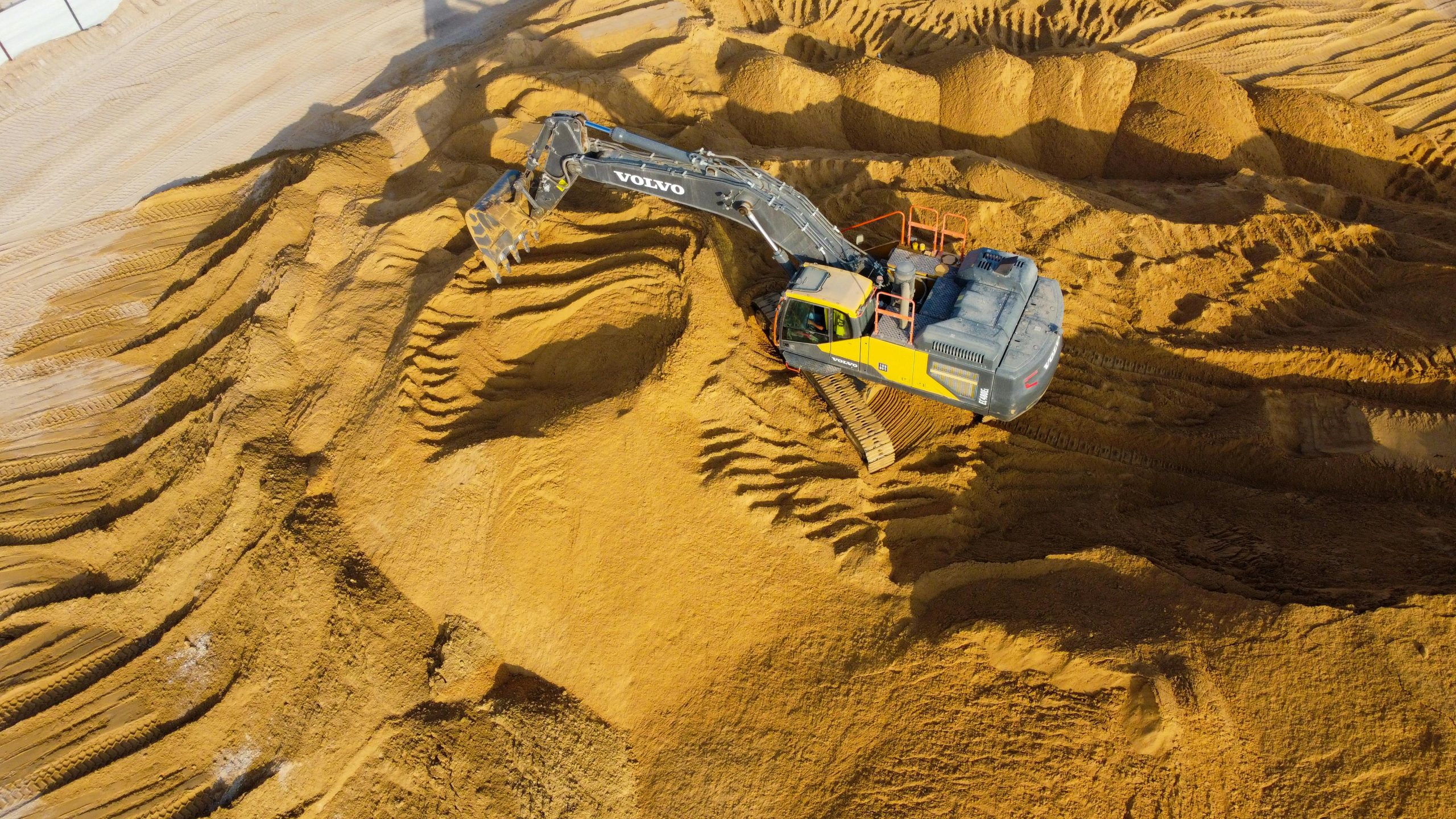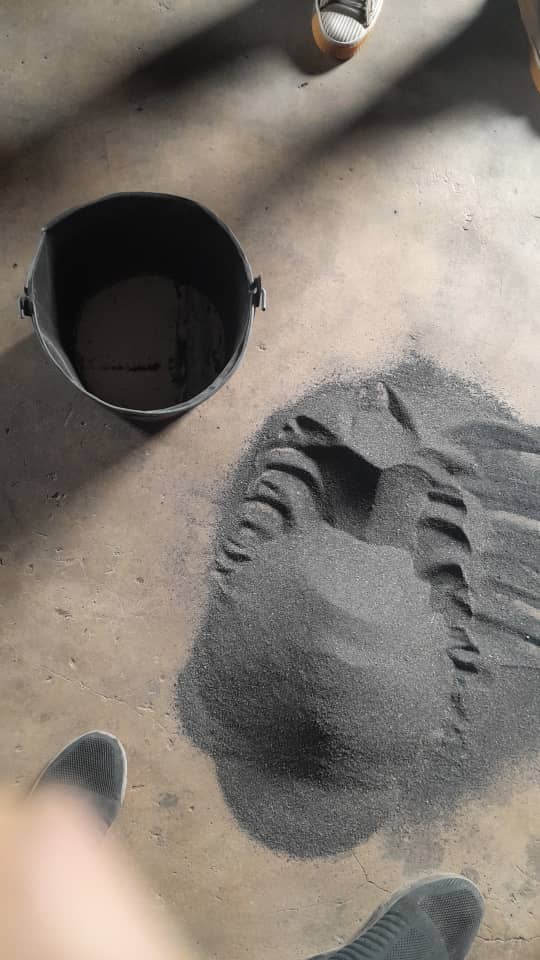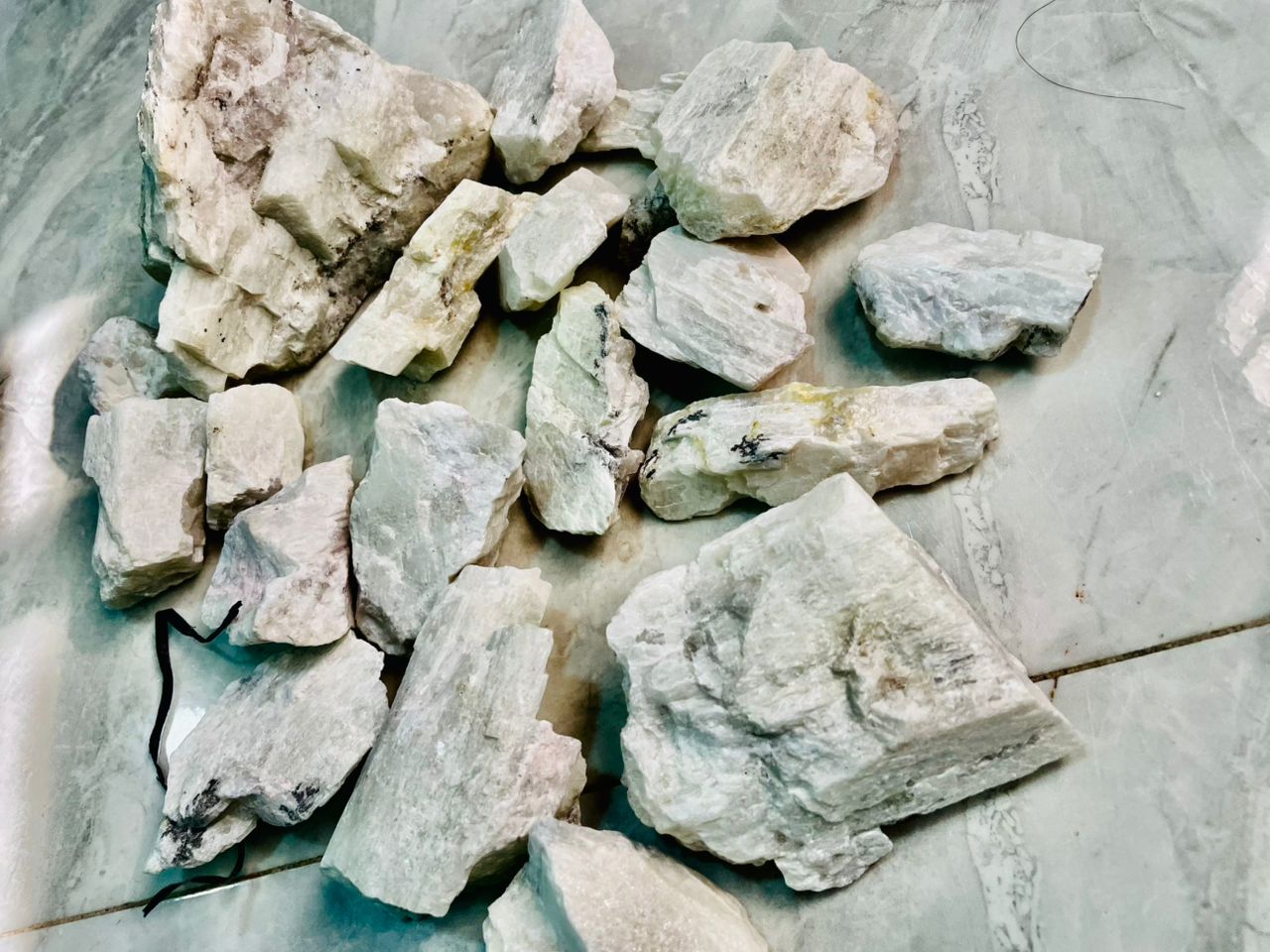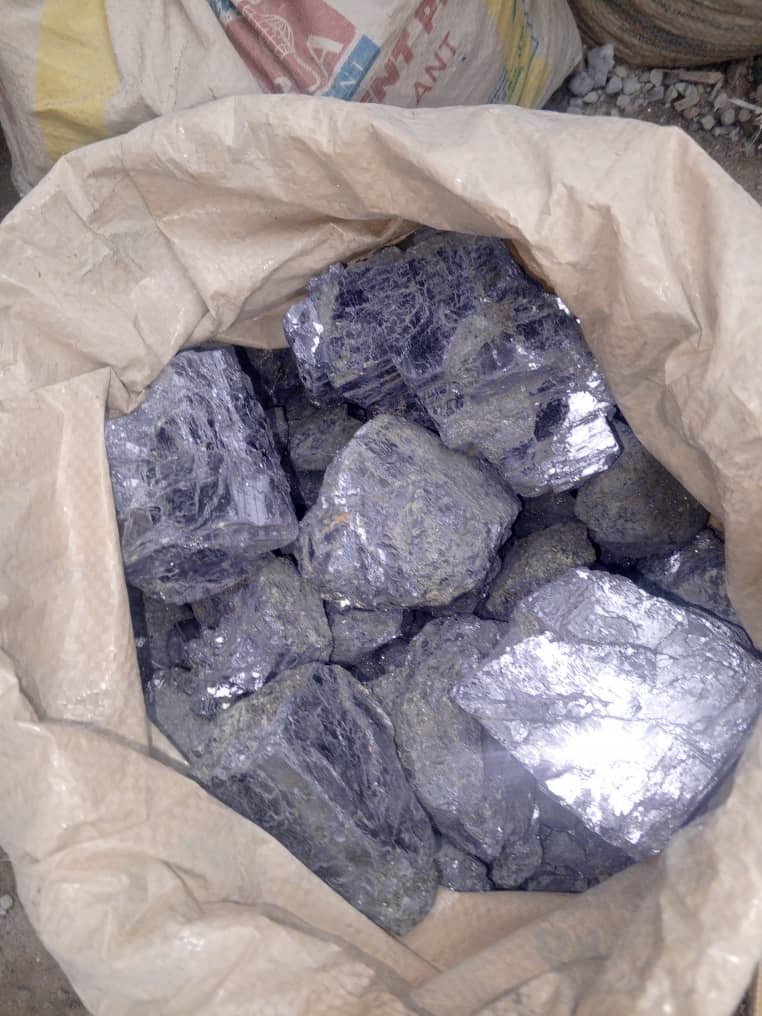

A few years ago, the young men who used to bring me cassiterite and columbite from the pegmatites around the Plateau started showing up with a different rock. Pale, glassy, sometimes faintly pinkish or lilac — spodumene and lepidolite. They did not always know what they had. I did. The same lithium-cesium-tantalum pegmatites that have given the Jos Plateau its tin and tantalum for over a century also carry lithium, the lightest metal on the periodic table and, suddenly, one of the most fought-over commodities on earth. Watching that shift happen on the ground, in real time, is what convinced me that the story of battery minerals and the clean energy transition is not a distant Western headline. It runs straight through the hills I have worked for twenty-five years.
This article is my attempt to explain, plainly, what battery minerals actually are, why the world cannot decarbonise without them, why their prices behave so wildly, and — most importantly for those of us in Africa — where the real opportunity sits. I will be honest about the difficulties too, because anyone who tells you this is easy money has never tried to move a tonne of ore through a Nigerian supply chain.

What We Actually Mean by “Battery Minerals”
When people say “battery minerals,” they are usually talking about a small, specific family. Lithium, nickel, cobalt, manganese and graphite are the minerals crucial to battery performance, longevity and energy density. Lithium carries the charge; graphite forms the anode; nickel and cobalt and manganese sit in the cathode of the older, energy-dense chemistries. Around them orbit the wider energy-transition metals — copper for wiring, rare earths for the magnets in motors and turbines — but the battery core is that handful of names.
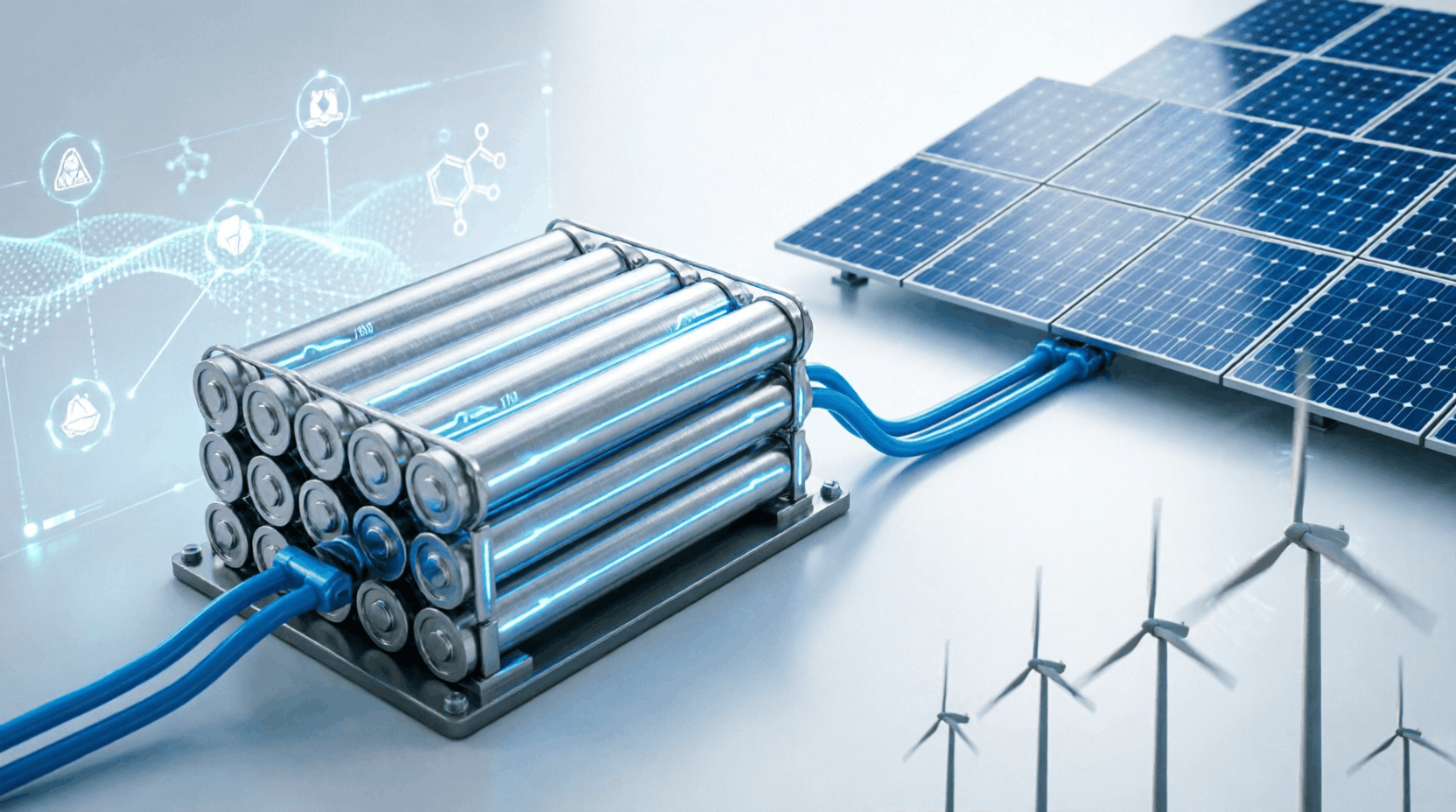
What makes them strategic is not rarity in the ground. It is that modern life is being rebuilt around storing and moving electricity, and these are the elements that make storage possible. An electric car, a grid-scale battery, a solar home system in a village off the national grid — all of them are, at heart, chemistry held together by these minerals.
The Demand Story Is Not a Forecast — It Is Already Here
I am wary of mining hype, because I have watched too many booms turn to dust. But the demand for battery minerals is not speculation; it is already showing up in the numbers. Lithium demand rose by nearly 30% in 2024 alone, far above the roughly 10% annual growth seen through the 2010s, and for the battery metals as a group the energy sector accounted for about 85% of total demand growth. The engine behind that is electric vehicles. EVs account for around 80% of lithium and nickel demand growth, and battery production is expected to consume roughly 17% of global cobalt and 10% of graphite by 2030.
Look further out and the curve steepens. In the IEA’s Stated Policies Scenario, lithium demand grows fivefold between today and 2040, graphite and nickel demand roughly double, and cobalt and rare earth demand climb 50 to 60%. Under more aggressive climate pathways the figures are larger still. The point is simple: the world has decided to electrify, and you cannot electrify without these rocks.
The Price Rollercoaster — and Why It Misleads People
Here is where many newcomers get burned. Strong long-term demand does not mean smooth prices. The battery-mineral market has been a violent rollercoaster, and you have to understand why before you risk capital.
The recent history is dramatic. Lithium prices surged roughly eightfold during 2021 and 2022, then fell by more than 80% from 2023, while cobalt, nickel and graphite prices dropped 10 to 20% in 2024. What caused the crash was not collapsing demand — demand kept rising — but supply racing ahead even faster. Since 2020, supply growth for battery metals has run at twice the rate of the late 2010s, led by China, Indonesia and the Democratic Republic of the Congo, and that flood of new supply pushed prices back toward pre-pandemic levels.
And now the wheel turns again. In 2026, battery material prices are climbing once more as the market rebalances, with supply disruptions — including conflict affecting sulphuric acid supply, a critical input in mineral processing — tightening the chain; analysts estimate that up to 59% of global lithium supply is exposed to those processing-input disruptions. The lesson I draw from all this is humility about timing and conviction about direction. Prices will swing; the structural need will not go away.
The Real Bottleneck Is Processing, Not Geology
This is the part of the story I most want African readers to absorb, because it is where the money and the power actually sit. The world’s anxiety about battery minerals is not really about what is in the ground — it is about who controls the refining and processing.
The concentration is staggering. China processes between 60 and 90% of the world’s lithium, cobalt and rare earths; the Democratic Republic of Congo supplies about 70% of mined cobalt; and Indonesia produces around 40% of nickel. Far from improving, the chokepoint is tightening. For copper, lithium, nickel, cobalt, graphite and rare earths, the average market share of the top three refining nations rose to 86% in 2024 from about 82% in 2020, with almost all the growth coming from a single dominant supplier in each case. On the manufacturing side it is the same picture: Chinese firms CATL and BYD together account for roughly half of all global battery production.
For a country like Nigeria, that is both the warning and the opportunity. Digging ore and shipping it raw means handing nearly all the value to whoever refines it. The prize is to climb the chain.
The Chemistry Is Shifting Under Our Feet
Anyone selling battery minerals must watch the chemistry, because it decides which minerals matter. The biggest change of the decade has already happened, quietly. Lithium iron phosphate (LFP) batteries now supply almost half the global electric car market, up from less than 10% in 2020, displacing the previously dominant nickel-based NMC chemistry thanks to lower cost and improved performance. LFP needs lithium, iron and phosphate — but no cobalt and no nickel. That single shift has redrawn the demand map.
And more is coming. Beyond LFP, the industry is seeing the emergence of manganese-rich cathodes, sodium-ion batteries, and the anticipated arrival of solid-state batteries, each opening new mineral supply chains. Sodium-ion, in particular, sidesteps lithium altogether for some applications. None of this kills lithium demand — lithium remains central to almost every chemistry — but it does mean cobalt and nickel face a less certain future, while lithium, manganese and graphite look more durable. If you are positioning a business, you bet on the minerals that survive a chemistry change.
Africa’s Moment — and the Value-Addition Imperative
For most of my career, Africa was treated as a quarry: dig it, ship it, forget it. That is finally changing, and the lithium story is leading the way. Africa recorded the largest lithium supply growth of any region in 2025 — led by Zimbabwe and Mali, with South Africa and Nigeria also contributing — even as lithium demand from batteries grew by roughly a quarter that year. As one analyst put it, you would struggle to find another commodity growing 25% in what was considered a bad year.
But supplying raw ore is not the same as capturing value, and African governments have noticed. Zimbabwe banned the export of unprocessed lithium ore in 2022 and Namibia followed in 2023, deliberately forcing more processing onshore to keep the added value at home — though this also raises the capital required to develop projects. I have argued this point for years across every platform I write on: the future is not in exporting our minerals raw, it is in beneficiation — cleaning, concentrating, and where possible refining them here, so that the value stays on this continent. That is the single most important strategic idea in this entire field.
Nigeria’s Place on the Map
Now to home ground. Nigeria’s lithium is real, and it sits in country I know intimately. Nigeria’s lithium is hosted in pegmatite-rich zones of the North-Central states — especially Nasarawa, Plateau and Kaduna — as spodumene and lepidolite, often occurring alongside economically valuable tantalum and tin, which opens the door to integrated, multi-mineral operations. That last detail matters enormously to a trader like me: the same artisanal and small-scale networks already pulling tin and tantalum from these pegmatites are sitting on lithium, which means the supply already exists; what is missing is organisation, grade control, and documentation.
The capital is starting to arrive too. A landmark lithium financing package of around US$1.3 billion, led by the African Finance Corporation and the Solid Minerals Development Fund, has targeted the development of lithium processing factories in Nigeria, part of a deliberate push to diversify the economy beyond oil. Whether every such announcement fully materialises is another question, but the direction of travel is unmistakable: Nigeria wants to process, not just dig.
The Honest Challenges
I would not respect you if I left out the hard parts, so here they are plainly.
First, price volatility can destroy a project between the day you finance it and the day you ship. The eightfold rise and 80% fall in lithium within a few years is not an anomaly in this sector; it is the nature of it. You must build your economics to survive the trough, not just enjoy the peak.
Second, processing is expensive and technically demanding. Banning raw-ore exports sounds patriotic, but it raises capital requirements sharply, and we do not yet have the power, the technical depth, or the financing ecosystem to refine at scale overnight. Beneficiation is a journey, taken in stages — from raw ore, to clean concentrate, to chemical-grade product — and pretending we can leap to the end is how money gets lost.
Third, the chemistry risk is real. If you build a business around cobalt and the world moves to LFP and sodium-ion, you can be left holding a mineral the market no longer wants as badly. Diversification and attention to the science are not optional.
Fourth, and closest to home, is our perennial Nigerian problem: provenance and documentation. Much of our battery-mineral flow still moves through informal hands, which means grades are inconsistent, traceability is weak, and international buyers — who increasingly demand clean, responsibly sourced, well-documented material — stay cautious. That gap is precisely the problem worth solving.
Where Augustina Impex Fits In
At Augustina Impex Limited, this is the work we have quietly been doing for years: standing between Nigeria’s mineral wealth and the global buyers who need it, and making that connection trustworthy. We do not compete on price or raw volume. We compete on trust, provenance and traceability — the ability to deliver lithium-bearing and other battery-relevant minerals from the Plateau belt and beyond with documented, clean supply chains behind them.
For investors, we help make sense of the noise: which deposits are real, where in the value chain the returns sit, what beneficiation actually requires, and how to structure entry responsibly. For buyers, we offer credible local sourcing with the paperwork to match. And across everything we write and do, we keep pressing the same argument — that Nigeria and Africa should be moving up the battery value chain, not selling the future raw. If you are an off-taker seeking reliable supply, or an investor weighing an opportunity in Nigeria’s emerging critical-minerals sector, that is exactly the conversation we exist to have.
The clean energy transition will be built, mineral by mineral, over the next quarter-century. The only real question for us is whether Africa supplies the raw rock and watches the value leave — or whether we finally keep some of it at home. I know which side of that question I have spent my career on.
Kolawole King
Chief Executive Officer, Augustina Impex Limited
#288 Diye Ward, Zarmaganda, Jos South, Plateau State, Nigeria
Email: augustinaimpex@gmail.com
WhatsApp: +234 906 090 4274
Website: https://augustinaimpex.com
Blog: https://augustinaimpexng.blogspot.com/
Advert Video: https://www.youtube.com/watch?v=Izg0t7By6co
#BatteryMinerals #CleanEnergyTransition #CriticalMinerals #Lithium #Cobalt #Nickel #Graphite #EVBatteries #EnergyTransitionMinerals #LithiumNigeria #AfricaMining #BatterySupplyChain #LFPBatteries #MiningNigeria #AugustinaImpex
-
Previous Post
Mineral Recovery Techniques in Heavy Mineral Sands
Post a comment
Related Posts
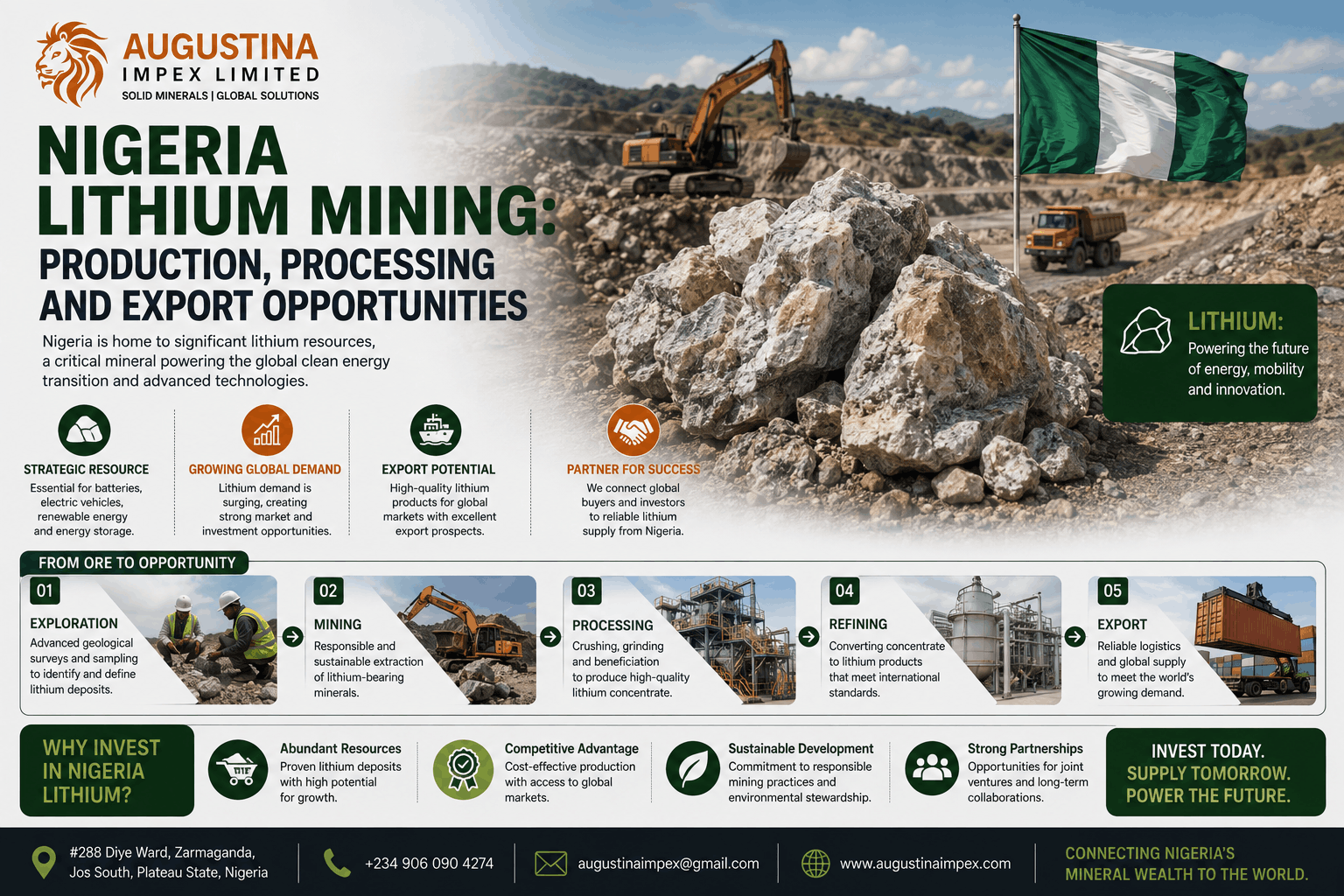
Nigeria Lithium Mining: Production, Processing & Export
Nigeria Lithium Mining: Production, Processing and Export Opportunities By Kolawole King, CEO — Augustina Impex…
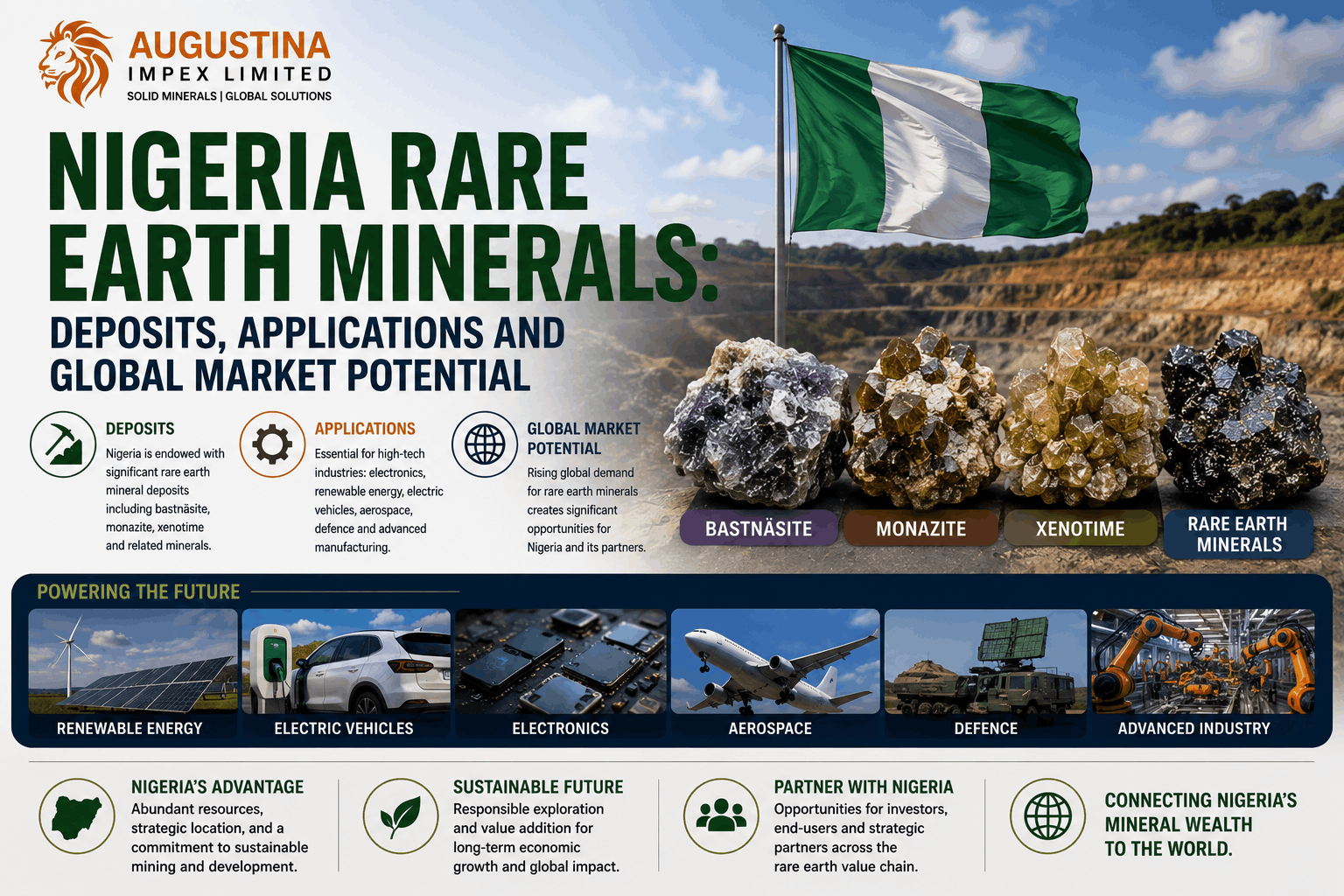
Nigeria Rare Earth Minerals: Deposits & Market Potential
Nigeria Rare Earth Minerals: Deposits, Applications and Global Market Potential By Kolawole King, CEO —…
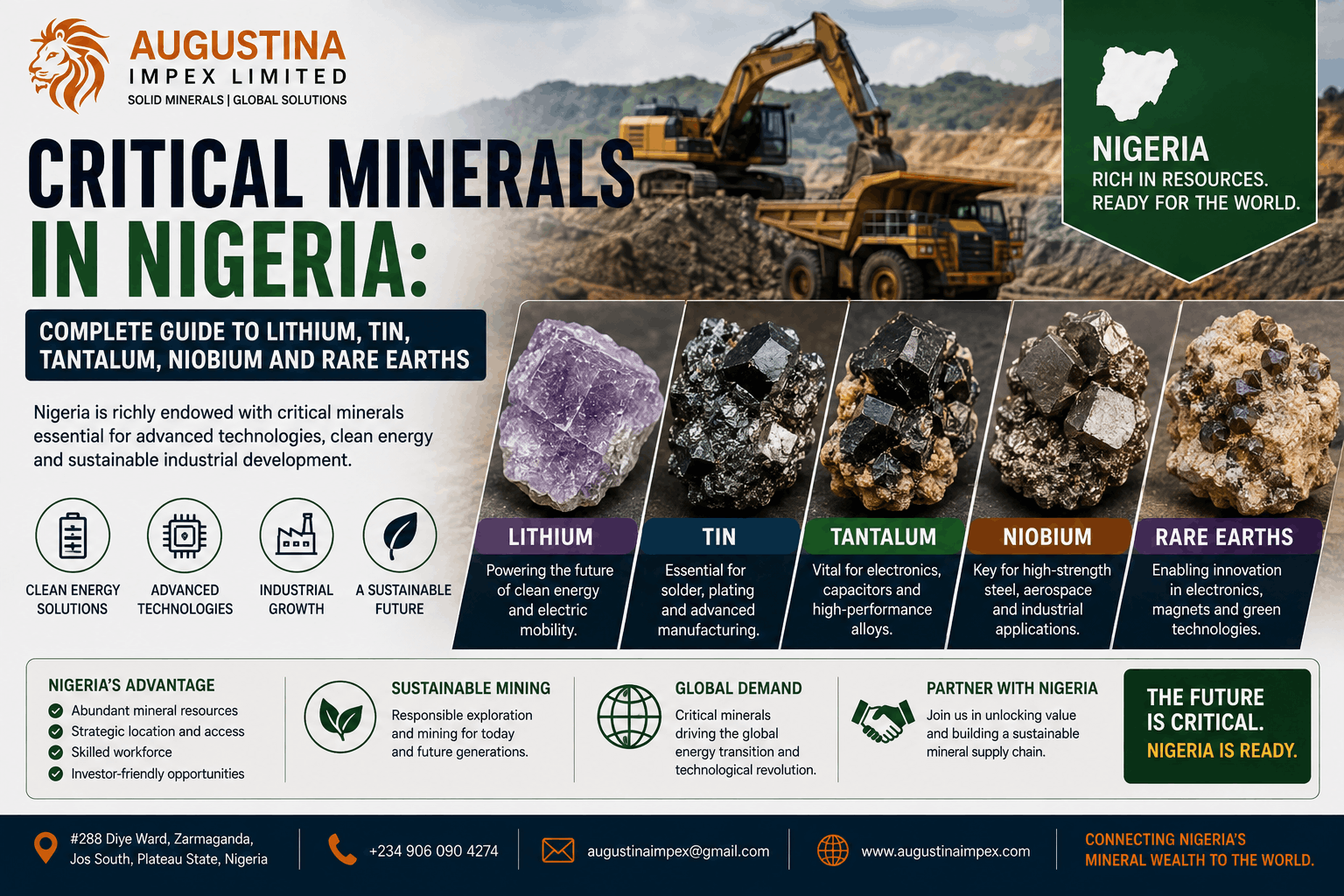
Nigeria Critical Minerals Guide: Lithium, Tin & Rare Earths
Critical Minerals in Nigeria: Complete Guide to Lithium, Tin, Tantalum, Niobium and Rare Earths By…
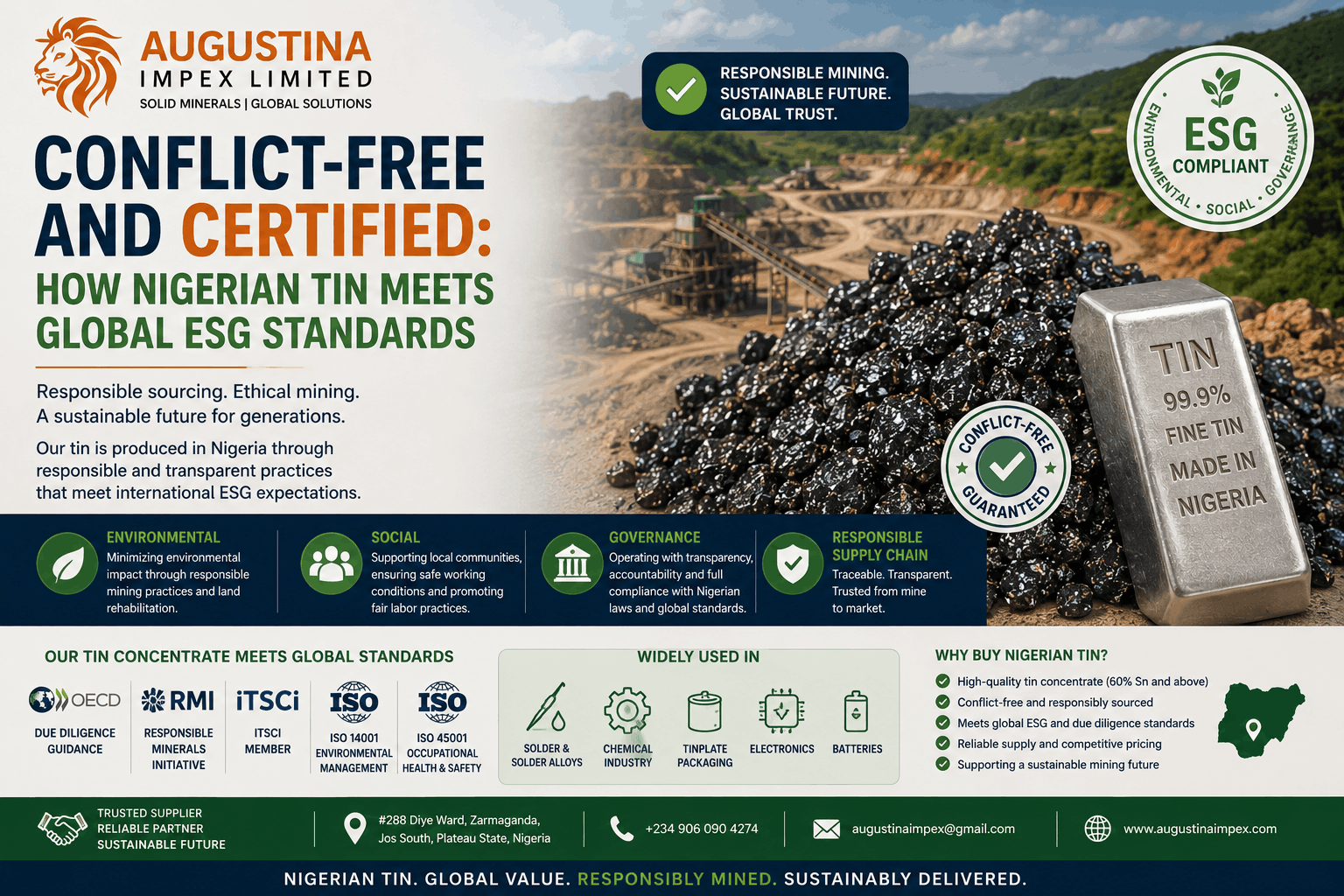
Conflict-Free Nigerian Tin Meets Global ESG Standards
Conflict-Free and Certified: How Nigerian Tin Meets Global ESG Standards By Kolawole King, CEO —…