
Introduction
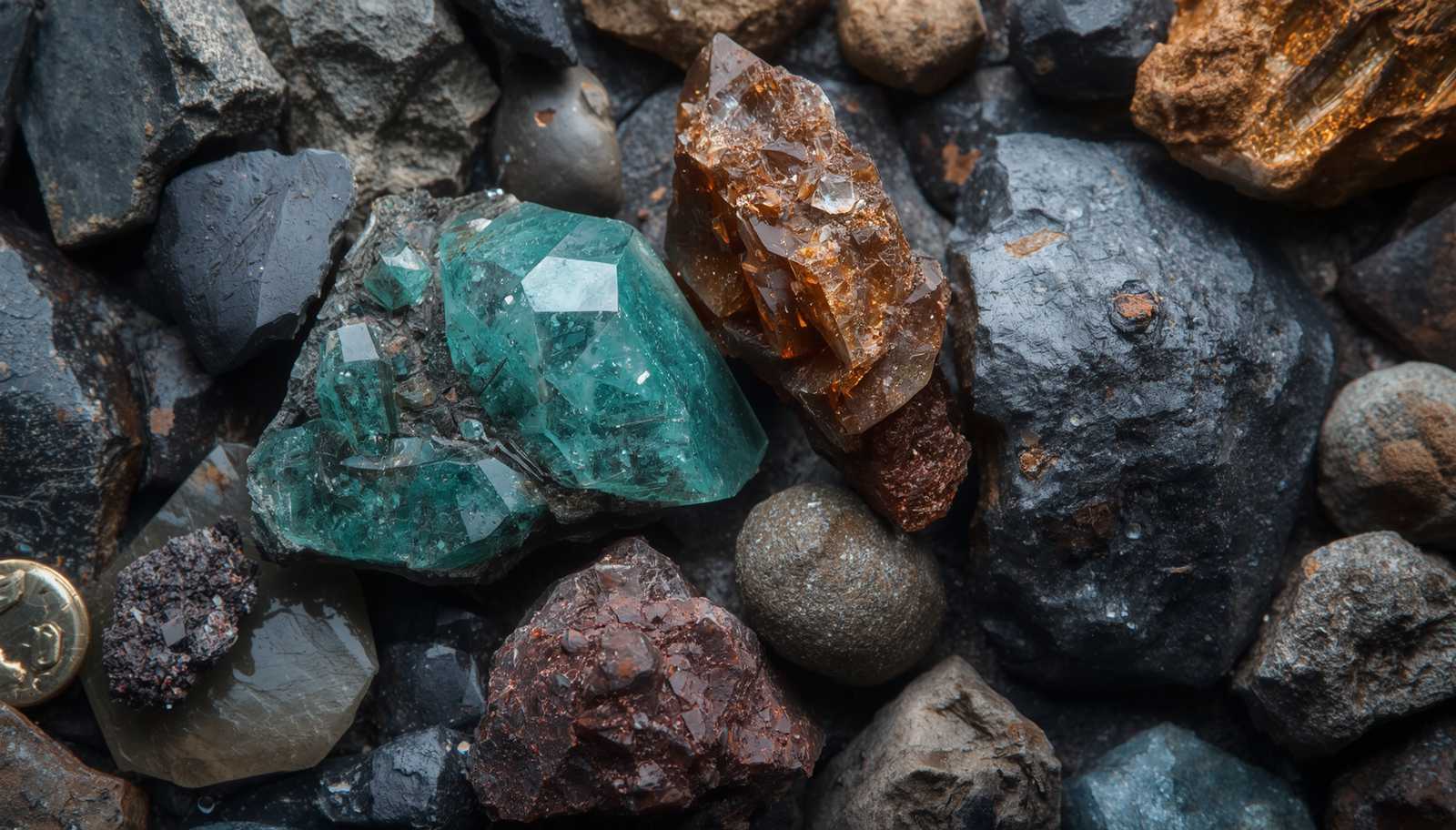
As global industries continue transitioning toward electric vehicles, renewable energy systems, advanced manufacturing, and high-performance technologies, Rare Earth Elements (REEs) have become increasingly important within the global economy.
These strategic minerals are essential for producing:
- Electric vehicle motors
- Wind turbines
- Permanent magnets
- Defense technologies
- Aerospace systems
- Electronics and semiconductors
- Renewable energy infrastructure
As interest in rare earth minerals grows, one technical term frequently encountered in the mining and mineral export industry is:
TREO
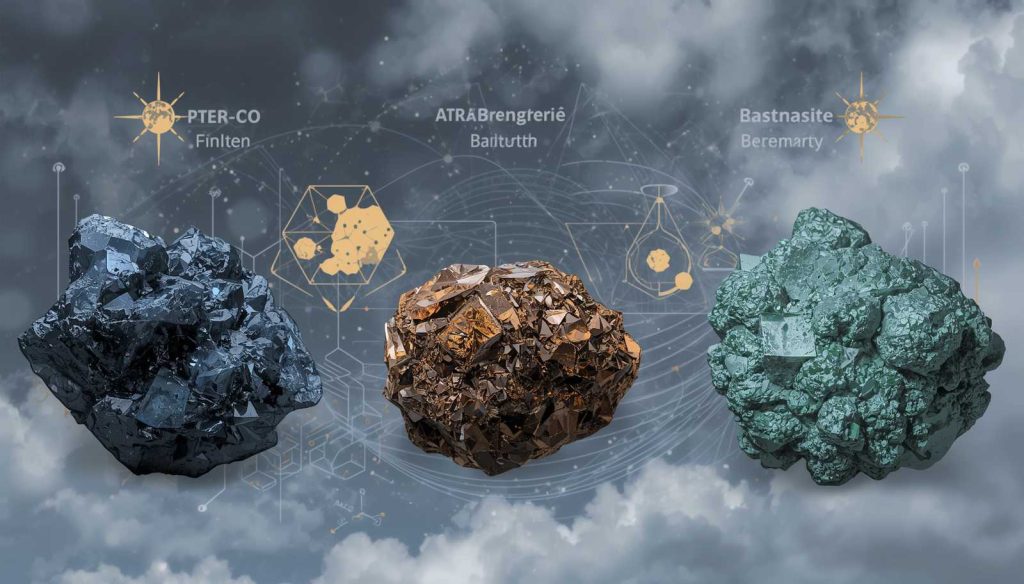
TREO is one of the most important measurements used in evaluating rare earth minerals such as:
- Monazite
- Bastnasite
- Xenotime
- Rare earth concentrates
Understanding TREO is extremely important for:
- Mineral buyers
- Mining companies
- Refiners
- Investors
- Commodity traders
- Exporters
- Processing plants
In this article, we explain what TREO means, how it is calculated, why it matters commercially, and how it affects the value of rare earth minerals.
What is TREO?
TREO stands for:
Total Rare Earth Oxides
It is the combined percentage of all rare earth oxides present within a mineral sample or concentrate.
In simple terms, TREO measures:
the total concentration of valuable rare earth oxides contained in a material.
TREO is one of the primary indicators used to determine:
- Mineral quality
- Commercial value
- Processing potential
- Market attractiveness
Why Are Rare Earth Elements Measured as Oxides?
Rare earth elements are commonly analyzed and traded as oxides because:
- Oxides are chemically stable
- Refining industries use oxide measurements
- International markets standardize oxide reporting
- Laboratory analysis is easier using oxide equivalents
Therefore, rare earth assay reports typically express results as:
- CeO₂
- La₂O₃
- Nd₂O₃
- Pr₆O₁₁
- Sm₂O₃
rather than as pure metallic elements.
Common Rare Earth Oxides Included in TREO
TREO may include:
- Cerium Oxide (CeO₂)
- Lanthanum Oxide (La₂O₃)
- Neodymium Oxide (Nd₂O₃)
- Praseodymium Oxide (Pr₆O₁₁)
- Samarium Oxide (Sm₂O₃)
- Europium Oxide (Eu₂O₃)
- Gadolinium Oxide (Gd₂O₃)
- Dysprosium Oxide (Dy₂O₃)
The total combined percentage of these oxides equals the TREO value.
Example of TREO Calculation
If a mineral assay report contains:
| Rare Earth Oxide | Percentage |
| CeO₂ | 25% |
| La₂O₃ | 12% |
| Nd₂O₃ | 8% |
| Pr₆O₁₁ | 3% |
| Sm₂O₃ | 2% |
Then:
TREO = 50%
The total percentage of all rare earth oxides combined equals the Total Rare Earth Oxides value.
Why TREO is Important
TREO is one of the most important commercial indicators in the rare earth industry.
It directly influences:
- Mineral value
- Buyer interest
- Processing economics
- Export potential
- Refining attractiveness
Higher TREO Usually Means Higher Value
Generally:
- Higher TREO = higher rare earth concentration
- Higher rare earth concentration = stronger commercial potential
However, TREO alone does not determine final value.
Other important factors include:
- Radioactivity
- Mineralogy
- Impurities
- Thorium content
- Uranium content
- Particle size
- Beneficiation quality
TREO in Monazite
Monazite is one of the world’s most important rare earth-bearing minerals.
It commonly contains:
- Cerium
- Lanthanum
- Neodymium
- Praseodymium
Monazite often produces:
- Moderate to high TREO values
Commercial monazite concentrates may sometimes contain:
- 45%
- 50%
- 55%
- or higher TREO values
depending on beneficiation quality and deposit characteristics.
TREO in Bastnasite
Bastnasite is another major source of Light Rare Earth Elements (LREEs).
It is increasingly attracting global attention because it generally contains:
- Lower thorium content
- Lower radioactive characteristics
- Strong industrial relevance
TREO levels in Bastnasite vary depending on:
- Deposit quality
- Beneficiation process
- Mineral purity
TREO and Rare Earth Beneficiation
Beneficiation plays a major role in improving TREO levels.
Rare earth beneficiation may involve:
- Gravity separation
- Magnetic separation
- Mineral concentration
- Particle sizing
- Upgrading processes
The goal is to:
- Increase rare earth concentration
- Reduce impurities
- Improve export quality
- Enhance commercial value
Particle Size and TREO
Particle sizing can significantly affect:
- Mineral liberation
- Concentration efficiency
- Processing quality
For example:
- Finer grinding may improve liberation
- Better liberation may increase TREO concentration
This is why many rare earth buyers specify:
- P80 particle sizing requirements
- Fine particle processing standards
TREO and Radioactivity
High TREO does not automatically mean low risk.
Some high-TREO materials may also contain:
- Elevated thorium
- Uranium
This is particularly relevant in Monazite.
As a result, global industries increasingly evaluate:
- TREO quality
- Radioactivity profile
- Environmental considerations
together.
Why Low-Radioactivity Rare Earth Minerals Matter
Many global refiners and industrial consumers increasingly prefer:
- Lower-radioactivity feedstock
- Easier processing materials
- Reduced environmental complications
This is one reason why Bastnasite is receiving growing attention internationally.
TREO and Global Rare Earth Demand
The demand for rare earth minerals continues increasing because of:
- Electric vehicles
- Wind turbines
- Renewable energy
- Advanced electronics
- Defense technologies
- Strategic manufacturing
This increasing demand has elevated the importance of:
- High-quality concentrates
- Strong TREO values
- Stable supply chains
Rare Earth Minerals in Nigeria
Nigeria possesses substantial rare earth potential associated with:
- Heavy mineral sands
- Tin mining environments
- Monazite-bearing deposits
- Bastnasite-related occurrences
Several regions in Nigeria are attracting growing attention for critical minerals exploration.
These include:
- Plateau State
- Nasarawa State
- Kaduna State
- Niger State
About Augustina Impex Limited
Augustina Impex Limited is a Nigerian mineral sourcing, export facilitation, and mining consultancy company with over two decades of industry experience.
Our company specializes in:
- Rare earth minerals
- Monazite sand
- Bastnasite
- Ilmenite concentrate
- Zircon sand
- Mineral beneficiation
- Export facilitation
- Strategic mineral trade
We work closely with mineral producers and processing partners involved in:
- Heavy mineral sands processing
- Rare earth beneficiation
- Export-grade concentrate preparation
Partnership with Mineral Processing Operations in Jos, Plateau State
Augustina Impex Limited maintains operational relationships with mineral processing facilities situated in Jos, Plateau State, Nigeria.
These operations support:
- Gravity separation
- Magnetic separation
- Mineral upgrading
- TREO concentration improvement
- Bulk aggregation
- Export preparation
Products handled include:
- Monazite concentrate
- Ilmenite concentrate
- Zircon sand
- Tin-bearing concentrates
- Rare earth mineral concentrates
The Future of TREO and Rare Earth Markets
As global demand for critical minerals continues increasing, the importance of:
- High TREO concentrates
- Responsible mining
- Sustainable beneficiation
- Diversified supply chains
will likely continue growing.
Countries such as Nigeria may play increasingly important roles within the future rare earth industry.
Conclusion
TREO is one of the most important measurements in the rare earth minerals industry.
It represents the total concentration of valuable rare earth oxides within a mineral sample and directly affects:
- Commercial value
- Processing potential
- Export attractiveness
- Refining suitability
Understanding TREO is essential for:
- Mining companies
- Buyers
- Investors
- Refiners
- Exporters
- Commodity traders
As global industries continue seeking reliable critical mineral supply chains, high-quality rare earth concentrates with strong TREO values will remain strategically important within the evolving global economy.
Contact Information
Kolawole King
Chief Executive Officer
Augustina Impex Limited
📧 augustinaimpex@gmail.com
🌐 https://augustinaimpex.com
📝 https://augustinaimpexng.blogspot.com/
📱 WhatsApp: +234 906 090 4274
🎥 https://www.youtube.com/watch?v=Izg0t7By6co
-
Previous Post
Comparing Monazite and Bastnasite
Post a comment
Related Posts
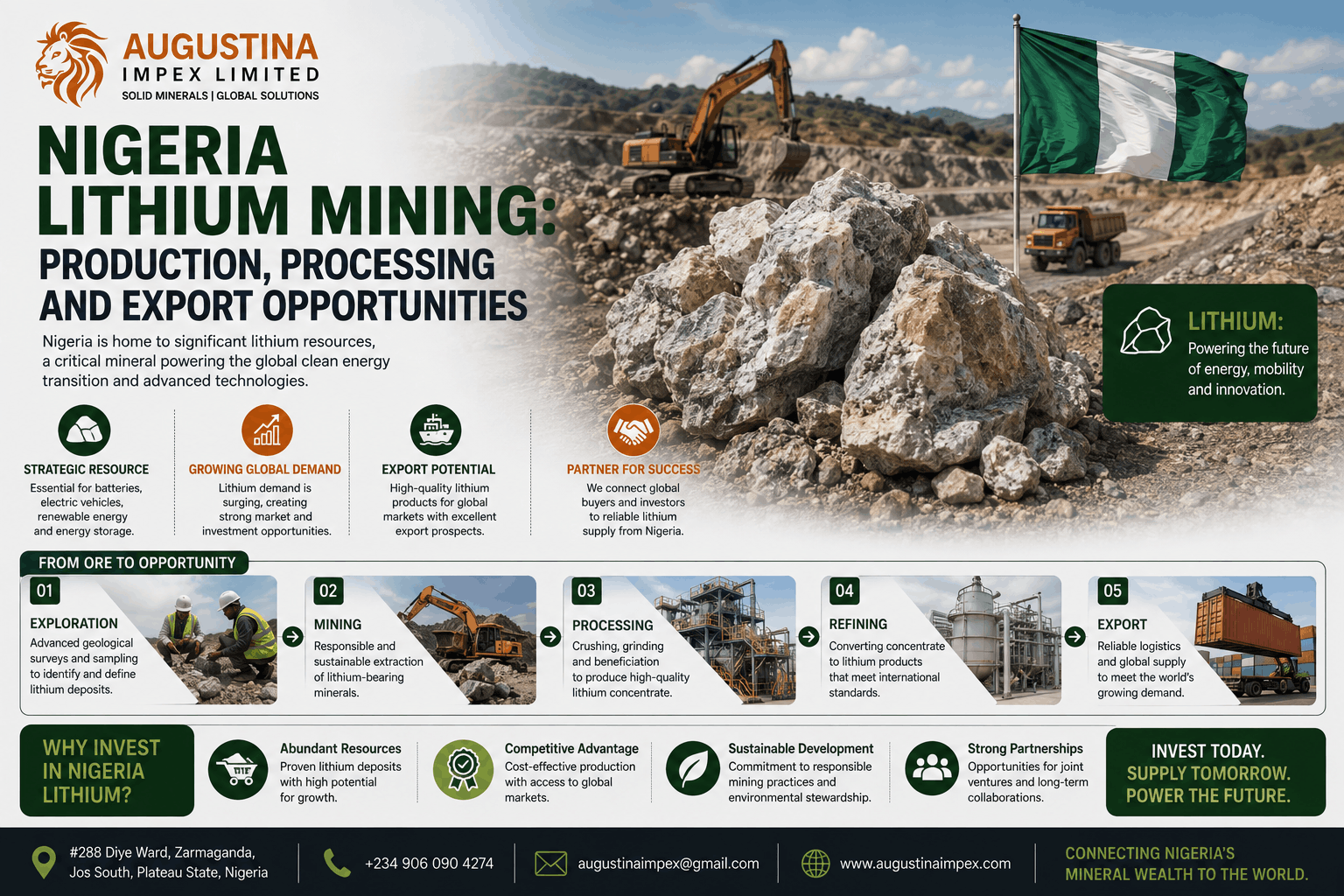
Nigeria Lithium Mining: Production, Processing & Export
Nigeria Lithium Mining: Production, Processing and Export Opportunities By Kolawole King, CEO — Augustina Impex…

Nigeria Rare Earth Minerals: Deposits & Market Potential
Nigeria Rare Earth Minerals: Deposits, Applications and Global Market Potential By Kolawole King, CEO —…
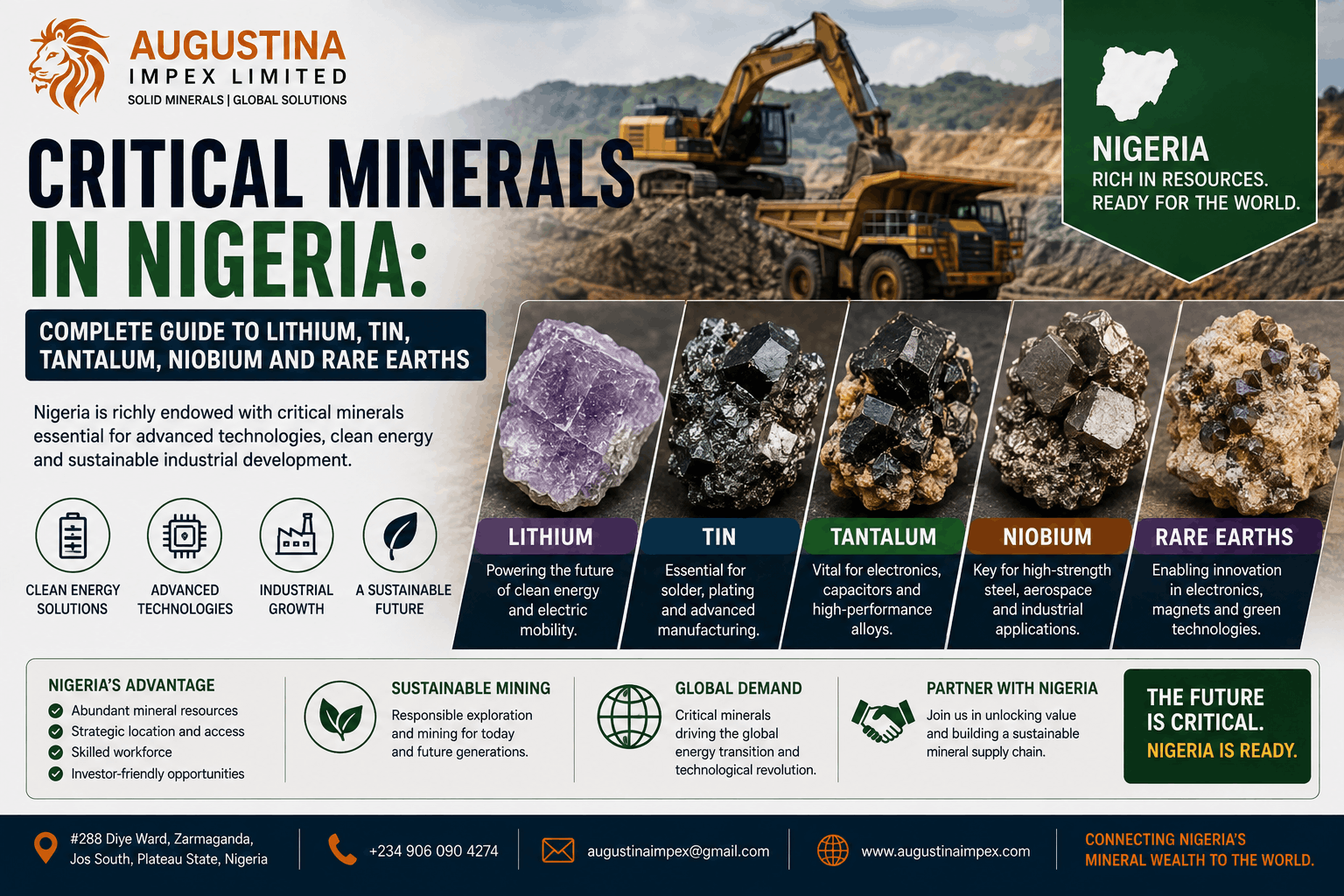
Nigeria Critical Minerals Guide: Lithium, Tin & Rare Earths
Critical Minerals in Nigeria: Complete Guide to Lithium, Tin, Tantalum, Niobium and Rare Earths By…
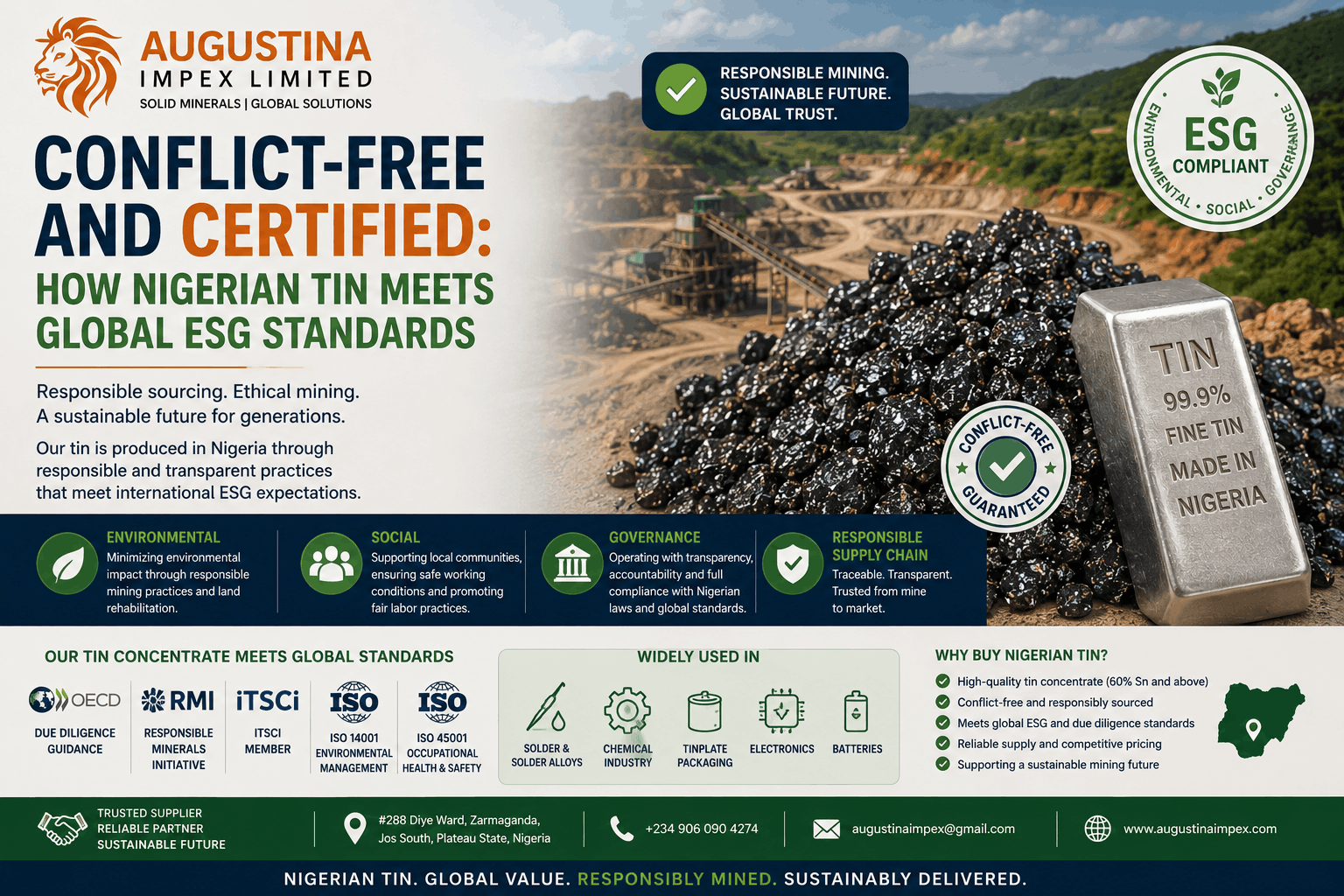
Conflict-Free Nigerian Tin Meets Global ESG Standards
Conflict-Free and Certified: How Nigerian Tin Meets Global ESG Standards By Kolawole King, CEO —…