
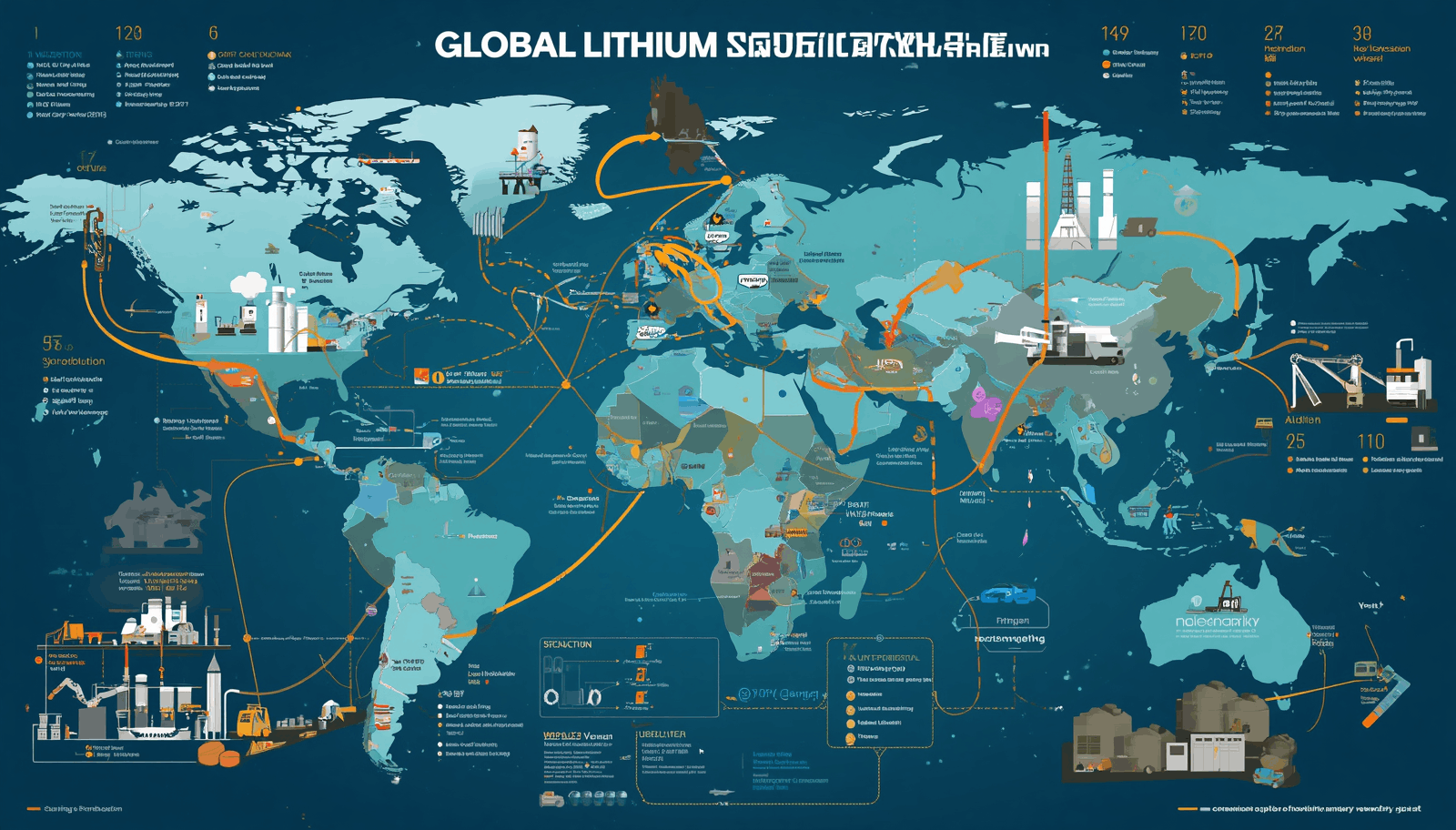
Lithium has become one of the most important minerals in the modern world. Often referred to as “white gold,” lithium plays a crucial role in powering the technologies that are driving the global energy transition. From electric vehicles and renewable energy storage systems to smartphones and laptops, lithium-ion batteries have become an essential component of modern life.
As countries around the world seek to reduce carbon emissions and accelerate the adoption of clean energy technologies, demand for lithium continues to rise at an unprecedented pace. This growing demand has placed the global lithium supply chain under the spotlight, making it one of the most strategically important industrial networks in the world.
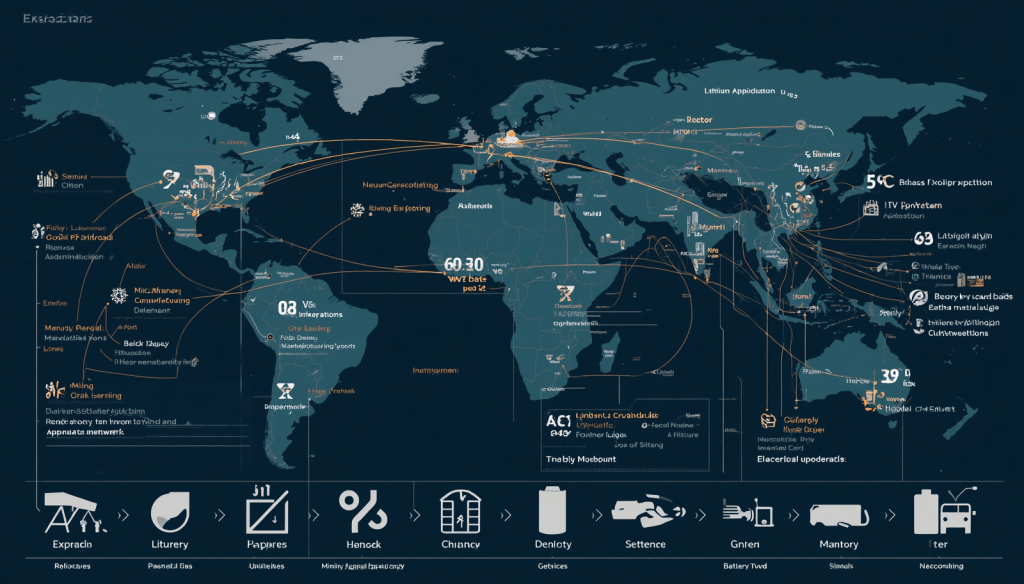
Understanding how the global lithium supply chain operates is essential for investors, mining companies, manufacturers, policymakers, and consumers. From the extraction of lithium-bearing minerals to the production of advanced batteries, every stage of the supply chain contributes to the delivery of the products that power modern economies.
What Is Lithium?
Lithium is a lightweight alkali metal that possesses exceptional electrochemical properties. These characteristics make it ideal for use in rechargeable lithium-ion batteries, which are widely used in consumer electronics, electric vehicles, and energy storage systems.
Lithium occurs naturally in several forms, including:
- Spodumene
- Lepidolite
- Petalite
- Lithium-bearing brines
- Clay deposits
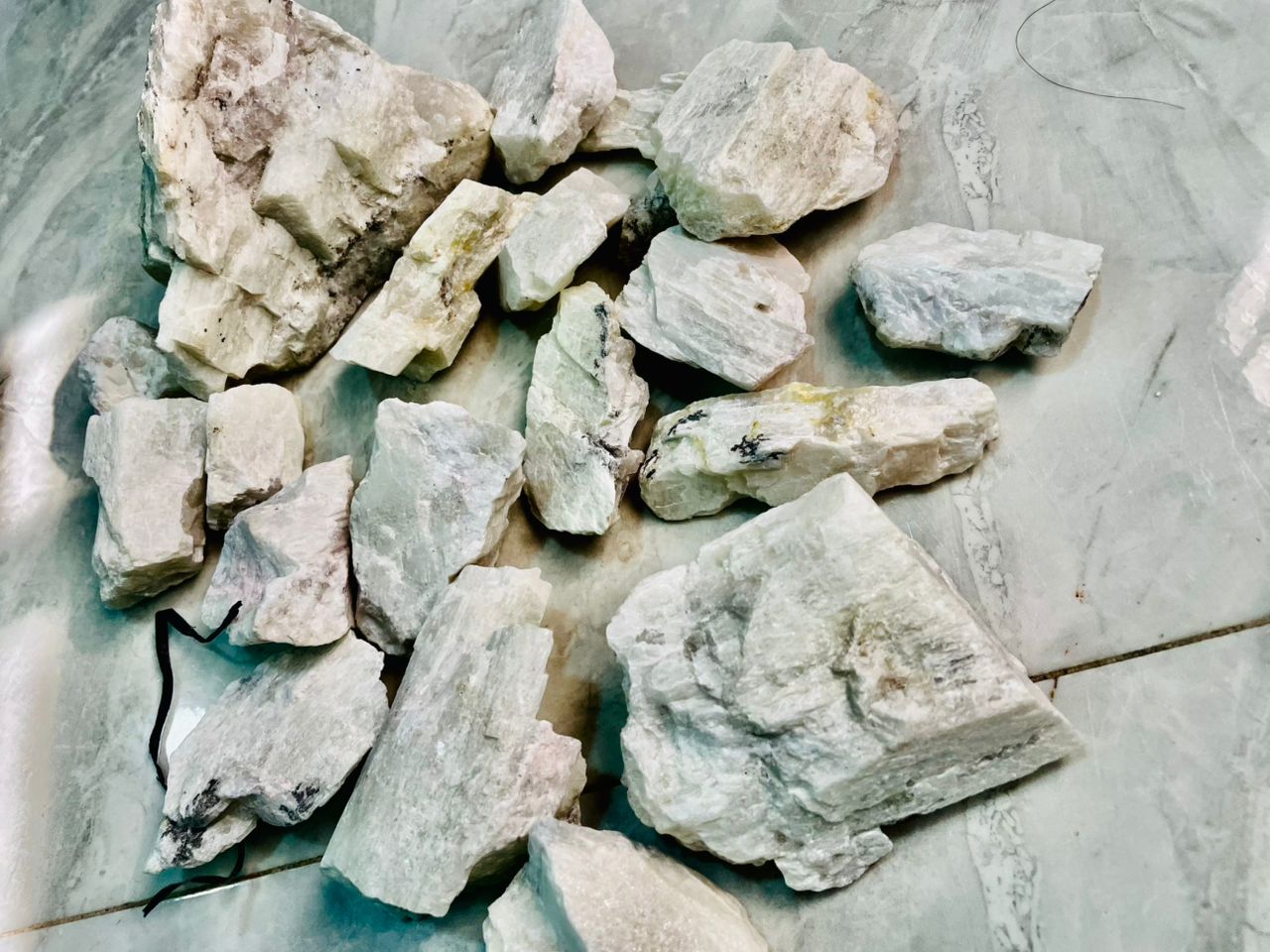
Among these sources, spodumene has become one of the most important hard-rock lithium minerals used in commercial lithium production.
Why Lithium Is So Important
The rapid growth of electric vehicles has transformed lithium into a strategic mineral. Governments worldwide are promoting electric mobility to reduce dependence on fossil fuels and lower greenhouse gas emissions.
Lithium-ion batteries are currently the preferred energy storage technology for:
- Electric vehicles
- Hybrid vehicles
- Solar energy storage systems
- Wind energy storage systems
- Smartphones
- Laptops
- Power tools
- Industrial energy storage facilities
As a result, global lithium demand is expected to continue increasing for many years.
Stage One: Lithium Exploration
Every lithium project begins with exploration.
Geologists and mining companies conduct surveys to identify potential lithium deposits. Exploration activities may include:
- Geological mapping
- Geochemical sampling
- Geophysical surveys
- Drilling programs
- Resource estimation
The objective is to determine the size, quality, and economic viability of the deposit.
Countries with significant lithium resources include:
- Australia
- Chile
- Argentina
- China
- Brazil
- Canada
- Zimbabwe
- Nigeria
Recent discoveries across Africa have increased interest in the continent’s potential role within the global lithium supply chain.
Stage Two: Lithium Mining
Once a commercially viable deposit has been identified, mining operations begin.
Lithium is extracted using two primary methods:
Hard-Rock Mining
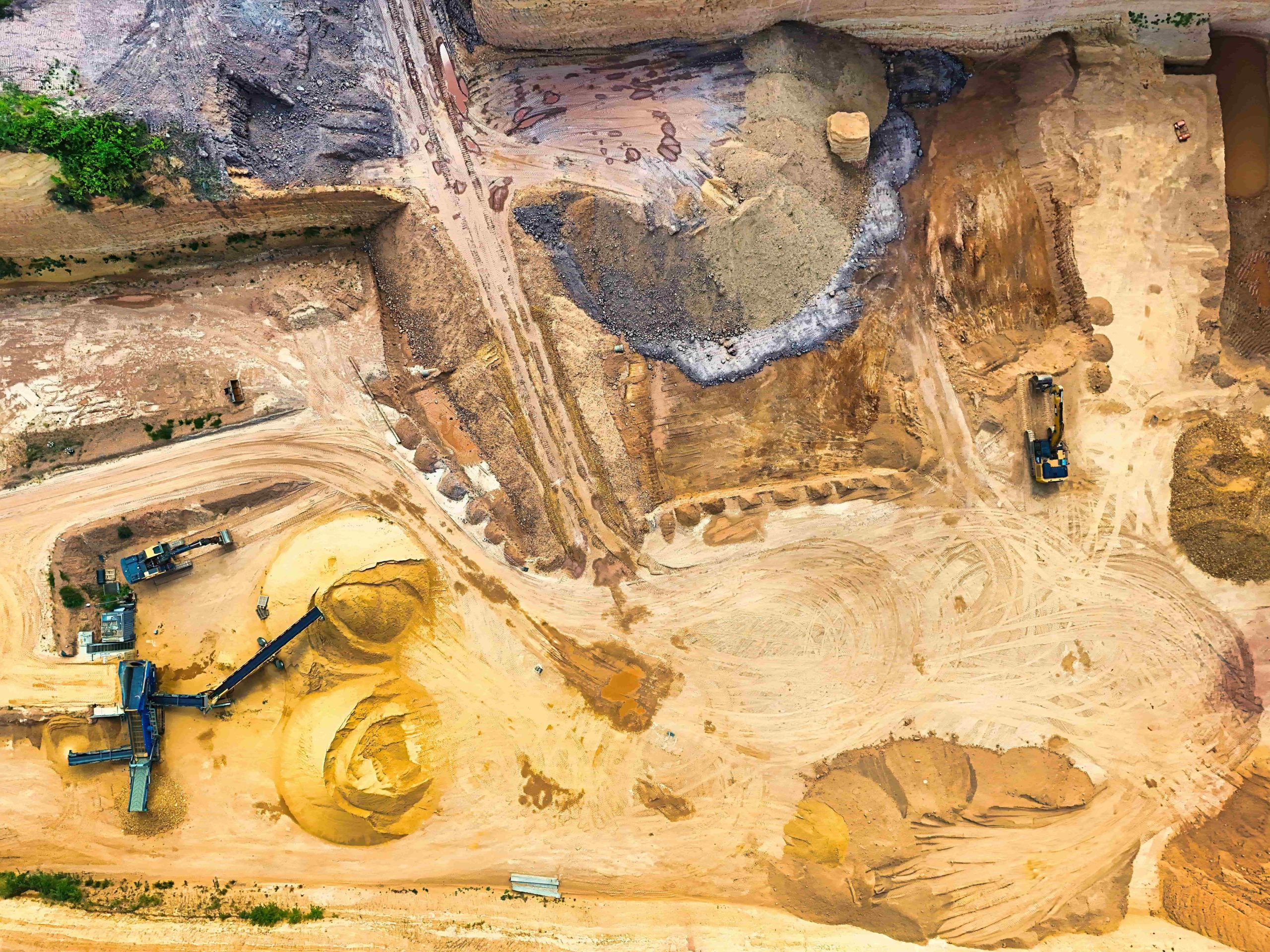
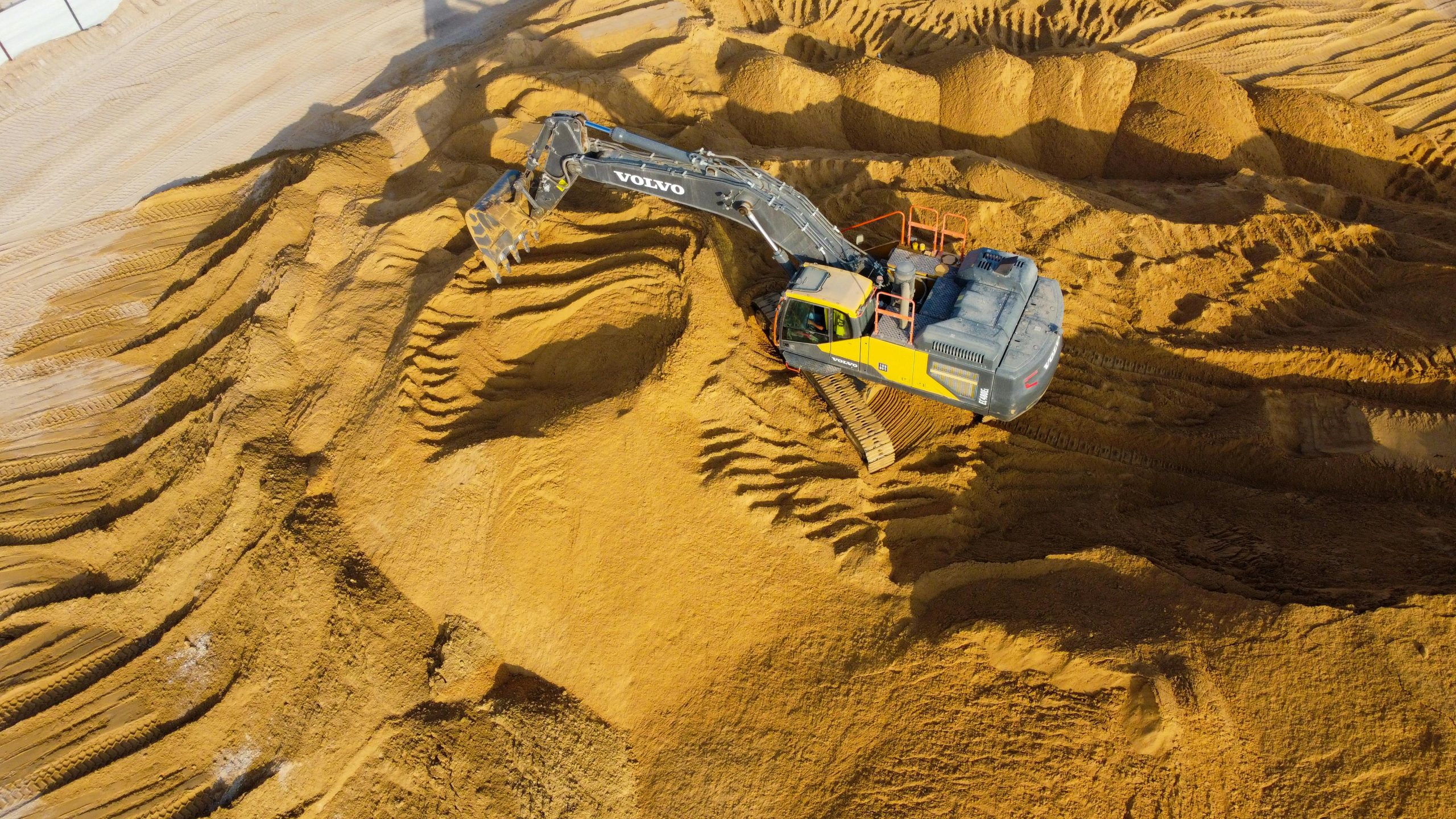
Hard-rock mining involves extracting lithium-bearing minerals such as spodumene from open-pit or underground mines.
Australia is currently the world’s leading producer of spodumene concentrate.
Advantages of hard-rock mining include:
- Faster project development
- Higher production flexibility
- Stable mineral grades
- Reliable supply
Brine Extraction
Brine operations pump lithium-rich saltwater from underground reservoirs into evaporation ponds.
Over time, solar evaporation concentrates the lithium content before further processing.
Major brine-producing countries include:
- Chile
- Argentina
- Bolivia
Brine extraction generally has lower operating costs but requires longer production cycles.
Stage Three: Mineral Processing
After mining, lithium-bearing materials must undergo processing to increase lithium concentration.
For hard-rock operations, this typically involves:
- Crushing
- Grinding
- Screening
- Dense media separation
- Flotation
The result is a high-grade spodumene concentrate that can be sold to lithium converters.
Processing plants play a critical role in maximizing mineral recovery and increasing product value. Without beneficiation, mining companies would lose significant revenue opportunities.
This is why many mining companies invest in mineral processing facilities to upgrade ore before export.
Stage Four: Lithium Conversion
The next stage involves converting lithium concentrates into chemical compounds suitable for battery production.
The most common lithium chemicals are:
Lithium Carbonate
Lithium carbonate is widely used in battery manufacturing and industrial applications.
Lithium Hydroxide
Lithium hydroxide has become increasingly important because it is preferred for high-performance electric vehicle batteries.
Conversion facilities are highly specialized and require advanced technology and significant capital investment.
China currently dominates global lithium conversion capacity, although several countries are investing in domestic refining facilities to strengthen supply chain security.
Stage Five: Battery Materials Manufacturing
Once lithium chemicals have been produced, they are supplied to battery material manufacturers.
These companies produce:
- Cathode materials
- Anode materials
- Electrolytes
- Battery components
The quality and consistency of these materials directly affect battery performance, safety, and lifespan.
As battery technology continues to evolve, manufacturers are investing heavily in research and development to improve energy density and reduce costs.
Stage Six: Battery Cell Production
Battery manufacturers combine processed materials to produce lithium-ion battery cells.
These cells are assembled into battery packs used in:
- Electric vehicles
- Energy storage systems
- Consumer electronics
- Industrial equipment
Major battery-producing countries include:
- China
- South Korea
- Japan
- United States
The battery manufacturing sector represents one of the fastest-growing industries in the global economy.
Stage Seven: Electric Vehicle Manufacturing
Electric vehicle manufacturers purchase battery packs and integrate them into finished vehicles.
Leading electric vehicle markets include:
- China
- United States
- Europe
Government incentives, emissions regulations, and growing consumer demand continue to drive rapid expansion within the electric vehicle sector.
Every electric vehicle produced increases demand for lithium and strengthens the importance of the global lithium supply chain.
Challenges Facing the Lithium Supply Chain
Despite strong demand, the lithium industry faces several challenges.
Supply Security
Many countries are concerned about securing reliable lithium supplies to support domestic manufacturing industries.
Processing Capacity
Mining production has expanded rapidly, but refining and processing capacity has not always kept pace.
Environmental Concerns
Governments and communities increasingly expect mining companies to adopt sustainable practices.
Infrastructure Constraints
Developing lithium projects often requires significant investments in roads, power systems, water infrastructure, and processing facilities.
Geopolitical Risks
Trade disputes, export restrictions, and geopolitical tensions can affect global supply chains and influence market prices.
Opportunities in Emerging Markets
Emerging economies have significant opportunities to participate in the lithium value chain.
Countries such as Nigeria possess promising lithium resources that could support:
- Mining operations
- Mineral processing plants
- Export businesses
- Battery material production
- Industrial development
Rather than exporting raw ore, many countries are exploring opportunities to establish domestic processing facilities and capture greater value from their mineral resources.
The Future of the Global Lithium Supply Chain
The future of the lithium industry appears exceptionally promising.
Several trends are expected to shape the market:
- Increasing electric vehicle adoption.
- Expansion of renewable energy projects.
- Growth in battery energy storage systems.
- New lithium discoveries.
- Greater investment in refining capacity.
- Development of recycling technologies.
- Increased focus on supply chain diversification.
Governments and private sector investors are expected to continue investing billions of dollars into lithium mining, processing, and battery manufacturing projects.
Conclusion
The global lithium supply chain is a complex network that connects mining operations, processing plants, chemical refineries, battery manufacturers, and electric vehicle producers. Each stage plays a critical role in delivering the lithium products that power modern technologies and support the transition toward a cleaner energy future.
As demand for electric vehicles and renewable energy storage continues to grow, the importance of lithium will only increase. Companies that participate strategically in the lithium value chain—whether through mining, processing, refining, or manufacturing—will be well-positioned to benefit from one of the most significant industrial transformations of the 21st century.
For countries rich in lithium resources, the greatest opportunity lies not only in extraction but also in developing local processing and value-addition capabilities that can generate jobs, increase export revenues, and strengthen long-term economic growth.
-
Next Post
Understanding Li₂O Grades in Lithium Ore
Post a comment
Related Posts
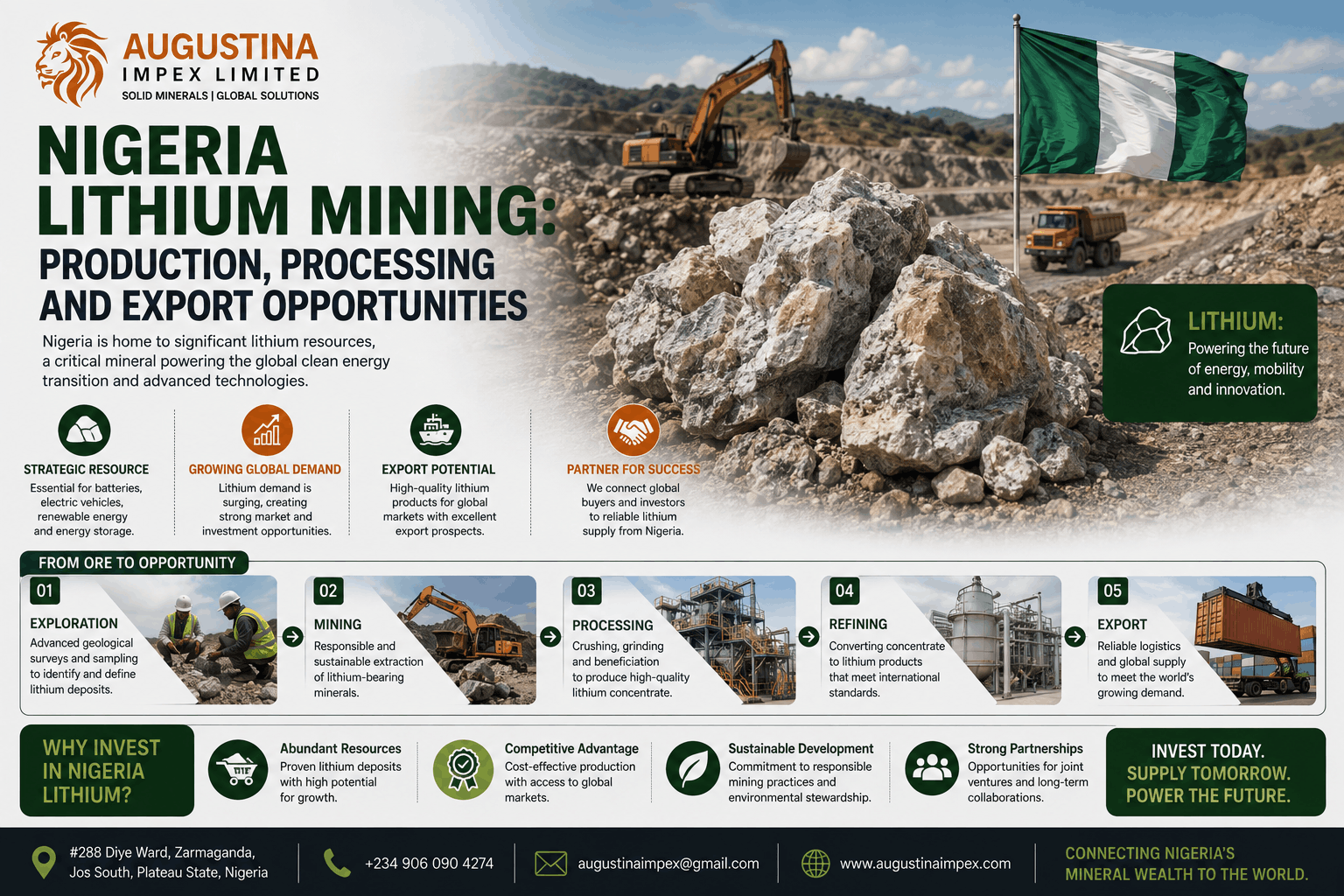
Nigeria Lithium Mining: Production, Processing & Export
Nigeria Lithium Mining: Production, Processing and Export Opportunities By Kolawole King, CEO — Augustina Impex…
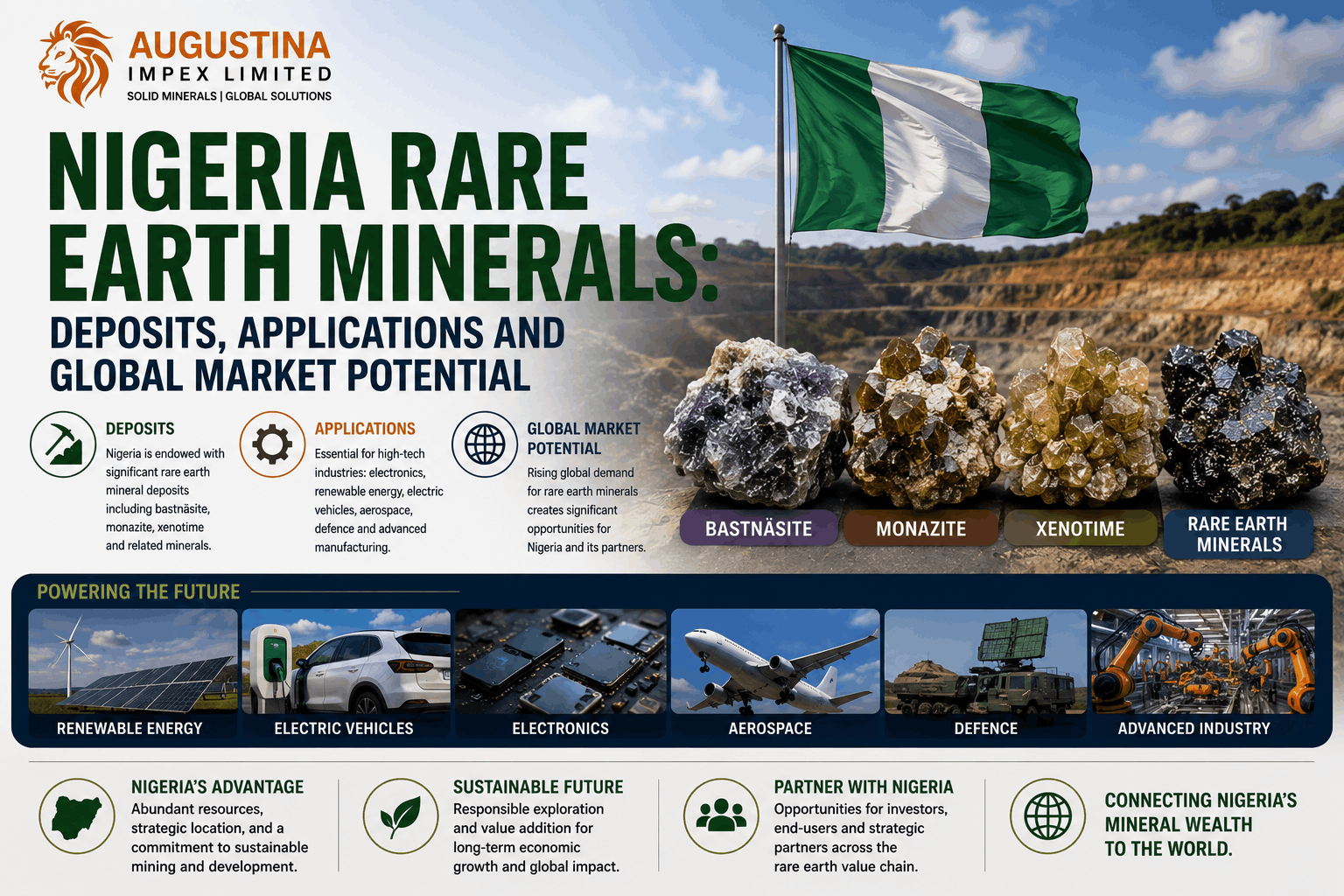
Nigeria Rare Earth Minerals: Deposits & Market Potential
Nigeria Rare Earth Minerals: Deposits, Applications and Global Market Potential By Kolawole King, CEO —…
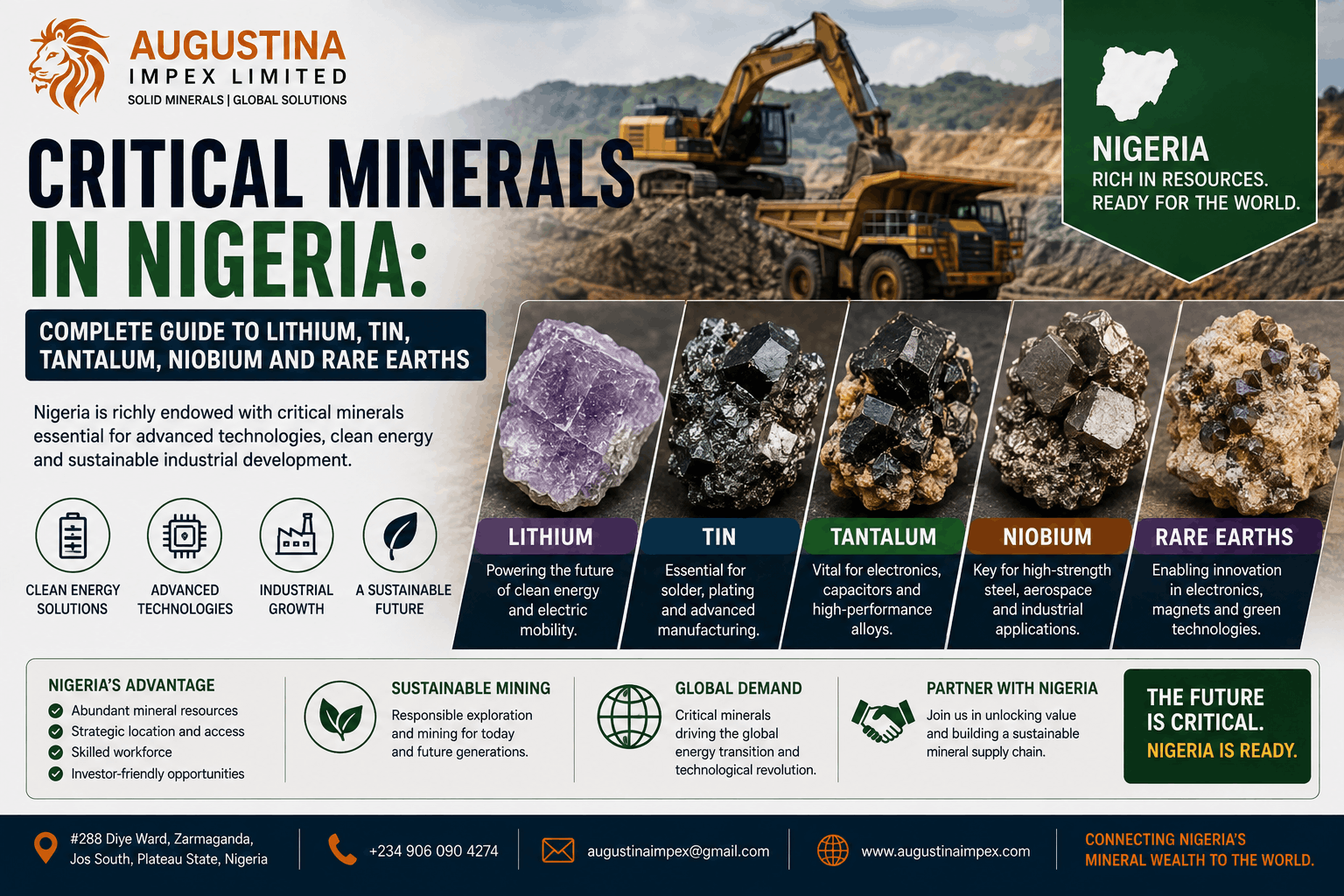
Nigeria Critical Minerals Guide: Lithium, Tin & Rare Earths
Critical Minerals in Nigeria: Complete Guide to Lithium, Tin, Tantalum, Niobium and Rare Earths By…
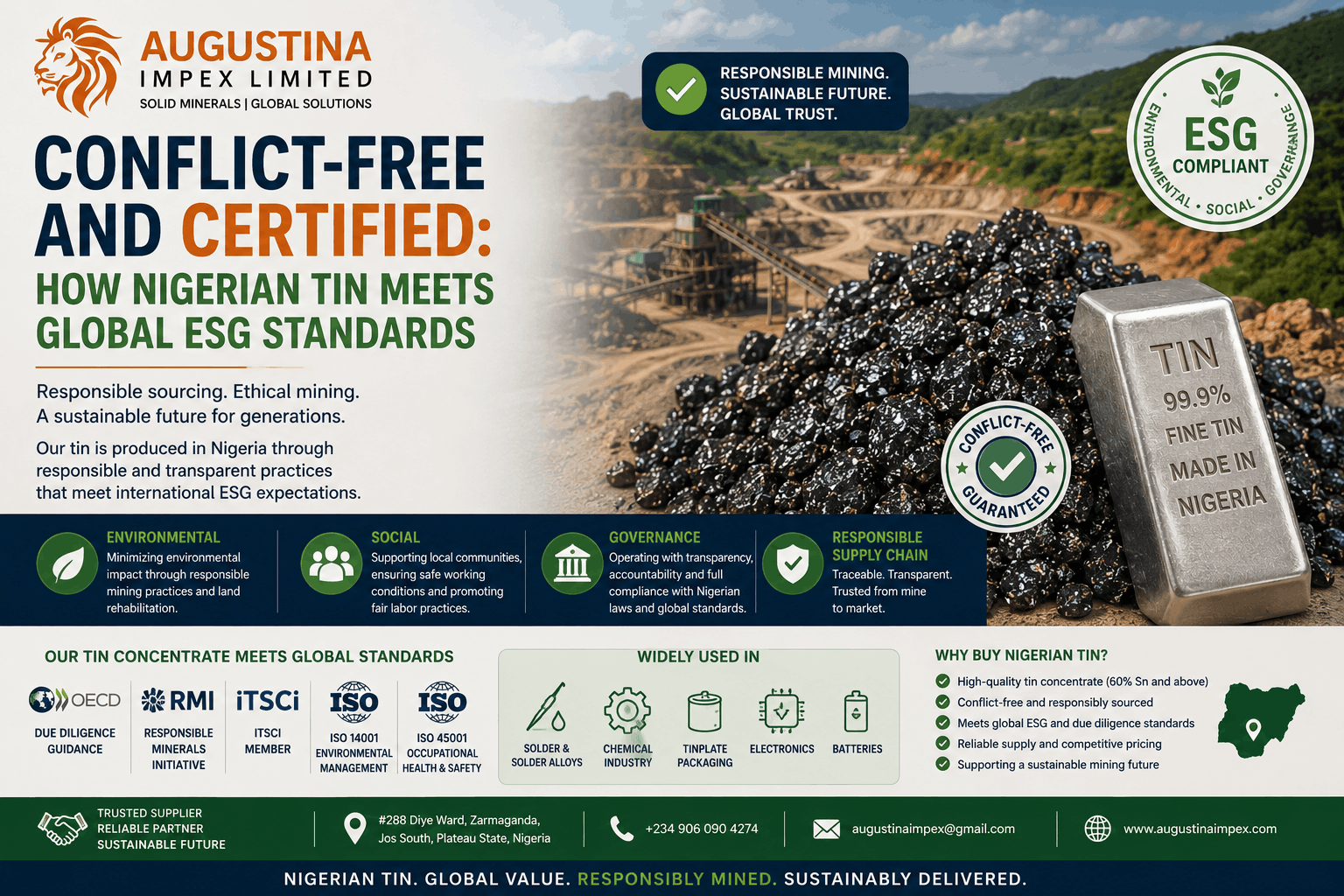
Conflict-Free Nigerian Tin Meets Global ESG Standards
Conflict-Free and Certified: How Nigerian Tin Meets Global ESG Standards By Kolawole King, CEO —…