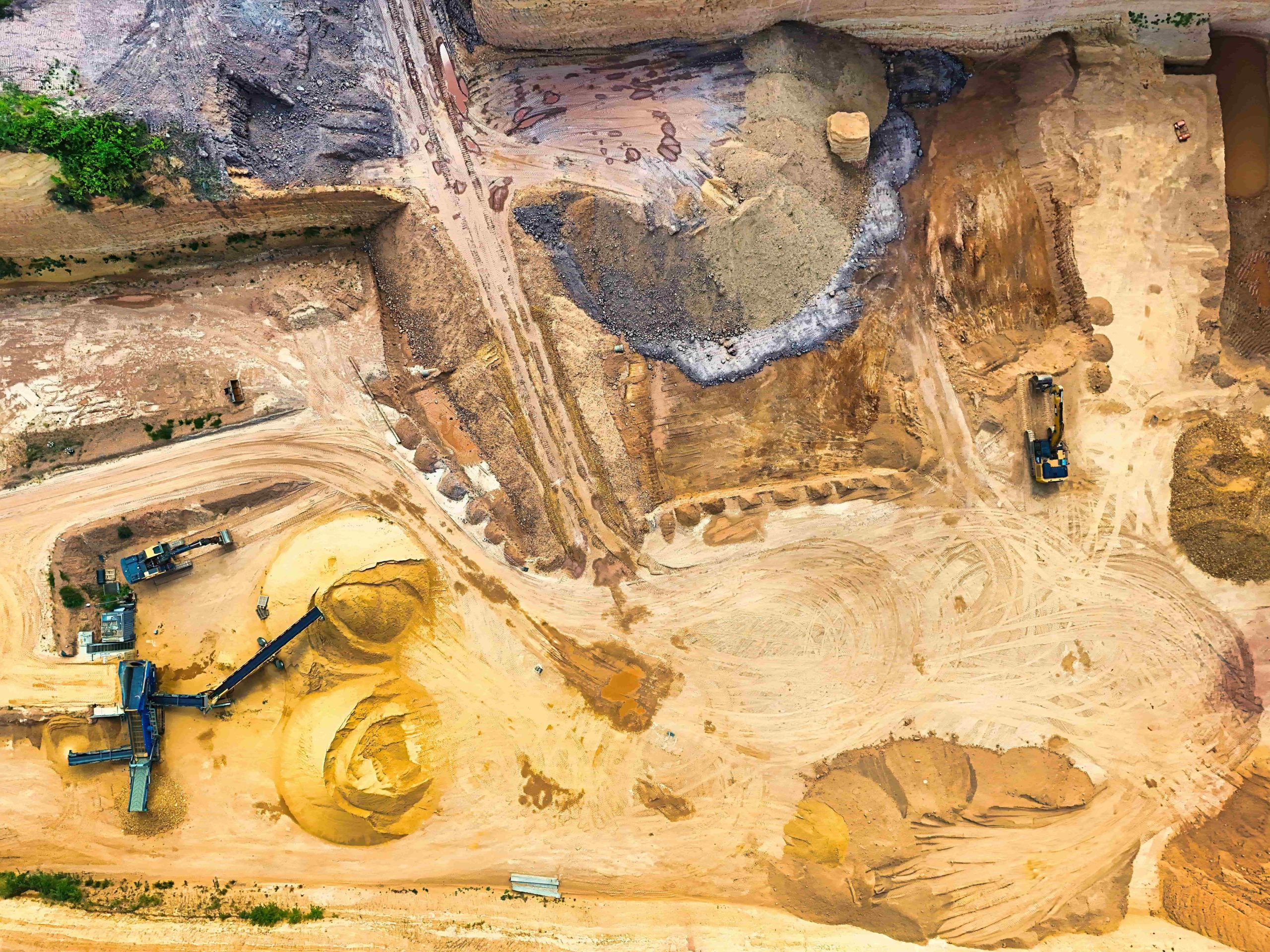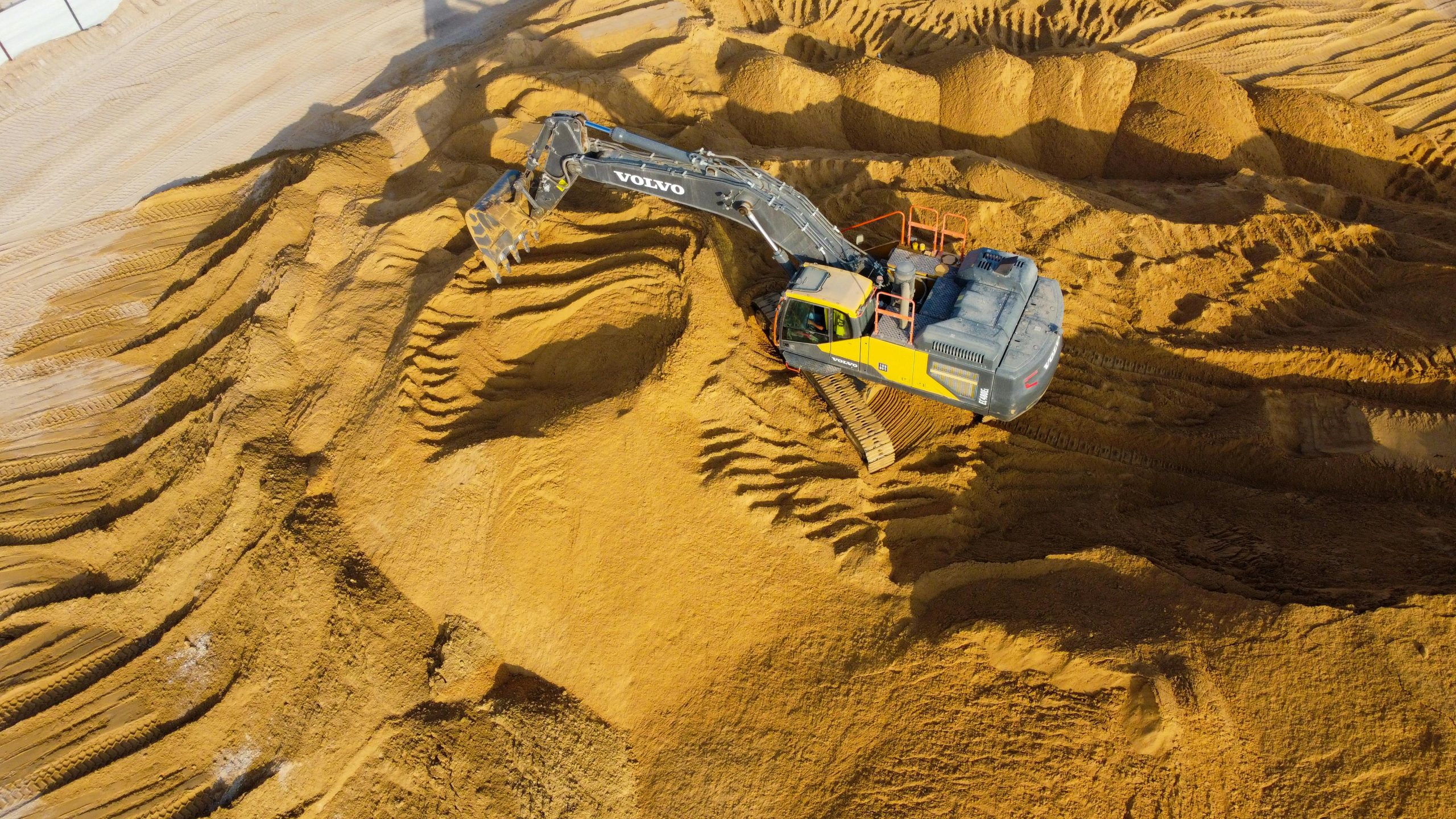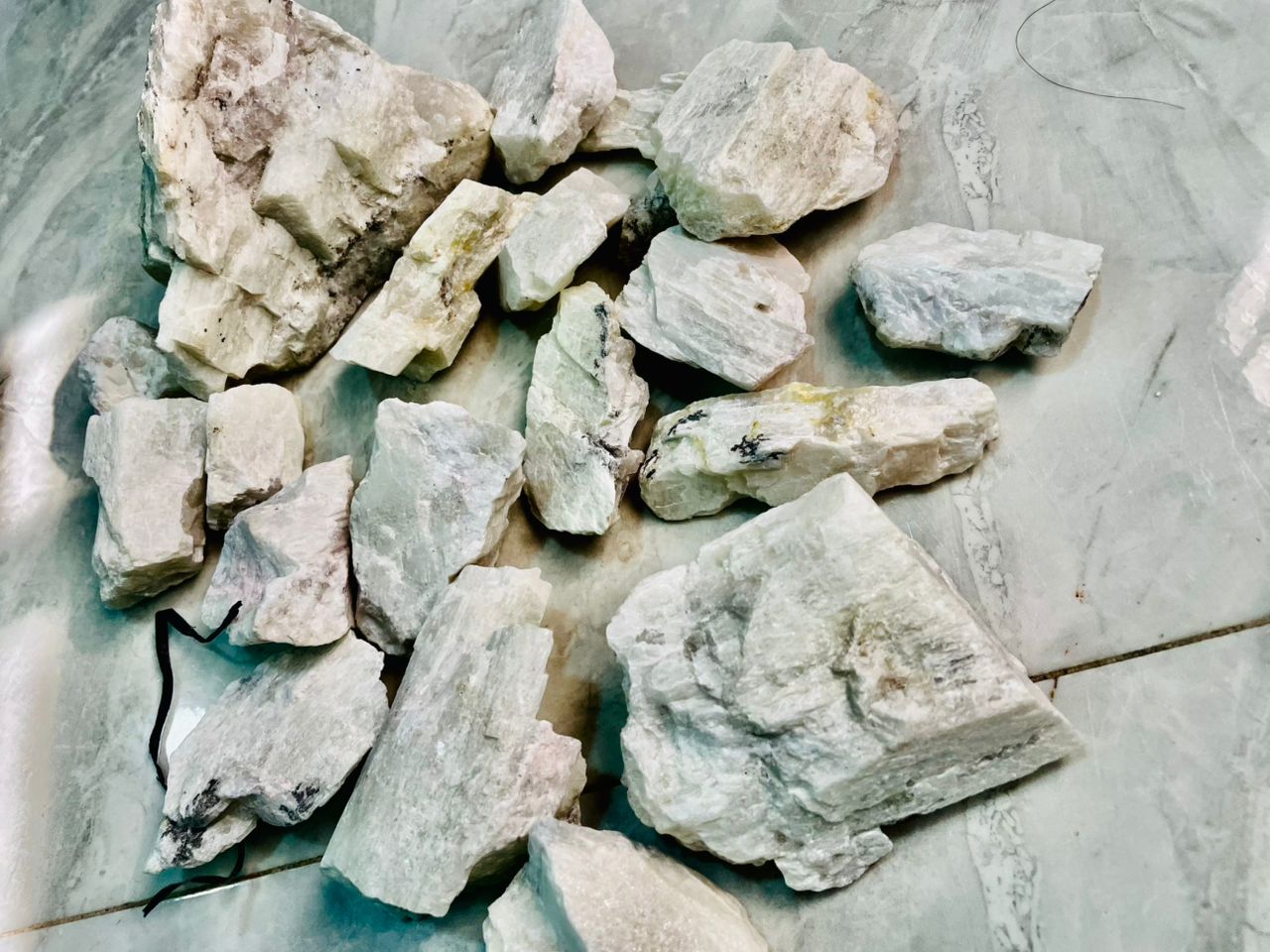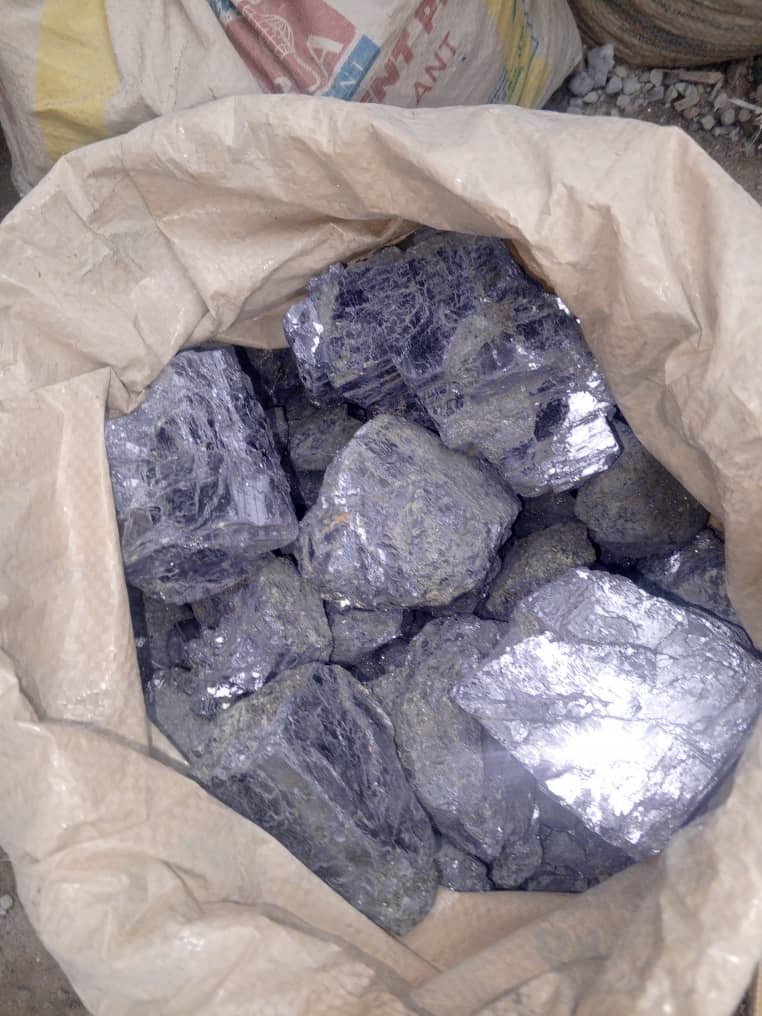
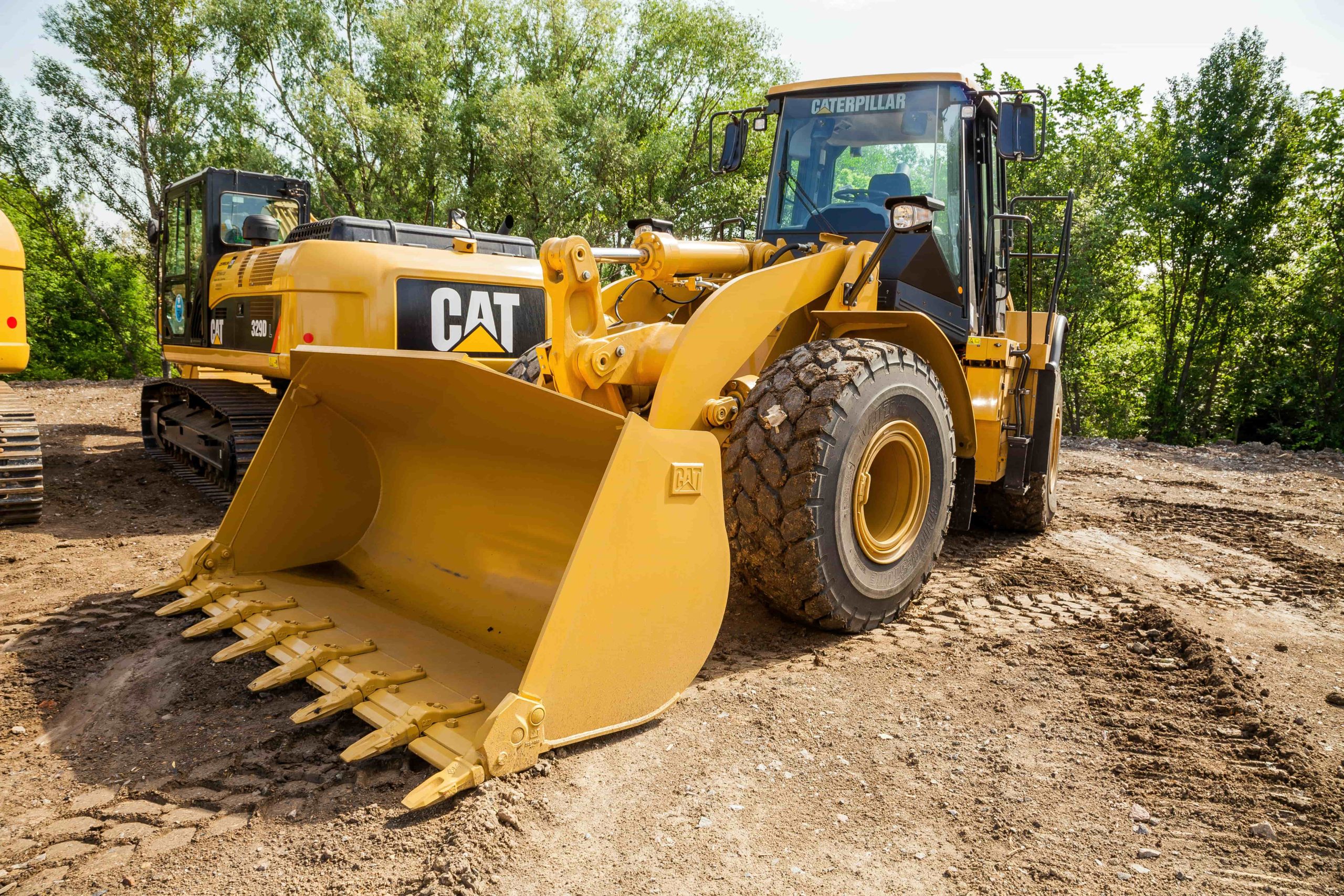

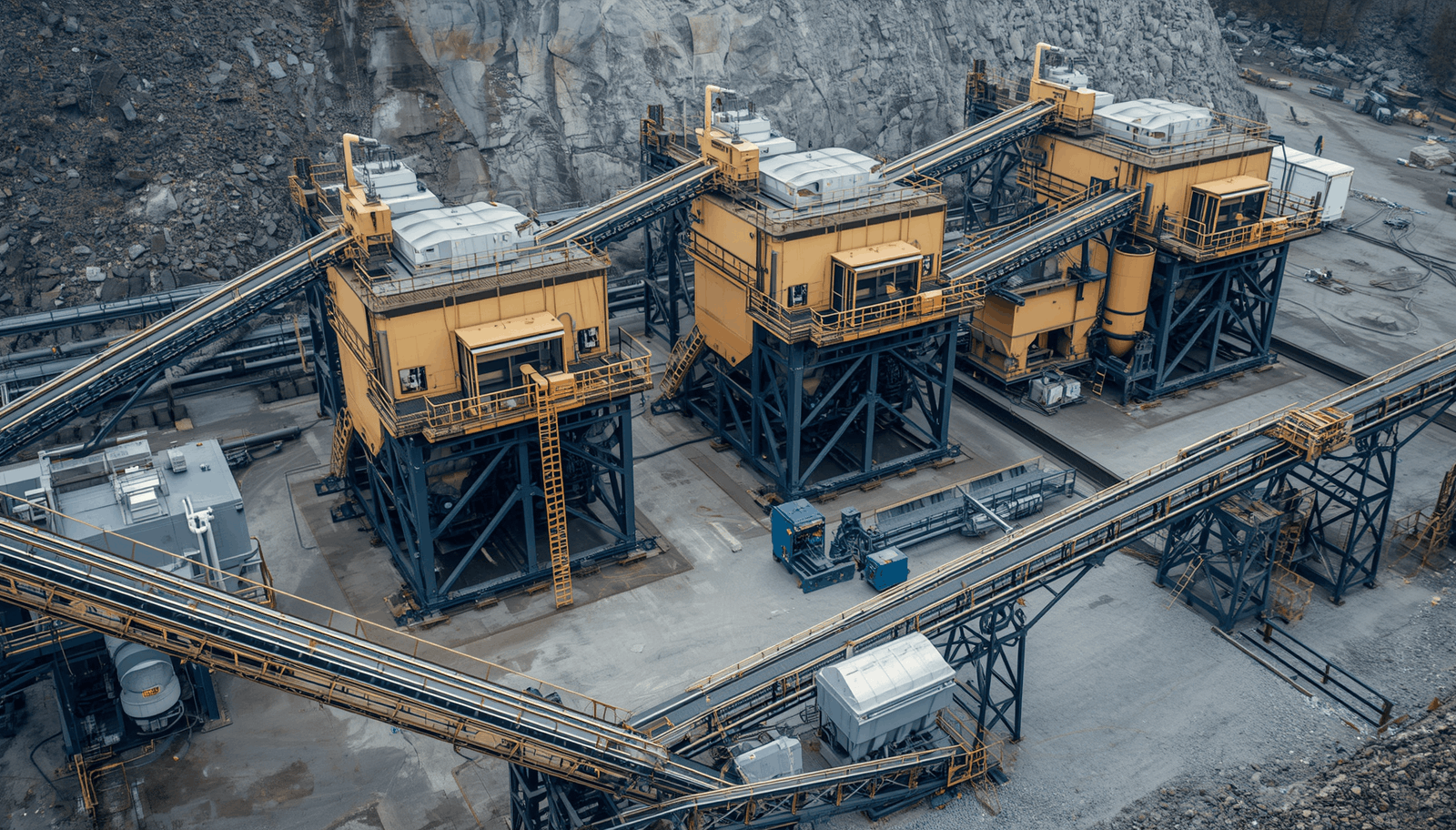
The mining industry has always been a cornerstone of economic development, supplying the raw materials required for manufacturing, infrastructure, energy production, and technological advancement. However, one of the biggest challenges facing mining companies today is how to maximize the value of extracted minerals while maintaining profitability in an increasingly competitive global market.
Many mining operators focus primarily on extracting and selling raw ore. While this approach can generate revenue, it often leaves substantial value untapped. The real opportunity lies in mineral processing. By establishing processing plants, mining companies can transform raw ore into higher-value products, improve recovery rates, reduce waste, and significantly increase profitability.
As global demand for critical minerals such as lithium, monazite, zircon, ilmenite, tin, tungsten, columbite, and rare earth elements continues to rise, the importance of mineral processing plants has become more evident than ever. Companies that invest in processing facilities position themselves to capture a larger share of the mineral value chain and achieve sustainable long-term growth.
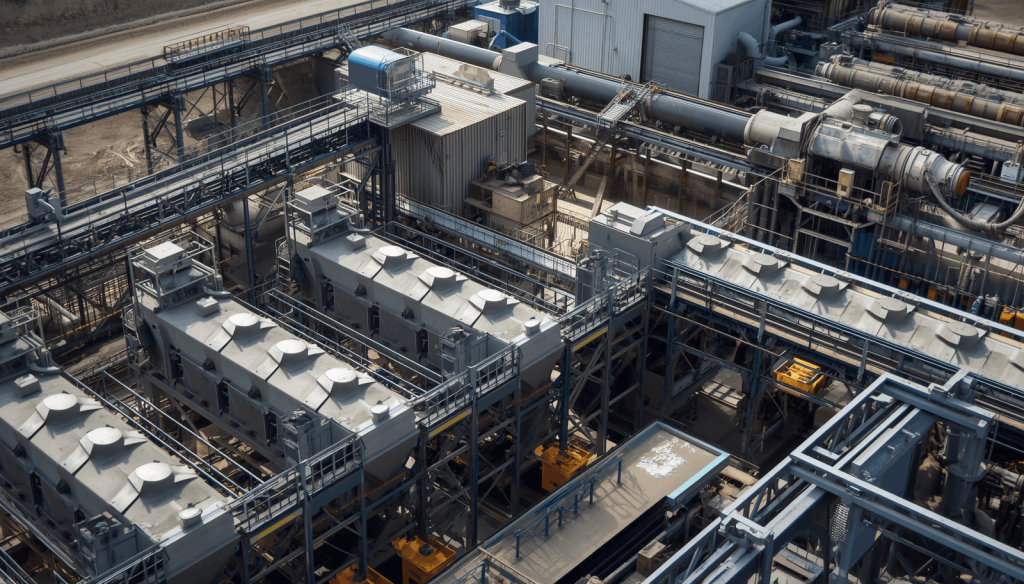
Understanding Mineral Processing Plants
A mineral processing plant is a facility designed to separate valuable minerals from waste materials and upgrade the quality of the ore before it is sold or exported. Depending on the mineral being processed, these facilities may use crushing, grinding, gravity separation, magnetic separation, flotation, screening, washing, or other advanced technologies.
The primary objective of a processing plant is to produce mineral concentrates with higher grades and greater market value than raw ore.
For example, a mining company may extract tin ore containing only 5% to 10% tin content. Through proper processing and beneficiation, the company can produce tin concentrate containing 60% to 75% tin, significantly increasing the value of the final product.
Adding Value to Raw Minerals
One of the most significant advantages of a mineral processing plant is value addition.
Raw minerals generally command lower market prices because buyers must invest additional resources to process and refine them. By upgrading ore before sale, mining companies can negotiate better prices and improve profit margins.
For example:
- Lithium ore can be processed into higher-grade spodumene concentrate.
- Tin ore can be upgraded into tin concentrate.
- Wolframite can be processed into tungsten concentrate.
- Monazite and zircon sands can be concentrated before export.
- Columbite ore can be beneficiated to increase niobium content.
The higher the mineral grade, the greater the market value and potential profitability.
Improving Mineral Recovery Rates
Mining operations often lose valuable minerals during extraction and handling. Without proper processing, a substantial portion of the resource may end up in waste dumps or tailings.
Modern processing plants use advanced recovery technologies to extract additional valuable minerals that would otherwise be lost.
Improved recovery rates provide several benefits:
- Increased production volumes.
- Better utilization of mineral resources.
- Reduced operational waste.
- Higher revenue from existing mining operations.
Even a modest improvement in recovery efficiency can significantly increase annual profits, especially for large-scale mining projects.
Reducing Transportation Costs
Transportation is one of the largest expenses in mining operations, particularly when exporting minerals to international markets.
Shipping raw ore often means transporting large quantities of waste material along with the valuable mineral content. Processing plants eliminate much of this waste before transportation.
For example, instead of exporting 100 tons of low-grade ore, a company may export only 20 tons of high-grade concentrate containing the same amount of valuable mineral.
This results in:
- Lower freight costs.
- Reduced handling expenses.
- Lower port charges.
- Improved export efficiency.
The savings generated through reduced transportation costs directly contribute to higher profitability.
Increasing Export Competitiveness
International buyers consistently prefer high-quality mineral concentrates because they reduce downstream processing requirements.
Mining companies that can supply processed minerals gain several competitive advantages:
- Access to premium markets.
- Improved buyer confidence.
- Stronger negotiating power.
- Long-term supply contracts.
- Better pricing opportunities.
As global competition for critical minerals intensifies, processing capabilities can become a major differentiating factor in the marketplace.
Creating Multiple Revenue Streams
A processing plant can generate additional revenue by recovering secondary minerals that may be present within the ore body.
For example, mineral sands operations may recover:
- Monazite.
- Zircon.
- Ilmenite.
- Rutile.
Similarly, tin mining operations may recover:
- Columbite.
- Tantalite.
- Tungsten minerals.
Rather than relying on a single product, companies can generate income from multiple mineral streams, reducing business risk and improving financial stability.
Supporting Sustainable Mining Practices
Sustainability has become an important consideration within the mining industry. Investors, governments, and consumers increasingly expect mining companies to adopt responsible practices.
Processing plants contribute to sustainability by:
- Maximizing resource utilization.
- Reducing waste generation.
- Lowering transportation emissions.
- Improving resource efficiency.
- Supporting environmentally responsible operations.
Companies that demonstrate sustainable mining practices often enjoy stronger relationships with regulators, investors, and international buyers.
Enhancing Investor Confidence
Investors generally view mining projects with processing capabilities as more attractive investments.
A processing plant demonstrates that a company is committed to moving beyond simple extraction and creating long-term value.
Key benefits for investors include:
- Higher revenue potential.
- Better profit margins.
- Increased operational efficiency.
- Greater resilience against commodity price fluctuations.
- Stronger competitive positioning.
As a result, mining companies with processing facilities often find it easier to attract financing and strategic partnerships.
Strengthening Local Economies
Processing plants also provide significant economic benefits to local communities.
The construction and operation of processing facilities create jobs in:
- Engineering.
- Construction.
- Equipment maintenance.
- Laboratory analysis.
- Plant operations.
- Logistics.
- Administration.
Additionally, value-added mineral processing increases local economic activity and contributes to national industrial development.
The Growing Importance of Processing Critical Minerals
The global transition toward renewable energy and advanced manufacturing has increased demand for critical minerals.
Minerals such as lithium, rare earth elements, zircon, tungsten, tin, and niobium play essential roles in electric vehicles, wind turbines, battery technologies, electronics, and defense applications.
Countries and companies that invest in mineral processing infrastructure are better positioned to benefit from this growing demand.
Rather than exporting raw materials, they can participate in higher-value segments of the global supply chain and capture greater economic benefits.
Conclusion
Processing plants are no longer optional for mining companies seeking sustainable growth and maximum profitability. They represent a strategic investment that enhances mineral recovery, increases product value, reduces transportation costs, improves market competitiveness, and creates multiple revenue streams.
As the global demand for critical minerals continues to expand, mining companies that invest in mineral processing infrastructure will be better positioned to capitalize on emerging opportunities and strengthen their position within the international mineral supply chain.
By transforming raw ore into high-value mineral concentrates, processing plants enable mining companies to unlock the full potential of their resources while achieving long-term profitability and sustainable business growth.
-
Previous Post
Building a Profitable Mining Business in Nigeria
Post a comment
Related Posts
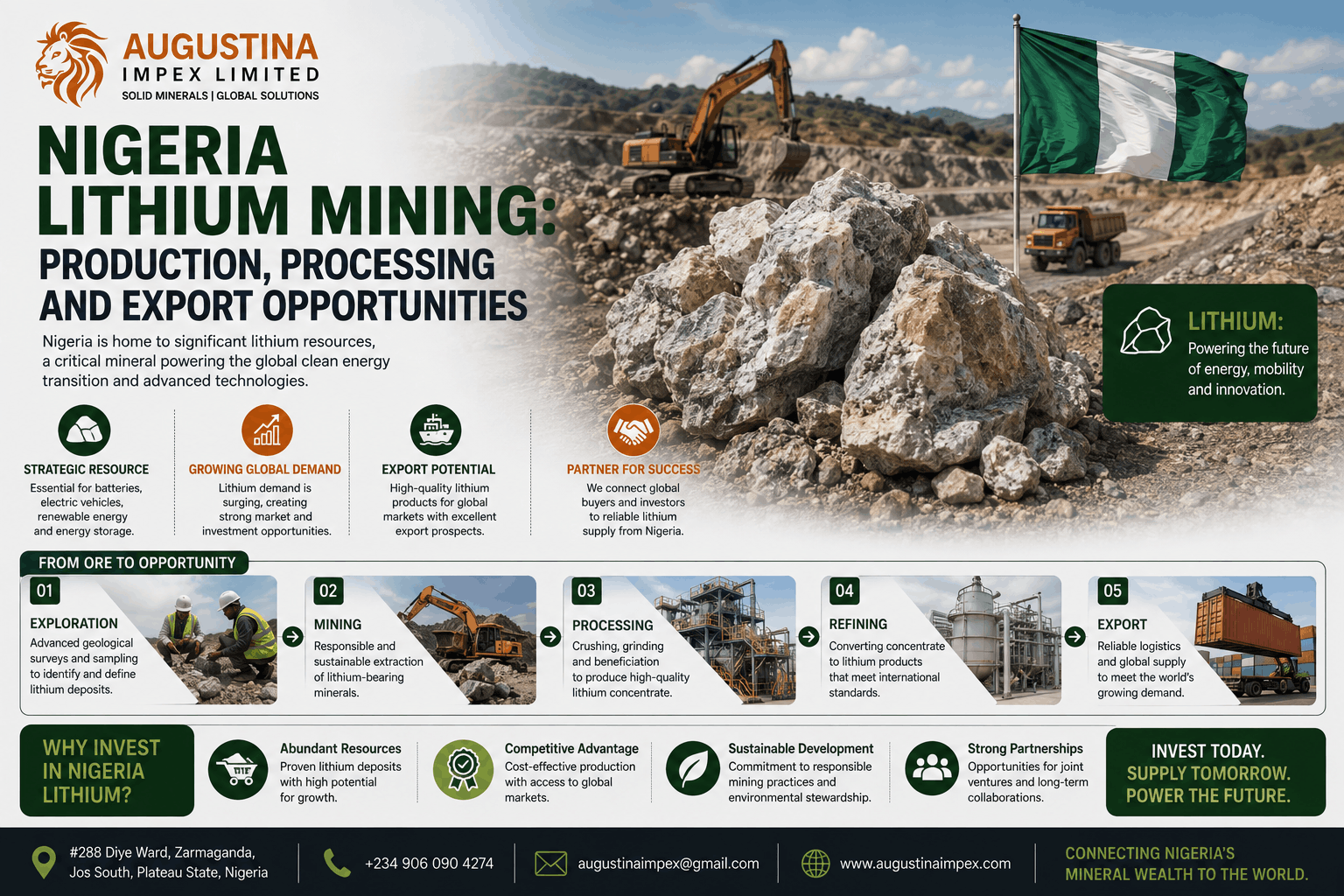
Nigeria Lithium Mining: Production, Processing & Export
Nigeria Lithium Mining: Production, Processing and Export Opportunities By Kolawole King, CEO — Augustina Impex…
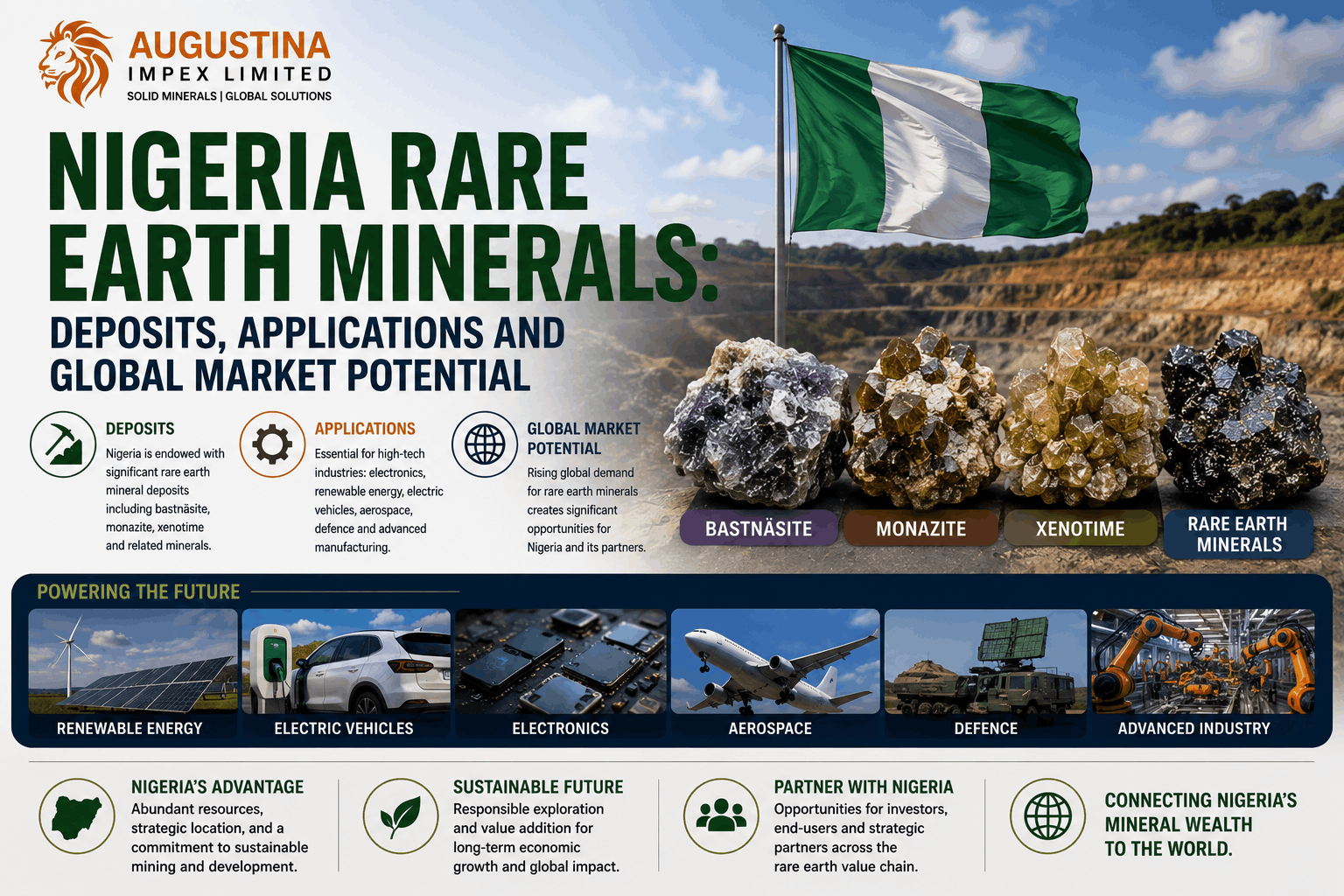
Nigeria Rare Earth Minerals: Deposits & Market Potential
Nigeria Rare Earth Minerals: Deposits, Applications and Global Market Potential By Kolawole King, CEO —…
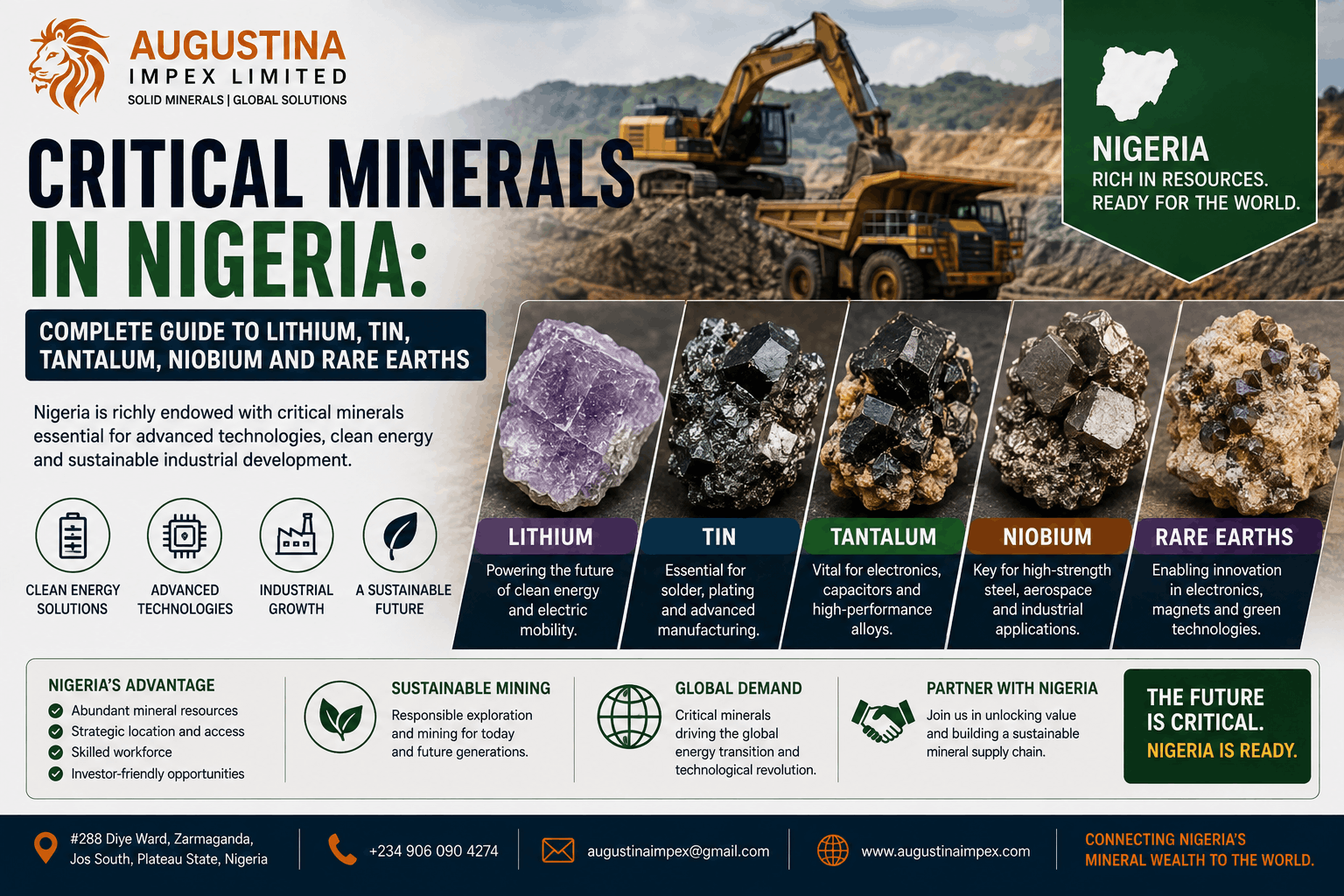
Nigeria Critical Minerals Guide: Lithium, Tin & Rare Earths
Critical Minerals in Nigeria: Complete Guide to Lithium, Tin, Tantalum, Niobium and Rare Earths By…
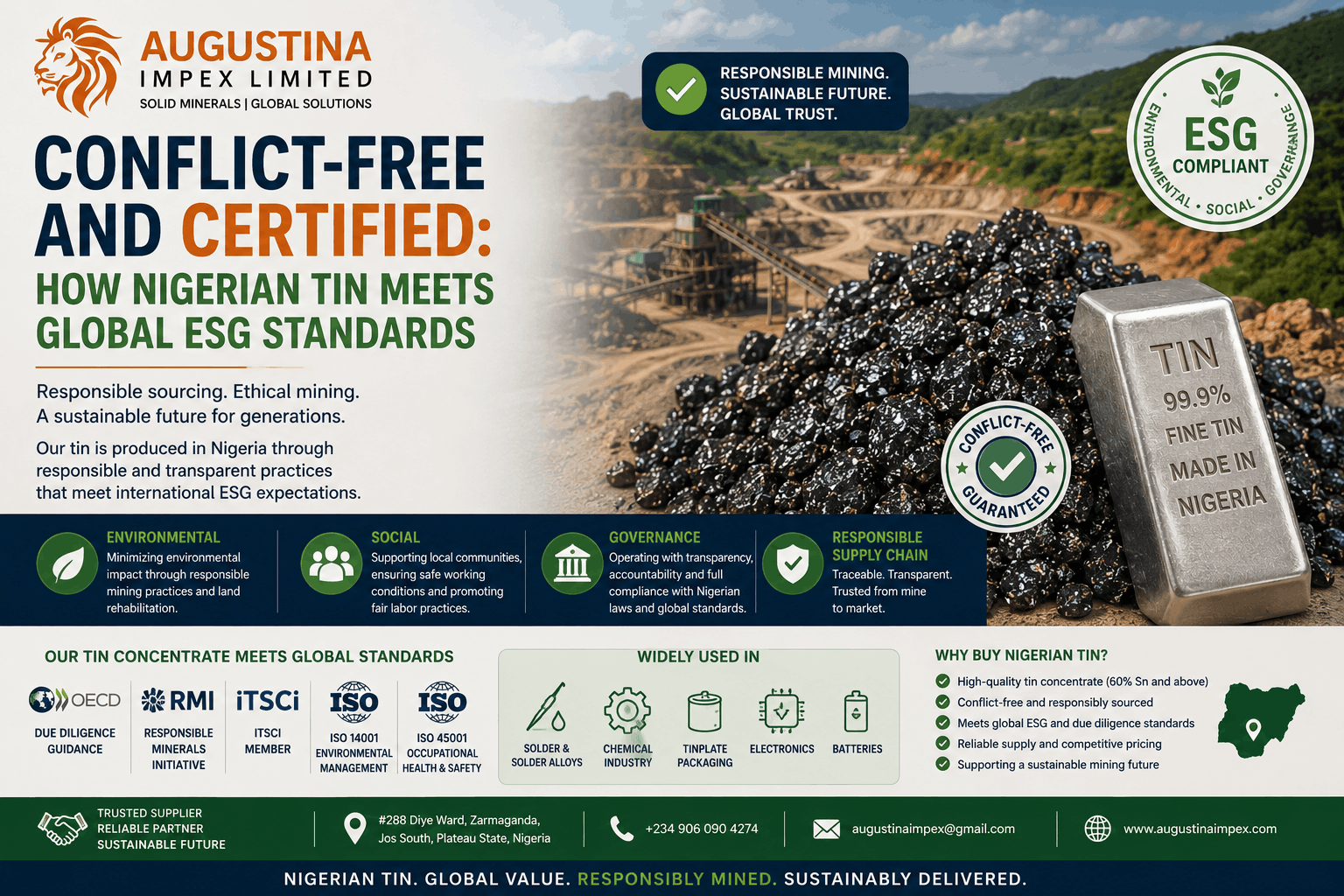
Conflict-Free Nigerian Tin Meets Global ESG Standards
Conflict-Free and Certified: How Nigerian Tin Meets Global ESG Standards By Kolawole King, CEO —…