
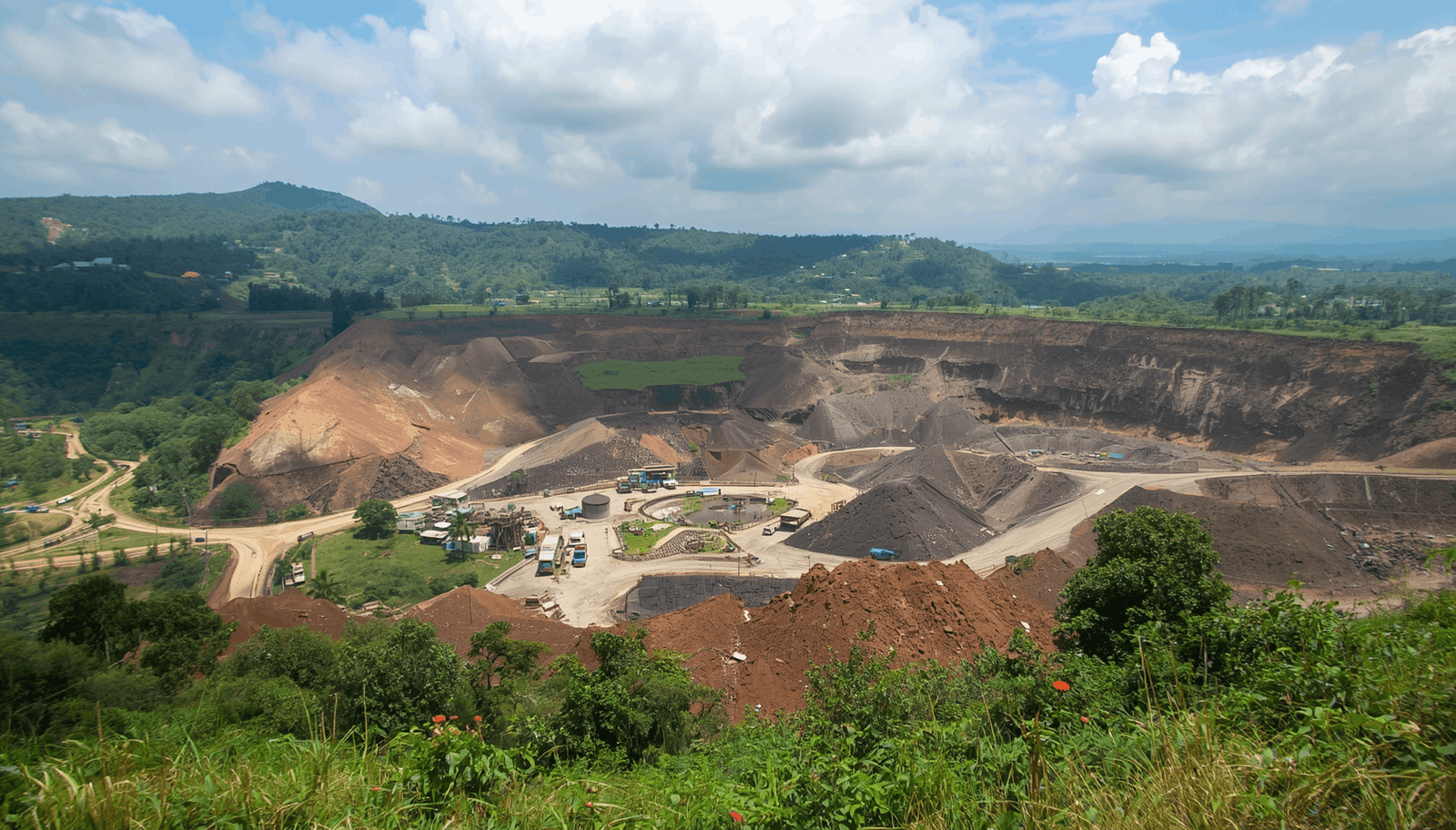
There is a hard lesson buried in Nigeria’s economic history, and I have watched our mining sector edge toward repeating it for most of my twenty-four years in this trade. The lesson comes from the Niger Delta. We were promised that oil would bring nothing but prosperity, and instead, decades of spills, gas flaring, and weak remediation poisoned rivers, displaced communities, and corroded public trust in ways we are still paying for today. That was not a failure of geology. It was a failure of stewardship. And every time I see a mining pit abandoned and unreclaimed, or a community left to drink water fouled by an operation that has long since moved on, I recognise the early symptoms of the same disease.
This is why a conversation about Environmental Sustainability in Nigerian Mining is not a soft, optional addendum to the real business of extraction. It is the real business. As Nigeria races to become a serious player in lithium, tin, columbite, and the other minerals the world’s energy transition demands, the question is no longer whether we can dig things out of the ground. It is whether we can do it in a way that leaves the land, the water, and the people of our mining communities better off rather than worse. Let me set out honestly where we stand, what the rules actually require, and where the gap between the law and the ground still yawns wide.
What Unsustainable Mining Actually Costs
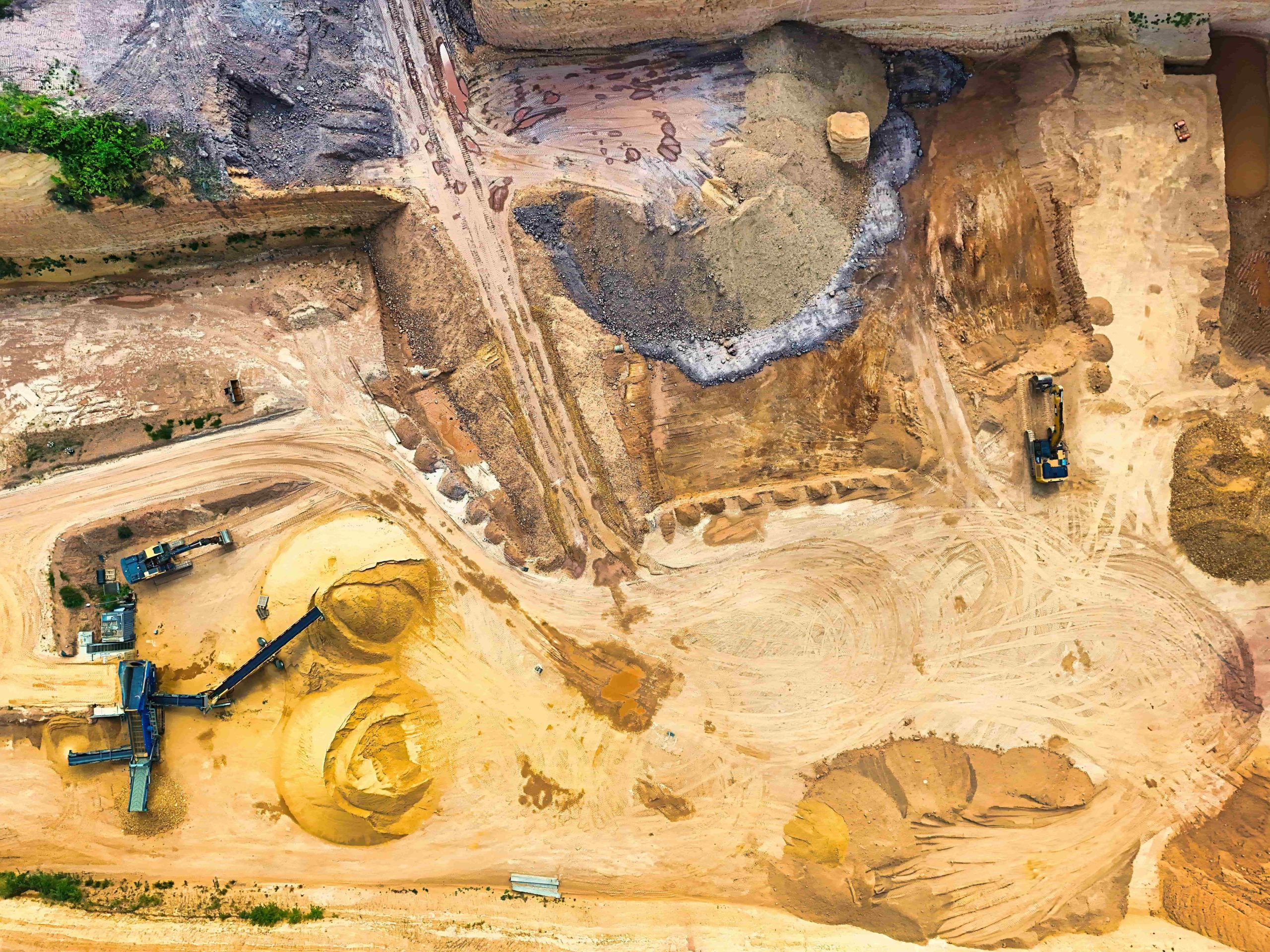
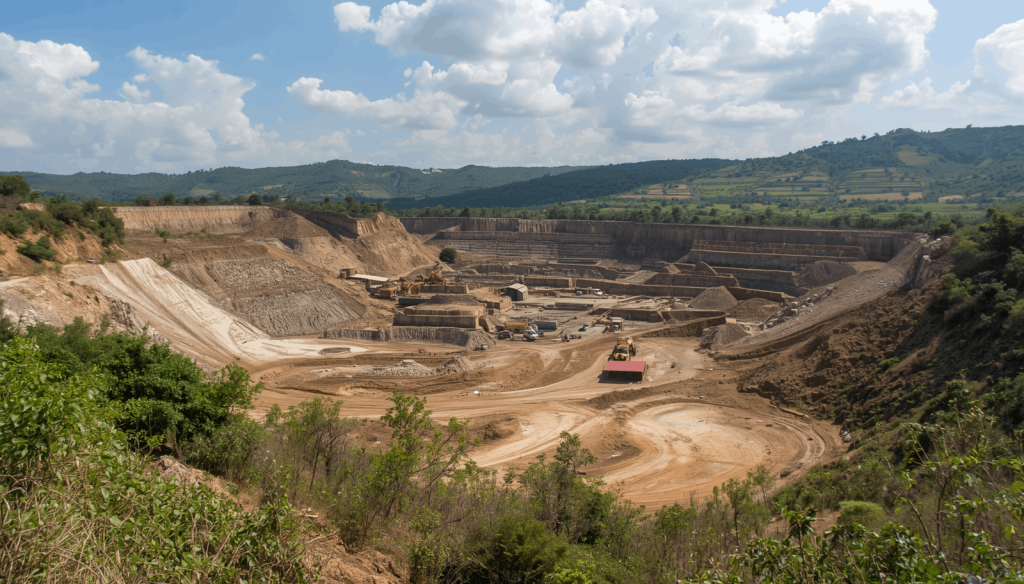
It is tempting to treat environmental damage as an abstraction, a line in a sustainability report. On the ground it is anything but. The consequences of careless extraction are stark and specific: land degradation that renders farmland useless, water pollution that taints the streams communities depend on, biodiversity loss, deforestation, and the social unrest that inevitably follows when people feel their home has been despoiled for someone else’s profit. In our gold-mining belts, the toll has at times been measured in human lives through mercury and lead poisoning.
Critical academic reviews of mineral exploration in Nigeria keep returning to the same findings, and they are uncomfortable. The damage is worst precisely where environmental regulations are poorly enforced and unauthorised mining is rampant. The systemic flaws are not mysterious: ineffective institutional coordination, insufficient environmental monitoring, and the near-total exclusion of affected communities from the decisions that reshape their own land. The recent experience around the lithium rush in Nasarawa is a live warning. The very communities sitting on the mineral wealth that is supposed to enrich the nation have reported environmental, social, and security strains rather than benefits. The point is simple. Unsustainable mining does not merely harm the environment. It undermines the economic case for mining itself, because degraded land, angry communities, and reputational damage eventually cost more than they ever earned.
The Rules We Already Have
One thing I want to correct, because it is widely misunderstood, is the notion that Nigeria has no environmental framework for mining. We do. The trouble has rarely been the absence of rules; it has been the enforcement of them.
The Nigerian Minerals and Mining Act of 2007, together with the Mining Regulations of 2011, provides the legal foundation, and it carries provisions pointing toward responsible practice, including obligations around community development agreements. Layered onto that is a body of broader environmental law: the Environmental Impact Assessment Act, which requires any project likely to significantly affect the environment to undergo a formal assessment before it proceeds; the law establishing the national environmental enforcement agency; and, more recently, the Climate Change Act of 2021 with its associated carbon frameworks. For minerals carrying naturally occurring radioactive material, such as the monazite my own company trades, there is specific nuclear and radiation-protection oversight as well.
What is changing now is the surrounding climate of expectation. Nigeria has signalled its commitment to global sustainability standards, endorsing the adoption of the international ISSB climate and sustainability disclosure frameworks on a phased timeline that moves from voluntary adoption toward mandatory disclosure for public-interest entities later this decade. Sustainability and ESG excellence have moved from the fringes to the main stage of the sector’s flagship gatherings. The direction is unmistakable: environmental performance is becoming something operators will be measured and, increasingly, financed on.
Sustainability as Strategy, Not Charity
Here is where I want to challenge a lazy assumption, including among some of my peers. Too many operators still treat environmental compliance as a cost to be minimised, a box to be ticked grudgingly. That framing is not only morally thin, it is commercially obsolete. The global buyers and financiers who matter most now scrutinise the ESG credentials of their supply chains. Responsible sourcing is no longer a courtesy; it is a condition of market access.
What does sustainability actually look like in practice? It means conducting genuine environmental impact assessments before breaking ground, not as paperwork after the fact. It means progressive land reclamation and the restoration of degraded sites, so that a worked-out pit becomes farmland or forest again rather than a hazard. It means managing water responsibly and preventing the heavy-metal contamination that has scarred too many communities. It means real community engagement through honest development agreements, so that host communities share in the value rather than only bearing the cost. And it increasingly means embracing nature-based solutions and cleaner technology to reduce the carbon and ecological footprint of operations. Done properly, these are not acts of charity. They are the things that keep a mining business bankable, insurable, licensed, and welcome.
The Honest Challenges
I would be selling you a fantasy if I pretended the path to sustainability were smooth, so let me name the obstacles plainly, because they are real and they are stubborn.
Enforcement is the first and largest. Good laws sit unenforced because the institutions meant to monitor and police them are under-resourced and poorly coordinated. A regulation that no one inspects is a regulation in name only.
Informality is the second. A very large share of Nigerian mining remains artisanal and unlicensed, and it is almost impossible to hold an operator to environmental standards when that operator is invisible to the system. Sustainability and formalisation are bound together; you cannot fully deliver one without the other.
Cost and capacity form the third. Reclamation, proper water management, and impact assessments require capital and technical skill that many operators, especially small ones, simply do not have, and the financing ecosystem to support them is still thin. The fourth is the persistent exclusion of communities from decision-making, which breeds the resentment that turns environmental problems into security problems. And underlying all of it is the temptation, in a country hungry for revenue, to treat environmental protection as the thing to sacrifice first when speed and money are on the line. That temptation is exactly the one the Niger Delta should have cured us of.
None of these challenges make sustainability optional. They define the seriousness required to achieve it.
Where Augustina Impex Fits In
I have not written this as a distant observer. The environmental reality of Nigerian mining is woven into the work my company does every day. At Augustina Impex Limited, we have spent more than two decades trading and facilitating the export of Nigeria’s solid minerals, from tin, columbite, and tantalite to monazite, ilmenite, zircon, lithium, fluorite, and garnet. That work has taught us that the provenance of a mineral matters as much as its grade, and that the buyers who pay the best prices increasingly want assurance that what they are purchasing was responsibly sourced.
For international buyers and investors, we offer the on-the-ground knowledge and sourcing networks to connect them with material whose origins they can stand behind. For miners and cooperatives, we provide a credible route to markets that reward not just quality and consistency but responsible practice, which is becoming the surest path to premium pricing and durable demand. As Nigeria works to align its mining sector with global sustainability standards, the firms that can bridge responsible producers and discerning buyers will be central to making that alignment real rather than rhetorical, and that is the role we are built to play.
If Environmental Sustainability in Nigerian Mining matters to your operation, whether you are an investor weighing ESG risk, a buyer seeking responsibly sourced minerals, or a producer wanting a trustworthy partner who understands both the market and the obligations that come with it, I would welcome a conversation. The bill for getting this wrong has already been paid once in this country. We do not need to pay it again.
Kolawole King Chief Executive Officer, Augustina Impex Limited #288 Diye Ward, Zarmaganda, Jos South, Plateau State, Nigeria Email: augustinaimpex@gmail.com WhatsApp: +234 906 090 4274 Website: https://augustinaimpex.com Blog: https://augustinaimpexng.blogspot.com/ Advert Video: https://www.youtube.com/watch?v=Izg0t7By6co
#SustainableMining #EnvironmentalSustainability #ESGMining #NigerianMining #ResponsibleMining #LandReclamation #MiningRegulation #SolidMineralsNigeria #GreenMining #EnvironmentalImpactAssessment #MiningReforms #CriticalMinerals #CommunityDevelopment #WaterPollution #Biodiversity #MineralValueAddition #ClimateChangeAct #NESREA #AugustinaImpex #NigeriaMining #ISSBDisclosure #ResponsibleSourcing
Post a comment
Related Posts
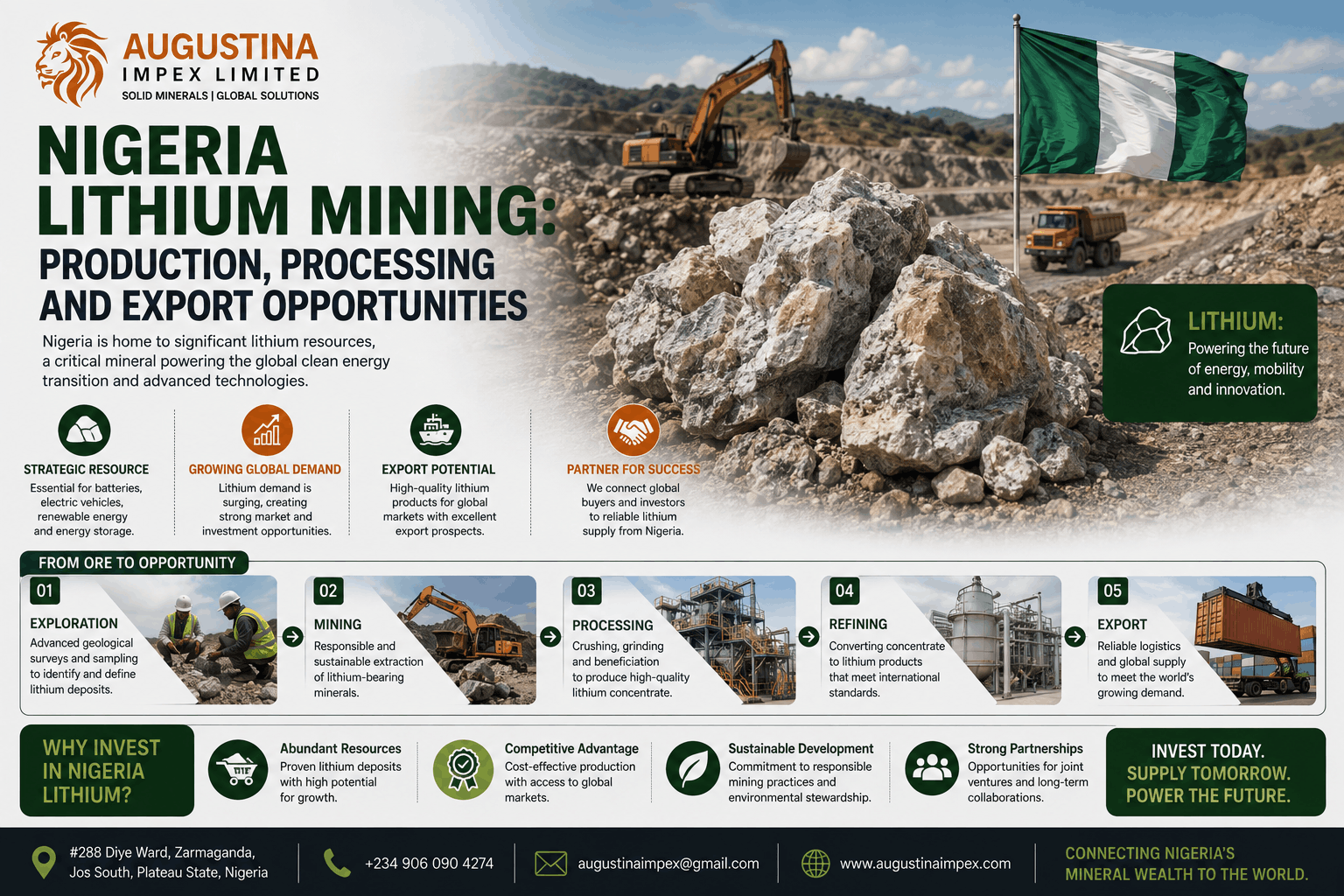
Nigeria Lithium Mining: Production, Processing & Export
Nigeria Lithium Mining: Production, Processing and Export Opportunities By Kolawole King, CEO — Augustina Impex…
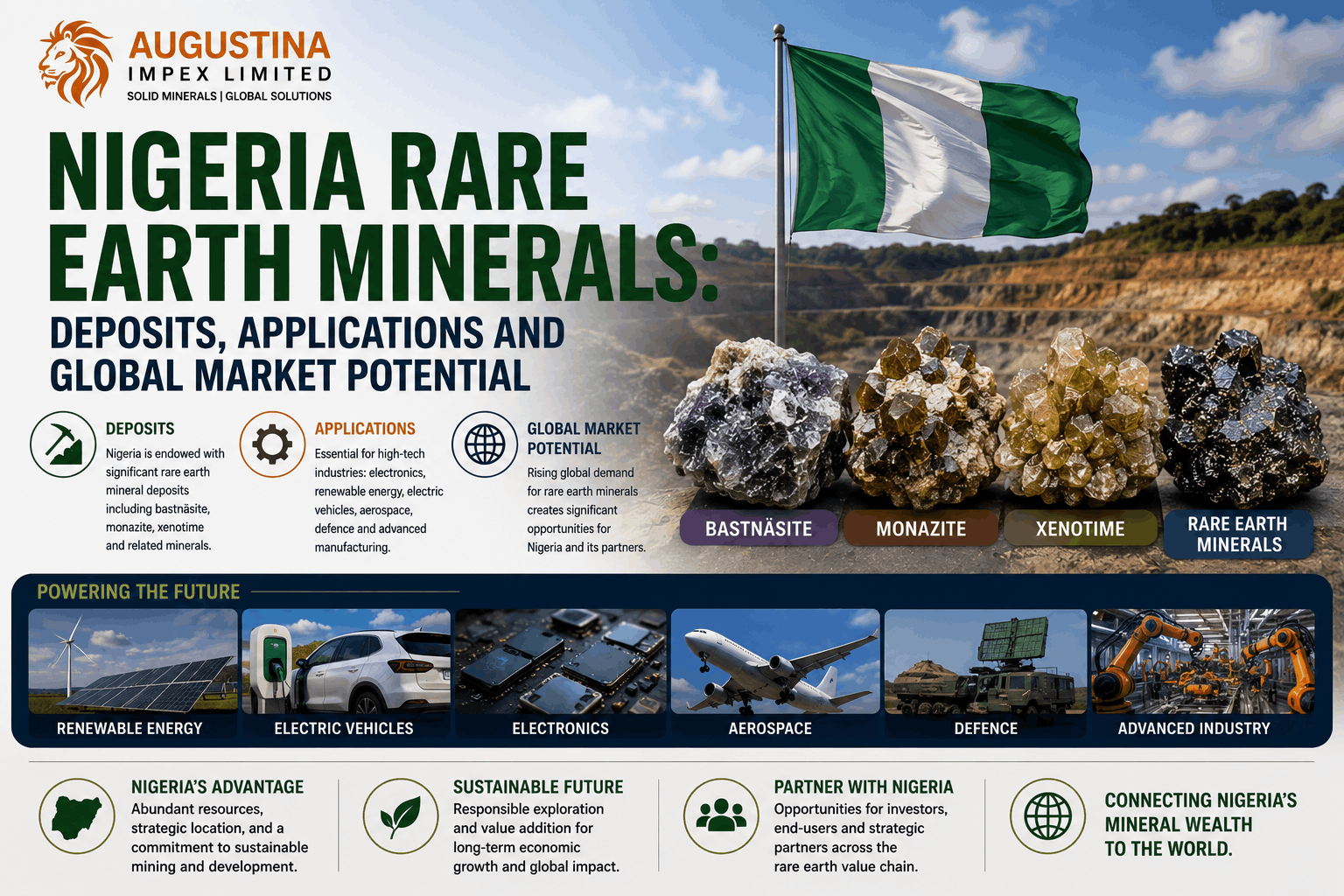
Nigeria Rare Earth Minerals: Deposits & Market Potential
Nigeria Rare Earth Minerals: Deposits, Applications and Global Market Potential By Kolawole King, CEO —…
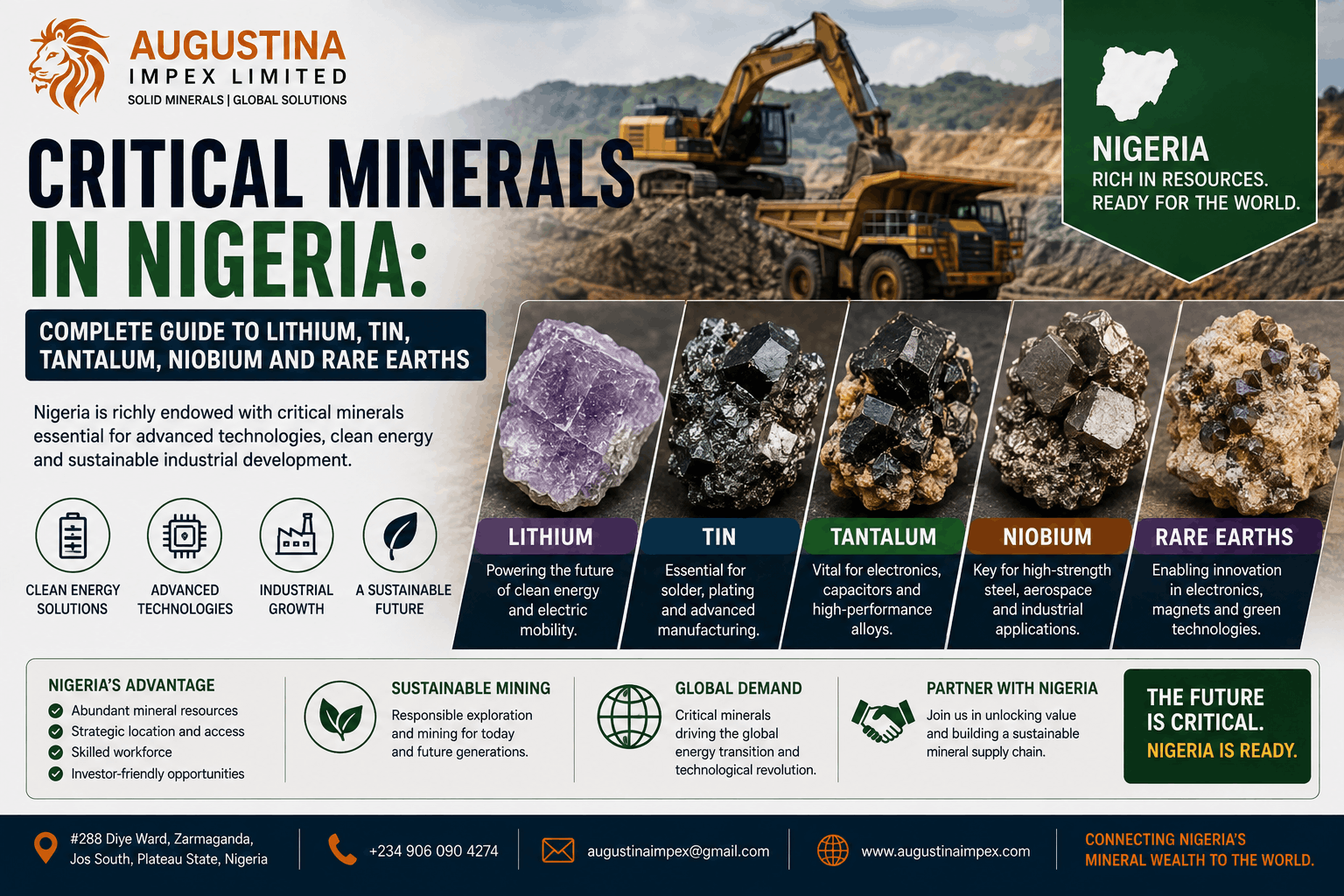
Nigeria Critical Minerals Guide: Lithium, Tin & Rare Earths
Critical Minerals in Nigeria: Complete Guide to Lithium, Tin, Tantalum, Niobium and Rare Earths By…
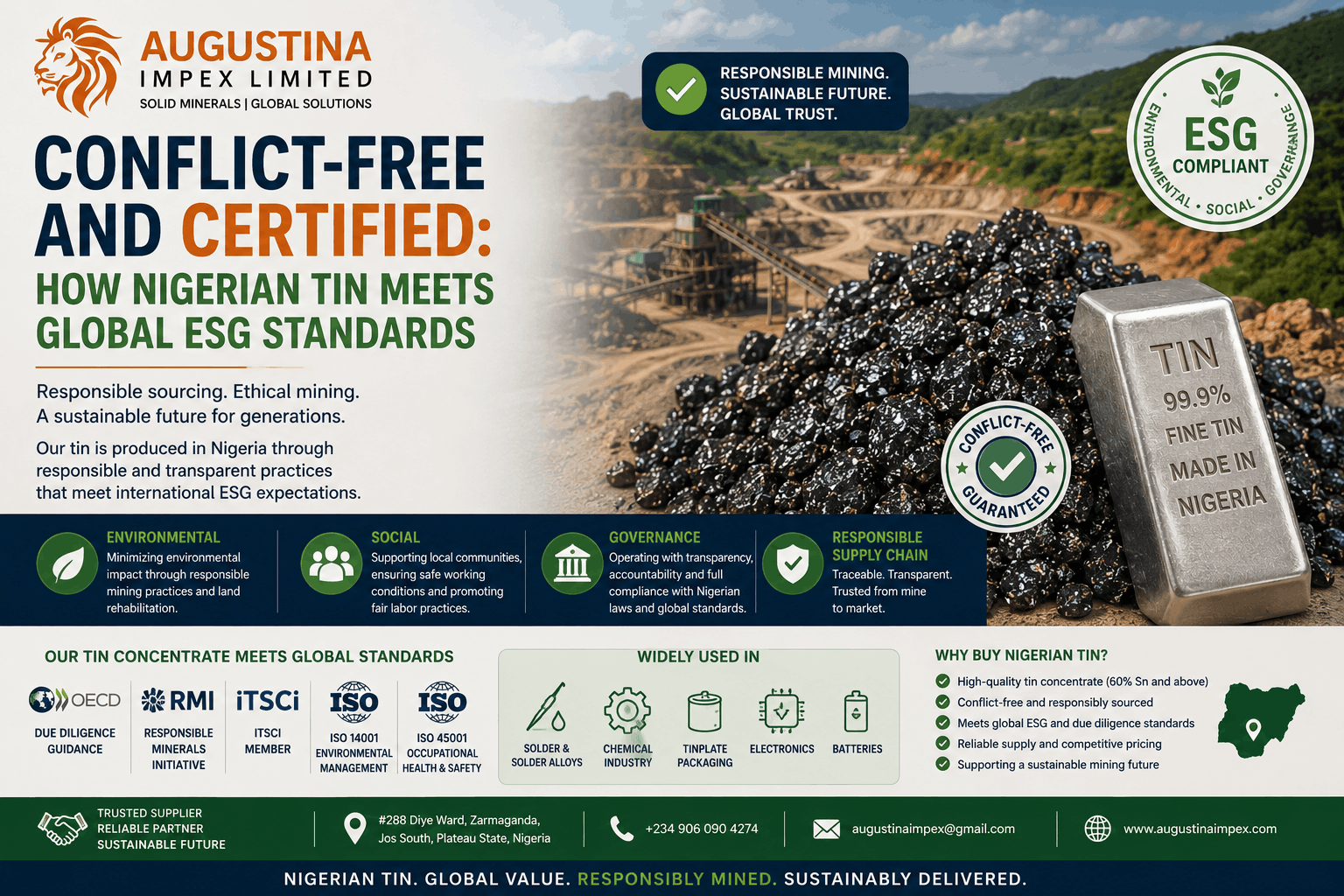
Conflict-Free Nigerian Tin Meets Global ESG Standards
Conflict-Free and Certified: How Nigerian Tin Meets Global ESG Standards By Kolawole King, CEO —…