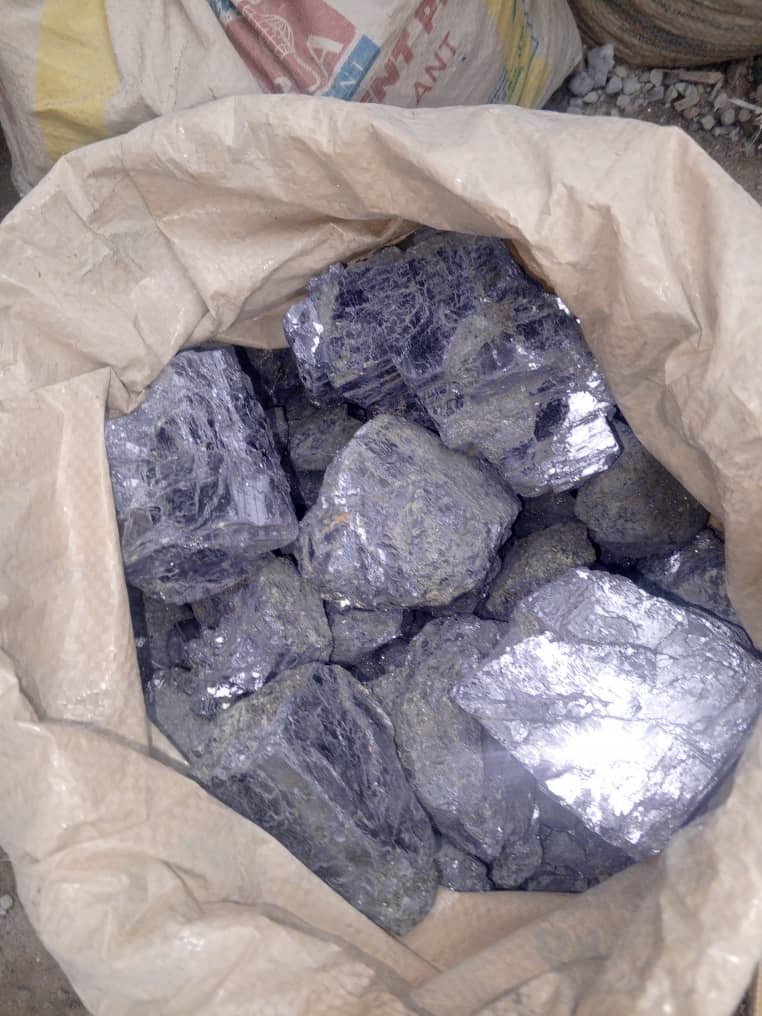

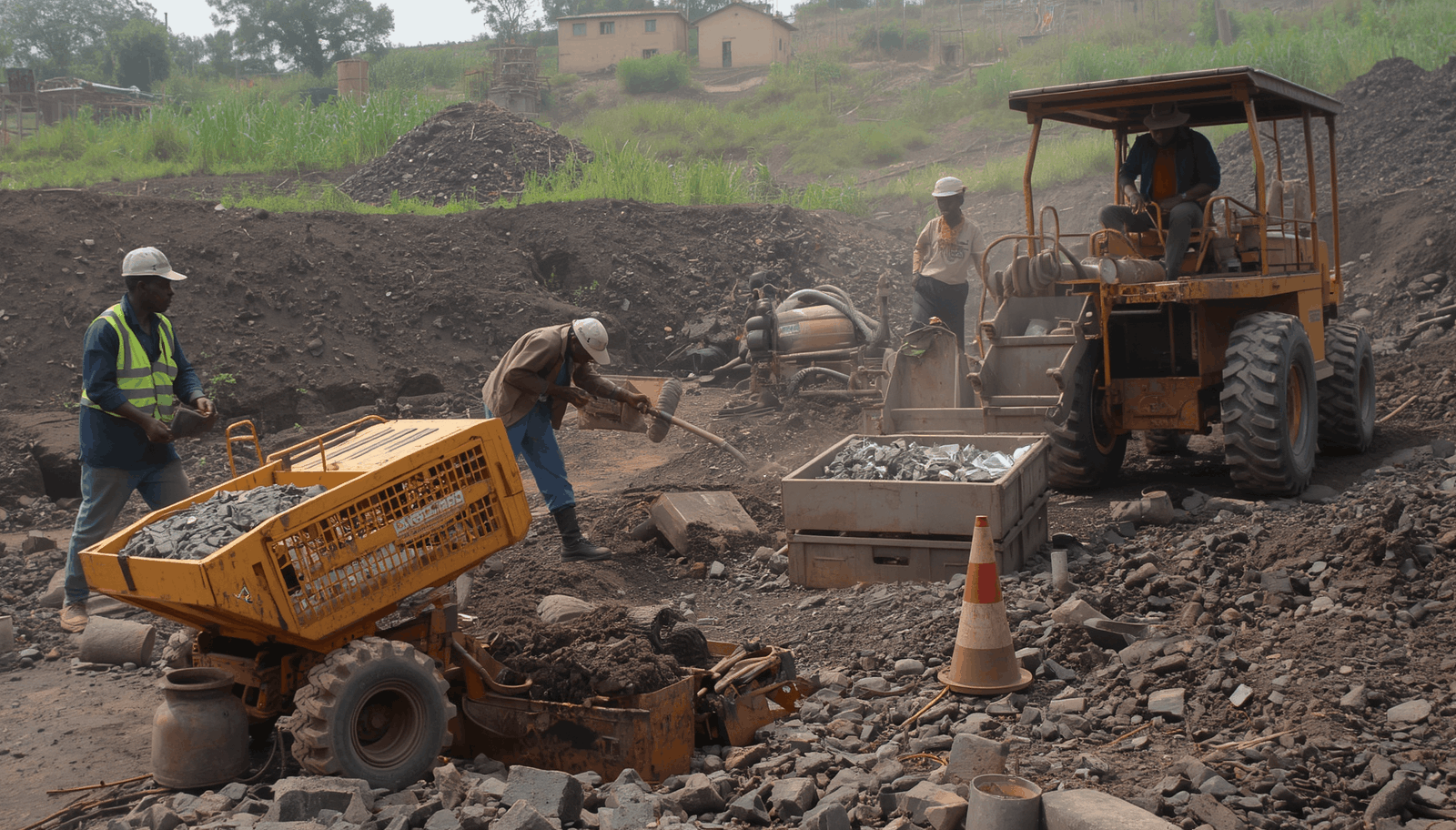
If you have ever stood at the edge of an artisanal mining pit in Plateau or Nasarawa, as I have done more times than I can count over my twenty-four years in this trade, you will have seen the same scene that has played out across Nigeria for the better part of a century. Men and women, often whole families, working a deposit with little more than shovels, headpans, hand sieves, and the kind of stubborn endurance that no spreadsheet ever captures. They are pulling tin, columbite, tantalite, lithium, and gold out of the ground with their bare hands and the simplest of tools. And every time I watch it, I think the same two thoughts at once: what extraordinary resilience, and what an extraordinary waste.
That tension sits at the very heart of any honest discussion about the Mechanization of Artisanal Mining in Nigeria. We are not talking about replacing these miners with machines, as some fear. We are talking about giving people who already do the hardest work in the value chain the tools to do it more safely, more productively, and more profitably. This is one of the most important and least understood conversations in our sector, so let me set out plainly what mechanization actually means, why it matters now more than ever, and where the real obstacles lie.
A Sector Hiding in Plain Sight
The first thing outsiders fail to grasp is the sheer scale of artisanal and small-scale mining. Globally, this sector employs somewhere between eighty and one hundred million people and accounts for as much as ninety percent of the mining workforce. In Nigeria, it sustains the livelihoods of millions, and it produces a very large share of what actually leaves our mines. The minerals that anchor the global energy transition, including the lithium and tin and tantalum that the world is now scrambling for, very often begin their journey in the hands of an artisanal miner working without a licence, without finance, and without a single piece of mechanized equipment.
This is the paradox of our sector. The artisanal miner is simultaneously indispensable and invisible. Indispensable because they are integral to the value chain, a point the government itself now openly acknowledges by reframing them not as criminals but as “junior miners” who belong inside the formal system. Invisible because for decades their output went undocumented, their safety unprotected, and the bulk of the value they created captured by middlemen and predatory lenders rather than by the miners themselves. Understanding mechanization requires first understanding that we are talking about formalising and empowering an enormous workforce that already exists, not conjuring a new one.
Why the Pickaxe Holds Us Back
Hand tools impose a hard ceiling on everything. They limit how much ore a miner can extract, how deep and how safely they can go, and the grade and consistency of what they bring to the surface. A pit worked by hand floods, collapses, and exposes its workers to appalling hazards, including the mercury and lead poisoning that has scarred too many of our gold-mining communities. And the economics are brutal: low-tech, labour-intensive extraction produces small, irregular volumes of variable quality, which is precisely the kind of supply that industrial buyers and the new processing plants cannot rely on.
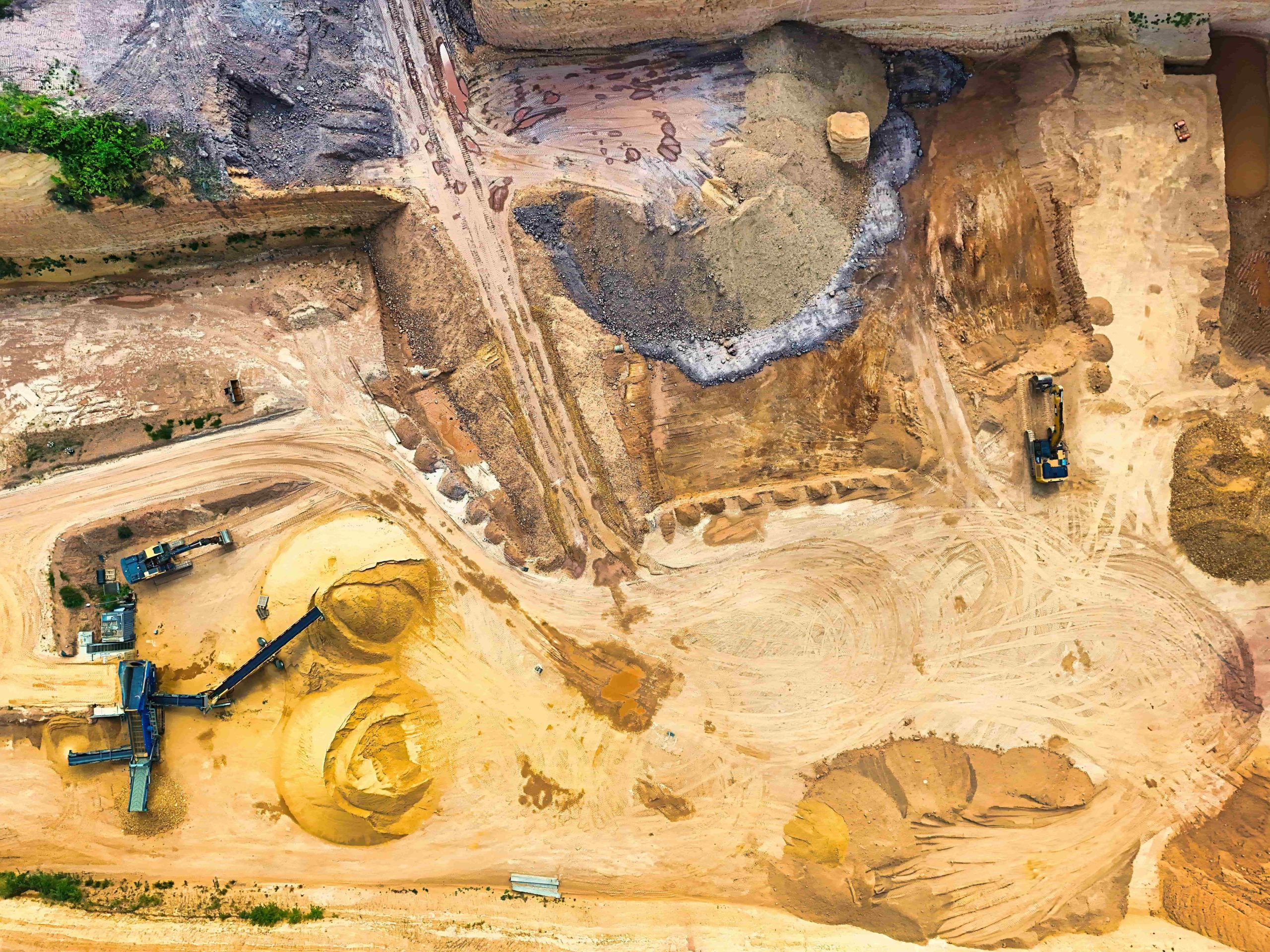
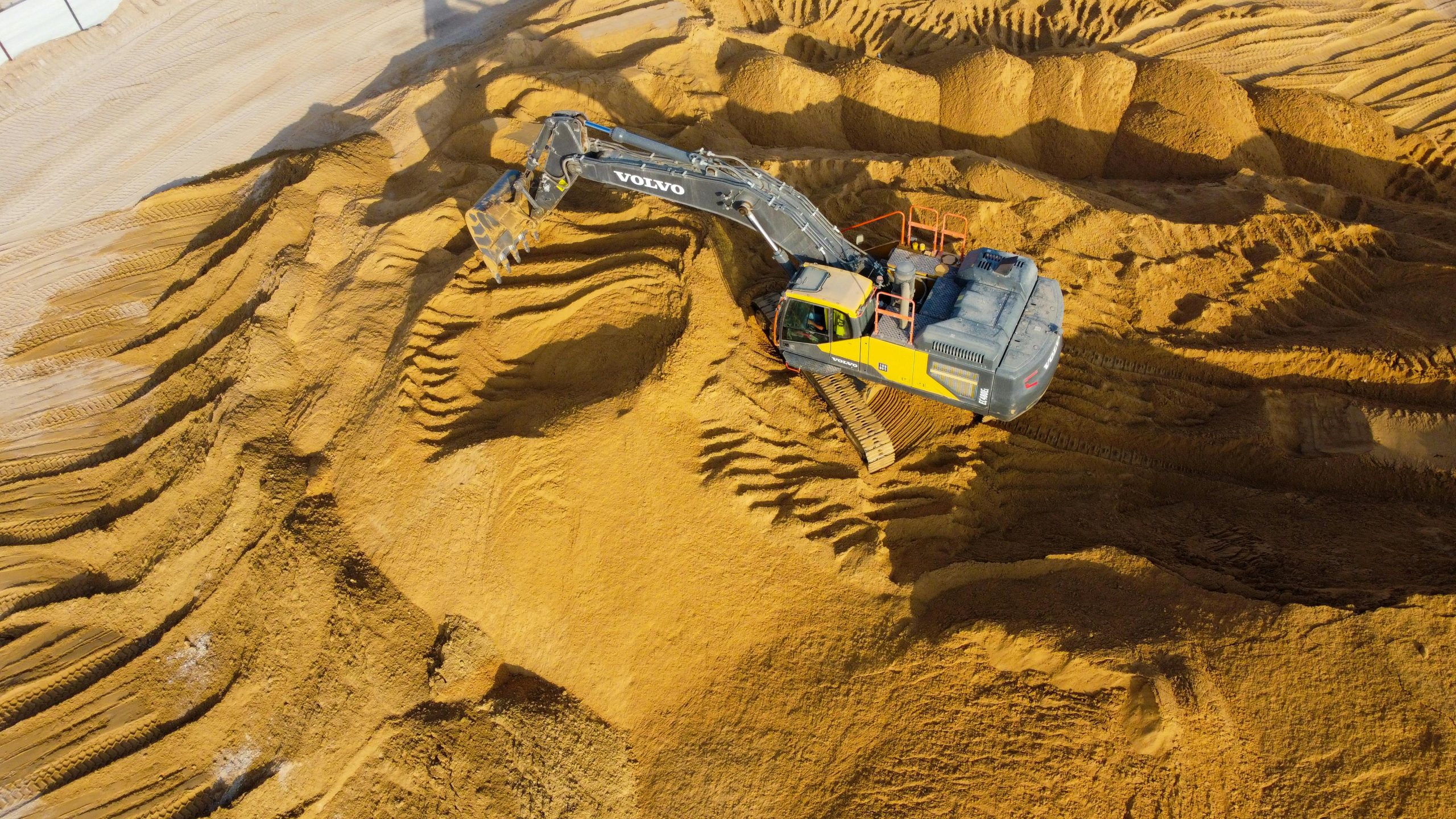
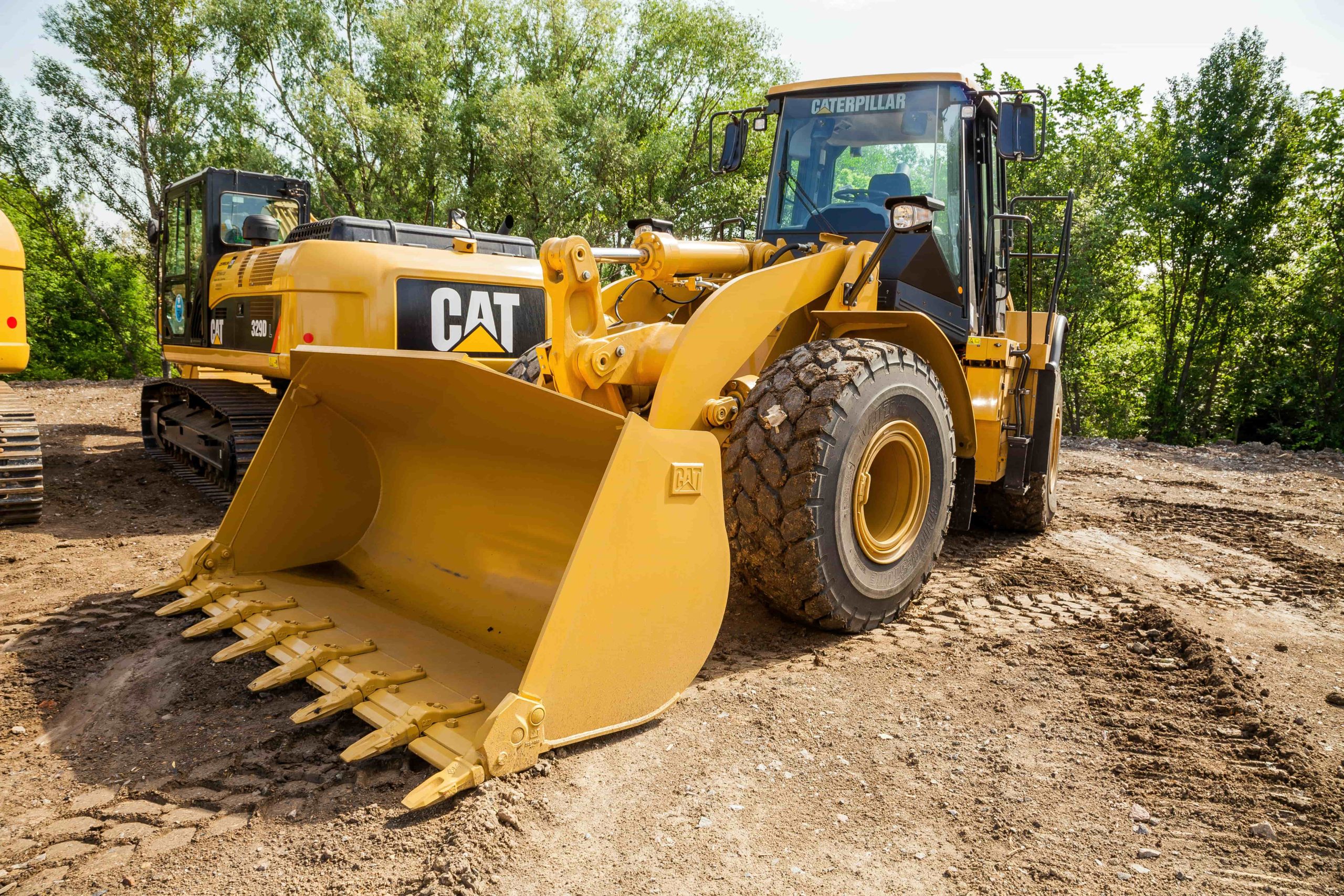
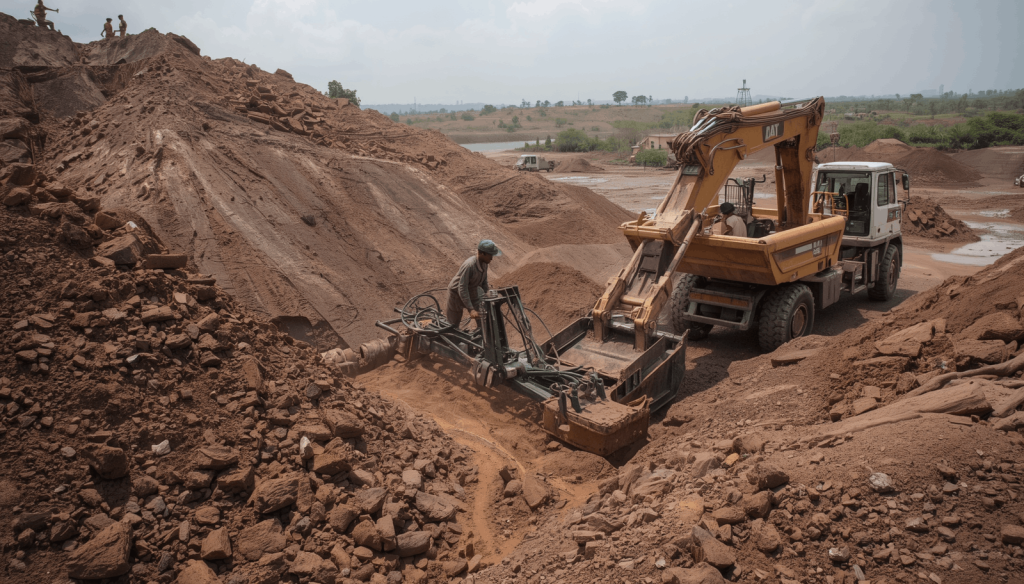
Mechanization changes that equation at every level. Even modest equipment, such as water pumps to dewater pits, jackhammers and compressors, simple crushers, mechanized sluices and shaking tables for concentration, small excavators, and proper safety gear, transforms what a cooperative can achieve. Output rises. Recovery rates improve. The work becomes dramatically safer. Crucially, the miner begins producing the larger, more consistent, better-characterised volumes that command real prices and feed the beneficiation plants Nigeria is now building. Mechanization is the bridge between subsistence digging and a genuine, bankable mining business.
The Reform Wave Making It Possible
What makes this moment different from any other in my career is that mechanization is no longer a lonely idea. It is being pulled forward by a genuine wave of national reform. Under the Ministry of Solid Minerals Development and Minister Dele Alake, the government has pursued a deliberate two-track strategy: enforcement on one side, and empowerment on the other.
On enforcement, the authorities established a specialised Mining Marshals unit, drawn from the civil defence corps and numbering in the thousands, which has reclaimed dozens of sites from illegal operators, sealed hundreds of illicit locations, and prosecuted scores of offenders. On the empowerment side, which interests me far more, the ministry has established hundreds of mineral buying centres to formalise transactions and improve traceability, trained artisanal miners in safety and best practice, and actively encouraged them to form cooperatives so they can register as recognised corporate entities. Hundreds of new artisanal mining cooperatives have been launched. Development partners have layered onto this by training miners and providing machines and working tools to registered cooperatives in pilot clusters.
The logic is sound and it points in one direction. A miner cannot easily mechanize while operating illegally and alone. But a registered cooperative, with a legal lease, a relationship with a buying centre, traceable output, and access to training, is a credible candidate for the finance and equipment that mechanization requires. Formalisation and mechanization are two halves of the same project.
The Honest Challenges
I have never had any patience for reform narratives that ignore the obstacles, because the obstacles are exactly where the miners actually live. Let me be candid about them.
Access to finance is the single greatest barrier. Mechanized equipment costs money that artisanal miners simply do not have, and they have long been trapped in relationships with predatory lenders who advance them tools and supplies only on the condition that they sell their minerals back at below-market prices. Without a genuine mining finance ecosystem, including cooperative loans, credit schemes, and equipment-leasing models, mechanization remains a poster on the wall. Government capital allocation to the sector has historically been a fraction of what the ministry itself says is needed.
Licensing is the second barrier. Although the law provides a small-scale mining lease, obtaining one has been costly, slow, and bureaucratic, which is precisely why so many miners stay informal. Reform here means making licences affordable, transparent, and issued in weeks rather than years, and decentralising the cooperative registration process so it stops being an obstacle and starts being an on-ramp.
Then come the familiar clusters: the technical skills gap, since machines are useless without the training to run and maintain them; the infrastructure deficits in power and roads that raise the cost of every operation; and the genuine environmental and community obligations that responsible mechanization must honour rather than trample. Mechanization done carelessly can do more damage faster, which is why training and stewardship must travel alongside the equipment, never behind it.
None of these challenges argue against mechanization. They define the conditions under which it actually works.
Where Augustina Impex Fits In
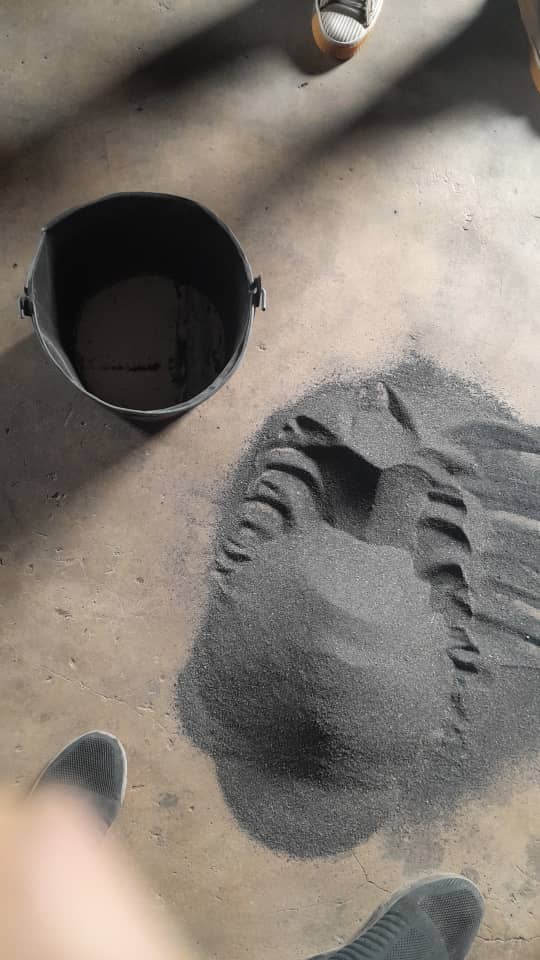
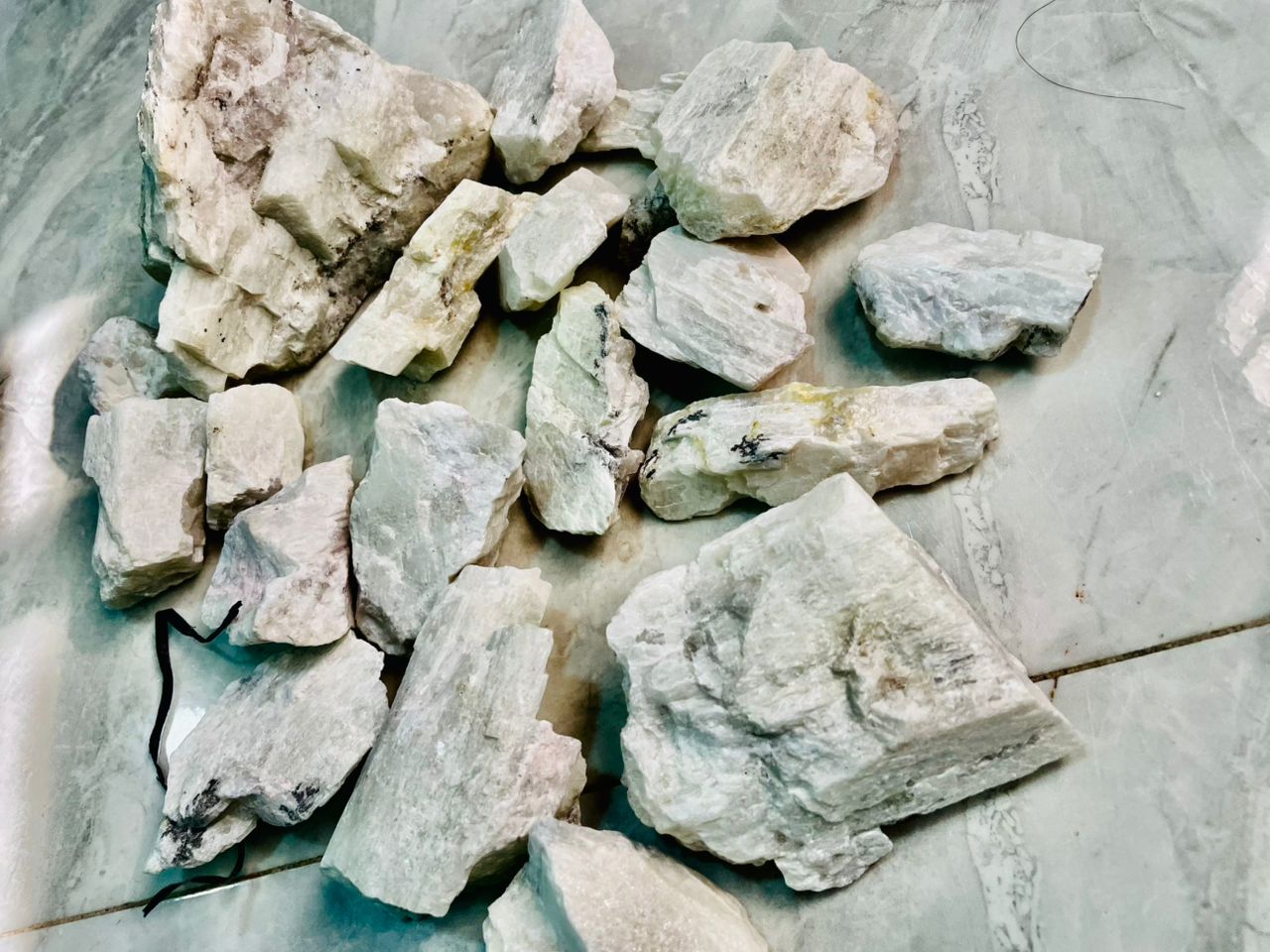
I did not write this from a distance. The artisanal and small-scale producers at the centre of this story are part of the reality my company navigates every working day. At Augustina Impex Limited, we have spent more than two decades trading and facilitating the export of Nigeria’s solid minerals, from tin, columbite, and tantalite to monazite, ilmenite, zircon, lithium, fluorite, and garnet. That work has placed us directly in the gap between the mine gate and the international buyer, which is exactly the gap mechanization is meant to close.
For miners and cooperatives, we offer a credible, fair route to serious markets and the discipline of buyers who reward consistent, quality-controlled output, which is the very output mechanization makes possible. For investors and equipment partners looking at Nigeria’s artisanal sector, we provide on-the-ground intelligence, sourcing networks, and export facilitation grounded in real relationships across the mining belt. As Nigeria works to lift its artisanal miners from the pickaxe toward proper mechanized, formalised operations, the firms that can connect organised producers to dependable demand will be essential to making the reforms stick, and that is the role we are built to play.
If you are thinking seriously about the Mechanization of Artisanal Mining in Nigeria, whether as an investor, an equipment or finance partner, a cooperative seeking a route to market, or a buyer wanting a trustworthy Nigerian partner, I would welcome a conversation. The tools exist. The reforms are underway. What remains is the will to connect them to the people already doing the work.
Kolawole King Chief Executive Officer, Augustina Impex Limited #288 Diye Ward, Zarmaganda, Jos South, Plateau State, Nigeria Email: augustinaimpex@gmail.com WhatsApp: +234 906 090 4274 Website: https://augustinaimpex.com Blog: https://augustinaimpexng.blogspot.com/ Advert Video: https://www.youtube.com/watch?v=Izg0t7By6co
#ArtisanalMining #ASMNigeria #MiningMechanization #SmallScaleMining #MiningCooperatives #SolidMineralsNigeria #MiningFormalization #IllegalMining #MiningMarshals #MineralBuyingCentres #NigeriaMining #MiningReforms #SafeMining #MiningFinance #MineralValueAddition #MiningEquipment #MiningProductivity #CriticalMinerals #AugustinaImpex #MiningInvestment #PlateauStateMining #MineralExportNigeria
Post a comment
Related Posts
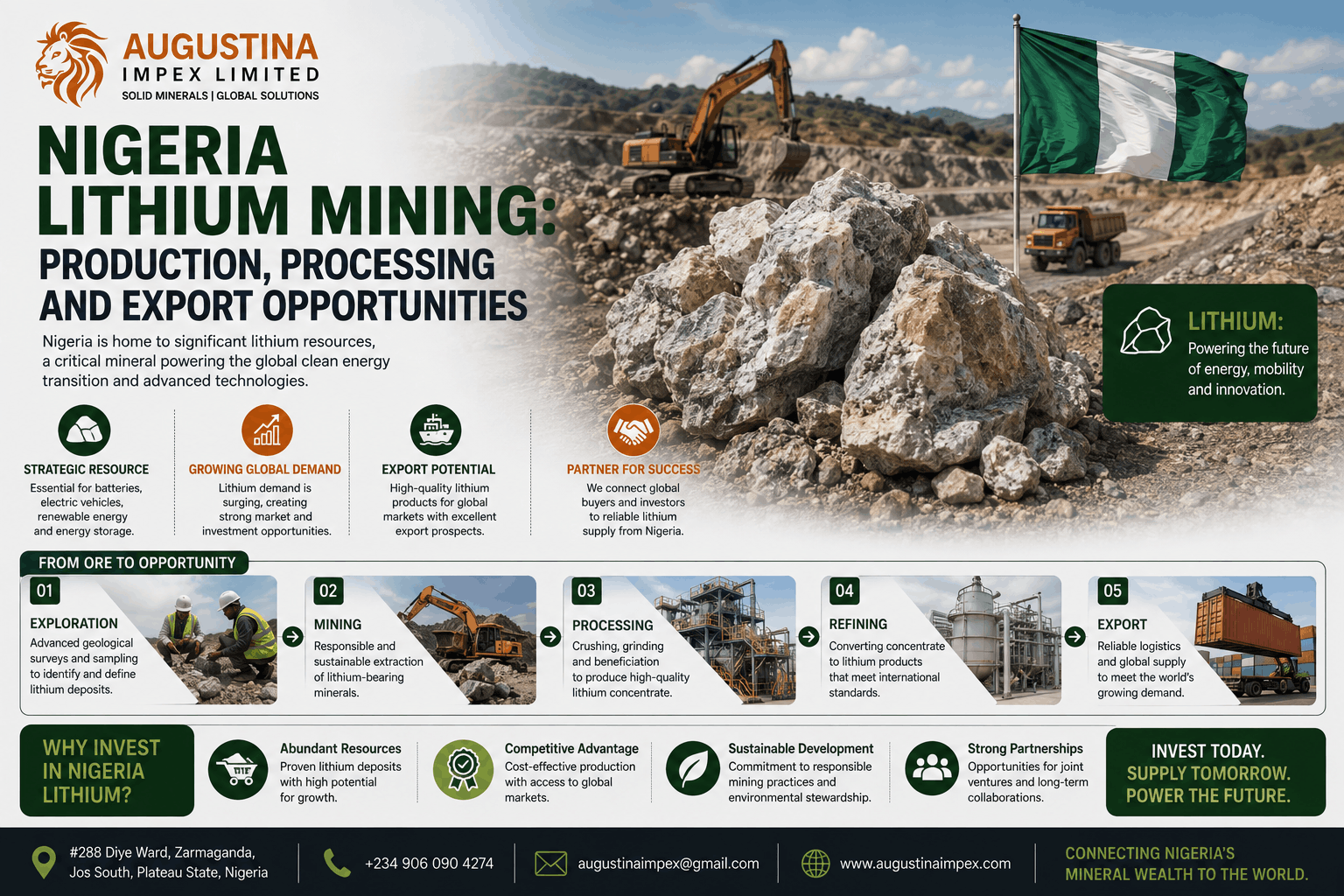
Nigeria Lithium Mining: Production, Processing & Export
Nigeria Lithium Mining: Production, Processing and Export Opportunities By Kolawole King, CEO — Augustina Impex…
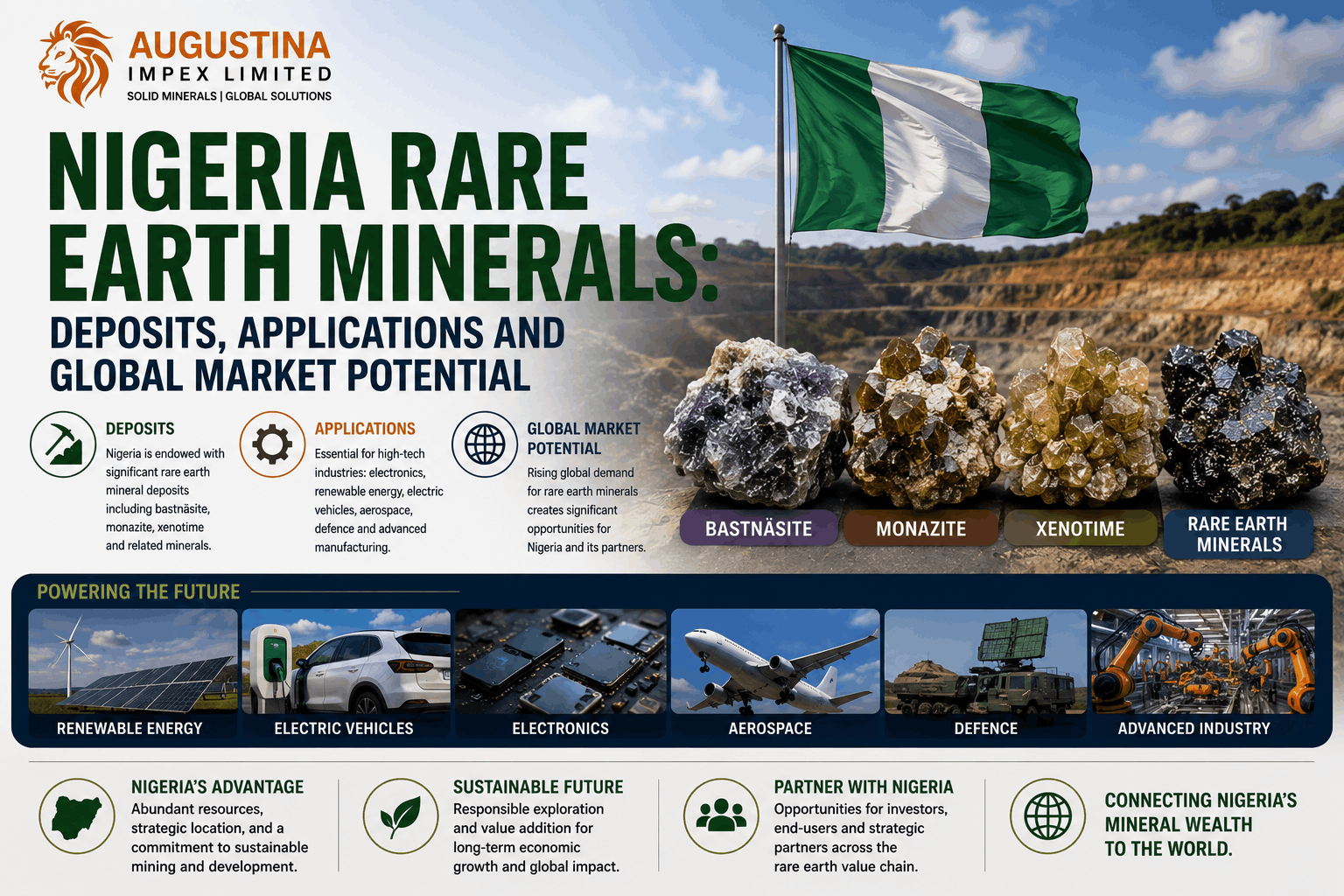
Nigeria Rare Earth Minerals: Deposits & Market Potential
Nigeria Rare Earth Minerals: Deposits, Applications and Global Market Potential By Kolawole King, CEO —…
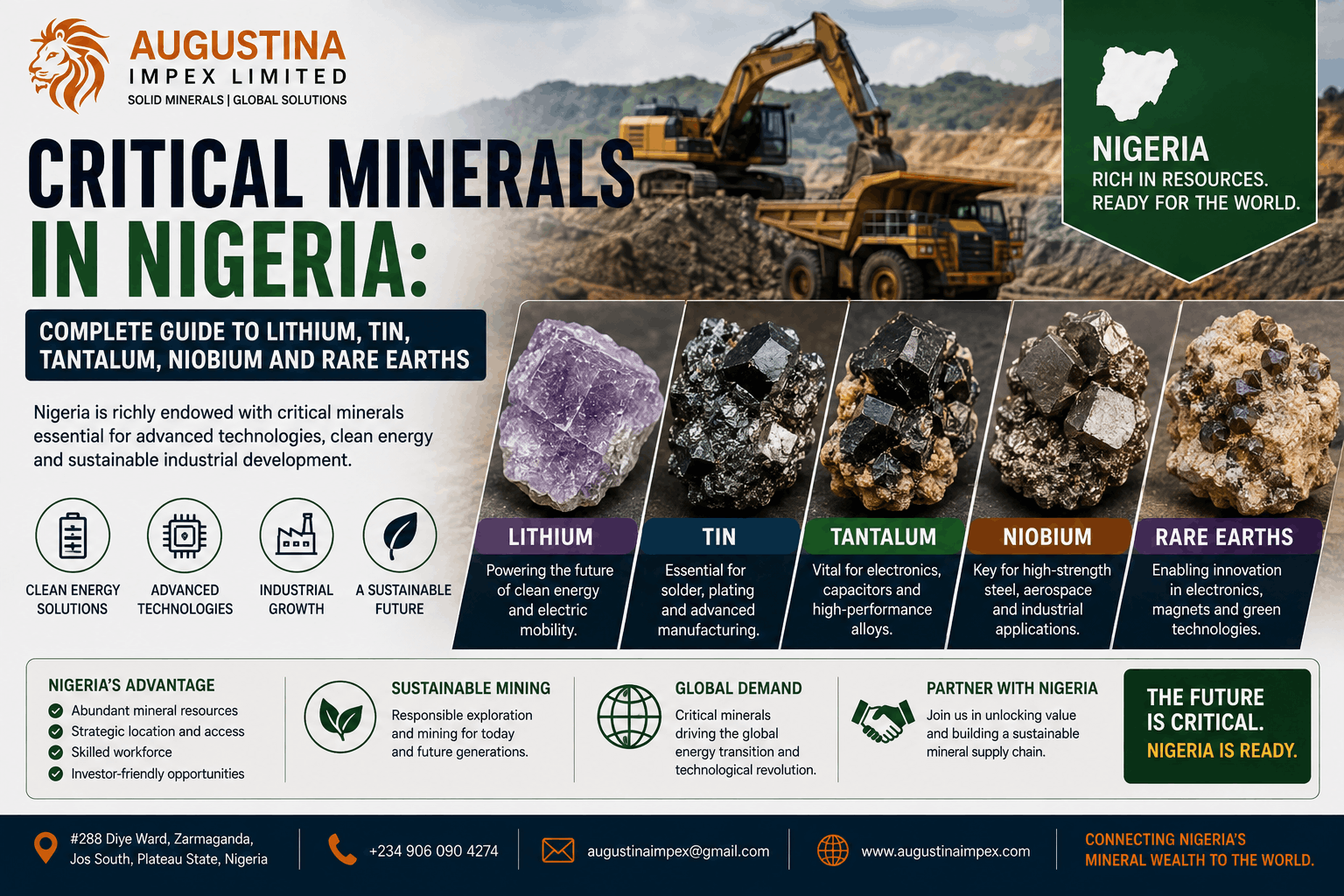
Nigeria Critical Minerals Guide: Lithium, Tin & Rare Earths
Critical Minerals in Nigeria: Complete Guide to Lithium, Tin, Tantalum, Niobium and Rare Earths By…
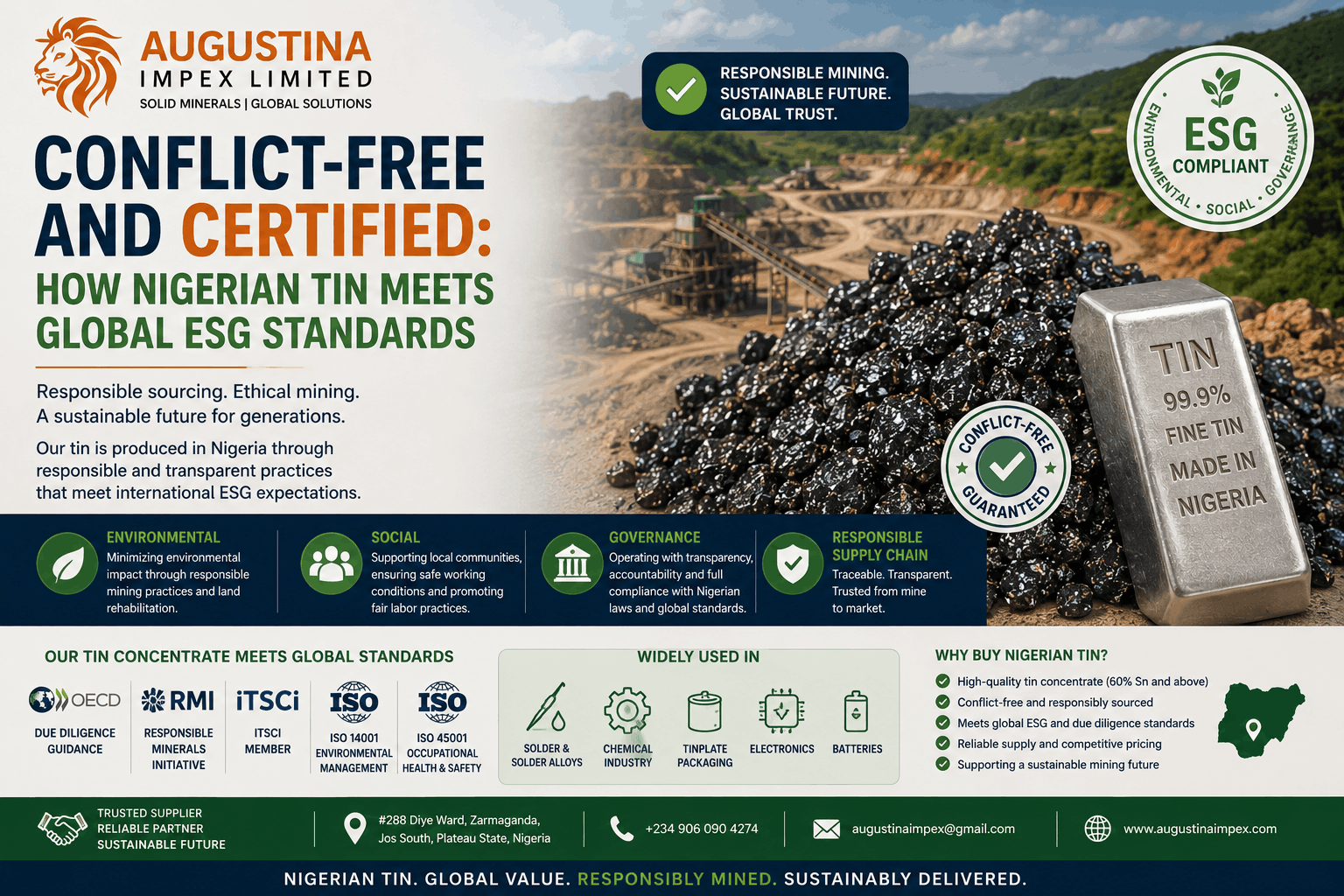
Conflict-Free Nigerian Tin Meets Global ESG Standards
Conflict-Free and Certified: How Nigerian Tin Meets Global ESG Standards By Kolawole King, CEO —…