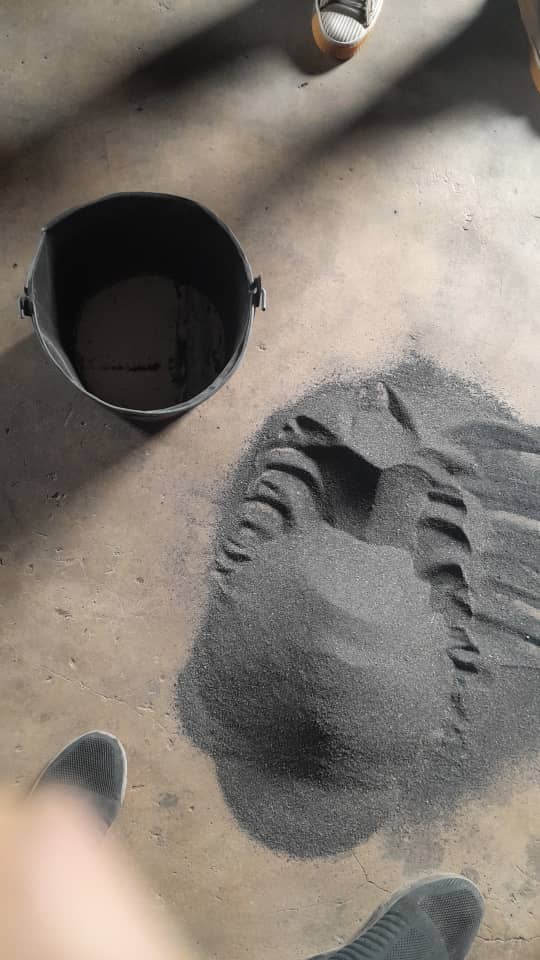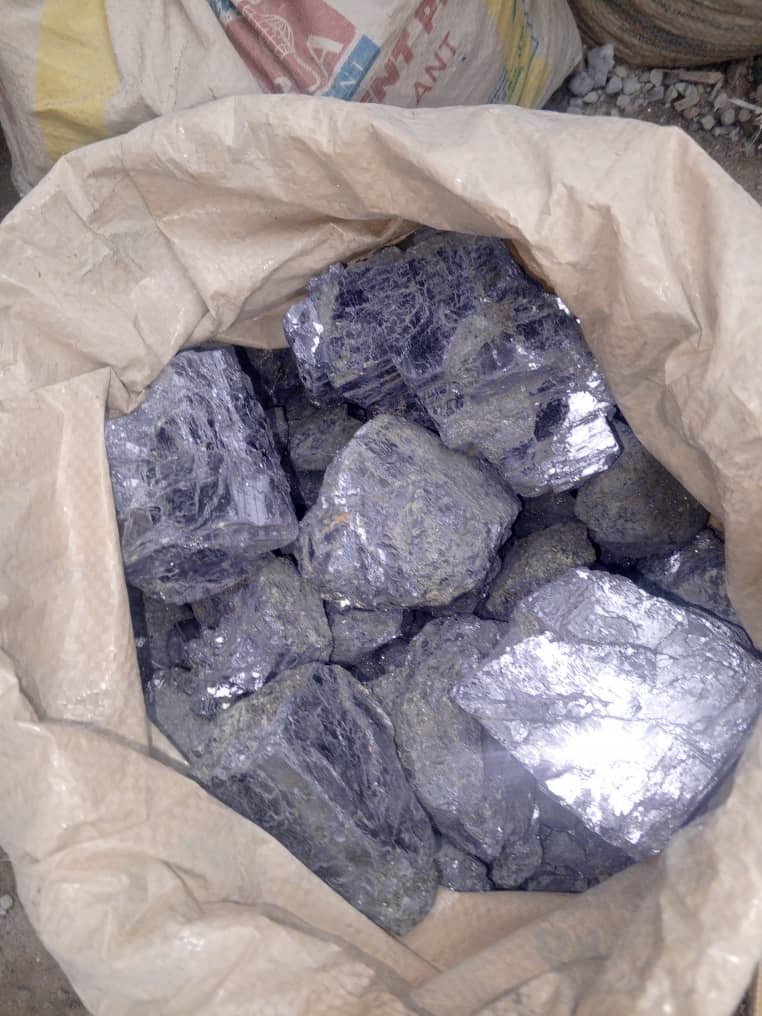

Hold a handful of ilmenite and it tells you nothing about the sky. It is dark, heavy, unglamorous — a black sand that smudges your palm and looks, frankly, like dirt. I have run countless tonnes of it through my fingers over twenty-five years on the Jos Plateau. And yet every time I do, I think about where some of it is destined to go: to 35,000 feet, spinning inside a jet engine, holding a wing together, carrying people across oceans. The story of ilmenite in aerospace manufacturing is the most unlikely journey I know in the whole of mineral trading — from the humblest black sand to the most demanding engineering on earth.
Most people, even many in mining, never connect the two ends of that chain. In this article I want to draw the line clearly: to show how the ore I dig becomes the titanium that aerospace cannot live without, why that matters strategically for a country like Nigeria, and what the hard realities of this supply chain are. It is a story about value — and about who captures it.

What Ilmenite Actually Is — and Where the Titanium Hides
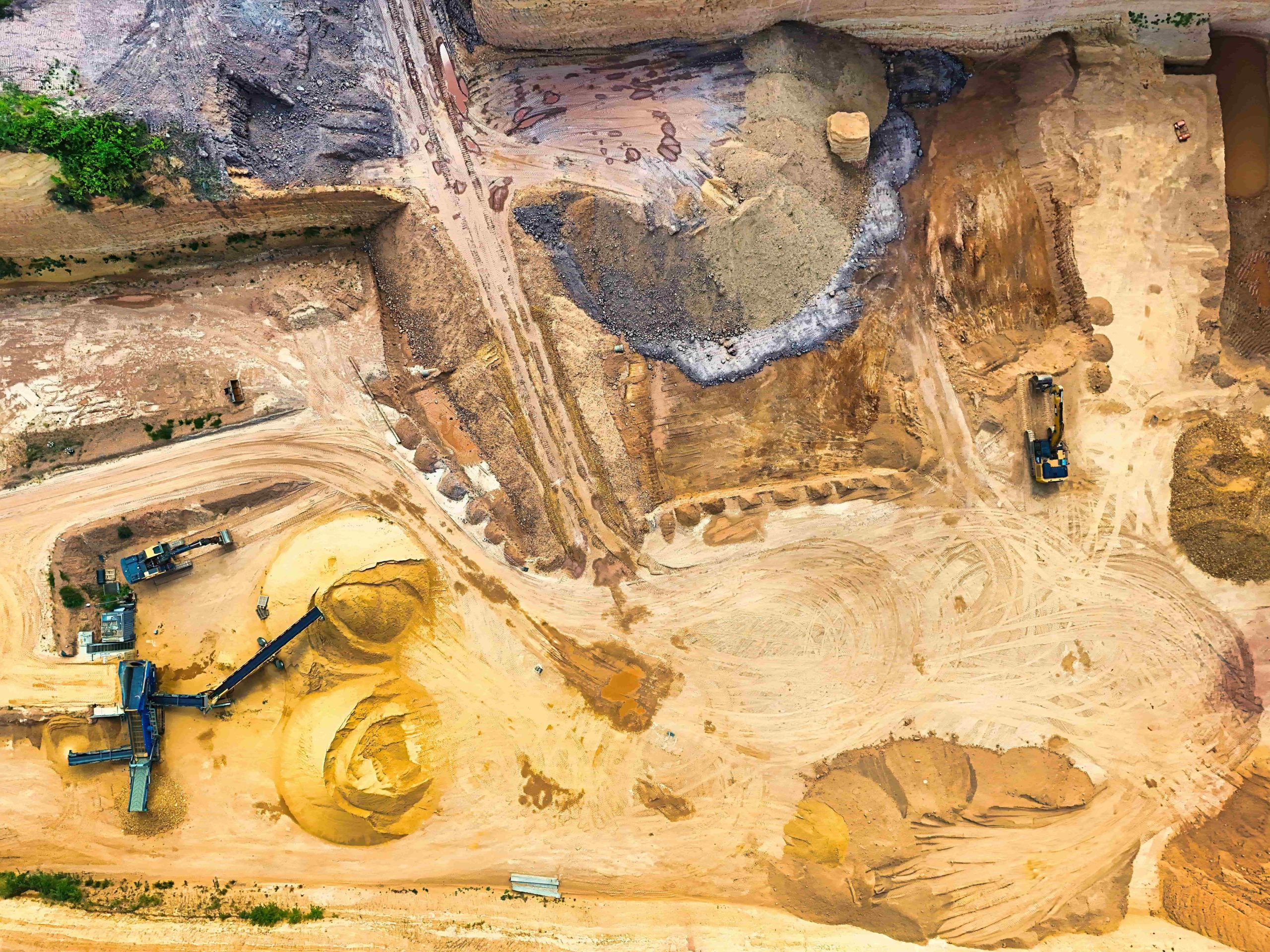
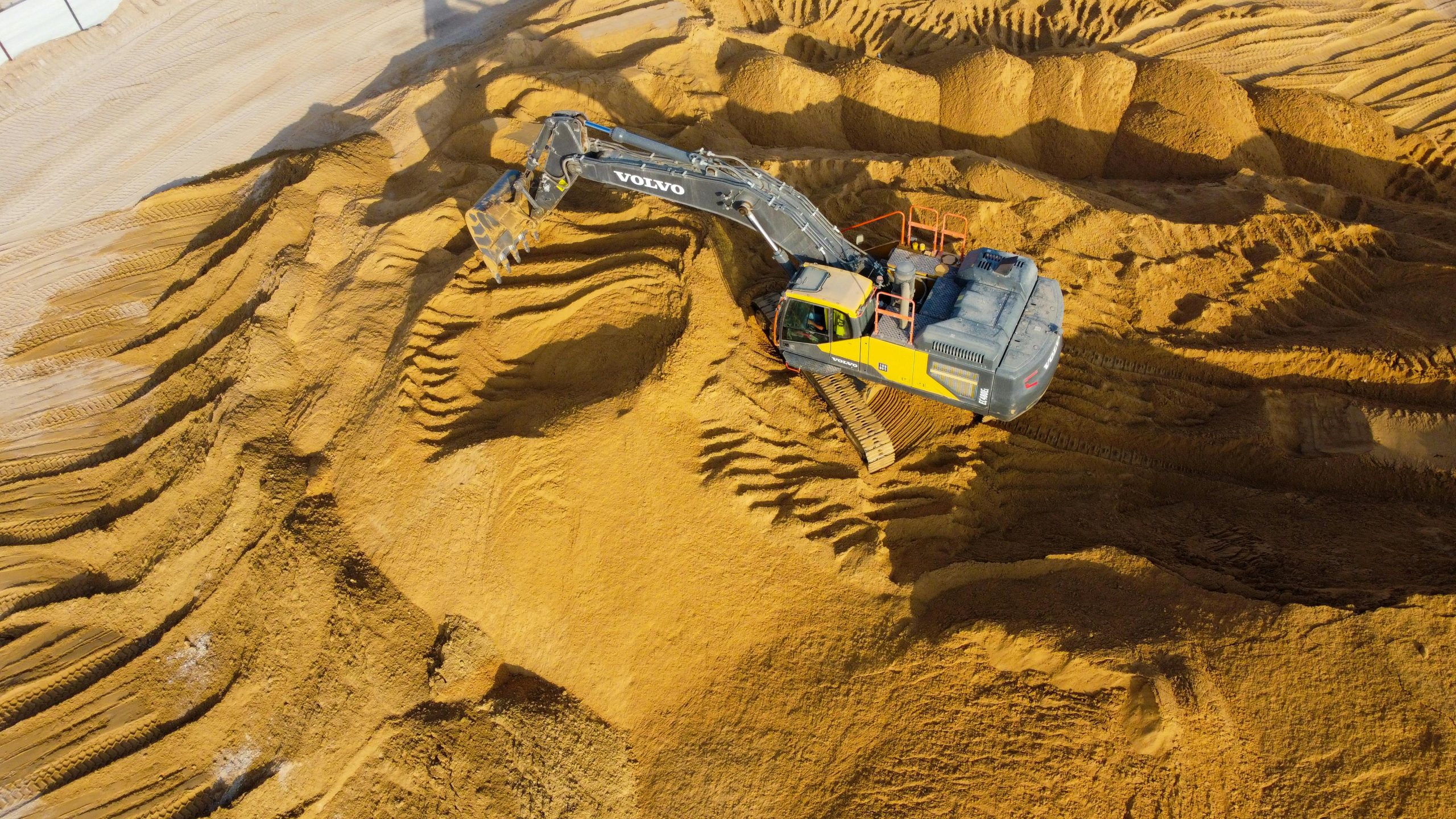
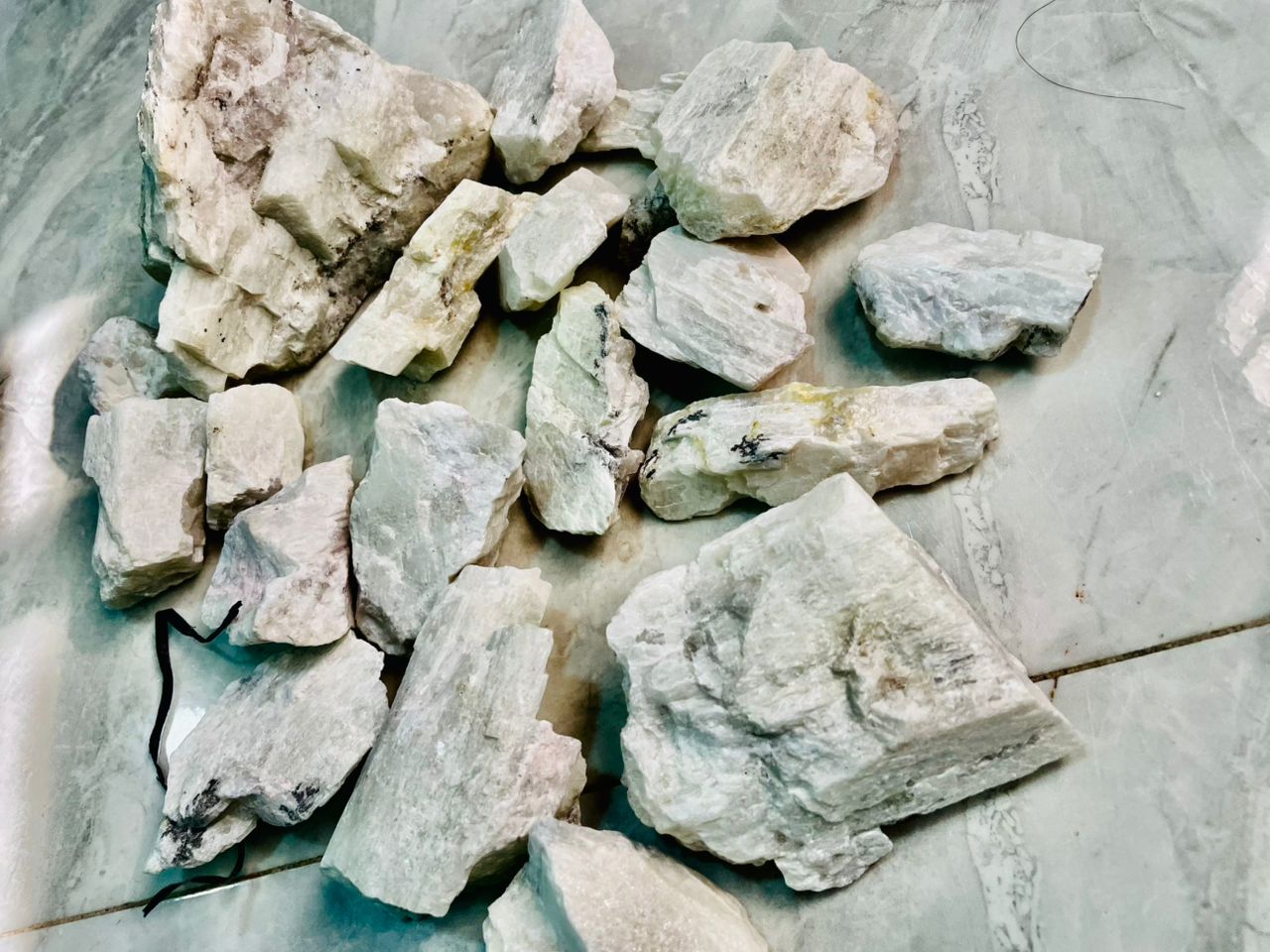
Ilmenite is an iron-titanium oxide, the most abundant titanium-bearing mineral on earth, and it is the foundational ore of the entire titanium industry. It occurs in the heavy mineral sands I have spent my career around — those dark, dense grains that nature has already concentrated through millions of years of weathering and water. Inside that unpromising black sand sits titanium, one of the most extraordinary engineering metals humanity has ever learned to use.
The vast majority of all ilmenite mined ends up as white titanium dioxide pigment for paints and plastics. But a strategically vital slice travels a different road — the road to metal. And that road begins with the same ore, which is why understanding ilmenite is the first step to understanding aerospace titanium.
The Chain: From Ilmenite to Titanium Sponge to Alloy
Here is the journey, simplified. The titanium supply chain begins with titanium-bearing minerals — ilmenite and rutile — which are processed into titanium sponge, and the sponge is then melted and refined into the titanium alloys that aerospace manufacturers use. Each step adds enormous value and enormous difficulty.
First, ilmenite is usually upgraded. Because raw ilmenite is relatively low in titanium and high in iron, it is commonly refined into higher-grade feedstocks — titanium slag or synthetic rutile — that carry a much higher titanium content. This upgrading step is itself a major act of value addition, and a clue to where the money in this chain really sits.
Next comes the famous Kroll process. The titanium feedstock is converted to titanium tetrachloride, then reduced with magnesium to produce a porous, greyish material called titanium sponge. This is the critical intermediate — the primary feedstock from which all titanium metal is made — and producing it is energy-intensive, technically exacting and slow. Finally, the sponge is vacuum-melted, alloyed and refined into ingots, then forged or rolled into the bars, plates and powders that become aircraft parts. By the time a jet engine blade exists, the black sand has been transformed almost beyond recognition — but it all started with ilmenite.
Why Aerospace Simply Cannot Do Without Titanium
To grasp why ilmenite matters to aerospace, you have to understand why titanium is irreplaceable in the air. It comes down to a rare combination of properties that no cheaper metal can match together.
The first is its exceptional strength-to-weight ratio. Titanium is nearly as strong as steel but far lighter, and in aviation every kilogram saved means less fuel burned over millions of flight-hours. The second is outstanding corrosion resistance, which lets titanium endure the punishing cycles of temperature, moisture and stress that an aircraft suffers without rusting or degrading. The third is its ability to keep its strength at high temperatures — vital near the hot sections of a jet engine where aluminium would simply soften. Add excellent fatigue resistance, the ability to survive endless cycles of loading and unloading, and you have the perfect aerospace metal. Because that metal can only be made from titanium ore, aerospace is, at root, dependent on minerals like ilmenite.
Where Titanium Flies: Engines, Airframes, Landing Gear and Fasteners
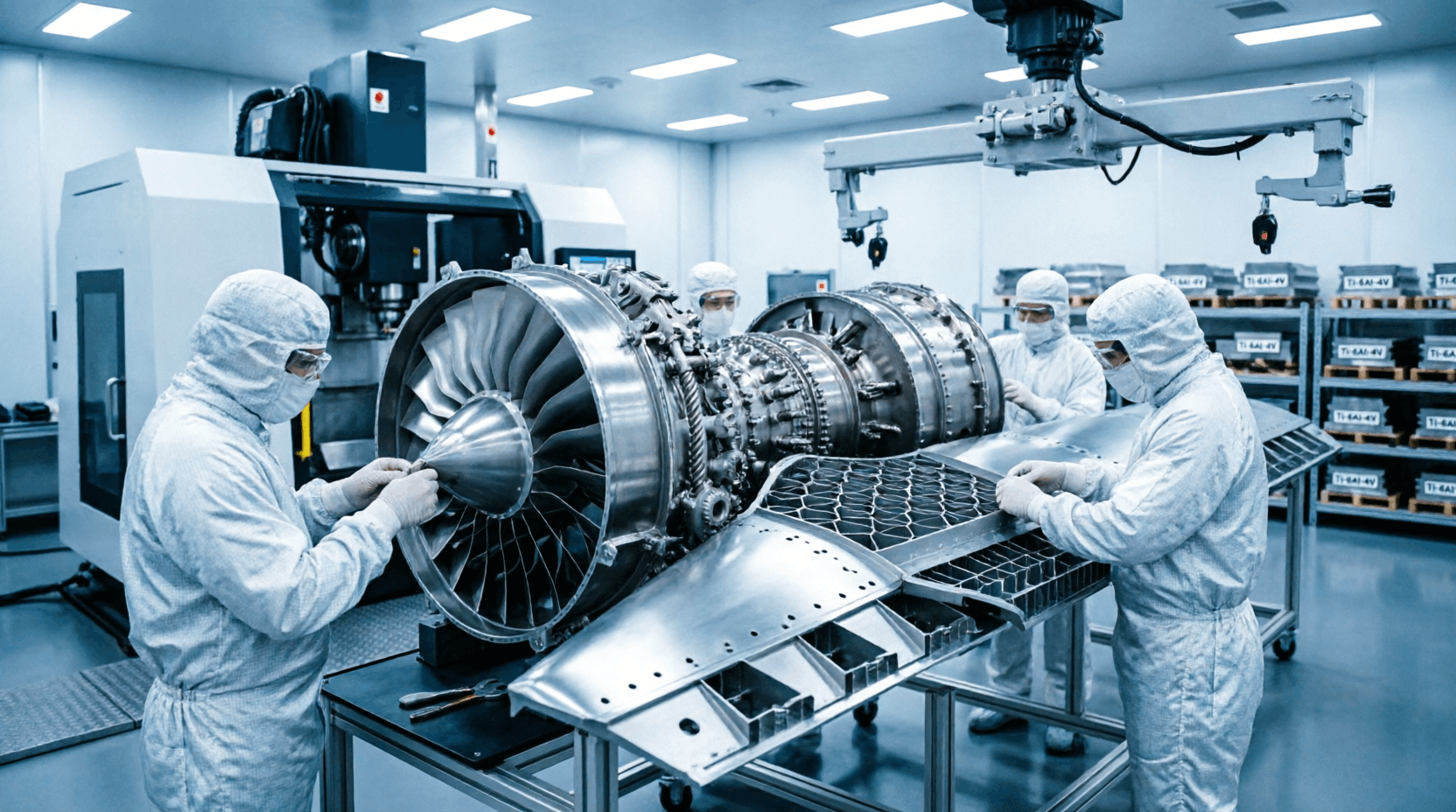
Walk around a modern aircraft and titanium is everywhere the engineering is hardest. In the engines, titanium alloys form fan blades, discs and compressor components that must spin at enormous speed and endure heat and stress. In the airframe, titanium appears in structural frames and critical load-bearing joints, and increasingly in the airframes of composite aircraft, because it is one of the few metals that sits happily against carbon-fibre composites without corroding.
Titanium dominates landing gear, where strength and fatigue resistance are matters of life and death, and it is used in vast numbers of fasteners — the bolts and connectors that hold an aircraft together — precisely because they must be strong, light and corrosion-proof. It extends into hydraulic systems, exhaust components and, beyond aviation, into spacecraft, satellites and missiles. The aerospace and defence sector is by far the largest consumer of titanium sponge, accounting for more than half of global demand. In other words, the industry that flies runs on the metal that begins as ilmenite.
The Workhorse Alloy: Ti-6Al-4V
If you remember one name from this article, make it Ti-6Al-4V — titanium alloyed with roughly 6% aluminium and 4% vanadium. It is the undisputed workhorse of aerospace, holding the largest share of the aerospace titanium grade market, on the order of 42% in 2025. Engineers love it for its blend of high strength-to-weight ratio, fatigue resistance and weldability, and it carries decades of accumulated application data and certification that make it the safe, proven choice for engine components, landing gear and structural frames. Every ingot of Ti-6Al-4V that goes into an aircraft traces its lineage back, ultimately, to titanium ore pulled from the ground.
A Fragile, Strategic Supply Chain
Now to the part that should interest every government and every investor: this supply chain is far more fragile than its size suggests, and that fragility is precisely what makes the upstream so strategically important.
Producing titanium sponge is a genuine bottleneck. It depends on energy-intensive metallurgy and on a consistent supply of feedstock minerals like ilmenite and rutile, and building new sponge capacity can take several years. Worse, supply is geographically concentrated in a handful of countries — Japan, Kazakhstan, Saudi Arabia, China and others — and a relatively small number of certified companies dominate aerospace-grade production. By 2024, imports covered around 39% of United States aerospace titanium sponge demand, a dependence that worries planners deeply.
On top of that sits the wall of certification. Aerospace-grade titanium requires highly specialised refining, strict quality control and certified supply chains, with qualification cycles that can run for years before a new material or supplier is approved. The combined effect is that even moderate jumps in demand — when aircraft order backlogs and defence programmes accelerate at once — can trigger genuine supply tightness and rising prices. And every link in that strained chain ultimately rests on a steady flow of titanium minerals from the earth.
New Frontiers: Additive Manufacturing and Space
The demand for aerospace titanium is not standing still; it is being reinvented. The biggest shift is additive manufacturing — 3D printing with titanium powder. Using powder-based techniques, manufacturers can produce complex engine and structural components with dramatic weight savings; in one example, an aerospace part was made around 20% lighter than the equivalent casting, directly improving fuel efficiency. Lighter, smarter parts mean more titanium powder, which means more sponge, which means more feedstock.
Space is the other frontier. As satellite and launch-vehicle manufacturing expands, so does demand for high-purity titanium alloys able to survive the extremes of space. Emerging space programmes are investing in their own titanium sponge and melting capability precisely because they understand that whoever controls this chain controls a strategic capability. The appetite for the metal — and therefore for the ore — is only growing.
The Market in 2025–2026
The commercial picture confirms the strategic one. The aerospace titanium market sat in the low billions of dollars in 2025 and is forecast to keep growing at solid mid-single-digit to high-single-digit annual rates through the coming decade, driven by commercial fleet renewal, the demand for fuel-efficient aircraft and sustained military modernisation. Aerospace and defence is expected to account for more than half of all titanium sponge demand in 2026. Throughout every one of these forecasts runs the same quiet caveat: the supply of titanium feedstock minerals such as ilmenite and rutile is a critical factor in price stability and availability. The people who model this market know that it begins in the mineral sands.
The Honest Challenges — and What They Mean for Nigeria
I will be straight, because the honest picture is also the useful one. Today, a country like Nigeria sits at the very beginning of this chain — as a potential exporter of raw ilmenite — and almost all of the value is added far downstream, abroad, in the upgrading, sponge-making, alloying and certification that turn black sand into flight-grade metal. We currently capture the smallest slice of the largest value chain in minerals.
That is the challenge, and it is also the opportunity I have argued for across every platform I write on. The journey from ilmenite to upgraded feedstock is itself a real, achievable step up the value chain — one that does not require us to build jet-engine foundries overnight, but simply to stop exporting our titanium minerals in their rawest, cheapest form. There are real obstacles: power, capital, technical skill and the patience that beneficiation demands. But the direction is clear. Every tonne of ilmenite we upgrade at home rather than ship raw keeps more of the aerospace value where it was mined.
Where Augustina Impex Fits In
This is the chain Augustina Impex Limited has worked at the foot of for years. The ilmenite we trade from the Jos Plateau belt and beyond is the genuine first link — the raw material at the very start of the titanium story that ends in the sky. Our role is to connect Nigeria’s titanium-mineral resource to the global market reliably, credibly and with the documentation that serious industrial buyers require.
We do not compete on raw volume or rock-bottom price. We compete on trust, provenance and traceability — the ability to supply ilmenite and our wider mineral portfolio with clean, documented supply chains that meet the consistency and due-diligence standards demanded by industries where quality is non-negotiable. And we keep pressing the same long-term conviction: that Nigeria should climb this chain, capturing more value through upgrading and beneficiation rather than handing the aerospace metal’s entire worth to others. If you are a buyer seeking dependable titanium-mineral supply, or an investor weighing an opportunity in Nigeria’s titanium and strategic-minerals sector, that is exactly the conversation we exist to have.
So the next time you board a flight, spare a thought for the black sand beneath it all. From a Plateau hillside to a jet engine at altitude, that is the journey of ilmenite — and we are proud to stand at its very beginning.
Kolawole King
Chief Executive Officer, Augustina Impex Limited
#288 Diye Ward, Zarmaganda, Jos South, Plateau State, Nigeria
Email: augustinaimpex@gmail.com
WhatsApp: +234 906 090 4274
Website: https://augustinaimpex.com
Blog: https://augustinaimpexng.blogspot.com/
Advert Video: https://www.youtube.com/watch?v=Izg0t7By6co
#Ilmenite #Titanium #Aerospace #TitaniumAlloy #Ti6Al4V #TitaniumSponge #HeavyMineralSands #CriticalMinerals #AerospaceManufacturing #IndustrialMinerals #Rutile #MiningNigeria #ValueAddition #StrategicMinerals #AugustinaImpex
-
Previous Post
Industrial Uses of Titanium Dioxide
Post a comment
Related Posts
Nigeria Lithium Mining: Production, Processing & Export
Nigeria Lithium Mining: Production, Processing and Export Opportunities By Kolawole King, CEO — Augustina Impex…
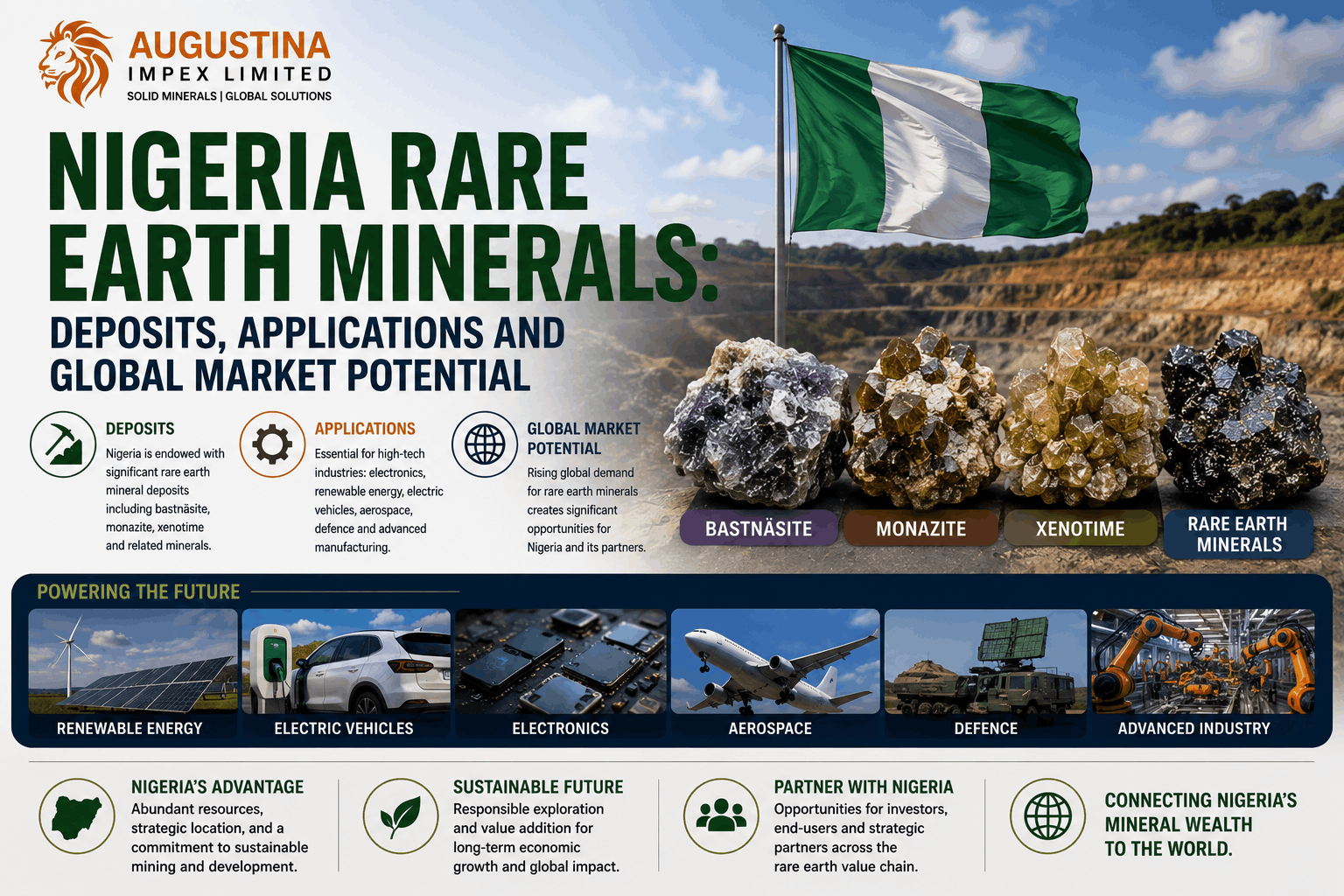
Nigeria Rare Earth Minerals: Deposits & Market Potential
Nigeria Rare Earth Minerals: Deposits, Applications and Global Market Potential By Kolawole King, CEO —…
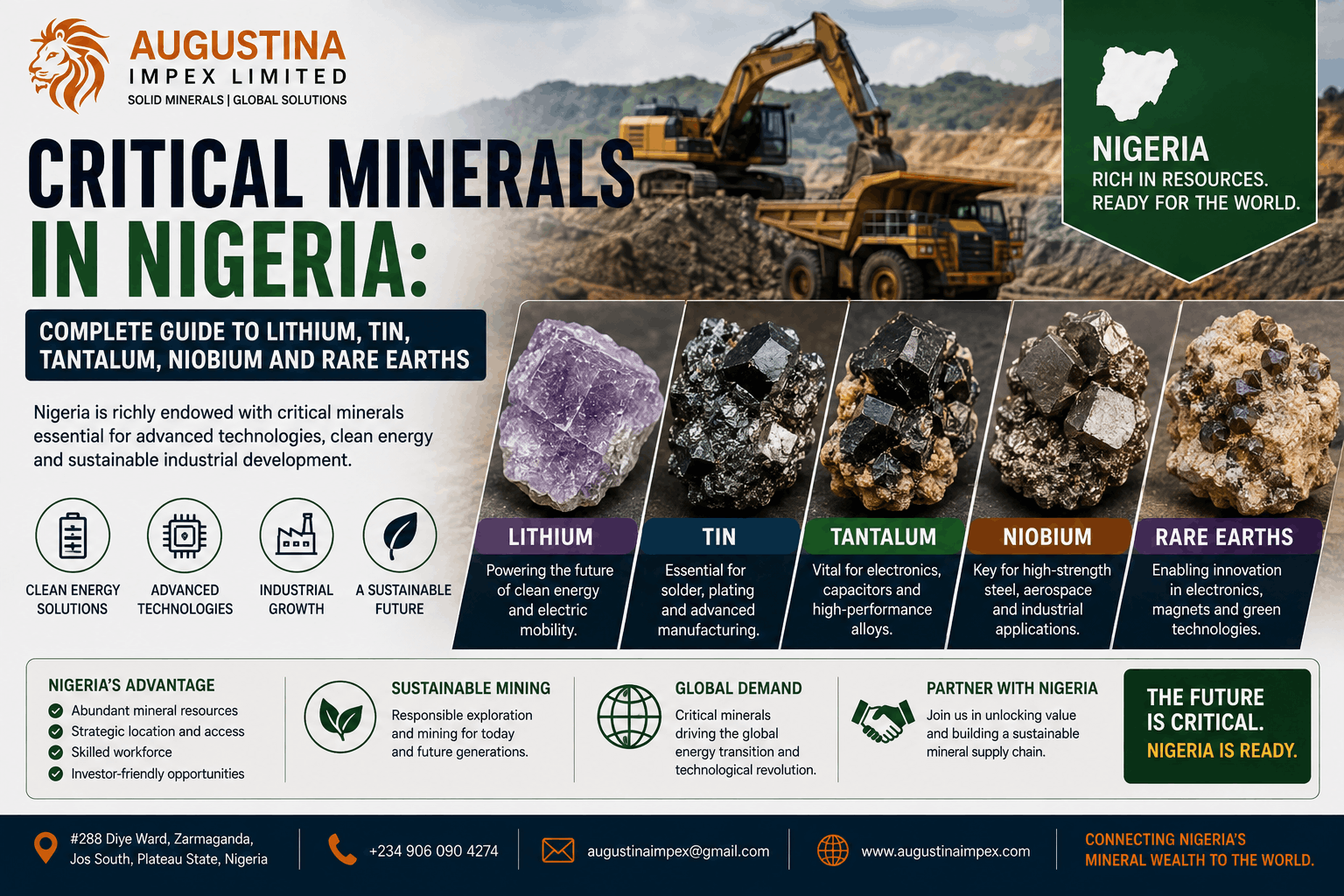
Nigeria Critical Minerals Guide: Lithium, Tin & Rare Earths
Critical Minerals in Nigeria: Complete Guide to Lithium, Tin, Tantalum, Niobium and Rare Earths By…
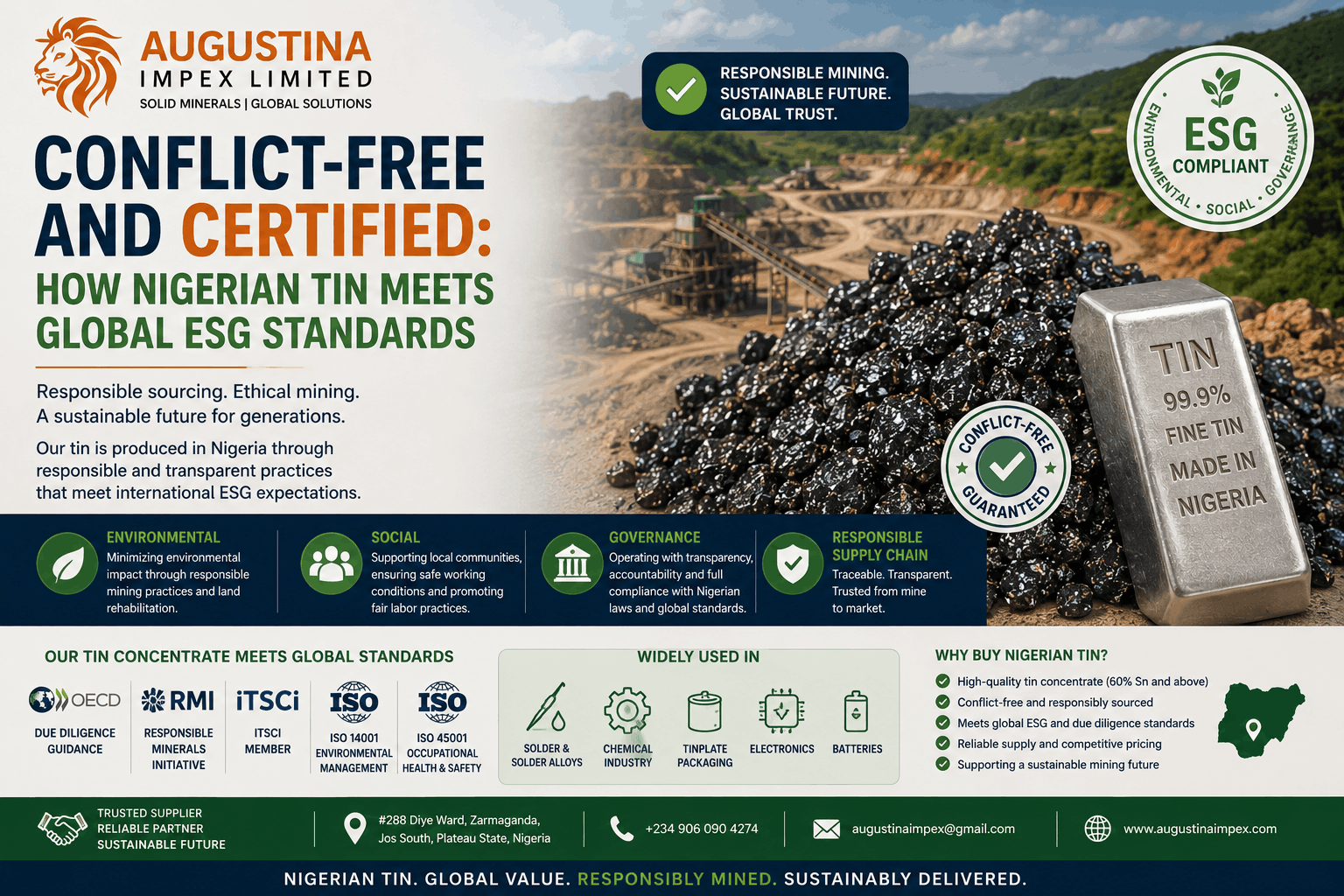
Conflict-Free Nigerian Tin Meets Global ESG Standards
Conflict-Free and Certified: How Nigerian Tin Meets Global ESG Standards By Kolawole King, CEO —…