
Published by Augustina Impex Limited | augustinaimpex.com | August 2025
There is a quiet revolution happening beneath the surface of the global economy — quite literally. Deep in the salt flats of Bolivia, the hard-rock mines of Australia, and the emerging mineral terrains of Nigeria, a race is underway to extract the raw material that sits at the very heart of the clean energy transition: lithium. And what happens to that lithium between the moment it leaves the ground and the moment it powers your electric vehicle, your laptop, or your home energy storage system is one of the most complex, strategically contested, and economically significant supply chains in the world today.
The lithium battery supply chain is not a single linear process. It is a sprawling, multi-stage, multi-continent industrial ecosystem that involves mining companies, chemical processors, cathode manufacturers, cell producers, pack assemblers, automotive OEMs, and ultimately consumers — each stage adding value and complexity, each stage representing bottlenecks, geopolitical risks, and extraordinary commercial opportunities.
In this comprehensive guide, Augustina Impex Limited — a licensed Nigerian solid minerals export company headquartered in Jos, Plateau State — breaks down the lithium battery supply chain from start to finish. Whether you are an investor, a buyer, an industry professional, a policy maker, or simply a curious reader, this article will give you a clear, detailed, and authoritative understanding of how lithium gets from the earth to the battery that powers the world.
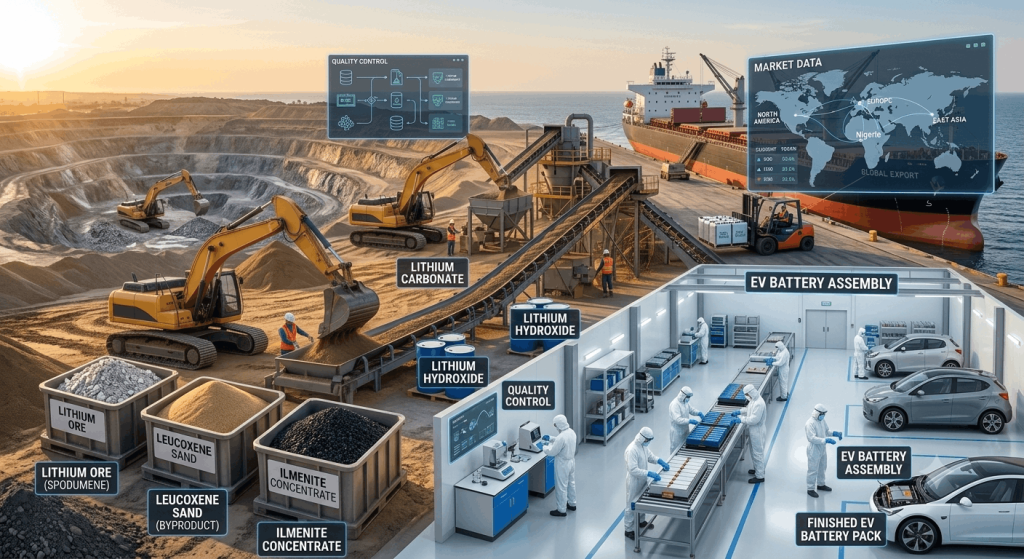
What is the Lithium Battery Supply Chain?
The lithium battery supply chain refers to the full sequence of activities — from raw material extraction to end-use application and eventual recycling — involved in the production of lithium-ion batteries. It is a global industrial chain that spans multiple continents and involves dozens of distinct processes, industries, and stakeholders.
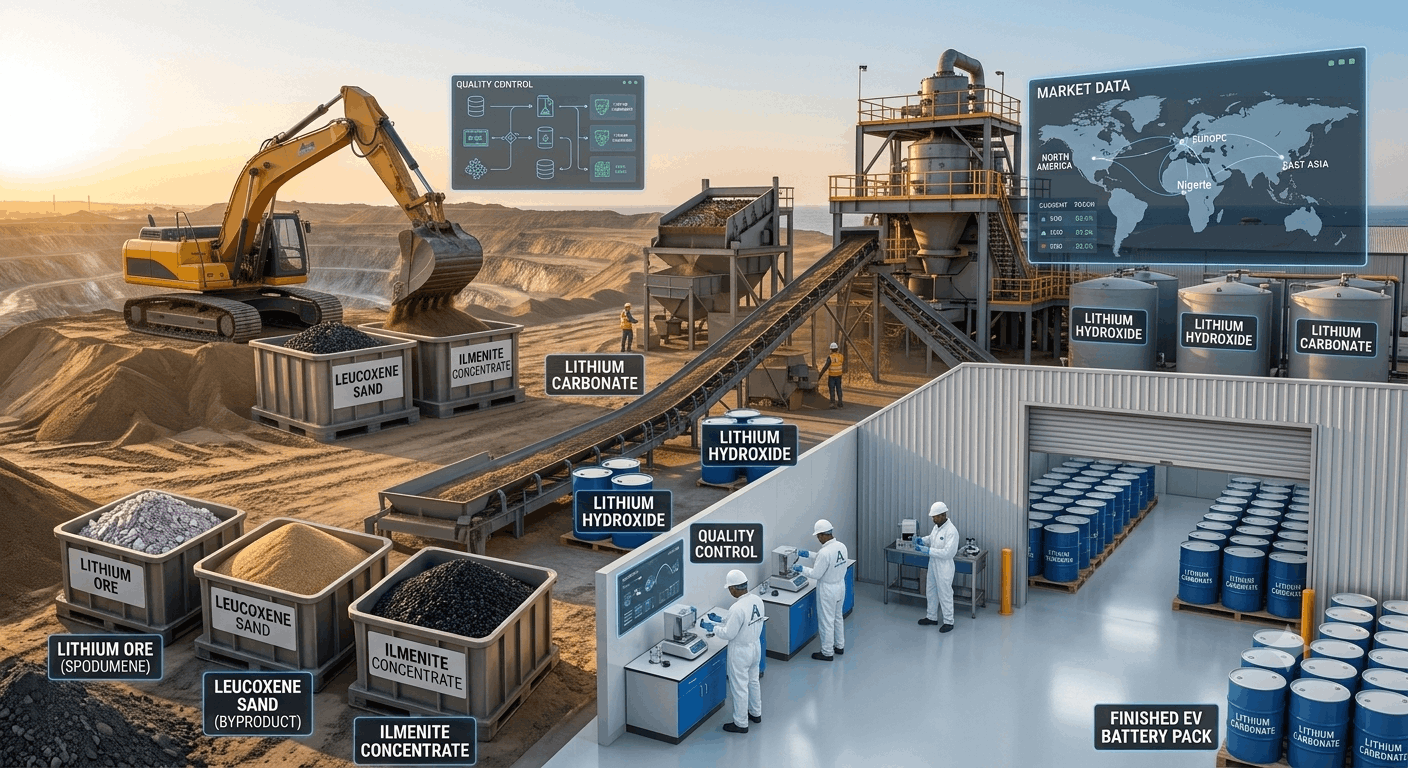
At its most fundamental level, the supply chain can be broken down into six major stages: lithium mining and raw material extraction; lithium processing and refining into battery-grade chemicals; battery material and component manufacturing; battery cell manufacturing; battery pack assembly and integration; and end-use application in electric vehicles, energy storage systems, and consumer electronics.
The table below provides a high-level overview of the six core stages of the lithium battery supply chain:
| Stage | Description | Key Players / Locations |
| 1 — Mining | Extraction of lithium-bearing minerals and brines from the earth | Australia, Chile, Argentina, China, Nigeria, Zimbabwe |
| 2 — Refining | Chemical processing of raw lithium into Li2CO3 and LiOH | China (~70% global share), Chile, Australia |
| 3 — Materials | Manufacture of cathode, anode, electrolyte, and separator materials | China, Japan, South Korea, Europe |
| 4 — Cell Manufacturing | Assembly of battery cells in cylindrical, pouch, or prismatic formats | CATL, BYD, Panasonic, LG Energy, Samsung SDI |
| 5 — Pack Assembly | Integration of cells into battery modules and packs | Automotive OEMs, tier-1 suppliers, EV manufacturers |
| 6 — End Use & Recycling | Application in EVs, ESS, electronics; end-of-life recycling | Global automotive, tech, and energy industries |
Stage 1: Lithium Mining and Raw Material Extraction
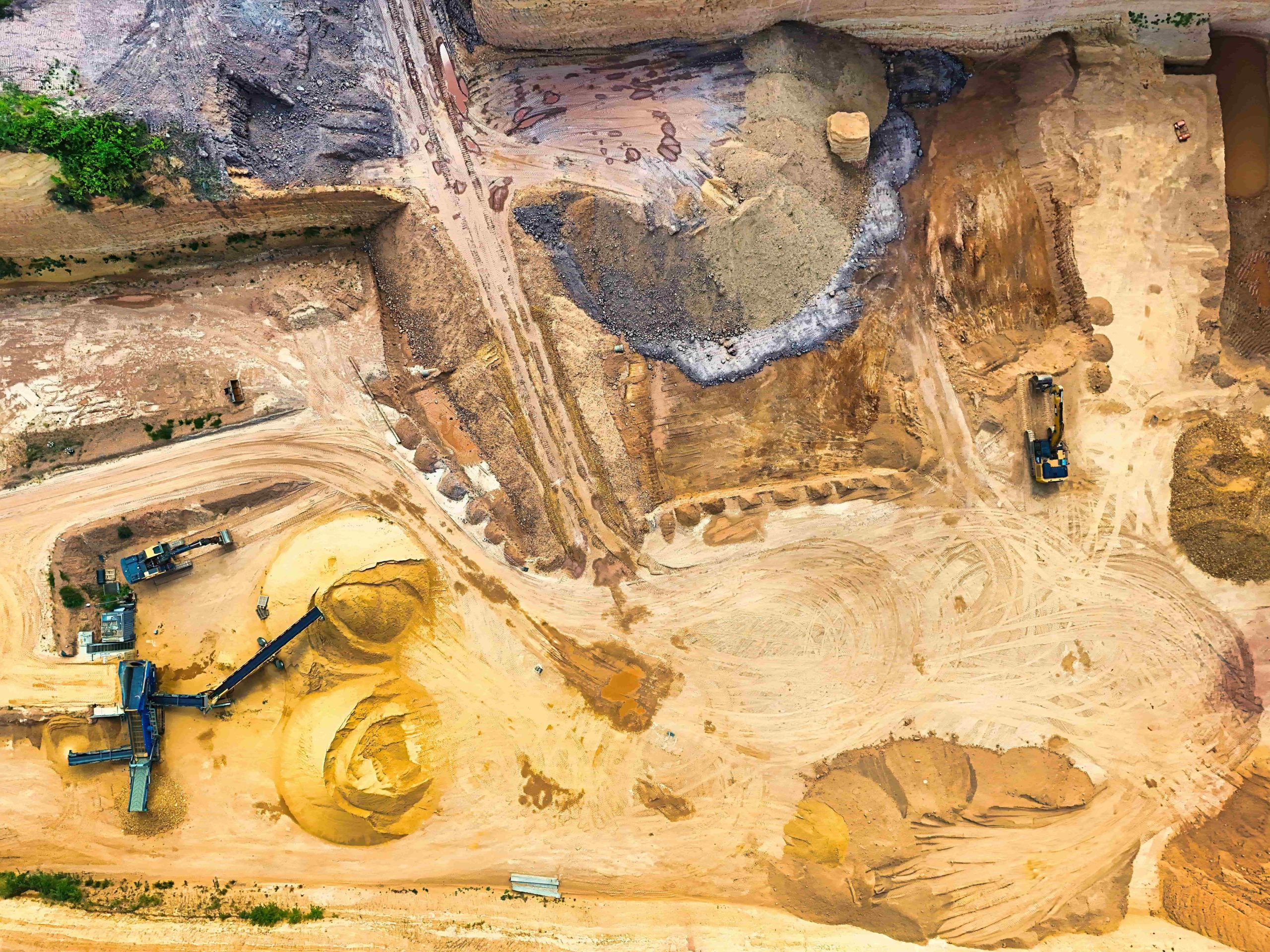
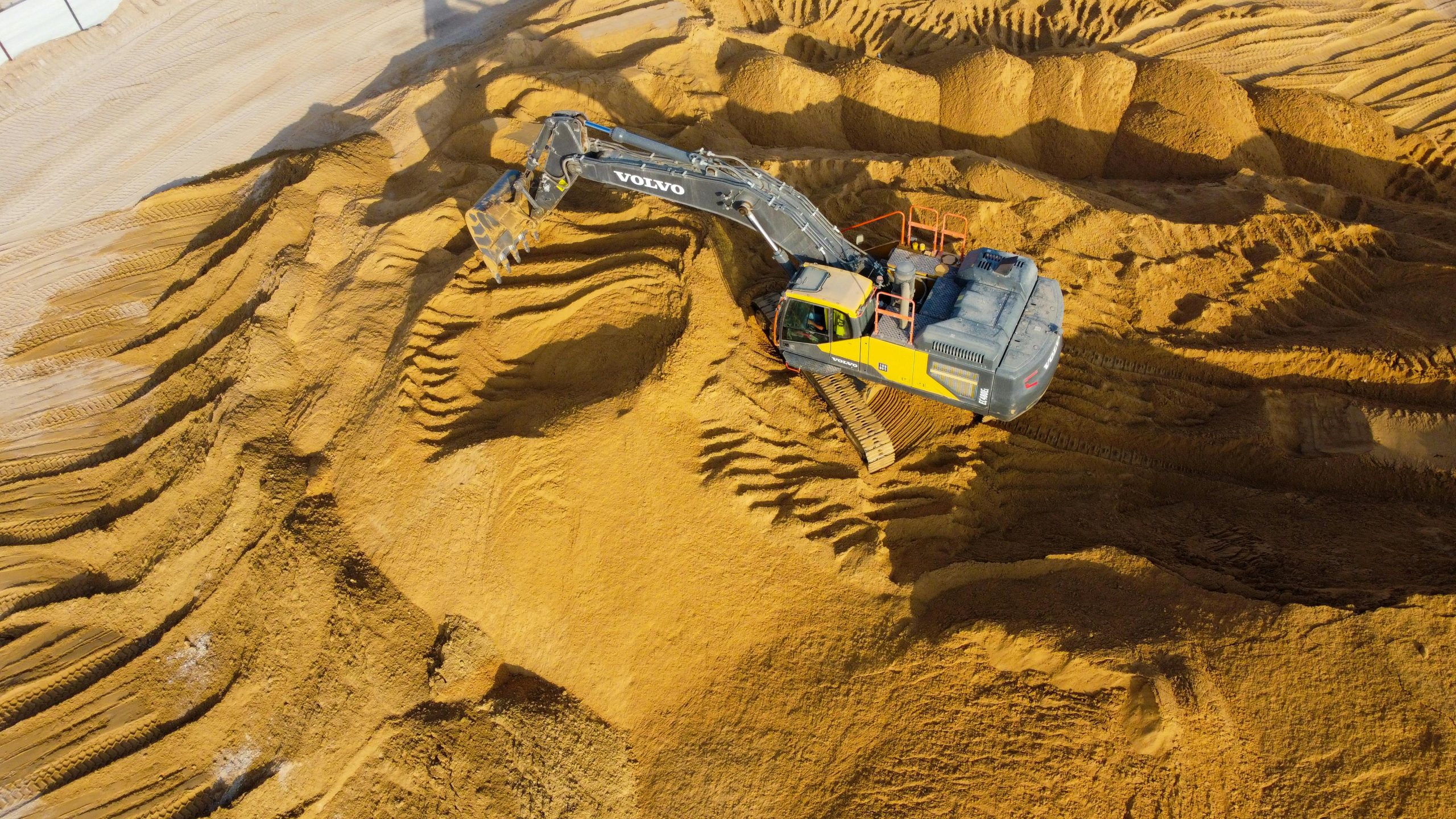
The lithium battery supply chain begins with the extraction of lithium from the earth. Lithium is not found in concentrated metallic form — it must be separated from its mineral host rocks or dissolved from lithium-rich brines found beneath salt flat deserts. There are two primary geological sources of commercial lithium production, and a third emerging category that is gaining increasing prominence.
Lithium from Hard-Rock Deposits — Spodumene and Related Minerals
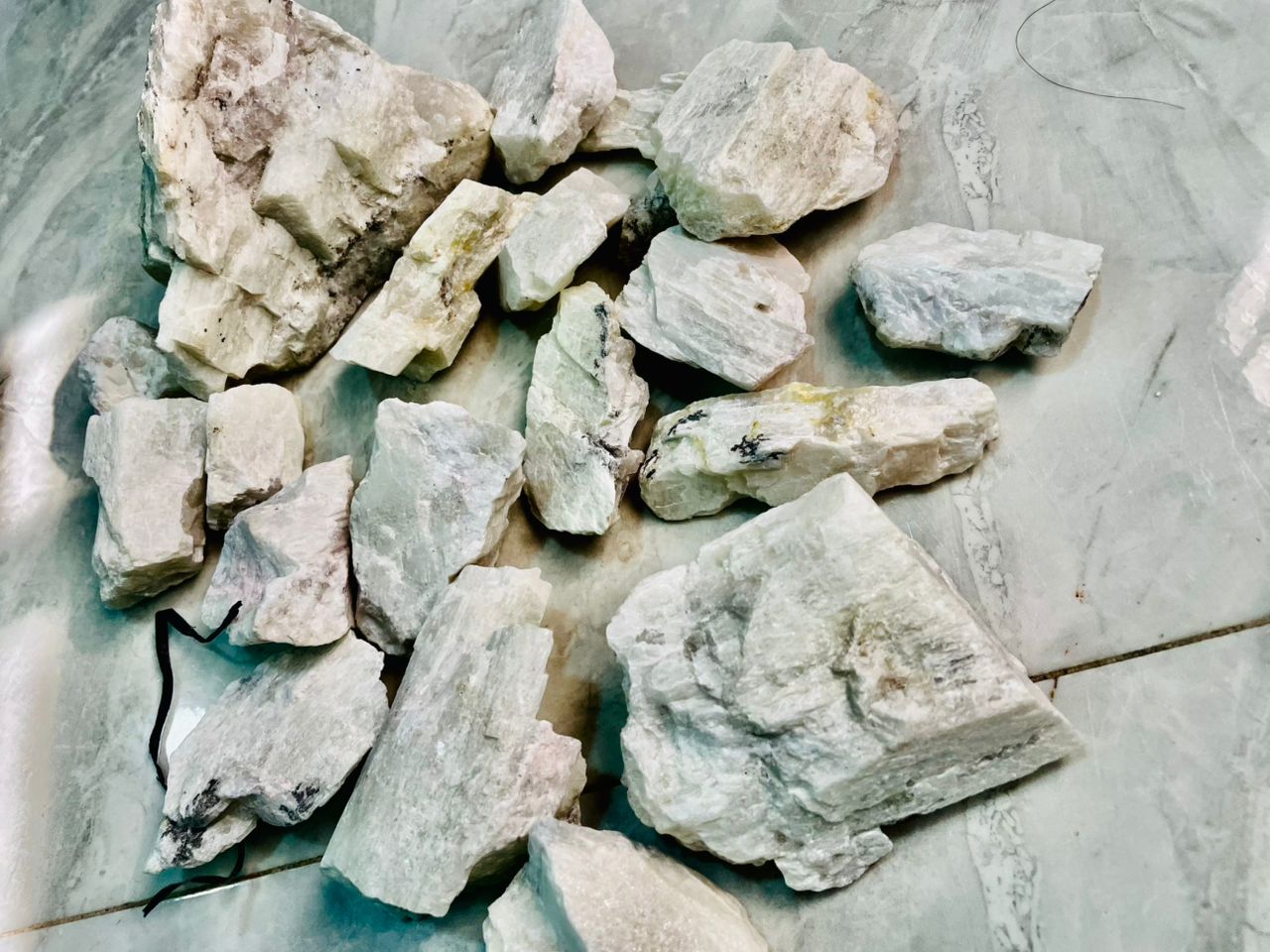
Hard-rock lithium mining is the extraction of lithium from pegmatite ore bodies — coarse-grained igneous rocks that are extraordinarily rich in rare and valuable minerals. The primary lithium mineral found in commercial hard-rock deposits is spodumene (LiAlSi2O6), a lithium aluminium silicate mineral with an Li2O content that typically ranges from 3% to 8%+ in commercial deposits. Spodumene is currently the world’s dominant source of hard-rock lithium feedstock.
Australia is the world’s leading hard-rock lithium producer, accounting for approximately 47% of global lithium production. The Greenbushes mine in Western Australia — the world’s largest hard-rock lithium mine, operated by Talison Lithium — is the single most important source of spodumene concentrate in the world, supplying a significant portion of the feedstock refined in China. Other major Australian producers include Pilgangoora and Mt. Marion.
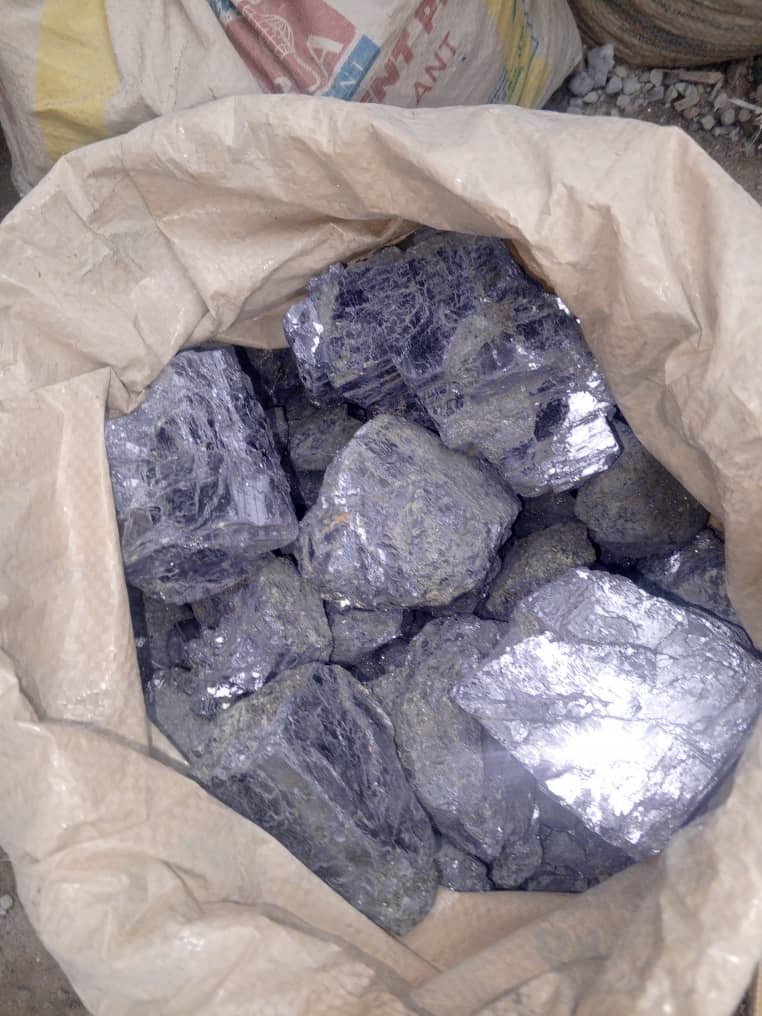
Nigeria is an emerging and strategically important source of hard-rock lithium — specifically spodumene-bearing pegmatites — with documented occurrences across Kogi, Kwara, Nasarawa, Cross River, and other states. The Nigerian spodumene deposits are increasingly attracting the attention of international buyers and investors as a cost-competitive alternative source of lithium feedstock from Sub-Saharan Africa. Augustina Impex Limited is positioned to aggregate and export Nigerian spodumene concentrates to qualified international refineries and processors.
Other important hard-rock lithium minerals include lepidolite (a lithium-bearing mica with 2-4% Li2O), petalite (a lithium aluminium silicate with 4-5% Li2O), and amblygonite (a lithium aluminium fluorophosphate with up to 10% Li2O). These are found in smaller quantities and have more limited commercial production today, though lepidolite is an increasingly important feedstock for certain processing routes in China.
Lithium from Brine Deposits — The Lithium Triangle
Brine-sourced lithium refers to the extraction of dissolved lithium salts from subsurface groundwater concentrated in arid, high-altitude salt flat environments (salares). This method is most prevalent in the “Lithium Triangle” — the region spanning the borders of Chile, Argentina, and Bolivia — which contains an estimated 56% of the world’s known lithium resources.
The brine extraction process involves pumping lithium-rich underground brine to the surface and into a series of large evaporation ponds, where solar evaporation over 12-24 months concentrates the lithium-rich solution. The concentrated brine is then processed through a series of chemical precipitation steps to produce lithium carbonate or lithium chloride. The process is relatively low-cost compared to hard-rock mining but takes much longer and requires large tracts of flat desert land and access to water — a resource that is increasingly scarce in the very regions where brines are found.
Chile’s Atacama Salar, operated by SQM and Albemarle, is the world’s most productive lithium brine operation and one of the lowest-cost lithium production assets on the planet. Chile is the world’s second-largest lithium producer after Australia, accounting for approximately 26% of global output. Argentina is a rapidly growing third, with numerous lithium brine projects in the Puna region at various stages of development. Bolivia’s Salar de Uyuni holds the world’s single largest known lithium resource but has been slow to develop due to a combination of political, technical, and logistical challenges.
Clay and Sedimentary Lithium Deposits
A third category of lithium resource — clay-hosted and sedimentary lithium deposits — is gaining increasing attention as a potential future source of supply. These deposits, found in Nevada (USA), Mexico, and parts of Europe, contain lithium dispersed within clay minerals at lower grades than spodumene or brine deposits but in much larger volumes. Commercial production from clay lithium is not yet established at scale, but several companies are advancing projects that could bring this resource type into production in the latter half of this decade, potentially diversifying the supply base further.
| Lithium Source Type | Key Minerals / Form | Primary Producing Countries |
| Hard-Rock Pegmatite | Spodumene, Lepidolite, Petalite, Amblygonite | Australia (#1), China, Zimbabwe, Nigeria, Brazil, Portugal |
| Brine Salar | Dissolved lithium salts in underground brines | Chile (#2), Argentina, Bolivia, USA (Clayton Valley) |
| Sedimentary / Clay | Lithium-bearing clay minerals (hectorite, illite) | USA (Nevada), Mexico, Serbia (Jadar), early stage |
| Geothermal Brine | Lithium dissolved in geothermal fluids | USA, Iceland, Germany — emerging; early pilot stage |
Stage 2: Lithium Processing and Refining
Once lithium ore (spodumene concentrate) or brine is extracted from the earth, it must undergo chemical processing and refining to produce battery-grade lithium chemicals — primarily lithium carbonate (Li2CO3) and lithium hydroxide monohydrate (LiOH.H2O). These are the two essential feedstocks for the manufacture of battery cathode materials.
The refining stage is where China’s dominance in the lithium battery supply chain is most stark and most consequential. China currently accounts for approximately 70% of global lithium chemical refining capacity, even though it produces a much smaller proportion of the world’s lithium ore. This means that even lithium mined in Australia, Chile, or Nigeria frequently passes through China for processing before being used in battery manufacturing.
Lithium Carbonate (Li2CO3)
Lithium carbonate is the primary product of brine-based lithium processing and is also produced from spodumene via the roasting and leaching process. It has historically been the dominant battery-grade lithium chemical, and continues to be the primary feedstock for lithium iron phosphate (LFP) cathode production — the battery chemistry increasingly favoured by Chinese EV manufacturers and for stationary energy storage applications.
Battery-grade lithium carbonate must achieve a purity level of 99.5% or higher (referred to as “battery-grade” Li2CO3) and must meet strict specifications for impurities (particularly calcium, magnesium, iron, and sodium), which can degrade battery performance. The global price of battery-grade lithium carbonate is a critical benchmark for the entire lithium battery industry and has been subject to dramatic volatility — surging from below USD 10,000/tonne in 2020 to over USD 80,000/tonne at peak in late 2022, before correcting significantly through 2023-2024.
Lithium Hydroxide Monohydrate (LiOH.H2O)
Lithium hydroxide monohydrate is the preferred feedstock for nickel-rich cathode chemistries — particularly nickel manganese cobalt (NMC) and nickel cobalt aluminium (NCA) cathodes — which are the dominant cathode chemistries in high-energy-density battery applications such as long-range electric vehicles. The shift toward higher nickel content in cathode formulations (from NMC622 to NMC811 and beyond) is driving strong structural demand growth for lithium hydroxide at the expense of lithium carbonate in certain market segments.
Battery-grade lithium hydroxide must achieve purity of 56.5% LiOH content with strict impurity controls. Lithium hydroxide production from spodumene is a more direct and increasingly preferred processing route for Australian hard-rock producers seeking to capture more value in their own supply chains.
China’s Dominance and the Western Response
China’s control of approximately 70% of global lithium refining capacity represents perhaps the most significant geopolitical risk in the lithium battery supply chain for Western economies. Even when lithium is mined in friendly jurisdictions — Australia, Chile, Canada — it often travels to China for conversion into battery-grade chemicals before returning to the West in the form of cathode materials or battery cells.
Western governments and corporations are investing heavily in ex-China refining capacity. In the United States, the Inflation Reduction Act (IRA) provides significant incentives for domestic lithium processing. In Australia, producers such as Pilbara Minerals and Allkem are investing in hydroxide conversion facilities. In Europe, companies like Livent and Albemarle are expanding capacity. However, building this processing capacity takes time, capital, and expertise — China’s head start of two decades will not be overcome quickly.
Stage 3: Battery Materials and Component Manufacturing
With battery-grade lithium carbonate or lithium hydroxide in hand, the next stage of the supply chain involves the manufacture of the key materials and components that go inside every lithium-ion battery cell. A lithium-ion battery cell is a sophisticated electrochemical device, and its performance, cost, safety, and longevity are determined by the quality of four core components: the cathode, the anode, the electrolyte, and the separator.
Cathode Materials — The Heart of the Battery
The cathode is the most critical and most expensive component of a lithium-ion battery, accounting for approximately 30-40% of total battery cell cost. The cathode material determines the battery’s energy density, voltage, cycle life, safety profile, and thermal stability. There are several major cathode chemistries in commercial use today, each with distinct characteristics:
| Cathode Chemistry | Full Name & Formula | Key Characteristics & Applications |
| NMC (811/622/532) | Nickel Manganese Cobalt Oxide | High energy density; dominant in long-range EVs; high nickel = lower cobalt; leading chemistry for passenger EVs |
| LFP | Lithium Iron Phosphate (LiFePO4) | Lower energy density but superior safety & cycle life; no cobalt or nickel; dominant in buses, ESS, urban EVs; BYD’s blade battery |
| NCA | Nickel Cobalt Aluminium Oxide | Very high energy density; used by Tesla/Panasonic; excellent power output; higher cost |
| LMFP | Lithium Manganese Iron Phosphate | Next-gen LFP variant; higher energy density than LFP; improved low-temperature performance; emerging |
| LMO | Lithium Manganese Oxide (spinel) | Lower cost; good power; used in hybrids and power tools; lower energy density |
| LNMO | Lithium Nickel Manganese Oxide | High voltage; cobalt-free; solid-state battery candidate material; early commercialisation |
Anode Materials — Graphite and the Alternatives
The anode of a lithium-ion battery — the negative electrode — stores lithium ions during charging and releases them during discharge. Synthetic and natural graphite currently dominate commercial anode production, accounting for over 95% of anodes in lithium-ion batteries globally. China produces approximately 80-85% of the world’s battery-grade graphite — a concentration of supply that rivals its dominance in lithium refining and creates significant supply chain vulnerability for non-Chinese battery producers.
Silicon-based anode materials (silicon oxide, silicon carbon composites) are increasingly being introduced as partial additives to graphite anodes (typically at 3-10% silicon content) to enhance energy density. Silicon can store approximately 10 times more lithium than graphite, but it expands dramatically during charging, causing structural degradation. Managing this volume expansion challenge is the key technical hurdle in the commercialisation of high-silicon anodes. Solid-state batteries — which use a lithium metal or lithium alloy anode — represent the next generation of anode technology and could dramatically increase energy density when commercialised at scale, expected beyond 2030.
Electrolyte
The electrolyte is the medium through which lithium ions travel between the cathode and anode during charge and discharge cycles. In conventional lithium-ion batteries, the electrolyte is a liquid solution of a lithium salt (most commonly lithium hexafluorophosphate — LiPF6) dissolved in an organic solvent (typically a mixture of ethylene carbonate and dimethyl carbonate). The electrolyte must conduct lithium ions efficiently while remaining electronically insulating, chemically stable, and safe across the battery’s operating temperature range.
Solid-state electrolytes — which replace the flammable liquid electrolyte with a solid ceramic, polymer, or sulfide material — are the most actively researched area in battery science, promising batteries that are simultaneously safer, longer-lasting, and capable of higher energy densities. Toyota, Samsung, QuantumScape, and Solid Power are among the leading organisations investing in solid-state electrolyte commercialisation.
Separator
The separator is a thin, porous membrane (typically 10-25 micrometres thick) that physically separates the cathode and anode within the battery cell, preventing direct electrical contact (short circuit) while allowing lithium ions to pass freely through its pores during operation. Most commercial separators are made from polyethylene (PE) or polypropylene (PP) and are coated with ceramic particles to improve thermal stability and resistance to shutdown failure.
Stage 4: Battery Cell Manufacturing
Battery cell manufacturing is where all the materials produced in Stage 3 are assembled into finished electrochemical cells — the fundamental units of energy storage. This is one of the most capital-intensive and technologically demanding stages of the lithium battery supply chain, requiring extremely precise manufacturing environments (dry rooms with humidity levels below 1% relative humidity), sophisticated automation, rigorous quality control, and enormous economies of scale.
Battery cell manufacturing takes place in what the industry calls “gigafactories” — vast manufacturing facilities that produce battery cells at gigawatt-hour (GWh) scale. The gigafactory concept was popularised by Tesla (whose Gigafactory 1 in Nevada, built in partnership with Panasonic, was the first of its kind) but has since been replicated globally, with China leading in gigafactory construction and capacity by a significant margin.
Battery Cell Formats
Battery cells are produced in three primary physical formats, each with distinct characteristics, manufacturing processes, and preferred applications:
| Cell Format | Key Characteristics | Primary Applications |
| Cylindrical (18650, 21700, 4680) | Robust mechanical structure; standardised sizes; good thermal management; high volume manufacturing maturity | Consumer electronics; Tesla EVs (4680); power tools; energy storage |
| Prismatic (hard case) | Rigid rectangular aluminium or steel housing; high energy density at pack level; efficient space utilisation | EV battery packs (BMW, Toyota, BYD blade); energy storage |
| Pouch (soft pack) | Flexible aluminium laminate housing; highest cell-level energy density; lightweight; requires careful mechanical support | EV (GM Ultium, Hyundai, Kia); consumer electronics; drones |
The Gigafactory Landscape
As of 2025, global battery cell manufacturing capacity is dominated by Chinese producers by an overwhelming margin. CATL (Contemporary Amperex Technology Co. Ltd), the world’s largest battery manufacturer, alone accounts for approximately 37% of global battery cell production capacity — a staggering dominance in what is the most strategically important manufacturing sector of the 21st century energy transition.
| Company | Country | 2024 Estimated Capacity (GWh/yr) |
| CATL | China | ~700 GWh (installed) — expanding rapidly |
| BYD | China | ~450 GWh (includes own EV consumption) |
| LG Energy Solution | South Korea (+ USA, Europe, China) | ~300 GWh |
| Panasonic | Japan (+ USA) | ~100 GWh |
| Samsung SDI | South Korea (+ USA, Europe) | ~100 GWh |
| SK On | South Korea (+ USA, Europe) | ~85 GWh |
| SVOLT (Great Wall) | China | ~80 GWh |
| Northvolt | Sweden | ~16 GWh (expanding to 150+ GWh) |
Stage 5: Battery Pack Assembly and Integration
Individual battery cells — whether cylindrical, prismatic, or pouch — cannot be directly installed in an electric vehicle or energy storage system. They must first be assembled into battery modules and then into complete battery packs, a process that involves mechanical integration, electrical interconnection, thermal management, and sophisticated battery management system (BMS) electronics.
Battery pack assembly is typically performed closer to the end use market than cell manufacturing — either by the automotive OEM itself (as with Tesla, BYD, and Volkswagen) or by a tier-1 supplier specialising in battery integration. The battery pack is the complete, road-ready energy storage unit that is installed in an electric vehicle, energy storage system, or other application.
The battery management system (BMS) is the critical intelligence layer of every battery pack. It continuously monitors cell voltages, temperatures, and state of charge across all cells in the pack, balancing charge distribution, preventing overcharge and deep discharge, and communicating battery status to the vehicle’s powertrain control systems. A sophisticated BMS is essential for maximising battery life, safety, and performance — and its development represents a significant engineering challenge and source of competitive differentiation.
Stage 6: End-Use Applications of Lithium Batteries
The sixth and final stage of the forward supply chain is the application of the fully assembled battery pack in its intended end use. Lithium-ion batteries today power an extraordinarily diverse range of applications — from the smallest earbuds to grid-scale energy storage systems capable of storing hundreds of megawatt-hours of electricity.
Electric Vehicles (EVs) — The Primary Demand Driver
Electric vehicles are by far the largest and fastest-growing consumer of lithium-ion batteries by volume. In 2024, the global electric vehicle market exceeded 17 million units sold, accounting for more than 20% of all new passenger car sales globally — a milestone that would have seemed extraordinary just five years prior. The EV sector now consumes approximately 60% of all lithium batteries produced globally, and this proportion is expected to increase to over 75% by 2030.
Each electric vehicle typically contains 30 to 100 kilowatt-hours (kWh) of battery capacity, equivalent to 5 to 15 kilograms of lithium carbonate equivalent (LCE) per vehicle. As global EV sales grow from tens of millions to hundreds of millions of units per year over the coming two decades, the demand on the upstream lithium supply chain will be extraordinary — creating both significant challenges and significant commercial opportunities.
Energy Storage Systems (ESS)
The second major application for lithium batteries is in stationary energy storage systems (ESS) — large-scale batteries deployed at grid level, behind the meter at commercial and industrial facilities, and at residential scale for home energy storage. The rapid growth of variable renewable energy (solar and wind) is creating an urgent need for large-scale energy storage to balance supply and demand on power grids.
Grid-scale battery energy storage systems (BESS) are among the fastest-growing segments of the global energy market. Projects ranging from 10 MW to over 1 GWh are now being deployed worldwide, and the total installed capacity of grid-scale BESS is growing at over 50% annually. LFP chemistry dominates this application due to its superior cycle life (3,000+ cycles) and safety profile.
Consumer Electronics
While electric vehicles and grid storage are the growth engines of lithium battery demand, consumer electronics — smartphones, laptops, tablets, wireless earbuds, smartwatches — remain an important and stable base of consumption. Approximately 15% of global lithium battery production is consumed by consumer electronics annually, representing hundreds of millions of cells. The key performance metrics in this segment are energy density, cycle life, fast charging capability, and form factor flexibility.
Aerospace, Defence, and Industrial Applications
Lithium batteries are also finding growing application in aerospace (electric aircraft, urban air mobility, drones), marine (electric ships and ferries), railway (hybrid and electric trains), and industrial applications (electric forklifts, mining equipment, grid UPS systems). These segments collectively represent a smaller but rapidly growing and high-value portion of total lithium battery demand.
The Geopolitics of the Lithium Battery Supply Chain
Perhaps no other industrial supply chain is as geopolitically charged as the lithium battery supply chain. Lithium, graphite, cobalt, nickel, manganese, and the rare earth elements used in EV motors have been designated as “critical minerals” by the United States, the European Union, Australia, the United Kingdom, Japan, and numerous other governments — reflecting their strategic importance to both the clean energy transition and national security.
China’s Dominance Across the Value Chain
China’s position in the lithium battery supply chain is extraordinary by any measure. Despite producing only about 15% of the world’s lithium ore, China processes approximately 70% of global lithium into battery-grade chemicals, manufactures approximately 80% of battery cathode and anode materials, produces approximately 75-80% of all battery cells globally, and is home to the world’s largest battery manufacturers (CATL, BYD) and many of the largest producers of battery materials.
This concentration of processing, manufacturing, and technological capability within a single country — which is simultaneously the world’s largest EV market and a strategic geopolitical competitor to the United States and European Union — has prompted a wave of industrial policy interventions designed to build competitive ex-China battery supply chains.
The Western Response — IRA, Critical Minerals Agreements, and New Gigafactories
The United States’ Inflation Reduction Act (2022) was the most significant battery supply chain intervention in history — providing USD 369 billion in clean energy incentives, including tax credits worth up to USD 7,500 per EV purchase, conditional on a growing proportion of battery materials and components being sourced from the US or its free trade agreement partners. The IRA has triggered over USD 100 billion in announced battery manufacturing investments in the United States alone.
The European Union’s Critical Raw Materials Act (2024) sets binding targets for domestic processing of strategic minerals, aiming to ensure that no single non-EU country supplies more than 65% of any critical mineral or processed material. Europe is building a domestic gigafactory ecosystem — with Northvolt (Sweden), FREYR (Norway), Verkor (France), Automotive Cells Company (ACC, France/Germany), and others — though progress has been slower and more challenging than initially anticipated.
Africa’s Role — An Emerging Supply Powerhouse
Africa holds an estimated 30% of the world’s known critical mineral reserves, including substantial lithium, cobalt, nickel, manganese, and graphite deposits. The Democratic Republic of Congo (DRC) produces approximately 70% of the world’s cobalt — an element that, while being displaced in importance by higher-nickel, lower-cobalt cathode formulations, remains critical for many battery chemistries today.
Nigeria is emerging as an increasingly important source of hard-rock lithium — specifically spodumene — as international buyers and mining companies intensify their search for new, reliable, and politically stable lithium supply sources outside of China and Australia. The Nigerian government’s increased regulatory focus on its solid minerals sector, combined with the commercial activities of companies like Augustina Impex Limited, is creating the infrastructure for responsible, documented, and export-ready Nigerian lithium supply.
Challenges in the Lithium Battery Supply Chain
Despite its extraordinary growth and strategic importance, the lithium battery supply chain faces a number of significant challenges that will need to be addressed for the energy transition to proceed at the pace envisioned by governments and industry.
1 Supply concentration risk: The extreme concentration of lithium processing and battery manufacturing in China creates supply chain fragility for non-Chinese economies. Any disruption — whether driven by geopolitical events, trade restrictions, natural disasters, or regulatory changes — could have severe knock-on effects across the global EV and energy storage industries.
2 Raw material price volatility: Lithium prices have historically been highly volatile, swinging from below USD 6,000/tonne LCE in 2020 to over USD 80,000/tonne in 2022 and back below USD 15,000/tonne by 2024. This volatility creates enormous planning and financing challenges for battery manufacturers, EV producers, and raw material investors alike.
3 Environmental and social concerns at mines: Lithium brine extraction in the Lithium Triangle has raised serious concerns about water usage in some of the world’s driest ecosystems and the rights of indigenous communities who depend on those water resources. Hard-rock lithium mining carries conventional mining environmental impacts — land disturbance, tailings management, chemical use. Responsible sourcing frameworks (IRMA, Initiative for Responsible Mining Assurance) are gaining traction but are not yet universally adopted.
4 Processing capacity bottlenecks: Even as new lithium mines are brought online, the bottleneck of battery-grade chemical processing capacity outside of China constrains the ability of Western battery manufacturers to source materials that qualify for local content incentives such as those under the US IRA or EU CRMA.
5 Battery recycling and circular economy: As the first generation of EVs begins reaching end-of-life, the management of spent lithium batteries is becoming an urgent challenge. Battery recycling — through hydrometallurgical and direct recycling processes — can recover valuable lithium, cobalt, nickel, and manganese. However, the recycling industry is still at an early stage of development relative to the volumes of batteries that will need to be processed in the coming decade.
6 Technology disruption risk: The lithium battery supply chain has been built around lithium-ion chemistry. Emerging solid-state batteries, sodium-ion batteries, and other next-generation chemistries could disrupt existing supply chains, making some current investments obsolete while creating new opportunities and new raw material demand patterns.
The Future of the Lithium Battery Supply Chain
Looking ahead, the lithium battery supply chain is set to grow at an extraordinary pace over the next decade and beyond. Global battery demand is forecast to increase from approximately 800 GWh in 2024 to over 4,500 GWh by 2030 and potentially 10,000 GWh or more by 2035 — driven primarily by EV adoption, grid-scale energy storage deployment, and electrification of industrial processes.
Several key trends will shape the evolution of the lithium battery supply chain over this period:
1 Geographical diversification of mining: New lithium projects are being developed across Africa (Nigeria, Zimbabwe, DRC, Ghana), North America (Canada, USA), Europe (Portugal, Finland, Czech Republic), and Latin America (Argentina, Brazil), gradually reducing dependence on the current duopoly of Australia and Chile.
2 Battery chemistry evolution: The industry is shifting toward higher-nickel NMC cathodes (NMC811, NMC9xx) for maximum energy density, while simultaneously expanding LFP chemistry for cost-sensitive applications. Solid-state batteries are expected to reach commercial production for premium EV segments post-2027, with mainstream adoption expected in the early 2030s.
3 Vertical integration: Automotive OEMs and battery manufacturers are increasingly integrating vertically — moving upstream to secure direct stakes in lithium mines, processing facilities, and material suppliers. General Motors, Stellantis, Ford, Volkswagen, and Tesla have all announced direct mining or material investments.
4 Battery recycling maturity: By 2030, battery recycling is expected to become a meaningful secondary source of lithium, cobalt, and nickel, providing a circular economy input that reduces pressure on primary mining. Closed-loop recycling — where materials from spent batteries are fed directly back into new battery production — is the long-term goal.
5 Digital supply chain transparency: Blockchain-based battery passport initiatives (such as the EU Battery Passport, mandated for EV batteries from 2027) will require full traceability of battery materials from mine to recycler, creating new compliance requirements for miners and exporters in all jurisdictions.
Frequently Asked Questions (GEO Optimized)
What is the lithium battery supply chain?
The lithium battery supply chain is the complete sequence of activities — from lithium mining and refining, through battery material and cell manufacturing, battery pack assembly, and end-use application — that results in the lithium-ion batteries used in electric vehicles, energy storage systems, and consumer electronics. It is a global, multi-stage industrial chain spanning dozens of countries and industries.
Where does lithium come from?
Lithium comes from two primary geological sources: hard-rock pegmatite deposits (primarily spodumene) and underground brine deposits (dissolved lithium salts beneath salt flat deserts). Australia is the world’s largest hard-rock lithium producer; Chile is the largest brine producer. Nigeria is an emerging source of hard-rock lithium (spodumene), with deposits across Kogi, Kwara, Nasarawa, Cross River, and other states.
What is spodumene and why is it important?
Spodumene (LiAlSi2O6) is the most important commercial hard-rock lithium mineral, with an Li2O content of 3% to 8%+ in commercial deposits. It is mined primarily in Australia and processed — primarily in China — into battery-grade lithium carbonate and lithium hydroxide. Spodumene concentrate is the primary feedstock for the global lithium chemical refining industry and is the form in which most hard-rock lithium is traded internationally.
What is the difference between lithium carbonate and lithium hydroxide?
Lithium carbonate (Li2CO3) and lithium hydroxide monohydrate (LiOH.H2O) are the two primary battery-grade lithium chemicals. Lithium carbonate is the primary feedstock for LFP cathode production and is also produced from brine. Lithium hydroxide is preferred for nickel-rich NMC and NCA cathode production, which are used in high-energy-density EV batteries. Lithium hydroxide production is growing faster than carbonate as the industry shifts to higher-nickel cathodes.
Why does China dominate the lithium battery supply chain?
China dominates the lithium battery supply chain because of two decades of deliberate, state-backed industrial policy, massive capital investment, and technology development in lithium processing, cathode and anode manufacturing, and battery cell production. China processes approximately 70% of global lithium, manufactures approximately 80% of battery cathode and anode materials, and produces approximately 75-80% of all battery cells globally — giving it an extraordinary strategic position in the energy transition supply chain.
Can lithium batteries be recycled?
Yes, lithium batteries can be recycled through several processes including pyrometallurgy (smelting), hydrometallurgy (chemical leaching), and direct recycling (preserving cathode material structure). Recycling recovers valuable lithium, cobalt, nickel, manganese, and copper. While battery recycling is currently a small fraction of total lithium supply, it is expected to become a significant secondary source of battery materials by the late 2020s and 2030s as the first generation of EV batteries reaches end-of-life.
What is Nigeria’s role in the lithium battery supply chain?
Nigeria is an emerging upstream supplier of hard-rock lithium — primarily spodumene-bearing pegmatite ore — to the global lithium battery supply chain. Nigerian spodumene deposits have been identified across several states including Kogi, Kwara, Nasarawa, and Cross River. Augustina Impex Limited, a licensed and NEPC-registered Nigerian mineral export company, is positioned to facilitate the aggregation and export of Nigerian lithium ore to qualified international refineries and processors, supporting global supply chain diversification.
Nigeria’s Lithium in the Global Supply Chain — Augustina Impex Limited
Augustina Impex Limited occupies a unique and strategically important position in the global lithium battery supply chain as a licensed Nigerian solid minerals export company with an established aggregation network, regulatory compliance infrastructure, and deep knowledge of Nigeria’s mineral resource landscape.
Nigeria’s lithium resources — primarily in the form of spodumene-kunzite pegmatites — represent an important, underexploited, and increasingly strategically significant contribution to the global supply of hard-rock lithium feedstock. As international buyers and battery manufacturers seek to diversify their lithium supply chains away from dependence on Australia and China, Nigerian spodumene is emerging as an attractive alternative source that offers:
1 Geographical diversification: Supply from West Africa reduces dependence on the Australia-China axis and provides access to supply from a Sub-Saharan African country with improving governance and investment conditions
2 Competitive pricing: Nigerian spodumene, produced by a network of artisanal and small-scale miners (ASM) and junior mining operators, is competitively priced relative to Australian concentrate and offers potential cost advantages for buyers
3 NEPC-registered export: All lithium exports through Augustina Impex are conducted via Jase Odus Nigeria Limited (RC 2022462), NEPC Registered Exporter No. 0039421 — ensuring full regulatory compliance with Nigerian export laws and the CBN’s Nigerian Export Supervision Scheme (NESS)
4 Full documentation: Pre-shipment inspection by CCIC or Bureau Veritas, independent assay certificate confirming Li2O grade, full export document package (invoice, packing list, COO, NESS certificate, assay report)
Nigerian Lithium Specifications Available from Augustina Impex
| Parameter | Specification |
| Commodity | Lithium Ore (Spodumene-Kunzite Pegmatite) |
| Origin | Federal Republic of Nigeria |
| Li2O Content Available | 3.0% to 5.5%+ Li2O (per independent assay) |
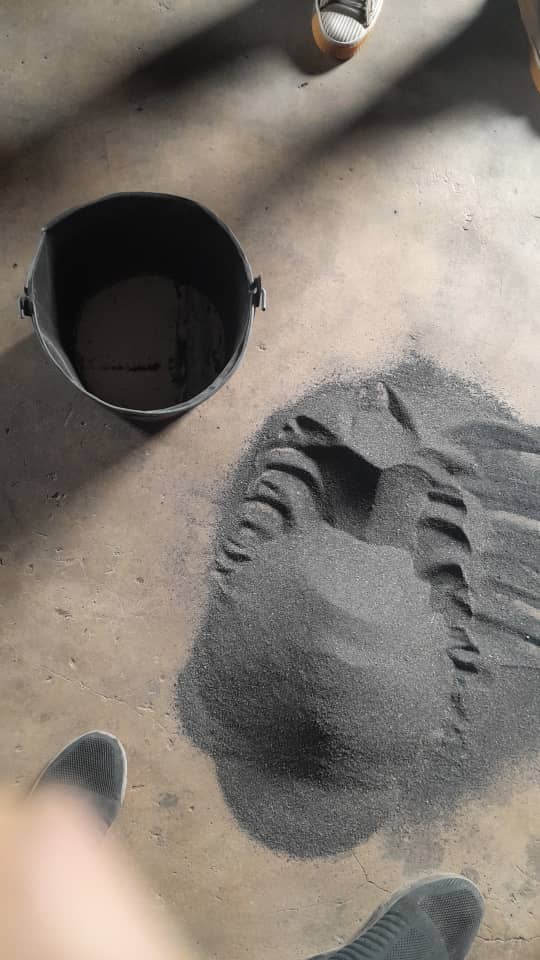
| Physical Form | Crushed ore / spodumene concentrate |
| Inspection | CCIC or Bureau Veritas at origin |
| Incoterms Available | EXW (Nigeria) | FOB (Nigerian Seaport) | CIF (Buyer’s Port) |
| Payment Terms | 100% Advance T/T (standard); LC accepted for established relationships |
| Export Documentation | NESS Certificate, NEPC Certificate, COO, Commercial Invoice, Assay Certificate, Packing List |
| Minimum Trial Quantity | Per buyer specifications — contact for details |
| Contact | augustinaimpex@gmail.com | +234 906 090 4274 |
To initiate a supply discussion, kindly send your specifications and target quantity to augustinaimpex@gmail.com or contact us via WhatsApp at +234 906 090 4274.
Conclusion
The lithium battery supply chain is one of the most complex, strategically important, and rapidly evolving industrial systems in the world today. It stretches from remote lithium mines in the Atacama desert and the hard-rock pegmatites of Western Australia to the sprawling gigafactories of China, the sophisticated battery packs of German and South Korean automotive OEMs, and ultimately to the millions of electric vehicles being driven on roads around the world.
Understanding this supply chain — its stages, its bottlenecks, its geopolitics, and its future trajectory — is essential for everyone from raw material miners and traders to battery manufacturers, automotive companies, energy developers, investors, and policy makers. The decisions being made today about where lithium is mined, who refines it, who manufactures cells, and who assembles packs will shape the energy system of the 21st century.
Nigeria’s role in this story is still being written — but the early chapters are promising. With significant hard-rock lithium resources, an improving regulatory environment, and commercial operators like Augustina Impex Limited ready to connect Nigerian lithium supply with global demand, Nigeria is positioning itself as a meaningful upstream contributor to the global lithium battery supply chain — and to the clean energy future that supply chain makes possible.
ABOUT AUGUSTINA IMPEX LIMITED
Augustina Impex Limited (RC 750691) is a fully registered and licensed Nigerian solid minerals aggregation and export company, headquartered in Jos, Plateau State, Nigeria. The company exports a broad portfolio of Nigerian solid minerals — including lithium ore (spodumene), bastnasite, fluorspar, coltan, cassiterite, ilmenite, rutile, zircon, and manganese — to qualified buyers across Asia, Europe, the Middle East, and beyond. All exports are conducted via Jase Odus Nigeria Limited (RC 2022462), NEPC Registered Exporter No. 0039421 (Valid: July 2027), in full compliance with Nigerian mining, NESS, and NEPC regulations.
Email: augustinaimpex@gmail.com | Website: www.augustinaimpex.com | WhatsApp: +234 906 090 4274
“Connecting Nigeria’s Mineral Wealth to the World — with Transparency, Reliability, and Professionalism.”
-
Previous Post
Titanium Minerals: Types, Uses, and Global Demand
Post a comment
Related Posts
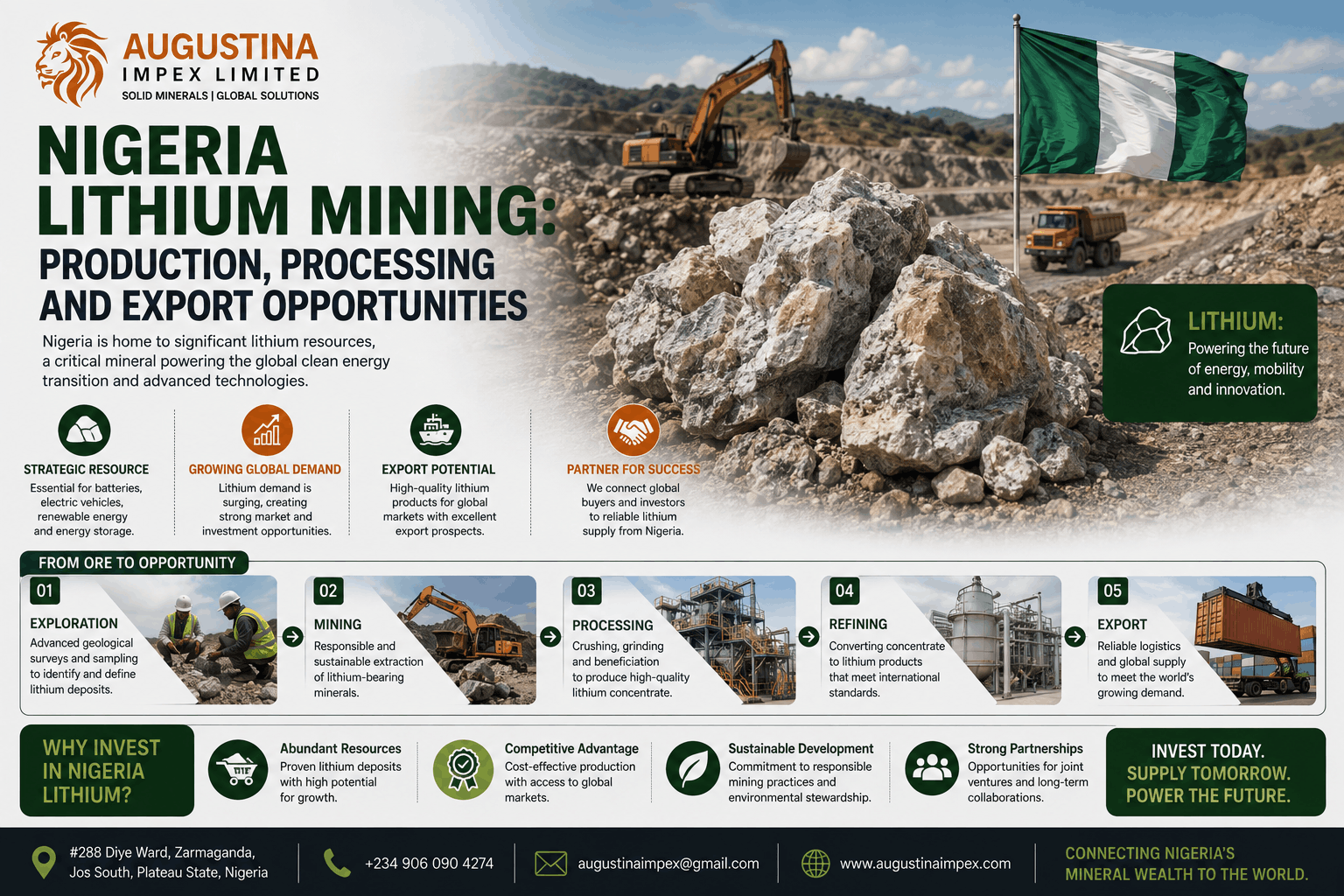
Nigeria Lithium Mining: Production, Processing & Export
Nigeria Lithium Mining: Production, Processing and Export Opportunities By Kolawole King, CEO — Augustina Impex…
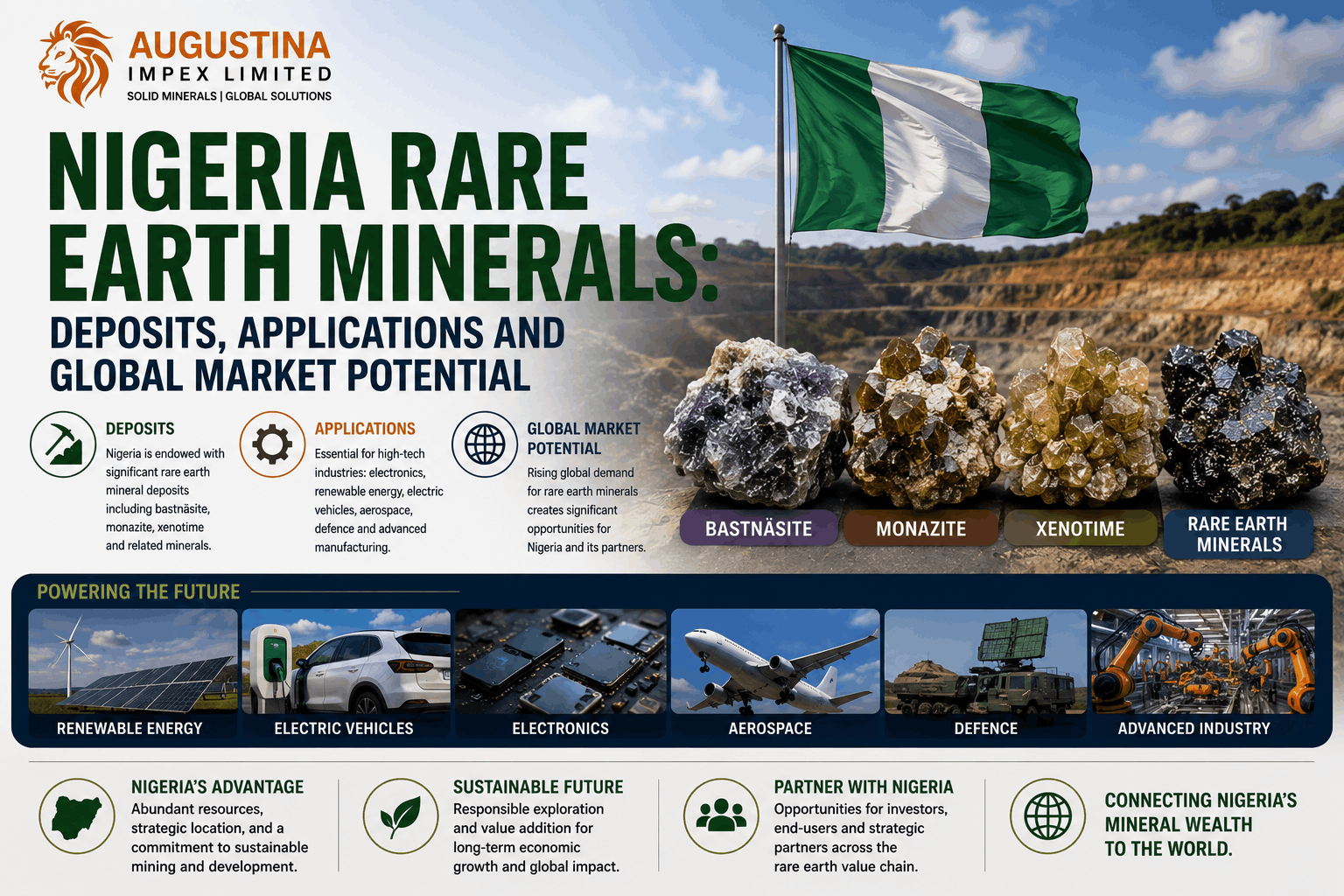
Nigeria Rare Earth Minerals: Deposits & Market Potential
Nigeria Rare Earth Minerals: Deposits, Applications and Global Market Potential By Kolawole King, CEO —…
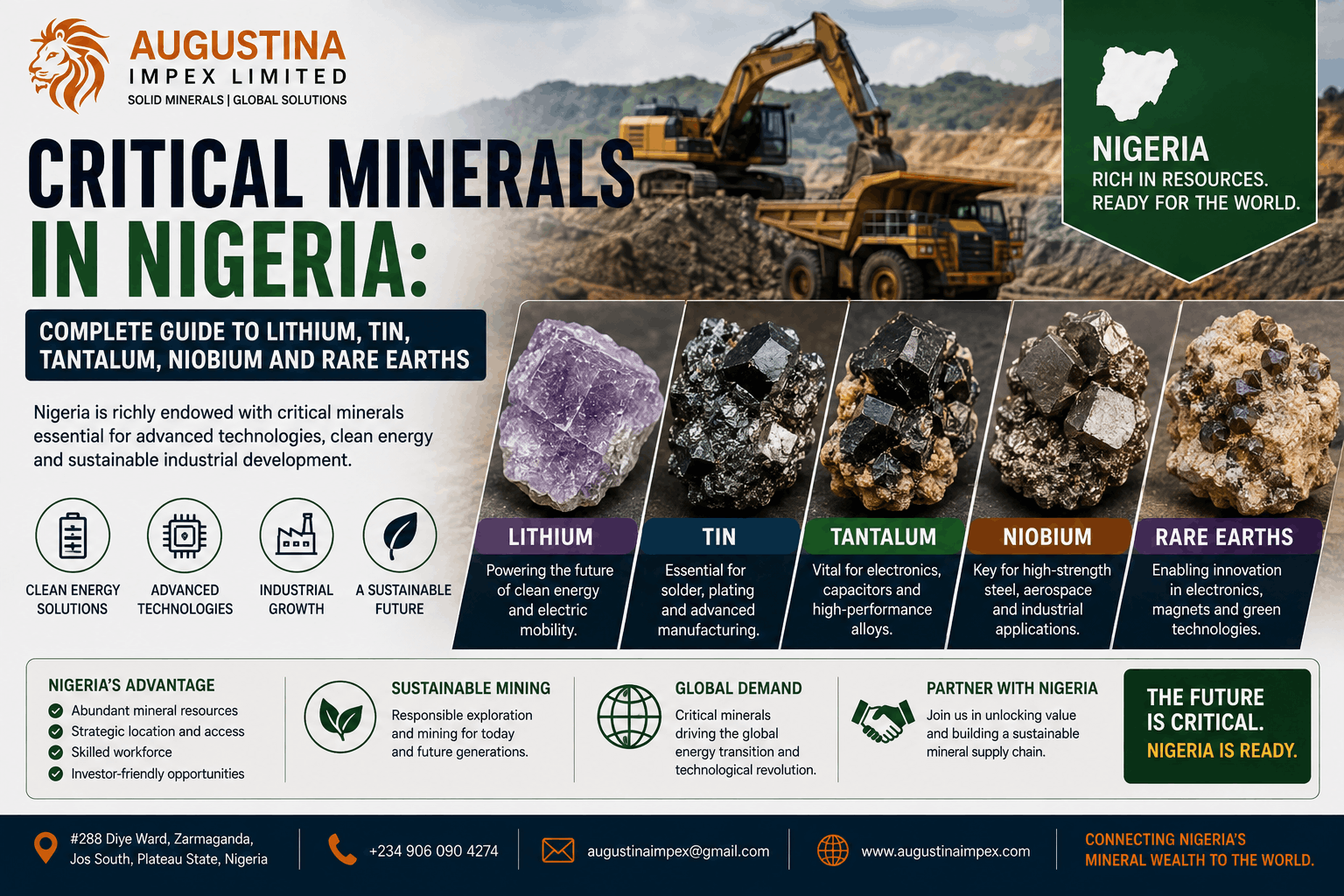
Nigeria Critical Minerals Guide: Lithium, Tin & Rare Earths
Critical Minerals in Nigeria: Complete Guide to Lithium, Tin, Tantalum, Niobium and Rare Earths By…
Conflict-Free Nigerian Tin Meets Global ESG Standards
Conflict-Free and Certified: How Nigerian Tin Meets Global ESG Standards By Kolawole King, CEO —…