

Most people will never hold a rare earth mineral in their hands, yet they touch the results of these elements dozens of times a day. The phone that wakes you, the car that moves you, the wind turbine spinning on a distant ridge, the MRI machine in a hospital, the guided systems that defend a nation — all of them depend on a small family of metals that the world has quietly come to rely on. As someone who has spent close to twenty-five years working the mineral belt of the Jos Plateau, I have watched rare earth minerals move from a niche scientific curiosity to one of the most strategically contested commodity groups on Earth. This article explains why global industries cannot function without them, and why Africa — and Nigeria in particular — sits at the centre of the next chapter of this story.
What Exactly Are Rare Earth Minerals?
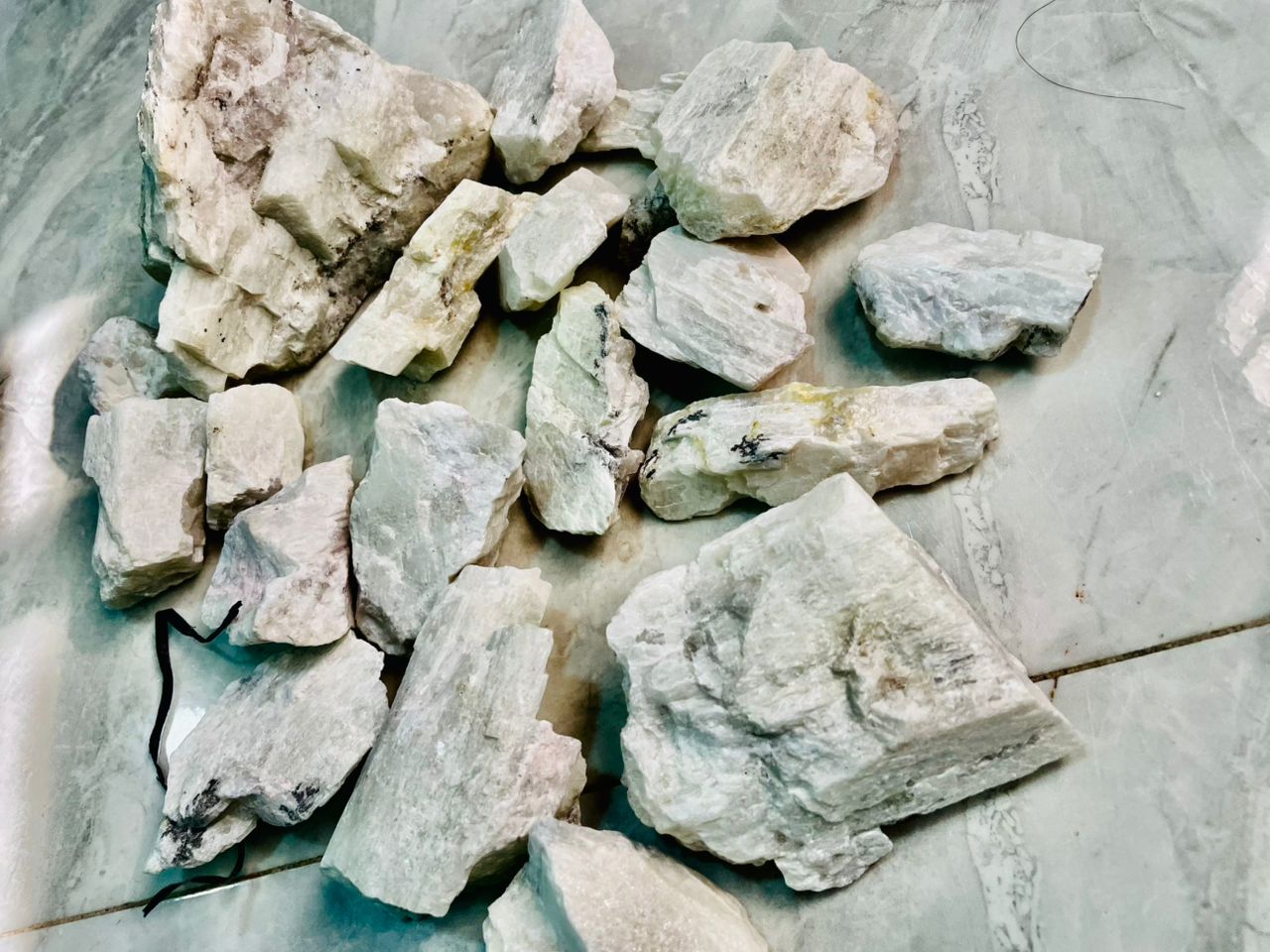
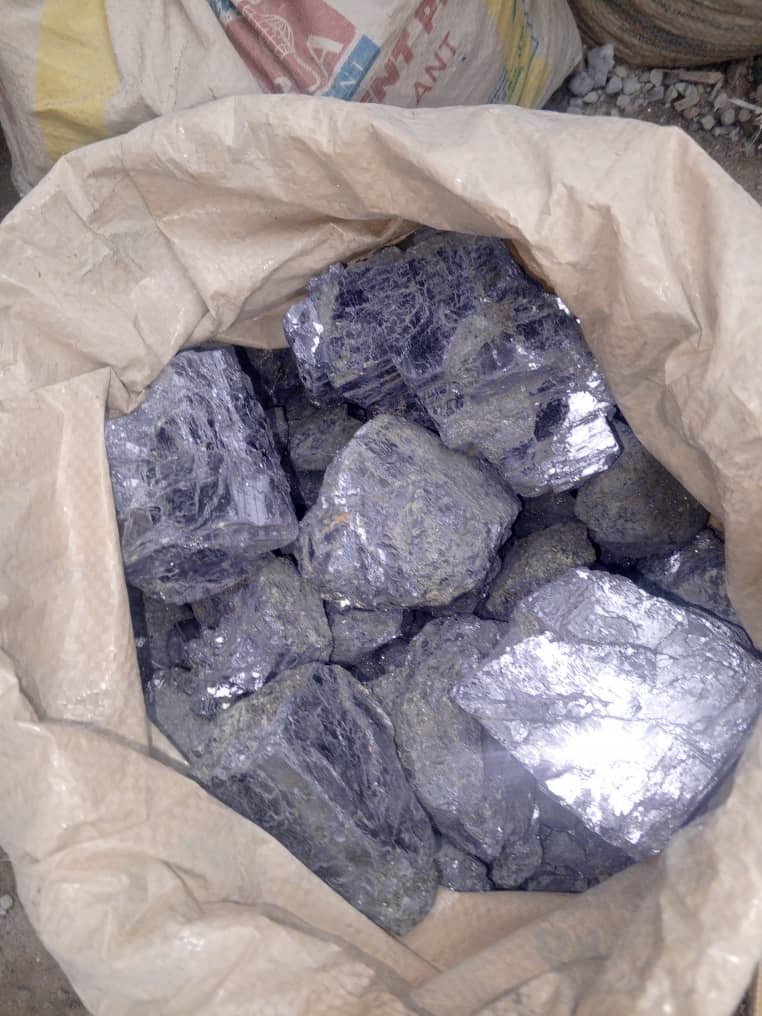
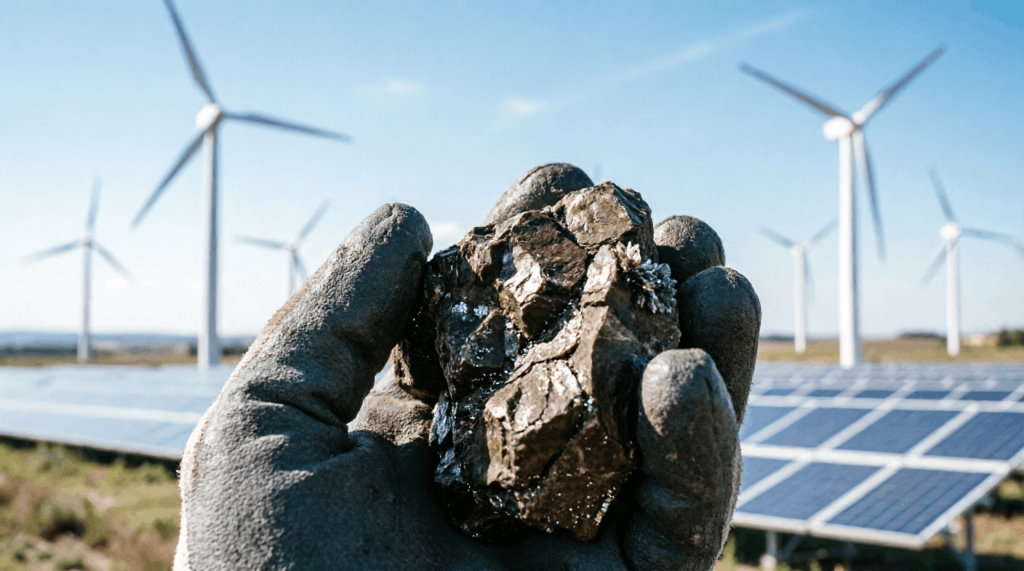
The term “rare earth minerals” refers to the ores that carry the seventeen rare earth elements: the fifteen lanthanides plus scandium and yttrium. Names like neodymium, praseodymium, dysprosium, terbium, samarium, lanthanium and cerium rarely appear in everyday conversation, but they are the active ingredients in a remarkable range of modern technology. In practice, these elements are extracted from a handful of host minerals — monazite, bastnäsite, xenotime and ion-adsorption clays being the most commercially important.
There is a quiet irony in the name. Rare earth elements are not, geologically speaking, especially rare. What is rare is finding them concentrated enough, and in a chemistry clean enough, to mine and process economically. They tend to occur together, they are chemically similar to one another, and separating one from the next is one of the more demanding tasks in industrial chemistry. That difficulty — not scarcity in the ground — is what gives rare earth minerals their strategic weight.
The Invisible Engine Behind Modern Technology
If you want to understand why these elements matter, follow the magnet. Neodymium, praseodymium, dysprosium and terbium are combined into NdFeB permanent magnets — the strongest commercially available magnets in the world. These magnets are small, light and astonishingly powerful, and that combination is exactly what miniaturised, electrified, automated technology demands.
A single NdFeB magnet might sit in the haptic motor of a smartphone, the read-write head of a hard drive, the actuator of a robotic arm, or the drive motor of an electric vehicle. Without rare earth magnets, engineers would be forced back to bulkier, weaker, less efficient alternatives. The entire trend of the last three decades — smaller devices doing more work using less energy — has been quietly underwritten by rare earth chemistry. This is what people mean when they call rare earths the “vitamins of industry”: you do not need much, but without them the whole system underperforms.
Why the Clean Energy Transition Runs on Rare Earths
Nowhere is the dependence clearer than in the global shift to clean energy. Electric vehicles and offshore wind turbines are two of the most rare-earth-intensive technologies ever built at scale, and both are being deployed in the hundreds of millions.
A modern electric vehicle typically relies on a rare earth permanent-magnet motor because it delivers the best balance of power, efficiency and driving range. A large direct-drive wind turbine can contain hundreds of kilogrammes of rare earth magnets, allowing it to generate electricity reliably with fewer moving parts and lower maintenance. As governments legislate toward net-zero targets and consumers move away from combustion engines, demand for neodymium and dysprosium is projected to climb steeply for decades. In other words, the energy transition the world has committed to is, at a material level, a rare earth minerals story. You cannot decarbonise transport and power generation at scale without securing the supply of these elements.
Defense, Aerospace and National Security
Beyond consumer technology and clean energy lies a quieter but equally critical sector: defense and aerospace. Precision-guided munitions, fighter-jet actuators, radar and sonar systems, night-vision optics, satellite components and submarine propulsion all depend on rare earth elements. A single advanced fighter aircraft can contain several hundred kilogrammes of rare earth materials across its systems.
This is precisely why governments now treat rare earths as a matter of national security rather than ordinary commerce. When a country cannot guarantee access to the elements that go into its defense hardware, its strategic independence is compromised. Over the past decade this realisation has pushed rare earths to the top of industrial-policy agendas in the United States, the European Union, Japan, India and beyond — each scrambling to reduce dependence on a single dominant supplier.
The Electronics and Healthcare We Take for Granted
It is easy to focus on cars and turbines and forget the ordinary miracles. Rare earth phosphors give colour and brightness to displays and lighting. Cerium is the polishing agent that finishes precision glass and silicon wafers, making the semiconductor industry possible. Lanthanum improves the optics in camera lenses. Gadolinium is used as a contrast agent in MRI scanning, and yttrium features in certain lasers and cancer therapies.
Strip rare earths out of the picture and you do not just lose luxuries — you lose diagnostic medicine, efficient lighting, high-performance computing and the optical and electronic precision that underpins almost every advanced industry. That breadth of application is the single best explanation for why global industries need rare earth minerals: the dependence is not concentrated in one sector, it is woven through nearly all of them.
The Supply Chain Problem the World Is Waking Up To
Here is the uncomfortable truth that has moved rare earths from the trade pages to the front pages. For decades, the mining and — more importantly — the refining and separation of rare earths has been overwhelmingly concentrated in a single country. China today dominates global rare earth processing capacity, controlling the vast majority of the world’s separation and magnet-making capability.
That concentration creates a structural vulnerability. When supply is dominated by one source, every importing nation is exposed to export restrictions, price shocks and geopolitical leverage. The world has already had several sharp reminders of how quickly access can tighten. The result is a global race to diversify — to find, mine, process and refine rare earth minerals outside the established supply chain. New projects are being financed across Australia, North America and, increasingly, Africa. This diversification drive is the single biggest commercial opportunity in the critical minerals space today, and it is reshaping where capital, technology and offtake agreements are flowing.
Africa’s — and Nigeria’s — Moment
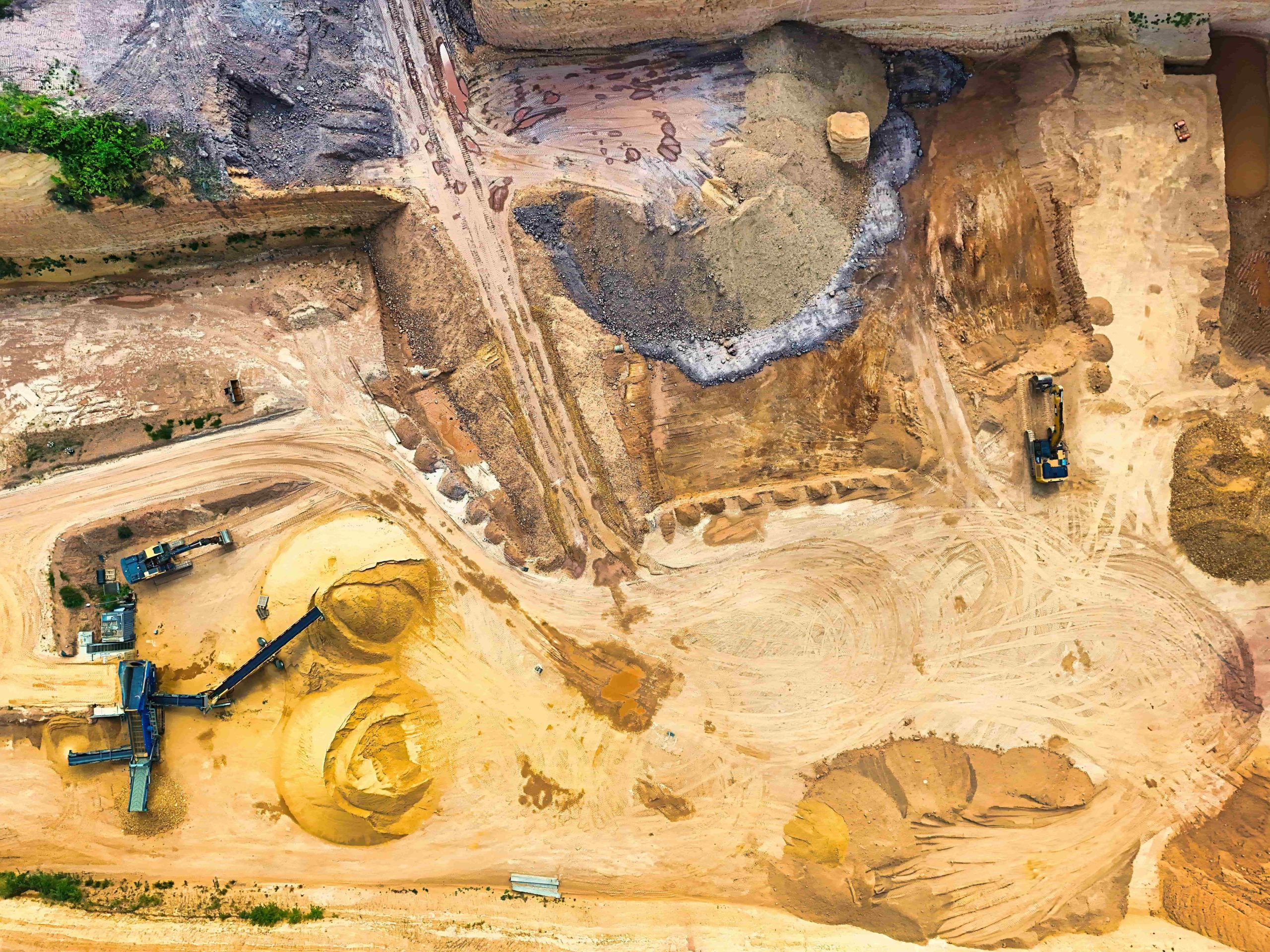
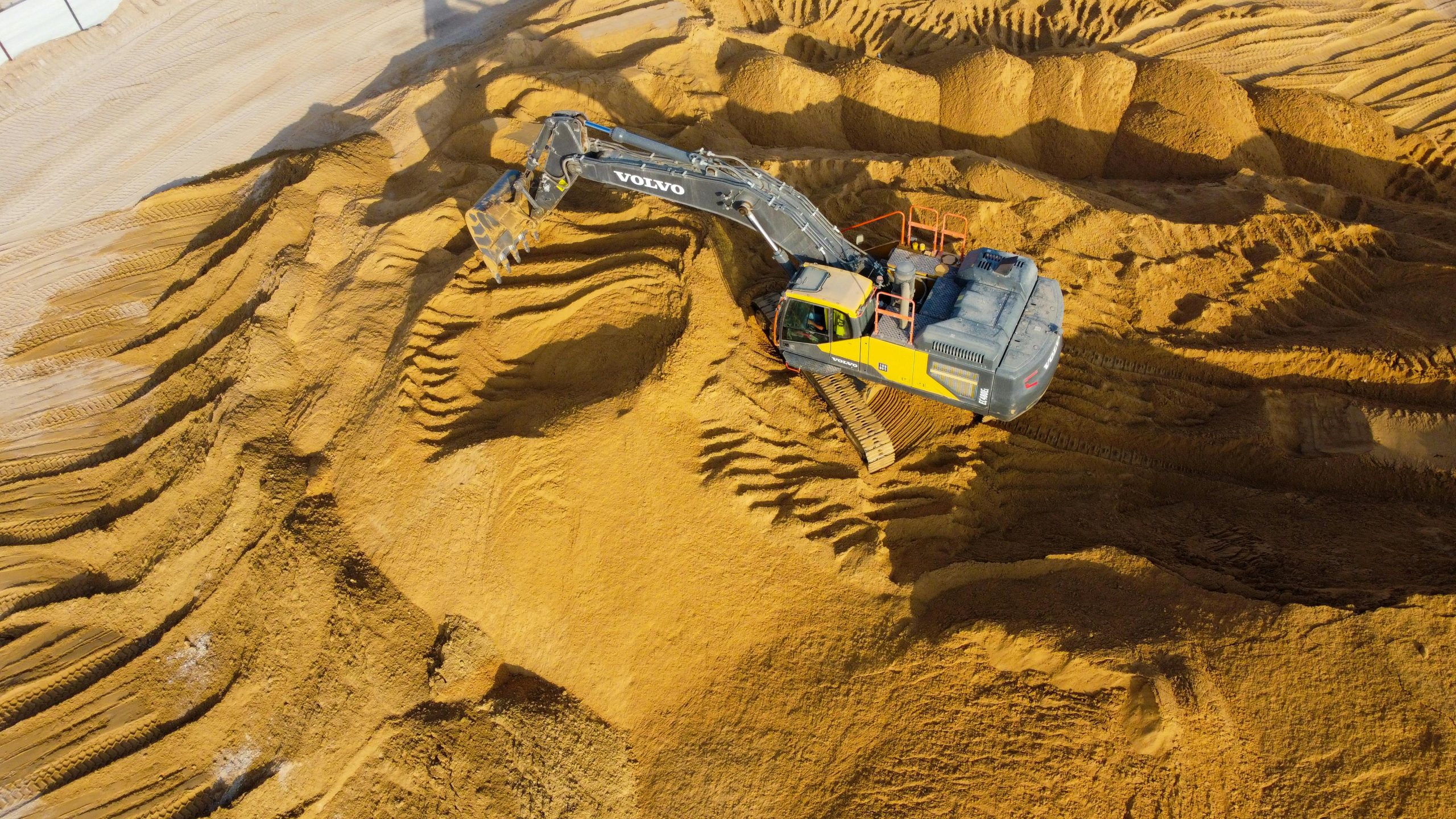
This is where my part of the world enters the story. Africa holds globally significant deposits of the host minerals that carry rare earth elements, and Nigeria in particular has substantial monazite-bearing mineral sands on the Jos Plateau, alongside a broad portfolio of associated minerals such as columbite, tantalite, cassiterite and zircon. Monazite is one of the principal commercial sources of light rare earths, and Nigeria’s belts have been producing heavy mineral concentrates for generations.
For too long, African producers have exported raw ore at the bottom of the value chain and watched the real value created downstream, somewhere else. The current global appetite for supply diversification changes the calculus. Buyers in Asia, Europe and the Middle East now actively want non-traditional sources, and they want reliable, well-documented, responsibly handled material. For a producing nation like Nigeria, this is a genuine window — a chance to move from being a forgotten supplier to a recognised, strategic partner in the global rare earth supply chain.
From Raw Ore to Strategic Asset: The Case for Beneficiation
Securing that window requires a shift in mindset from extraction to beneficiation. There is a world of difference between shipping unprocessed sand and supplying a verified mineral concentrate with documented total rare earth oxide (TREO) content, supported by XRF and ICP-OES assays and handled in line with NORM and IAEA radiation-safety guidance. The first is a low-margin commodity transaction. The second is a strategic input that serious industrial buyers will pay a premium for and build long-term relationships around.
At Augustina Impex Limited, this is precisely the discipline we bring to the Nigerian minerals trade — connecting verified material from the Plateau belt to credible international buyers, with the documentation, quality control and export facilitation that turn a pile of ore into a bankable, traceable, strategic asset. The producers who professionalise now, while the world is actively looking for new sources, are the ones who will still be standing when the market matures.
What This Means for Buyers, Investors and Policymakers
For industrial buyers, the message is straightforward: dependence on a single supply source is no longer a risk you can ignore, and building relationships with emerging, well-run African suppliers is a form of insurance. For investors, the structural demand growth in EVs, wind power, robotics and defense — set against a supply base that is racing to diversify — is one of the clearest long-horizon theses in commodities. For policymakers across Africa, the opportunity is to encourage local processing, transparent regulation and value addition, so that the wealth in the ground translates into jobs, technology and lasting national benefit rather than another round of raw export.
The common thread is that critical minerals are no longer a back-office procurement detail. They are a boardroom and cabinet-level concern, and the decisions made over the next few years about where and how rare earths are sourced will shape industrial competitiveness for a generation.
Final Thoughts
Global industries need rare earth minerals because the technologies that define modern life — clean transport, renewable power, advanced electronics, medical imaging and national defense — simply cannot be built without them. The elements are spread thinly through the products we use every day, yet remove them and the whole structure falters. The world now understands this, and it is actively searching for new, reliable, responsibly produced supply.
Africa, and Nigeria with it, has both the geology and the moment to answer that call. The task ahead is to meet it with professionalism: verified quality, proper documentation, responsible handling and a determination to climb the value chain rather than sit at the bottom of it. That is the work we have committed ourselves to at Augustina Impex Limited — and it is, I believe, one of the most important economic opportunities of our generation. If your business is looking to secure responsibly sourced rare earth minerals and associated Nigerian solid minerals, I would be glad to talk.
Kolawole King, Chief Executive Officer, Augustina Impex Limited
#288 Diye Ward, Zarmaganda, Jos South, Plateau State, Nigeria
Email: augustinaimpex@gmail.com | WhatsApp: +234 906 090 4274
Website: https://augustinaimpex.com | Blog: https://augustinaimpexng.blogspot.com/
Advert Video: https://www.youtube.com/watch?v=Izg0t7By6co
#RareEarthMinerals #RareEarthElements #CriticalMinerals #NdFeBMagnets #Neodymium #EVSupplyChain #EnergyTransition #AfricanCriticalMinerals #NigeriaMining #AugustinaImpex
-
Previous Post
Why Ilmenite is Important in Aerospace Manufacturing
Post a comment
Related Posts
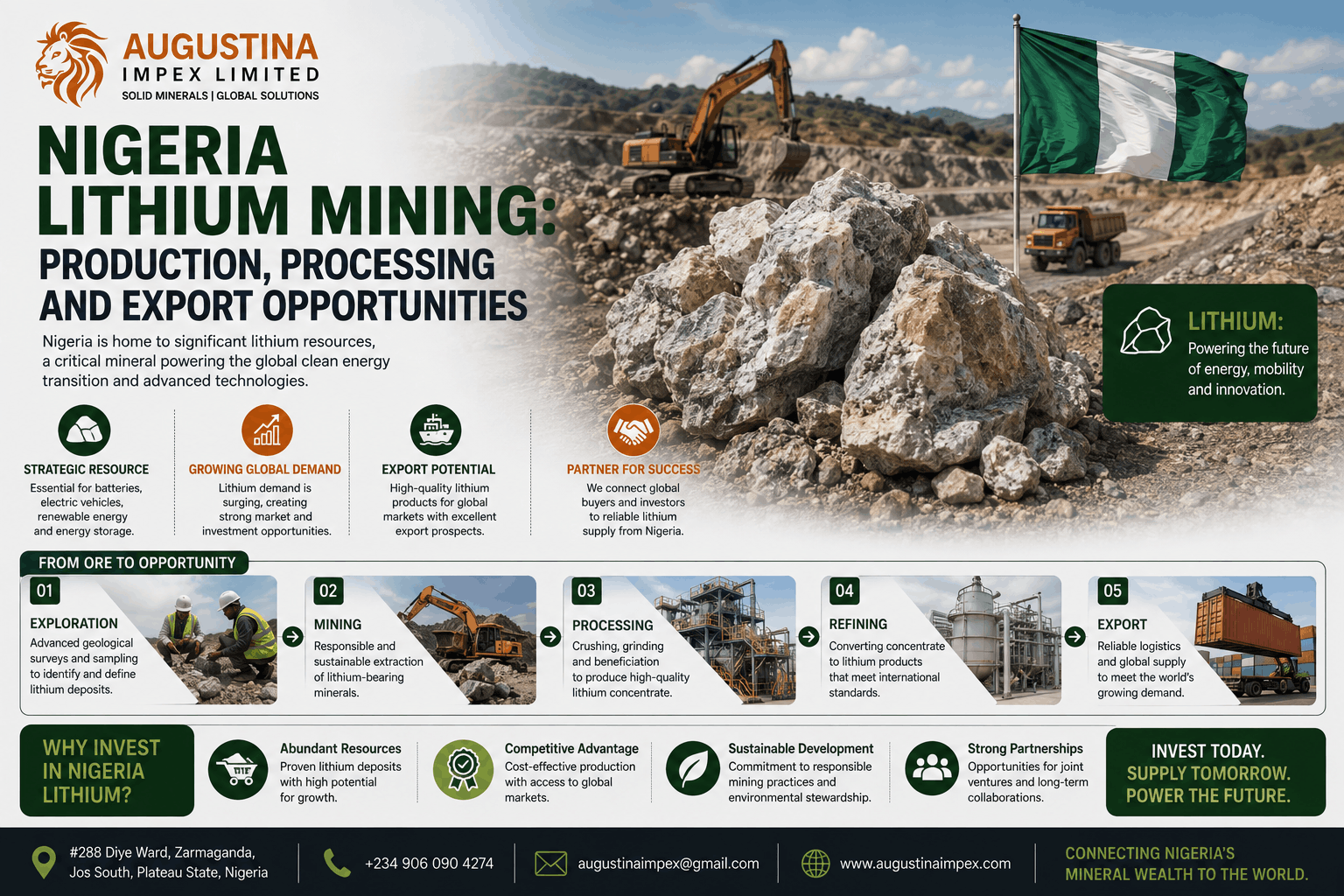
Nigeria Lithium Mining: Production, Processing & Export
Nigeria Lithium Mining: Production, Processing and Export Opportunities By Kolawole King, CEO — Augustina Impex…
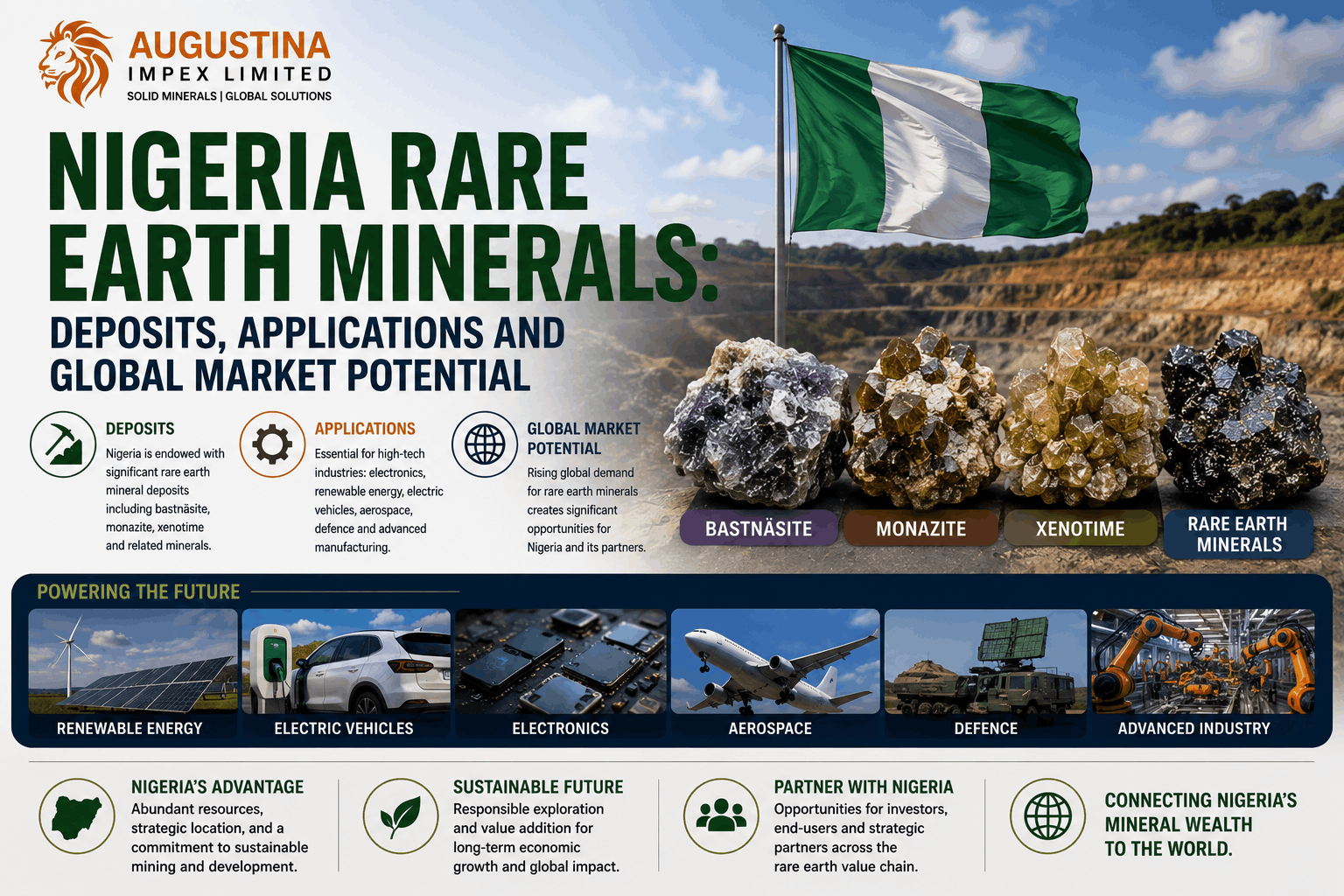
Nigeria Rare Earth Minerals: Deposits & Market Potential
Nigeria Rare Earth Minerals: Deposits, Applications and Global Market Potential By Kolawole King, CEO —…
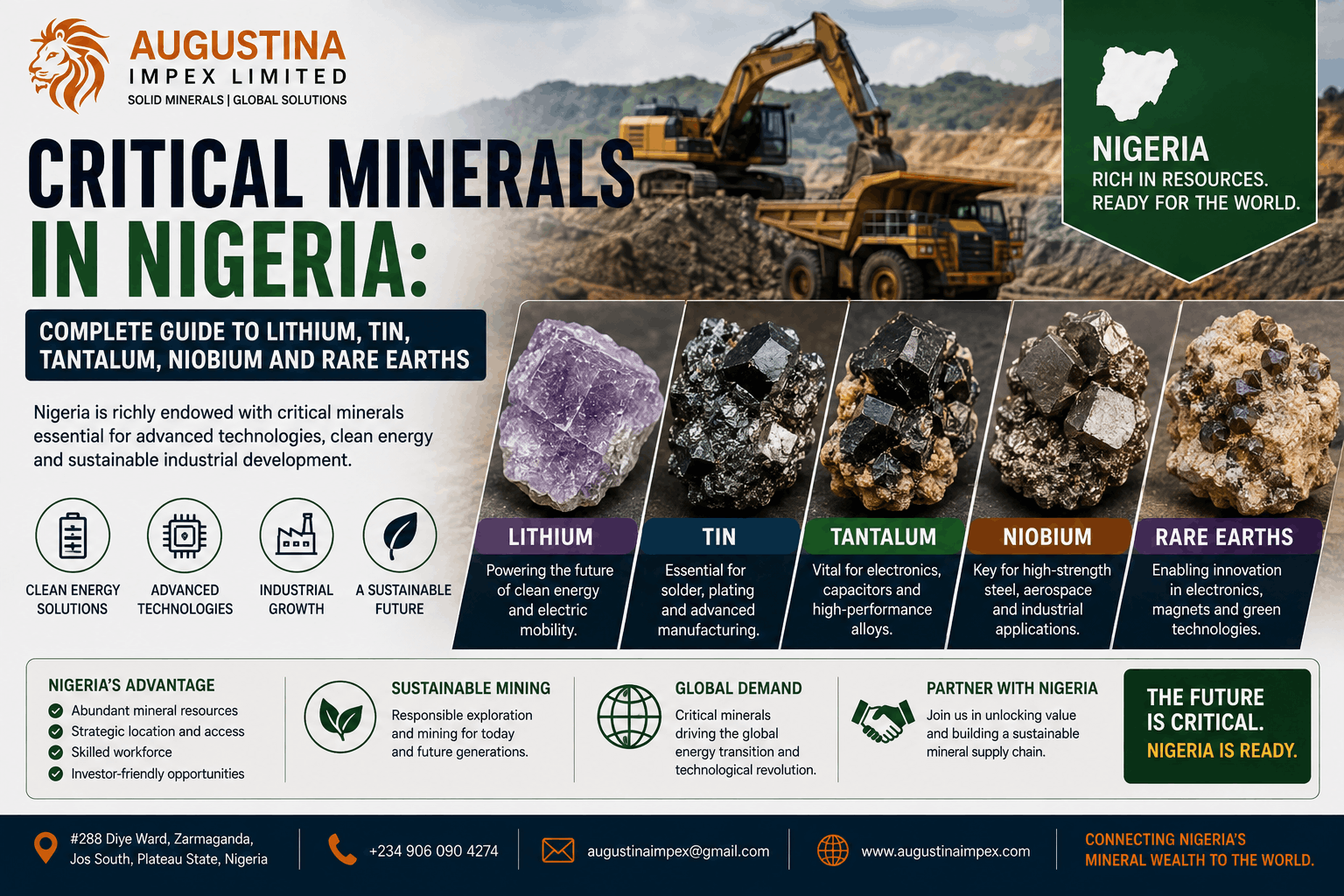
Nigeria Critical Minerals Guide: Lithium, Tin & Rare Earths
Critical Minerals in Nigeria: Complete Guide to Lithium, Tin, Tantalum, Niobium and Rare Earths By…
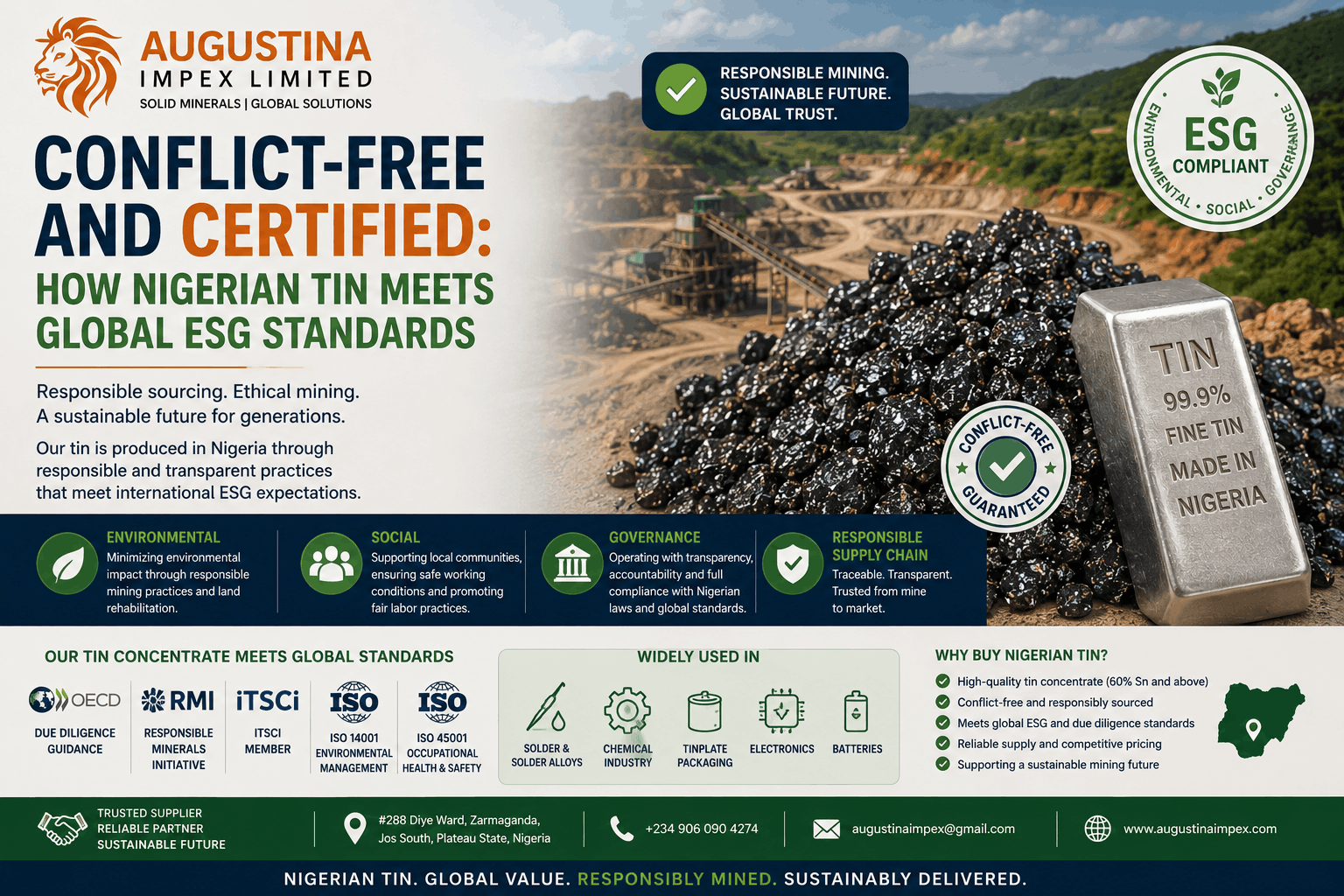
Conflict-Free Nigerian Tin Meets Global ESG Standards
Conflict-Free and Certified: How Nigerian Tin Meets Global ESG Standards By Kolawole King, CEO —…