
Why Titanium Is Critical to Aerospace and Renewable Energy
There is a metal holding together the fuselage of nearly every commercial aircraft flying today. It is resisting saltwater corrosion in the foundations of offshore wind turbines spinning off the coasts of the United Kingdom, Denmark, and China. It is inside the electrolysers splitting water into green hydrogen. It is in the heat exchangers of geothermal power plants, in the fasteners of space launch vehicles, and in the structural components of fighter jets that are expected to perform at twice the speed of sound under conditions that would destroy almost any other engineering material.
That metal is titanium — and it is one of the most remarkable engineering materials that modern industrial civilisation has ever developed. Titanium is not a household name in the way that steel, aluminium, or copper are. Most people have never held a piece of pure titanium in their hands. But the physical and chemical properties that make titanium extraordinary — its exceptional strength-to-weight ratio, its total resistance to corrosion in even the most aggressive environments, its biocompatibility, and its ability to maintain mechanical integrity across a wider range of temperatures than almost any other structural metal — make it indispensable to the industries that define the frontier of modern engineering: aerospace and clean energy.
This article is a comprehensive examination of why titanium is so critical to aerospace and renewable energy — covering the metal’s properties, its production from mineral ore to finished metal, its specific applications across aviation, space, wind, solar, hydrogen, and geothermal technologies, the global supply chain that feeds these applications, the strategic designation of titanium feedstock minerals as critical, and Nigeria’s specific contribution to the global titanium mineral supply. Whether you are a materials engineer, a supply chain professional, an investor in the clean energy transition, or simply someone who wants to understand why the minerals coming out of the ground in Nigeria’s Ondo State or the Jos Plateau matter to the future of flight and renewable power, this is the article you need to read.
What Is Titanium? — Element, Discovery, and Basic Characteristics
Titanium is a chemical element with the symbol Ti and atomic number 22. It is a lustrous, silver-grey transition metal belonging to Group 4 of the periodic table, discovered in 1791 by British clergyman and amateur mineralogist William Gregor in a black mineral sand from Cornwall, England — a mineral that would later be identified as ilmenite (FeTiO₃). The element was independently identified and named four years later by German chemist Martin Heinrich Klaproth, who named it after the Titans of Greek mythology, reflecting his impression of its elemental strength and dignity.
Titanium is the ninth most abundant element in the Earth’s crust — more abundant by mass than copper, nickel, chromium, zinc, lead, or any of the rare earth elements — and is a ubiquitous minor component of most crustal rock types. Despite this abundance, titanium was not produced as a commercial metal until the 1940s, and did not achieve significant industrial application until the 1950s and 1960s, primarily because of the extreme difficulty of separating and reducing titanium from its oxide minerals without contaminating the metal with oxygen, nitrogen, or carbon — impurities that make titanium brittle and destroy its engineering properties. The development of the Kroll process in 1940 — which uses magnesium metal to reduce titanium tetrachloride (TiCl₄) to titanium sponge in a sealed, inert-atmosphere reactor — finally made commercial titanium metal production feasible.
| Property | Value |
|---|---|
| Atomic Number | 22 |
| Atomic Weight | 47.867 g/mol |
| Density | 4.506 g/cm³ (approximately 60% of the density of steel) |
| Tensile Strength (Grade 5 alloy, Ti-6Al-4V) | 950 MPa — comparable to high-strength steel |
| Melting Point | 1,668°C (significantly higher than aluminium at 660°C) |
| Specific Strength (strength/density) | Highest of any structural metal — superior to steel and aluminium alloys |
| Corrosion Resistance | Exceptional — resistant to seawater, chlorine, acids, and oxidising environments; passivation layer forms instantly on exposure to air |
| Operating Temperature Range | Maintains strength from cryogenic temperatures (−269°C) to approximately 600°C |
| Biocompatibility | Non-toxic; osseointegrates with bone — the only structural metal the human body fully accepts |
| Thermal Expansion Coefficient | 8.6 µm/m°C — approximately half that of steel, similar to glass |
The Strength-to-Weight Ratio — Why It Changes Everything
The single most commercially significant property of titanium — the one that explains its dominance in aerospace applications more than any other — is its specific strength: the ratio of its mechanical strength to its density. Steel is approximately 60% heavier than titanium for the same volume, but only about 20–30% stronger in the alloys used for aerospace structural applications. This means that a titanium component can replace a steel component of equal strength at approximately 45% less weight. In an industry where every kilogram of structural weight saved translates directly and measurably into fuel saved, range extended, payload increased, and emissions reduced, that weight saving is not an aesthetic preference — it is a commercial and engineering imperative.
Aluminium alloys, the other primary competitor for lightweight aerospace structures, are even lighter than titanium — but they lose strength rapidly above approximately 150°C and cannot be used in high-temperature zones of aircraft engines or in applications requiring high fatigue life under repeated cyclic loading. Titanium, by contrast, maintains useful structural strength up to approximately 500–600°C and has outstanding fatigue resistance — the ability to endure millions of load cycles without developing cracks. This combination of low density, high strength, high operating temperature, and outstanding fatigue resistance gives titanium an effectively uncontested position in the most demanding structural and thermal applications in aerospace engineering.
How Titanium Is Produced — The Journey from Mineral Ore to Metal
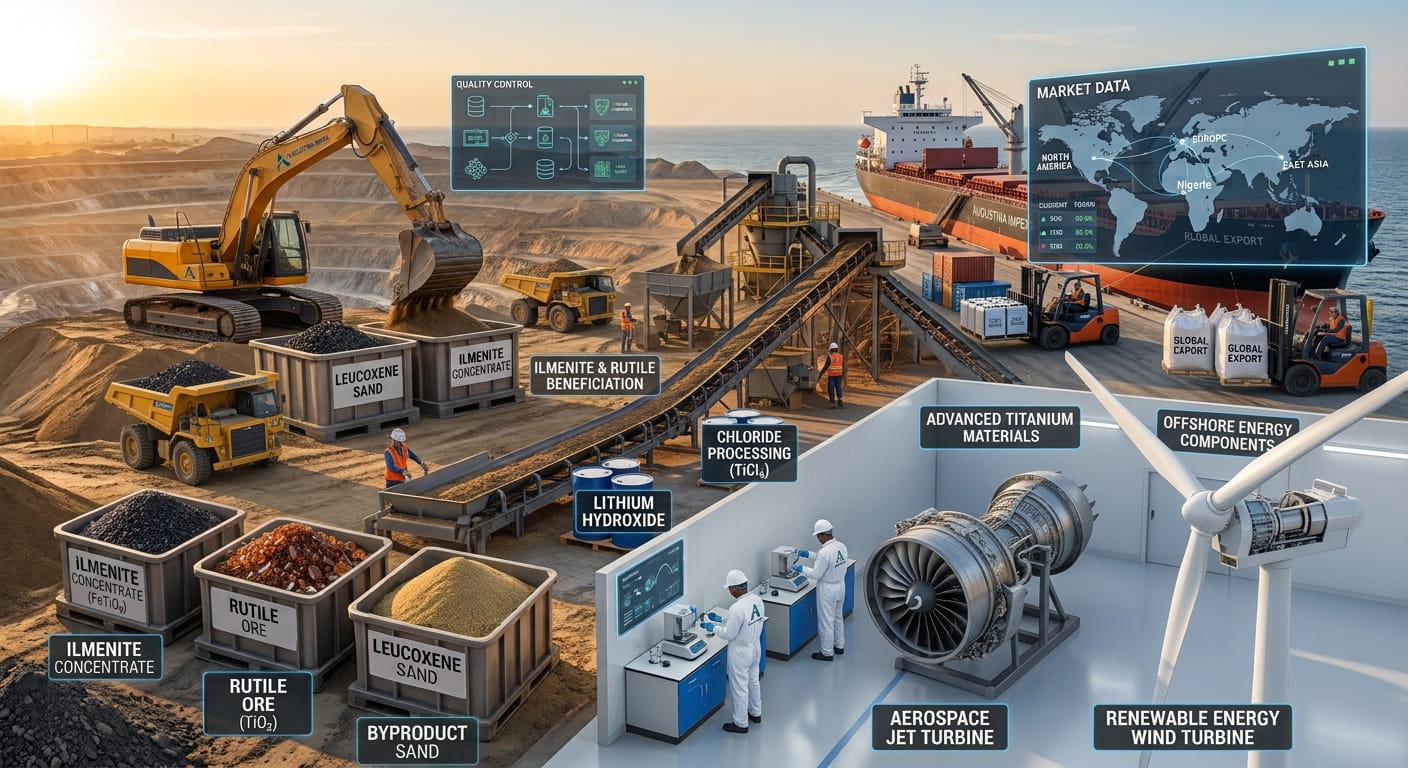
Understanding where titanium metal comes from — the complete production chain from mineral ore in the ground to aerospace-grade titanium alloy billet in a machining shop — is essential context for understanding why the ilmenite and rutile that Augustina Impex sources from Nigerian heavy mineral sands deposits are genuinely part of the global aerospace and clean energy supply chain, even though they look nothing like the shiny grey metal that eventually ends up in an aircraft engine.
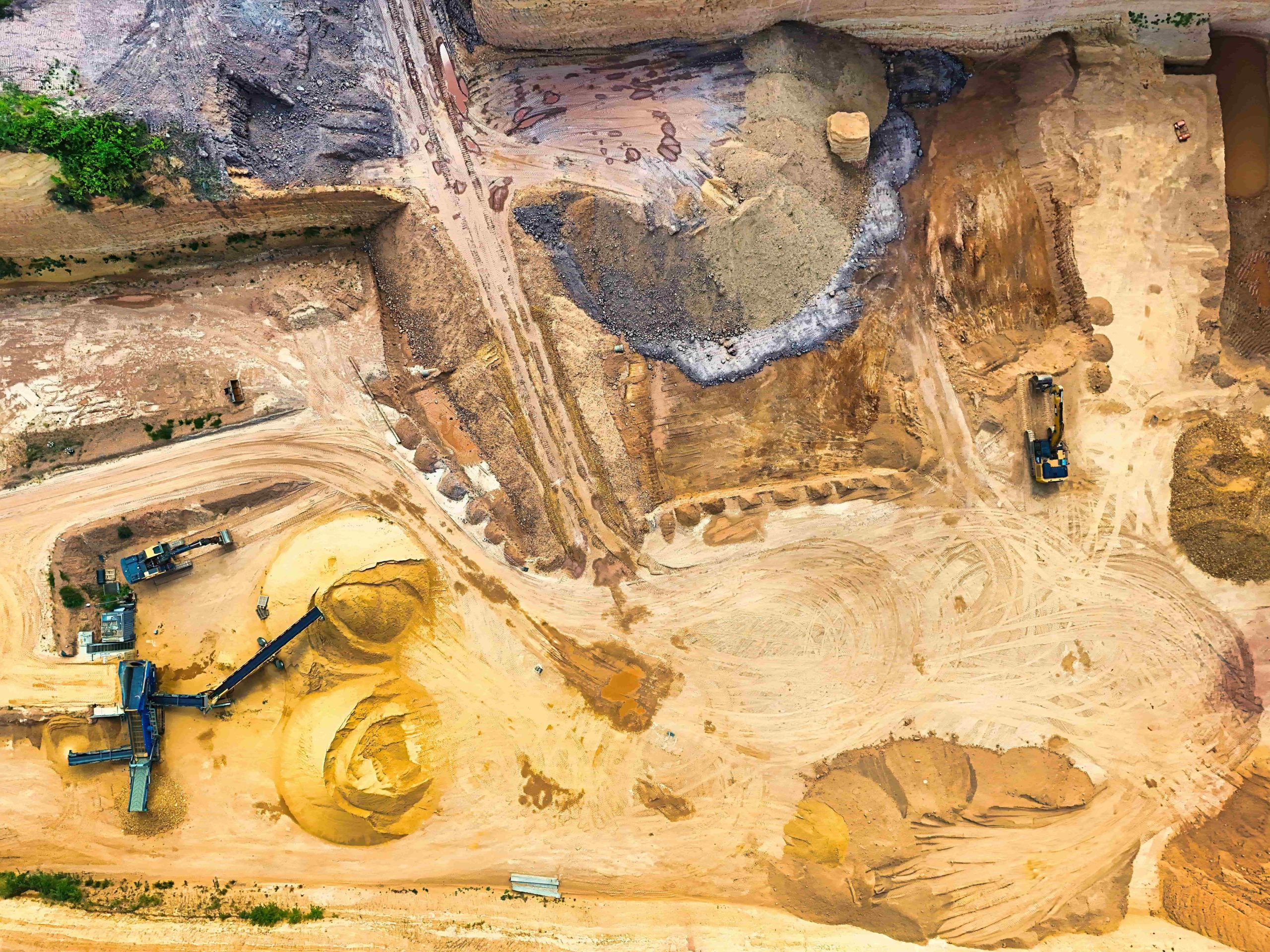
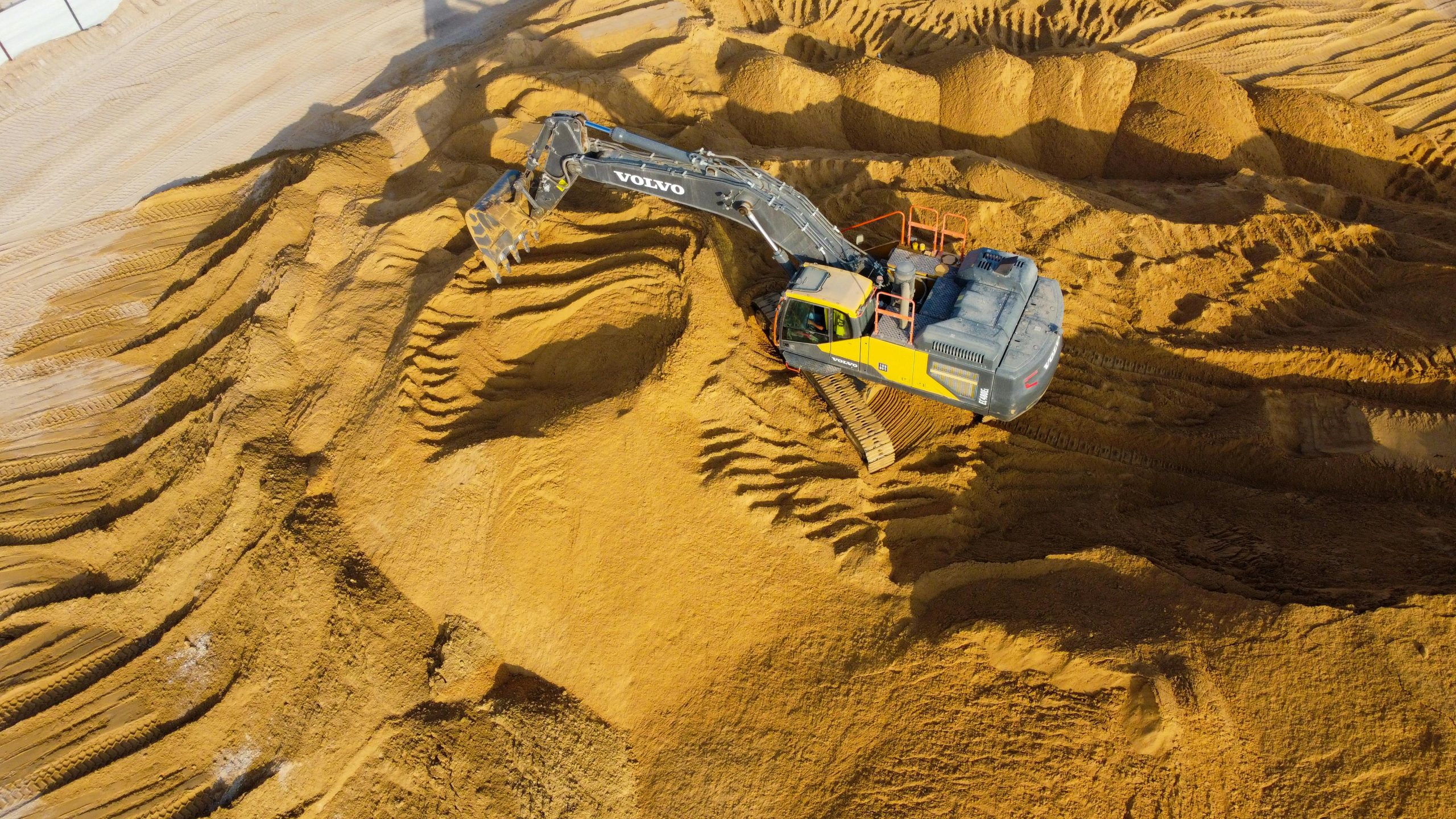
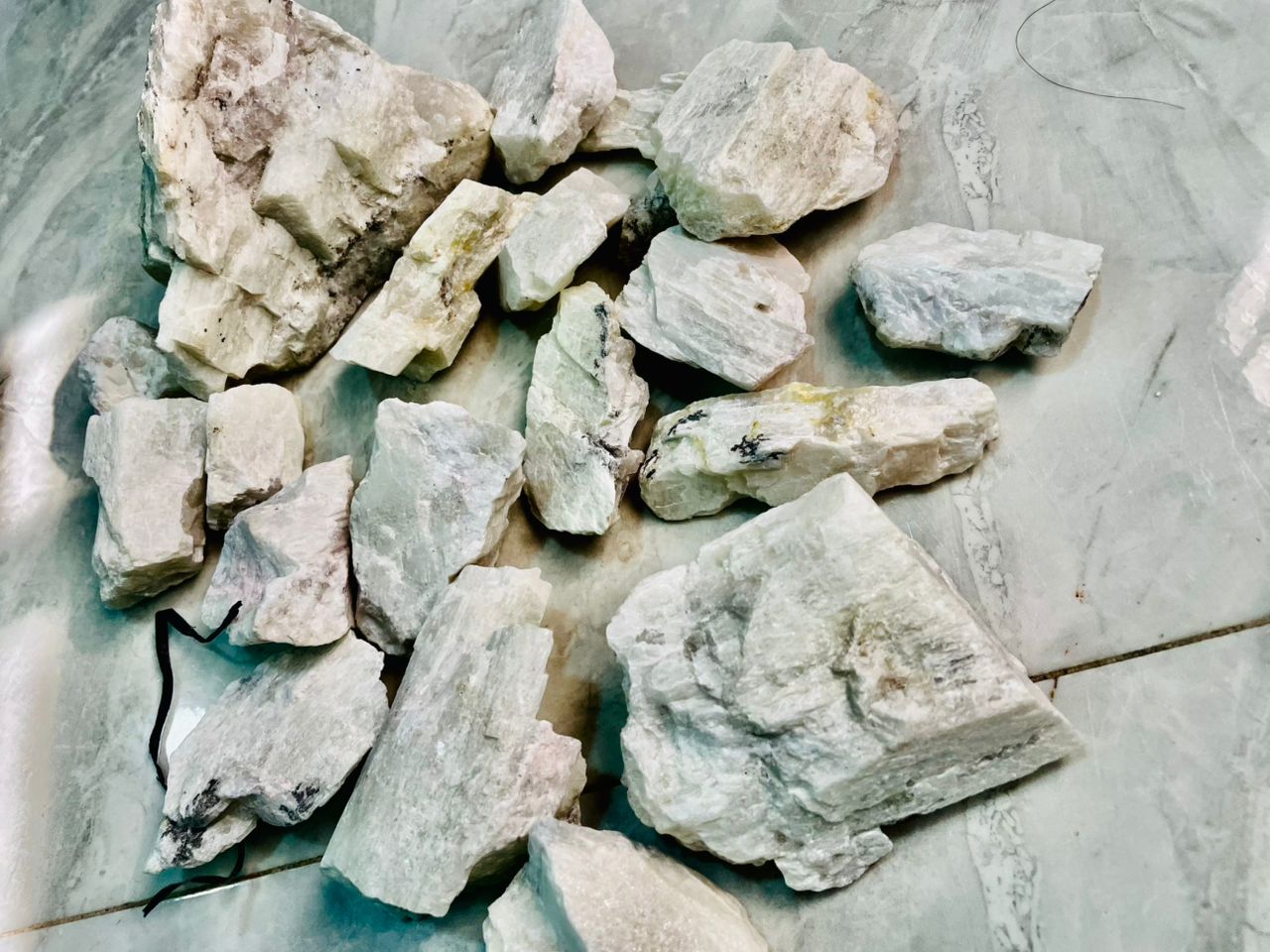
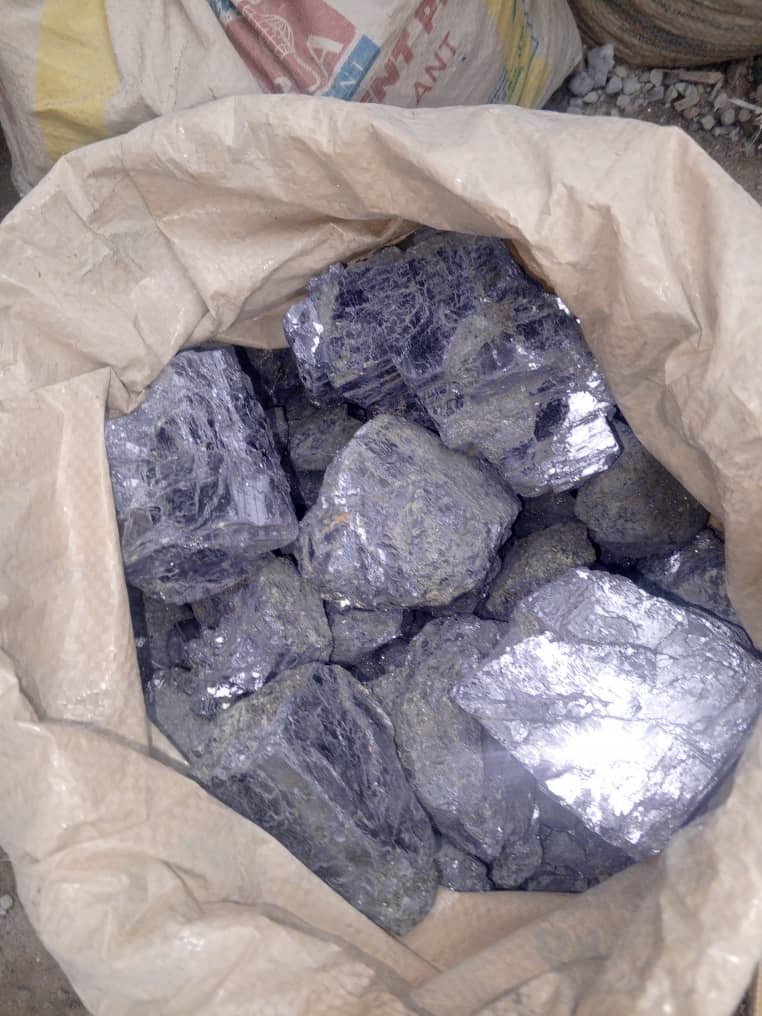
① Step 1 — Mining Titanium Mineral Ore (Ilmenite and Rutile): Titanium in nature occurs almost exclusively as oxide minerals — primarily ilmenite (FeTiO₃, containing approximately 44%–65% TiO₂) and rutile (TiO₂, containing 90%–98% TiO₂). These minerals are mined from heavy mineral sands (HMS) deposits — coastal and alluvial sand accumulations where the high density of the heavy mineral fraction has caused it to concentrate relative to lighter quartz — and from primary hard-rock deposits associated with anorthosite and mafic igneous rocks. Nigerian HMS deposits in Plateau State, Ondo State, and Cross River State contribute ilmenite and rutile to the global titanium mineral supply.
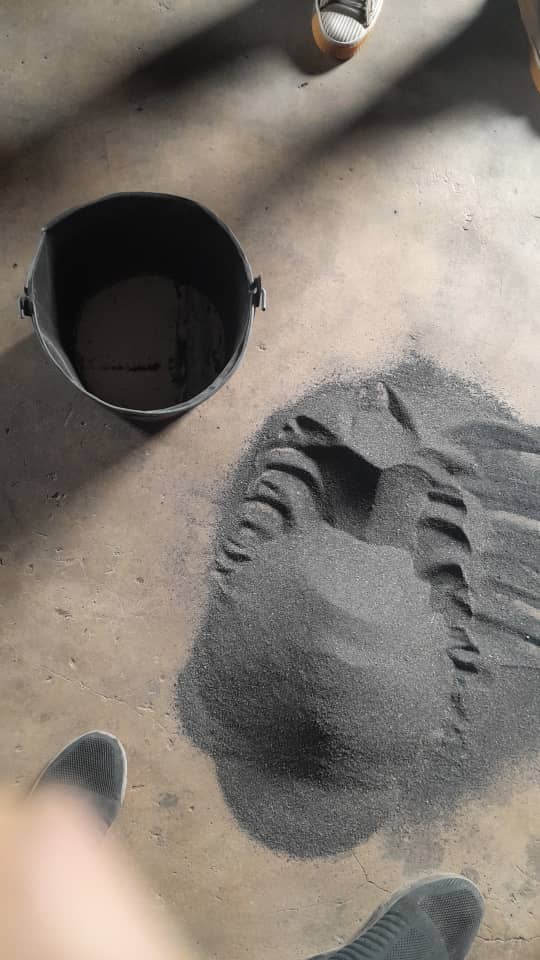
② Step 2 — HMS Processing (Beneficiation): The raw ore is processed through a sequence of gravity separation (spiral concentrators), magnetic separation (WHIMS — Wet High Intensity Magnetic Separators), and electrostatic separation (HTR — High Tension Roll separators) to produce separate ilmenite concentrate, rutile concentrate, zircon concentrate, and leucoxene products. The Augustina Impex HMS processing plant partnership in Jos operates gravity, magnetic, and electrostatic circuits for this purpose.
③ Step 3 — Upgrading Ilmenite (Titanium Slag or Synthetic Rutile): Because ilmenite’s TiO₂ content (44%–65%) is too low for direct use in the chloride process that produces the TiCl₄ feedstock for titanium metal, most ilmenite is upgraded either by electric arc smelting (to produce titanium slag at 80%–95% TiO₂) or by acid leaching (to produce synthetic rutile at 91%–94% TiO₂). Natural rutile (90%–98% TiO₂) can go directly to the next step without upgrading.
④ Step 4 — Chlorination (Production of TiCl₄): Rutile or upgraded ilmenite is fed into a fluidised bed chlorinator together with carbon (coke), and reacted with chlorine gas at approximately 900°C. Titanium tetrachloride (TiCl₄) — a colourless liquid known as “tickle” — is produced and condensed from the gas stream. TiCl₄ is the universal intermediate from which both TiO₂ pigment and titanium metal are made.
⑤ Step 5 — Kroll Process (TiCl₄ to Titanium Sponge): TiCl₄ is reacted with liquid magnesium metal in a sealed, argon-purged reactor at approximately 800°C. The magnesium reduces the titanium tetrachloride to metallic titanium, which accumulates as a porous, grey sponge-like mass — “titanium sponge.” Magnesium chloride (MgCl₂) is the co-product, which is recycled back to magnesium by electrolysis. Titanium sponge is then vacuum-distilled to remove residual magnesium and MgCl₂ contamination.
⑥ Step 6 — Melting, Alloying, and Forming: Titanium sponge is blended with alloying additions (aluminium, vanadium, molybdenum, etc.) and melted in a vacuum arc remelting (VAR) or electron beam melting (EBM) furnace to produce titanium alloy ingot. The ingot is then worked (forged, rolled, or extruded) into mill products — billet, plate, sheet, bar, tube — that are sold to aerospace component manufacturers and machined into final parts.
Titanium Alloys — The Engineering Grades That Power Aerospace
Pure titanium, while corrosion-resistant and ductile, is not strong enough for most structural aerospace applications. The titanium used in aircraft and aero-engines is almost exclusively in the form of titanium alloys — engineered compositions in which alloying elements (principally aluminium, vanadium, molybdenum, tin, zirconium, and chromium) are added to the titanium matrix to increase strength, improve high-temperature performance, and tailor other properties for specific applications.
| Alloy Grade | Composition | Key Applications |
|---|---|---|
| Grade 5 (Ti-6Al-4V) | Ti + 6% Al + 4% V | The “workhorse” of aerospace titanium — airframe structures, engine fan blades, compressor discs, fasteners. Accounts for ~50% of all titanium use globally. |
| Grade 23 (Ti-6Al-4V ELI) | Ti-6Al-4V Extra Low Interstitials | Medical implants, cryogenic applications, highly demanding aerospace fatigue environments |
| Ti-6Al-2Sn-4Zr-2Mo | Ti + Al + Sn + Zr + Mo | High-temperature aero-engine compressor sections (up to 520°C service temperature) |
| Ti-10V-2Fe-3Al | Ti + 10% V + 2% Fe + 3% Al | High-strength airframe structural components (landing gear, wing spars, fuselage frames) |
| Ti-15V-3Cr-3Sn-3Al | Ti + 15% V + Cr + Sn + Al | Cold-formable sheet for complex-shaped airframe components; hydraulic tubing |
| Grade 1–4 (Commercially Pure Ti) | Ti 99.1%–99.8% pure | Corrosion-resistant piping, heat exchangers, electrolyser components, offshore wind, marine |
Titanium in Aerospace — The Complete Industrial Picture
Aerospace is titanium’s largest and most commercially important market, accounting for approximately 50%–60% of global titanium mill product consumption. No other engineering material has achieved the combination of properties that make titanium the metal of choice for the most demanding applications in both commercial and military aviation — and its role is growing as aircraft manufacturers pursue ever-more-ambitious fuel efficiency and emissions targets.
Commercial Aviation — Inside the Aircraft
A modern commercial widebody aircraft like the Boeing 787 Dreamliner or the Airbus A350 XWB uses approximately 15%–25% of its structural weight in titanium — compared to less than 5% in older aircraft like the Boeing 737 Classic. The Boeing 787 alone contains approximately 136 metric tonnes of titanium in each aircraft. This dramatic increase in titanium content relative to older aircraft generations reflects the fact that modern aircraft designs use carbon fibre reinforced polymer (CFRP) composites for many structures — and titanium, unlike aluminium, is compatible with CFRP without galvanic corrosion problems, making it the natural metal partner for composite-intensive airframe designs.
Titanium’s specific applications within a commercial aircraft include:
① Jet Engine Fan Blades and Compressor Blades: The fan and low-pressure compressor sections of modern turbofan engines — the large spinning blades at the front of the engine — are almost universally made from titanium alloys (primarily Ti-6Al-4V). These blades must be lightweight (to reduce the rotational inertia of the fan disc), strong (to withstand the enormous centrifugal forces generated at operating speeds), and capable of surviving impact from birds, hailstones, and other foreign object debris without catastrophic failure. Titanium meets all of these requirements better than any alternative material. A single large turbofan engine (such as the GE9X or Rolls-Royce Trent XWB) contains hundreds of titanium fan and compressor blades, each a precision-engineered component costing tens of thousands of dollars.
② Engine Compressor Discs and Cases: The discs that carry the compressor blade rows and the outer casings that contain the compressor section are among the most highly stressed structural components in any engineering system — rotating at up to 10,000–15,000 RPM under high pressure and temperature while carrying the enormous centrifugal loads of the blade array. Near-net-shape titanium forgings are the standard material for compressor discs, providing the required strength-to-weight performance at the operating temperatures of the low- and mid-pressure compressor stages (where temperatures are still below titanium’s practical service limit of approximately 600°C).
③ Airframe Structural Members: Wing spars, fuselage frames and bulkheads, floor beams, and pressure bulkheads in modern composite-intensive aircraft are often made from titanium rather than aluminium or steel — because titanium’s thermal expansion coefficient closely matches that of carbon fibre composite material, reducing thermal stress at attachment points between metal and composite structures. The wing-fuselage junction and the engine pylon mounting structures of the Boeing 787 are primarily titanium.
④ Fasteners: A single commercial aircraft contains hundreds of thousands to millions of individual fasteners — bolts, screws, rivets, and lockbolts — holding the structure together. In modern composite aircraft, titanium fasteners are used extensively at composite-to-metal interfaces because aluminium fasteners would corrode galvanically against the carbon fibre, and steel fasteners would add unnecessary weight. A Boeing 787 contains approximately 1.5 million fasteners, a significant proportion of which are titanium.
⑤ Landing Gear Components: While landing gear structures are typically made from very high-strength steel (for the extreme loads experienced during landing), titanium alloys are used for landing gear pivot pins, trunnion components, and other secondary structural elements where the combination of high strength and weight reduction is commercially justified.
Military Aerospace — Where Titanium’s Limits Are Truly Tested
If commercial aviation is titanium’s largest market by volume, military aerospace is where the metal’s capabilities are pushed to their true extremes. Military aircraft — fighters, strike aircraft, strategic bombers, and reconnaissance platforms — operate at flight envelopes (altitudes, speeds, and manoeuvre loads) that are far beyond anything in commercial aviation, and the thermal, structural, and fatigue demands they place on materials are correspondingly more severe.
The Lockheed SR-71 Blackbird — the most capable reconnaissance aircraft ever built, capable of Mach 3.2+ and sustained flight at altitudes above 24,000 metres — was constructed to over 85% titanium by weight, because at the aerodynamic heating temperatures encountered at Mach 3+ flight (skin temperatures reaching 315°C), aluminium loses most of its structural strength. Fifth-generation stealth fighters like the F-22 Raptor and F-35 Lightning II use approximately 30%–40% titanium by structural weight — critical both for the specific strength advantage and for compatibility with the composite materials that form the stealth-shaping outer surfaces.
Space Exploration — Where Weight Is Everything
In space applications, the economics of weight saving are even more extreme than in aviation. Reducing a kilogram of structural weight on a launch vehicle can translate into several kilograms of additional payload to orbit — at launch costs of $1,000–$10,000 per kilogram to low Earth orbit (depending on the launcher), every gram of structural weight saved has a direct and quantifiable commercial value. Titanium is used extensively in launch vehicle propulsion systems (turbopump housings, propellant feed lines, thrust structure components), in spacecraft structural frames, in satellite deployment mechanisms, and in heat shield attachment hardware for atmospheric re-entry vehicles.
Titanium in Renewable Energy — The Clean Energy Connection
Titanium’s role in renewable energy is less publicised than its aerospace applications but no less critical — and it is growing rapidly as the global clean energy build-out accelerates. The same properties that make titanium ideal for aerospace — corrosion resistance, high specific strength, and durability under cyclic loading — make it the material of choice for several of the most demanding applications in offshore wind, green hydrogen production, geothermal energy, and solar thermal systems.
Offshore wind turbines operate in one of the most corrosive environments that engineering structures can encounter — constantly immersed in or exposed to seawater, with salt spray, biofouling organisms, electrochemical currents, and dynamic wave loading all contributing to an extraordinarily aggressive degradation environment. The subsea and tidal zone components of offshore wind turbine foundations — J-tubes, cable protection systems, sacrificial anodes, bolt connectors, and the interfaces between different metal components — face particularly severe corrosion challenges. Titanium’s absolute corrosion resistance in seawater (it forms an instantaneous, self-healing, microscopically thin TiO₂ passivation layer that prevents any corrosive attack by chloride ions) makes it the preferred material for these critical subsea interfaces. The fatigue life advantage of titanium over steel also matters enormously in offshore wind — turbine foundations experience tens of millions of wave-load cycles over their 25–30 year design life, and titanium’s superior fatigue resistance reduces the risk of crack initiation at corrosion pits that would severely limit the service life of comparable steel components.
Green hydrogen — hydrogen produced by splitting water using renewable electricity — is widely regarded as one of the most important enabling technologies for deep decarbonisation of industries that cannot be directly electrified (steel, cement, shipping, aviation). The dominant technology for electrolytic green hydrogen production is the Proton Exchange Membrane (PEM) electrolyser — a device in which an acidic polymer membrane separates the anode and cathode chambers, and electricity drives the splitting of water into hydrogen and oxygen at each electrode. The oxygen evolution electrode (anode) of a PEM electrolyser operates at highly oxidising potentials in an acidic, high-pressure environment that destroys virtually every common engineering metal within a very short operational period. Titanium — and specifically commercially pure titanium in Grades 1 and 2 — is the only material that can survive the OER (oxygen evolution reaction) anode environment of a PEM electrolyser for the tens of thousands of operating hours required for commercial viability. The current collector plates, porous transport layers (PTLs), anode frames, and bipolar plate coatings in PEM electrolysers are all titanium or titanium-coated components. As global green hydrogen production capacity scales from the current few megawatts to the hundreds of gigawatts that net-zero scenarios require, the demand for titanium electrolyser components will grow dramatically.
① Geothermal Energy — Heat Exchangers in Aggressive Brines: Geothermal power plants extract heat from the Earth’s interior by circulating geothermal brine — a hot, mineral-rich, often highly saline fluid containing chlorides, sulfates, silica, and dissolved gases — through heat exchangers that transfer the thermal energy to a working fluid (usually water or an organic fluid) that drives a turbine. The chemical aggressiveness of geothermal brines — particularly high-temperature, high-salinity brines from volcanic geothermal systems — is extreme, and stainless steel and other conventional heat exchanger materials suffer rapid corrosion failure. Titanium heat exchangers are the standard solution for high-corrosivity geothermal applications, providing service lives of 20–30 years in conditions that would destroy stainless steel within months. Geothermal installations in Iceland, the Philippines, Kenya, New Zealand, and the United States rely on titanium heat exchangers for their principal thermal cycle.
② Concentrated Solar Power (CSP) — High-Temperature Heat Transfer Components: Concentrated Solar Power plants — which use mirrors or lenses to focus sunlight onto a receiver that heats a working fluid to temperatures of 400–600°C — use titanium in heat exchanger tubes and receiver components where the combination of high operating temperature, thermal cycling fatigue, and the aggressive heat transfer fluids (molten salts, thermal oils, or supercritical CO₂) would rapidly degrade conventional materials. As CSP technology develops for high-temperature industrial process heat and long-duration grid storage applications, titanium’s role in the thermal cycle components will grow.
The TiO₂ Connection — Titanium Pigment in Solar Technology and Coatings
Beyond titanium metal, the other commercially vast application of titanium minerals is titanium dioxide (TiO₂) pigment — the white pigment that gives paints, plastics, paper, and coatings their opacity, brightness, and UV resistance. TiO₂ is the world’s most widely used white pigment, with over 7 million tonnes produced annually. While TiO₂ pigment’s most visible application is in architectural and decorative paints (where its refractive index — the highest of any white pigment — gives paint its covering power), its relevance to clean energy is more specific and growing.
① Solar Panel Protective Coatings: TiO₂-based photocatalytic coatings are applied to solar panel surfaces to provide self-cleaning properties — rain activates the photocatalysis, breaking down organic soiling agents and allowing them to be washed away, maintaining panel efficiency over years of outdoor exposure without manual cleaning. This application is particularly valuable for solar installations in dusty or polluted environments (including many African and Middle Eastern locations where solar potential is highest but dust accumulation would rapidly degrade uncoated panels).
② Dye-Sensitised Solar Cells (DSSC): Dye-sensitised solar cells — a lower-cost alternative to conventional silicon photovoltaics — use a porous nanocrystalline TiO₂ film as the electron transport medium and photoanode material. The TiO₂ nanoparticle layer absorbs the sensitiser dye, which captures photons and injects electrons into the TiO₂ conduction band, generating a photocurrent. While DSSC technology has not yet achieved the commercial scale of silicon PV, it represents a significant emerging application for high-purity TiO₂ materials from which future demand growth could emerge.
③ Protective Coatings for Wind Turbine Blades: Wind turbine blades — which may be 60–100 metres long and experience continuous impact from rain droplets, hailstones, and airborne particulates at their leading edges — require highly durable surface coatings to prevent erosion and maintain aerodynamic performance over the turbine’s 25-year design life. TiO₂-reinforced coating systems are used in some leading-edge protection applications for their hardness, UV stability, and resistance to photodegradation.
The Global Titanium Mineral Supply Chain — From African Ore to Aerospace Grade Metal
The global titanium mineral supply chain involves a complex network of mining operations, mineral processing plants, smelting and chlorination facilities, Kroll process reduction plants, and titanium metal melters and fabricators spanning multiple continents. The key geographic concentrations at each stage of the chain create strategic vulnerabilities that have prompted governments to designate titanium feedstock minerals as critical to national security and economic resilience.
| Supply Chain Stage | Dominant Locations | Key Players |
|---|---|---|
| Ilmenite / Rutile Mining | Australia, South Africa, Canada, Mozambique, Sierra Leone, India, Nigeria | Iluka Resources, Tronox, Richards Bay Minerals, Kenmare, Augustina Impex (Nigeria) |
| Titanium Slag Smelting | South Africa, Canada, Norway, China | Richards Bay Minerals, QIT-Fer et Titane, Tronox, Kronos |
| Synthetic Rutile Production | Australia, India | Iluka Resources, Tronox (Cristal), Indian Rare Earths Ltd |
| TiCl₄ Production | China (dominant), USA, Japan, Europe | Multiple — China accounts for ~60%+ of global TiCl₄ capacity |
| Titanium Sponge (Kroll Process) | China (~60%), Japan (~15%), Russia (~10%), Kazakhstan, USA | TIMET (USA/Europe), OSAKA Titanium, TOHO Titanium (Japan), VSMPO-AVISMA (Russia) |
| Titanium Metal (Ingot / Mill Products) | USA, Russia, Japan, China, Europe | Howmet Aerospace, TIMET, ATI, VSMPO-AVISMA (pre-sanctions), Kobe Steel |
| Aerospace Titanium Components | USA, UK, France, Germany, Japan | GE Aerospace, Rolls-Royce, Safran, Boeing, Airbus supply chains |
The Russia-Ukraine war that began in February 2022 created the most significant acute disruption to the aerospace titanium supply chain in decades. VSMPO-AVISMA — a Russian titanium company that had been supplying approximately 30%–40% of titanium mill products to European aerospace manufacturers including Airbus and Boeing — became subject to Western export controls and reputational sanctions that forced both companies to urgently diversify their titanium sourcing away from Russia. This supply chain crisis — which is still being resolved — has dramatically heightened aerospace industry and government awareness of the strategic importance of reliable, politically aligned titanium feedstock and metal supply, and has accelerated both investment in non-Russian titanium capacity and interest in securing African titanium mineral supply as part of a diversified, resilient supply chain.
Nigeria’s Role in Titanium Mineral Supply — GEO Guide by State
Nigeria contributes to the global titanium mineral supply chain through the production of ilmenite and rutile concentrates from heavy mineral sands deposits in several producing states. Nigerian titanium mineral production is currently at an early commercial stage — with the majority of output coming from small-scale and artisanal HMS operations rather than large mechanised mining companies — but the country’s HMS endowment supports a growing export sector, serviced by companies like Augustina Impex Limited that aggregate, process, and export Nigerian HMS mineral products to international buyers.
| State | Key Zone / LGA | Titanium Minerals | Commercial Status |
|---|---|---|---|
| Plateau State | Jos North, Jos South, Bassa, Bukuru | Ilmenite, Rutile, Zircon, Leucoxene | Active; HMS Plant partnership in Jos; gravity, WHIMS, and HTR circuits operational |
| Ondo State | Ore (Odigbo LGA), Ifon, Owo environs | Rutile (primary), Ilmenite, Zircon | Nigeria’s most documented rutile zone; active artisanal rutile production; Ore city is the rutile trade centre |
| Cross River State | Akpabuyo, Biase LGA, Calabar environs | Rutile, Ilmenite, Zircon | Near-coastal alluvial HMS accumulations; developing commercial stage |
| Ekiti State | Ado-Ekiti environs, Emure LGA, Ikere-Ekiti | Ilmenite, Rutile | Basement complex alluvial HMS; minor scale; growing exploration interest |
| Ogun State | Ijebu Ode, Odeda LGA | Ilmenite, Zircon (minor Rutile) | Sporadic small-scale HMS operations; commercial potential under development |
| Kogi State | Okene, Ajaokuta environs | Ilmenite (minor; associated with Fe ore belt) | Under-explored for HMS specifically; primary production context is iron ore |
Augustina Impex Limited sources and exports Nigerian ilmenite and rutile concentrates through its HMS Processing Plant partnership in Jos, Plateau State. Our processing partner uses gravity separation spirals, Wet High Intensity Magnetic Separation (WHIMS), and High Tension Roll (HTR) electrostatic separation to produce individual ilmenite concentrate and rutile concentrate product streams from Nigerian HMS feeds. We coordinate pre-shipment inspection by CCIC, SGS, or Bureau Veritas at origin and manage the complete export documentation package under NEPC RE No. 0039421. Minimum order quantities, product specifications, and current indicative pricing are available upon request. Contact us to discuss how Nigerian titanium mineral supply can fit into your sourcing strategy — particularly in the context of post-Russia supply chain diversification priorities.
Why Titanium Is Classified as a Strategic and Critical Mineral
The designation of titanium — specifically its primary mineral feedstocks, ilmenite and rutile — as critical or strategic minerals by the United States, the European Union, the United Kingdom, and Australia reflects a clear-eyed assessment of two overlapping strategic vulnerabilities: the indispensability of titanium to aerospace and defence applications that underpin national security; and the geographic concentration of titanium mineral production and processing in a small number of countries, some of which (most notably Russia and China) are geopolitically adversarial to Western interests.
The US designates titanium as a critical mineral under the Energy Act of 2020. The EU includes titanium ore and metal in its Strategic Raw Materials list under the Critical Raw Materials Act 2023, with specific benchmarks for domestic processing and import diversification. The UK’s Critical Minerals Strategy identifies titanium among the 18 minerals most critical to both economic and defence security. These designations create policy frameworks — including investment incentives, stockpiling programmes, and diplomatic prioritisation of minerals partnership agreements with producing countries — that directly support demand for titanium mineral supply from politically aligned sources, including Nigeria.
Frequently Asked Questions — Titanium in Aerospace and Renewable Energy
Carbon fibre reinforced polymer (CFRP) composites, while excellent for airframe structures, cannot be used in rotating aero-engine components because they lack the impact resistance and damage tolerance required for fan blades (which must survive bird strikes) and cannot withstand the compressor temperatures (above approximately 150°C for CFRP’s practical limit). Aluminium alloys, while lighter than titanium, lose strength rapidly above 150°C and cannot be used in the hot sections of engines or in applications requiring high fatigue life. Titanium occupies the unique performance space of high specific strength + high fatigue life + useful temperature capability up to 600°C that neither aluminium nor composites can reach — which is why its position in aerospace is genuinely irreplaceable by any currently available alternative, at any commercially realistic timeframe.
A Boeing 787 Dreamliner uses approximately 15% titanium by structural weight, translating to approximately 136 metric tonnes of titanium per aircraft — across airframe structural components, engine fan and compressor hardware, fasteners, hydraulic tubing, and other systems. The 787 is a particularly titanium-intensive aircraft because its extensive use of carbon fibre composite airframe structures requires titanium (rather than aluminium) at metal-composite interfaces to avoid galvanic corrosion. With Boeing and Airbus together delivering hundreds of widebody aircraft annually, and each widebody requiring 100–200 tonnes of titanium, the commercial aviation industry’s annual titanium demand is a significant proportion of total global titanium mill product consumption.
The impact has been significant and ongoing. Russia’s VSMPO-AVISMA was supplying approximately 30%–40% of titanium mill products (billet, bar, plate) to European aerospace manufacturers — including Airbus (which sourced approximately 65% of its titanium from VSMPO pre-war) and Boeing — before the 2022 invasion of Ukraine created geopolitical conditions that made continued sourcing from VSMPO untenable. Both Airbus and Boeing have publicly announced strategies to substantially reduce or eliminate VSMPO sourcing, primarily by increasing procurement from US producers (ATI, TIMET/Howmet), Japanese producers (OSAKA Titanium, TOHO Titanium), and European producers, while also investing in alternative feedstock and recycling strategies. This supply chain disruption has accelerated both investment in non-Russian titanium production capacity globally and interest in securing the titanium mineral feedstocks (ilmenite and rutile) that feed the Kroll process chain from politically aligned sources in Africa, Australia, and the Americas.
In Proton Exchange Membrane (PEM) electrolysers — the technology most widely deployed for green hydrogen production — titanium is used in several critical components: the porous transport layers (PTLs) at the anode, which must be electrically conductive, corrosion-resistant in highly oxidising acidic conditions, and porous enough to allow the generated oxygen gas to escape while water reaches the membrane; the current collector plates and bipolar plates that distribute current and separate the anode and cathode chambers; and the anode frames and stack assembly components. The anode PTL is typically sintered or woven titanium fibre or titanium foam, and must be coated with platinum-group metal catalysts (typically iridium oxide) to promote the oxygen evolution reaction. Without titanium in the PEM electrolyser anode, the device would fail within days of operation in commercial conditions — making titanium a literally irreplaceable component of green hydrogen infrastructure.
Augustina Impex Limited (NEPC RE No. 0039421) is a registered Nigerian solid minerals export company sourcing and exporting Nigerian ilmenite concentrate and rutile concentrate from HMS deposits in Plateau State, Ondo State, and Cross River State. We operate through an HMS Processing Plant partnership in Jos, Plateau State, with gravity separation, WHIMS magnetic separation, and HTR electrostatic separation circuits producing individual ilmenite and rutile product streams. Pre-shipment inspection by CCIC, SGS, or Bureau Veritas is coordinated at origin. Minimum order quantities, product assay specifications, and indicative pricing are provided in our Soft Corporate Offer (SCO) upon receipt of buyer specifications. Contact us at augustinaimpex@gmail.com or WhatsApp +234 906 090 4274 to begin discussions.
Augustina Impex Limited is your NEPC-registered Nigerian gateway to verified, PSI-inspected ilmenite and rutile concentrate from Nigerian HMS deposits. Join the global supply chain that starts in Nigeria’s mineral fields and ends in aircraft engines, offshore wind turbines, and green hydrogen electrolysers.
📧 augustinaimpex@gmail.com | 📞 WhatsApp: +234 906 090 4274
Kolawole King is the Chief Executive Officer of Augustina Impex Limited (RC 750691), a NEPC-registered Nigerian solid minerals export company headquartered in Jos, Plateau State. Augustina Impex operates an HMS processing plant partnership in Jos, producing ilmenite, rutile, and zircon concentrates from Nigerian heavy mineral sands for export to qualified international buyers. Visit www.augustinaimpex.com or the corporate blog at augustinaimpexng.blogspot.com for more.
-
Previous Post
Africa’s Role in the Critical Minerals Supply Chain
Post a comment
Related Posts
Nigeria Lithium Mining: Production, Processing & Export
Nigeria Lithium Mining: Production, Processing and Export Opportunities By Kolawole King, CEO — Augustina Impex…

Nigeria Rare Earth Minerals: Deposits & Market Potential
Nigeria Rare Earth Minerals: Deposits, Applications and Global Market Potential By Kolawole King, CEO —…
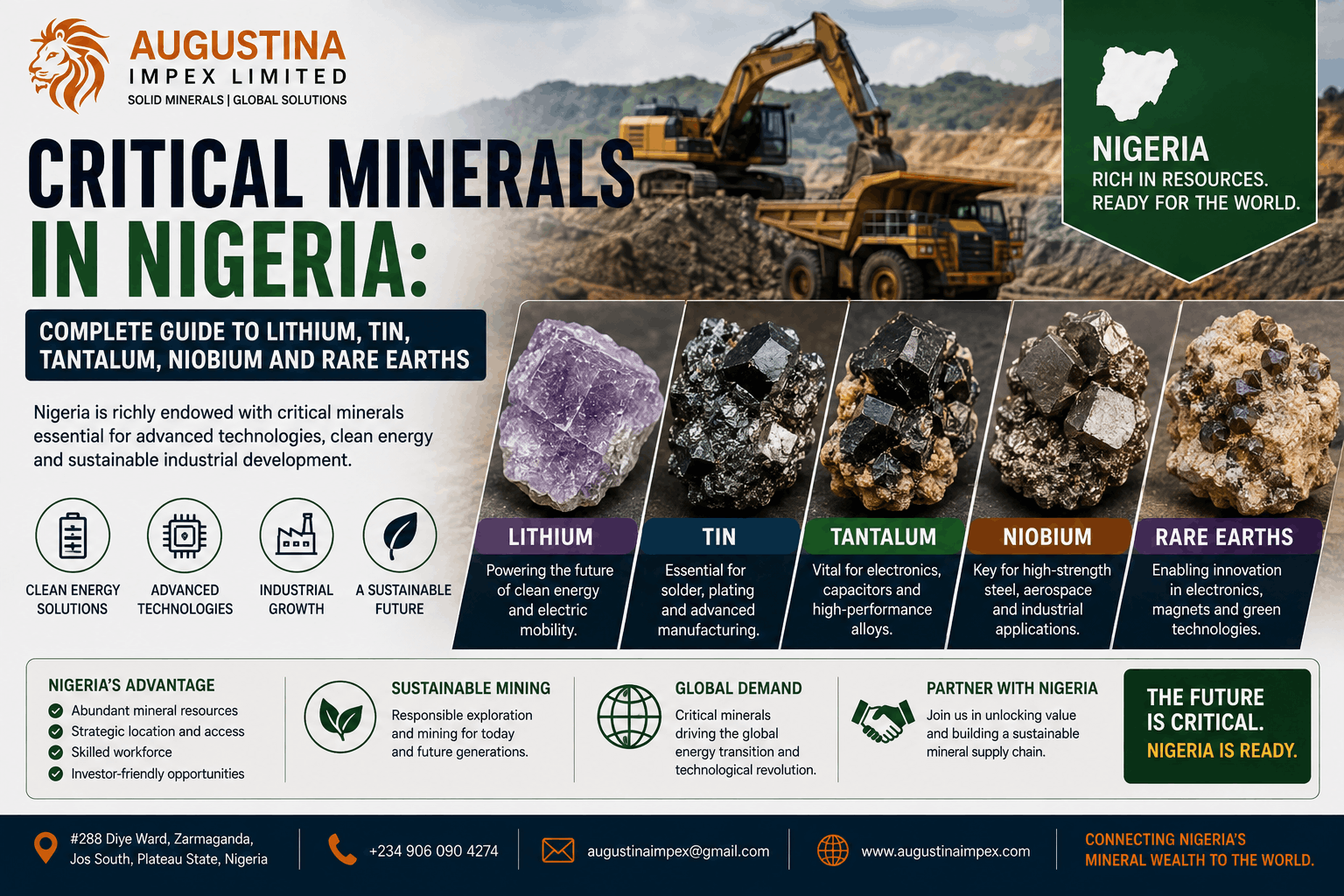
Nigeria Critical Minerals Guide: Lithium, Tin & Rare Earths
Critical Minerals in Nigeria: Complete Guide to Lithium, Tin, Tantalum, Niobium and Rare Earths By…
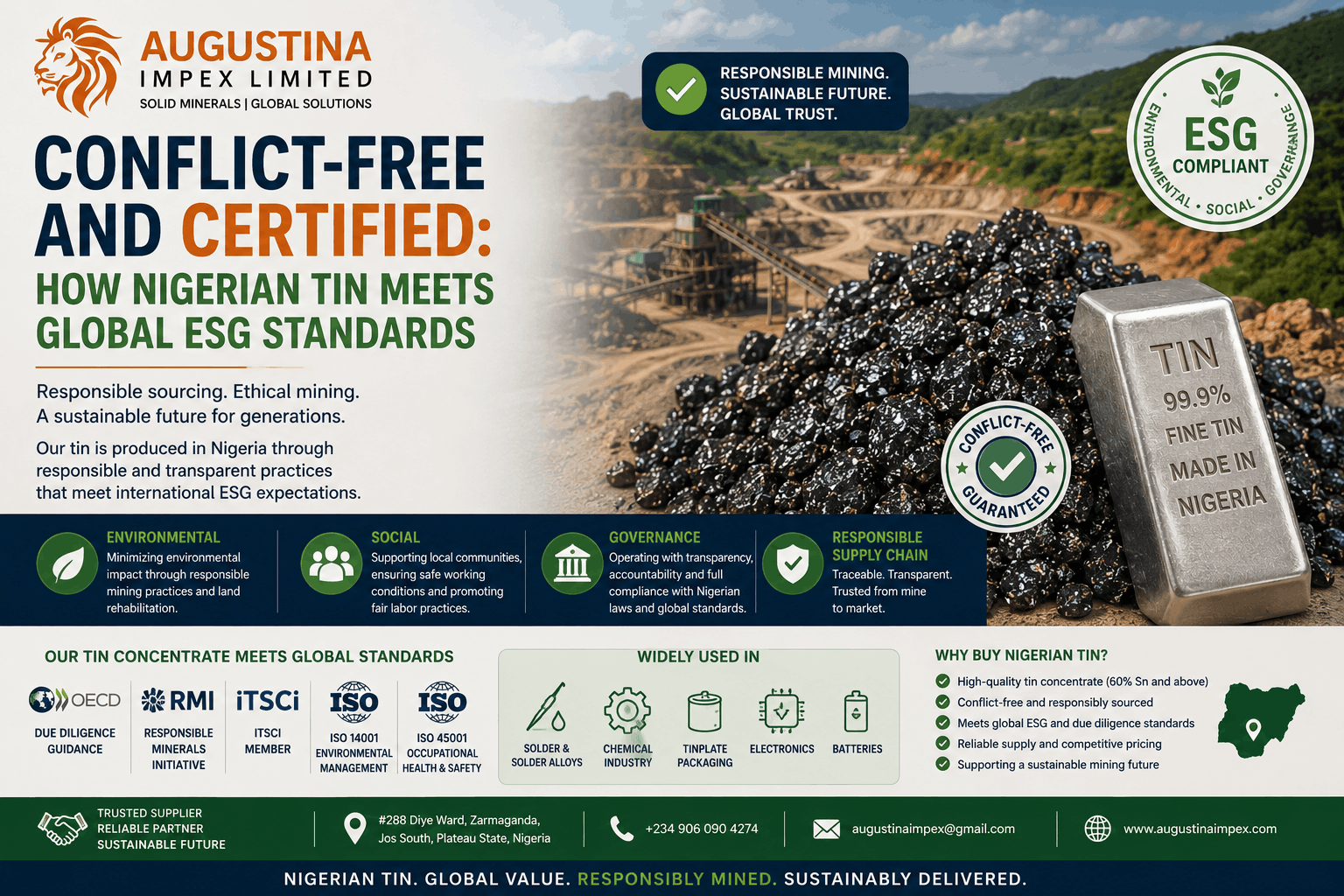
Conflict-Free Nigerian Tin Meets Global ESG Standards
Conflict-Free and Certified: How Nigerian Tin Meets Global ESG Standards By Kolawole King, CEO —…