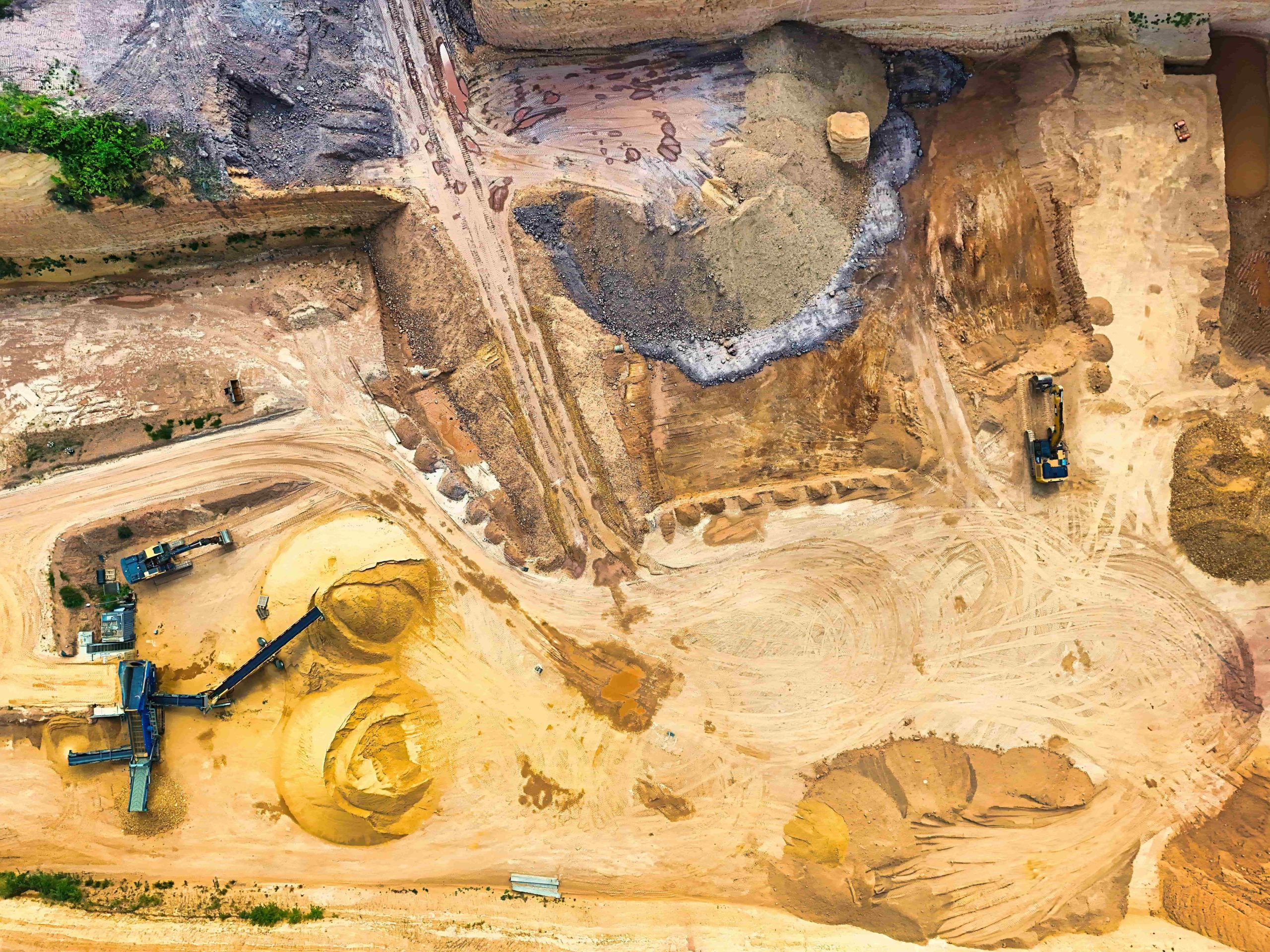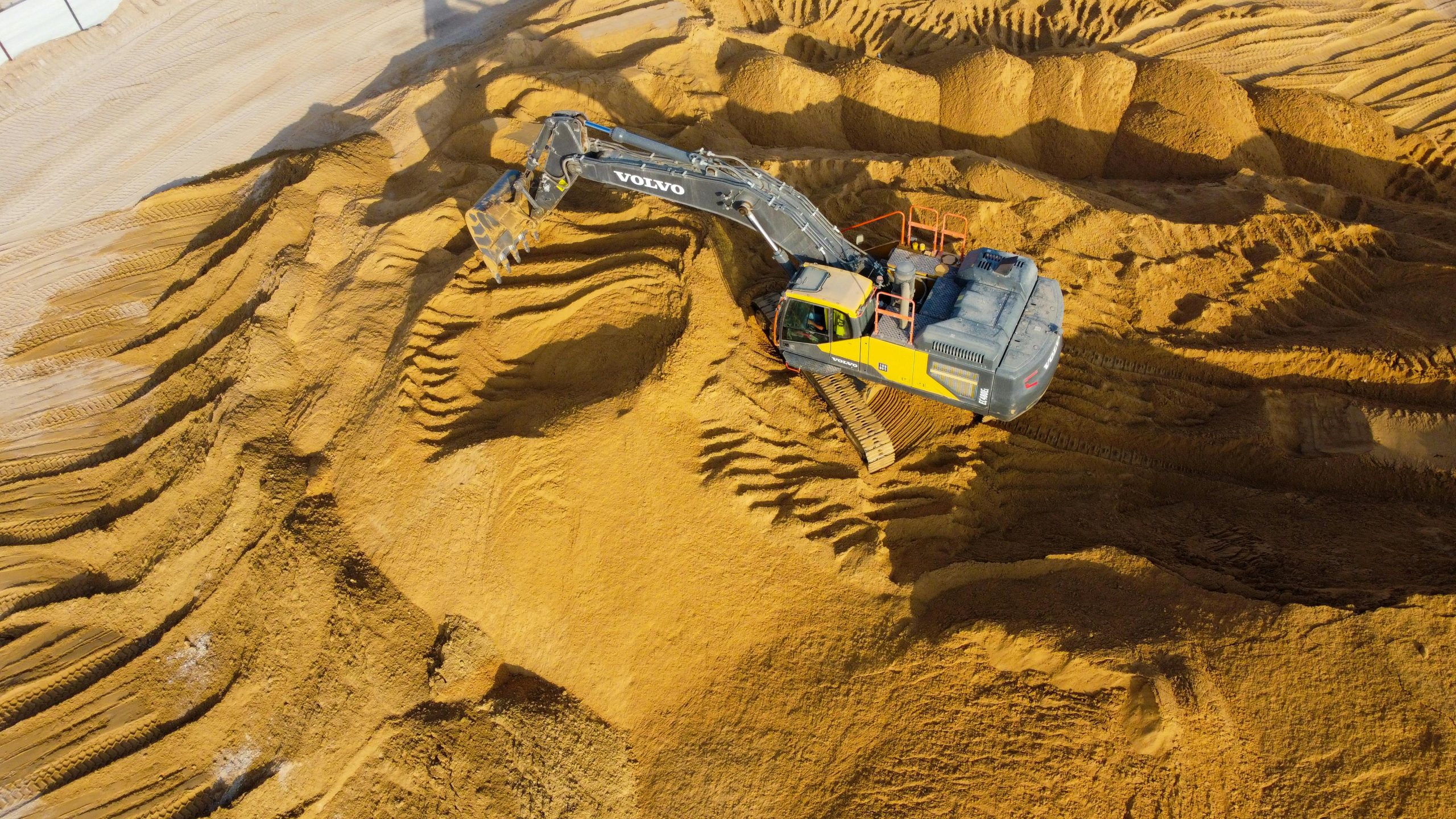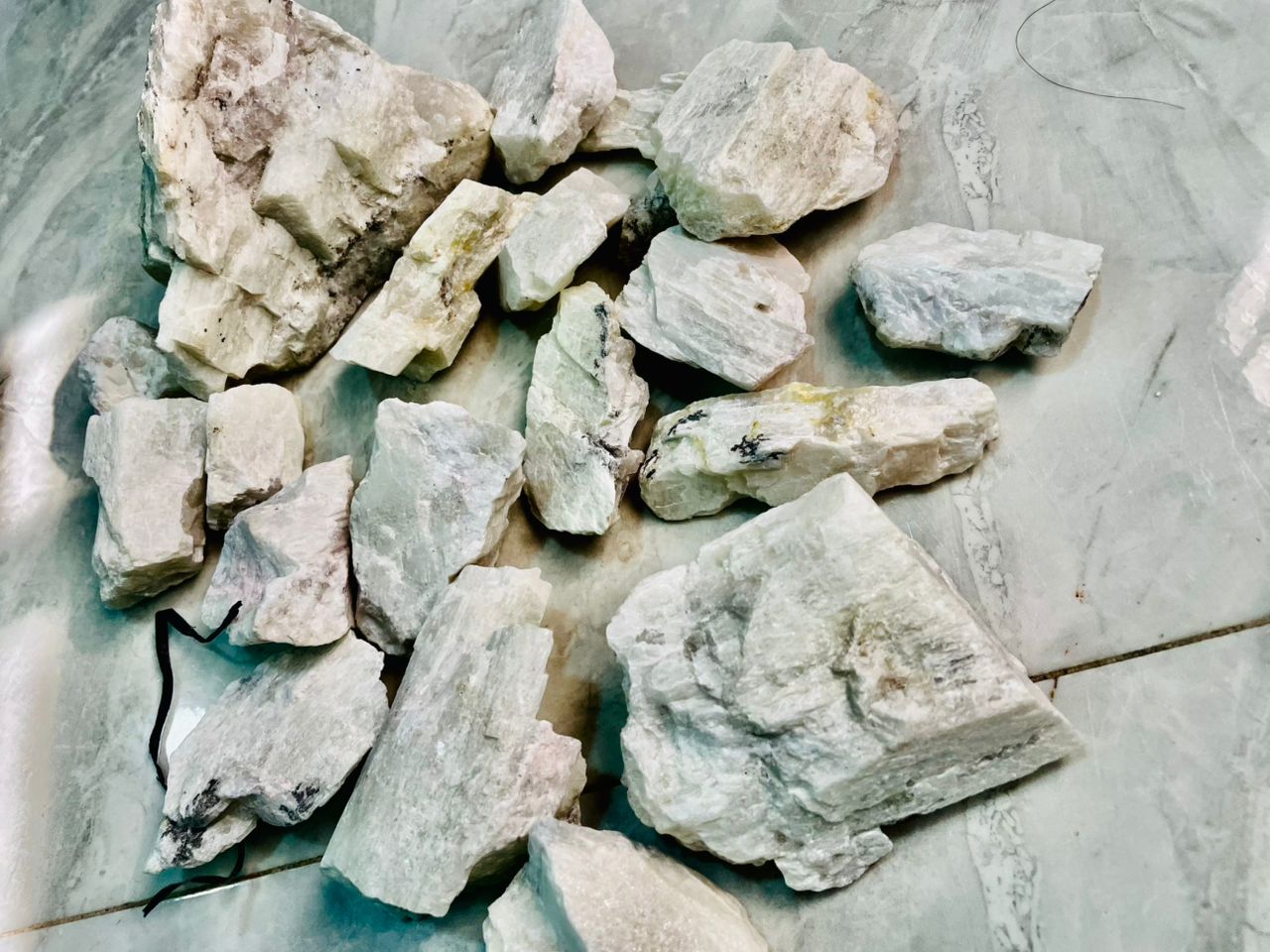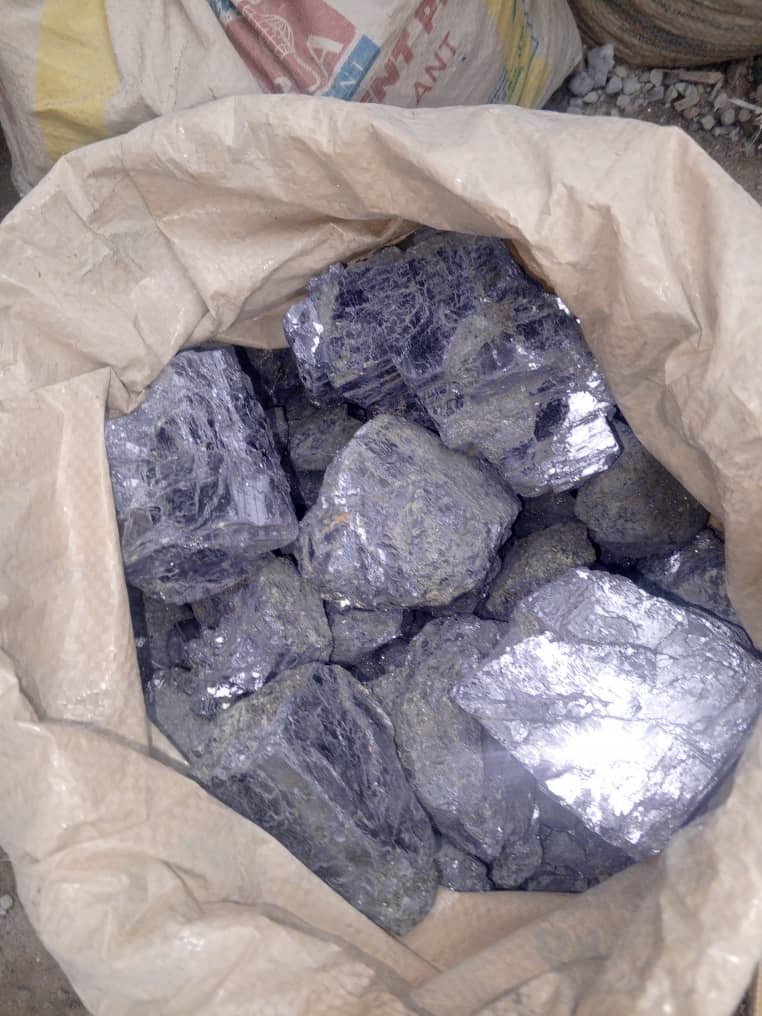
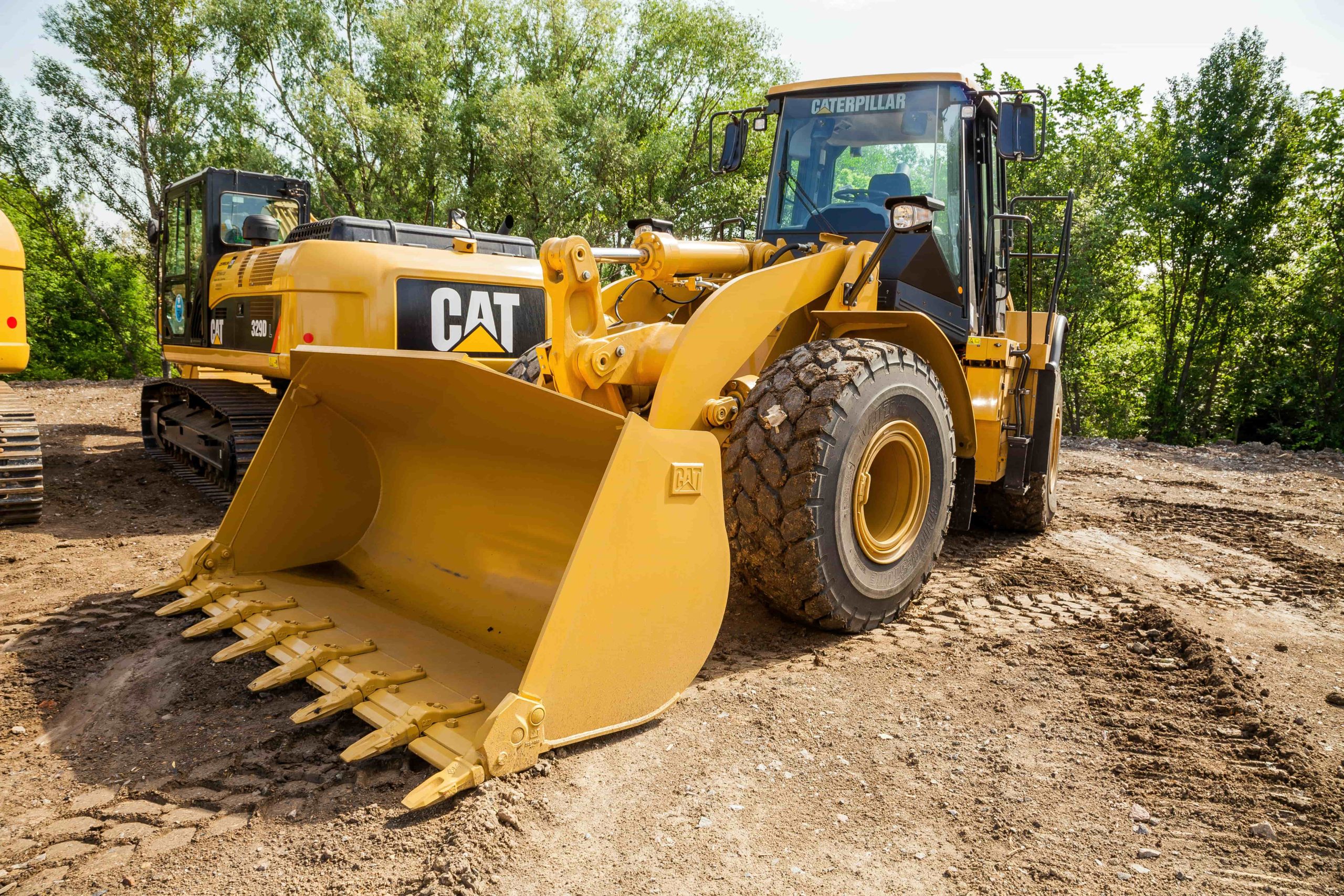

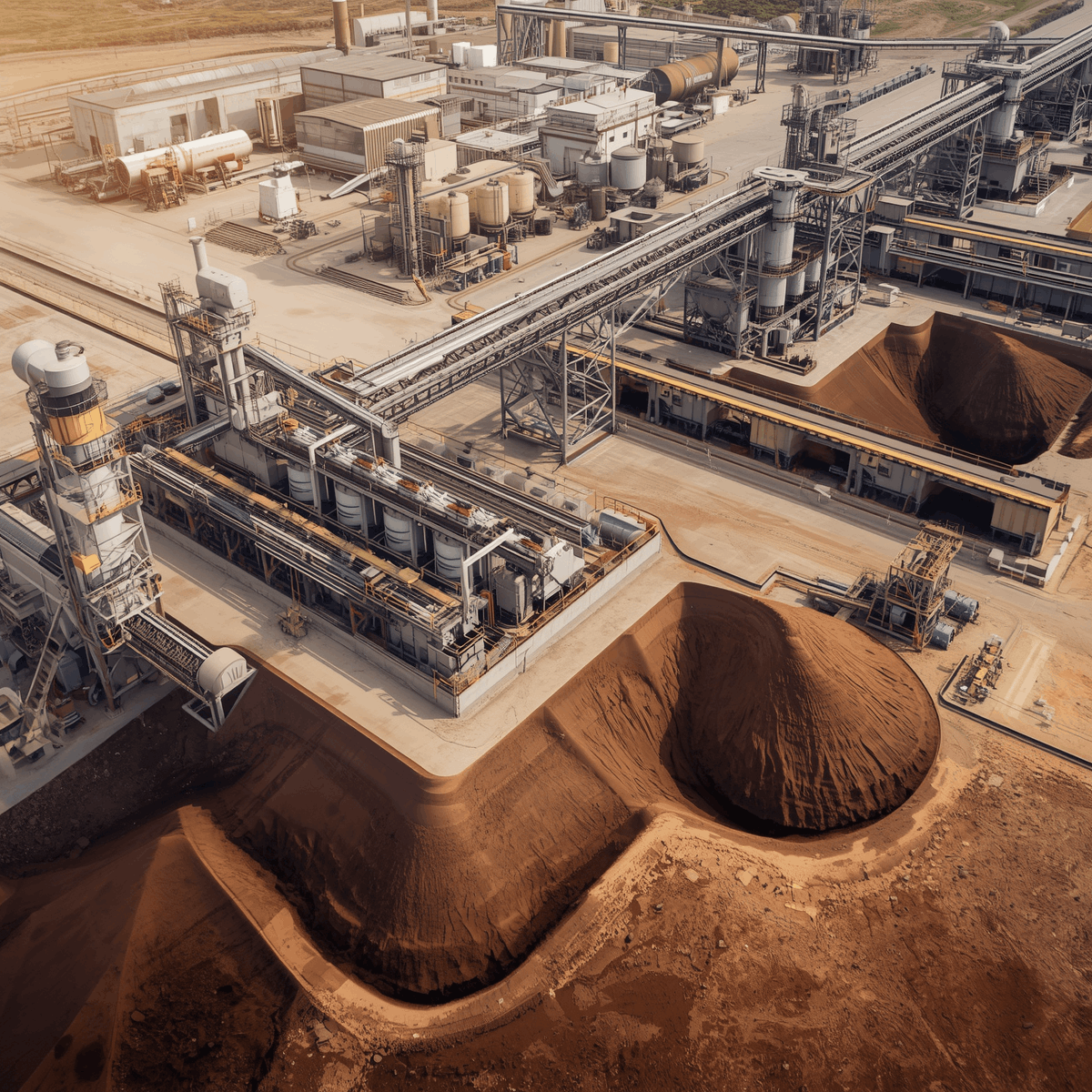
Mineral sands are among the world’s most valuable natural resources because they contain a variety of heavy minerals essential for modern industries. These minerals are used in titanium production, rare earth elements, ceramics, electronics, aerospace, renewable energy, pigments, and advanced manufacturing.
While mineral sands often appear as ordinary sand, they contain economically important minerals such as ilmenite, rutile, zircon, monazite, xenotime, garnet, and leucoxene. Through modern mineral processing techniques, these heavy minerals are separated, concentrated, and prepared for industrial use.
As global demand for critical minerals continues to increase, mineral sands processing has become one of the fastest-growing sectors within the international mining industry.
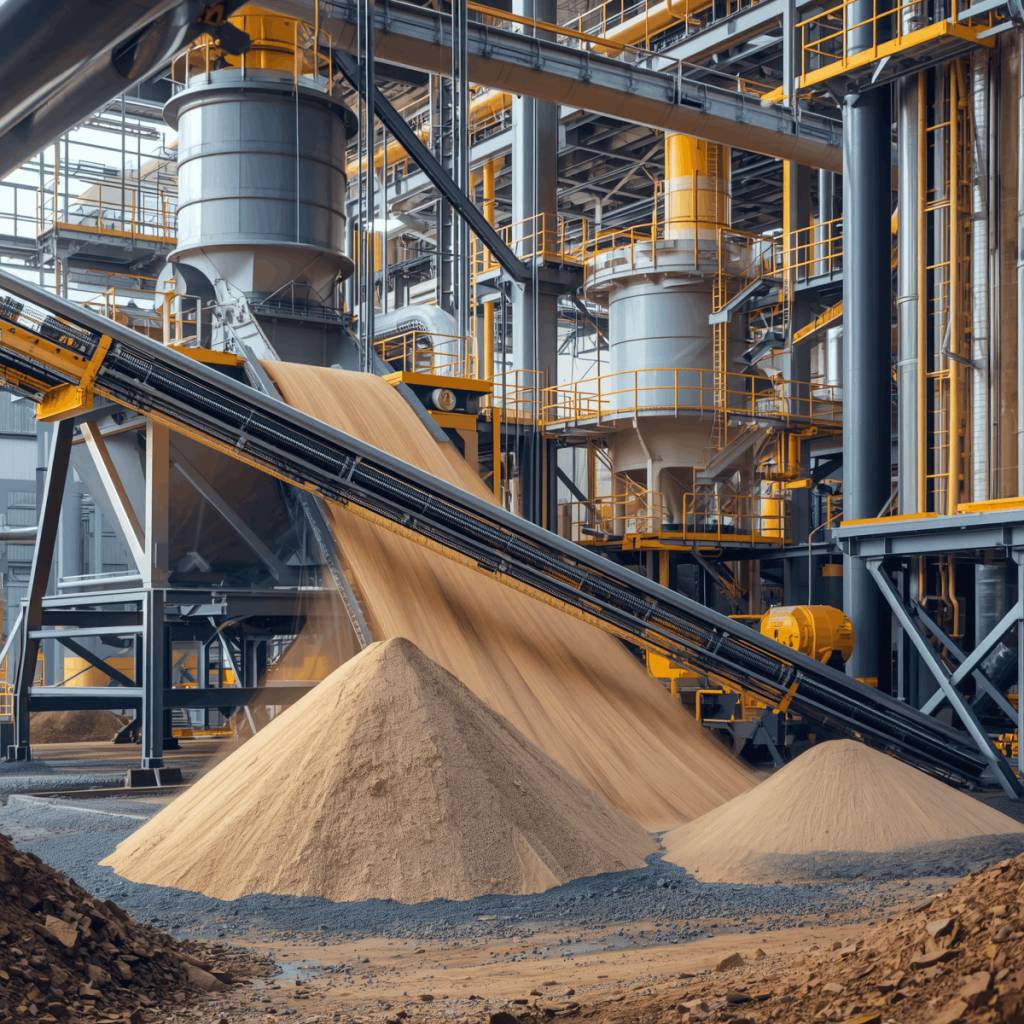
What Are Mineral Sands?
Mineral sands are naturally occurring sand deposits that contain concentrations of heavy minerals formed over millions of years through weathering, erosion, and sediment transport.
Unlike ordinary silica sand, mineral sands contain dense minerals that can be separated because of their unique physical properties.
Common heavy minerals include:
- Ilmenite
- Rutile
- Zircon
- Monazite
- Xenotime
- Garnet
- Leucoxene
Many of these minerals are classified as critical minerals because they are essential for modern technology and clean energy applications.
Why Mineral Sands Are Important
Mineral sands support numerous industries worldwide.
Products derived from mineral sands are used in:
- Titanium dioxide production
- Rare earth element extraction
- Electric vehicles
- Wind turbines
- Aerospace engineering
- Medical equipment
- Electronics manufacturing
- Glass production
- Ceramics
- Nuclear technologies
- High-performance magnets
As countries seek secure supplies of critical raw materials, heavy mineral sands have become increasingly valuable.
The Mineral Sands Processing Journey
Transforming raw mineral sands into market-ready products involves several carefully controlled stages.
1. Exploration
The process begins with identifying commercially viable mineral sand deposits.
Geologists use:
- Geological mapping
- Satellite imagery
- Geophysical surveys
- Geochemical sampling
- Exploration drilling
Laboratory analysis determines the concentration of valuable heavy minerals.
2. Mining
Once economic viability has been confirmed, mining operations begin.
Depending on the deposit, mining methods may include:
Surface Mining
Suitable for shallow deposits.
Dredge Mining
Commonly used for coastal mineral sand deposits.
Dry Mining
Frequently applied to inland heavy mineral deposits.
Mining aims to recover sand containing heavy minerals while minimizing environmental disturbance.
3. Primary Concentration
Raw mineral sands contain large amounts of ordinary quartz sand.
The first objective is to remove this unwanted material.
Equipment commonly used includes:
- Trommels
- Screens
- Spiral concentrators
- Gravity separators
Gravity separation exploits the higher density of heavy minerals.
This stage produces Heavy Mineral Concentrate (HMC).
4. Mineral Separation
Heavy mineral concentrate still contains multiple valuable minerals mixed together.
Specialized separation technologies include:
Magnetic Separation
Separates minerals according to magnetic properties.
Commonly separates:
- Ilmenite
- Monazite
- Garnet
Electrostatic Separation
Separates minerals based on electrical conductivity.
Useful for separating:
- Rutile
- Zircon
- Monazite
Gravity Separation
Used again to improve concentrate quality.
Flotation
Applied when further upgrading is required.
5. Product Upgrading
Each mineral undergoes additional cleaning and upgrading.
Examples include:
Ilmenite
Used primarily to manufacture titanium dioxide pigment.
Rutile
Contains very high titanium dioxide content and is used in:
- Titanium metal
- Welding electrodes
- Pigments
Zircon
Used in:
- Ceramic tiles
- Refractory materials
- Foundries
- Precision casting
Monazite
Contains valuable rare earth elements including:
- Cerium
- Lanthanum
- Neodymium
- Praseodymium
Xenotime
Rich in heavy rare earth elements such as:
- Dysprosium
- Yttrium
- Terbium
Quality Control
Throughout mineral processing, laboratories perform continuous testing.
Typical analyses include:
- Chemical composition
- Mineralogical studies
- Particle size analysis
- Moisture content
- Radioactivity assessment (where applicable)
- Magnetic properties
- Density measurements
Quality assurance ensures products meet customer specifications.
Applications of Processed Mineral Sands
Titanium Industry
Ilmenite and rutile are transformed into titanium dioxide used in:
- Paint
- Plastics
- Paper
- Cosmetics
- Pharmaceuticals
Rare Earth Industry
Monazite and xenotime supply rare earth elements used in:
- Permanent magnets
- Electric vehicles
- Wind turbines
- Robotics
- Defense systems
Ceramics
Zircon improves:
- Heat resistance
- Surface finish
- Durability
Foundries
Zircon sand is widely used for precision casting.
Aerospace
Titanium derived from rutile supports aircraft manufacturing because of its high strength-to-weight ratio.
Nigeria’s Mineral Sands Potential
Nigeria possesses promising deposits of heavy mineral sands containing:
- Ilmenite
- Zircon
- Monazite
- Rutile
- Garnet
Growing international demand creates opportunities for increased exploration, processing, and export.
Rather than exporting raw materials, investment in local beneficiation can significantly increase value.
Benefits of Local Mineral Processing
Establishing mineral processing plants provides numerous advantages.
Increased Export Value
Processed concentrates command higher prices than raw sand.
Job Creation
Processing facilities create employment opportunities in engineering, laboratory services, logistics, and operations.
Technology Development
Modern processing plants encourage technical innovation and workforce development.
Foreign Exchange Earnings
Higher-value exports strengthen national revenue.
Industrial Development
Mineral processing stimulates downstream manufacturing.
Challenges in Mineral Sands Processing
Despite its enormous potential, the industry faces challenges including:
- High capital investment
- Power supply requirements
- Specialized equipment
- Skilled workforce needs
- Environmental management
- Logistics infrastructure
Addressing these challenges requires collaboration between government, investors, and industry stakeholders.
Sustainability in Mineral Sands Mining
Responsible mining practices are increasingly important.
Modern operations focus on:
- Land rehabilitation
- Water conservation
- Dust control
- Waste reduction
- Biodiversity protection
- Community engagement
Sustainable operations strengthen long-term competitiveness.
The Role of Augustina Impex Limited
Augustina Impex Limited is committed to supporting the responsible development of Nigeria’s mineral resources by supplying high-quality industrial minerals and critical minerals to international markets.
Our focus includes:
- Reliable mineral sourcing
- Quality assurance
- Export readiness
- Customer satisfaction
- Long-term partnerships
We work closely with mining partners and processing facilities to deliver mineral products that meet international quality standards.
Future Outlook
Global demand for mineral sands is expected to continue increasing because of:
- Electric vehicle production
- Renewable energy expansion
- Infrastructure development
- Aerospace manufacturing
- Semiconductor production
- Rare earth element demand
- Advanced ceramics
- Titanium metal consumption
Countries with abundant heavy mineral resources, including Nigeria, have an excellent opportunity to strengthen their position within global mineral supply chains through investment in exploration, beneficiation, and value-added processing.
Conclusion
Mineral sands processing transforms naturally occurring heavy mineral deposits into some of the world’s most valuable industrial raw materials. Through advanced techniques such as gravity, magnetic, and electrostatic separation, minerals including ilmenite, rutile, zircon, monazite, and xenotime are recovered and prepared for global markets.
As industries increasingly depend on critical minerals for clean energy, transportation, electronics, and advanced manufacturing, the importance of efficient mineral sands processing will continue to grow.
For Nigeria, expanding local mineral processing capacity offers a significant opportunity to move beyond exporting raw materials and toward supplying high-value mineral products to international markets. Companies that invest in responsible mining, modern processing technologies, and quality assurance will be well positioned to benefit from the rising global demand for heavy mineral sands.
Augustina Impex Limited remains committed to supporting this growth by supplying premium-quality mineral products, promoting responsible resource development, and building lasting partnerships with customers around the world.
Post a comment
Related Posts
Nigeria Lithium Mining: Production, Processing & Export
Nigeria Lithium Mining: Production, Processing and Export Opportunities By Kolawole King, CEO — Augustina Impex…

Nigeria Rare Earth Minerals: Deposits & Market Potential
Nigeria Rare Earth Minerals: Deposits, Applications and Global Market Potential By Kolawole King, CEO —…
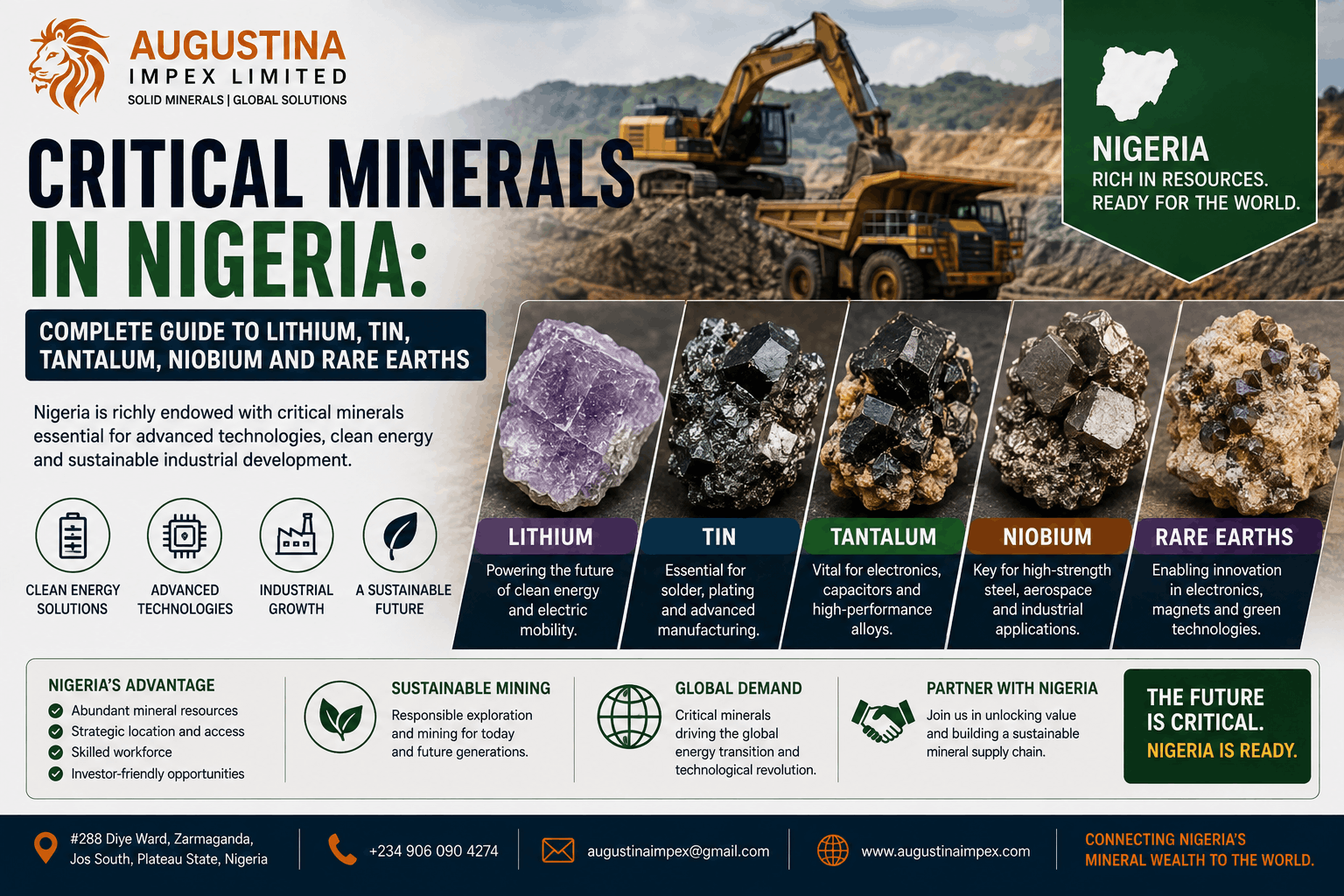
Nigeria Critical Minerals Guide: Lithium, Tin & Rare Earths
Critical Minerals in Nigeria: Complete Guide to Lithium, Tin, Tantalum, Niobium and Rare Earths By…
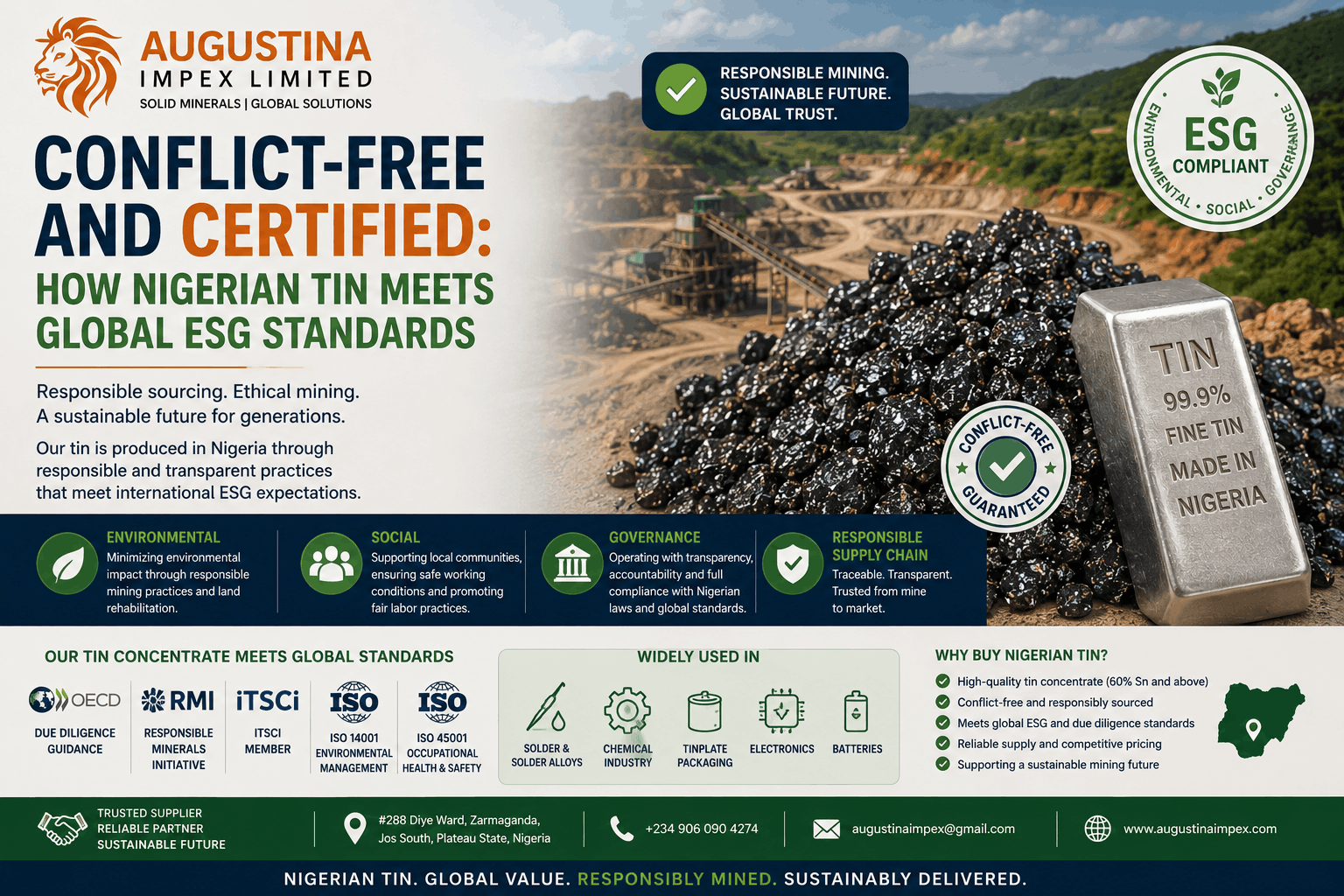
Conflict-Free Nigerian Tin Meets Global ESG Standards
Conflict-Free and Certified: How Nigerian Tin Meets Global ESG Standards By Kolawole King, CEO —…