
Lithium has become one of the most strategically important minerals in the world. As countries accelerate the transition to electric vehicles (EVs), renewable energy, and advanced battery storage systems, lithium has emerged as a cornerstone of the global clean energy economy.
The demand for lithium is no longer driven solely by consumer electronics. Today, governments, automakers, battery manufacturers, and technology companies are investing billions of dollars to secure reliable lithium supplies for the coming decades.
Understanding the global lithium supply chain is essential for manufacturers, investors, mining companies, and policymakers. It reveals how lithium moves from the ground to finished battery products and highlights the opportunities available for emerging producers such as Nigeria.
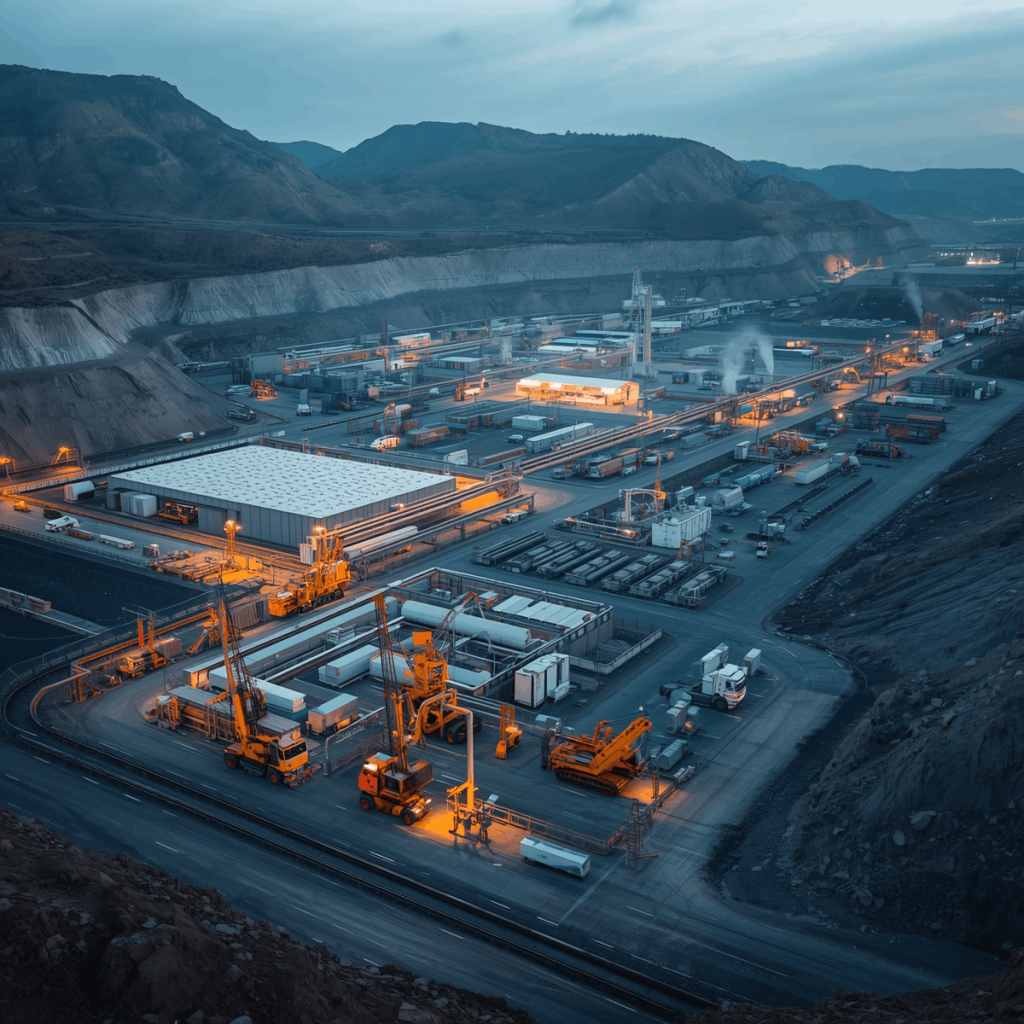
What is Lithium?
Lithium is a lightweight alkali metal known for its high energy density and excellent electrochemical properties. These characteristics make it the preferred material for rechargeable lithium-ion batteries.
Lithium is commonly extracted from:
- Spodumene
- Lepidolite
- Petalite
- Lithium-bearing brines
- Clay deposits (in some regions)
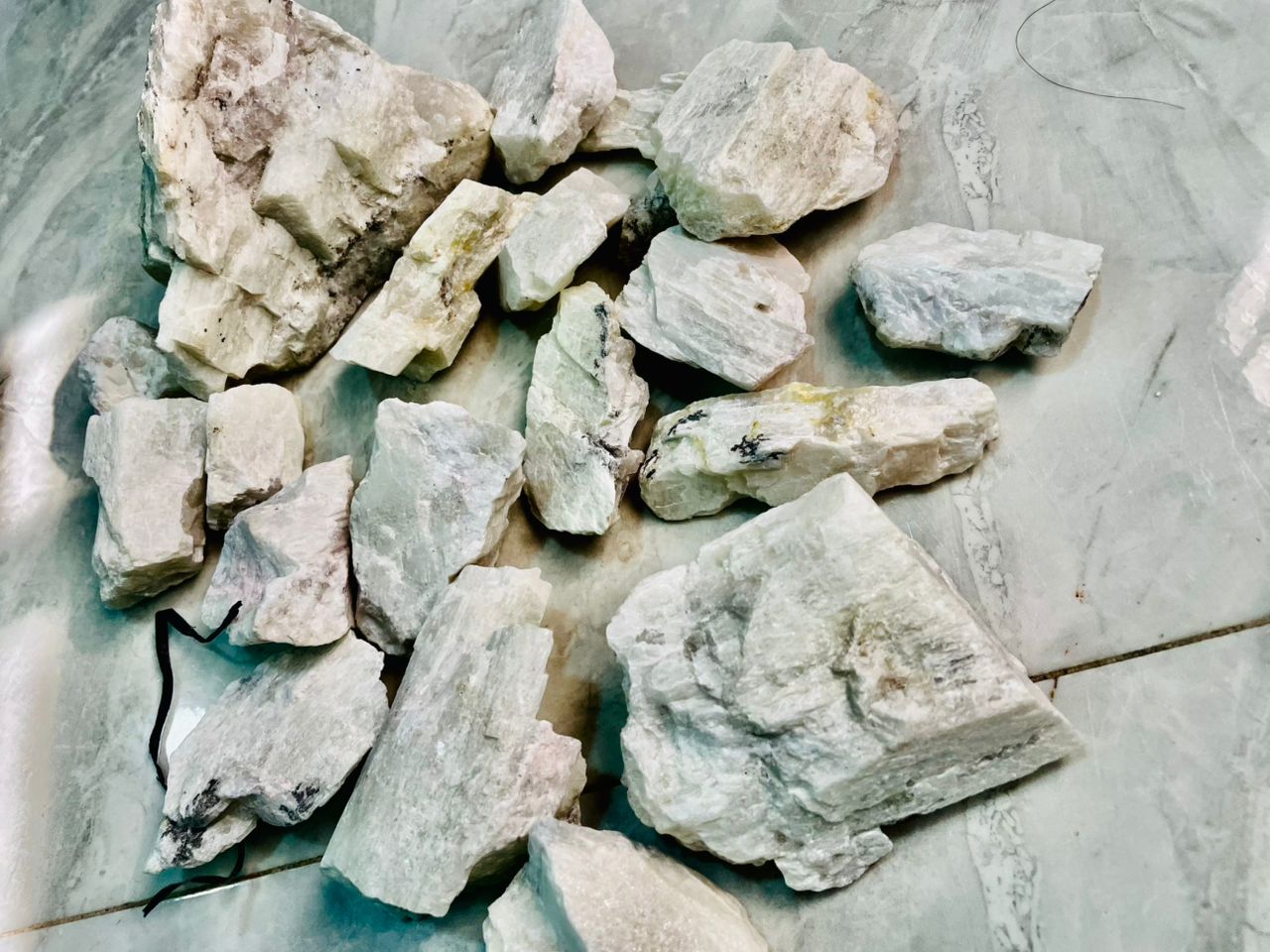
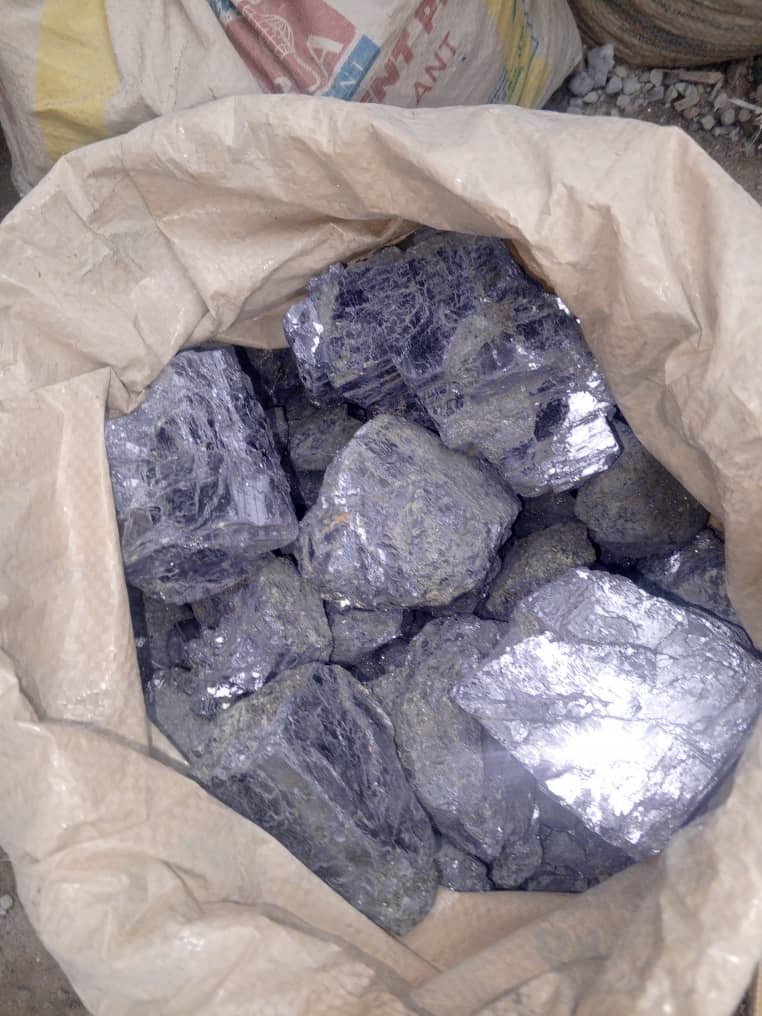
Among these sources, spodumene has become one of the most important hard-rock lithium minerals due to its high lithium content and established processing technologies.
Why Lithium Matters
Modern society increasingly depends on lithium.
Lithium-ion batteries power:
- Electric vehicles
- Smartphones
- Laptops
- Tablets
- Power tools
- Energy storage systems
- Medical devices
- Industrial equipment
As global electrification continues, lithium demand is expected to remain strong for years to come.
Understanding the Global Lithium Supply Chain
The lithium supply chain consists of several interconnected stages.
1. Exploration
Everything begins with geological exploration.
Mining companies identify lithium-bearing deposits through:
- Geological mapping
- Geophysical surveys
- Geochemical analysis
- Drilling programs
- Resource estimation
Exploration determines whether a deposit can be mined economically.
2. Mining
Once a commercial deposit has been confirmed, mining operations begin.
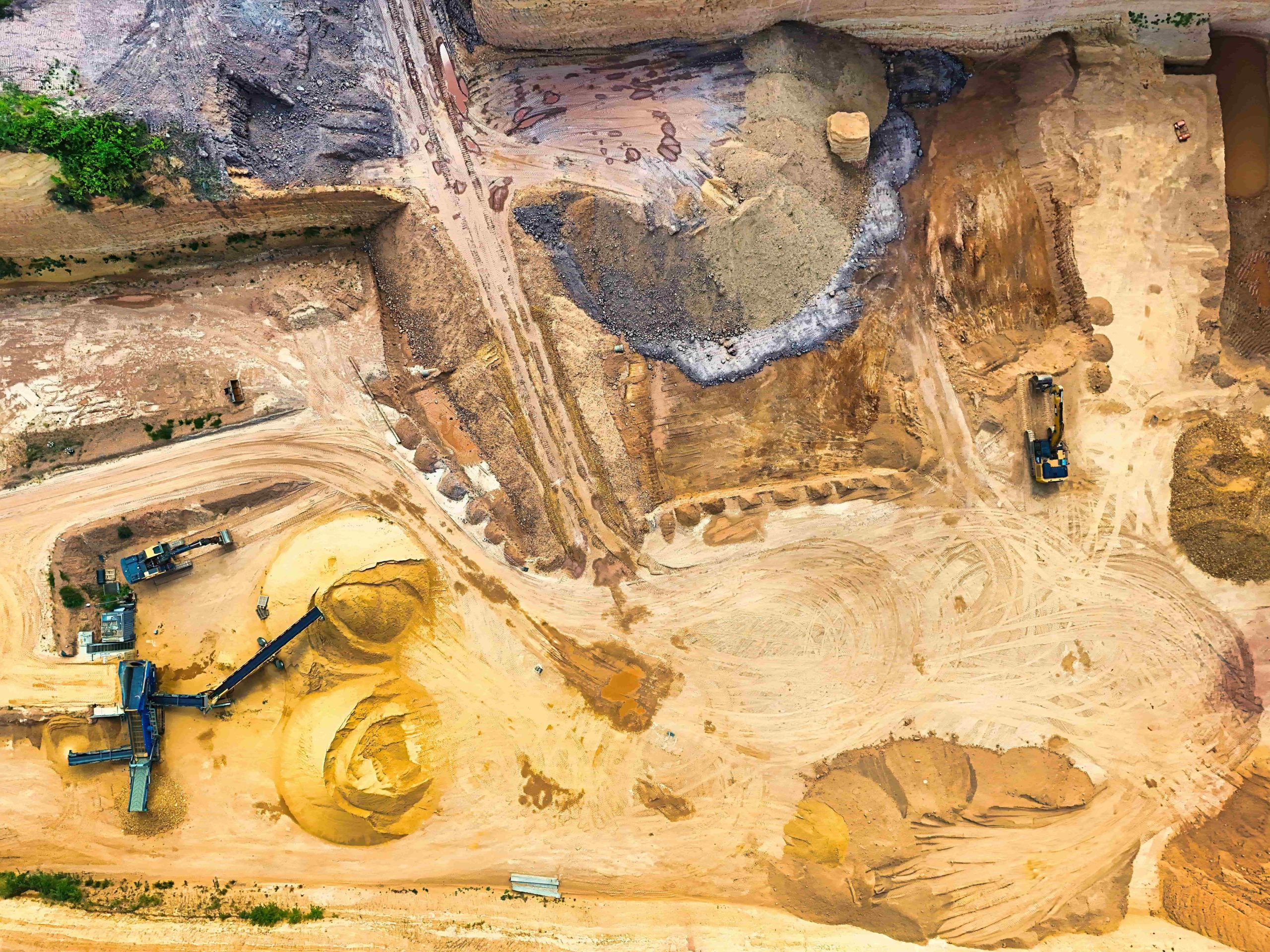
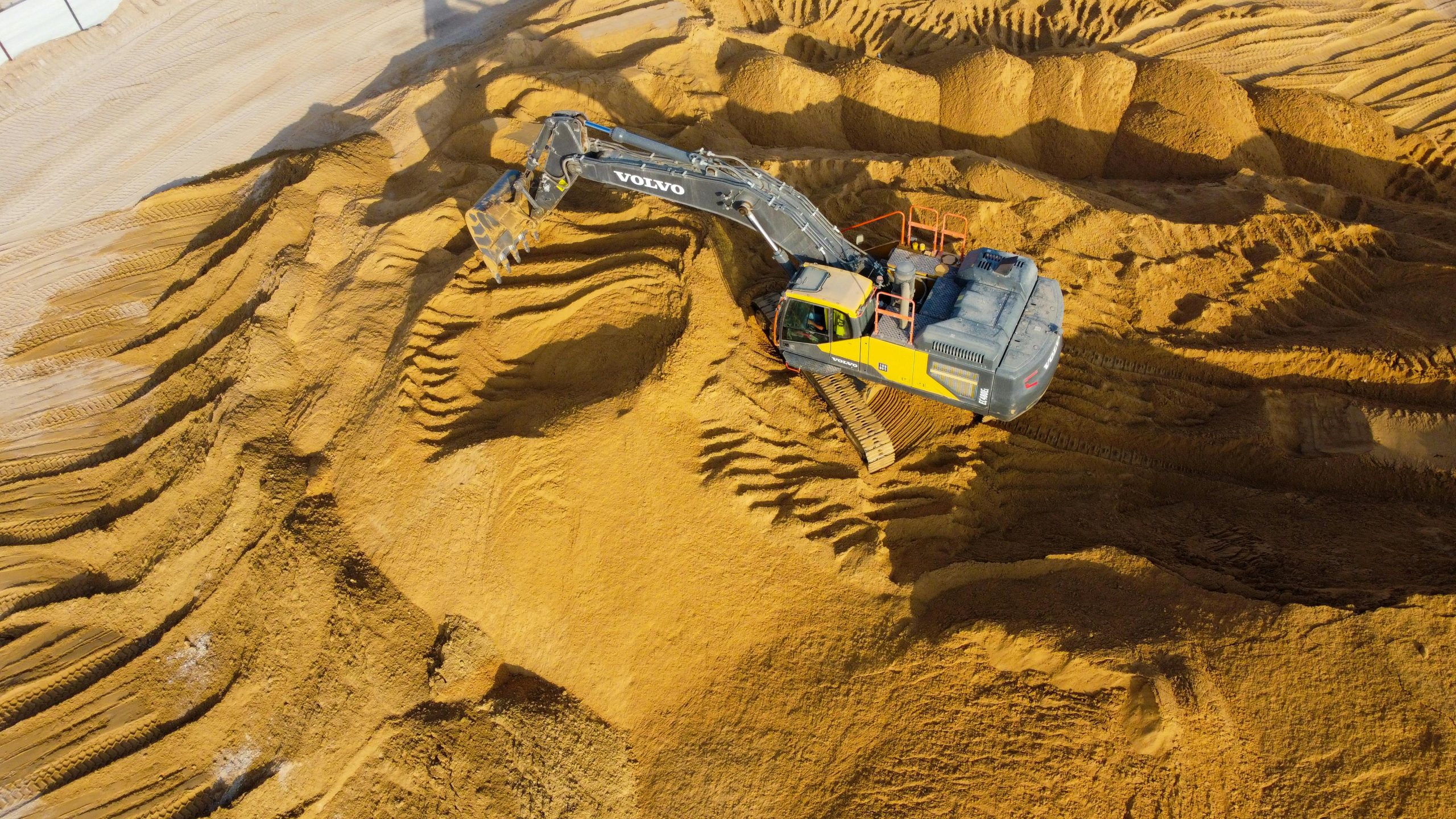
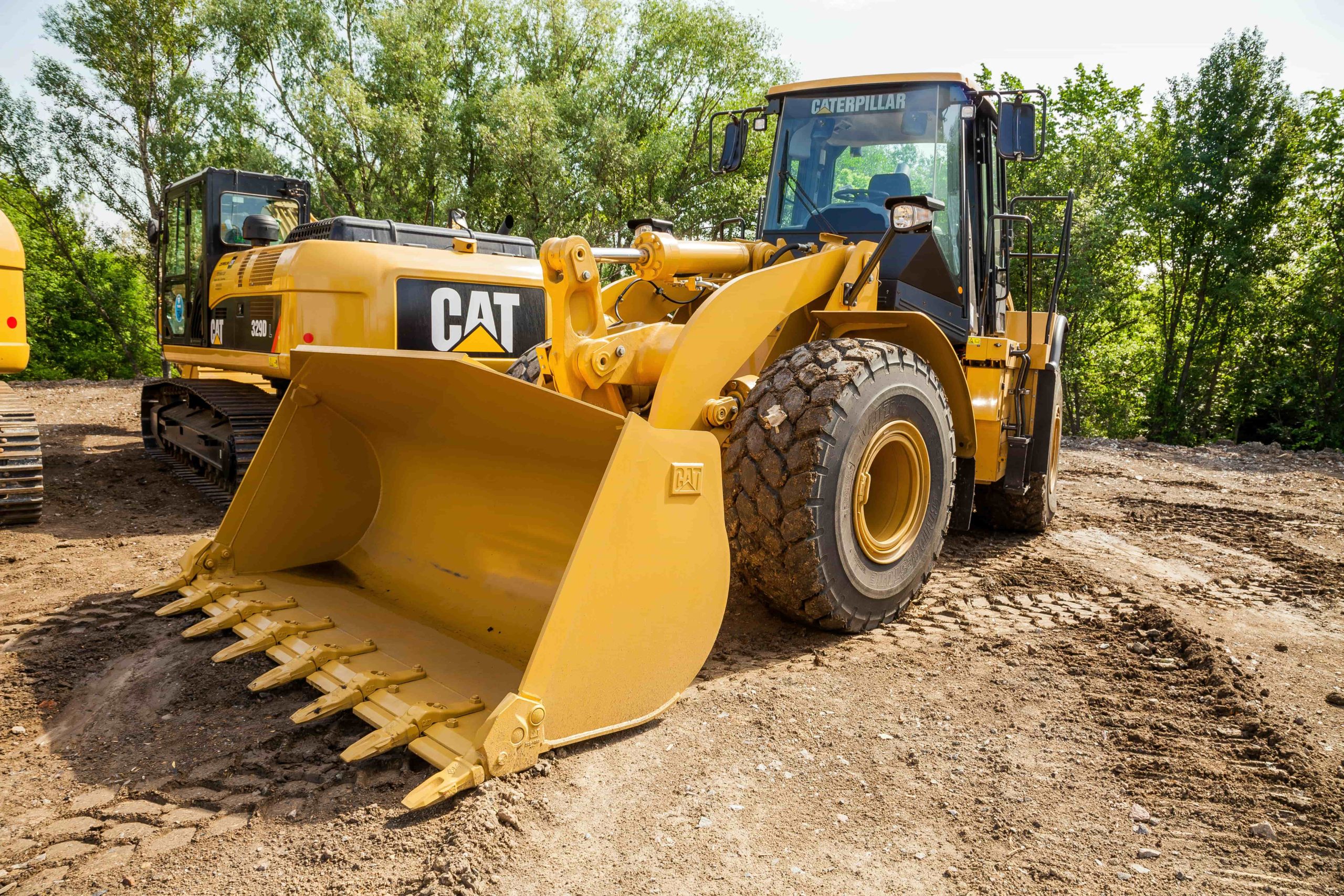
Hard-rock lithium mining typically involves extracting spodumene ore from open-pit or underground mines.
Major lithium-producing countries include:
- Australia
- Chile
- Argentina
- China
- Brazil
- Zimbabwe
Nigeria is increasingly attracting attention due to its significant hard-rock lithium potential.
3. Ore Processing
Raw lithium ore cannot usually be used directly.
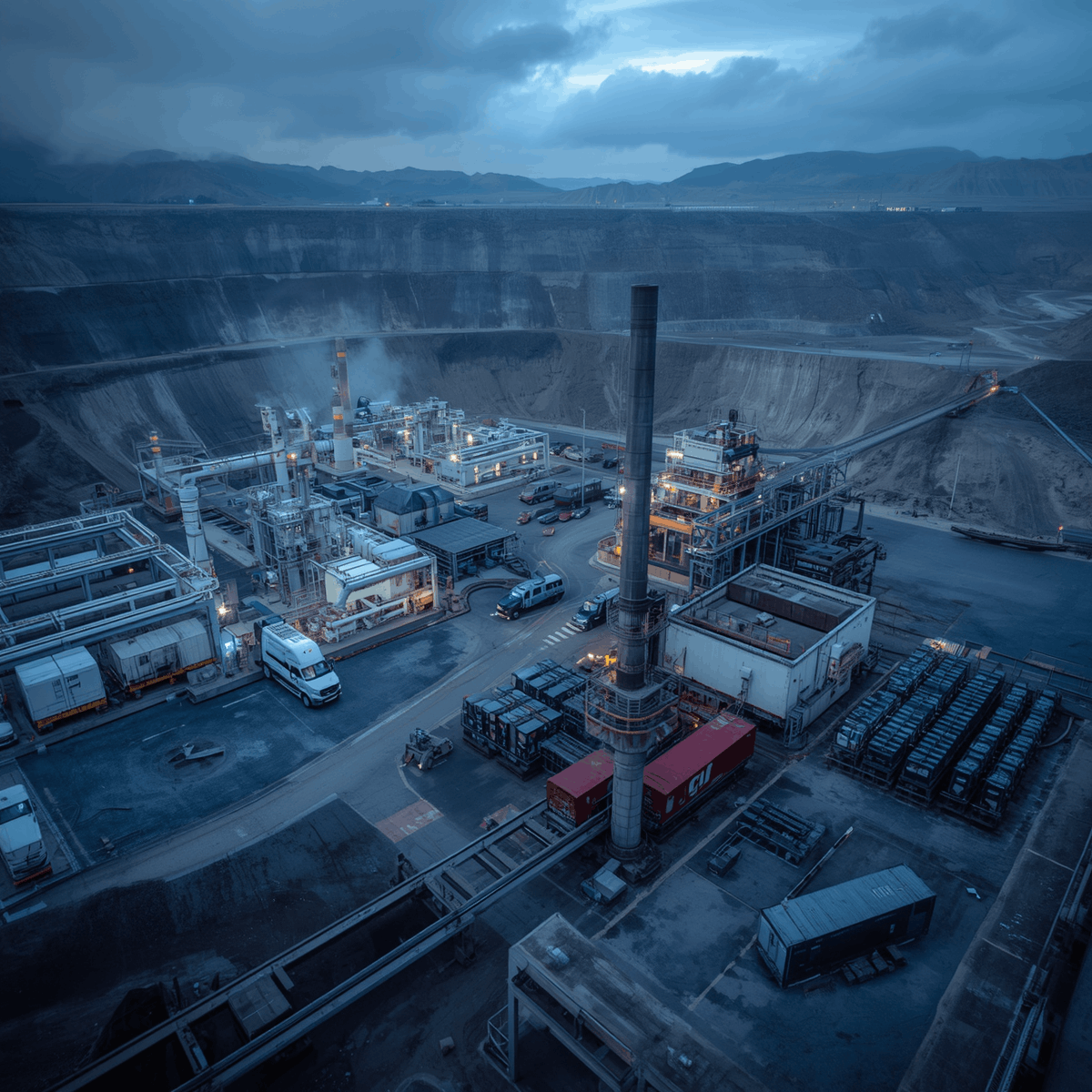
Processing involves:
- Crushing
- Grinding
- Dense media separation
- Flotation
- Magnetic separation
- Dewatering
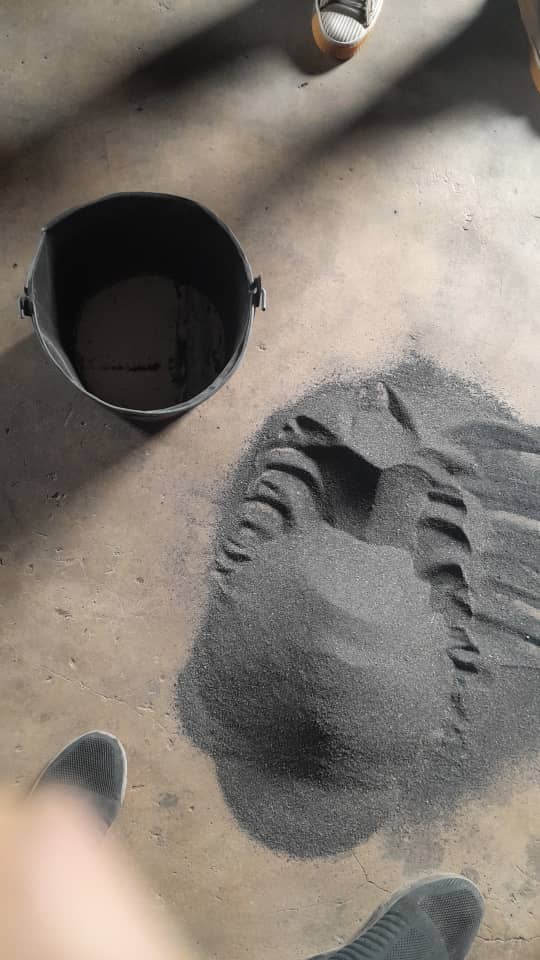
- Concentrate production
The objective is to produce high-grade lithium concentrate suitable for chemical conversion.
Many international buyers prefer spodumene concentrates containing commercially acceptable lithium oxide (Li₂O) grades, depending on their downstream requirements.
4. Chemical Conversion
Lithium concentrate is converted into battery-grade chemicals.
Common products include:
- Lithium Carbonate
- Lithium Hydroxide
These chemicals become the primary feedstock for battery manufacturing.
5. Battery Manufacturing
Battery manufacturers combine lithium compounds with other materials including:
- Nickel
- Cobalt
- Manganese
- Graphite
- Copper
- Aluminum
The result is high-performance lithium-ion battery cells.
6. Electric Vehicle Production
Automobile manufacturers assemble battery packs into electric vehicles.
Major EV manufacturers continue expanding production capacity as governments encourage cleaner transportation.
7. Recycling
End-of-life batteries represent an increasingly important source of future lithium supply.
Battery recycling supports:
- Resource conservation
- Reduced environmental impact
- Circular economy initiatives
- Supply chain resilience
Major Challenges Facing the Lithium Supply Chain
Growing Demand
Electric vehicle adoption continues increasing worldwide.
This creates pressure on lithium producers to expand production while maintaining quality and sustainability.
Processing Capacity
Mining alone is insufficient.
Many countries possess lithium resources but lack chemical conversion facilities.
Developing processing infrastructure remains a priority.
Logistics
Transporting lithium concentrates safely and efficiently requires:
- Reliable ports
- Road infrastructure
- Rail connections
- Export documentation
- International logistics expertise
Environmental Responsibility
Modern mining companies increasingly focus on:
- Water management
- Land rehabilitation
- Waste reduction
- Carbon footprint reduction
- Community engagement
Responsible mining practices are becoming a competitive advantage.
Supply Chain Diversification
Many manufacturers seek to diversify supply sources to reduce dependence on a limited number of producing countries.
This presents opportunities for emerging lithium producers.
Nigeria’s Position in the Global Lithium Market
Nigeria has attracted growing international interest due to its lithium-bearing pegmatite deposits.
Several regions contain commercially significant hard-rock lithium resources.
Nigeria offers important advantages:
- Favorable geology
- Growing mining sector
- Strategic location
- Expanding export infrastructure
- Increasing government support for mining
As investment increases, Nigeria has the potential to become a significant participant in the global lithium supply chain.
Opportunities for Value Addition
Instead of exporting only raw ore, greater economic benefits can be achieved through:
- Concentrate production
- Beneficiation
- Chemical processing
- Battery materials manufacturing
- Research and development
Value addition creates employment while increasing export earnings.
The Role of Augustina Impex Limited
Augustina Impex Limited supports the development of Nigeria’s mineral sector by supplying high-quality lithium ore and other critical minerals to international markets.
Our commitment includes:
- Responsible sourcing
- Quality assurance
- Reliable supply
- Export readiness
- Long-term customer relationships
We collaborate with mining partners to provide dependable supply solutions that meet international requirements.
The Future of Lithium
Several trends will shape the lithium industry over the next decade.
Electric Vehicles
Global EV production continues increasing, driving sustained lithium demand.
Renewable Energy
Large-scale battery storage is becoming essential for integrating solar and wind energy into national power grids.
Artificial Intelligence
The rapid expansion of AI infrastructure requires reliable energy storage systems, indirectly supporting long-term battery demand.
Grid Storage
National electricity networks increasingly rely on battery systems to improve grid stability.
Consumer Electronics
Demand for rechargeable batteries remains strong across smartphones, laptops, wearable devices, and industrial equipment.
Sustainability in Lithium Mining
The future of lithium production depends on responsible mining practices.
Leading mining companies increasingly invest in:
- Environmental monitoring
- Community development
- Water conservation
- Renewable energy integration
- Responsible waste management
Sustainable mining helps protect natural resources while supporting long-term industry growth.
Why Buyers Seek Reliable Lithium Suppliers
International buyers value suppliers who can consistently provide:
- Quality products
- Transparent communication
- Reliable logistics
- Laboratory verification
- Long-term supply capability
Building trust is essential in the global lithium market.
Conclusion
The global lithium supply chain is one of the most important industrial networks supporting the transition to clean energy, electric mobility, and advanced manufacturing.
From exploration and mining to processing, battery production, and recycling, every stage of the supply chain contributes to meeting the world’s growing demand for lithium.
For countries like Nigeria, the opportunities extend beyond mining. By investing in mineral processing, value addition, and sustainable mining practices, Nigeria can strengthen its position as a reliable supplier of lithium to global markets.
As demand for lithium continues to rise, companies that prioritize quality, responsible sourcing, and strong international partnerships will be well positioned to succeed. Augustina Impex Limited is committed to supporting this future by supplying high-quality lithium ore and contributing to the development of a resilient and sustainable global lithium supply chain.
Post a comment
Related Posts
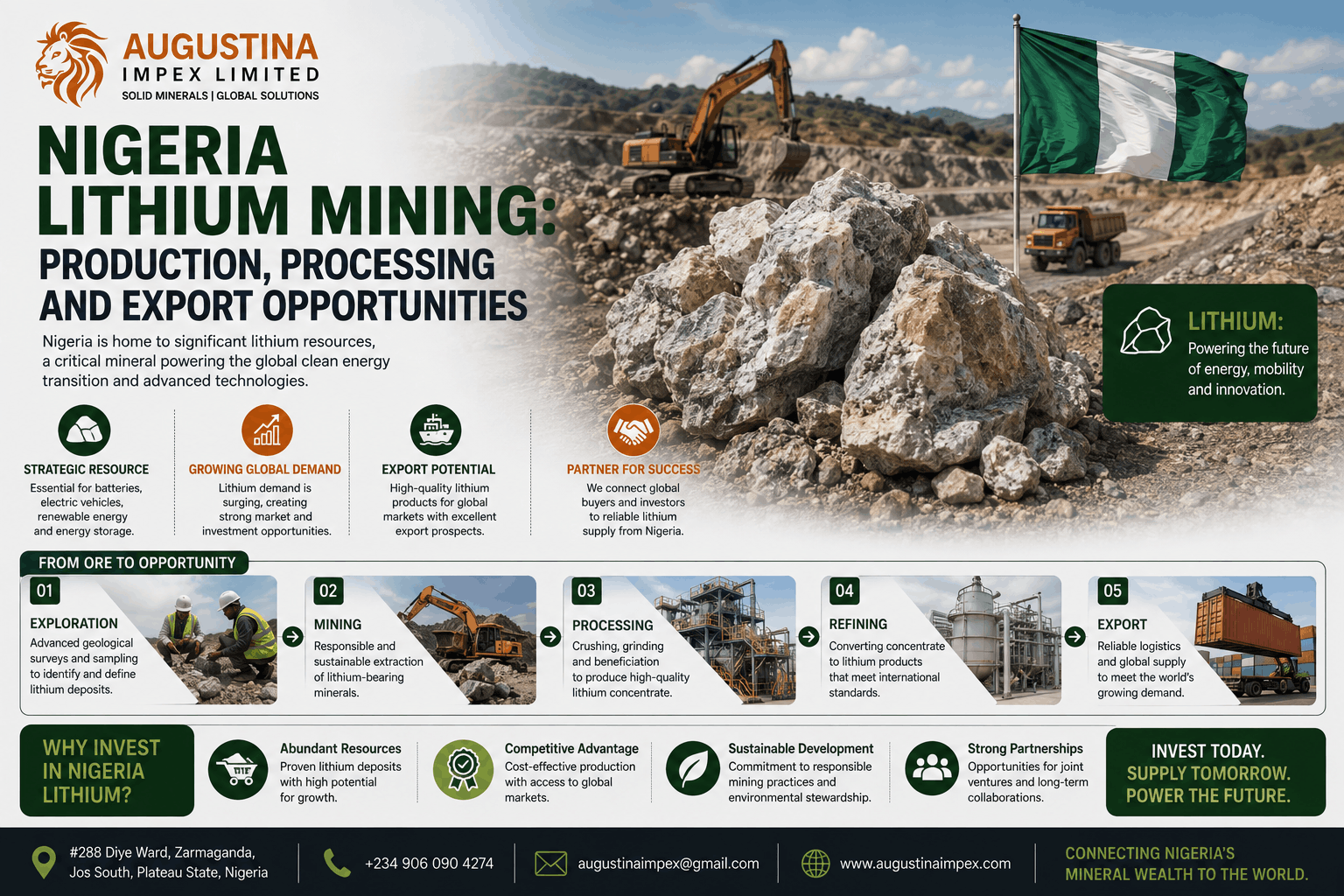
Nigeria Lithium Mining: Production, Processing & Export
Nigeria Lithium Mining: Production, Processing and Export Opportunities By Kolawole King, CEO — Augustina Impex…
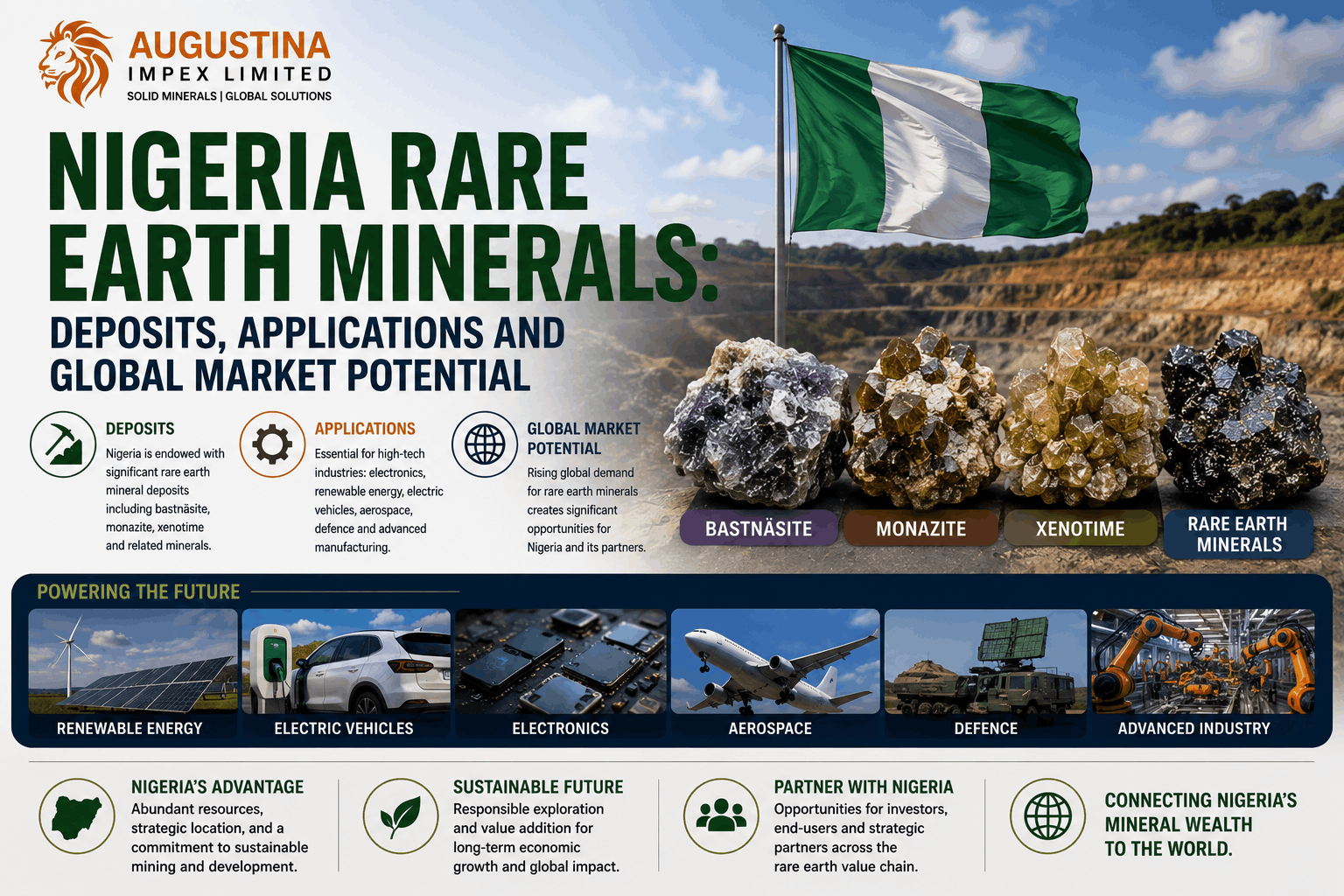
Nigeria Rare Earth Minerals: Deposits & Market Potential
Nigeria Rare Earth Minerals: Deposits, Applications and Global Market Potential By Kolawole King, CEO —…
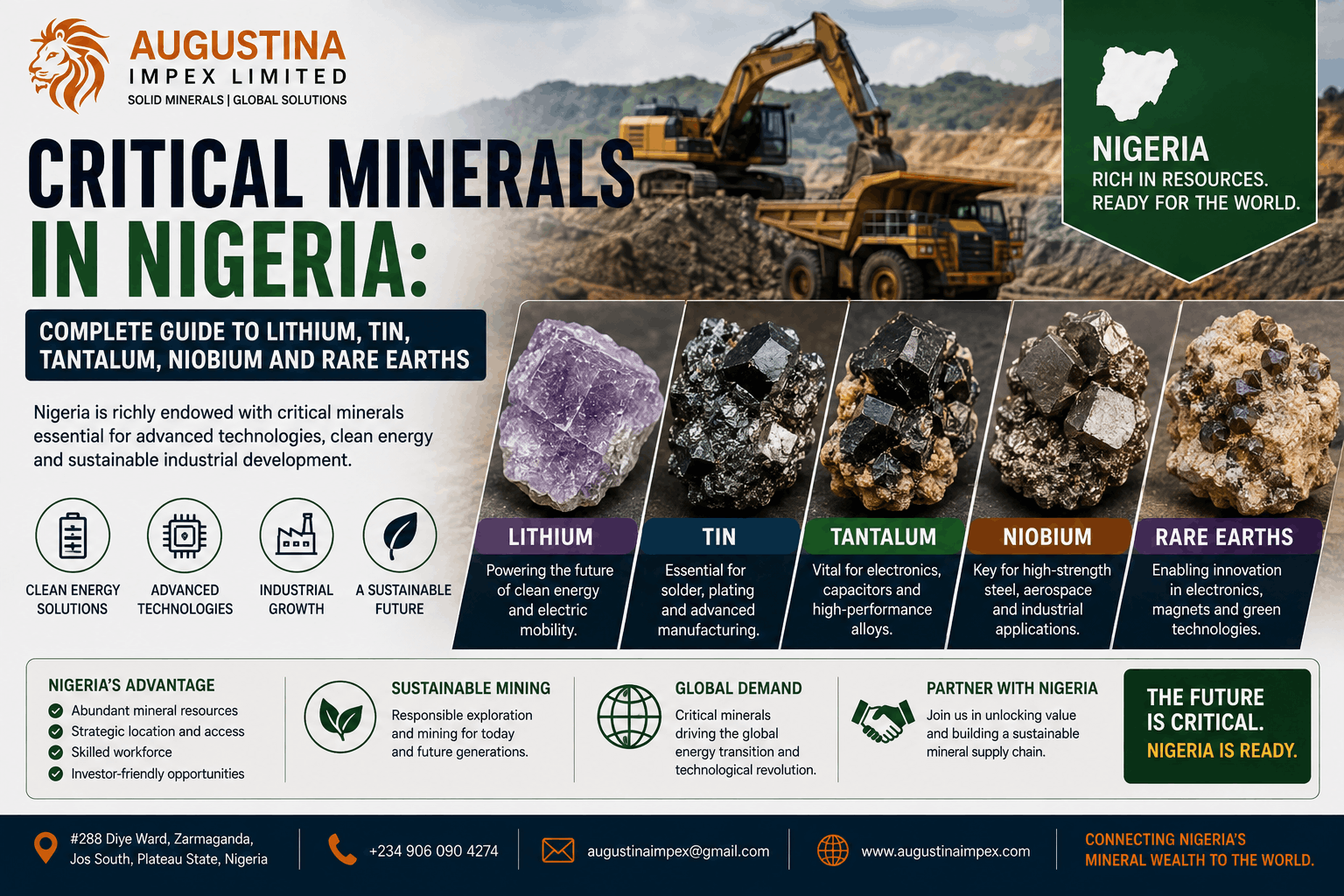
Nigeria Critical Minerals Guide: Lithium, Tin & Rare Earths
Critical Minerals in Nigeria: Complete Guide to Lithium, Tin, Tantalum, Niobium and Rare Earths By…
Conflict-Free Nigerian Tin Meets Global ESG Standards
Conflict-Free and Certified: How Nigerian Tin Meets Global ESG Standards By Kolawole King, CEO —…