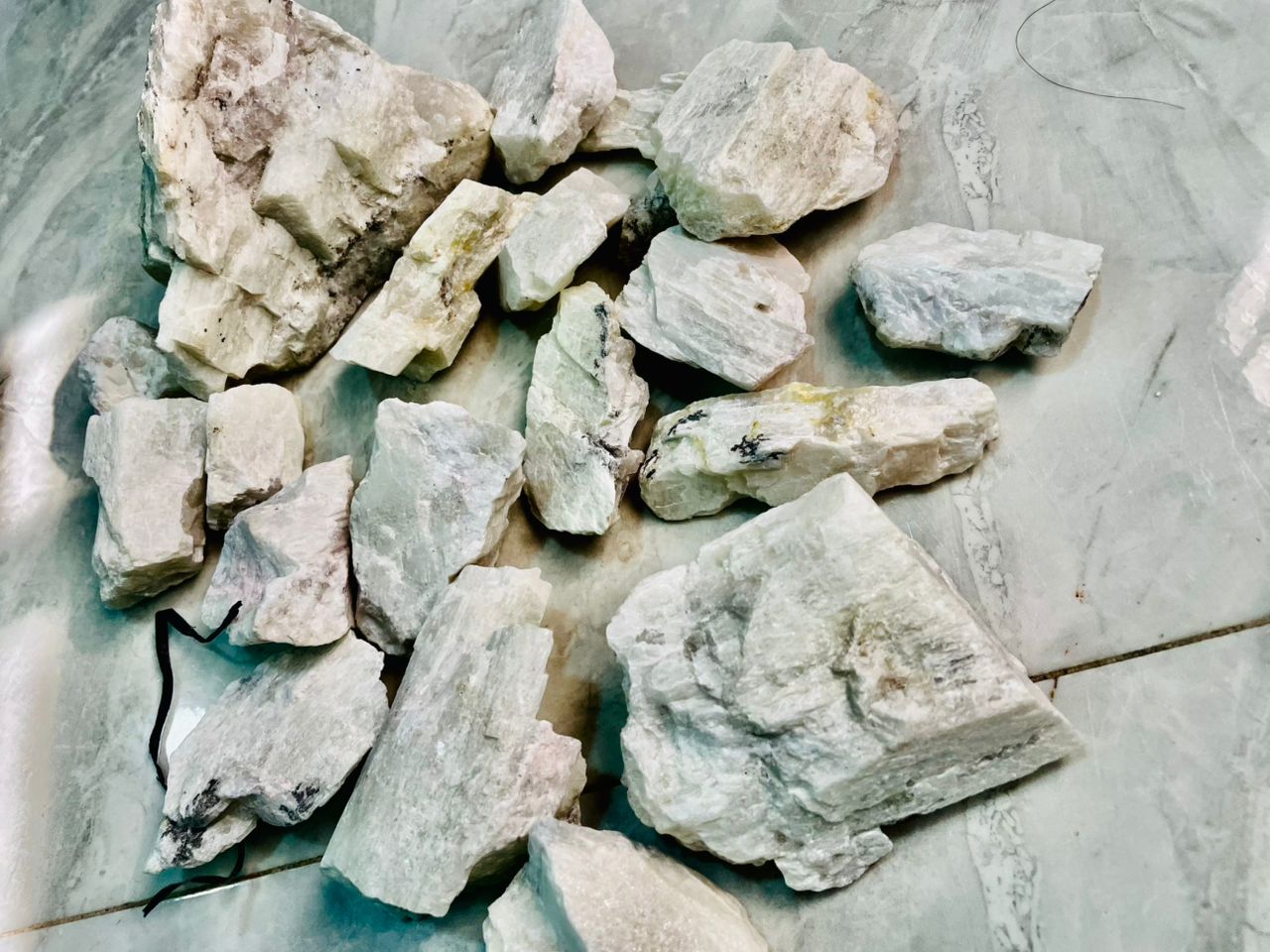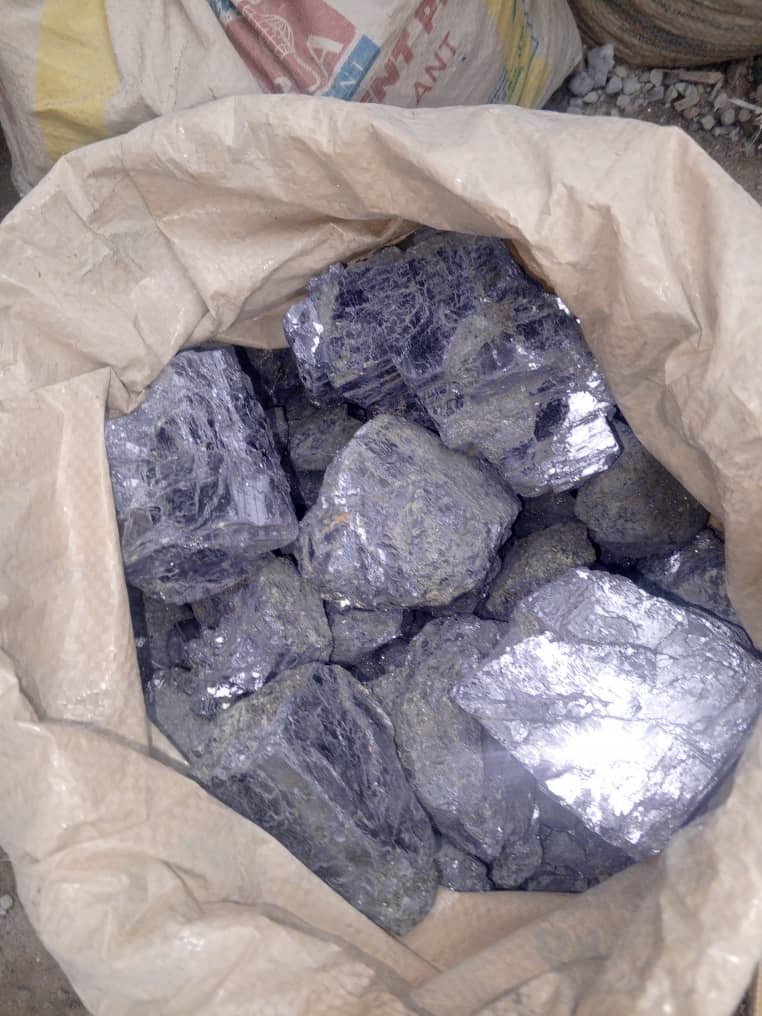


Titanium dioxide (TiO₂) is one of the world’s most important industrial minerals. Although many people have never heard of it, titanium dioxide is found in countless everyday products—from paints and coatings to plastics, paper, cosmetics, pharmaceuticals, food packaging, and even solar technologies.
As global industries continue to expand and infrastructure development accelerates, demand for titanium dioxide continues to rise. The mineral has become indispensable because of its exceptional whiteness, brightness, opacity, UV resistance, and chemical stability.
For mining companies and mineral suppliers, understanding titanium dioxide uses provides valuable insight into one of the world’s fastest-growing industrial mineral markets. Nigeria, with its abundant deposits of titanium-bearing minerals such as ilmenite and rutile, is well positioned to participate in this expanding global industry.
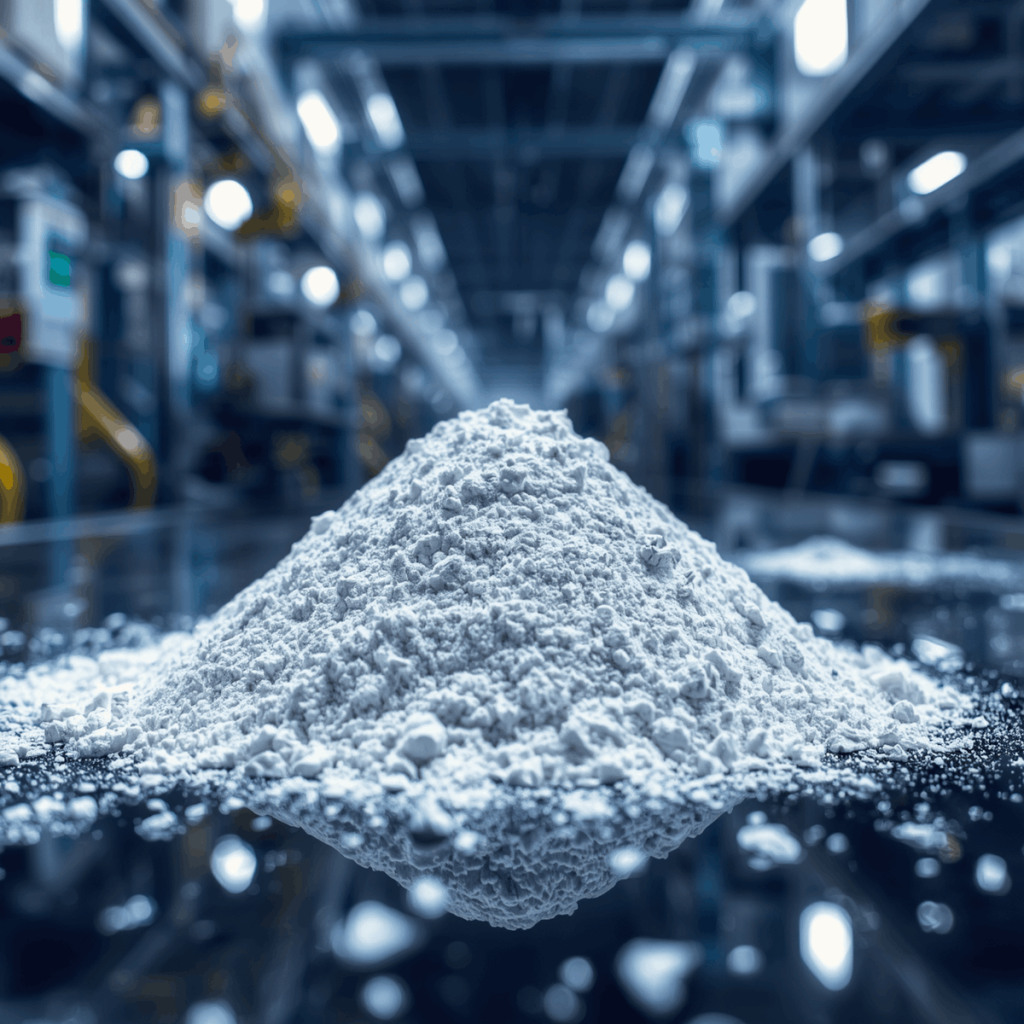
What is Titanium Dioxide?
Titanium dioxide (chemical formula TiO₂) is a naturally occurring oxide of titanium. It is primarily produced from titanium-bearing minerals, including:
- Ilmenite (FeTiO₃)
- Rutile (TiO₂)
- Leucoxene
These minerals are mined, processed, and refined to produce high-purity titanium dioxide used in numerous industrial applications.
Titanium dioxide is valued because it offers:
- Brilliant white color
- Excellent opacity
- High refractive index
- UV light resistance
- Chemical stability
- Non-toxic properties
- Long service life
These characteristics make TiO₂ the preferred white pigment in many industries.
Why Titanium Dioxide is Important
Titanium dioxide has become one of the most widely used industrial chemicals worldwide.
Every year, millions of tonnes are consumed across industries because no other commercially available white pigment provides the same combination of:
- Brightness
- Durability
- Weather resistance
- Cost-effectiveness
- Safety
As sustainability becomes increasingly important, manufacturers continue investing in technologies that improve titanium dioxide production while reducing environmental impact.
Major Uses of Titanium Dioxide
1. Paint and Coatings Industry
The paint industry is the largest consumer of titanium dioxide.
Titanium dioxide provides:
- Bright white color
- Excellent hiding power
- UV protection
- Long-lasting durability
- Weather resistance
It is widely used in:
- Architectural paints
- Industrial coatings
- Marine coatings
- Automotive paints
- Protective coatings
Without titanium dioxide, many modern paints would lose their brightness and durability.
2. Plastics Manufacturing
Plastics manufacturers use titanium dioxide to improve:
- Whiteness
- Surface finish
- UV resistance
- Heat stability
- Product lifespan
Common products include:
- PVC pipes
- Plastic packaging
- Household products
- Automotive components
- Consumer electronics
3. Paper Industry
Titanium dioxide improves:
- Paper brightness
- Opacity
- Print quality
- Smoothness
Premium-quality printing papers frequently contain titanium dioxide to enhance appearance and readability.
4. Cosmetics and Personal Care
Titanium dioxide is commonly found in:
- Sunscreens
- Face powders
- Foundations
- Toothpaste
- Skincare products
Because TiO₂ effectively blocks ultraviolet radiation, it is an important ingredient in many sunscreen formulations.
5. Pharmaceutical Industry
Pharmaceutical manufacturers use titanium dioxide as a coating for:
- Tablets
- Capsules
- Medical products
It improves product appearance while protecting medicines from light degradation.
6. Food Packaging
Although regulations vary by country, titanium dioxide has historically been used in certain food-contact materials and packaging because of its brightness and protective properties. Manufacturers must always comply with the regulations applicable in their target markets.
7. Printing Inks
Printing companies use titanium dioxide to produce:
- High-quality magazines
- Packaging materials
- Labels
- Commercial printing
Its opacity improves print clarity and color consistency.
8. Rubber Industry
Rubber manufacturers add titanium dioxide to:
- Improve durability
- Enhance UV resistance
- Produce lighter-colored rubber products
- Increase weather resistance
9. Ceramics and Glass
Titanium dioxide contributes to:
- Decorative ceramics
- Specialty glass
- High-performance ceramic materials
10. Renewable Energy
The clean energy transition is creating new opportunities for titanium dioxide in:
- Solar cells
- Photocatalytic coatings
- Environmental purification technologies
Research into advanced TiO₂ applications continues to expand.
Where Titanium Dioxide Comes From
Titanium dioxide is produced from titanium-bearing minerals, including:
Ilmenite
Ilmenite is the world’s most abundant titanium mineral and the primary feedstock for TiO₂ production.
Rutile
Rutile contains a much higher concentration of titanium dioxide than ilmenite and is therefore highly valued.
Leucoxene
Leucoxene is another titanium-rich mineral used in specialized applications.
Nigeria possesses deposits of titanium-bearing mineral sands that have significant long-term economic potential.
Global Market Demand
Demand for titanium dioxide continues to grow because of:
- Urbanization
- Infrastructure development
- Automotive production
- Consumer goods manufacturing
- Renewable energy expansion
- Industrial coatings
- Construction activity
The Asia-Pacific region remains the largest consumer, driven by rapid industrialization and manufacturing growth.
Nigeria’s Opportunity
Nigeria has an opportunity to strengthen its position in the global titanium value chain by:
- Expanding mineral exploration
- Increasing beneficiation
- Investing in mineral processing
- Encouraging value addition before export
- Building partnerships with international manufacturers
Producing higher-value titanium products can generate greater economic benefits than exporting raw minerals alone.
Sustainability and Responsible Mining
As demand for titanium-bearing minerals increases, responsible mining practices are essential. This includes:
- Environmental stewardship
- Efficient resource utilization
- Community engagement
- Compliance with mining regulations
- Safe processing practices
Sustainable mining helps ensure long-term industry growth while protecting natural resources.
Augustina Impex Limited
Augustina Impex Limited is committed to supplying high-quality industrial minerals and supporting the development of reliable mineral supply chains. Through partnerships with mining operations and processors, we aim to connect Nigeria’s mineral resources with global industries seeking dependable raw material suppliers.
Conclusion
Titanium dioxide plays a vital role in modern manufacturing, from paints and plastics to cosmetics, pharmaceuticals, paper, and renewable energy technologies. Its exceptional physical and chemical properties make it one of the most valuable industrial minerals in the world.
As global demand continues to increase, countries with abundant titanium-bearing minerals—such as Nigeria—have an opportunity to expand their role in international mineral supply chains. By investing in responsible mining, mineral processing, and value addition, the country can unlock greater economic potential and contribute to meeting the growing global demand for titanium dioxide.
Whether you are a manufacturer, trader, or investor, understanding the many uses of titanium dioxide highlights why this mineral remains a cornerstone of modern industry and an important driver of future industrial development.
Post a comment
Related Posts

Nigeria Lithium Mining: Production, Processing & Export
Nigeria Lithium Mining: Production, Processing and Export Opportunities By Kolawole King, CEO — Augustina Impex…

Nigeria Rare Earth Minerals: Deposits & Market Potential
Nigeria Rare Earth Minerals: Deposits, Applications and Global Market Potential By Kolawole King, CEO —…

Nigeria Critical Minerals Guide: Lithium, Tin & Rare Earths
Critical Minerals in Nigeria: Complete Guide to Lithium, Tin, Tantalum, Niobium and Rare Earths By…
Conflict-Free Nigerian Tin Meets Global ESG Standards
Conflict-Free and Certified: How Nigerian Tin Meets Global ESG Standards By Kolawole King, CEO —…