
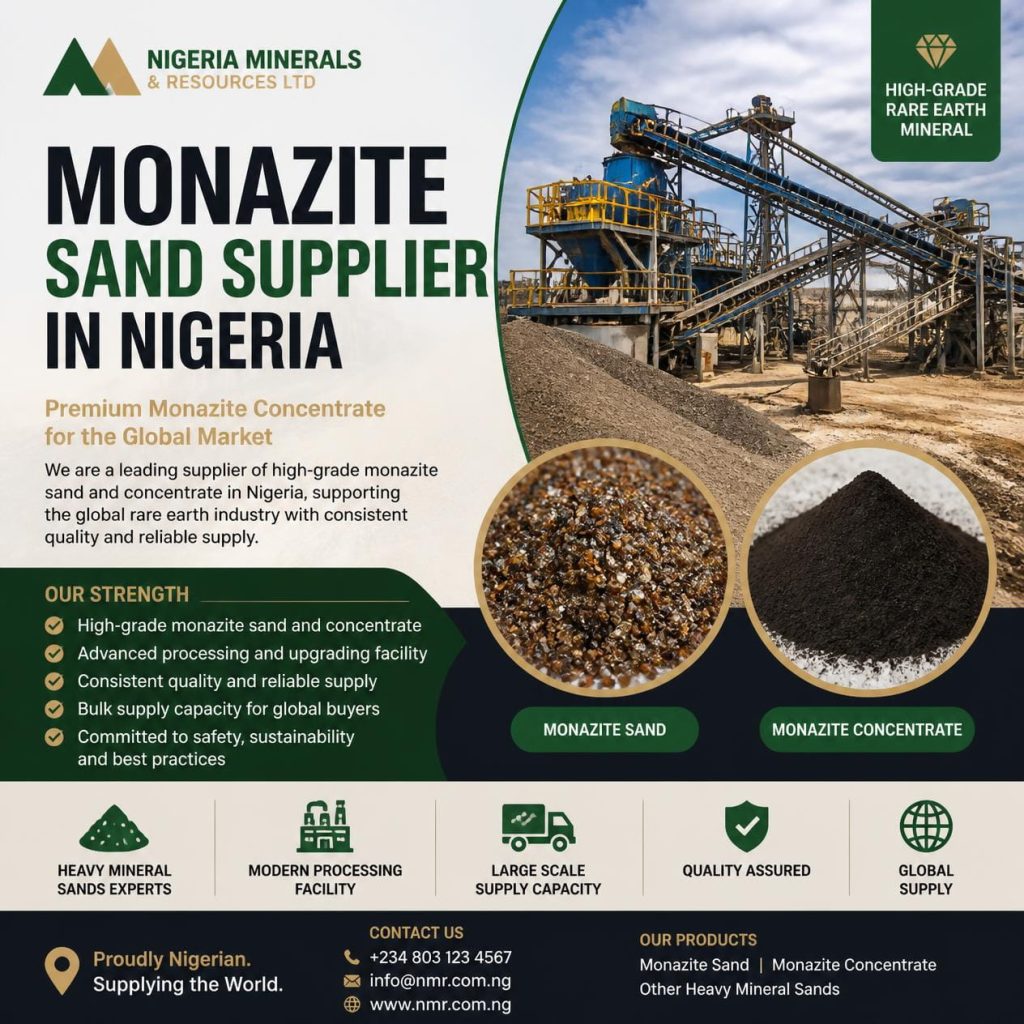
If you are searching for a reliable monazite sand supplier in Nigeria, you have come to the right place. Nigeria is home to some of the richest rare earth mineral deposits in Sub-Saharan Africa, and monazite sand — a phosphate mineral loaded with cerium, lanthanum, neodymium, praseodymium, and thorium — is one of the country’s most strategically significant exports. At Augustina Impex Limited, we have built our reputation on connecting global buyers with verified, NGSA-certified, and NORM-compliant monazite sand from the heart of Nigeria’s mineral-rich terrain.
This article is your comprehensive guide to understanding what monazite sand is, why Nigeria is an increasingly important source for this critical mineral, what to look for in a supplier, and how to begin procurement through Augustina Impex Limited.
What Is Monazite Sand and Why Does It Matter?
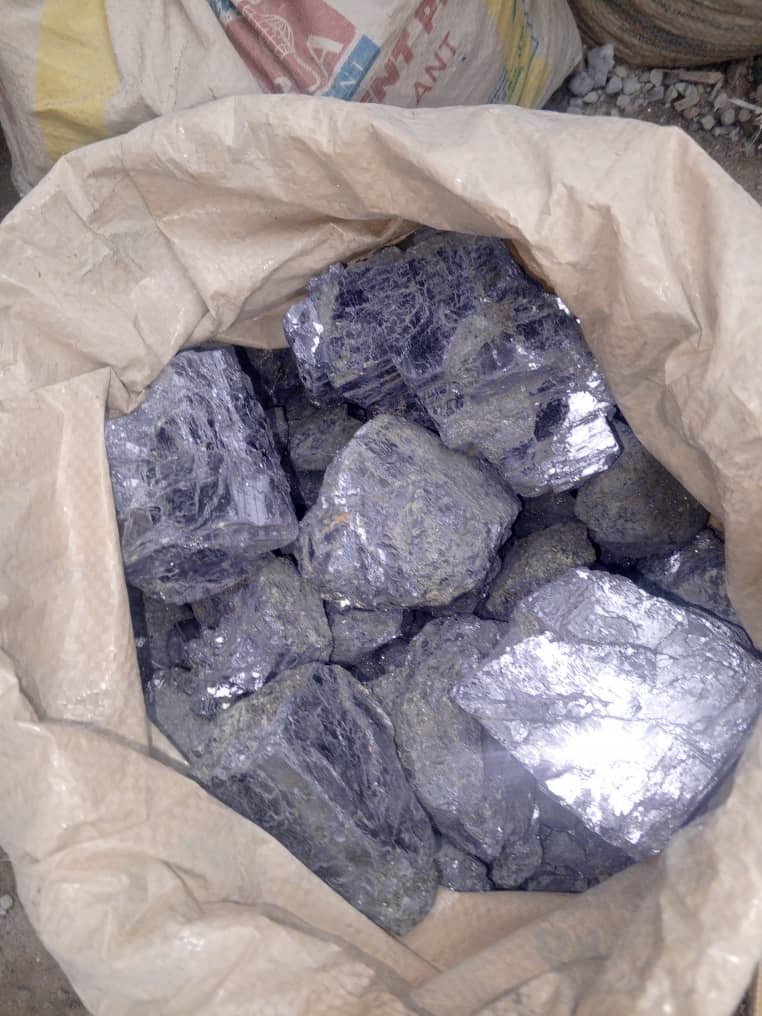
Monazite sand is a naturally occurring phosphate mineral that belongs to the rare earth element (REE) group. Its chemical formula is typically written as (Ce, La, Nd, Th)PO₄ — a notation that captures its multi-element nature. Monazite forms as a heavy mineral during the weathering and erosion of igneous and metamorphic rocks, particularly granites and gneisses. Over geological time, it concentrates in alluvial deposits and coastal or riverine sediments, where it can be economically extracted.
What makes monazite commercially significant is its exceptional content of rare earth oxides (REOs). High-quality monazite sand can carry between 55% and 70% total rare earth oxide content, with particularly notable concentrations of cerium oxide (CeO₂), lanthanum oxide (La₂O₃), neodymium oxide (Nd₂O₃), and praseodymium oxide (Pr₆O₁₁). These elements are not interchangeable commodities — each plays a specific and irreplaceable role across multiple high-technology industries.
Cerium is used in catalytic converters, glass polishing, and UV-blocking coatings. Lanthanum is a key component of rechargeable nickel-metal hydride (NiMH) batteries and petroleum refining catalysts. Neodymium is critical for the permanent magnets used in electric vehicle (EV) motors and wind turbines — the backbone of the global clean energy transition. Praseodymium is used alongside neodymium in NdPr magnets that power everything from EV drivetrains to drones to industrial robots.
Beyond rare earth elements, monazite also contains thorium — a naturally occurring radioactive element — which classifies monazite as a Naturally Occurring Radioactive Material (NORM). This classification introduces regulatory considerations that reputable suppliers must navigate carefully, and it is one of the reasons why working with a compliant, licensed Nigerian monazite sand supplier like Augustina Impex Limited is essential.
Nigeria’s Strategic Position in the Global Rare Earth Supply Chain
The global rare earth market has been dominated by China for decades. China currently accounts for approximately 60–70% of global rare earth mine production and an even larger share of rare earth processing and refining. This concentration has created significant supply chain vulnerabilities for manufacturers in the United States, Europe, Japan, South Korea, and elsewhere. As trade tensions, export restrictions, and geopolitical considerations reshape the global minerals landscape, buyers are actively seeking alternative and diversified sources of supply.
Nigeria is emerging as one of Africa’s most promising alternative sources. The country’s geology is remarkably endowed. Nigeria sits on the West African Craton, one of the most ancient and mineral-rich geological formations on the planet. The Precambrian basement complex that underlies much of north-central and north-eastern Nigeria contains significant granitic and metamorphic terrains — exactly the kind of geological environment that generates heavy mineral deposits including monazite.
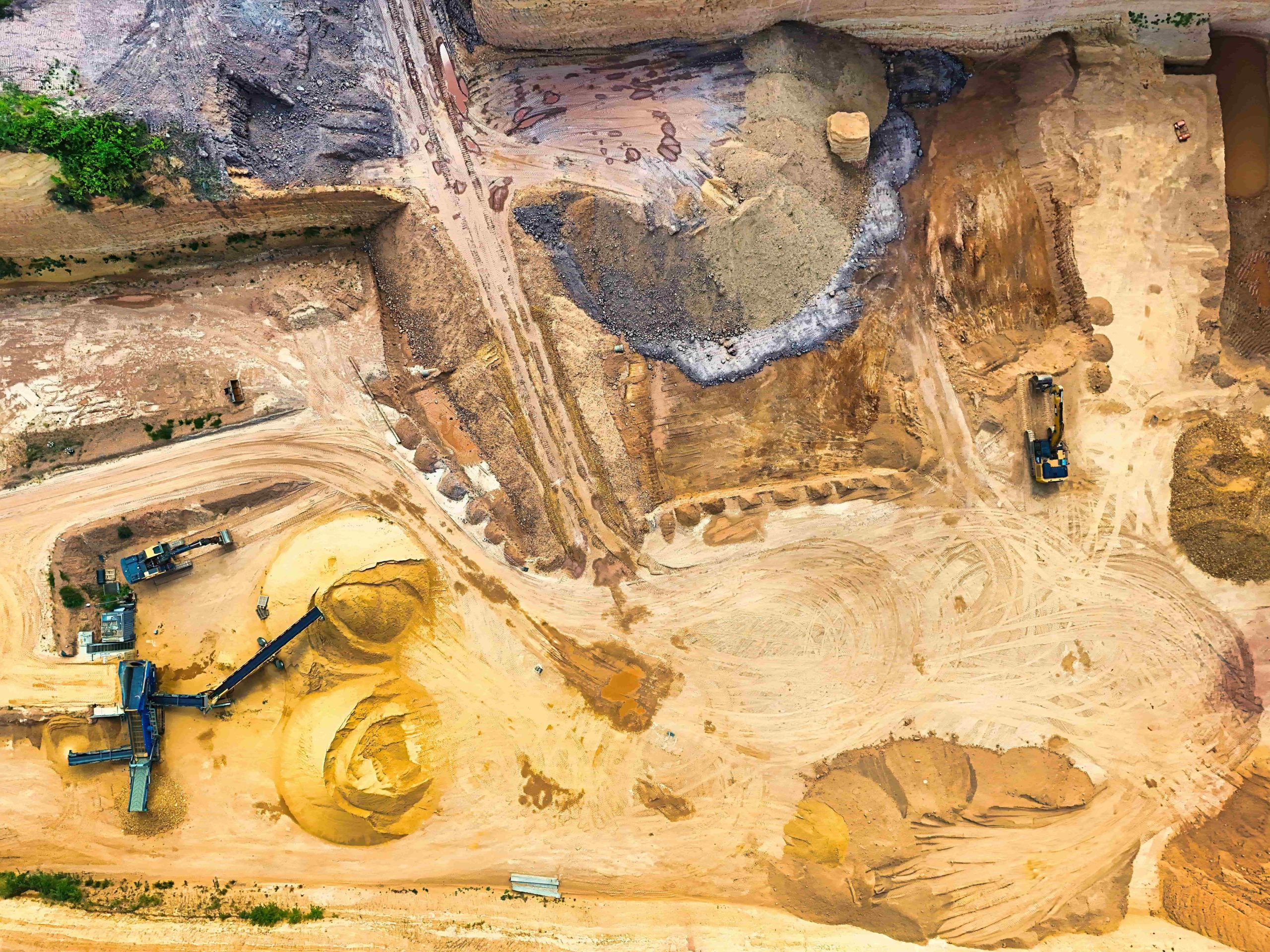
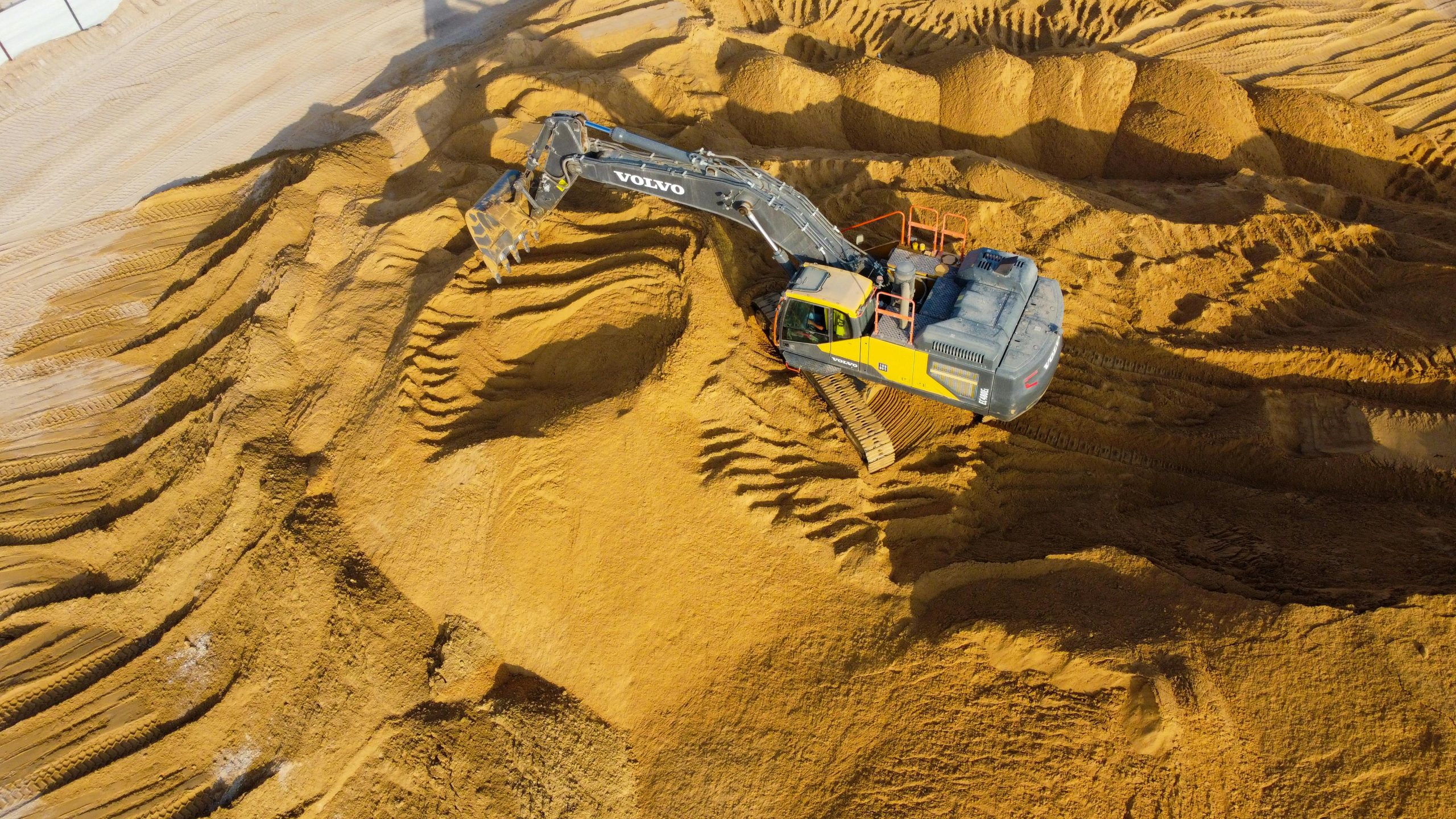
The Jos Plateau, located in north-central Nigeria (Plateau State), is particularly significant. This elevated tableland was the site of one of Africa’s most intensive tin mining booms throughout the twentieth century. The legacy of that tin mining has left behind extensive tailings and alluvial deposits that are rich in heavy minerals, including monazite, columbite-tantalite (coltan), zircon, and ilmenite. In addition to the Jos Plateau, coastal and riverine regions in the Niger Delta and along Nigeria’s southern coastline contain placer deposits with commercial concentrations of monazite and associated heavy minerals.
Nigeria’s solid minerals sector is governed and regulated by the Ministry of Solid Minerals Development, with operational oversight from the Nigerian Geological Survey Agency (NGSA) and the Mining Cadastre Office (MCO). All mineral exports must be certified by NGSA, and radioactive materials including monazite are subject to additional oversight from the Nigerian Nuclear Regulatory Authority (NNRA) to ensure NORM compliance.
Augustina Impex Limited: A Trusted Monazite Sand Supplier in Nigeria
Augustina Impex Limited is a licensed Nigerian solid minerals export facilitation company, headquartered in Jos, Plateau State. We operate at the interface between Nigeria’s artisanal and small-scale mining (ASM) sector and the international commodity market, connecting verified mineral producers with qualified international buyers through a transparent, documented, and fully compliant supply chain.
Our work as a monazite sand supplier in Nigeria is built on three core principles: mineral authenticity, regulatory compliance, and relationship-driven commerce. Every lot we offer comes with NGSA certification, independent third-party assay results, and full chain-of-custody documentation from mine site to loading port. We do not offer speculative supply. When we present a monazite sand offer to an international buyer, the material exists, it has been tested, and it is ready for contractual engagement.
Our production partners — the mine operators and mineral processing facilities we work with — operate in Nigeria’s mineral-rich north-central and north-eastern zones, primarily in Plateau State and Nasarawa State. These are regions with proven monazite-bearing geology, and the material we source from them meets international commercial standards for rare earth feedstock.
Technical Specifications of Nigerian Monazite Sand
Understanding the technical specifications of monazite sand is essential for any international buyer, whether you are a rare earth refinery, a chemical processing company, a trading house, or an end-user of separated rare earth compounds. The following specifications represent what Augustina Impex Limited can typically offer from our Nigerian supply network. Specific lot-level assay results are available upon request and are provided as part of our standard documentation package.
Total Rare Earth Oxide (TREO) Content: 55% – 65% The total rare earth oxide content is the primary quality metric for monazite sand. Nigerian monazite from our supply zones consistently assays between 55% and 65% TREO, with higher-grade material available from select deposits. This range is commercially comparable to monazite sourced from Brazil, India, and Australia — the world’s established monazite-producing nations.
Cerium Oxide (CeO₂): 25% – 30% of TREO Cerium typically constitutes the largest single rare earth fraction in monazite. It is a high-volume industrial rare earth used across automotive, glass, and electronics manufacturing.
Lanthanum Oxide (La₂O₃): 20% – 25% of TREO Lanthanum is the second most abundant REE in monazite and commands strong demand from battery manufacturers and petroleum refinery catalyst producers.
Neodymium Oxide (Nd₂O₃): 12% – 18% of TREO Neodymium is arguably the most commercially valuable light rare earth element at present, due to its essential role in NdFeB permanent magnets used in electric vehicle motors and wind turbine generators.
Praseodymium Oxide (Pr₆O₁₁): 4% – 6% of TREO Often found alongside neodymium (and sold as a NdPr mixed oxide), praseodymium contributes significantly to permanent magnet performance and is in tight global supply.
Thorium Content: 4% – 9% Thorium is a naturally occurring radioactive element present in all monazite sand. Its presence classifies monazite as a NORM material, requiring specific handling, transport, and regulatory compliance protocols. Buyers in jurisdictions that permit thorium import can also derive value from this fraction, as thorium is an emerging nuclear fuel feedstock.
Phosphate (P₂O₅): 25% – 30% Monazite is a phosphate mineral, and the phosphate fraction is a co-product of rare earth extraction processes.
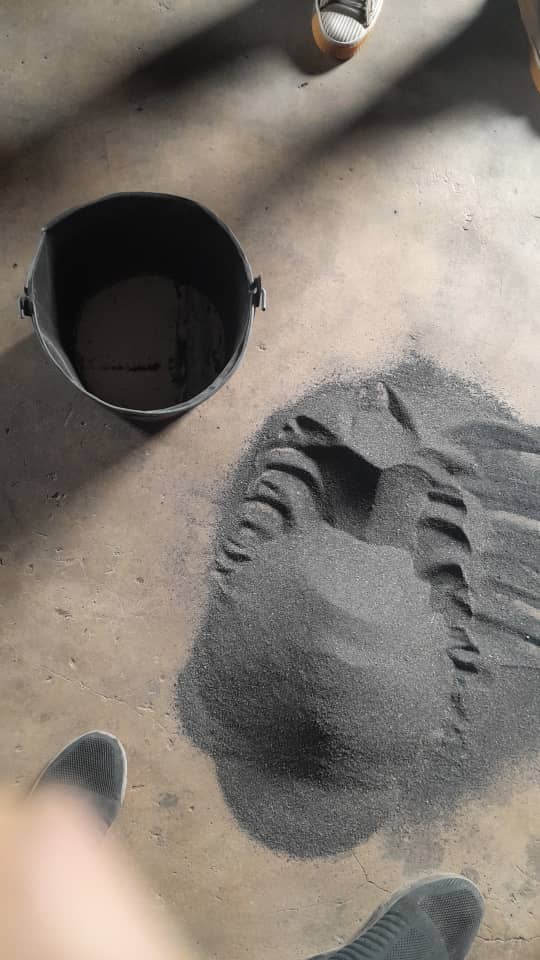
Physical Form: Granular sand, natural heavy mineral concentrate Colour: Reddish-brown to yellow-brown Specific Gravity: 4.9 – 5.5 g/cm³ Moisture Content: ≤ 2% (oven-dried, bagged product) Packaging: 1MT big bags (jumbo sacks) or 25kg woven polypropylene bags on pallets, per buyer preference
All specifications are confirmed by independent laboratory assay at NAFDAC-registered Nigerian laboratories, with the option for third-party verification by internationally accredited laboratories such as ALS Global (Perth, Australia) or SGS (Geneva, Switzerland) at the buyer’s election.
The Global Demand Landscape for Monazite Sand
The demand for monazite sand — and for rare earth elements more broadly — is being driven by some of the most powerful macroeconomic forces of our generation. Understanding these forces will help buyers appreciate why securing a reliable monazite sand supplier in Nigeria is not just a procurement decision but a strategic positioning move.
Electric Vehicles and the EV Revolution The International Energy Agency (IEA) projects that the global EV fleet will grow from approximately 40 million vehicles in 2024 to over 300 million by 2030 under its Stated Policies Scenario. Each battery electric vehicle requires between 1 and 2 kilograms of NdPr oxide for its traction motor magnets. This translates into an enormous and rapidly growing demand for neodymium and praseodymium — two of the principal rare earths in monazite sand.
Wind Energy Expansion Direct-drive wind turbines, which are considered more efficient and reliable than geared alternatives, use permanent magnets that require significant quantities of NdPr. As global wind capacity expands toward the terawatt scale envisioned under the Paris Agreement, the demand for monazite-derived rare earths will intensify accordingly.
Consumer Electronics and Defence Neodymium-iron-boron (NdFeB) magnets are found in every hard disk drive, every speaker, every earphone, every electric motor in industrial machinery, and a wide range of military systems including guided missiles, radar systems, and autonomous vehicle systems. The breadth of end-use applications means that monazite-derived rare earths face structurally robust demand regardless of short-term economic cycles.
Rare Earth Supply Chain Diversification As noted earlier, China’s dominance in rare earth processing has prompted governments and corporations worldwide to invest in alternative supply chains. Nigeria — with its documented geology, improving regulatory environment, and growing population of trained mining professionals — is well-positioned to become a meaningful contributor to the non-Chinese rare earth supply chain over the coming decade.
NORM Compliance: What Every Monazite Sand Buyer Must Know
Because monazite sand contains thorium — a naturally occurring radioactive material — it is subject to NORM regulations in both the country of origin and the country of import. At Augustina Impex Limited, NORM compliance is a non-negotiable element of every transaction.
In Nigeria, the Nigerian Nuclear Regulatory Authority (NNRA) oversees the handling, processing, and export of radioactive materials, including monazite. We work closely with NNRA to ensure that all monazite we offer is properly characterized, that radiation exposure levels are documented, and that all required NNRA permits and clearances are in place prior to shipment. This documentation is provided to all buyers as part of the standard deal package.
On the import side, buyers are responsible for ensuring compliance with their own national NORM regulations. Different countries treat monazite imports differently. Some jurisdictions — including the United States, China, Malaysia, and India — have established frameworks for monazite import and processing. Others maintain restrictions or require specific licensing. It is the buyer’s responsibility to secure the relevant import permits and to confirm that their facility is licensed to handle NORM materials. Augustina Impex Limited can provide the necessary export documentation, radiation characterization reports, and NNRA clearance letters to support the buyer’s import licensing process.
Buyers are strongly advised to engage their national nuclear regulatory authority or a specialist NORM compliance consultant before entering into a monazite sand purchase agreement. This is not a discouragement to trade — it is simply the responsible thing to do, and legitimate buyers in this space invariably have these processes already in place.
Export Documentation for Nigerian Monazite Sand
Exporting monazite sand from Nigeria involves a well-defined regulatory process that Augustina Impex Limited manages on behalf of our buyers. The following documents are standard for a monazite sand export transaction:
NGSA Export Certificate — issued by the Nigerian Geological Survey Agency, certifying the mineral identity, grade, and origin of the material. This is the primary Nigerian export permit for solid minerals.
NNRA Export Clearance — issued by the Nigerian Nuclear Regulatory Authority, certifying that the monazite has been assessed, radiation levels documented, and the material cleared for export under applicable Nigerian nuclear regulations.
Third-Party Assay Certificate — laboratory analysis report from an accredited independent laboratory confirming the elemental composition, TREO content, thorium level, and other parameters of the specific lot being exported.
Certificate of Origin — issued by the Nigerian Export Promotion Council (NEPC) or the relevant Chamber of Commerce, certifying Nigerian origin for customs and trade purposes.
Packing List and Bill of Lading — standard commercial shipping documents prepared in accordance with the incoterm agreed in the Sales and Purchase Agreement.
Pre-Shipment Inspection Certificate — issued by an independent inspection company (typically SGS, Bureau Veritas, or CCIC) at the Nigerian loading port, confirming quality, weight, and condition of the cargo before loading.
Radiation Survey Certificate — document prepared by a licensed radiation protection expert confirming surface dose rate readings, contact dose rates, and transport index (TI) for classification under IATA/IMDG dangerous goods regulations applicable to Class 7 (radioactive material) cargo.
All of the above documentation is prepared, coordinated, and delivered by Augustina Impex Limited as part of our full-service export facilitation offering.
How to Buy Monazite Sand from Nigeria: A Step-by-Step Guide
Procuring monazite sand from Nigeria through Augustina Impex Limited follows a straightforward process designed to protect both parties and ensure complete transparency at every stage.
Step 1: Preliminary Enquiry and Needs Assessment Contact us at augustinaimpex@gmail.com with your specifications, target monthly volume, preferred incoterm, destination country, and any specific documentation requirements. If you are a first-time rare earth buyer, our team will guide you through the specification and documentation requirements before you proceed.
Step 2: Issuance of Full Corporate Offer (FCO) Based on your requirements, we will issue a Full Corporate Offer (FCO) referencing the specific lot or production stream from our supply network. The FCO will specify grade, quantity, pricing basis, incoterm, payment terms, inspection arrangements, and offer validity period.
Step 3: Buyer’s Due Diligence and Counter-Signing of FCO You review the FCO, conduct any necessary internal or legal due diligence, and return the signed FCO with your company registration documents and confirmation of payment instrument readiness.
Step 4: Sales and Purchase Agreement (SPA) Upon mutual acceptance, we execute a formal Sales and Purchase Agreement between your company (or your principal) and our principal seller, with Augustina Impex Limited acting as facilitating agent. The SPA will govern all commercial, technical, and logistical terms of the transaction.
Step 5: Pre-Shipment Inspection and Documentation With the SPA in place and the payment instrument (typically an irrevocable LC) received, we coordinate pre-shipment inspection at the Nigerian loading port, prepare all export documentation, and arrange shipping to your nominated destination port.
Step 6: Shipment and Post-Shipment Documentation Upon loading, a complete set of shipping and export documents is presented to your bank in accordance with the LC terms. The 5% final payment is released upon presentation of discharge port documents confirming arrival and receipt of the cargo.
Pricing Basis for Nigerian Monazite Sand
Monazite sand is priced as a function of its total rare earth oxide content and prevailing market conditions for individual rare earth elements. Unlike copper or iron ore — which trade on formal commodity exchanges with published spot prices — rare earth pricing is determined through direct bilateral negotiation between buyers and sellers, with reference to rare earth price indices published by sources such as Argus Media, Metal Pages, and Asian Metal.
At Augustina Impex Limited, we present pricing in USD per Metric Tonne (MT) on an FOB Nigerian Port basis (Onne Port, Port Harcourt; Apapa Port, Lagos; or Lekki Deep Sea Port, Lagos, depending on origin and logistics). Pricing is offered on a per-lot basis for spot transactions, or on a formula basis indexed to prevailing REE market prices for long-term supply agreements.
We do not publish fixed spot prices in marketing materials, as rare earth markets are dynamic and prices fluctuate in response to Chinese export policy, production levels, and downstream demand cycles. To receive a current price indication for Nigerian monazite sand, please contact our team directly with your volume and specification requirements.
Payment terms for standard transactions are: Irrevocable Documentary Letter of Credit (LC) at sight — 95% payable against presentation of shipping documents at the Nigerian loading port, with the remaining 5% payable against discharge port documents confirming receipt in the country of destination.
Why Choose Augustina Impex Limited as Your Nigerian Monazite Sand Supplier?
There are many brokers and intermediaries who will claim to offer Nigerian monazite sand. What distinguishes Augustina Impex Limited from the broader market is straightforward: we operate with verifiable supply, documented compliance, and a track record of professional conduct.
We are not a desk operation or a commission-hungry broker with no ground-level knowledge. We are headquartered in Jos, Plateau State — at the geographical centre of Nigeria’s solid minerals belt. Our team has direct access to mine sites, processing facilities, and the government agencies that regulate the sector. When we present an offer, the material has been physically inspected, sampled, and laboratory-tested. When we reference regulatory compliance, we have the certificates to back it up.
We operate with full transparency on commission and agency structures. Where Augustina Impex Limited is acting as facilitating agent rather than principal seller, we disclose this in our offer documentation and present buyers directly with the seller’s commercial terms, net of our facilitation fee. This approach has earned us the trust of international buyers across Europe, Asia, and North America who require not just a mineral supplier but a professional trade partner they can rely on for consistent, ethical, and compliant supply.
We also understand that buying rare earth minerals from Africa carries reputational and ESG considerations for many buyers. We welcome ESG due diligence visits, supply chain audits, and independent assessments of our production partners. We believe that the future of Nigerian mineral exports is built on transparency, not on obscurity.
Frequently Asked Questions
Is monazite sand legal to export from Nigeria? Yes. Monazite sand can be legally exported from Nigeria with the appropriate permits from NGSA and NNRA. Augustina Impex Limited handles the full regulatory process as part of our service.
What is the minimum order quantity? Our standard minimum trial shipment is one (1) Full Container Load (FCL), which typically holds 20–24 Metric Tonnes of monazite sand in 1MT jumbo bags. Long-term supply agreements are typically structured at 20–100 MT per month, scalable to 200+ MT per month from our combined supply network.
Can you provide samples before a full order? Yes. We provide laboratory assay certificates and, for serious qualified buyers, physical samples of the material in standard sample quantities (typically 500g to 5kg), shipped via international courier with all necessary NORM documentation.
What incoterms do you offer? Our standard incoterm is FOB (Free on Board) Nigerian Port — Onne Port, Apapa Port, or Lekki Deep Sea Port. CIF (Cost, Insurance, Freight) to the buyer’s nominated discharge port can be arranged for established buyers with an agreed freight arrangement.
Can you supply on a long-term contract basis? Yes. We actively encourage long-term supply agreements (12–36 months) with monthly delivery schedules. Long-term agreements offer price stability benefits to buyers and production planning certainty to our supply partners.
How do I know the material is genuine? Every lot we offer is supported by an independent third-party laboratory assay certificate, NGSA certification, and pre-shipment inspection by an internationally recognised inspection company. Buyers are also welcome to appoint their own independent inspection agent at the loading port at their own cost.
What countries do you export to? We export to any jurisdiction that permits the import of NORM materials and holds the appropriate import licences. Our buyers include companies in China, Malaysia, India, the United Kingdom, Germany, the United States, and South Korea, among others.
Conclusion
Nigeria is one of the world’s most underappreciated sources of monazite sand and rare earth minerals. As the global clean energy transition accelerates demand for rare earth elements — particularly neodymium and praseodymium for permanent magnets in EV motors and wind turbines — securing a reliable, compliant, and transparent monazite sand supplier in Nigeria has never been more strategically important.
Augustina Impex Limited stands ready to be that partner. With our deep roots in Jos, Plateau State, our network of verified production partners, and our commitment to full regulatory compliance at every stage of the export process, we offer international buyers something increasingly rare in the global minerals market: a supplier you can actually trust.
We invite you to reach out to us today to begin a conversation about your monazite sand sourcing requirements. Whether you are looking for a trial shipment to evaluate the material, a spot purchase to meet an immediate need, or a long-term supply agreement to anchor your rare earth feedstock strategy, Augustina Impex Limited is here to serve you.
Contact us: Email: augustinaimpex@gmail.com WhatsApp: +234 906 090 4274 Website: www.augustinaimpex.com Location: Jos, Plateau State, Nigeria
Post a comment
Related Posts
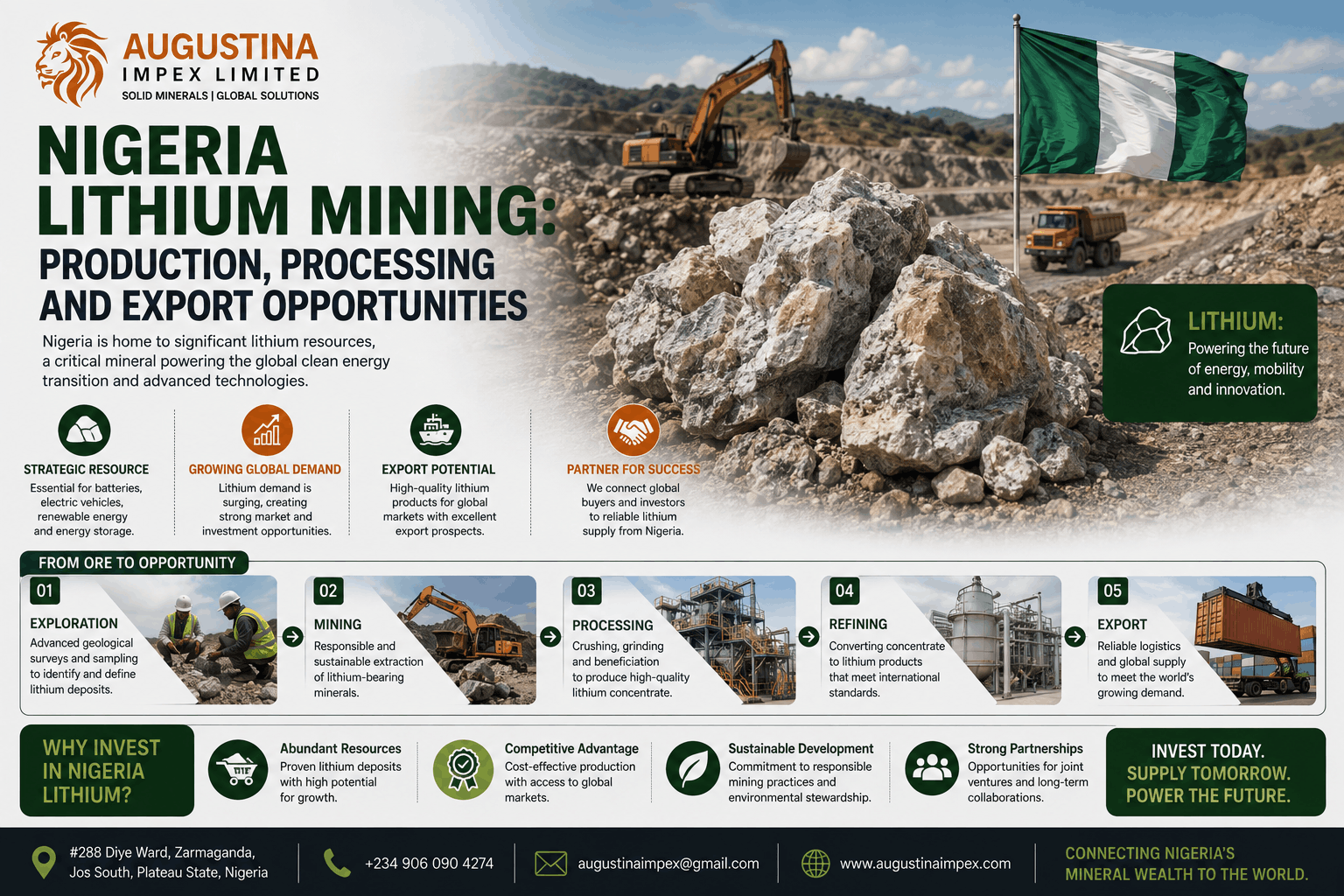
Nigeria Lithium Mining: Production, Processing & Export
Nigeria Lithium Mining: Production, Processing and Export Opportunities By Kolawole King, CEO — Augustina Impex…
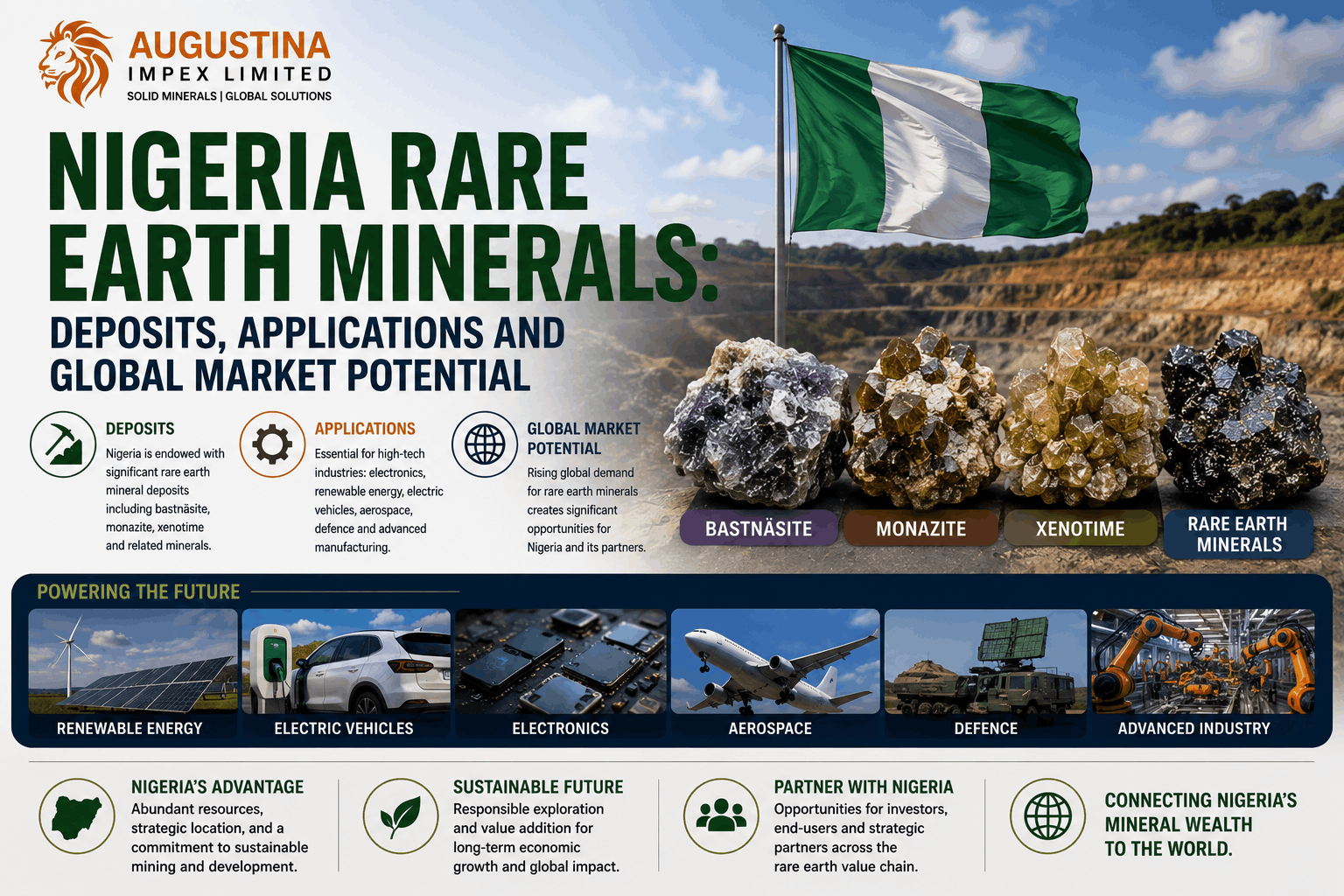
Nigeria Rare Earth Minerals: Deposits & Market Potential
Nigeria Rare Earth Minerals: Deposits, Applications and Global Market Potential By Kolawole King, CEO —…
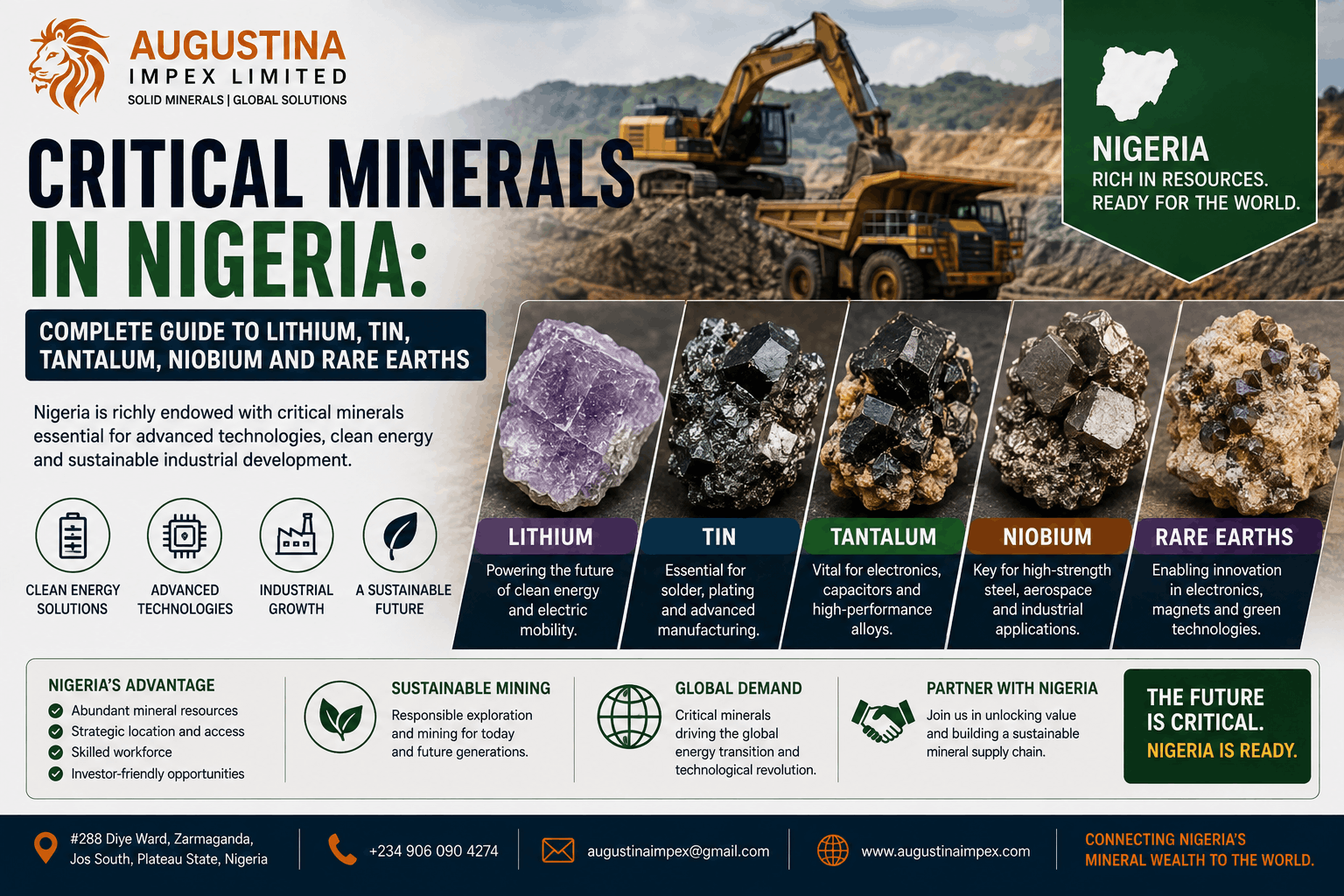
Nigeria Critical Minerals Guide: Lithium, Tin & Rare Earths
Critical Minerals in Nigeria: Complete Guide to Lithium, Tin, Tantalum, Niobium and Rare Earths By…
Conflict-Free Nigerian Tin Meets Global ESG Standards
Conflict-Free and Certified: How Nigerian Tin Meets Global ESG Standards By Kolawole King, CEO —…