
If you have spent any time tracking global supply chains for technology metals and critical minerals, you already know that the rare earth conversation has been dominated by a handful of names — China, Australia, and the United States. But there is a significant chapter being written right now that the world is only beginning to pay attention to, and it is set in the heart of West Africa. Nigeria, long celebrated for its crude oil wealth, is emerging as one of the most compelling rare earth mineral suppliers on the African continent. And for international buyers, traders, and procurement professionals who want to diversify their supply chains away from geopolitically sensitive sources, this development could not come at a more critical moment.
This article takes you on a deep dive into Nigeria’s rare earth mineral landscape — the geology, the minerals, the regulatory environment, the opportunity, and how Augustina Impex Limited has positioned itself as a trusted, professional, and fully compliant Nigerian rare earth mineral supplier serving the global market.
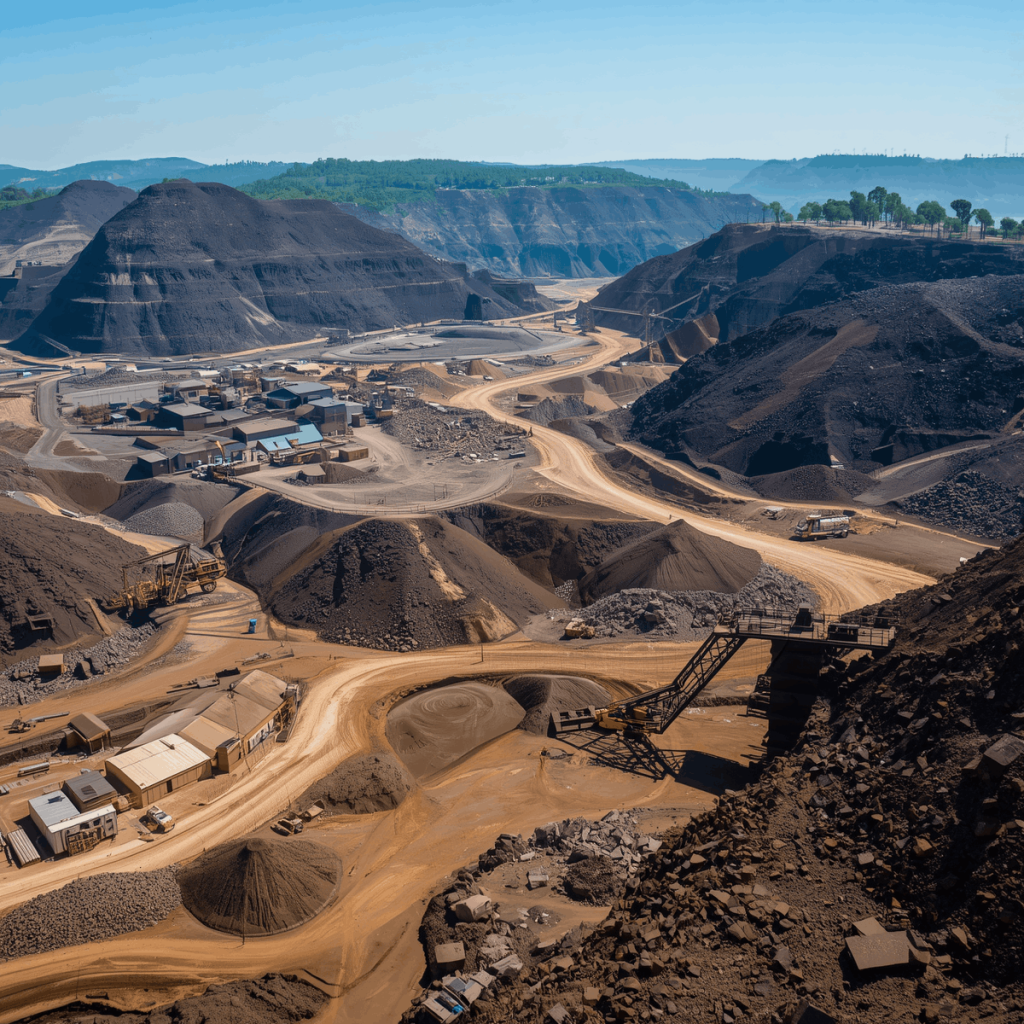
What Are Rare Earth Minerals and Why Do They Matter So Much Right Now?
Before we get into the Nigerian context, it helps to understand exactly what we mean when we talk about rare earth minerals. The term “rare earth elements” (REEs) refers to a group of 17 metallic elements — the 15 lanthanides on the periodic table, plus scandium and yttrium. Despite their name, most rare earth elements are not particularly rare in the earth’s crust. What makes them genuinely rare is the combination of factors required to find them in commercially viable concentrations, extract them cleanly, and process them into usable forms.
The lanthanide group includes elements like cerium (Ce), lanthanum (La), neodymium (Nd), praseodymium (Pr), dysprosium (Dy), terbium (Tb), europium (Eu), gadolinium (Gd), and several others. Each of these has specific industrial applications that are difficult or impossible to replicate with substitute materials. Neodymium and dysprosium, for example, are indispensable in the production of high-strength permanent magnets used in electric vehicle motors and wind turbines. Cerium is the key ingredient in catalytic converters and glass polishing compounds. Lanthanum powers the batteries used in hybrid vehicles and is critical to petroleum refining. Europium and terbium provide the luminescence in LED lighting and flat-panel displays.
In short, rare earth elements are the hidden backbone of the global clean energy transition and the digital economy. Every smartphone, every electric vehicle, every wind turbine, and every advanced weapons system contains rare earth materials in some form. The International Energy Agency (IEA) has projected that demand for rare earth elements could increase by as much as six times by 2040 under aggressive clean energy scenarios. That is an extraordinary demand trajectory, and it is creating intense pressure on buyers worldwide to identify new, reliable, and ethically sound sources.
That is exactly where Nigeria comes into the picture.
Nigeria’s Geological Richness — A Foundation Few Countries Can Match
Nigeria sits on one of the most geologically diverse and mineralogically rich landmasses on the African continent. The country’s solid minerals sector, long overshadowed by oil, is home to more than 44 different types of commercially viable minerals spread across its 36 states and the Federal Capital Territory. The geological formations underpinning this wealth are ancient — some dating back more than 500 million years — and they include Pre-Cambrian basement complexes, Younger Granite formations in the Jos Plateau, Cretaceous sedimentary basins, and extensive alluvial plains that have concentrated heavy minerals over millennia.
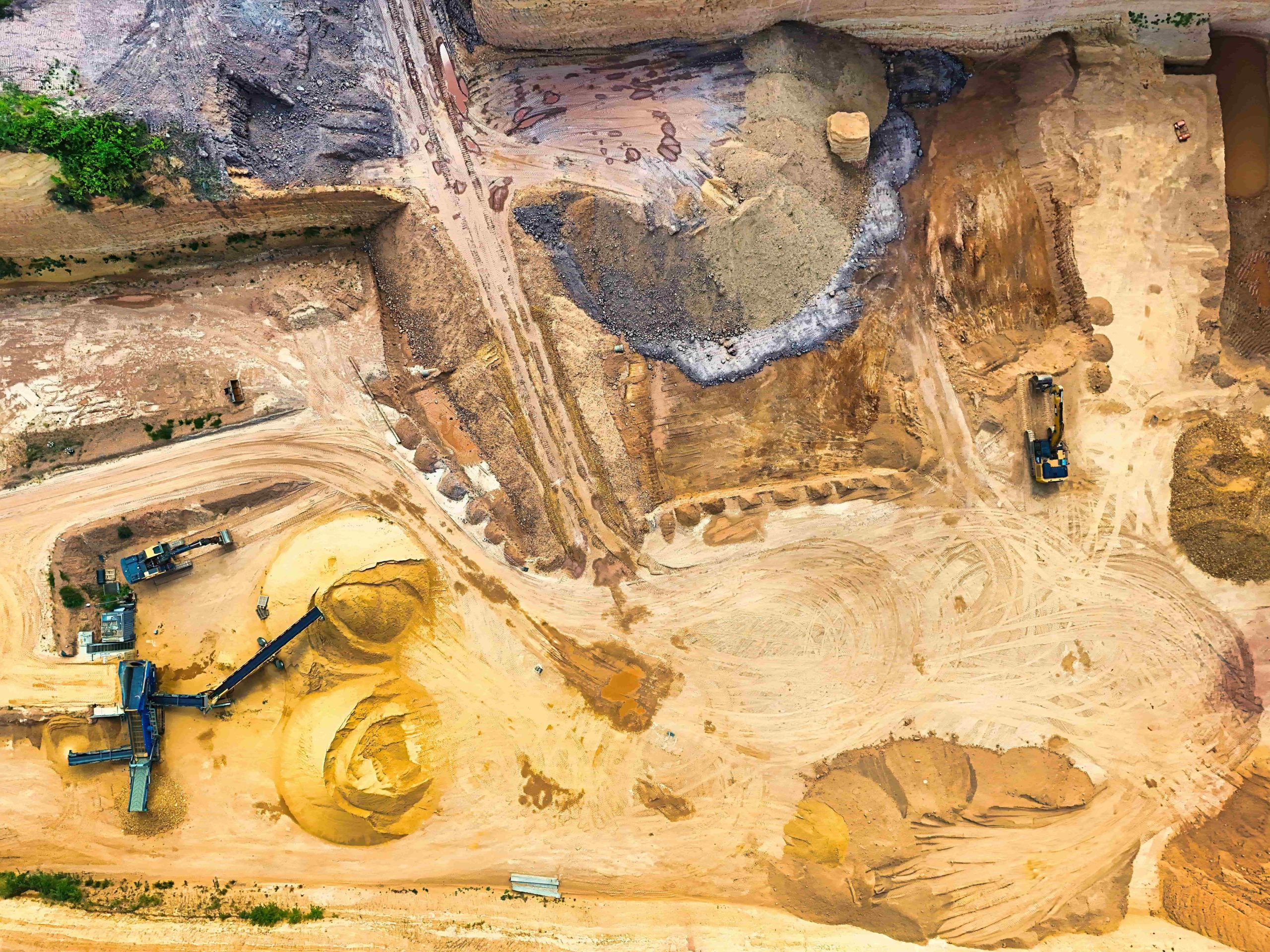
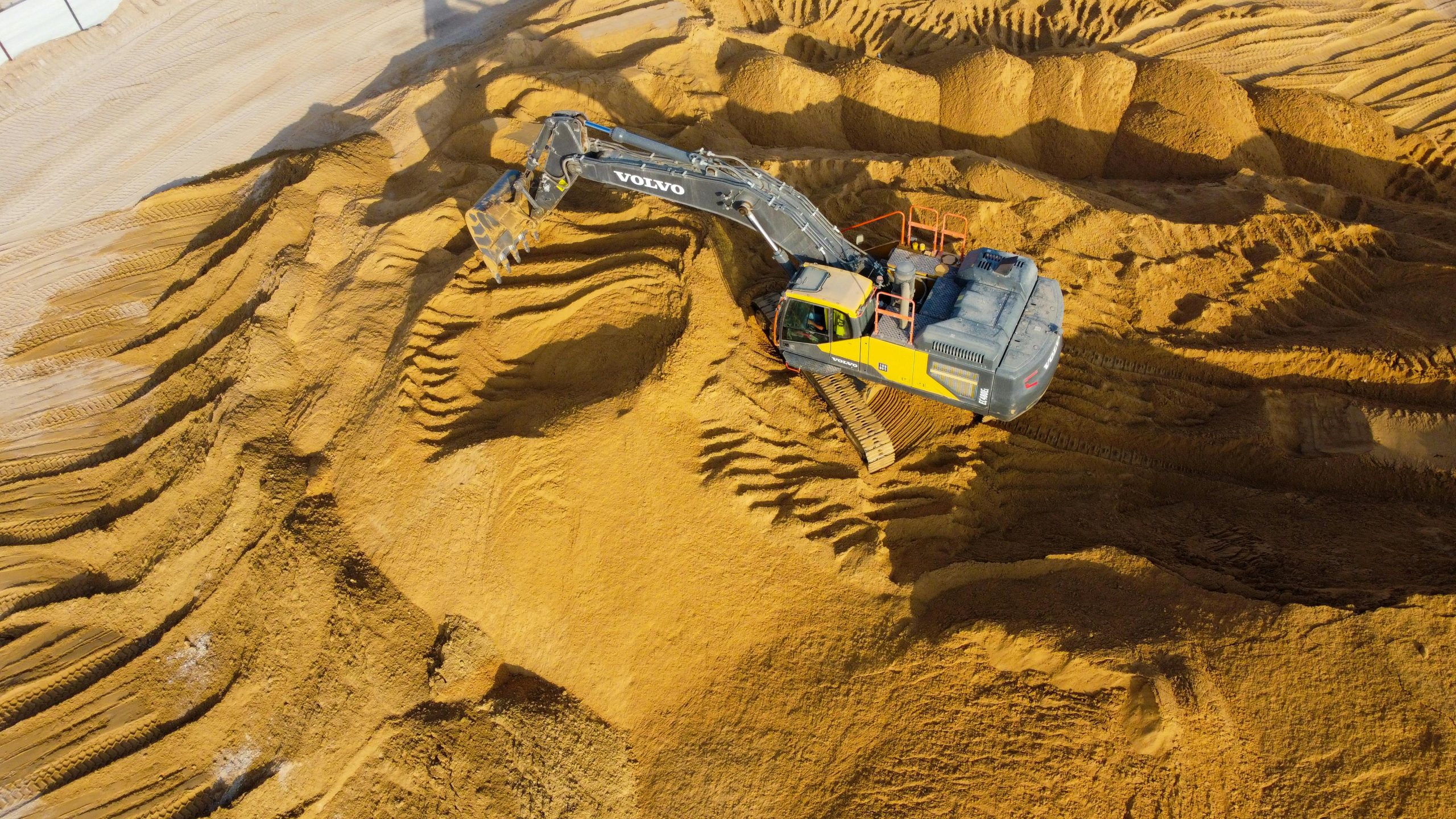
The Jos Plateau in Plateau State is perhaps Nigeria’s most famous mineral region. Long associated with tin mining, the plateau hosts some of the most significant deposits of heavy mineral sands in West Africa. These sands, formed through the weathering and hydraulic sorting of ancient granite and metamorphic rocks, are rich in ilmenite, zircon, rutile, and most importantly for the rare earth conversation — monazite.
Beyond the Jos Plateau, mineral-bearing formations extend into Nasarawa State, Zamfara State, Kaduna State, Cross River State, Ekiti, Kogi, Niger State, and many other areas. Nigeria’s diversity of geological environments means that the country produces not just rare earth-bearing minerals like monazite, but also a suite of specialty minerals that sit at the intersection of critical mineral supply chains — including coltan (columbite-tantalite), which contains tantalum and niobium, two elements that are themselves listed as critical minerals by the United States, the European Union, and Japan.
Monazite: Nigeria’s Premier Rare Earth Mineral
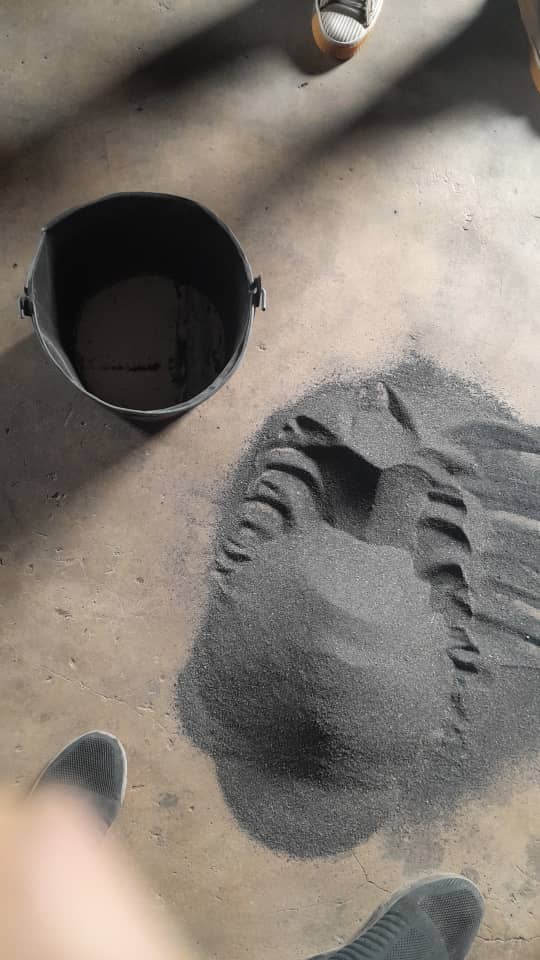
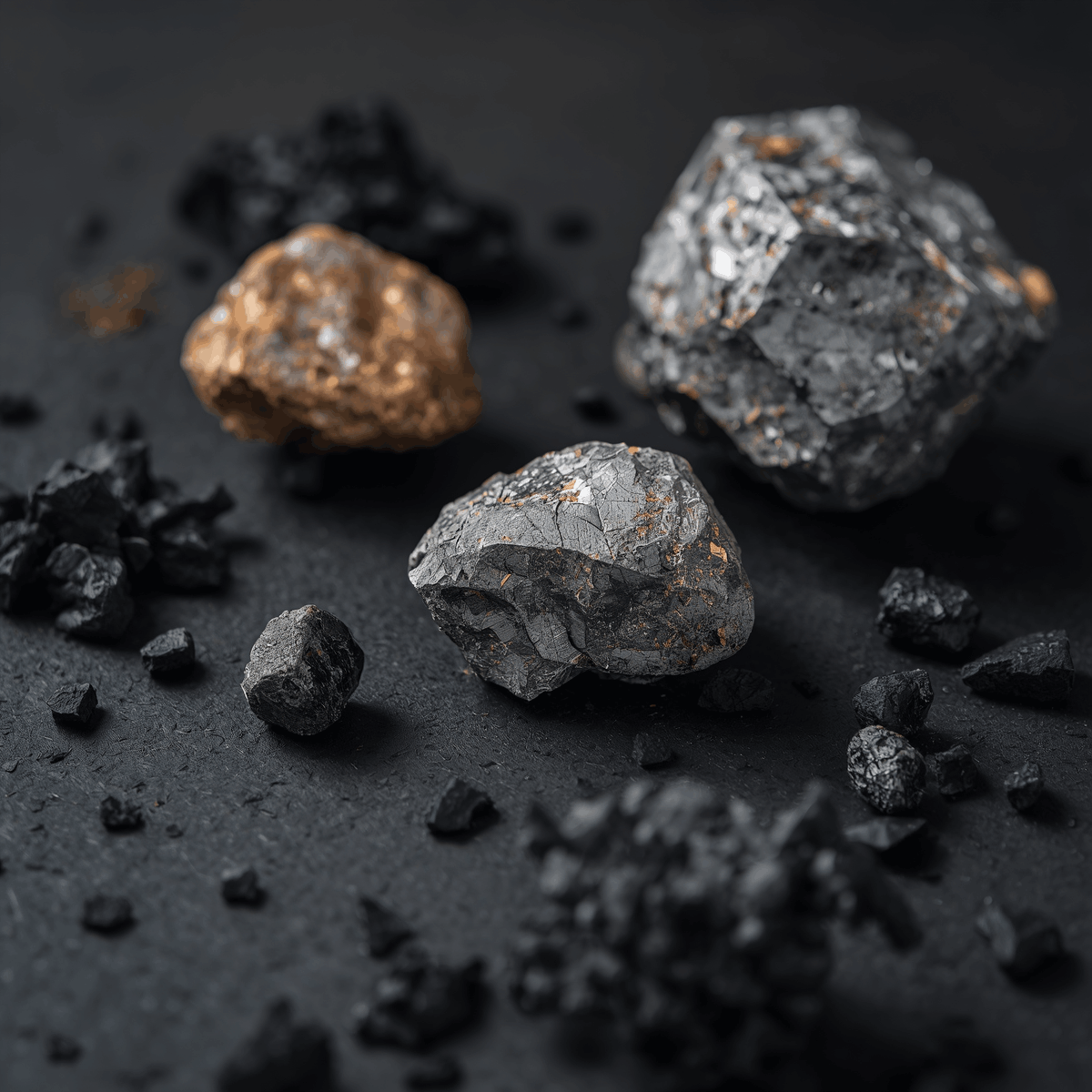
Of all the rare earth-bearing minerals found in Nigeria, monazite stands as the most commercially significant from a rare earth oxide (REO) content perspective. Monazite is a phosphate mineral that naturally concentrates light rare earth elements (LREEs) including cerium, lanthanum, neodymium, praseodymium, samarium, gadolinium, and thorium. The total rare earth oxide (TREO) content in Nigerian monazite typically ranges from 50% to 68%, which places it firmly in the range of commercially attractive material by global standards.
Nigerian monazite is predominantly sourced from the heavy mineral sand deposits of Plateau State and Nasarawa State, where it co-occurs with ilmenite, zircon, and rutile as part of a complex placer deposit environment. The mineral occurs both in primary hard rock contexts and as secondary alluvial concentrations, and in both cases, the REO grades are consistent and encouraging.
It is important to note that monazite also contains thorium, a naturally occurring radioactive material (NORM). This classification means that the export of Nigerian monazite requires compliance with the regulations of the Nigerian Nuclear Regulatory Authority (NNRA), in addition to the standard export permitting framework overseen by the Ministry of Mines and Steel Development (MMSD), the Nigerian Export Promotion Council (NEPC), and the Nigerian Geological Survey Agency (NGSA). At Augustina Impex Limited, we have established robust compliance protocols to ensure that all monazite exports are conducted with full regulatory adherence, including NNRA clearance, proper radiation safety documentation, and accurate declarations to receiving country customs authorities.
The demand for monazite on the international market has grown substantially in recent years, driven in large part by the processing industry’s interest in separating its constituent rare earth oxides — particularly cerium oxide (CeO₂) for polishing and automotive catalysts, lanthanum oxide (La₂O₃) for battery technology and petroleum refining, and neodymium oxide (Nd₂O₃) for permanent magnet production. Buyers in China, India, Malaysia, and increasingly in Europe and North America have been actively seeking reliable monazite sources outside of traditional supply channels.
Coltan: Where Rare and Critical Minerals Converge
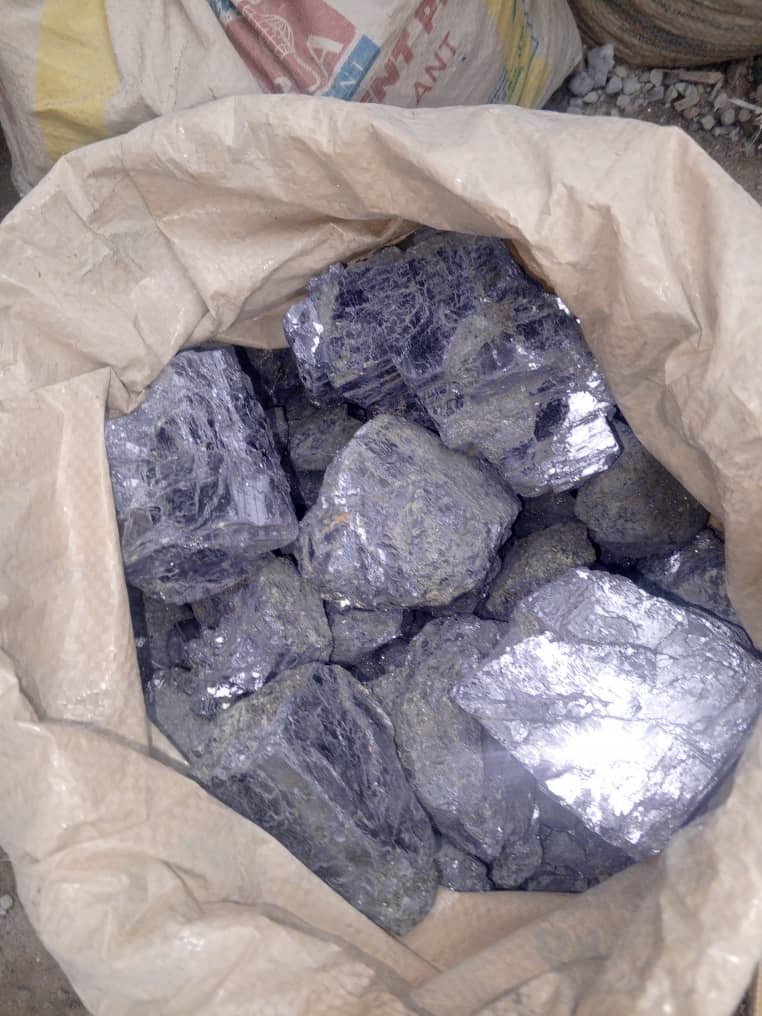
Another mineral that deserves close attention in any serious discussion of Nigerian rare earth and critical mineral supply is coltan — the colloquial name for columbite-tantalite, a black metallic ore that is the primary commercial source of tantalum and niobium (also known as columbium). While tantalum and niobium are not technically classified as rare earth elements in the strict periodic table sense, they are universally recognized as critical minerals by every major industrial economy, and they co-exist within the same geological and commercial universe as rare earth minerals in Nigeria.
Nigeria is one of the world’s important coltan-producing nations. Significant deposits have been identified and worked in Plateau State, Nassarawa State, Kogi State, Cross River State, and several other jurisdictions. Coltan from Nigeria typically carries tantalum pentoxide (Ta₂O₅) grades ranging from 20% to more than 40%, and it is sourced both from artisanal operations and from more structured small-scale mining enterprises.
Tantalum’s irreplaceable role in the production of capacitors for smartphones, laptops, and other consumer electronics — combined with its critical importance in aerospace, medical devices, and chemical processing equipment — means that demand for responsibly sourced coltan from credible African suppliers has never been higher. Niobium, meanwhile, is a critical alloying element in high-strength steel used in infrastructure, automotive manufacturing, and pipeline construction.
For international buyers seeking a reliable Nigerian rare earth mineral supplier who can also service coltan requirements, Augustina Impex Limited offers a consolidated supply relationship that spans both rare earth-bearing minerals and specialty critical minerals — reducing the complexity of sourcing from West Africa.
The Broader Critical Minerals Portfolio: Nigeria’s Full Rare Earth and Specialty Mineral Landscape
When we talk about Nigeria as a rare earth mineral supplier, it is important to situate monazite and coltan within the broader context of what Nigeria’s solid minerals sector offers. This matters because most serious buyers and off-take partners are not looking for a single mineral relationship — they want a supplier partner who understands the landscape, can scale across multiple products, and provides the kind of institutional reliability that long-term procurement requires.
Nigeria’s portfolio of rare earth-adjacent and critical minerals is genuinely impressive. In addition to monazite and coltan, the country produces:
Zircon Sand — Zirconium silicate (ZrSiO₄), with grades of 60–66% ZrO₂, sourced from the same heavy mineral sand environments that yield monazite. Zircon is critical in advanced ceramics, nuclear reactor zircaloy cladding, and zirconium chemicals used in electronics and specialty coatings.
Ilmenite (Titanium Concentrate) — Iron titanium oxide (FeTiO₃), with grades of 45–65% TiO₂, produced from the same Jos Plateau heavy mineral sands. Ilmenite is the primary feedstock for titanium dioxide (TiO₂) pigment, which is the world’s most widely used white pigment in paints, coatings, plastics, and paper. It is also processed into titanium metal and titanium sponge for aerospace and military applications.
Fluorite (Fluorspar) — Calcium fluoride (CaF₂), with grades of 60–85% CaF₂, sourced from deposits in Benue State and other areas. Fluorite is a critical industrial mineral used in aluminum smelting, steel production, hydrofluoric acid manufacturing, and as a flux in ceramics and glass. It has also gained new strategic importance as a feedstock for lithium-ion battery electrolyte production.
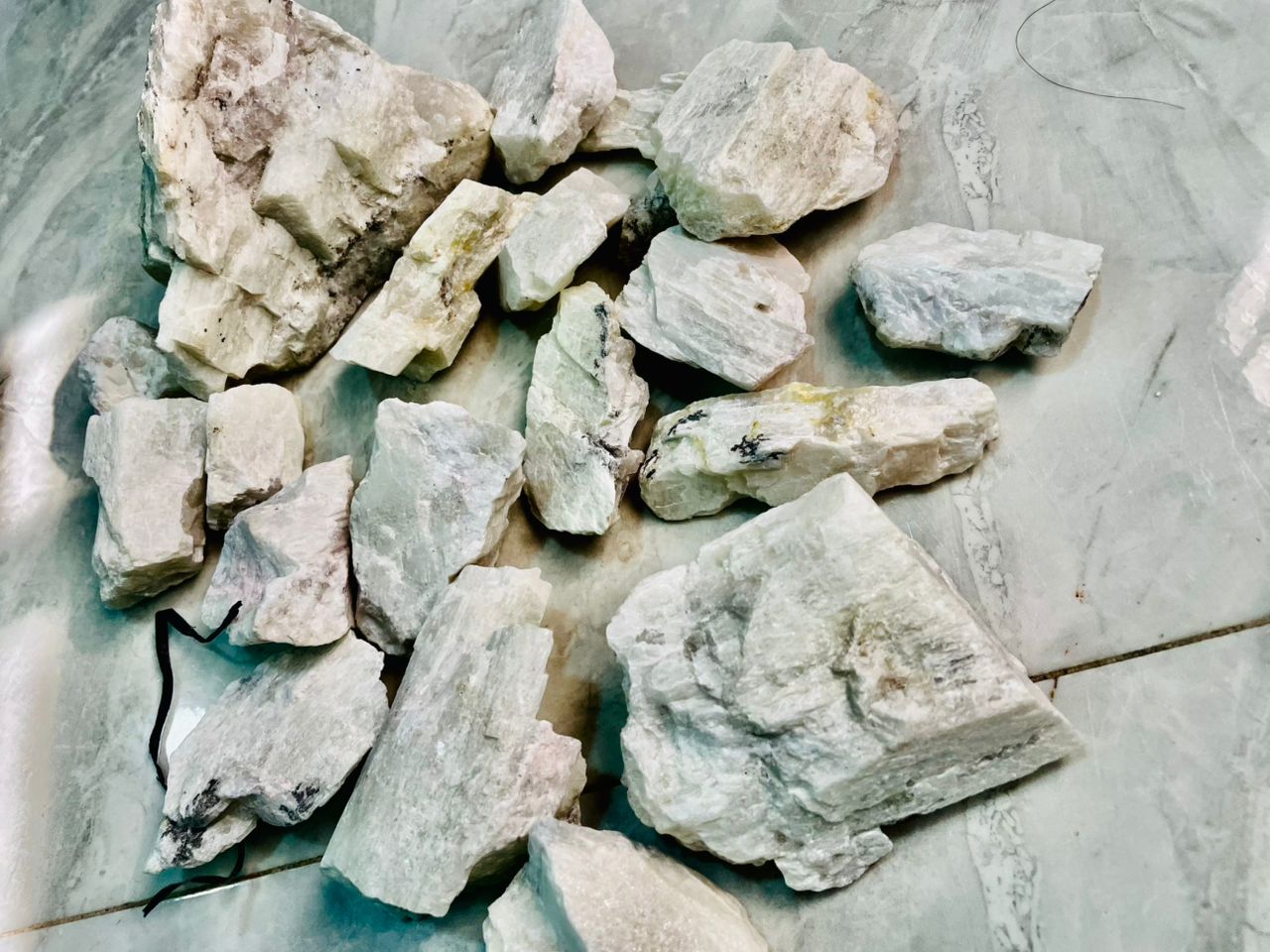
Lithium Ore (Spodumene and Lepidolite) — Nigeria hosts significant lithium-bearing pegmatite formations, yielding spodumene and lepidolite concentrates with Li₂O grades of 1–3%. With the global lithium market in a period of structural supply tightness driven by electric vehicle battery demand, Nigerian lithium ore has attracted growing international attention.
Lead-Zinc Ore — Significant deposits in Zamfara, Plateau, and other states, with zinc grades reaching commercially attractive levels for base metal processing.
This breadth of portfolio is one of the things that genuinely distinguishes Nigeria from many other emerging mineral-exporting nations. Where some countries may have one or two commercially significant mineral types, Nigeria offers a full spectrum of rare earth, critical, and specialty minerals that can serve the diverse sourcing needs of international buyers across technology, energy, and industrial sectors.
Why International Buyers Are Turning to Nigeria for Rare Earth Minerals
The global rare earth supply chain has, for decades, been characterized by extreme concentration. China accounts for approximately 60% of global rare earth mine production and an even higher share of processing and refining capacity. This concentration has created serious geopolitical vulnerabilities for industries that depend on rare earth materials, as evidenced by China’s rare earth export restrictions in 2010, which caused prices to spike by 1,000% in some cases, and by more recent tensions in global trade that have kept supply chain security at the top of procurement agendas.
In response, the United States has designated rare earth elements as critical minerals and launched major policy initiatives — including the Inflation Reduction Act and the CHIPS and Science Act — to diversify rare earth sourcing away from China. The European Union has published its Critical Raw Materials Act, which specifically targets reduced dependence on single-country supply and promotes African partnerships as part of the solution. Japan, South Korea, and the United Kingdom have all published similar critical mineral strategies that identify Africa, and specifically West Africa, as a priority supply region.
Nigeria benefits enormously from this strategic context. As a member of the African Continental Free Trade Area (AfCFTA), an ECOWAS member state, and a country with increasingly sophisticated export infrastructure, Nigeria is well positioned to serve as a reliable alternative supply source for buyers seeking to build more resilient and geopolitically diversified rare earth supply chains.
Beyond the strategic argument, there is a straightforward commercial case for sourcing rare earth minerals from Nigeria. The quality of Nigerian monazite, in terms of TREO content and consistency, is competitive with some of the world’s best-known sources. The country’s existing port infrastructure at Apapa in Lagos, Tin Can Island, and the Onne Port Complex in Rivers State provides viable export logistics. And the growing presence of professional export-oriented trading companies — including Augustina Impex Limited — means that the ecosystem supporting international transactions is more developed than it has ever been.
Regulatory Compliance: The Backbone of Responsible Nigerian Mineral Export
One of the most important factors that international buyers must understand when sourcing rare earth minerals from Nigeria — or from any African country — is the regulatory environment. The days when informal or undocumented mineral exports were overlooked are long past. Today, international buyers are subject to stringent due diligence requirements under frameworks including the OECD Due Diligence Guidance for Responsible Supply Chains of Minerals from Conflict-Affected and High-Risk Areas, the EU Conflict Minerals Regulation, the US Dodd-Frank Act (Section 1502), and various national legislation in importing countries.
For Nigerian mineral exports, the key regulatory bodies are:
Ministry of Mines and Steel Development (MMSD) — Oversees the issuance of export permits, royalty payments, and general compliance for solid mineral exports from Nigeria.
Nigerian Export Promotion Council (NEPC) — Issues the Certificate of Registration for Exporters and the Non-Oil Export Certificate, which are required for all mineral export transactions.
Nigerian Geological Survey Agency (NGSA) — Provides geological survey data, assay certification support, and technical oversight of mineral quality.
Nigerian Nuclear Regulatory Authority (NNRA) — Mandatory regulatory body for all exports of NORM-classified minerals, including monazite. NNRA clearance is a non-negotiable prerequisite for legal monazite export from Nigeria.
Standards Organisation of Nigeria (SON) — Provides conformity assessment and standards certification for export goods.
At Augustina Impex Limited, compliance with this regulatory framework is not an afterthought — it is the foundation of every transaction we undertake. We maintain active relationships with all relevant regulatory bodies, hold current export registrations and permits, and ensure that every shipment is accompanied by the complete documentary package that international buyers require: Certificate of Origin, Export Permit, NNRA Clearance (where applicable), Pre-Shipment Inspection Certificate, full assay report from an ISO/IEC 17025-accredited laboratory, Commercial Invoice, Packing List, and Bill of Lading.
We also support buyers in conducting their own supplier due diligence, and we welcome third-party audits, site visits, and compliance reviews. Our commitment to transparency is not just a commercial positioning — it is a fundamental ethical commitment to responsible mineral trade.
Augustina Impex Limited: Your Trusted Nigerian Rare Earth Mineral Supplier
Augustina Impex Limited was incorporated in Nigeria in 2008 under the Companies and Allied Matters Act (CAMA), bearing RC Number 750691, and has been actively engaged in the export of Nigerian solid minerals for over 17 years. Our headquarters is located in Jos, Plateau State — the epicenter of Nigeria’s heavy mineral sand and rare earth-bearing mineral deposits — which gives us unparalleled proximity to production, supplier networks, and geological expertise in the region.
Our mineral export portfolio is broad and carefully curated, with a focus on minerals for which Nigeria has genuine geological competitive advantage. Our rare earth-related and critical mineral offerings include:
Monazite Sand Concentrate with TREO content of 50–68%, sourced from verified and compliant mining operations in Plateau and Nasarawa states, with full NNRA clearance and third-party assay certification.
Ilmenite Concentrate (Titanium Concentrate) with TiO₂ grades of 40–65%, sourced from the same heavy mineral sand belts, with consistent quality backed by pre-shipment inspection by CCIC, Bureau Veritas, or SGS.
Zircon Sand Concentrate with ZrO₂ grades of 60–66%, available for export in bulk or bagged form, with full documentation and competitive FOB pricing.
Coltan (Columbite-Tantalite) with Ta₂O₅ grades of 20–40%+, sourced through a network of vetted suppliers in compliance with OECD due diligence requirements.
Fluorite (Fluorspar) with CaF₂ grades of 60–85%, from Benue State and other fluorite-bearing formations, suitable for metallurgical, ceramic, and chemical applications.
Lithium Ore (Spodumene/Lepidolite) with Li₂O grades of 1–3%, from Nigerian pegmatite deposits.
Each of these minerals is available for trial orders followed by monthly contract supply, with standard payment terms including Letters of Credit in accordance with UCP 600. We work with buyers across China, India, Malaysia, Europe, Japan, South Korea, and the United States, and we are experienced in structuring transactions that meet the specific commercial, documentary, and compliance requirements of each market.
The Transaction Process: Simple, Transparent, Professional
We understand that buyers sourcing minerals from Africa for the first time often have concerns about transaction security, documentation quality, and counterparty reliability. These are entirely reasonable concerns, and addressing them proactively is something we take very seriously at Augustina Impex Limited.
Our standard transaction process follows a clear, internationally recognized sequence:
When a buyer expresses interest in one of our mineral products, we begin by providing a Soft Corporate Offer (SCO) that outlines the product specifications, pricing, quantity, and terms in clear and unambiguous language. If the buyer finds the SCO acceptable, we proceed to a Full Corporate Offer (FCO), which includes the complete documentary and procedural framework for the transaction. The buyer issues a Letter of Intent (LOI) or signs a Sales and Purchase Agreement (SPA), and we arrange for pre-shipment inspection and quality assay by the buyer’s preferred international inspection agency — typically CCIC, Bureau Veritas, SGS, or Intertek. Payment is structured through an irrevocable Letter of Credit (LC) issued by the buyer’s prime bank, with 95% payable at the loading port against shipping documents and 5% final payment at the discharge port.
This process is designed to give both parties maximum confidence and security. The buyer has full visibility into the mineral quality before the LC is drawn down. The seller is protected by the irrevocable LC structure. And the entire chain of documentation — from mine to port to destination — is transparent, verifiable, and compliant with international standards.
Nigeria’s Future as a Rare Earth Mineral Producer: What the Data Says
The long-term outlook for Nigeria’s rare earth mineral sector is genuinely encouraging, and not just because of current commodity market conditions. A number of structural factors are converging that are likely to drive sustained growth in Nigerian rare earth and critical mineral production and export.
First, the geological case remains strong. The Nigerian Geological Survey Agency has consistently identified areas of high mineral potential across the country that have not yet been fully explored or exploited. As exploration investment increases — driven in part by interest from Chinese, Indian, Australian, and European mining companies — the known resource base is almost certain to expand.
Second, Nigeria’s regulatory environment is improving. The federal government has made solid mineral development a strategic priority, with the Nigeria Minerals and Mining Act and subsequent policy frameworks designed to attract investment, formalize artisanal and small-scale mining, and ensure that Nigeria captures more value from its mineral wealth. The establishment of the Mining Cadastre Office and the digitization of mining licensing processes have reduced transaction friction for investors.
Third, global demand trends are strongly supportive. The clean energy transition, the electrification of transportation, and the expansion of digital infrastructure are all long-cycle demand drivers for the rare earth elements and critical minerals that Nigeria produces. These are not short-term price cycles — they are decade-long structural shifts that will sustain demand for Nigerian minerals far into the future.
Fourth, Africa’s growing infrastructure — ports, rail, and logistics networks — is reducing the cost and friction of mineral export from the continent. Nigeria’s port modernization programs and the expansion of logistics capacity at Apapa, Onne, and other facilities are improving the commercial viability of mineral export from Nigerian production centers to global destinations.
How to Source Rare Earth Minerals from Nigeria: A Practical Guide for Buyers
If you are a buyer, trader, or procurement professional looking to establish a supply relationship with a Nigerian rare earth mineral supplier, there are several practical steps that will help you move efficiently from interest to executed transaction.
Start by identifying exactly which minerals and specifications you need. Rare earth supply requirements vary enormously by end use. A magnet producer needs neodymium and dysprosium in specific oxide forms. A catalyst manufacturer needs cerium and lanthanum. A ceramics producer needs zircon and titanium concentrates. Understanding your specific requirement helps a supplier like Augustina Impex Limited match you with the most appropriate Nigerian source material and quote accurately.
Next, request a mineral sample and assay report. Any reputable Nigerian rare earth mineral supplier should be able to provide you with a representative sample of the mineral you are interested in, accompanied by an assay certificate from an internationally accredited laboratory. Do not proceed to commercial terms until you have reviewed and are satisfied with the assay. This protects you commercially and ensures you are getting the quality you need.
Verify your supplier’s regulatory compliance. Ask for their NEPC export registration, their MMSD export permits, and — if you are buying monazite — their NNRA clearance documentation. A compliant supplier will provide this without hesitation. Any reluctance to provide compliance documentation should be treated as a serious red flag.
Structure your payment appropriately. For initial transactions, a Letter of Credit issued by a prime bank is the safest instrument for both buyer and seller. It ensures that the seller is paid upon performance and gives the buyer documentary assurance before funds are released. As a relationship develops and trust is established, payment terms can be discussed on a case-by-case basis.
At Augustina Impex Limited, we welcome buyers at every stage of this journey — from those making their very first inquiry about Nigerian minerals to those looking to establish long-term supply contracts at significant volumes. Our team is available to answer questions, provide samples, facilitate site visits, and work through the documentation requirements specific to your importing country.
Conclusion: Nigeria’s Moment in the Rare Earth Story Is Now
The global race for rare earth minerals and critical materials is one of the defining economic and geopolitical stories of our era. Countries that once thought supply chain security was someone else’s problem are now discovering, urgently and sometimes painfully, that it is very much their own.
Nigeria offers a genuine, credible, and growing answer to that challenge. With its extraordinary geological endowment, its established mining tradition, its improving regulatory environment, and its growing community of professional export-oriented mineral suppliers, Nigeria is ready to take its place as a significant contributor to global rare earth and critical mineral supply chains.
At Augustina Impex Limited, we are proud to be at the forefront of that story. For over 17 years, we have been building the relationships, the expertise, the compliance infrastructure, and the supply network that allow us to serve international buyers with the reliability and professionalism they deserve. We are not a broker or an intermediary with one foot in and one foot out. We are a committed, full-service Nigerian rare earth mineral supplier — and we are ready to serve your needs today.
If you are ready to explore what a supply relationship with Augustina Impex Limited looks like, we would be delighted to hear from you. Reach us at augustinaimpex@gmail.com to request a mineral sample, a Soft Corporate Offer, or simply to begin a conversation about how Nigerian rare earth minerals can support your sourcing strategy.
The minerals are here. The capability is here. The compliance is in place. The only remaining step is yours.
Post a comment
Related Posts
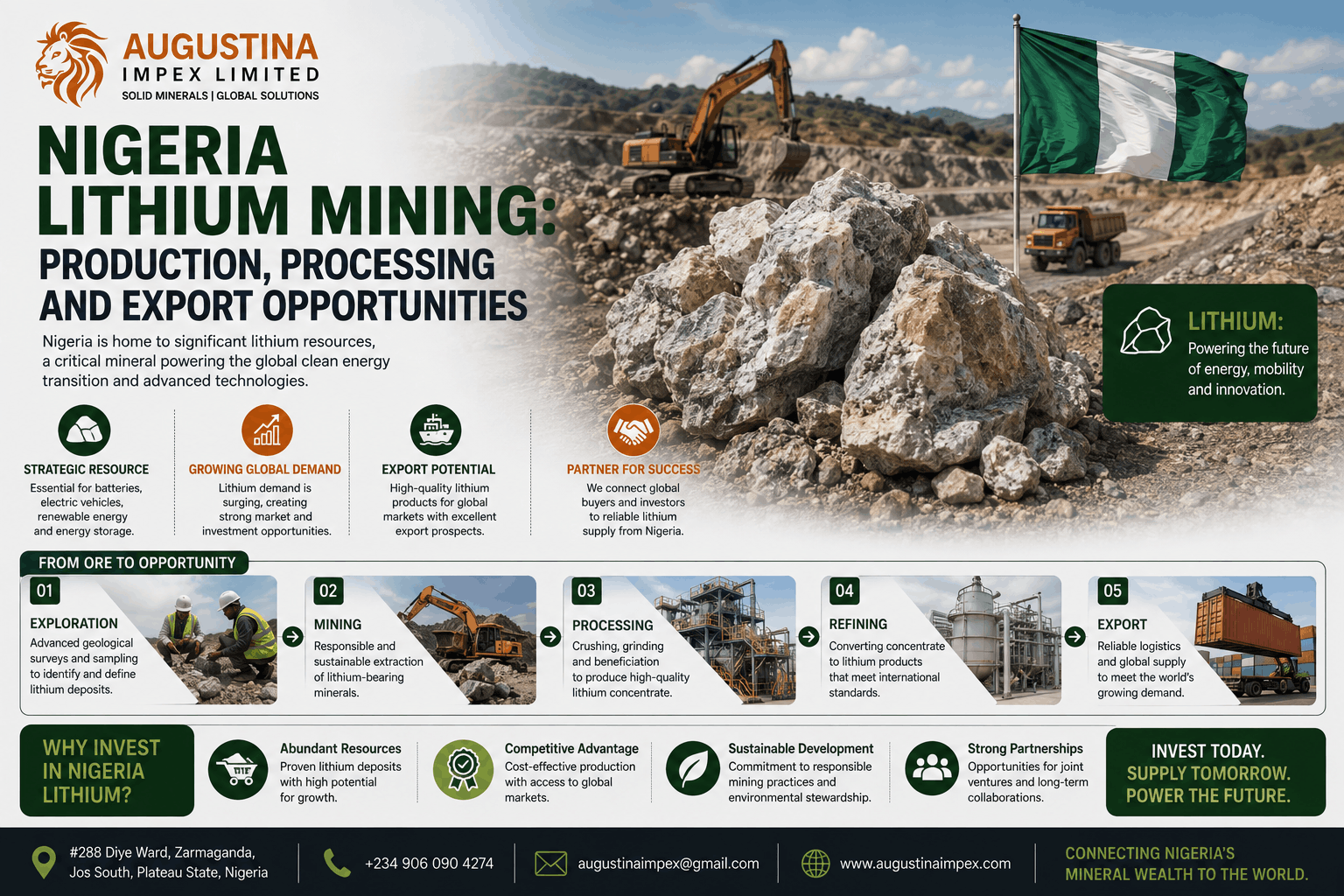
Nigeria Lithium Mining: Production, Processing & Export
Nigeria Lithium Mining: Production, Processing and Export Opportunities By Kolawole King, CEO — Augustina Impex…
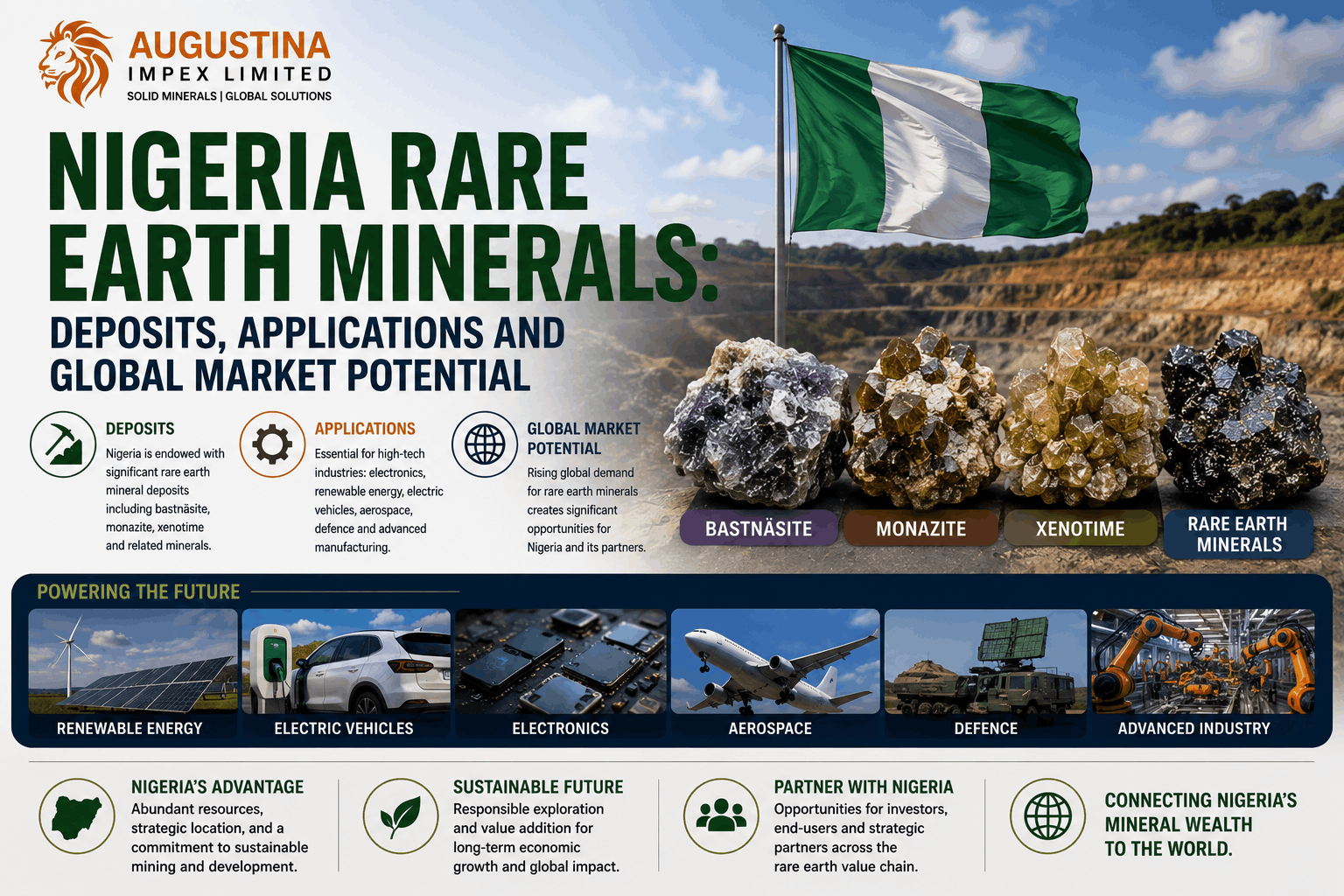
Nigeria Rare Earth Minerals: Deposits & Market Potential
Nigeria Rare Earth Minerals: Deposits, Applications and Global Market Potential By Kolawole King, CEO —…
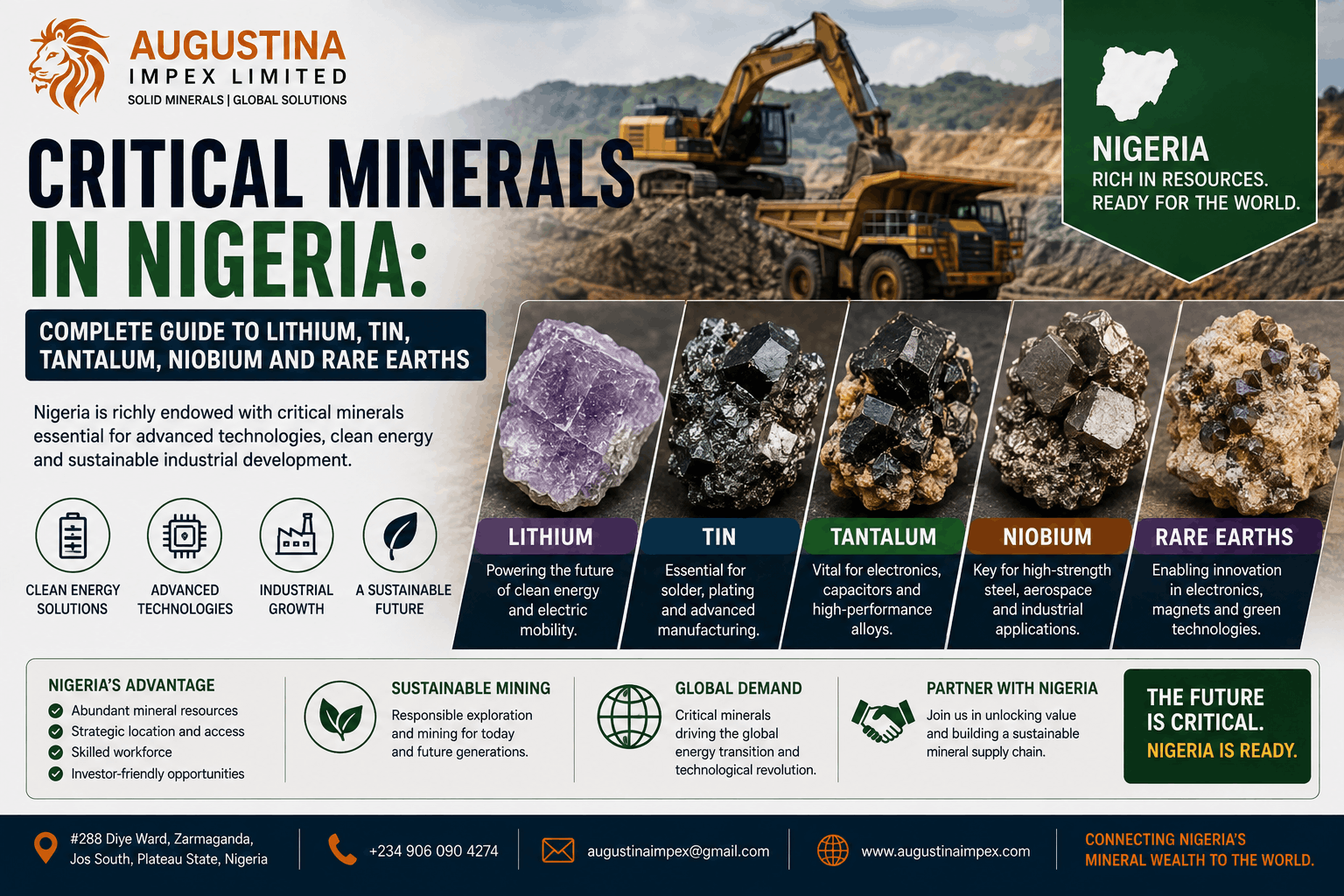
Nigeria Critical Minerals Guide: Lithium, Tin & Rare Earths
Critical Minerals in Nigeria: Complete Guide to Lithium, Tin, Tantalum, Niobium and Rare Earths By…
Conflict-Free Nigerian Tin Meets Global ESG Standards
Conflict-Free and Certified: How Nigerian Tin Meets Global ESG Standards By Kolawole King, CEO —…