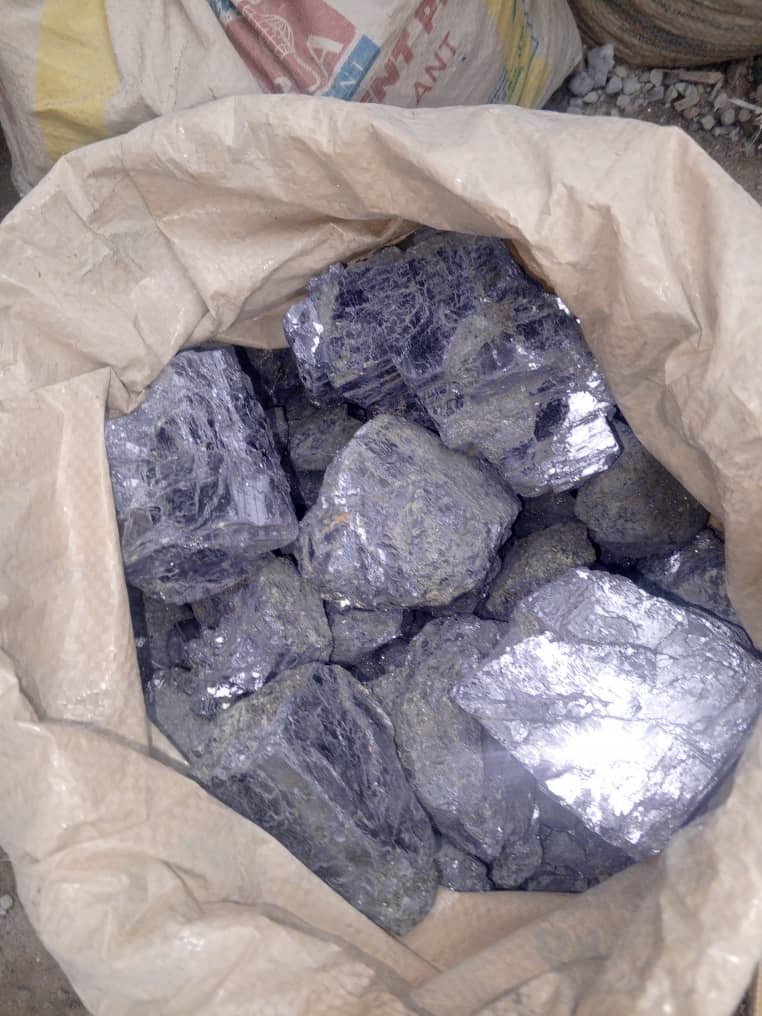


When people talk about rare earths, they usually talk about them as a single block — one mysterious group of metals lumped together under one strategic banner. The reality is more interesting and, for anyone trading or investing in this space, far more important. The rare earths split into two families that behave very differently in the ground, in the market and in the technologies they serve. This article is about the first and larger of those families: the light rare earth elements, or LREEs. Having spent close to twenty-five years working the mineral belt of the Jos Plateau, where the host minerals of these elements lie in the sands, I want to set out clearly what LREEs are, where their demand is really coming from, the peculiar balance problem that defines their market, and what the future is likely to hold — including the role Africa can play in it.
First, What Counts as a Light Rare Earth Element?
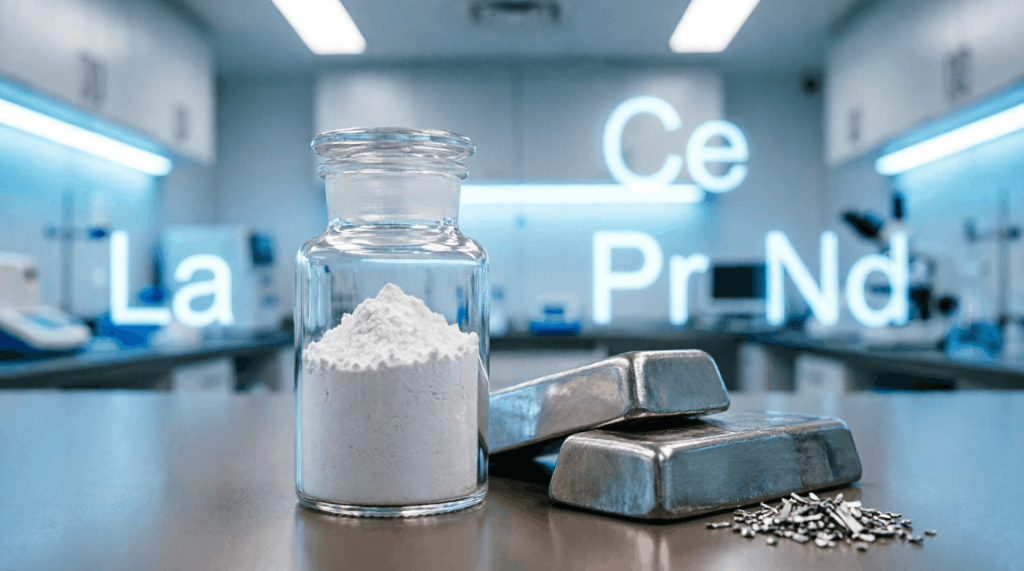
The seventeen rare earth elements are conventionally divided into two groups based on atomic weight. The light rare earth elements are the lighter members of the lanthanide series — lanthanum, cerium, praseodymium, neodymium, and usually samarium, with promethium being a radioactive curiosity that does not occur in usable quantities. The heavy rare earth elements (HREEs), such as dysprosium, terbium, yttrium and others, sit at the other end of the series.
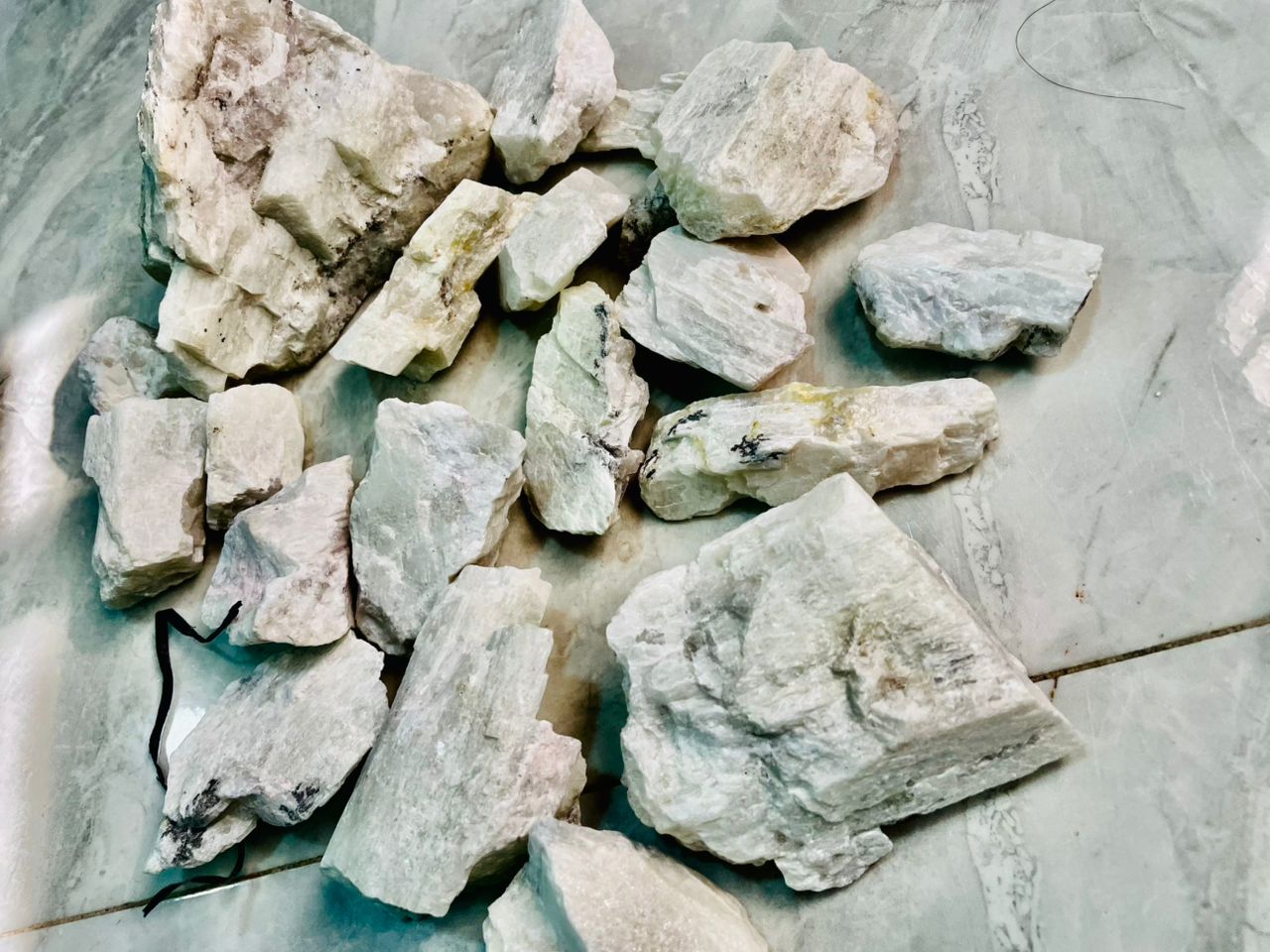
The distinction is not academic. LREEs are generally far more abundant in nature and concentrated in different host minerals than the heavies. Monazite and bastnäsite — the two great commercial sources of rare earths — are rich in light rare earth elements. That abundance shapes everything about the LREE market: it is a market defined less by raw scarcity than by which specific elements the world actually wants.
The Workhorses: Where LREEs Show Up Today
Each light rare earth has carved out its own industrial niche. Cerium is the great workhorse — the polishing compound that finishes precision glass and silicon wafers, a catalyst in refining, and a key ingredient in catalytic converters and specialty glass. Lanthanum goes into high-quality optical lenses, catalysts and various alloys. Both are produced in large volumes and consumed across mature, established industries.
Then there are the two that have changed the world: neodymium and praseodymium. Together they are the heart of NdFeB permanent magnets, the strongest commercially available magnets in existence. Samarium has its own magnet chemistry, samarium-cobalt, prized for high-temperature performance in defense and aerospace. So within a single family you have high-volume, mature commodities sitting alongside the most strategically contested magnet metals on the planet. Understanding the future of LREEs means understanding that they do not all move together.
The Demand Story Is Really a Neodymium Story
If you want to know where the LREE market is heading, watch neodymium and praseodymium. The explosive growth in demand is being driven almost entirely by NdFeB magnets, and those magnets are the enabling technology behind the two largest industrial transitions of our time: the electrification of transport and the build-out of renewable power.
A single electric vehicle with a permanent-magnet motor needs a meaningful quantity of these elements, and a large direct-drive wind turbine can contain hundreds of kilogrammes of NdFeB magnets. Multiply that across a global fleet transition and a worldwide renewable build-out, then add robotics, consumer electronics and defense, and you have a demand curve for neodymium and praseodymium that bends steeply upward for decades. Cerium and lanthanum demand, by contrast, grows along the steadier path of their mature markets. This divergence — explosive growth for the magnet metals, gentle growth for the rest — is the central fact about the future of light rare earth elements.
The Balance Problem — Abundance and Scarcity at Once
Here lies the most fascinating and least understood feature of the LREE market: the balance problem. Because rare earths occur together in the same minerals, you cannot simply mine neodymium on its own. When a producer processes monazite or bastnäsite to extract the neodymium and praseodymium the world is desperate for, they unavoidably co-produce large quantities of cerium and lanthanum, whether or not the market needs them.
The result is a strange double bind. The industry can find itself short of neodymium while simultaneously drowning in cerium and lanthanum that it struggles to sell. Ramping up production to chase the magnet metals worsens the glut of the others, depressing their prices and undermining project economics. This is why the future of the sector will be shaped not only by mining more, but by finding new uses for surplus light rare earths, improving separation efficiency, and designing projects around the specific element mix the market values. Anyone who treats LREEs as one undifferentiated commodity will misread the market entirely.
What the Next Decade Looks Like for LREEs
Several trends will define the coming decade. First, sustained, structural demand growth for neodymium and praseodymium, underpinned by EVs, wind power and automation, with most analysts expecting demand to outpace current supply growth. Second, continued pressure on the balance problem, pushing research into new applications and more selective processing. Third, a strong premium on supply that is reliable, well-documented and responsibly produced, as buyers move to de-risk their sourcing.
Engineers will keep working to reduce magnet rare earth content and improve recycling, and that work matters. But recycling cannot yet supply a market still growing this fast, because there are not enough end-of-life products to reclaim at scale. For the foreseeable future, the world will need more freshly mined and separated light rare earth elements — which means more sources, from more places, will be needed.
The Supply Chain Reset Reshaping the LREE Market
No discussion of the future is complete without the geopolitics. For decades, the mining and — far more critically — the refining and separation of rare earths has been overwhelmingly concentrated in a single country. China today dominates global rare earth processing and magnet manufacturing. Because separation is the genuinely hard, value-adding step, that concentration gives one nation extraordinary leverage over the entire downstream world.
Every major economy now treats this as a vulnerability to be corrected, and the response is a global push to diversify the rare earth supply chain — to mine, process and separate LREEs outside the established source. New projects are being financed across Australia, North America and Africa, and offtake agreements are being signed directly between magnet makers and miners. This diversification drive is the single largest commercial opportunity in the rare earth space today, and it is steadily redirecting capital, technology and attention toward new producing regions.
Monazite, Africa and the LREE Opportunity
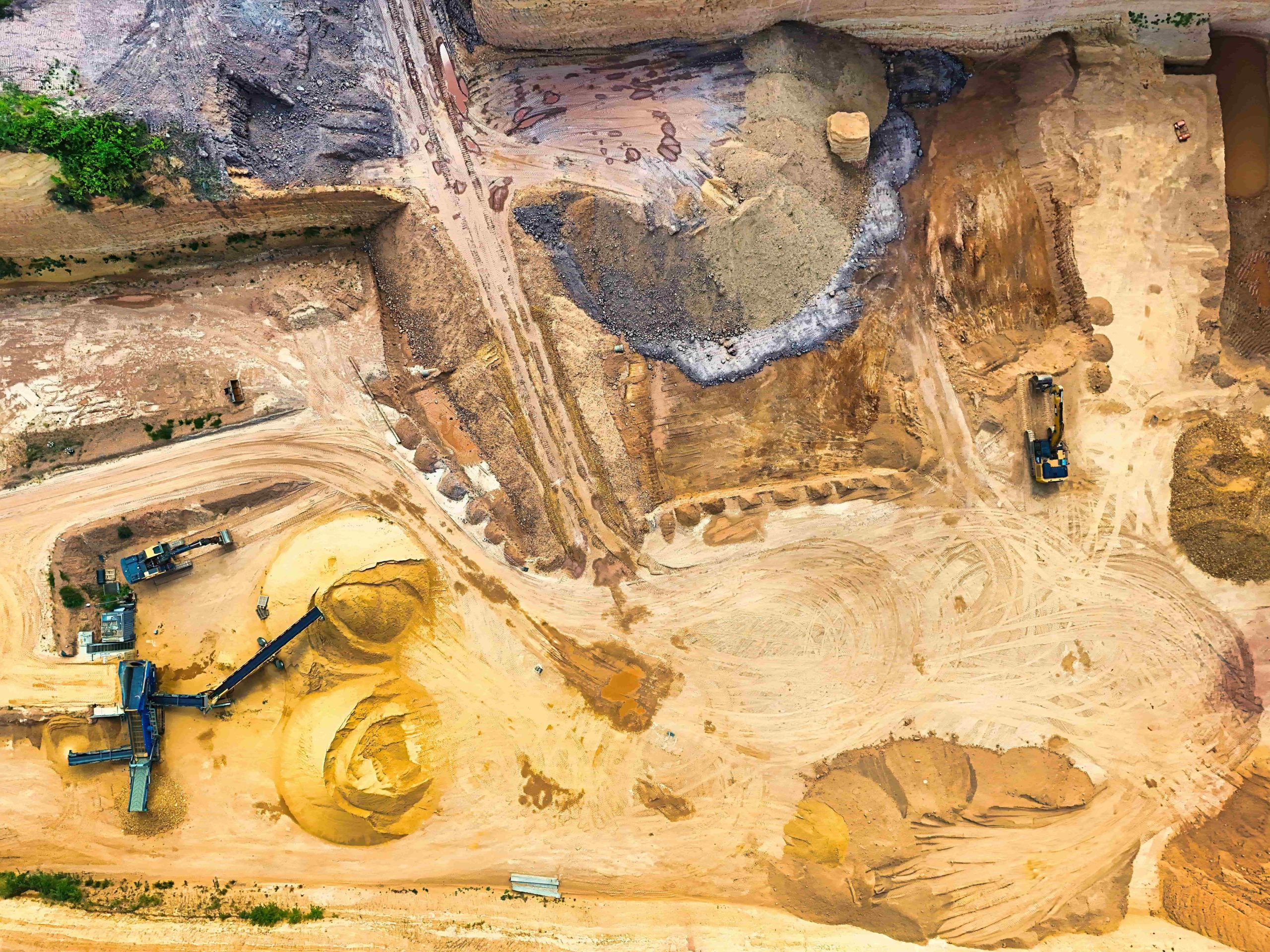
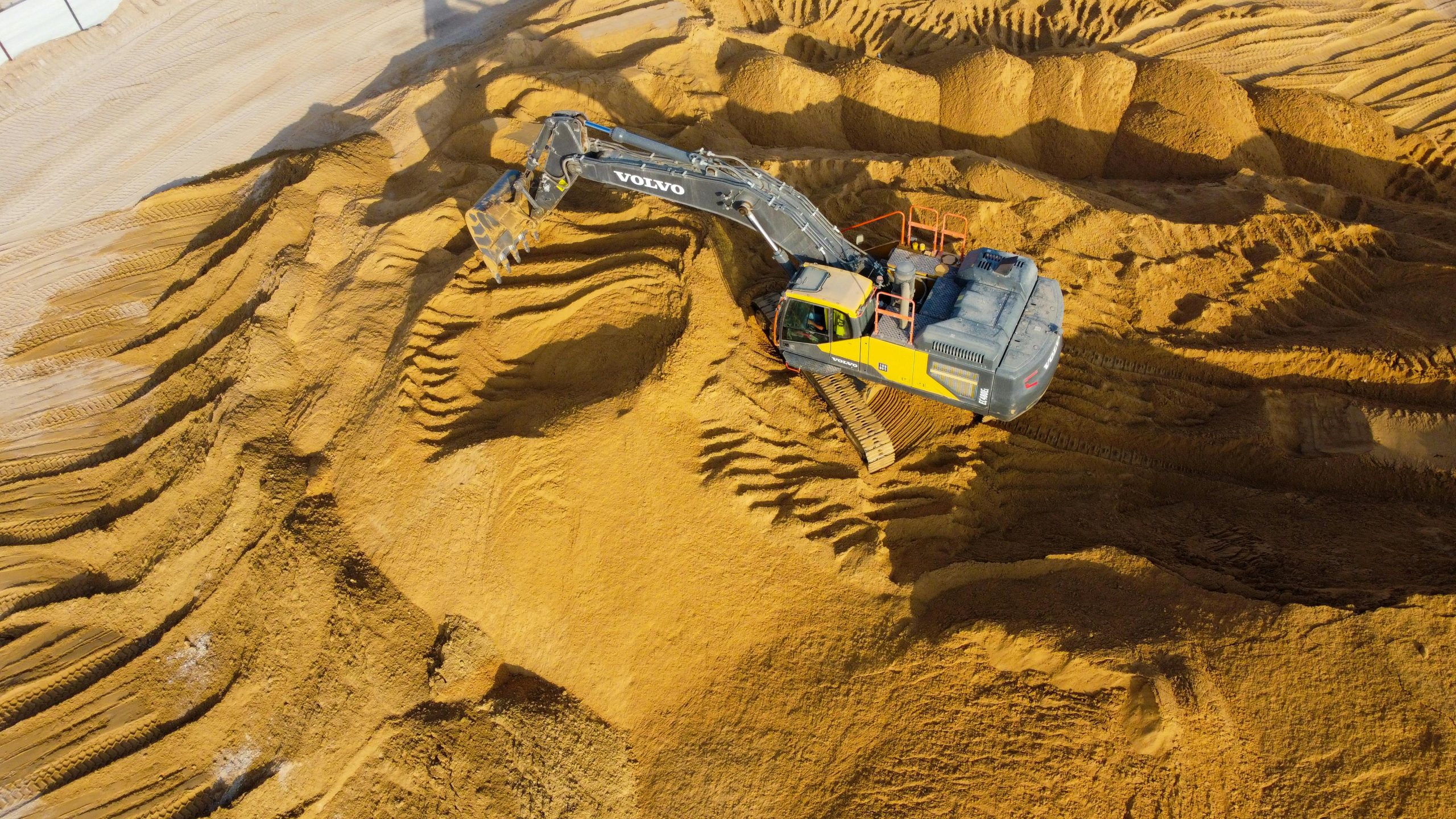
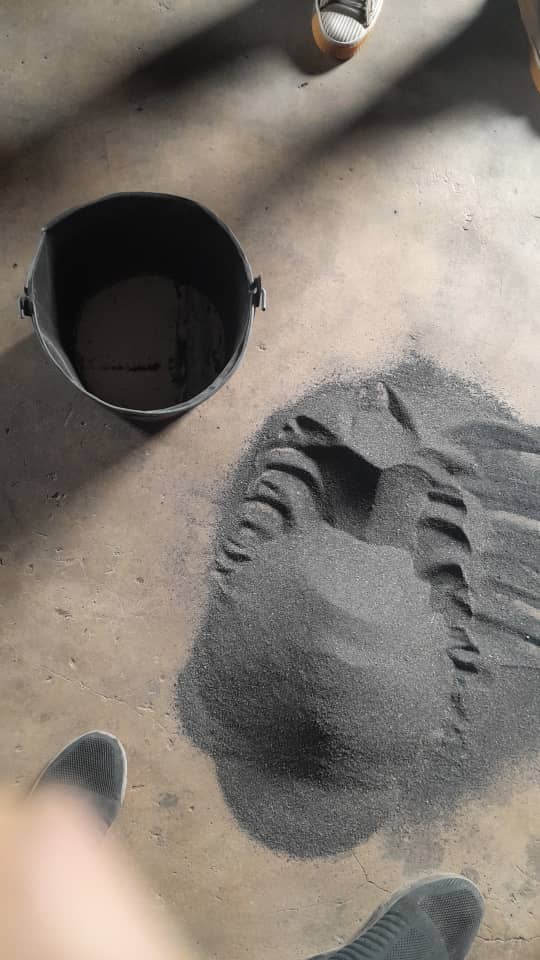
This is where Africa, and Nigeria in particular, enters the story with real advantages. Monazite — one of the two great commercial sources of light rare earths — occurs in substantial quantities in the heavy mineral sands of the Jos Plateau, alongside a deep portfolio of associated minerals such as columbite, tantalite, cassiterite and zircon. Because monazite is rich in the very LREEs the world wants, including the neodymium and praseodymium behind every magnet, these deposits are strategically significant.
For generations, producers in regions like ours exported raw concentrate and watched the real value created downstream, elsewhere. The current scramble to diversify changes that equation. Buyers in Asia, Europe and the Middle East now actively want reliable, well-documented, responsibly handled sources of light rare earth elements feedstock. For Nigeria, this is a genuine window to move from overlooked supplier to recognised, strategic participant in the global LREE supply chain.
From Raw Concentrate to Strategic Supply: The Beneficiation Imperative
Seizing that window demands a shift from extraction to beneficiation. There is a world of difference between shipping unprocessed sand and supplying a verified concentrate with documented total rare earth oxide (TREO) content, supported by XRF and ICP-OES assays and handled in line with NORM and IAEA radiation-safety guidance — a real consideration with monazite, which carries thorium. The first is a low-margin commodity transaction; the second is a strategic input that serious buyers will build long-term relationships around.
At Augustina Impex Limited, this is the discipline we bring to the Nigerian minerals trade — connecting verified monazite and associated concentrates from the Plateau belt to credible international buyers, with the documentation, quality control and export facilitation that turn raw sand into a bankable, traceable, strategic asset. The producers who professionalise now, while the world is actively searching for new sources, are the ones who will hold the relationships that matter as the LREE market matures.
What This Means for Buyers, Investors and Policymakers
For industrial buyers, the lesson is to look past the headline word “rare earths” and understand the element mix they actually depend on — and to treat dependence on a single supply source as a risk worth insuring against by building relationships with emerging, well-run suppliers. For investors, the divergence between explosive magnet-metal demand and the balance problem makes element selection and project economics everything; the winners will be those who understand which LREEs carry the value. For policymakers across Africa, the opportunity is to encourage local processing, transparent regulation and value addition, so that the wealth in the ground becomes jobs, skills and lasting national benefit.
The common thread is that LREEs are not a single commodity but a family with very different futures — and the decisions made over the next few years about where and how they are sourced and separated will shape industrial competitiveness for a generation.
Final Thoughts
The future of light rare earth elements is a story of divergence: surging, structural demand for the magnet metals neodymium and praseodymium, set against a persistent balance problem of surplus cerium and lanthanum, all unfolding inside a global scramble to diversify a dangerously concentrated supply chain. The world is actively searching for new, reliable, responsibly produced LREE supply, and it is searching now.
Africa, and the Jos Plateau in particular, has both the geology and the moment to help meet that need. The task ahead is to do it with professionalism: verified quality, proper documentation, responsible handling and the determination to climb the value chain rather than sit at the bottom of it. That is the work we have committed ourselves to at Augustina Impex Limited. If your business is looking to secure responsibly sourced light rare earth elements feedstock or the associated Nigerian solid minerals that surround it, I would be glad to talk.
Kolawole King, Chief Executive Officer, Augustina Impex Limited
#288 Diye Ward, Zarmaganda, Jos South, Plateau State, Nigeria
Email: augustinaimpex@gmail.com | WhatsApp: +234 906 090 4274
Website: https://augustinaimpex.com | Blog: https://augustinaimpexng.blogspot.com/
Advert Video: https://www.youtube.com/watch?v=Izg0t7By6co
#LightRareEarthElements #LREEs #RareEarthElements #Neodymium #Praseodymium #NdFeBMagnets #CriticalMinerals #RareEarthSupplyChain #Monazite #AfricanRareEarths #NigeriaMining #AugustinaImpex
-
Previous Post
Strategic Importance of Monazite in Modern Technology
Post a comment
Related Posts
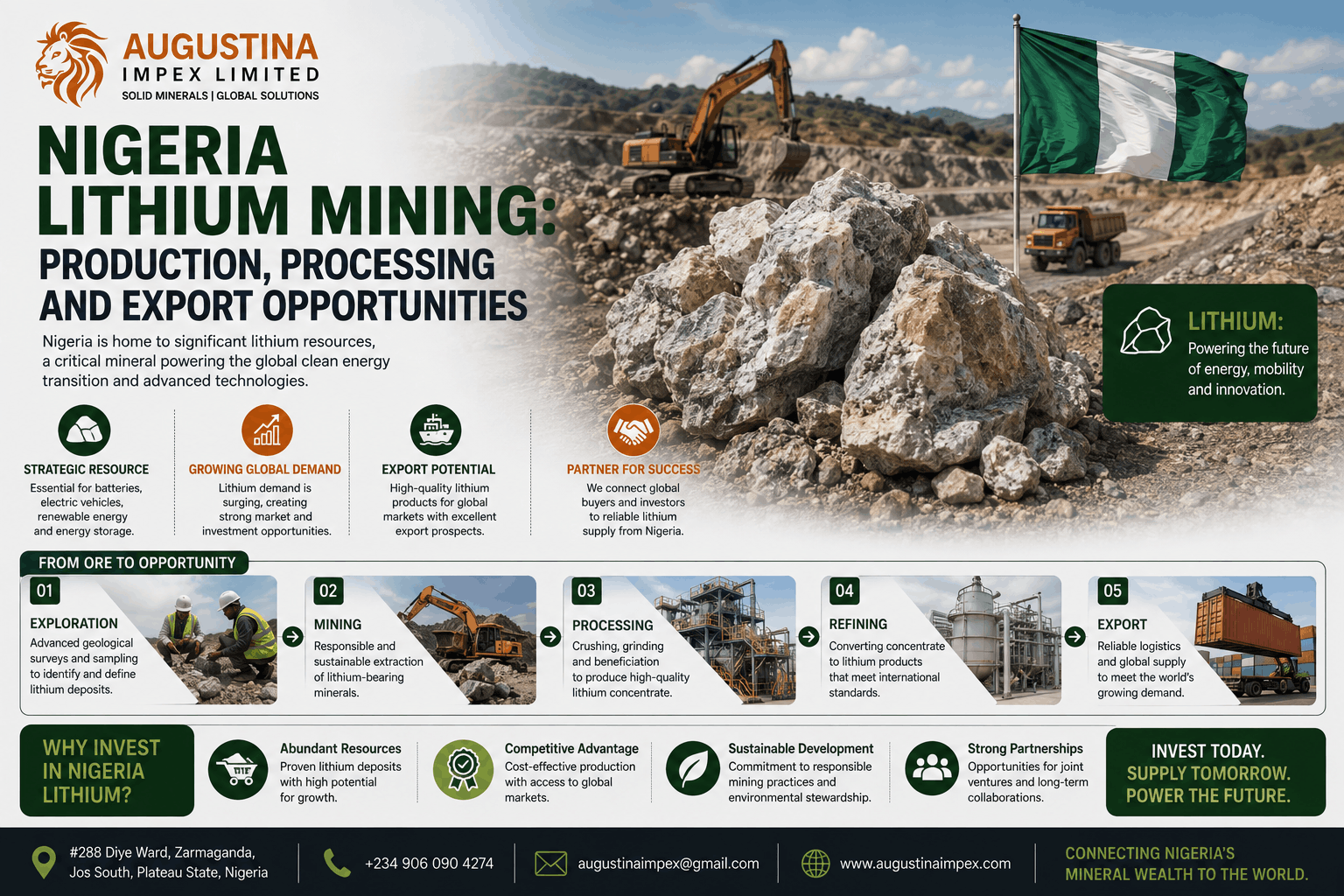
Nigeria Lithium Mining: Production, Processing & Export
Nigeria Lithium Mining: Production, Processing and Export Opportunities By Kolawole King, CEO — Augustina Impex…
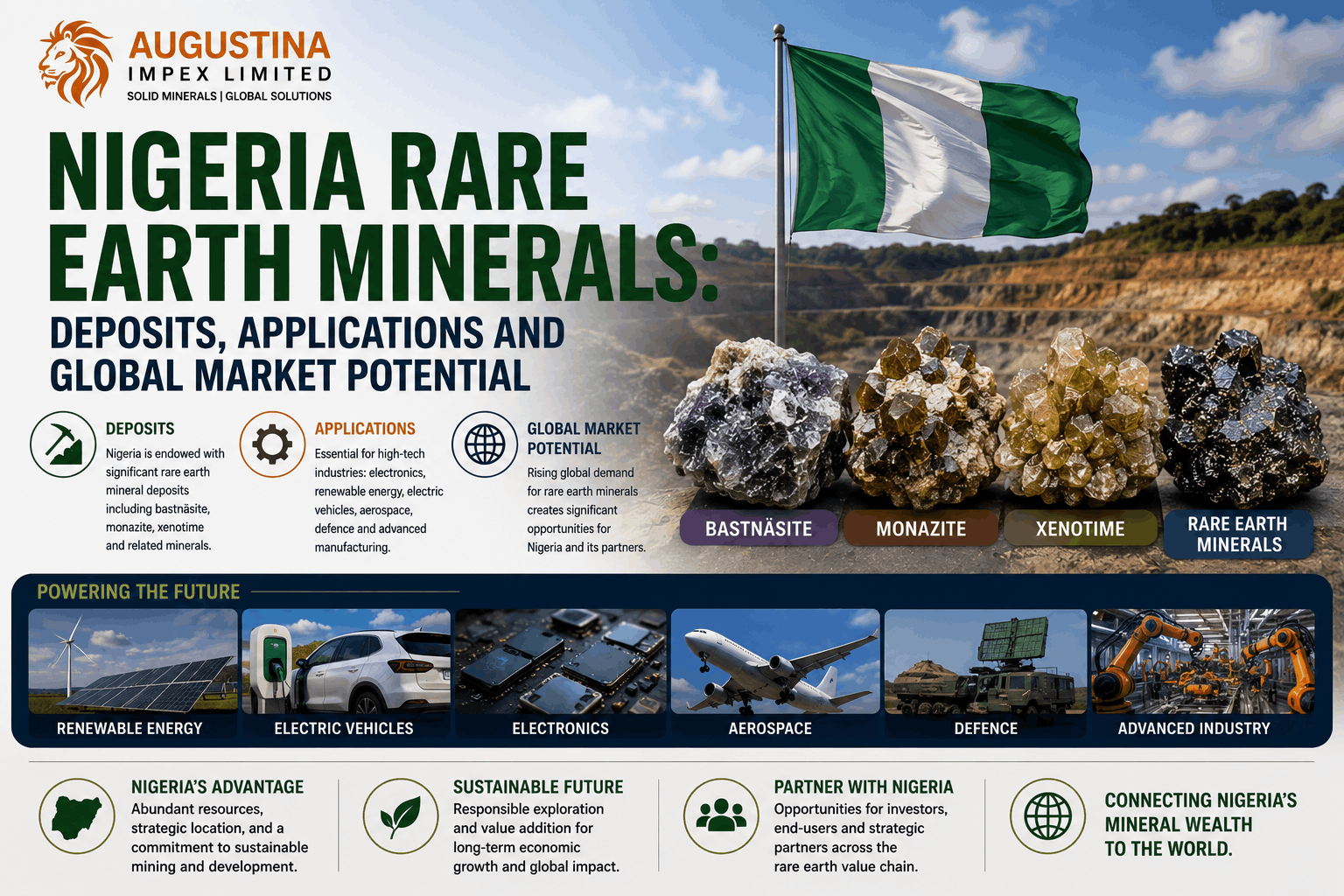
Nigeria Rare Earth Minerals: Deposits & Market Potential
Nigeria Rare Earth Minerals: Deposits, Applications and Global Market Potential By Kolawole King, CEO —…
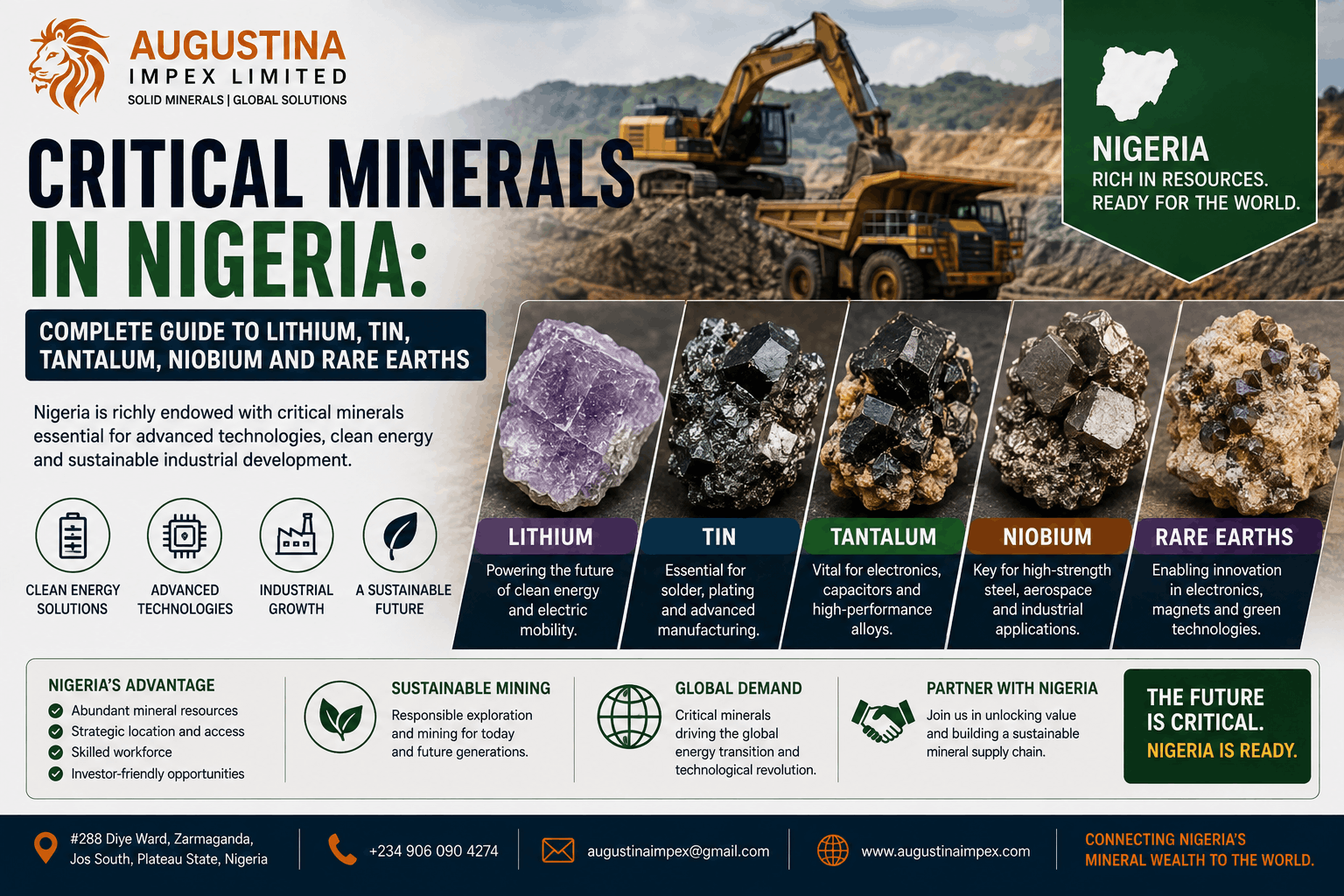
Nigeria Critical Minerals Guide: Lithium, Tin & Rare Earths
Critical Minerals in Nigeria: Complete Guide to Lithium, Tin, Tantalum, Niobium and Rare Earths By…
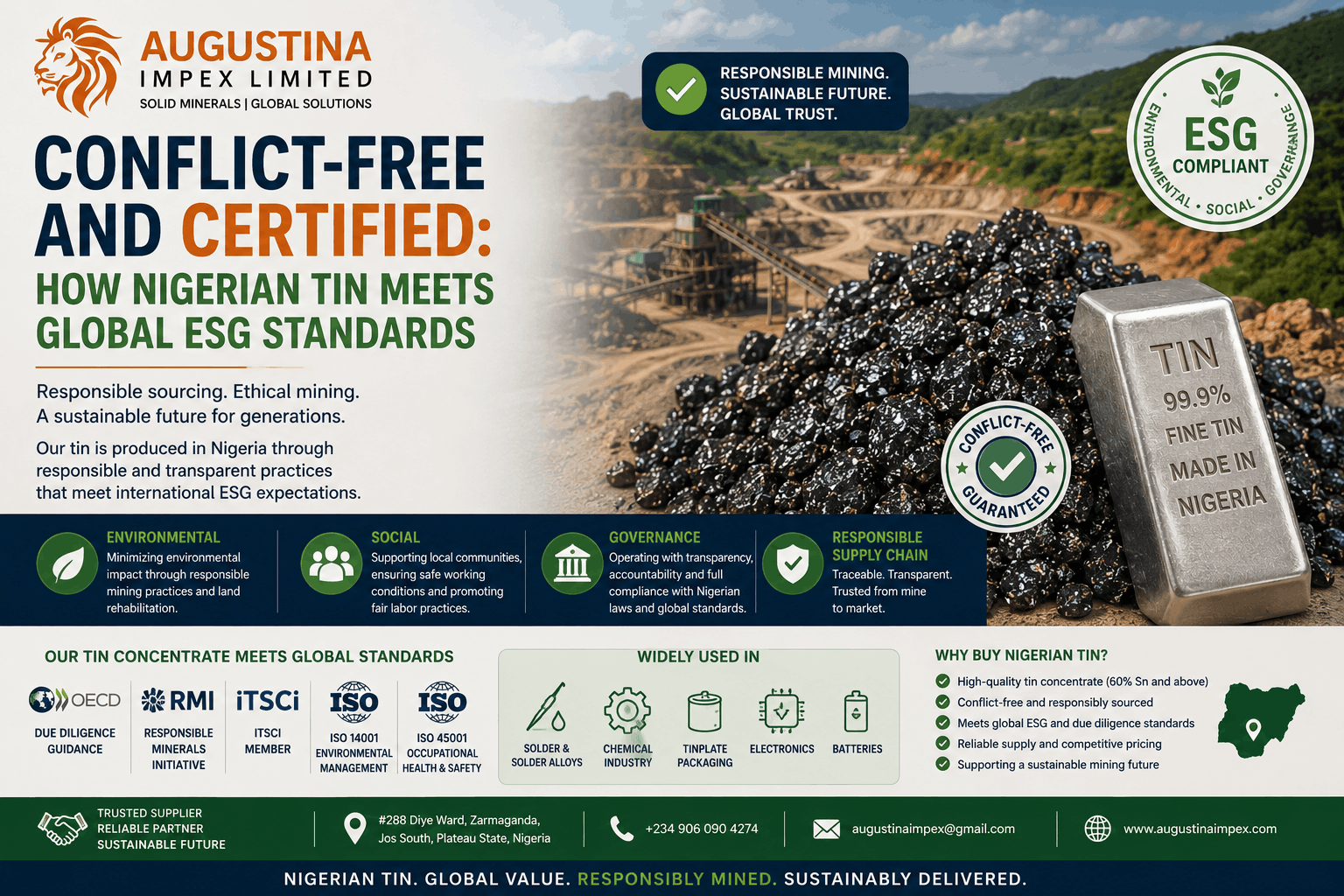
Conflict-Free Nigerian Tin Meets Global ESG Standards
Conflict-Free and Certified: How Nigerian Tin Meets Global ESG Standards By Kolawole King, CEO —…