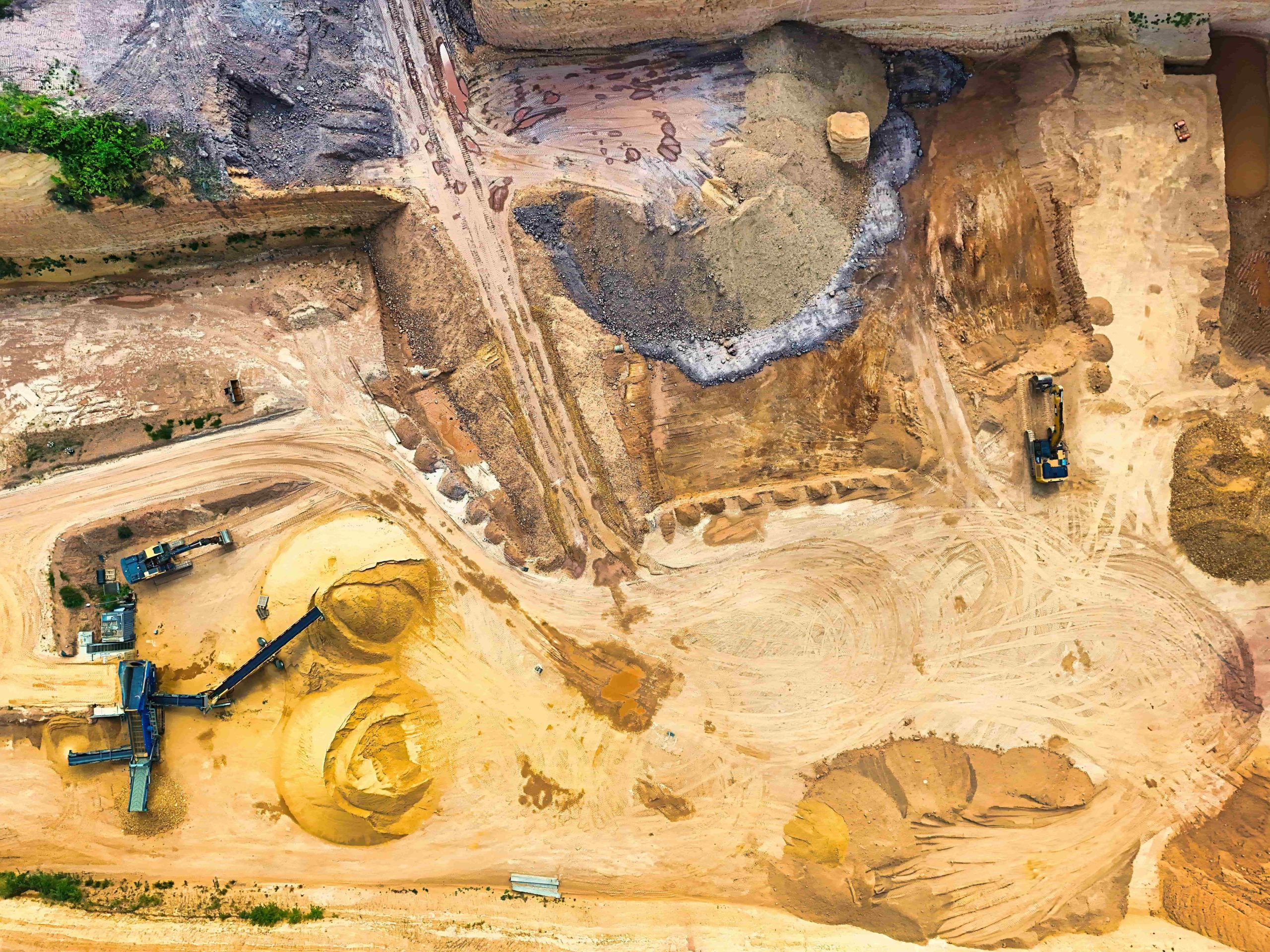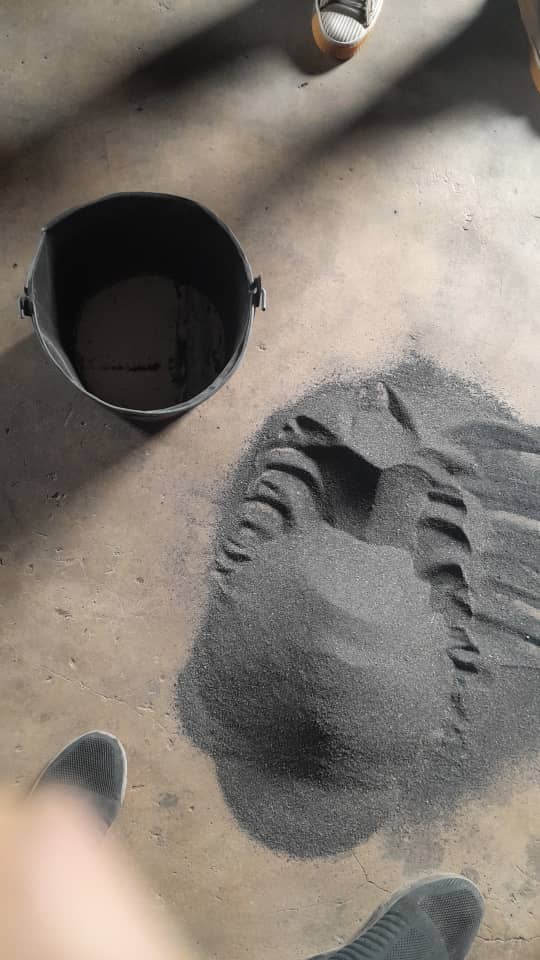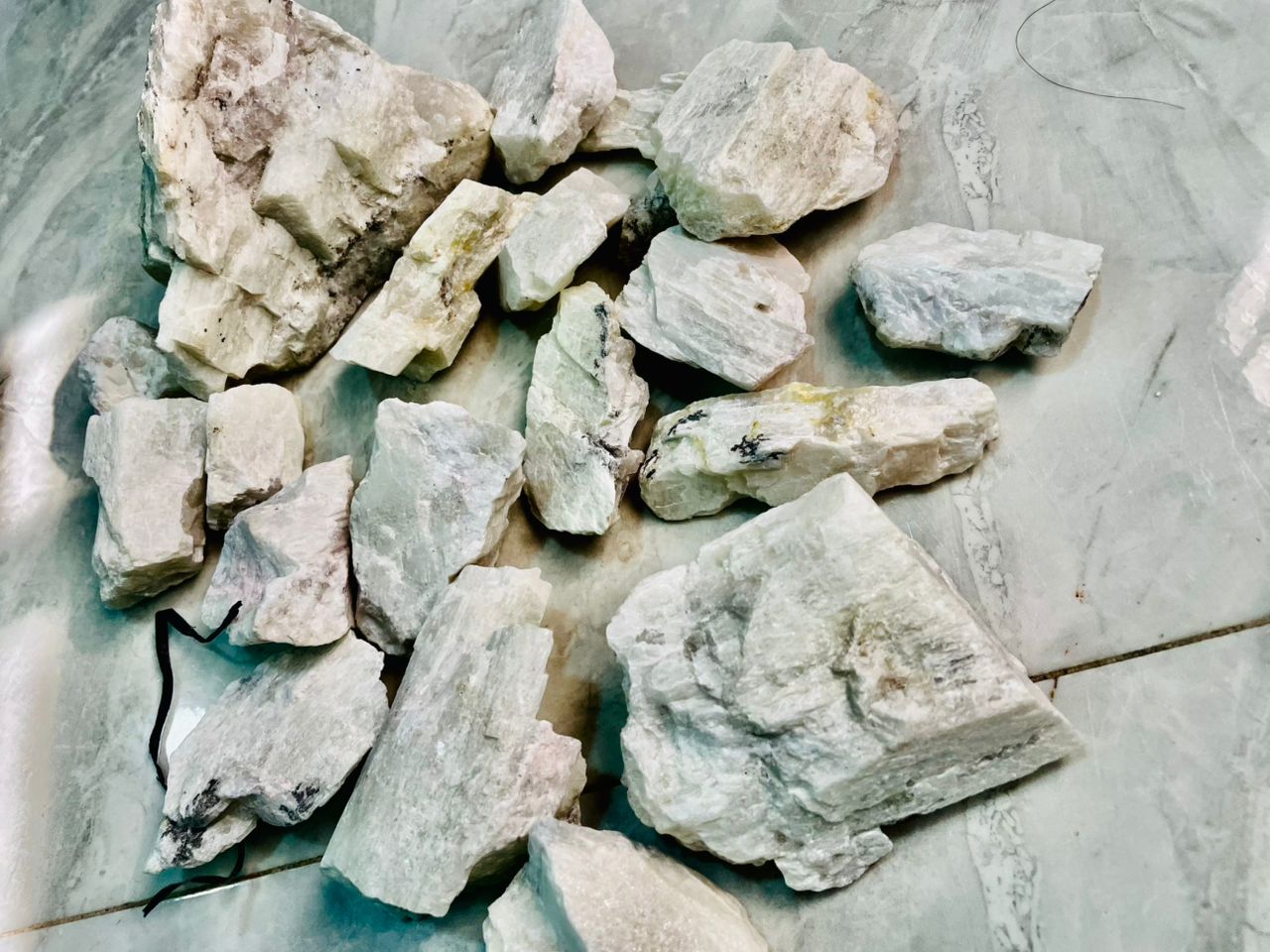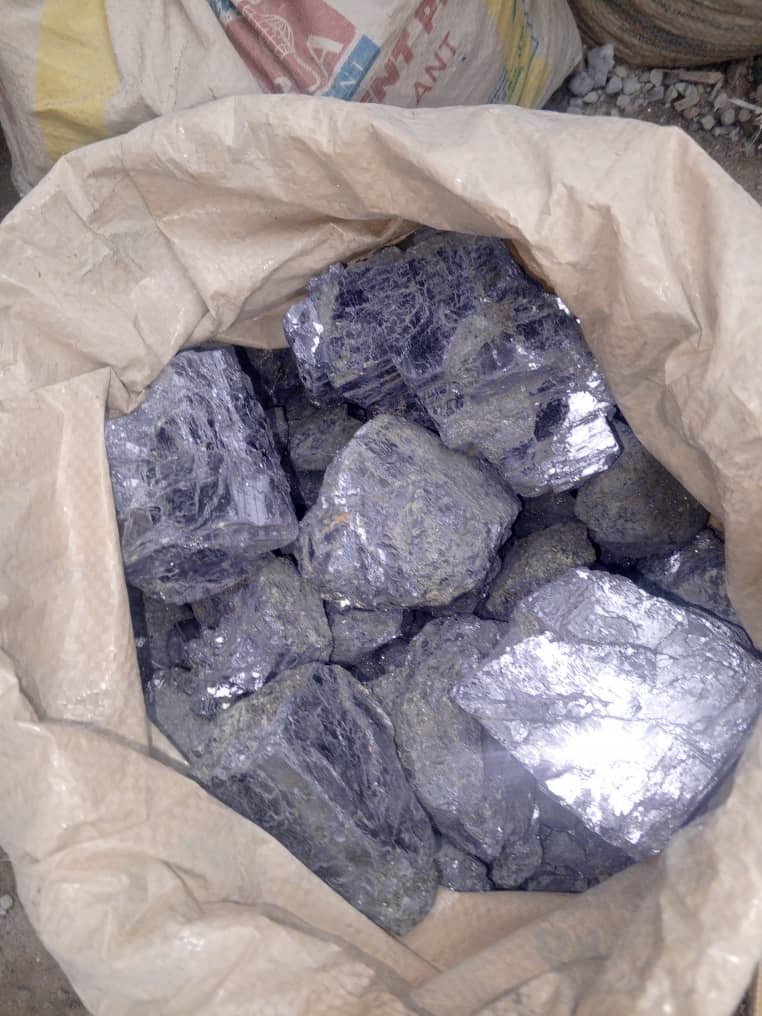


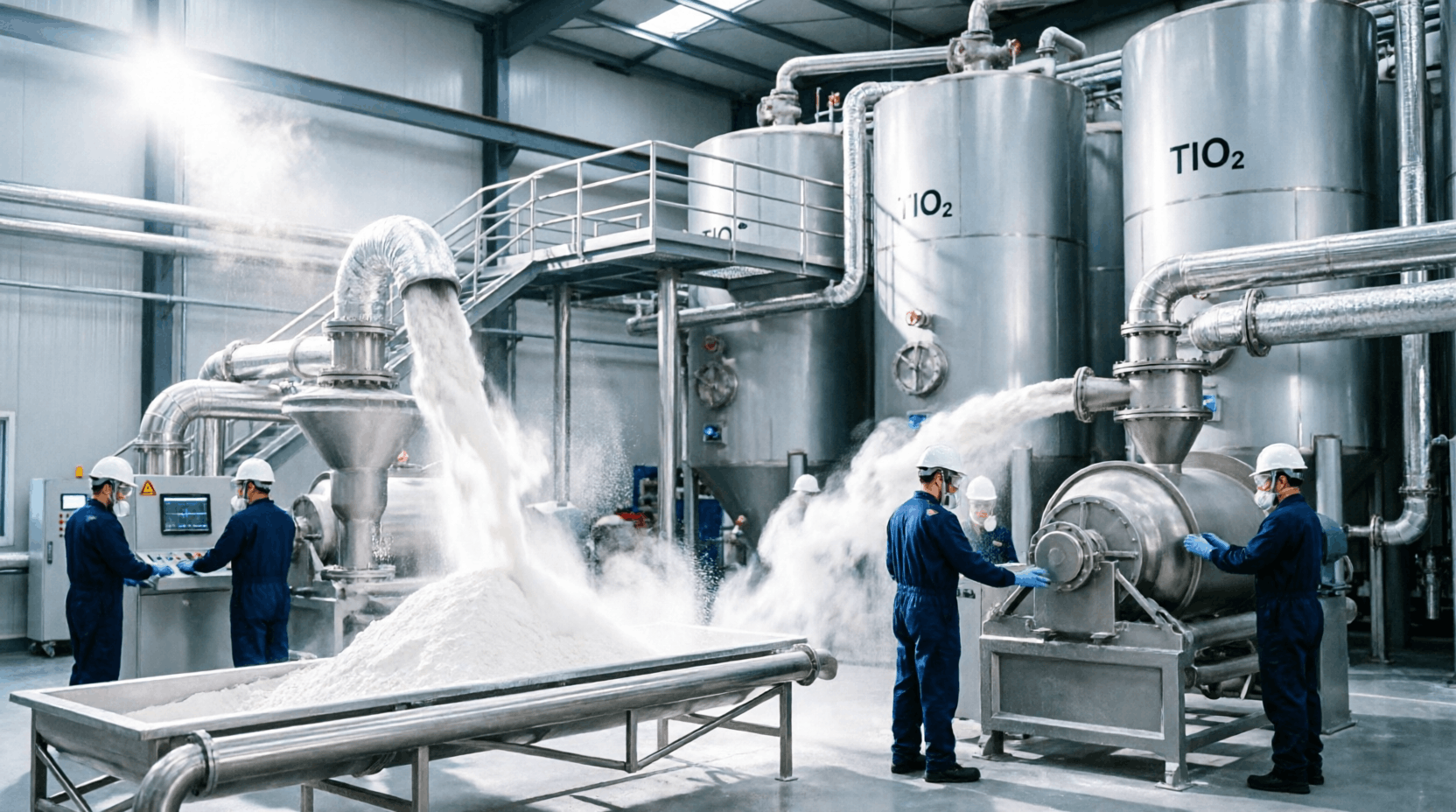
There is a moment I never tire of. I am standing on the Jos Plateau with a handful of dark, heavy ilmenite sand running through my fingers — grains so black they look almost like gunpowder — and I think about where they are going. Because that same black sand, after a long industrial journey, becomes the whitest white humanity knows how to make. The paint on your office wall, the gloss on a new car, the bright plastic of a milk bottle, the page of the book you last read, very possibly the sunscreen on a child’s shoulders at the beach — all of them most likely owe their brilliance to titanium dioxide. Few people outside our industry realise that the long list of industrial uses of titanium dioxide begins in mineral sands like the ones I have traded for twenty-five years.
This article is my attempt to connect those two worlds: the black ore at one end and the dazzling white pigment at the other. I want to walk you through what titanium dioxide actually is, why nothing else on the market can replace it, and the remarkable breadth of industries that depend on it — with an honest look, as always, at the pressures the sector now faces.
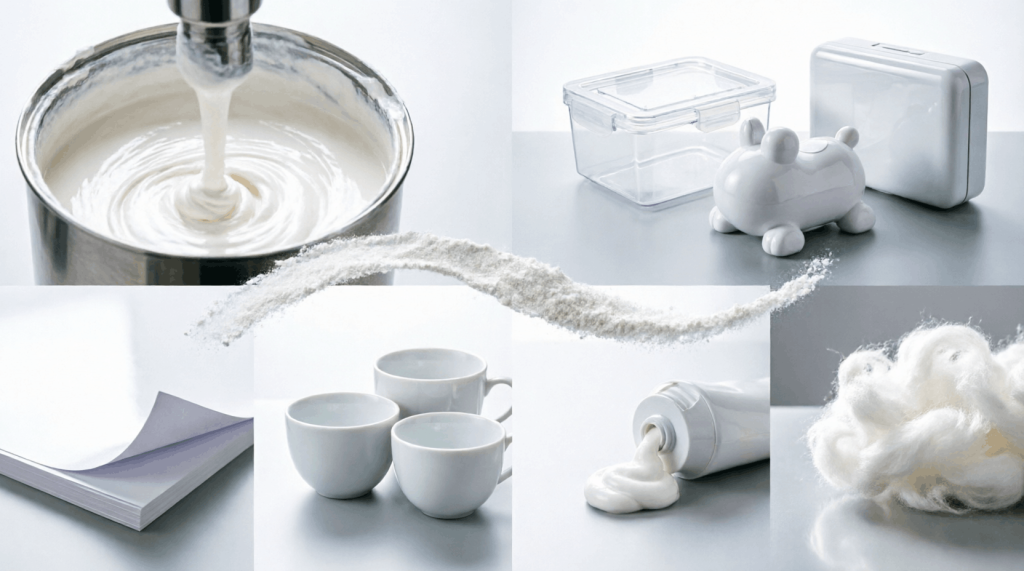
From Black Sand to the Whitest White
Titanium dioxide, written TiO2, is a white inorganic compound produced from titanium-bearing mineral feedstocks — chiefly ilmenite, rutile and leucoxene, or the titanium slag refined from them. Manufacturers convert these ores into pigment using one of two routes, the older sulfate process or the cleaner, more modern chloride process, and the result is sold in two crystalline grades: rutile and anatase. Rutile is the workhorse of the industry; it commanded around three-quarters of the market in 2025 thanks to its superior opacity, durability and ultraviolet resistance, which make it the default choice for paints, coatings and anything that must endure the outdoors.
The important point for any reader is that the ore I dig and the pigment you use are two ends of one chain. When I argue, as I often do, that Africa should add value to its minerals at home rather than ship them raw, this is exactly the chain I mean: the black sand leaves the continent cheaply and the white pigment comes back expensive.
Why Nothing Else Comes Close
To understand the industrial uses of titanium dioxide, you first have to understand why it has no real rival. The secret is physics. TiO2 has an exceptionally high refractive index — it bends and scatters light more effectively than almost any other white material — which means a small amount of it delivers tremendous whiteness, brightness and hiding power. Industry analysts put it bluntly: there is no commercially viable substitute that matches its opacity per unit of pigment at a comparable cost. You can use cheaper extenders to stretch it, but you cannot replace it. That single property is why a hundred different industries keep coming back to the same white powder, and why demand has proven so durable through every economic cycle.
Use One: Paints and Coatings — The Giant
If titanium dioxide had only one job, this would be it. Paints and coatings consume the largest slice of all TiO2 produced — in the region of 52 to 53% of global demand — and the reason is everywhere you look. In paint, TiO2 is the pigment that scatters visible light to give a film its brightness, its opacity and its ability to hide whatever is underneath in a single coat. Beyond mere colour, it lends coatings corrosion resistance, durability and resistance to scratching and weathering.
The applications stretch across the built world: architectural paints for homes and offices, automotive finishes that must stay glossy for years, industrial maintenance coatings on bridges and pipelines, marine paints, printing inks and powder coatings. As cities expand and construction and the automotive sector grow, this single application keeps the entire titanium dioxide industry moving. When you see a freshly painted building catch the morning light in Jos or Lagos, you are looking at TiO2 at work.
Use Two: Plastics and Packaging
The second-largest home for titanium dioxide is plastics, and it is also one of the fastest-growing. Here TiO2 plays a double role. First, it provides the clean, consistent white and the opacity that manufacturers want in everything from food packaging and bottle caps to window frames, pipes, garden furniture and toys. Second, and just as importantly, it protects the plastic itself: TiO2 absorbs and scatters ultraviolet light, shielding polymers from the sun’s rays that would otherwise make them brittle, faded and prematurely old. In a hot, high-UV climate like ours, that protective function is not cosmetic — it is what keeps a plastic product usable for years rather than months. The relentless growth of packaging worldwide is steadily pulling more pigment into this sector.
Use Three: Paper and Inks
Pick up a glossy magazine, a carton, or a sheet of premium printing paper and you are likely holding titanium dioxide. In the paper industry it is used as a filler and coating to deliver whiteness, brightness and opacity — the quality that stops print on one side of a page from showing through to the other. The same pigment gives printing inks their body and brilliance. While digital media has reshaped the paper business, the packaging and specialty-paper segments continue to rely on TiO2 to look clean and professional.
Use Four: The Functional Frontier — Sunscreen, Photocatalysis and Self-Cleaning Surfaces
This is where titanium dioxide stops being merely a colour and starts doing active work, and it is the most exciting part of the story. Because TiO2 is so effective at blocking ultraviolet light, fine and nanoscale grades are a primary mineral active ingredient in sunscreens, sitting on the skin and reflecting harmful UV rather than letting it through. The same UV-blocking property is built into protective coatings, films and textiles.
More remarkable still is photocatalysis. When certain grades of titanium dioxide are hit by light, they trigger chemical reactions that break down dirt, pollutants and microbes on a surface. This is the science behind self-cleaning glass and tiles, anti-fogging mirrors, air-purifying paints that help neutralise pollution, and water-treatment systems. As cities worry more about air and water quality, this functional, environmental side of TiO2 is drawing serious research and investment. It is a reminder that an old industrial mineral can keep finding entirely new frontiers.
Use Five: Cosmetics, Pharmaceuticals and the Food Question
Titanium dioxide has long been valued in cosmetics and personal care — in foundations, powders and creams for its whitening, opacity and UV-protective qualities — and in pharmaceuticals, where high-purity grades are used to coat and colour tablets and capsules. These uses demand the cleanest, most tightly specified material, and that is increasingly where premium value sits.
The food story, however, deserves an honest word because it shows how regulation shapes markets. TiO2 was for decades used as a food colourant and opacifier, known in Europe as the additive E171. In 2022 the European Union banned it from food on precautionary safety grounds, prompting reformulation across the food industry. This has not dented the overall market — food was always a small slice — but it has accelerated a clear shift toward high-purity, surface-coated grades and toward transparency for any product that might be ingested. For a supplier, the lesson is plain: the future rewards clean, well-documented, properly specified material.
A Few More Industrial Corners
The list does not end there. Titanium dioxide stiffens and whitens ceramics, sanitaryware and glazes; it is a key ingredient in the flux coating of welding electrodes, where it stabilises the arc; it appears in glass, rubber, catalysts and specialty chemicals. One distinction is worth clearing up, because it confuses many newcomers: the white TiO2 pigment we have been discussing is not the same product as titanium metal. The shining metal used in aircraft, implants and high-performance alloys comes from titanium minerals too, but down a different processing route. The overwhelming majority of all titanium ore mined on earth ends its life not as metal but as this white pigment.
The Market Reality in 2025–2026
For those weighing the commercial picture, the numbers are encouraging. Depending on which analyst you read, the global titanium dioxide market was worth somewhere in the region of US$20 to 23 billion in 2025 and is forecast to grow steadily — at compound annual rates broadly between 5 and 7% — toward the mid-thirties of billions of dollars over the coming decade. Asia-Pacific dominates both production and consumption, with China the single largest producer and consumer, and rutile-grade pigment remains the fastest-growing segment thanks to its performance in demanding outdoor and automotive applications.
Supply runs through a handful of major producers — names such as Chemours, Tronox, Venator, Kronos and a growing roster of Chinese manufacturers — all of whom depend, at the very start of their chain, on a reliable flow of titanium mineral feedstock: the ilmenite and rutile that come from heavy mineral sands. That dependence is precisely where producing nations like Nigeria sit in the global picture.
The Honest Challenges
No sector is without its pressures, and titanium dioxide has several worth naming plainly.
Regulation is tightening. Beyond the European food ban, there is ongoing debate and Category 2 carcinogen labelling concern in Europe around inhalable TiO2 powder, which raises compliance costs and pushes formulators toward coated, dust-suppressed grades. Trade friction is real too, with anti-dumping duties applied to Chinese pigment in several markets.
The industry is also energy- and capital-intensive, and sensitive to the price of its mineral feedstock and to environmental compliance. And like all commodities, it moves in cycles — pigment demand softens when construction and manufacturing slow, then rebounds sharply when they recover. For a feedstock supplier, that means buyers value reliability and quality consistency above almost everything; an erratic or poorly documented supply is quickly passed over.
Where Augustina Impex Fits In
Everything in this article begins with mineral feedstock, and that is exactly where Augustina Impex Limited operates. The ilmenite and rutile we trade from the Jos Plateau belt and beyond are the raw start of the titanium dioxide chain — the black sand that becomes the white pigment in a buyer’s paint, plastic or coating. Our role is to connect that resource to the global pigment industry reliably and credibly.
We do not compete on raw volume or lowest price alone. We compete on trust, provenance and traceability — the ability to deliver titanium feedstock and our wider mineral portfolio with clean, documented supply chains that meet the consistency and due-diligence standards international buyers demand. And we keep making the same long-term argument we have made for years: that Nigeria and Africa should aim, over time, to climb this value chain — not merely exporting the ore that becomes someone else’s pigment, but capturing more of that value at home. If you are a buyer seeking dependable titanium mineral supply, or an investor weighing an opportunity in Nigeria’s titanium and industrial-minerals sector, that is exactly the conversation we exist to have.
The next time you admire a brilliant white wall or a glossy new car, remember the journey — from a handful of black sand on a Plateau hillside to the most useful white pigment in the world. That journey is our business, and we are proud to stand at the start of it.
Kolawole King
Chief Executive Officer, Augustina Impex Limited
#288 Diye Ward, Zarmaganda, Jos South, Plateau State, Nigeria
Email: augustinaimpex@gmail.com
WhatsApp: +234 906 090 4274
Website: https://augustinaimpex.com
Blog: https://augustinaimpexng.blogspot.com/
Advert Video: https://www.youtube.com/watch?v=Izg0t7By6co
#TitaniumDioxide #TiO2 #WhitePigment #Ilmenite #Rutile #PaintsAndCoatings #IndustrialMinerals #Pigments #HeavyMineralSands #Photocatalysis #Plastics #MiningNigeria #CriticalMinerals #ValueAddition #AugustinaImpex
-
Previous Post
Why Investors are Targeting African Lithium Deposits
Post a comment
Related Posts
Nigeria Lithium Mining: Production, Processing & Export
Nigeria Lithium Mining: Production, Processing and Export Opportunities By Kolawole King, CEO — Augustina Impex…

Nigeria Rare Earth Minerals: Deposits & Market Potential
Nigeria Rare Earth Minerals: Deposits, Applications and Global Market Potential By Kolawole King, CEO —…

Nigeria Critical Minerals Guide: Lithium, Tin & Rare Earths
Critical Minerals in Nigeria: Complete Guide to Lithium, Tin, Tantalum, Niobium and Rare Earths By…
Conflict-Free Nigerian Tin Meets Global ESG Standards
Conflict-Free and Certified: How Nigerian Tin Meets Global ESG Standards By Kolawole King, CEO —…