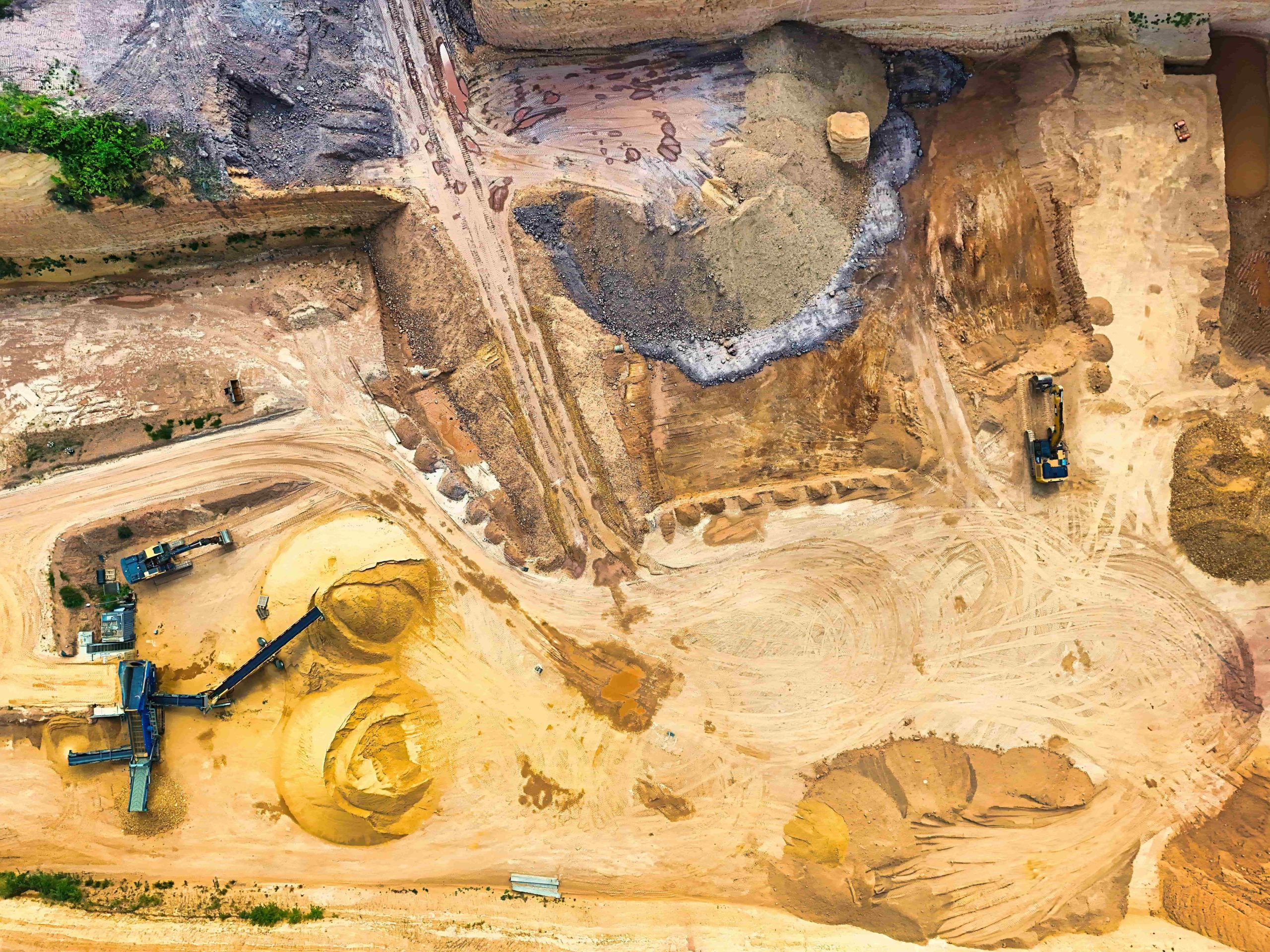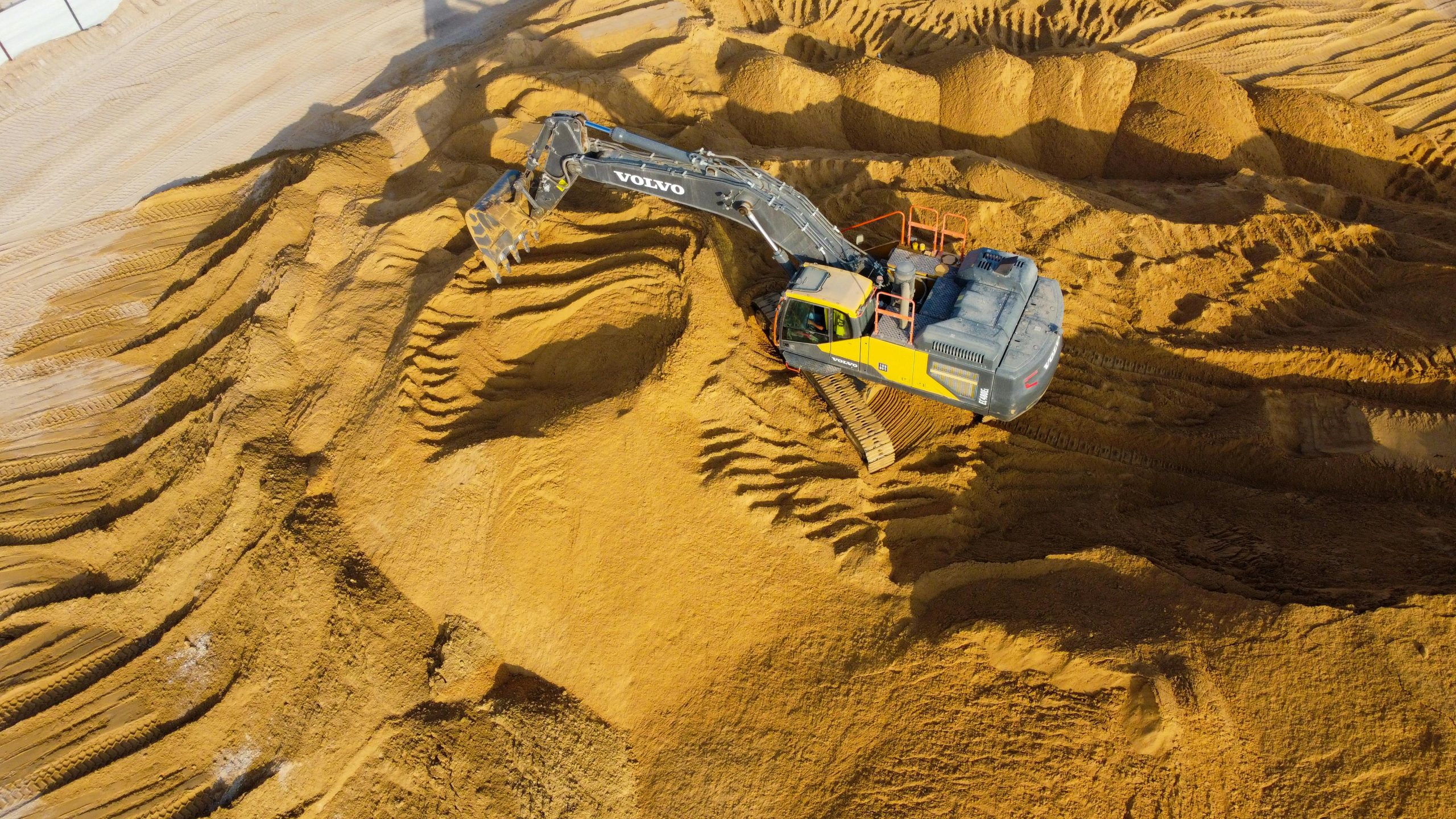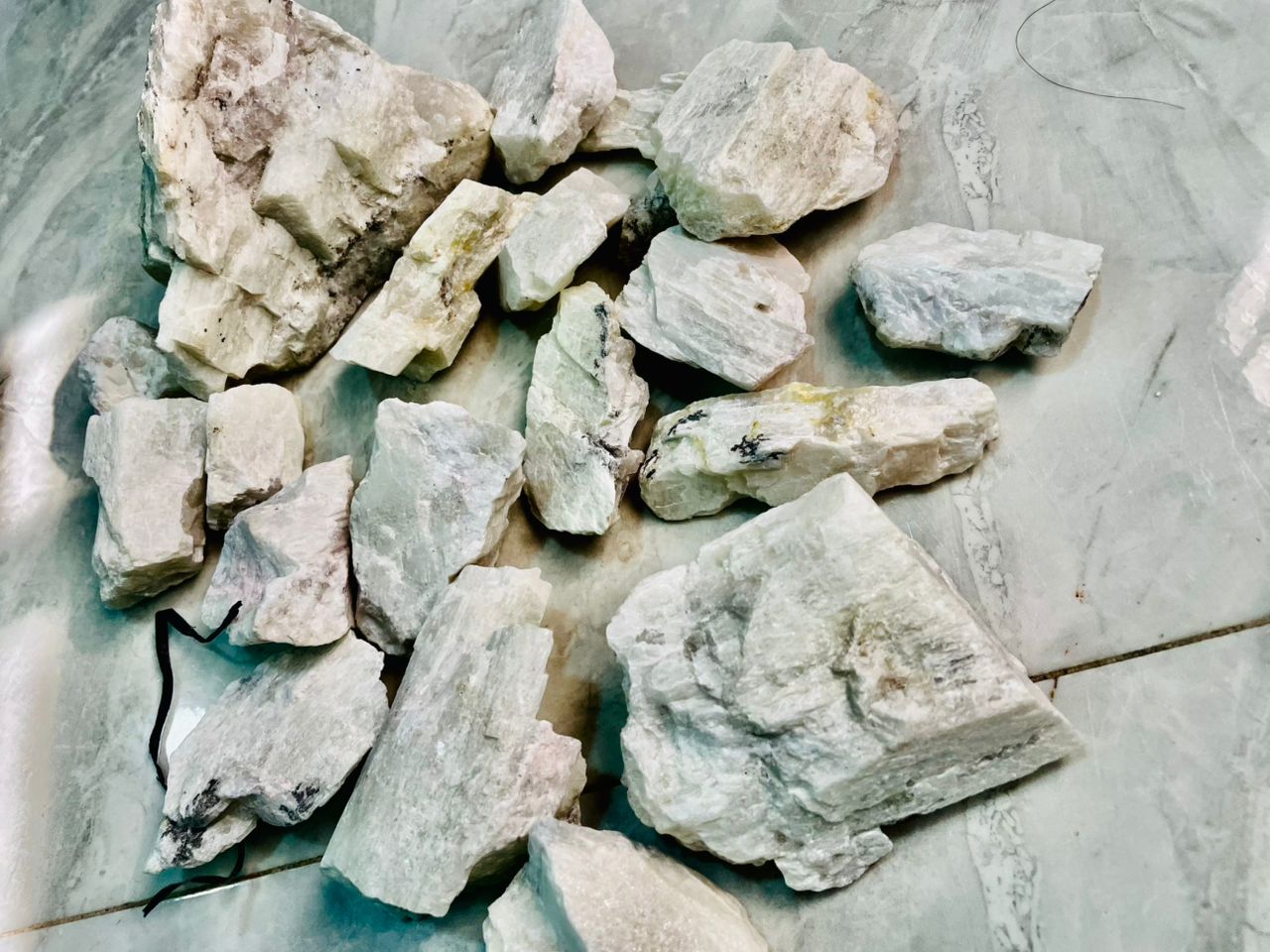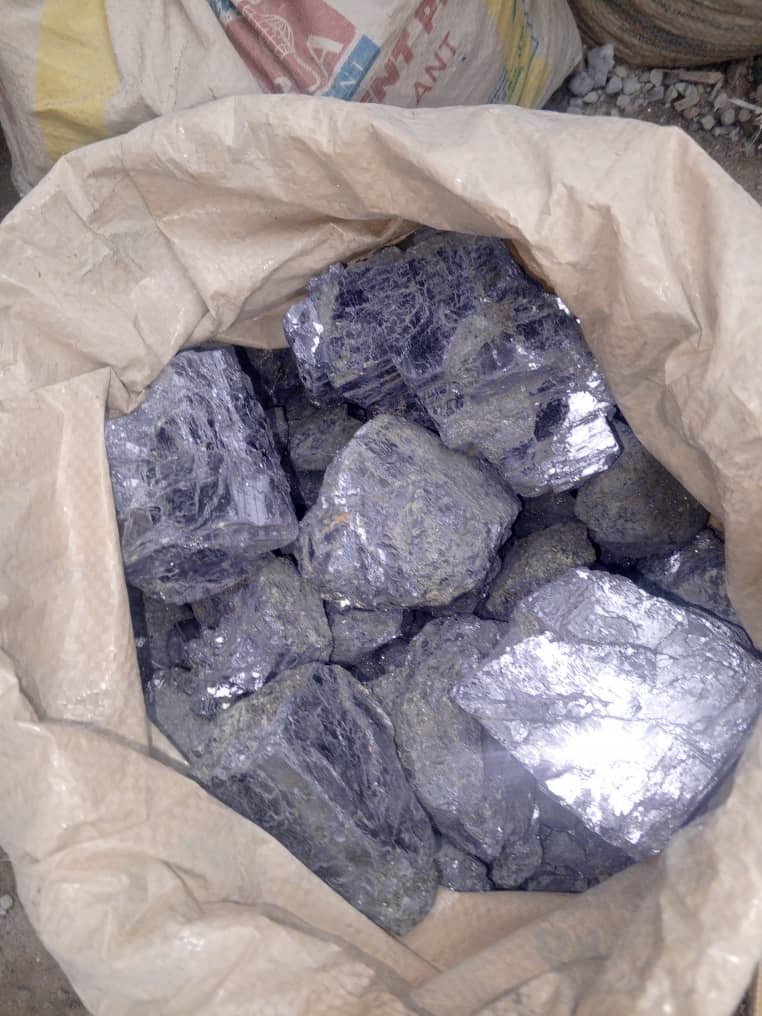


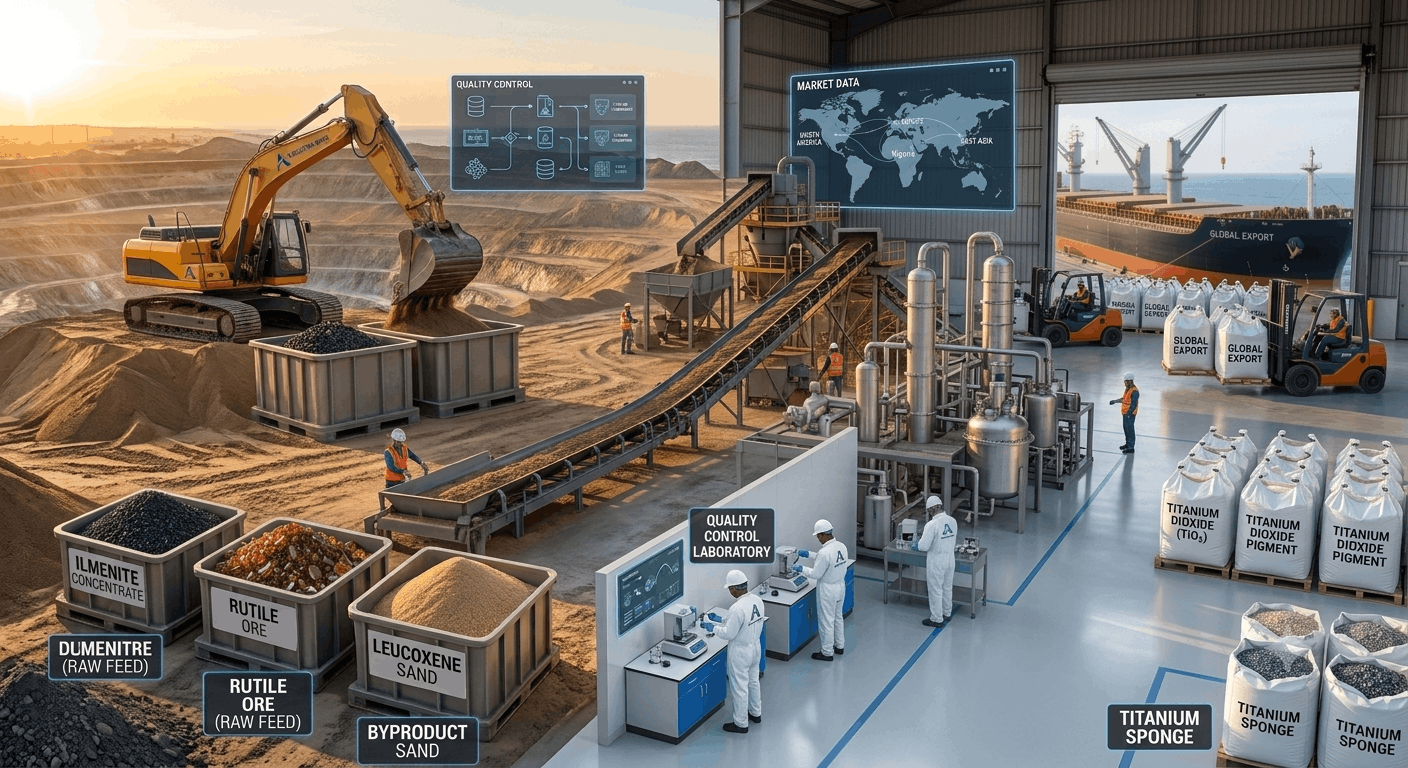
Look around you right now. The walls of your room are almost certainly painted with it. The plastic casing of your phone contains it. The sunscreen on your skin relies on it. The paper this article might one day be printed on is coated with it. Titanium dioxide — TiO2 — is the world’s most widely used white pigment and one of the most important industrial chemicals in existence, yet it is a substance that almost nobody outside the minerals and chemicals industry can name, let alone explain. It hides in plain sight, doing its work invisibly in thousands of products that define the texture and appearance of the modern world.
And at the beginning of every tonne of TiO2 that rolls out of a pigment plant somewhere in the world, there is a mineral — usually ilmenite (FeTiO3) or rutile (TiO2 in its natural form) — that was mined from a beach sand deposit, a granite hillside, or an ancient alluvial terrane. The journey from that raw mineral to the finished, battery-white, ultra-fine pigment powder that manufacturers demand is one of the most chemically sophisticated and commercially important industrial processes in the global minerals sector.
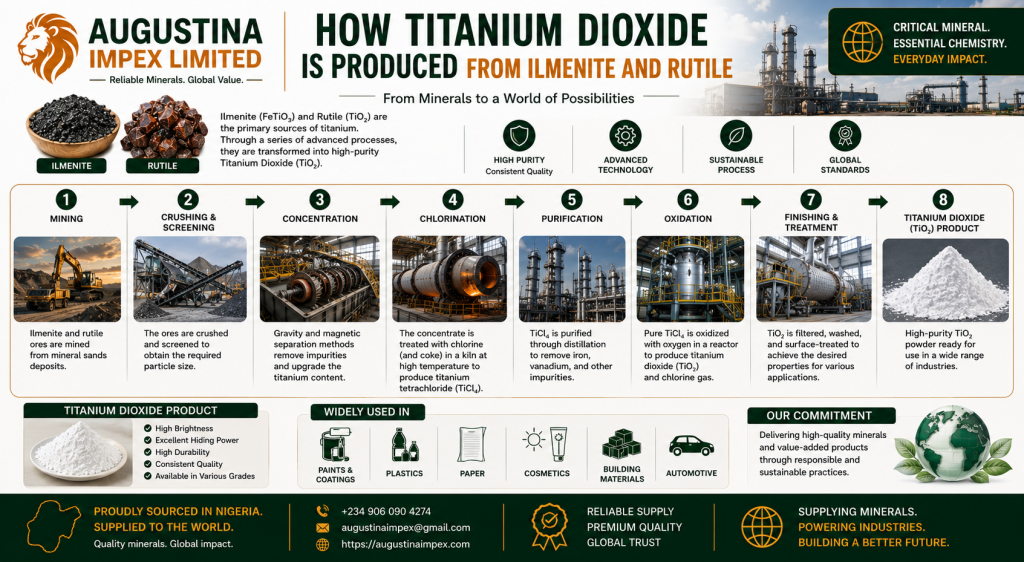
This article traces that journey in full — from the mineralogy of ilmenite and rutile, through the two industrial production processes (the sulphate route and the chloride route) that dominate global TiO2 manufacturing, to the extraordinary breadth of industries that depend on TiO2 every day. We also examine the global production landscape, the role of emerging producers like Nigeria, the environmental challenges the industry faces, and the future trends that are reshaping TiO2 supply and demand in the 2020s and beyond.
1. What Is Titanium Dioxide and Why Does It Matter?
Titanium dioxide (TiO2) is the oxide of titanium, a transition metal element with atomic number 22. In its pure form, TiO2 is a white, odourless, chemically inert solid with an extraordinarily high refractive index — the measure of how strongly a material bends and scatters light. Rutile-form TiO2 has a refractive index of approximately 2.73, which is higher than diamond (2.42) and far higher than the glass and polymer matrices in which pigment particles are dispersed. This exceptional optical property is the fundamental reason for TiO2’s dominance as a white pigment: no other commercially viable white pigment material scatters visible light as efficiently per unit weight as TiO2, making it the most effective whitening, brightening, and opacifying agent known to industry.
TiO2 exists in three naturally occurring crystal forms (polymorphs): rutile, anatase, and brookite. Of these, rutile and anatase are the commercially important forms, each with distinct optical properties and applications. Rutile TiO2 has the higher refractive index (2.73 vs. 2.55 for anatase) and greater opacity, making it the preferred pigment for applications where maximum hiding power is needed — primarily exterior paints and coatings, high-performance plastics, and paper. Anatase TiO2 has a brighter, bluer white tone and is softer and less abrasive, making it preferred for certain specialty applications such as textile fibres, food contact papers, and some indoor paint formulations.
Beyond its role as a pigment, TiO2 has important functional applications that are becoming increasingly significant. Its photocatalytic activity — the ability to accelerate chemical reactions when exposed to ultraviolet light — makes it valuable in self-cleaning coatings (applied to glass, concrete, and building facades), air and water purification systems, and antimicrobial surfaces. In the rapidly growing field of dye-sensitised solar cells (DSSCs), TiO2 forms the nanostructured photoanode that is central to the cell’s operation. And as a food additive (designated E171 in the European Union), TiO2 has been used to whiten confectionery, chewing gum, and pharmaceutical tablet coatings — though regulatory scrutiny of this application has intensified in recent years.
2. The Raw Materials — Ilmenite and Rutile
Commercial TiO2 production begins with titanium-bearing minerals, of which ilmenite and natural rutile are the two primary feedstocks. Understanding their chemistry, properties, and relative merits as TiO2 feedstocks is essential to understanding why the industry has developed two distinct production processes — one suited to lower-grade ilmenite, and one that requires higher-grade rutile or rutile-equivalent feedstocks.
2.1 Ilmenite (FeTiO3)
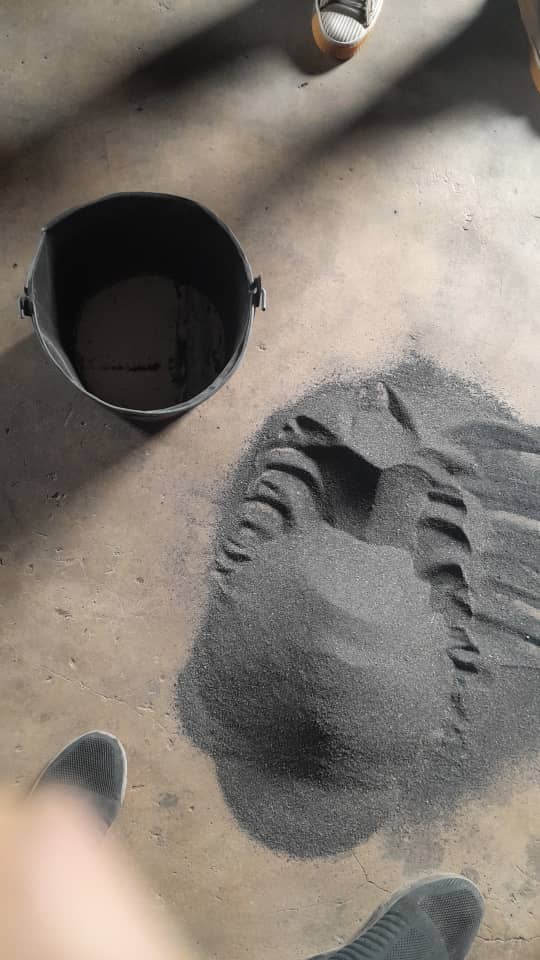
Ilmenite is an iron-titanium oxide mineral with the ideal formula FeTiO3, giving it a theoretical TiO2 content of 52.6% by weight. In practice, natural ilmenite contains 44% to 65% TiO2 depending on the degree of weathering and alteration the deposit has undergone. Fresh, unweathered ilmenite from igneous rock sources (such as anorthosite-hosted deposits in Norway and Canada) tends toward the lower end of this range, while weathered, oxidised ilmenite from beach sand placer deposits — where natural leaching over geological time has removed some of the iron — tends toward the higher end.
Ilmenite is by far the most abundant titanium mineral in the Earth’s crust and accounts for the large majority of global titanium mineral production by volume. Its lower TiO2 grade relative to rutile means that more tonnes of ilmenite must be processed to produce a given quantity of TiO2 pigment, which is reflected in its lower market price compared to rutile. However, ilmenite’s abundance, wide geographic distribution, and established processing infrastructure make it the backbone of the global TiO2 industry and the primary feedstock for the sulphate-process TiO2 plants that account for roughly half of world production.
2.2 Natural Rutile (TiO2)
Natural rutile is the high-grade, naturally occurring form of titanium dioxide, containing 90% to 99% TiO2 with only minor impurities of iron, chromium, vanadium, and other elements. It is scarcer than ilmenite and commands a significant price premium, but its very high TiO2 content makes it the preferred feedstock for the chloride process — the higher-quality, lower-waste TiO2 production route — and for the production of titanium metal via the Kroll process.
Natural rutile is recovered primarily as a co-product of heavy mineral sand (HMS) mining operations alongside ilmenite, zircon, and other minerals. The world’s leading natural rutile producers are Australia, Sierra Leone, South Africa, and increasingly Kenya and Mozambique. Global natural rutile supply is constrained relative to demand, which has driven the development of upgraded ilmenite products — synthetic rutile and titanium slag — that serve as high-grade rutile substitutes.
| Property | Ilmenite | Natural Rutile | Synthetic Rutile | Titania Slag (UGS) |
| TiO2 Content | 44–65% | 90–99% | 91–95% | 85–95% |
| Iron Content | 25–35% Fe | <1% Fe | 0.5–1.5% Fe | 3–12% Fe |
| Production Route | Mined directly | Mined directly | Acid leach of reduced ilmenite | Electric arc furnace smelting |
| Process Suitability | Sulphate process (primary) | Chloride process (preferred) | Chloride process | Sulphate or chloride |
| Relative Price | Lowest | Highest | Mid-high | Mid |
| Global Supply | Abundant | Constrained | Growing | Growing |
3. Upgrading Ilmenite — Synthetic Rutile and Titanium Slag
Because natural rutile supply is limited and the chloride process demands high-grade TiO2 feedstocks, the industry has developed two principal routes to upgrade lower-grade ilmenite into high-grade rutile equivalents: the production of synthetic rutile and the production of titania slag (also called upgraded slag or UGS).
3.1 Synthetic Rutile — The Becher Process and Variants
Synthetic rutile is produced by selectively removing the iron from ilmenite while retaining the TiO2 content, yielding a product with 91% to 95% TiO2 that is closely analogous to natural rutile in its suitability for chloride-process TiO2 production and titanium metal manufacturing. The most widely practised commercial route is the Becher Process, developed in Australia and used at several large synthetic rutile plants in Western Australia.
In the Becher Process, ilmenite is first reduced in a rotary kiln using natural gas or coal as the reductant at approximately 1,000 to 1,100 degrees Celsius, converting the iron in the ilmenite from Fe3+ to metallic iron (Fe0) and producing a reduced ilmenite (essentially iron metal dispersed through a TiO2-rich matrix). The reduced ilmenite is then aerated in an aeration drum containing an ammonium chloride solution, which selectively oxidises and dissolves the metallic iron as iron hydroxide or iron chloride while leaving the TiO2 matrix largely intact. After leaching and washing, the product is dried and calcined to produce synthetic rutile with a TiO2 content of 91% to 95%.
3.2 Titanium Slag — Electric Arc Furnace Smelting
Titanium slag (also known as titania slag or UGS — upgraded slag) is produced by smelting ilmenite in an electric arc furnace (EAF) at temperatures above 1,600 degrees Celsius in the presence of a reductant (typically anthracite coal or petroleum coke). Under these conditions, the iron oxide in the ilmenite is reduced to metallic iron, which sinks to the bottom of the furnace as a liquid pig iron phase, while the titanium oxide concentrates in a molten slag phase that floats on top and is tapped separately. The slag, which contains 85% to 95% TiO2 depending on the ilmenite grade and processing conditions, is cooled, crushed, and sized for use as a TiO2 feedstock.
The pig iron co-product is a commercially valuable by-product sold to steel mills, which partially offsets the energy cost of the smelting operation — a significant advantage that makes the EAF smelting route economically attractive where electricity costs are manageable and iron markets are accessible. The world’s two largest titanium slag producers are Richards Bay Minerals (RBM) in South Africa and Rio Tinto’s QIT Minerals operation in Canada, together accounting for the majority of global slag supply.
4. The Sulphate Process — Converting Ilmenite to TiO2 Pigment
The sulphate process is the older of the two industrial TiO2 production routes, having been practised commercially since the 1920s. It accounts for approximately 45% to 55% of global TiO2 production capacity and is the dominant route in China (which is the world’s largest TiO2 producer), Eastern Europe, and several other regions. Its primary advantage over the chloride process is its ability to accept lower-grade feedstocks — including direct ilmenite at 44% to 65% TiO2 — which are more abundant and less expensive than the high-grade rutile or synthetic rutile required by the chloride route. Its primary disadvantages are the large volumes of dilute sulphuric acid waste generated, the batch nature of some processing steps, and the complexity of waste treatment.
Step 1: Digestion — Dissolving the Titanium
The sulphate process begins with the dissolution of ilmenite (or titania slag) in concentrated sulphuric acid (H2SO4) — a step called digestion. The ilmenite is mixed with concentrated acid (93% to 98% H2SO4) in a large digestion vessel, where an exothermic reaction rapidly dissolves both the titanium and iron components of the ilmenite. For ilmenite, the key reactions produce titanyl sulphate (TiOSO4) and ferrous sulphate (FeSO4) in solution: FeTiO3 + 2H2SO4 → TiOSO4 + FeSO4 + 2H2O. The reaction generates significant heat, which assists in driving the dissolution to completion. The resulting solution — called the “black liquor” — contains titanyl sulphate and iron sulphates dissolved in dilute sulphuric acid, along with a small residue of undissolved solids (sand, gangue minerals) that is removed by settling and filtration.
Step 2: Reduction — Preventing Iron Reoxidation
The black liquor at this stage contains iron in both ferrous (Fe2+) and ferric (Fe3+) forms. Ferric iron (Fe3+) is problematic because it will co-precipitate with titanium during subsequent hydrolysis and contaminate the final pigment product with yellow-coloured iron compounds that degrade whiteness and brightness. Iron scrap (metallic iron) or other reducing agents are added to the black liquor to reduce all ferric iron to the ferrous form (Fe3+ → Fe2+), ensuring it remains in solution during hydrolysis and can be removed cleanly in subsequent steps.
Step 3: Clarification — Removing Solids
The reduced black liquor is clarified by settling and filtration to remove all suspended solid impurities — undissolved gangue minerals, silica, and other insoluble residues — from the titanyl sulphate solution. Flocculants are added to assist settling of fine particles. The clarified liquor must be free of suspended solids before hydrolysis, because solid impurities would be incorporated into the precipitated titanium hydroxide and degrade pigment quality.
Step 4: Crystallisation and Separation of Iron (Copperas)
One of the most distinctive steps of the sulphate process is the crystallisation and removal of the large volumes of ferrous sulphate (FeSO4·7H2O — commonly known as “copperas” or green vitriol) that have accumulated in the black liquor from the dissolution of the iron component of ilmenite. The liquor is cooled in vacuum crystallisers, causing ferrous sulphate to crystallise as large green crystals (the heptahydrate form). These crystals are separated from the titanyl sulphate mother liquor by vacuum drum filters or centrifuges. The separated copperas is a significant by-product of the sulphate process — approximately 2 to 4 tonnes of ferrous sulphate heptahydrate are produced for every tonne of TiO2 pigment — and its disposal or utilisation is one of the major environmental challenges of the sulphate route.
Step 5: Concentration and Hydrolysis — Precipitating Titanium Hydroxide
The clarified, iron-reduced, and partly deironed titanyl sulphate solution is concentrated by vacuum evaporation and then subjected to controlled hydrolysis — the key TiO2-forming reaction of the sulphate process. In hydrolysis, the titanyl sulphate is heated (to approximately 95 to 105 degrees Celsius) with dilution water and a carefully controlled amount of “seed” crystals of titanium hydroxide, causing the titanyl sulphate to decompose and precipitate as amorphous titanium hydroxide (metatitanic acid, H2TiO3) according to: TiOSO4 + 2H2O → TiO(OH)2 + H2SO4. The physical characteristics of the precipitated titanium hydroxide — particle size, particle size distribution, crystal form — are critically dependent on the hydrolysis conditions (temperature, acidity, seed crystal type and dosage, rate of heating) and ultimately determine the optical properties of the final TiO2 pigment. Control of the hydrolysis step is one of the most critical and technically demanding aspects of sulphate-process plant operation.
Step 6: Filtration and Washing
The precipitated titanium hydroxide slurry is filtered — typically on large rotary vacuum drum filters or pressure filters — to separate the solid titanium hydroxide cake from the spent acid liquor. The filter cake is then thoroughly washed with water to remove residual sulphuric acid and dissolved iron and other impurity sulphates, which would contaminate the final pigment if not removed. The washings are collected and treated as part of the plant’s acid recovery and waste treatment system.
Step 7: Bleaching — Removing Residual Iron
Despite the careful control of the digestion, reduction, crystallisation, and washing steps, residual iron contamination in the titanium hydroxide cake remains at levels that would give the finished pigment an unacceptably yellowish tint. A bleaching step is therefore carried out, in which the filter cake is re-pulped in dilute sulphuric acid containing a reducing agent (typically aluminium or zinc dust) that reduces any remaining traces of Fe3+ to Fe2+, which is then washed out of the cake in a further filtration and washing cycle. After bleaching and washing, the titanium hydroxide cake should be nearly iron-free and brilliantly white.
Step 8: Calcination — Converting TiO2(OH)2 to TiO2
The washed and bleached titanium hydroxide cake is fed to a large rotary calcination kiln — typically 3 to 5 metres in diameter and 60 to 100 metres in length — where it is heated progressively from ambient temperature to 800 to 1,000 degrees Celsius. During calcination, the titanium hydroxide is converted to titanium dioxide (TiO2) by the elimination of water: TiO(OH)2 → TiO2 + H2O. Simultaneously, the amorphous TiO2 crystallises into either the anatase or rutile crystal form depending on the calcination temperature and the presence or absence of mineralising agents (rutilisation agents such as zinc compounds, potassium compounds, or phosphates, which are added to the feed to promote rutile crystallisation). Calcination also controls the final crystal size of the TiO2 product, which strongly influences its optical properties — particularly its light-scattering efficiency at the wavelengths of visible light.
Step 9: Milling, Surface Treatment, and Finishing
The calcined TiO2 emerging from the kiln is a hard-sintered material that must be milled to the fine particle size required for pigment use — typically a median particle diameter (D50) of 0.2 to 0.3 micrometres, corresponding to approximately half the wavelength of visible light, at which TiO2 particles scatter light most efficiently. Milling is performed in high-energy fluid energy mills (micronisers) or wet media mills that reduce the particle size without introducing contamination.
For most pigment applications, the milled TiO2 is then subjected to surface treatment — the coating of individual TiO2 particles with thin layers of inorganic oxides (typically alumina, Al2O3, and/or silica, SiO2, sometimes with titania and zirconia) deposited from solution. Surface treatment serves several critical functions: it improves the dispersibility of TiO2 particles in paint and plastic formulations, increases weathering and UV resistance of coatings by preventing the photocatalytic activity of bare TiO2 from degrading the organic binder, and allows the pigment to be tailored for specific application requirements. After surface treatment, the pigment is filtered, washed, dried, milled once more to break up agglomerates, and packed for sale.
5. The Chloride Process — The High-Grade Route to Premium TiO2
The chloride process is the second major industrial route to TiO2 pigment and, by most technical measures, the superior one — producing a higher-quality, more consistent pigment with lower environmental impact per tonne of product than the sulphate process. It accounts for approximately 45% to 55% of global TiO2 production capacity and is the dominant route in North America, Western Europe, and among the premium TiO2 brands marketed by companies such as Chemours, Tronox, and Venator.
Step 1: Chlorination — Converting TiO2 to TiCl4
The chloride process begins with the chlorination of high-grade TiO2 feedstock — natural rutile (90%+ TiO2), synthetic rutile (91–95% TiO2), or high-grade titania slag (85–95% TiO2) — in a large fluidised-bed reactor (chlorinator) operating at temperatures of 800 to 1,000 degrees Celsius. The feedstock is mixed with petroleum coke (acting as a reductant and the source of carbon) and gaseous chlorine (Cl2) is passed through the bed. The titanium dioxide reacts with chlorine and carbon to form titanium tetrachloride (TiCl4) gas according to the reaction: TiO2 + 2Cl2 + C → TiCl4 (gas) + CO2. The TiCl4 vapour is drawn off the top of the chlorinator along with other volatile metal chlorides (SiCl4, AlCl3, FeCl3, ZrCl4 etc.) formed from the impurities in the feedstock, and also with unreacted chlorine and CO2.
The critical importance of high-grade feedstock for the chloride process now becomes clear: impurities in the feedstock — particularly iron, silicon, aluminium, manganese, vanadium, and other metals — are converted to their corresponding metal chlorides during chlorination. These chloride impurities must subsequently be removed from the TiCl4 stream by a series of cooling, condensation, and purification steps, and the chlorine bound to them must be recovered and recycled. High-impurity feedstocks therefore increase the cost and complexity of the chloride purification system and can produce large volumes of difficult-to-handle waste chlorides — particularly iron chloride (FeCl2/FeCl3), which is the dominant impurity chloride and must be safely disposed of.
Step 2: Condensation and Purification of TiCl4
The hot gas stream leaving the chlorinator is cooled progressively through a series of condensers. At approximately 136 degrees Celsius (the boiling point of TiCl4), the TiCl4 condenses as a dense, colourless liquid while lighter gases (CO2, unreacted Cl2) remain vapour and are separated. The crude liquid TiCl4 still contains dissolved metal chloride impurities and is purified by distillation — typically a multi-stage fractional distillation process that separates TiCl4 from higher-boiling chlorides (AlCl3, FeCl3, ZrCl4, SnCl4) and lower-boiling chlorides (SiCl4, POCl3). The purified TiCl4 leaving the distillation system should be essentially free of impurities and is a remarkable substance in its pure form — a fuming, corrosive, water-reactive liquid with the acrid smell characteristic of metal chlorides.
Step 3: Oxidation — Converting TiCl4 to TiO2
The central and most technically elegant step of the chloride process is the vapour-phase oxidation of purified TiCl4 to TiO2 in a high-temperature oxidation reactor. Purified TiCl4 vapour and oxygen (from an air separation unit) are preheated separately to very high temperatures (TiCl4 to approximately 400 to 600 degrees Celsius; oxygen to 1,200 to 1,500 degrees Celsius) and then combined in the oxidation reactor, where the following reaction occurs in microseconds: TiCl4 (gas) + O2 (gas) → TiO2 (solid) + 2Cl2 (gas). The TiO2 nucleates and grows as fine primary particles in the extremely hot gas stream, and the chlorine gas produced is recovered and recycled to the chlorinator — the great advantage of the chloride process from an environmental standpoint.
The crystal form of the TiO2 produced (rutile or anatase) and the particle size distribution are controlled by the reactor temperature, residence time, and the presence of nucleating agents (typically aluminium trichloride, AlCl3, which promotes rutile crystallisation). The majority of chloride-process plants are designed to produce rutile TiO2, the more valuable and widely demanded pigment form.
Step 4: Separation, Surface Treatment, and Finishing
The TiO2 particles are separated from the hot chlorine-containing gas stream in cyclones and bag filters, cooled, and conveyed to the surface treatment and finishing section. As in the sulphate process, the TiO2 is milled to the target particle size, surface-treated with inorganic oxides (Al2O3, SiO2, ZrO2 as required by the target application), dried, and micronised before packaging. The chloride-process plant generates no copperas by-product and no dilute sulphuric acid waste — instead, the main by-product stream is waste iron chloride from the purification section, which requires careful treatment and disposal.
6. Sulphate Process vs. Chloride Process — A Comprehensive Comparison
| Parameter | Sulphate Process | Chloride Process |
| First commercial use | 1920s | 1950s |
| Feedstock required | Ilmenite (44–65% TiO2), titania slag, or synthetic rutile | Natural rutile, synthetic rutile, or high-grade slag (85%+ TiO2) |
| Feedstock flexibility | High — accepts low-grade ilmenite | Low — requires high-grade, low-impurity feedstocks |
| Process type | Batch or continuous (mostly batch hydrolysis) | Fully continuous |
| Crystal form of TiO2 | Anatase or rutile (controlled by calcination) | Rutile (predominantly) |
| Pigment quality | Good — slightly lower consistency | Excellent — highly consistent particle size and whiteness |
| Waste: sulphuric acid | Large volumes of dilute H2SO4 (major challenge) | None |
| Waste: iron | Large copperas (FeSO4.7H2O) volumes | Iron chloride (FeCl2/3) — smaller volumes but reactive |
| Chlorine recovery | Not applicable | Chlorine recycled — major environmental advantage |
| Capital cost | Lower | Higher |
| Operating complexity | Moderate | High — requires sophisticated gas handling and chlorine safety |
| Geographic dominance | China, Eastern Europe, India | North America, Western Europe, Japan, South Korea |
| Market share (approx.) | ~50% of global capacity | ~50% of global capacity |
7. TiO2 Pigment Grades and Specifications
TiO2 pigment is not a single product — it is a family of grades, each engineered for specific application requirements through careful control of particle size, crystal form, and surface treatment. Understanding these grade distinctions is essential for buyers and formulators who use TiO2 in their manufacturing processes.
| TiO2 Grade Category | Crystal Form | Surface Treatment | Primary Applications | Key Performance Requirement |
| General purpose exterior paint | Rutile | Al2O3 + SiO2 (heavy coat) | Exterior architectural paints, industrial coatings | Maximum durability and UV resistance |
| Interior paint / DIY | Rutile | Al2O3 + SiO2 (medium coat) | Interior architectural paints, ceiling white | High opacity and brightness at low cost |
| Plastic grade | Rutile | Al2O3 + SiO2 (hydrophobic) | Polyethylene, polypropylene, PVC, engineering plastics | Easy dispersion; heat stability up to 300+ deg C |
| Paper / laminate grade | Rutile or anatase | Silica-heavy coat | Paper coatings, decorative laminates, wallpaper | High light scattering; good retention in paper |
| Fibre / textile grade | Anatase | Minimal treatment | Polyester fibre delustering, nylon | Fine particle size; low abrasion |
| Cosmetics / sunscreen grade | Rutile | Silicone or silica + alumina | Sunscreen (UV blocker), foundations, lipstick | High UV absorption; skin compatibility; safety approval |
| Food grade | Rutile or anatase | Minimal / food-safe | Confectionery coating, chewing gum, pharmaceuticals | Regulatory compliance (FDA, EC); ultra-low heavy metals |
| Photocatalytic / functional | Anatase | None (bare surface) | Self-cleaning glass/concrete, air purification, solar cells | Maximum photocatalytic activity |
8. Industrial Applications of Titanium Dioxide
8.1 Paints and Coatings — The Dominant Market
The paints and coatings industry is by far the largest consumer of TiO2 pigment, accounting for approximately 55% to 60% of total global TiO2 demand. TiO2 is the primary source of whiteness, brightness, and opacity (hiding power) in both architectural paints (interior and exterior wall paints) and industrial coatings (protective coatings for steel structures, marine vessels, industrial equipment, automotive components, and furniture). A standard white interior paint typically contains 15% to 25% TiO2 by weight — a litre of white paint can contain 200 to 350 grams of TiO2 pigment. Without TiO2, achieving adequate opacity with alternative white pigments would require far greater pigment loadings and would deliver inferior performance in terms of brightness, colour development, and UV resistance.
8.2 Plastics — The Second Largest Market
Plastics represent approximately 20% to 25% of global TiO2 demand and constitute the second largest application sector. TiO2 is incorporated into a wide range of plastic materials — polyethylene, polypropylene, PVC, polystyrene, ABS, polyester, and engineering thermoplastics — to provide whiteness, opacity, and UV stabilisation. Applications include plastic packaging (bottles, films, containers), automotive interior and exterior parts, window profiles and building materials (PVC window frames, gutters, cladding), garden furniture, household appliances, and electronic equipment housings. The global growth of plastic packaging in developing countries, driven by rising consumer goods consumption, is a significant demand driver for TiO2.
8.3 Paper and Printing — Brightness and Ink Holdout
The paper and pulp industry consumes approximately 7% to 10% of global TiO2 production, using it as a filler and coating pigment in printing papers, packaging boards, and specialty papers. TiO2 filler improves the opacity, brightness, and smoothness of paper, allowing thinner sheets to be used without “show-through” of printed text from one side of the page to the other. In decorative laminates (such as those used for furniture and flooring surfaces), TiO2-pigmented base papers provide the white ground colour over which the decorative pattern is printed. High-quality printing paper and magazine paper coatings frequently contain significant TiO2 loadings to achieve the bright white appearance demanded by publishers and advertisers.
8.4 Cosmetics and Personal Care
In cosmetics and personal care products, TiO2 serves both as a white pigment (in foundations, face powders, lipsticks, and eye shadows) and as a physical UV filter in sun protection products. As a sunscreen active ingredient, TiO2 — particularly in its micronised form with primary particle sizes of 10 to 100 nanometres — reflects and scatters UV radiation across both the UVA and UVB spectra, providing broad-spectrum sun protection without the use of chemical UV-absorbing molecules. This makes TiO2 a preferred active ingredient in “physical” or “mineral” sunscreens, which are widely regarded as gentler on sensitive skin and on coral reef ecosystems compared to some chemical UV filters.
8.5 Food, Pharmaceuticals, and Other Applications
As a food additive (E171 in the EU, where its status is currently under review), TiO2 has been used to whiten confectionery coatings, chewing gum bases, hard candy, and icing. In pharmaceuticals, TiO2 is used as a coating and opacifying agent in tablet coatings, capsule shells, and topical preparations. Other significant TiO2 applications include welding electrode coatings (where rutile-rich formulations provide the slag chemistry that protects the weld pool), ceramic glazes and enamels, and a growing range of photocatalytic and functional coating applications where TiO2’s light-activated chemistry is exploited for self-cleaning, antimicrobial, and environmental remediation purposes.
| Application Sector | Share of Global TiO2 Demand | Key TiO2 Grade Used |
| Paints and Coatings | ~57% | Rutile, surface-treated — exterior and interior grades |
| Plastics | ~22% | Rutile, hydrophobic surface treatment for polymer dispersion |
| Paper and Laminates | ~8% | Rutile and anatase, silica-coated |
| Cosmetics and Sunscreen | ~4% | Rutile, micronised, skin-compatible surface treatment |
| Inks and Printing | ~3% | Rutile, finely milled for ink viscosity |
| Food and Pharmaceuticals | ~1% | Anatase or rutile, food-grade, ultra-pure |
| Functional / Photocatalytic | ~1% | Anatase, uncoated (for photocatalytic activity) |
| Other (welding, ceramics) | ~4% | Rutile and speciality grades |
9. Global TiO2 Production Landscape
Global TiO2 pigment production is approximately 7.5 to 8.5 million tonnes per year and growing at a long-term average rate of approximately 2% to 4% per annum, broadly tracking global GDP growth and construction activity. The industry is moderately concentrated, with a small number of large multinational producers dominating the market alongside a larger number of Chinese producers who have expanded rapidly over the past two decades.
| Producer / Country | Key Operations | Primary Process Route | Approx. Capacity |
| Chemours (USA) | DeLisle (USA), Altamira (Mexico), Kuan Yin (Taiwan), Uberaba (Brazil) | Chloride | ~1,200,000 MT/yr |
| Tronox (USA/Australia) | Hamilton (USA), Botlek (Netherlands), Stallingborough (UK), Kwinana (Australia) | Chloride + Sulphate | ~1,000,000 MT/yr |
| Venator (UK) | Greatham (UK), Duisburg (Germany), Teluk Kalong (Malaysia) | Sulphate + Chloride | ~450,000 MT/yr |
| Kronos (Germany/USA) | Nordenham (Germany), Leverkusen (Germany), Mobile (USA) | Sulphate + Chloride | ~550,000 MT/yr |
| Lomon Billions (China) | Sichuan, Hebei — multiple plants | Sulphate (dominant) | ~1,000,000+ MT/yr |
| CNNC Hua Yuan (China) | Multiple plants, Shandong, Inner Mongolia | Sulphate | ~500,000 MT/yr |
| Other Chinese producers | Numerous producers in Sichuan, Shandong, Guangdong | Sulphate (>90%) | ~2,500,000 MT/yr combined |
| Other global producers | India (KMML, TITANOS), South Korea (SK Chemicals), Ukraine, etc. | Both routes | ~500,000 MT/yr combined |
10. Nigeria’s Ilmenite and Rutile Resources — An Emerging Feedstock Source
Nigeria is not yet a significant player in the global TiO2 feedstock supply chain, but the country possesses genuine and largely underexplored resources of both ilmenite and rutile that could, with appropriate investment and development, contribute meaningfully to global titanium mineral supply. Nigeria’s titanium mineral resources are associated primarily with heavy mineral sand occurrences in two principal geological settings.
The first and currently most active production source is the alluvial and eluvial heavy mineral concentrations associated with the Younger Granite complex of the Jos Plateau and surrounding states (Plateau, Nasarawa, Taraba). Ilmenite and rutile occur as co-products of coltan (tantalite-columbite) and cassiterite (tin) mining in the alluvial workings of this region, where artisanal and small-scale miners recover heavy mineral concentrates from river sediments and shallow alluvial deposits. These ilmenite and rutile concentrations are typically mixed with other HMS minerals (zircon, monazite, garnet) and are currently underutilised as exportable commodities relative to the better-established coltan and tin markets.
The second significant setting is the coastal and near-coastal belt of southern Nigeria — Cross River State, Akwa Ibom, Rivers, and Delta States — where Cretaceous and younger sedimentary sequences contain heavy mineral sand concentrations associated with ancient and modern coastal depositional environments. This coastal belt has received relatively limited systematic geological exploration for HMS minerals and represents a potentially significant exploration target for future development.
| Nigerian HMS Mineral | Occurrence | Current Status | Augustina Impex Supply Capability |
| Ilmenite | Alluvial placer, Jos Plateau and adjacent states; coastal sediments, SE Nigeria | Artisanal production active; underexported | Available per assay specification; EXW Nigeria |
| Rutile | Associated with ilmenite in alluvial HMS, Jos Plateau; also pegmatite-associated | Smaller volumes; less systematically recovered | Available subject to production schedule and assay |
| Zircon | HMS association; active market in Jos; locally traded and exported | Active production; good local market | Available; strong supply network in Jos region |
| Monazite | HMS co-product; also pegmatite-associated in Plateau and Nasarawa | Regulatory pathway in place (NNRA); exportable | Available with NNRA compliance documentation |
| Ilmenite Conc. | HMS plant processed material, Jos Plateau partnership plant | Separable via gravity + magnetic processing | Available — processed through HMS partner plant |
11. Environmental Considerations in TiO2 Production
TiO2 production — particularly via the sulphate process — is one of the more environmentally challenging industrial chemical processes in operation. The key environmental issues are well understood, and the industry has made significant progress in addressing them over the past three decades, but they remain important considerations for buyers, investors, and communities near TiO2 production facilities.
11.1 Waste Acid and Copperas — The Sulphate Process Challenge
The sulphate process generates approximately 2 to 4 tonnes of dilute sulphuric acid waste (at 20% to 22% H2SO4 concentration) and 2 to 4 tonnes of ferrous sulphate heptahydrate (copperas, FeSO4·7H2O) per tonne of TiO2 pigment produced. The waste acid is treated by neutralisation with lime or limestone, producing large volumes of gypsum (CaSO4·2H2O) sludge that must be landfilled or — in plants with appropriate markets — sold for use in cement and agriculture. The copperas by-product is sold for use as a soil amendment and micronutrient in agriculture, as a water treatment coagulant, and as a feedstock for producing other iron chemicals, but the volumes generated often exceed local market capacity, requiring landfill disposal of the excess. Modern sulphate-process plants incorporate acid recovery and recycling systems that reduce the volume of waste acid generated, but complete elimination remains technically and economically challenging.
11.2 Chloride Process Waste Streams
The chloride process generates no dilute sulphuric acid and recovers and recycles its chlorine within the process loop, giving it a fundamentally lower environmental footprint per tonne of TiO2 produced. However, the purification of crude TiCl4 generates waste metal chloride streams — predominantly iron chloride (FeCl2/FeCl3) from the ilmenite or feedstock impurities — that must be treated, neutralised, and safely disposed of. The handling of chlorine gas and TiCl4 vapour in the process requires stringent safety engineering and emergency response planning due to the toxic and corrosive nature of these materials.
12. Frequently Asked Questions About TiO2 Production (GEO-Optimised FAQ)
Q: What is titanium dioxide and where does it come from?
Titanium dioxide (TiO2) is a white metal oxide pigment derived from titanium-bearing minerals — primarily ilmenite (FeTiO3) and rutile (TiO2 in its natural form). It is the world’s most widely used white pigment, found in paints, plastics, paper, sunscreen, cosmetics, and food products. TiO2 is produced industrially by two processes: the sulphate process (using ilmenite or slag) and the chloride process (using high-grade rutile or synthetic rutile).
Q: What is the difference between the sulphate process and the chloride process for making TiO2?
The sulphate process dissolves ilmenite in sulphuric acid, purifies the titanyl sulphate solution, and precipitates titanium hydroxide by hydrolysis before calcining to TiO2. It can use lower-grade ilmenite feedstocks but generates large volumes of acid and iron waste. The chloride process chlorinates high-grade rutile or synthetic rutile to form titanium tetrachloride (TiCl4), purifies it by distillation, and oxidises it at high temperature to TiO2. It produces higher-quality pigment, recycles chlorine, and generates less waste, but requires expensive high-grade feedstocks.
Q: Why is TiO2 used in paint?
TiO2 is used in paint because it has the highest refractive index of any commercially available white pigment (2.73 for rutile form), giving it unmatched ability to scatter visible light and provide opacity (hiding power) and brilliant whiteness. A paint with TiO2 pigment covers the underlying surface completely at lower pigment loading than any alternative, making it both effective and economical. TiO2 also provides UV resistance that extends the life of exterior coatings.
Q: Is the TiO2 in sunscreen safe?
Yes — TiO2 in sunscreen formulations has been evaluated by regulatory authorities worldwide (including the US FDA, the EU Scientific Committee on Consumer Safety, and Australia’s TGA) and is approved as a safe and effective sunscreen active ingredient. Micronised TiO2 particles in sunscreen work by physically reflecting and scattering UV radiation. The concern about nanoparticle safety has been studied extensively, and regulatory reviews have generally concluded that TiO2 in sunscreen does not penetrate through intact skin in quantities that would cause harm.
Q: What is synthetic rutile and how is it made?
Synthetic rutile is an upgraded ilmenite product containing 91% to 95% TiO2, produced by selectively removing the iron from ilmenite while retaining the titanium content. The most common production method is the Becher Process: ilmenite is first reduced in a kiln to convert its iron to metallic iron, and the metallic iron is then selectively dissolved by aeration in an ammonium chloride solution, leaving a porous, iron-depleted TiO2 matrix — synthetic rutile — which is used as a high-grade feedstock for the chloride TiO2 process and titanium metal production.
Q: How much ilmenite is needed to produce 1 tonne of TiO2 pigment?
Approximately 2.5 to 3.5 tonnes of ilmenite (at 50–60% TiO2) are required to produce 1 tonne of TiO2 pigment via the sulphate process, depending on the TiO2 grade of the ilmenite and the efficiency of the plant. For the chloride process using natural rutile (90%+ TiO2), approximately 1.1 to 1.3 tonnes of rutile are required per tonne of TiO2 pigment. The difference reflects the higher grade of rutile and the more efficient continuous chloride process versus the batch sulphate process.
Q: Does Nigeria produce ilmenite and rutile for TiO2 manufacturing?
Yes — Nigeria produces ilmenite and rutile as co-products of heavy mineral sand and alluvial mining operations, primarily in the Jos Plateau region (Plateau, Nasarawa, and Taraba States) and associated with coltan and tin mining in the Younger Granite province. Production is currently dominated by artisanal and small-scale mining (ASM) operations, and these minerals are exported by licensed Nigerian mineral export companies. Augustina Impex Limited is active in sourcing and exporting Nigerian ilmenite, rutile, zircon, and monazite to international buyers.
13. Future Trends in the Titanium Dioxide Industry
13.1 Feedstock Security and Supply Chain Diversification
One of the most pressing strategic concerns for TiO2 producers worldwide is the long-term security of high-grade TiO2 feedstock supply. Natural rutile deposits are being depleted at rates that exceed new discovery, and while synthetic rutile and titania slag capacity is expanding, the capital intensity of new smelting and upgrading facilities is significant. This tightening of high-grade feedstock supply is driving TiO2 producers to actively seek new ilmenite and rutile supply from emerging producing regions — including West Africa, Central Africa, and Southeast Asia — where underdeveloped HMS deposits offer potential for new supply. Nigeria’s HMS resources are among those being evaluated by international buyers as a diversification opportunity.
13.2 Photocatalytic and Functional TiO2 Applications
The photocatalytic properties of anatase TiO2 — its ability to generate reactive oxygen species when activated by UV or visible light, which can destroy organic pollutants, kill bacteria, and break down NOx gases — are finding an expanding range of commercial applications. Self-cleaning glass (already commercially available from major glass manufacturers) uses a thin anatase TiO2 coating that breaks down organic deposits when exposed to daylight and allows rain to wash them away. Photocatalytic concrete and pavement coatings are being applied in urban environments to reduce NOx air pollution. Photocatalytic air purification systems using TiO2-coated surfaces are being installed in hospitals, food processing facilities, and public transport. These functional TiO2 applications represent a growing segment of demand that is largely independent of the traditional pigment market cycles.
13.3 Regulatory Challenges — TiO2 as a Suspected Carcinogen
The TiO2 industry faces significant regulatory headwinds in Europe following the classification of TiO2 powder as a Category 2 suspected carcinogen by inhalation by the European Chemicals Agency (ECHA) in 2019. This classification — disputed by the industry and not adopted by most regulatory bodies outside Europe — has prompted reformulation efforts by some paint and coatings manufacturers in the EU market and has generated uncertainty about the long-term regulatory trajectory for TiO2 in European applications. Industry bodies and TiO2 producers are actively engaging with EU regulators to contest the classification and present epidemiological and toxicological evidence supporting TiO2’s safety in commercial applications. The outcome of this regulatory process will have significant implications for EU TiO2 demand and substitution efforts in the medium term.
13.4 TiO2 Demand Growth in Emerging Markets
While TiO2 demand growth in mature Western markets (North America, Western Europe) is relatively slow and cyclical, the long-term growth outlook is strong in emerging markets across Asia, Africa, and Latin America. Rising incomes, rapid urbanisation, expansion of the formal construction sector, and growing consumer goods production in countries such as India, Indonesia, Vietnam, Nigeria, Egypt, and Colombia are driving sustained growth in demand for paints, plastics, and packaging — all of which require TiO2. African demand for TiO2, in particular, is expected to grow significantly over the next two decades as the continent urbanises and its manufacturing base expands, which has positive implications for the development of local TiO2 feedstock production in countries like Nigeria.
14. Source Nigerian TiO2 Feedstocks — Augustina Impex Limited
| About Augustina Impex Limited — Nigerian Mineral Export Specialists Augustina Impex Limited (RC 750691) is a fully registered and licensed Nigerian solid minerals export company headquartered in Jos, Plateau State, Nigeria — the historical heart of Nigeria’s mining industry and a key source of heavy mineral sand co-products including ilmenite, rutile, and zircon. We supply Nigerian Ilmenite Concentrate, Rutile Concentrate, Zircon Sand, Monazite, and a comprehensive portfolio of solid minerals to qualified international buyers in Asia, Europe, and the Middle East. Our operational partnership with an HMS processing plant in Jos, Plateau State utilises gravity separation (spiral concentrators), wet high-intensity magnetic separation (WHIMS), and electrostatic separation to produce separated, marketable HMS mineral fractions from alluvial concentrate. Standard commercial terms: 100% T/T payment. Incoterms: EXW (Ex-Works, Nigeria) or FCA (Nigerian export port). Pre-shipment inspection by CCIC / SGS / Bureau Veritas available on request. Export conducted through Jase Odus Nigeria Limited (RC 2022462) | NEPC RE No. 0039421 (valid to July 2027). Contact us: augustinaimpex@gmail.com | WhatsApp: +234 906 090 4274 | www.augustinaimpex.com |
-
Previous Post
How Spodumene Is Processed into Battery-Grade Lithium
-
Next Post
Nigerian Monazite Sand Supplier
Post a comment
Related Posts
Nigeria Lithium Mining: Production, Processing & Export
Nigeria Lithium Mining: Production, Processing and Export Opportunities By Kolawole King, CEO — Augustina Impex…

Nigeria Rare Earth Minerals: Deposits & Market Potential
Nigeria Rare Earth Minerals: Deposits, Applications and Global Market Potential By Kolawole King, CEO —…

Nigeria Critical Minerals Guide: Lithium, Tin & Rare Earths
Critical Minerals in Nigeria: Complete Guide to Lithium, Tin, Tantalum, Niobium and Rare Earths By…
Conflict-Free Nigerian Tin Meets Global ESG Standards
Conflict-Free and Certified: How Nigerian Tin Meets Global ESG Standards By Kolawole King, CEO —…