

Nigeria Rare Earth Minerals: Deposits, Applications and Global Market Potential
By Kolawole King, CEO — Augustina Impex Limited | Published: August 2026 | 19 min read
There is a quiet but intensely consequential competition taking place in the global minerals industry — one that rarely makes mainstream headlines but is shaping the energy transition, the defence industrial base, and the consumer electronics supply chain of the next several decades. It is the competition for rare earth elements (REEs): seventeen metallic elements that are essential inputs for permanent magnets, phosphors, catalytic converters, glass polishing compounds, fibre optics, medical imaging systems, and the precision motors that drive electric vehicles and wind turbines. Without REEs, the clean energy transition stalls. Without REEs, modern defence systems — from guided missiles to submarine sonar to aircraft radar — cannot be manufactured. Without REEs, your smartphone screen lacks its vivid colour, and its camera cannot autofocus.
China currently dominates the global rare earth supply chain with approximately 60% of global mining, 85% of processing, and an even higher percentage of the downstream separation and alloying capacity. This concentration — recognised as a strategic vulnerability by the United States, European Union, Japan, South Korea, and Australia — has triggered an intensive global search for alternative REE sources. Africa, and Nigeria in particular, is increasingly prominent in that search.
Nigeria’s rare earth mineralisation — hosted primarily in bastnasite carbonate deposits and monazite-bearing heavy mineral sands — represents a genuine and underutilised component of the country’s remarkable solid mineral endowment. This article provides a comprehensive guide to Nigeria’s rare earth deposits: their geology, their grade profiles, the specific elements they contain, the global markets those elements serve, and the practical pathway by which international buyers can access Nigerian REE materials through a fully compliant, documented export process.
What Are Rare Earth Elements? A Primer for Mineral Buyers
The rare earth elements are a group of seventeen chemically similar metallic elements: the fifteen lanthanides (lanthanum through lutetium on the periodic table) plus scandium and yttrium. Despite their name, most rare earth elements are not particularly rare in the Earth’s crust — cerium (Ce), for example, is approximately as abundant as copper. The “rare” in their name reflects their historical difficulty of separation from each other and from host rock, rather than geological scarcity.
REEs are conventionally divided into two groups by atomic weight:
| Group | Elements | Primary Sources | Key Commercial Uses |
|---|---|---|---|
| Light REE (LREE) | La, Ce, Pr, Nd, Pm, Sm, Eu | Bastnasite, Monazite, Loparite — Mountain Pass (USA), Bayan Obo (China), Mt Weld (Australia), Nigerian deposits | NdFeB permanent magnets (Nd, Pr), catalytic converters (Ce, La), phosphors (Eu), glass polishing (Ce) |
| Heavy REE (HREE) | Gd, Tb, Dy, Ho, Er, Tm, Yb, Lu, Y, Sc | Ion adsorption clays (China, Myanmar), Xenotime, Eudialyte | High-performance NdFeB magnet coercivity (Dy, Tb), solid oxide fuel cells (Gd), phosphors (Y, Eu, Tb), MRI contrast agents (Gd) |
Nigeria’s REE deposits are primarily light rare earth occurrences — hosted in bastnasite (RECO₃F) and monazite ((Ce,La,Nd,Th)PO₄), both of which are strongly enriched in cerium, lanthanum, praseodymium, and neodymium. The neodymium (Nd) and praseodymium (Pr) fraction — commercially designated NdPr — is by far the highest-value REE component and the one most directly tied to EV and wind turbine magnet demand. Nigerian REE deposits’ strong NdPr content makes them particularly relevant to the fastest-growing segment of the global REE market.
Global REE Demand: What Is Driving the Supercycle
Understanding global REE demand requires understanding the technology transitions that are driving it. Unlike commodity cycles driven by construction or manufacturing volume, the current REE demand surge is rooted in structural, policy-mandated technology transitions that are irreversible in the medium term — making REE demand forecasting relatively predictable compared to cyclical commodities.
① Electric Vehicle Permanent Magnets — The Dominant Demand Driver
The electric motors in battery electric vehicles (BEVs) and plug-in hybrid electric vehicles (PHEVs) overwhelmingly use neodymium-iron-boron (NdFeB) permanent magnets — the most powerful permanent magnets ever developed, providing the highest power-to-weight ratio for traction motor applications. A typical EV traction motor requires approximately 1–3 kg of NdFeB magnet, which in turn requires approximately 350–500g of NdPr oxide per motor. Global EV sales are projected to exceed 50 million units annually by 2030 — representing a demand for NdPr oxide well in excess of current global production capacity if no new supply sources enter the market. The IEA, Rocky Mountain Institute, and multiple investment banks have independently flagged an emerging NdPr supply deficit as one of the most acute critical mineral supply risks of the late 2020s and 2030s.
② Wind Turbines — Direct Drive Generators
Modern large-scale wind turbines — particularly the offshore direct-drive designs now dominating new installations — use permanent magnet generators (PMGs) that contain significant quantities of NdFeB magnets, with some designs requiring 600kg or more of NdFeB magnet material per turbine. As global wind energy capacity expands to meet climate targets — the IEA’s Net Zero scenario requires approximately 7,500 GW of wind capacity by 2050, compared to approximately 1,000 GW today — the aggregate demand for NdPr from the wind sector alone represents a massive and sustained market.
③ Consumer Electronics — Miniaturised Magnets and Phosphors
Every smartphone contains multiple REE-dependent components: NdFeB magnets in vibration motors, speakers, and camera autofocus actuators; cerium-polished optical glass in camera lenses; lanthanum in high-refractive-index optical glass; and europium, terbium, or yttrium in display phosphors. The global smartphone market — approximately 1.2 billion units per year — creates a substantial baseline REE demand that grows in proportion to device sophistication rather than volume.
④ Defence and Aerospace — Strategic REE Applications
REEs are embedded throughout modern weapons systems and defence electronics. NdFeB magnets power precision-guided munition actuators, sonar transducers in submarines, guidance system servo motors, and radar antenna positioning systems. Samarium-cobalt (SmCo) magnets — preferred over NdFeB at high operating temperatures — are used in aircraft engine starters, missile guidance systems, and satellite components. The defence implications of REE supply concentration in China have made REE supply chain security a formal national security priority in the United States (via the Defense Production Act), the EU (Strategic Technologies for Europe Platform — STEP), and the UK (Critical Minerals Intelligence Centre).
⑤ Catalytic Converters and Petroleum Refining
Cerium and lanthanum are essential components of automotive catalytic converters (CeO₂ as the oxygen storage component) and fluid catalytic cracking (FCC) catalysts used in petroleum refining. These are large, relatively stable markets — though electrification may reduce catalytic converter demand over a multi-decade horizon, FCC catalyst demand is expected to remain robust as petrochemical production grows.
| REE Element | Symbol | Key Applications | Market Driver (2026) |
|---|---|---|---|
| Neodymium | Nd | NdFeB permanent magnets (EV motors, wind turbines, hard drives, speakers) | EV adoption surge; wind capacity expansion |
| Praseodymium | Pr | NdFeB magnets (co-processed with Nd as NdPr); aircraft engines; glass colouring | Magnet demand (EV/wind); sold as NdPr alloy |
| Cerium | Ce | Glass polishing (CeO₂); catalytic converters (oxygen storage); FCC catalysts; UV-blocking glass | Automotive and petroleum refining; glass industry |
| Lanthanum | La | FCC catalysts; high-refractive-index optical glass (camera lenses); NiMH batteries; hydrogen storage alloys | Optical glass demand; petroleum refining |
| Dysprosium | Dy | NdFeB magnet coercivity enhancement at high temperature (critical for EV motors above 120°C) | EV high-performance motors; tightest supply globally |
| Terbium | Tb | NdFeB magnet coercivity; green phosphors (tri-band lamps, displays); solid oxide fuel cells | EV motors; display technology |
| Europium | Eu | Red phosphors (CRT, fluorescent lamps, LEDs); security ink in banknotes | LED and display industry; declining relative to peak |
| Yttrium | Y | Yttrium-stabilised zirconia (YSZ) for fuel cells and thermal barrier coatings; phosphors; LED phosphors | Solid oxide fuel cells; advanced ceramics |
| Gadolinium | Gd | MRI contrast agents; neutron shielding in nuclear reactors; solid oxide fuel cells; magnetic refrigeration | Medical imaging; nuclear energy |
| Samarium | Sm | Samarium-cobalt (SmCo) magnets for high-temperature aerospace and defence applications | Defence electronics; satellite systems |
The China Dominance Problem: Why New REE Sources Are Urgently Needed
China’s dominance of the global rare earth supply chain did not happen by accident — it reflects decades of deliberate industrial policy, including subsidised domestic processing capacity, strategic reserve building, export quota management, and acquisition of REE deposits and processing assets globally. The result is a supply chain in which manufacturers in the US, Europe, Japan, and South Korea depend on Chinese REE — not just for mining, but for the chemical separation, alloying, and magnet manufacturing steps that convert rare earth ore into usable industrial components.
This dependency has been demonstrated to carry real commercial and geopolitical risk. In 2010, China reduced REE export quotas sharply — causing REE prices to spike by 300–1,000% within eighteen months and triggering a global scramble for alternative supply that led to the reopening of Mountain Pass (California) and the development of multiple Australian and Greenlandic projects. More recently, China’s export controls on gallium, germanium, and other critical minerals in 2023–2024 served as a reminder that REE supply can be weaponised in geopolitical competition. The US and EU have responded with the CHIPS Act, the IRA, the EU Critical Raw Materials Act, and multiple bilateral critical minerals agreements — all aimed at building non-Chinese REE supply chains.
Multiple credible analytical forecasts project a significant NdPr supply deficit emerging in the late 2020s as EV and wind turbine demand outpaces production growth from currently known projects. The IEA, in its Critical Minerals Outlook, identifies REEs (particularly Dy, Tb, Nd, and Pr) among the minerals with the highest risk of supply-demand imbalance under a climate-aligned scenario. Investment banks including Goldman Sachs, Deutsche Bank, and UBS have highlighted NdPr oxide as one of the most acutely supply-constrained critical minerals of the decade. This demand-supply tension is precisely why early engagement with alternative REE supply sources — including Nigerian bastnasite and monazite — is strategically rational for manufacturers with REE-intensive product lines.
Nigeria’s Geological Context for Rare Earth Mineralisation
Nigeria’s rare earth mineralisation is geologically diverse — occurring in carbonatite-hosted bastnasite systems, as a heavy mineral sand component (monazite) in alluvial deposits derived from the weathering of REE-bearing granites and pegmatites, and potentially in apatite-hosted REE occurrences within the basement complex. Understanding these distinct geological settings is important for buyers assessing deposit type, processing requirements, and grade profiles.
The Younger Granites of the Jos Plateau — formed approximately 140–160 million years ago during Jurassic rifting — are the source of the alluvial heavy mineral sand deposits that contain monazite as a co-mineral alongside cassiterite (tin), zircon, ilmenite, and rutile. As the younger granites weathered over geological time, the heavy, resistant minerals — including monazite — concentrated in alluvial placers and eluvial fan systems. When the Jos HMS plant processes these alluvial materials, monazite is recovered as a discrete heavy mineral product alongside the more commercially familiar zircon and cassiterite streams.
The bastnasite occurrences in Plateau State and neighbouring areas are hosted in carbonatite-related systems — the same geological setting that hosts Mountain Pass (California), Bayan Obo (Inner Mongolia), and Mt Weld (Western Australia), the world’s three most productive REE mines. Carbonatites are unusual igneous rocks composed primarily of carbonate minerals — they originate from deep mantle magma that is highly enriched in carbon dioxide, and they commonly carry anomalously high concentrations of incompatible elements including REEs, niobium, phosphate, and fluorite. The Plateau State carbonatite-hosted bastnasite system, developed and produced by Augustina Impex’s production partner Tulay Africa, has been characterised by assay data from Zirconex Mining and Metal Laboratory (Abuja, ISO/IEC 17025 accredited) across multiple pit samples.
Nigerian Bastnasite: The Primary Light REE Carbonate Resource
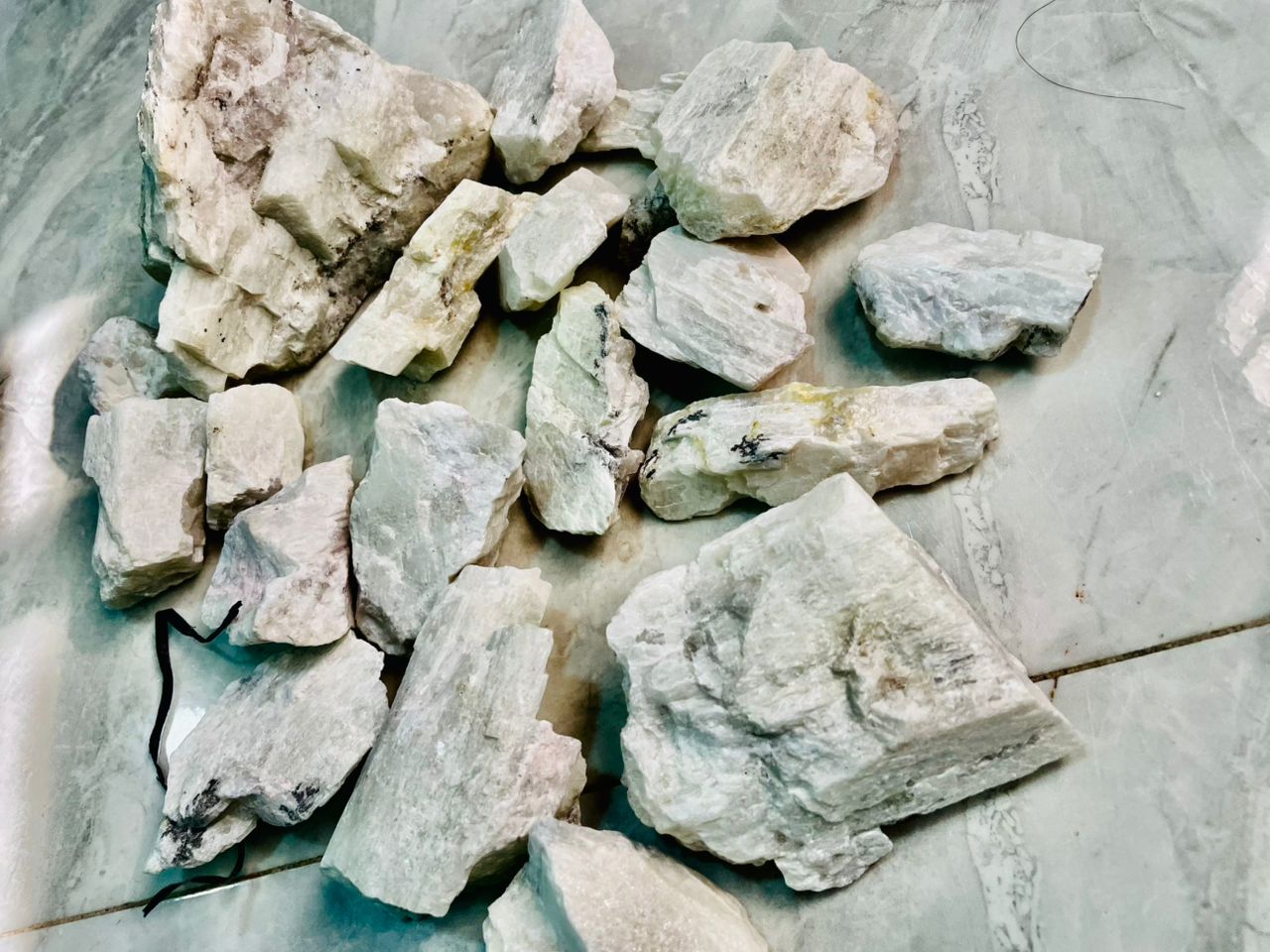
Bastnasite (chemical formula: RECO₃F — rare earth fluoro-carbonate) is the world’s most important commercial rare earth mineral. It is the host mineral of Mountain Pass (the USA’s sole significant REE producer), Bayan Obo (China’s dominant REE operation), and Mt Weld (Lynas Corporation’s Australian mine). The choice of bastnasite as the world’s primary REE ore mineral reflects its high TREO content, its relatively manageable flotation and hydrometallurgical processing characteristics, and the fact that it is predominantly a light REE mineral — strongly enriched in cerium, lanthanum, praseodymium, and neodymium.
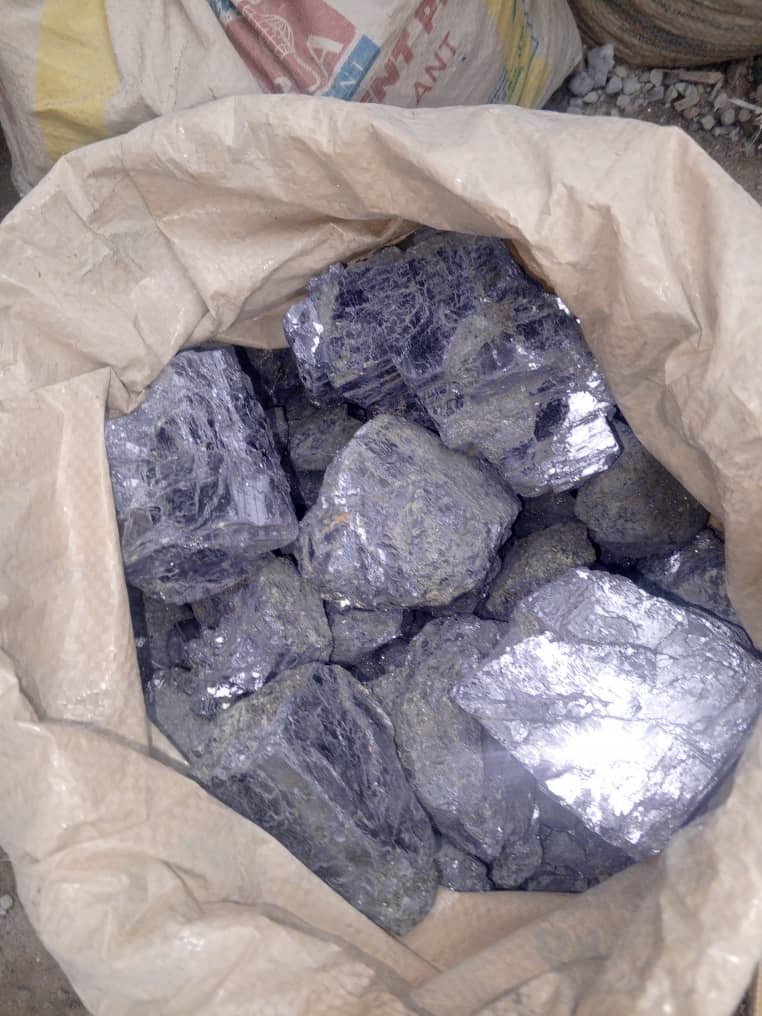
Nigerian bastnasite — produced by Tulay Africa and available for international export through Augustina Impex — represents one of West Africa’s most commercially significant rare earth occurrences. Tulay Africa, led by Managing Director Khafe Dirisu and headquartered at Victoria Island, Lagos, has characterised multiple deposit samples using ISO/IEC 17025 accredited laboratory analysis at Zirconex Mining and Metal Laboratory, Abuja. Laboratory reference numbers ZML047200726Bas-01, ZML047200726Bas-02, and ZML047200726Bas-03 (dated 20 July 2026) cover five pit samples: ALLUVIAL DEPOSIT 0038, NEW EXTRACTION POINT TP003, PIT OLD SM 33, U-NM260716-04 PAUL, and PIT SM01.
Producer: Tulay Africa (Victoria Island, Lagos) | MD: Khafe Dirisu (#, #)
Products: Bastnasite REE carbonate concentrate; Monazite; Fluorite Ore; Ilmenite; Lithium Ore
Assay Laboratory: Zirconex Mining and Metal Laboratory, Abuja (ISO/IEC 17025 accredited)
Sample Availability: DHL sample shipments completed to qualified buyers in China, India/Malaysia, New Zealand, Ukraine, South Korea, Vietnam, Japan, Poland. Samples shipped with assay certificates (CoA) attached.
Commercial Terms: EXW Nigeria / FCA Lagos | 100% advance T/T | SCO issued on receipt of buyer specifications | Inspection by CCIC/SGS/Bureau Veritas available
The key REE components in Nigerian bastnasite are the light rare earth oxides: cerium oxide (CeO₂), lanthanum oxide (La₂O₃), neodymium oxide (Nd₂O₃), and praseodymium oxide (Pr₆O₁₁). The NdPr fraction — the sum of neodymium and praseodymium — is the most economically significant component, as it is the direct feedstock for NdFeB permanent magnet manufacturing. Buyers engaged in or supplying the EV, wind energy, or industrial motor sectors should prioritise the NdPr fraction in their assay review of Nigerian bastnasite samples.
The processing pathway for bastnasite concentrate begins with mineral beneficiation (flotation to upgrade the bastnasite content from run-of-mine grade to concentrate grade), followed by hydrometallurgical leaching (sulphuric acid or hydrochloric acid leach to solubilise the REEs), solvent extraction (to separate individual REE elements from the mixed leach liquor), and finally precipitation of individual REE oxides or mixed rare earth carbonates. This processing chain — which requires specialised chemical plant infrastructure — is the reason that most REE ore from mines outside China is currently shipped as concentrate to Chinese processors. Building ex-China processing capacity is a priority under the EU CRMA and the US DOE Critical Materials Office programme.
Nigerian Monazite Sand: Low-Thorium REE Phosphate from the Jos Plateau
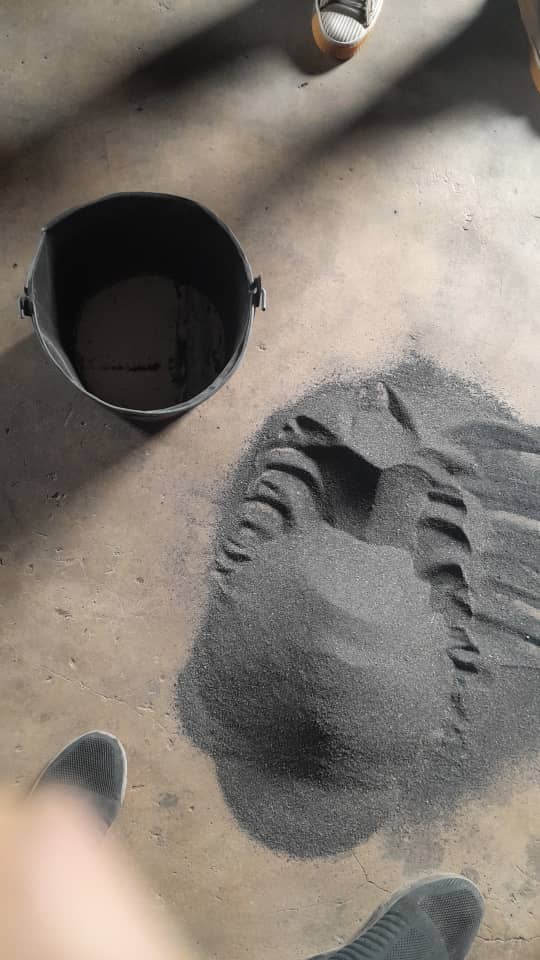
Monazite ((Ce,La,Nd,Th)PO₄) is the second major REE-bearing mineral in Nigeria’s deposit profile. A heavy phosphate mineral with a specific gravity of approximately 5.0–5.3, monazite is recovered from the Jos Plateau alluvial heavy mineral sands as a gravity and magnetic separation product during HMS processing. It co-occurs with cassiterite, zircon, ilmenite, and rutile in the same alluvial material — making it an efficient by-product recovery target for HMS operators.
Nigerian monazite carries a specification that is commercially unusual and strategically valuable: TREO 52.2%, NdPr 12.0%, and ThO₂ approximately 0.05%. Understanding why the ThO₂ figure matters requires brief explanation. Thorium is a naturally radioactive element (a “NORM” — naturally occurring radioactive material) that is present in most monazite deposits at concentrations of 3–8% ThO₂ or higher. This radioactivity triggers regulatory requirements for handling, transportation, storage, and processing — requirements that vary by jurisdiction but are generally burdensome and costly, particularly for EU importers subject to the EU Basic Safety Standards Directive (2013/59/Euratom).
At ~0.05% ThO₂, Nigerian monazite is at the extreme low end of the global monazite spectrum — approximately 60–100 times less thorium than typical Indian beach sand monazite (ThO₂ 8–10%), 30–40 times less than typical Australian monazite (ThO₂ 5–7%), and dramatically less than the West African monazite deposits of Sierra Leone or Senegal (ThO₂ 4–6%). This ultra-low thorium content is not merely a regulatory convenience — it is a fundamental commercial differentiator that makes Nigerian monazite accessible to processor markets that cannot handle high-thorium material under their regulatory frameworks, particularly in Europe.
| Parameter | Nigerian Monazite (Jos Plateau) | Typical Indian Monazite | Typical Australian Monazite |
|---|---|---|---|
| TREO Content | 52.2% | ~55–60% | ~55–65% |
| NdPr Fraction | 12.0% (of TREO) | ~15–18% | ~15–20% |
| ThO₂ Content | ~0.05% (ultra-low) | 8–10% (very high) | 5–7% (high) |
| NORM Classification | NORM — NNRA export permit required; handling significantly simplified vs high-Th grades | NORM — heavy regulatory burden globally | NORM — significant regulatory requirements |
| EU Import Feasibility | High — low ThO₂ simplifies EU Basic Safety Standards compliance | Very Low — EU thorium handling restrictions near-prohibitive | Low-Medium — significant compliance cost |
| Shipping Method (samples) | Specialist IATA DG air cargo (NORM); standard couriers cannot carry | Specialist IATA DG air cargo | Specialist IATA DG air cargo |
For buyers in Europe who are frustrated by the practical unavailability of Indian or Australian monazite due to thorium-related regulatory barriers, Nigerian monazite at ~0.05% ThO₂ represents the most accessible monazite feedstock globally from a regulatory burden perspective. Augustina Impex coordinates NNRA (Nigerian Nuclear and Radiological Regulatory Authority) export permitting for all monazite shipments and ensures that the specialist IATA dangerous goods documentation is correctly prepared for air cargo dispatch. Sample orders start from 10kg; commercial orders are available by arrangement.
Other REE-Bearing Minerals in Nigeria: Xenotime, Apatite, and Carbonatite-Associated Minerals
Xenotime (YPO₄) is a heavy yttrium phosphate mineral that concentrates in heavy mineral sand deposits alongside monazite, zircon, and cassiterite. While not yet commercially exploited at scale in Nigeria, xenotime may be present in small but recoverable quantities in the Jos Plateau HMS processing streams. Xenotime is particularly valuable as a source of heavy rare earth elements (HREE) — specifically yttrium, dysprosium, erbium, and ytterbium — that are absent or poorly represented in bastnasite and monazite. As the global search for HREE supply intensifies (heavy REEs are even more geographically concentrated than light REEs, with the majority of supply coming from Chinese ion adsorption clay deposits in Jiangxi and adjacent provinces), xenotime from Nigerian HMS operations may become a secondary commercial product of growing interest.
Apatite (Ca₅(PO₄)₃(OH,F,Cl)) is a phosphate mineral that commonly incorporates significant REE concentrations, particularly in carbonatite-hosted deposits. Nigerian carbonatite occurrences — the same geological systems that host bastnasite — often carry associated apatite with elevated REE content. While apatite-hosted REEs are not currently the primary commercial target in Nigerian deposits, the co-occurrence of REE-bearing apatite with bastnasite adds to the overall REE resource potential of the Nigerian carbonatite systems being evaluated by Tulay Africa and other producers.
The Global REE Market: Size, Pricing, and Future Projections
The global rare earth oxide market was valued at approximately USD 5–6 billion in 2024 and is projected to grow to USD 14–20 billion by 2035, driven by EV and wind energy demand. However, these headline figures mask dramatically different demand trajectories for different REEs — and it is the NdPr fraction that is attracting the most investment, most supply concern, and most market attention.
NdPr oxide pricing has been volatile — it peaked at approximately USD 160/kg in 2022 during the first major EV-driven demand surge, fell back to USD 60–70/kg in 2023–2024 as Chinese production expanded and EV growth temporarily slowed, and is widely forecast to recover and exceed previous highs as demand growth outpaces supply additions in the late 2020s. The price floor for NdPr — the point below which new projects cannot be economically developed — is generally estimated at USD 60–80/kg, while analysts’ mid-cycle price assumptions for project development economics are typically in the USD 90–130/kg range. Understanding this pricing cycle is essential for buyers evaluating long-term supply agreements for Nigerian bastnasite, where the commercial value of the mineral depends critically on NdPr content relative to TREO.
| REE Product | Indicative Price (2026) | 2030 Analyst Forecast | Price Driver |
|---|---|---|---|
| NdPr Oxide | USD 65–80/kg | USD 90–140/kg (consensus) | EV and wind turbine magnet demand |
| Cerium Oxide | USD 1.5–3.0/kg | USD 2–5/kg (modest growth) | Glass polishing; catalytic converters |
| Lanthanum Oxide | USD 1.5–2.5/kg | USD 2–4/kg | FCC catalysts; optical glass |
| Dysprosium Oxide | USD 270–320/kg | USD 350–500/kg (supply limited) | EV motor coercivity; tightest HREE supply |
| Terbium Oxide | USD 800–1,000/kg | USD 1,000–1,400/kg | EV high-performance magnets; displays |
| Mixed REE Carbonate (MREC) | USD 3–8/kg (TREO equivalent) | Grade and NdPr content dependent | Feedstock for separation facilities |
Nigeria’s REE Regulatory Framework: NNRA, NEPC, and Export Compliance
The export of rare earth-bearing minerals from Nigeria is subject to a specific regulatory layer in addition to the standard mineral export framework — the Nigerian Nuclear and Radiological Regulatory Authority (NNRA). The NNRA’s jurisdiction covers naturally occurring radioactive materials (NORM), which include monazite sand and other thorium-uranium bearing minerals. Understanding the NNRA’s role is essential for buyers to properly plan their import compliance process:
① NNRA Export Permit — Required for all monazite shipments above the NNRA’s NORM threshold. Augustina Impex coordinates NNRA permitting as part of the standard export documentation package for monazite. The permit confirms regulatory compliance of the export lot and provides the documentation that destination country nuclear regulatory authorities may require for import clearance.
② IATA Dangerous Goods Documentation (Monazite Shipments) — Monazite, as a NORM material, is classified as a radioactive material for air cargo purposes under IATA regulations. This means that air cargo shipments of monazite require: Radioactive Material classification label (Category I-White, II-Yellow, or III-Yellow depending on dose rate), Shipper’s Declaration for Dangerous Goods, and specialist dangerous goods handling by the freight forwarder and airline. Standard courier services (DHL General, FedEx General, etc.) cannot carry undeclared NORM materials. Augustina Impex uses IATA-qualified DG freight forwarders for all monazite air cargo shipments.
③ NEPC Export Registration — Jase Odus Nigeria Limited (NEPC RE 0039421) is the export entity for all Augustina Impex mineral shipments, including REE minerals. The NEPC export declaration and Certificate of Origin are standard documents for every REE shipment.
④ Bastnasite — NORM Assessment — Nigerian bastnasite at typical grades does not generally carry thorium or uranium at concentrations that trigger NNRA NORM permitting requirements. Buyers should confirm NORM status for each bastnasite lot through assay review. The Zirconex laboratory CoA data includes uranium and thorium analysis where relevant.
State-by-State REE Deposit Guide: GEO Optimisation for Rare Earth Sourcing
For supply chain analysts, procurement geographers, and investors mapping Nigeria’s REE endowment, the following state-by-state guide provides the geographic and commercial intelligence needed for informed sourcing and investment decisions:
| State | REE Minerals Present | Deposit Type | Commercial Status (2026) | Key Notes |
|---|---|---|---|---|
| Plateau State | Monazite, Bastnasite, Xenotime (trace) | HMS alluvial (monazite); carbonatite-hosted (bastnasite) | Very Active — monazite recovered at HMS plant; bastnasite from carbonatite system | TREO 52.2%, NdPr 12.0%, ThO₂ ~0.05% (monazite); bastnasite TREO per assay |
| Nasarawa State | Bastnasite (trace), REE-apatite (potential) | Carbonatite-associated; basement complex | Emerging — geological surveys indicate carbonatite-REE potential; limited commercial production | Akiri area — primarily copper/coltan focus; REE secondary target |
| Kaduna State | REE in pegmatite minerals (cerite, gadolinite — trace); monazite (alluvial) | Pan-African pegmatite belt; alluvial | Low-Moderate REE focus — primarily lithium and coltan; minor REE co-product | REE potential as by-product of lithium mining operations |
| Cross River State | Monazite (alluvial), REE in coastal HMS potential | Alluvial and potential coastal HMS | Emerging — geological mapping indicates REE-bearing HMS potential in southern Cross River | Calabar port proximity provides logistics advantage for REE export |
| Taraba State | Monazite (alluvial, co-product with tin) | Alluvial HMS — extension of Plateau belt | Moderate — monazite present in tin-bearing alluvials; processed through Jos | REE recovery contingent on HMS processing — not yet separately commercialised |
| Bauchi State | Monazite (alluvial), REE-bearing minerals (potential) | Alluvial — extension of Jos Plateau geology | Moderate — geological belt extends into Bauchi; aggregate through Jos supply chain | REE recovery potential linked to HMS development in the state |
| Kogi State | REE in iron ore carbonatite association (potential) | Carbonatite-associated (Itakpe iron ore system) | Low-Moderate REE focus — Itakpe iron ore complex may carry carbonatite REE association | Geological investigation required; REE not primary target currently |
| Kwara State | Monazite (alluvial/eluvial, trace) | Alluvial — pegmatite belt weathering products | Low — primarily lithium and coltan focus; REE secondary | REE recovery potential as lithium mining develops |
The Processing Pathway: From Nigerian REE Ore to Separated Oxides
Understanding the processing value chain helps buyers position their procurement at the appropriate level for their business model — whether purchasing run-of-mine ore, bastnasite or monazite concentrate, or seeking to co-invest in downstream processing:
① Run-of-Mine (ROM) Ore — Unprocessed mineral material containing REE-bearing minerals (bastnasite crystals in gangue rock, or monazite grains in alluvial sand) at relatively low grade. Commercially exported by weight; value tied to bastnasite or monazite content and TREO grade. Typically purchased by processors with their own beneficiation capacity.
② Mineral Concentrate — Bastnasite or monazite separated from gangue and upgraded by flotation (bastnasite) or gravity/magnetic/electrostatic separation (monazite from HMS). Substantially higher TREO content than ROM ore; ready for chemical processing. This is the primary commercial product from Nigerian operations and represents the optimal export product for Nigerian REE deposits at their current development stage.
③ Mixed Rare Earth Carbonate (MREC) / Mixed REE Oxide — Product of the first chemical processing stage: hydrometallurgical leaching and precipitation. A mixed product containing all the REE elements from the original ore in carbonate or oxide form, but not yet separated by individual element. MREC is an intermediate product that some Chinese and South Korean processors prefer to import for their own separation step.
④ Separated REE Oxides / Metals / Alloys — Individual REE elements in oxide, metal, or alloy form — NdPr oxide, cerium oxide, lanthanum oxide, etc. This is the highest value-added form but requires solvent extraction separation capacity. Currently produced almost entirely in China (with minor production at Lynas’ Malaysian facility and MP Materials’ Mountain Pass). Nigerian deposits are at the concentrate stage; buyers interested in downstream value-addition should discuss with Augustina Impex regarding co-investment in beneficiation and processing infrastructure.
Augustina Impex: Nigerian REE Supply Capability and Buyer Services
Bastnasite Supply: Through Tulay Africa (Lagos) — ISO/IEC 17025 assayed concentrate from multiple pit samples; DHL sample lots to qualified buyers; commercial lots by SPA; SCO issued on specification receipt.
Monazite Sand Supply: From Jos HMS plant (Eliezer Onah) — TREO 52.2%, NdPr 12.0%, ThO₂ ~0.05%; NNRA export permit; IATA DG air cargo for samples; commercial FCL lots by arrangement; Proforma Invoice available.
Documentation Package: For every REE shipment: Certificate of Origin (Nigeria); NEPC Declaration (Jase Odus Nigeria Limited, RE 0039421); NESS Certificate; NNRA Export Permit (monazite); CCIC/SGS/Bureau Veritas Inspection Certificate; ISO/IEC 17025 Laboratory Assay Certificate.
ESG Profile: Nigeria is not a CAHRA (conflict-affected and high-risk area). Nigerian REE minerals are DRC conflict-free per Dodd-Frank Section 1502 / EU CMR. CMRT completed on request. Civilian governance; NEPC-licensed export infrastructure.
Frequently Asked Questions: Nigerian Rare Earth Minerals
Nigerian bastnasite, like most bastnasite deposits globally, is predominantly a light rare earth mineral — strongly enriched in cerium, lanthanum, praseodymium, and neodymium (LREE). Heavy rare earth elements (Dy, Tb, Y, Er, Yb, Lu) are typically present in trace amounts in bastnasite systems. For HREE supply, xenotime (from HMS processing streams) or ion adsorption clay deposits are the more appropriate sources — though these are not currently commercially produced from Nigerian deposits. Buyers requiring significant HREE quantities alongside LREE should discuss multi-source strategies with Augustina Impex.
EU Member State nuclear regulatory authorities apply dose rate-based thresholds (derived from the EU Basic Safety Standards Directive 2013/59/Euratom) to NORM imports, rather than simple concentration thresholds. At ~0.05% ThO₂, Nigerian monazite falls well below the activity concentration thresholds at which most Member State regulatory frameworks trigger significant licensing or handling requirements — making it one of the most EU-accessible monazite products globally. Buyers should confirm specific import requirements with their national nuclear regulatory authority (e.g., ASN in France, BfS in Germany, ONR in UK) before planning large-volume imports. Augustina Impex can provide the NNRA permit and assay data needed for your import compliance assessment.
Yes — the technical pathway is well-established and used by the global REE industry, including Lynas Corporation (Malaysia/Australia), MP Materials (USA), and Vital Metals (Canada). Non-Chinese REE separation facilities in operation or development include Lynas’ Advanced Materials Plant (LAMP) in Malaysia, MP Materials’ Mountain Pass facility (California), Cyclic Materials (Canada), and the EU-supported REE4EU and EURARE project networks in Europe. Nigerian bastnasite concentrate, once beneficiated to an appropriate grade, can be processed at any of these facilities. The barrier is not technical — it is commercial: securing long-term offtake agreements and processing capacity allocation at ex-Chinese facilities at volumes that make the logistics economical. Augustina Impex welcomes discussions with ex-Chinese processors about long-term bastnasite supply agreements.
For bastnasite, sample lots start from 500g for laboratory assay reference samples, with larger representative samples (1–5kg) for independent assay work dispatched via DHL IATA-compliant service. For monazite, sample orders start from 10kg, dispatched via specialist IATA Dangerous Goods air cargo (NORM classification). Dispatch timeline is typically 5–10 business days from receipt of payment and export documentation clearance. Augustina Impex provides the complete Proforma Invoice, NNRA permit (monazite), packing list, and DHL tracking reference for all sample shipments.
Yes. The Nigerian government’s “Nigeria First” policy and the Federal Ministry of Mines and Steel Development’s value addition agenda actively encourage in-country beneficiation and processing of solid minerals. Investment in REE mineral concentration and processing facilities in Nigeria — potentially qualifying for fiscal incentives under the Nigerian Minerals and Mining Act — would be welcomed by both the federal government and Augustina Impex as a supply chain partner. International investors interested in Nigerian REE project development, processing joint ventures, or strategic supply partnerships are invited to initiate discussions with Augustina Impex. We can facilitate introductions to Tulay Africa (bastnasite production), the Jos HMS plant, and the relevant FMMSD officials to support investment-grade due diligence.
Bastnasite REE concentrate · Monazite Sand (TREO 52.2%, NdPr 12.0%, ThO₂ ~0.05%) — ISO/IEC 17025 assay · NNRA compliance · NEPC documentation · CCIC/SGS inspection
📧 augustinaimpex@gmail.com
📞 WhatsApp: +234 906 090 4274
Kolawole King is the Chief Executive Officer of Augustina Impex Limited (RC 750691), a NEPC-licensed Nigerian solid mineral export company headquartered in Jos, Plateau State. Kolawole specialises in connecting qualified international buyers with Nigeria’s rare earth, lithium, tin, and critical mineral resources — providing full export documentation, NNRA compliance support, and independent inspection coordination. Contact: augustinaimpex@gmail.com | WhatsApp: +234 906 090 4274 | www.augustinaimpex.com | Corporate Blog
Post a comment
Related Posts
Nigeria Lithium Mining: Production, Processing & Export
Nigeria Lithium Mining: Production, Processing and Export Opportunities By Kolawole King, CEO — Augustina Impex…
Nigeria Critical Minerals Guide: Lithium, Tin & Rare Earths
Critical Minerals in Nigeria: Complete Guide to Lithium, Tin, Tantalum, Niobium and Rare Earths By…
Conflict-Free Nigerian Tin Meets Global ESG Standards
Conflict-Free and Certified: How Nigerian Tin Meets Global ESG Standards By Kolawole King, CEO —…
Tin Concentrate from Nigeria: Complete Buyer’s Guide 2026
Tin Concentrate from Nigeria: Complete Buyer’s Guide 2026 By Kolawole King, CEO — Augustina Impex…