
Heavy Mineral Sands Processing in Jos, Plateau State: Products & Export Guide
By Kolawole King, CEO — Augustina Impex Limited | Published: August 2026 | 15 min read
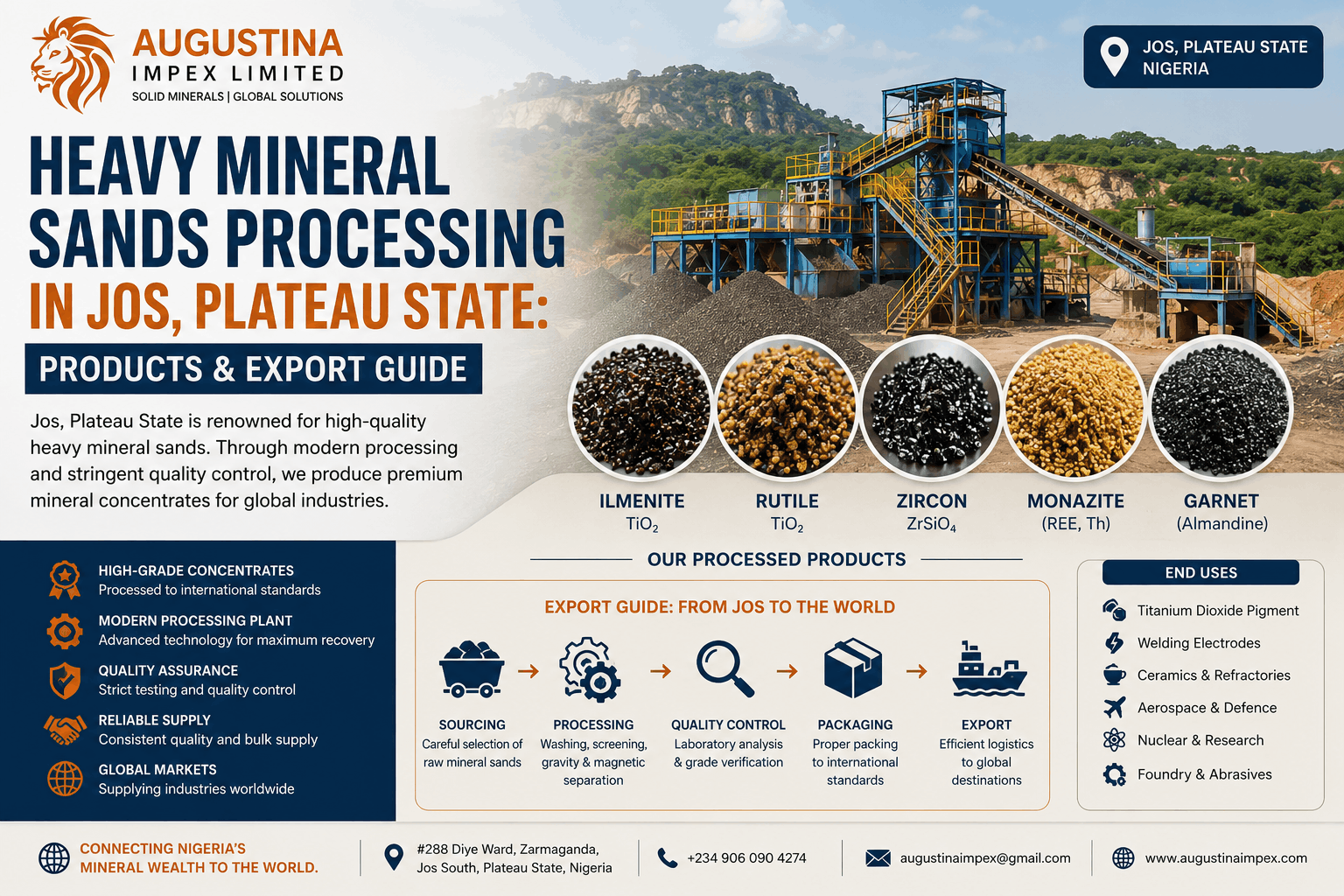
Jos, Plateau State is a name that resonates through the history of African mining. For over a century, this high, cool plateau in Nigeria’s north-central belt has been one of the continent’s most mineral-rich landscapes — first celebrated for tin, then for coltan, and now increasingly recognised as a centre for sophisticated heavy mineral sands (HMS) processing that turns raw alluvial deposits into a portfolio of precision-graded mineral concentrates destined for global industrial markets.
What sets Jos apart from other Nigerian mining regions is not just the diversity of its mineral endowment — though that is extraordinary — but the presence of an operational HMS processing plant that applies gravity separation, magnetic separation, and electrostatic separation technologies to produce export-grade concentrates of zircon sand, ilmenite, rutile, tin concentrate, coltan, monazite, and wolframite from a single mineral sand feed. This processing capability — rare in West Africa — is what transforms Jos from a source of raw ore into a source of precision mineral products that meet the quality specifications demanded by Chinese ceramics plants, European refractory manufacturers, Japanese rare earth processors, and global semiconductor supply chains.
Augustina Impex Limited, headquartered in Jos, maintains an operational partnership with this HMS processing facility and is the professional export intermediary that connects international buyers with the plant’s output. In this guide, we walk through the geology, the processing technology, the products, the export process, and everything an international buyer needs to know about sourcing HMS mineral concentrates from Jos, Plateau State, Nigeria.
What Are Heavy Mineral Sands? Formation, Geology, and Global Significance
Heavy mineral sands (HMS) are naturally occurring concentrations of economically valuable heavy minerals — predominantly zircon, ilmenite, rutile, leucoxene, monazite, and garnet — found in alluvial river terraces, coastal beach sand deposits, and ancient marine shoreline sequences. The term “heavy” refers to the elevated specific gravity of these minerals (typically 4.0–5.5 g/cm³) compared to the light quartz and feldspar gangue minerals (SG ~2.65) that constitute the bulk of ordinary sand deposits.
HMS deposits form through a process of physical weathering, erosion, and hydrodynamic sorting over geological timescales. As primary igneous and metamorphic rocks containing zircon, ilmenite, rutile, and associated minerals are weathered and eroded, the liberated mineral grains are transported by rivers and coastal currents. The natural sorting action of flowing water — which preferentially deposits denser, heavier particles in low-energy zones — concentrates the heavy minerals into discrete, commercially exploitable horizons within alluvial sequences and beach placers.
The global HMS industry produces approximately 7–8 million tonnes of total heavy mineral concentrate per year, with Australia, South Africa, Mozambique, Senegal, and China as the leading producers from coastal beach deposits. What makes the Jos Plateau story distinctive is that its HMS mineralisation occurs predominantly in alluvial river terrace deposits — the ancient floodplains and valley fills of the Plateau’s river systems — rather than coastal beach sands. This alluvial origin gives Jos HMS its characteristic mineral assemblage and, in many cases, a higher degree of natural liberation (physical separation of individual mineral grains) that simplifies processing and recovery.
The global HMS market is driven by three primary end-use segments: titanium mineral pigments (from ilmenite and rutile, via TiO₂ pigment plants that serve the coatings, plastics, and paper industries); zirconium chemicals and ceramics (from zircon, via opacifier plants and zirconia producers); and speciality metals (from monazite via rare earth processing, and from cassiterite via tin smelters). All three segments are classified as critical mineral supply chains by the EU, USA, Australia, and Japan — giving HMS-producing jurisdictions like Nigeria’s Plateau State a strategically important position in the global minerals architecture of 2026.
Why Jos Plateau? The Geology Behind Nigeria’s HMS Processing Hub
The Jos Plateau sits on one of the world’s most mineralogically diverse geological terrains — the Nigerian Precambrian Basement Complex, underlain by ancient granites, migmatites, schists, and gneisses that formed between 600 and 2,700 million years ago. This basement is cross-cut by a suite of younger granitic intrusions collectively known as the Younger Granites of Nigeria — a magmatic event dated to approximately 140–220 million years ago during the Jurassic to Early Cretaceous period. These Younger Granite bodies are the direct source of the Plateau’s extraordinary mineral wealth.
The Younger Granites of the Jos Plateau are anorogenic, alkaline, and tin-mineralised — a globally rare combination that produced large volumes of cassiterite (tin oxide, SnO₂), columbite-tantalite (coltan), wolframite (tungsten ore), and associated heavy accessory minerals including zircon, monazite, xenotime, and fluorite. As these mineralised granites weathered over tens of millions of years under the tropical conditions of West Africa, the liberated heavy minerals were concentrated in the river systems that drain the Plateau, forming the alluvial and eluvial HMS deposits that are the basis of today’s mining and processing operations.
The result is an HMS mineral assemblage that is genuinely unusual by global standards: Jos Plateau HMS carries a complex, multi-product mix that includes not only the standard zircon-ilmenite-rutile suite of coastal beach sand deposits, but also economically significant concentrations of cassiterite (tin), coltan, wolframite, and monazite in the same mineral sand feed. This multi-product character means that a single HMS processing campaign at the Jos plant can produce seven or more distinct marketable mineral concentrates simultaneously — multiplying the economic value per tonne of feed processed compared to a single-product beach sand operation.
Most global HMS operations recover 2–4 saleable mineral products from a single ore feed. The Jos Plateau alluvial HMS feed, processed through the Augustina Impex partner plant, can yield seven to nine distinct mineral products in a single processing campaign: zircon sand, ilmenite concentrate, rutile concentrate, cassiterite (tin concentrate), coltan/columbite, monazite, and wolframite — plus garnet as a potential by-product. This product diversity de-risks the economics of each tonne processed and gives buyers a single, trusted Nigerian supply source for multiple minerals in their procurement portfolio.
The HMS Processing Plant in Jos: Infrastructure, Technology, and Capacity
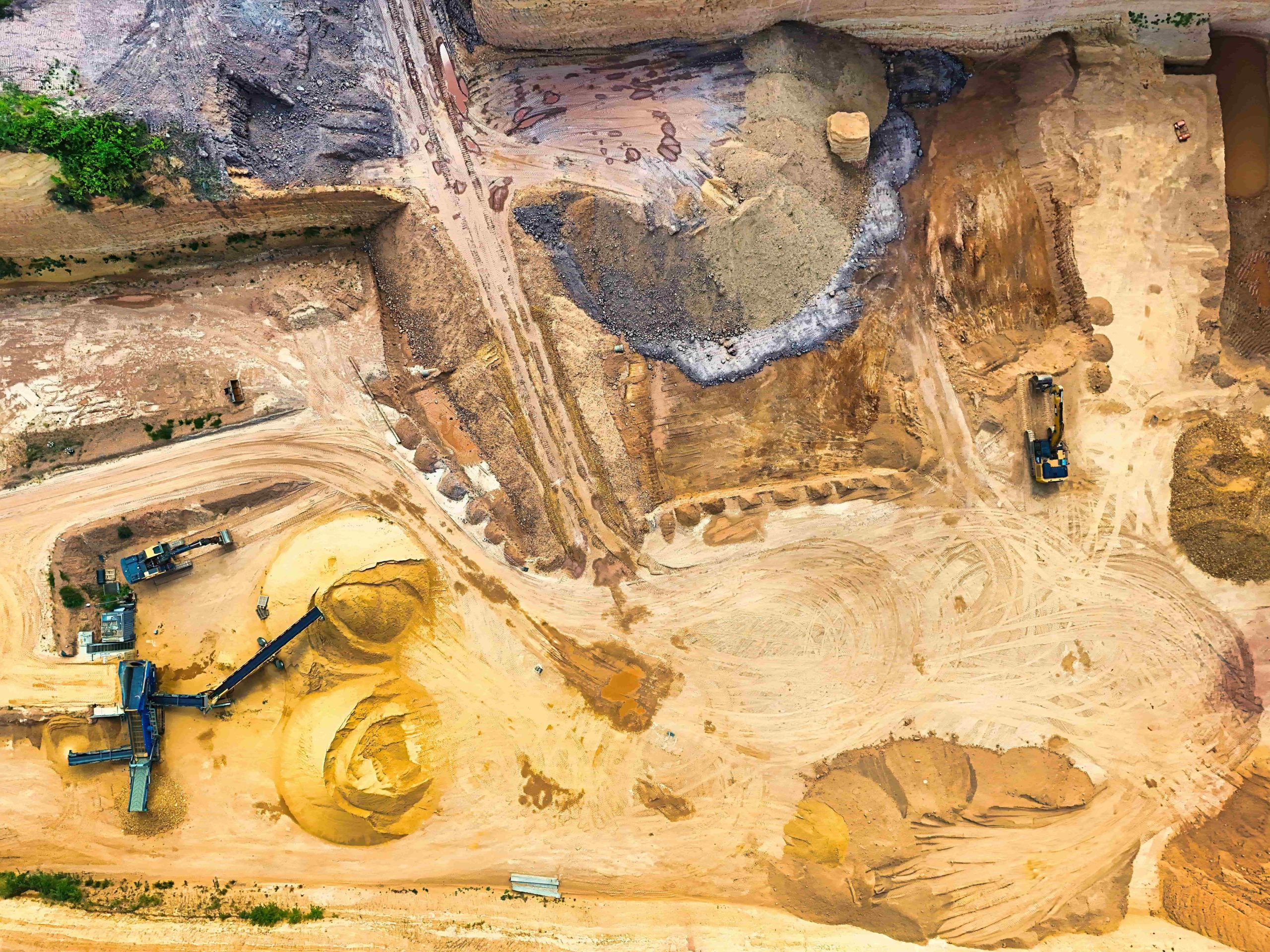
The HMS processing plant with which Augustina Impex maintains its operational partnership is located in Jos, Plateau State, and represents one of the most sophisticated mineral processing facilities in northern Nigeria. Managed by Eliezer Onah (Plant Representative, WhatsApp: #), the plant applies a four-stage physical separation circuit that mirrors the processing flowsheet used at world-class HMS operations in Australia and South Africa — adapted for the specific mineralogical characteristics of the Jos Plateau alluvial feed.
The plant processes both primary HMS feed sourced from the Plateau’s active mining and alluvial reworking operations, and toll processing feed — ore supplied by third-party mine owners who wish to have their heavy mineral sands processed to produce saleable concentrates without investing in their own processing infrastructure. Augustina Impex can coordinate toll processing arrangements for mine owners and aggregators across Plateau, Nasarawa, and surrounding states.
① Stage 1 — Feed Preparation and Wet Gravity Concentration
Raw alluvial HMS feed arrives at the plant as a mixed sand-gravel-heavy mineral material, typically with total heavy mineral (THM) content ranging from 5% to 30% of total feed weight depending on the richness of the deposit area. The feed is first screened to remove oversize gravel and organic material, then slurried with water and fed to a bank of spiral concentrators.
Spiral concentrators are helical troughs along which the mineral slurry flows under gravity. The specific gravity difference between heavy minerals (SG 4.0–5.5) and light quartz gangue (SG 2.65) causes the heavy minerals to settle to the inner, slower-moving portion of the spiral, while light quartz is swept to the outer edge and discharged as tailings. Multiple passes through rougher and cleaner spirals progressively upgrade the heavy mineral content of the concentrate, producing a heavy mineral concentrate (HMC) typically grading 85–98% total heavy minerals — the feedstock for the dry plant separation circuit.
② Stage 2 — Drying and Magnetic Separation
The wet HMC is dewatered and dried in a rotary dryer before entering the dry separation circuit. The first stage of dry separation uses magnetic separation — exploiting the difference in magnetic susceptibility between the constituent minerals of the HMC.
Rare Earth Drum (RED) magnetic separators at low field intensity remove highly magnetic minerals including magnetite and some highly-oxidised ilmenite first, protecting downstream equipment from overloading. The remaining material then passes through Wet High Intensity Magnetic Separators (WHIMS) — powerful electromagnets that at medium field intensity capture the weakly magnetic ilmenite fraction, leaving the non-magnetic fraction (zircon, rutile, leucoxene, monazite, cassiterite, coltan) to proceed to electrostatic separation. Additional passes at progressively higher magnetic intensities clean the ilmenite product and recover traces of magnetic minerals from the non-magnetic stream.
Cassiterite (tin) is weakly magnetic at high field intensities, while coltan (columbite-tantalite) shows variable magnetic behaviour depending on iron content — the magnetic separation stages are carefully tuned to the Jos Plateau feed characteristics to maximise individual product recoveries.
③ Stage 3 — Electrostatic Separation (High-Tension Roll)
The non-magnetic fraction — containing zircon, rutile, leucoxene, monazite, and residual cassiterite — is fed through High-Tension Roll (HTR) electrostatic separators. This technology exploits differences in the electrical conductivity of minerals. The feed is pre-heated to ensure surface moisture removal (critical for effective electrostatic performance), then passed over a rotating grounded drum electrode in the presence of a high-voltage ionising field.
Electrically conductive minerals (rutile, leucoxene, some cassiterite) receive a surface charge from the ionising electrode and are attracted to the grounded drum, being carried around and scraped off as the conductor fraction. Electrically non-conductive minerals (zircon, monazite, garnet) do not take a persistent charge and fall away from the drum under gravity as the non-conductor fraction. Multiple passes through HTR separators at different electrode voltages progressively clean each fraction to produce commercial-grade zircon, rutile, and monazite products.
④ Stage 4 — Final Product Cleaning, Sizing, and Packaging
Each primary mineral product stream — zircon, ilmenite, rutile, cassiterite, coltan, monazite — undergoes final cleaning through additional magnetic or electrostatic passes to meet commercial grade specifications, followed by dry screening to remove off-specification size fractions. Products are then dried to the moisture levels required by buyers and packaged in 50 kg woven polypropylene bags or one-tonne bulk bags (big bags/FIBC) as specified, with each production lot sampled and submitted to an independent assay laboratory for quality certification before export.
All HMS concentrates processed at the Jos plant and destined for export through Augustina Impex are submitted for independent assay at ISO/IEC 17025-accredited laboratories before shipment. Pre-shipment inspection by CCIC, SGS, or Bureau Veritas is coordinated at the loading point, providing buyers with independent quality verification — assay results, weight certification, and sampling certificates — before any payment is processed. This inspection infrastructure is one of the key differentiators between Augustina Impex and informal HMS aggregators in the Nigerian market.
HMS Products from Jos, Plateau State: Complete Specifications and Buyer Applications
The Jos HMS processing plant produces the following mineral concentrates for international export. Each product is described below with its chemical specification, principal industrial applications, and key buyer markets:
① Zircon Sand Concentrate — ZrO₂ 40%–66.5%
Zircon sand (ZrSiO₄) recovered from the Jos HMS processing circuit is the non-magnetic, non-conducting fraction separated through the WHIMS and HTR electrostatic stages. Nigerian zircon from the Jos Plateau alluvial deposits ranges from standard-grade material (ZrO₂ ~62–66%) to intermediate-grade material (ZrO₂ 40–62%), depending on the feed deposit and degree of processing. The primary end uses — ceramic tile opacification, refractories, foundry sand, and zirconium chemicals — make zircon one of the highest-value products from the Jos HMS circuit.
Key buyer markets include Chinese ceramic tile manufacturers in Foshan and Guangdong; Spanish and Italian tile producers in Castellón and Sassuolo; Indian refractory producers; and zirconia chemical processors in China and France. Augustina Impex supplies zircon sand in quantities from sample parcels (250 kg) for assay up to bulk container-load shipments, with CCIC/SGS pre-shipment inspection at Lagos or Onne Port.
② Ilmenite Concentrate — TiO₂ Per Specification
Ilmenite (FeTiO₃) is the magnetic fraction recovered through the WHIMS separation stage and is typically the highest-volume product from any HMS processing operation. Ilmenite is the primary feedstock for titanium dioxide (TiO₂) pigment production via the sulphate process — the white pigment that appears in paints, coatings, plastics, paper, and cosmetics globally. It is also the primary feedstock for synthetic rutile and titanium metal production.
The TiO₂ content of Jos Plateau ilmenite varies by deposit and processing efficiency — sulphate-process TiO₂ plants typically require ilmenite with TiO₂ content of 44–65%. Buyers confirm their required specification and Augustina Impex works with the Jos plant to target the appropriate magnetic separation parameters for that grade. Note: the global ilmenite market was subdued in 2024–2025 as Chinese TiO₂ plant capacity additions outpaced demand, but fundamentals are expected to improve through 2026 as environmental retrofitting and construction activity in Southeast Asia recovers.
③ Rutile Concentrate — TiO₂ 90%+
Rutile (TiO₂) is the conducting mineral fraction recovered through the HTR electrostatic separation stage, and is the highest-value titanium mineral product by unit price. Natural rutile with TiO₂ content above 90% commands a significant premium over ilmenite because it is a direct feedstock for the chloride process TiO₂ pigment route — which produces cleaner, brighter pigment with lower environmental impact — as well as for titanium metal production via the Kroll process and for titanium welding electrode coatings.
Jos Plateau rutile, recovered as a by-product of the HMS separation circuit, is available in both commercial rutile grade (TiO₂ 90%+) and mixed leucoxene-rutile grades. Key buyers include TiO₂ chloride process plants in the USA (Tronox, Chemours), EU (Kronos, Venator), and China; welding electrode manufacturers in Japan and South Korea; and titanium metal sponge producers in Kazakhstan and Japan. Rutile commands one of the highest per-tonne prices in the HMS product portfolio.
④ Cassiterite (Tin Concentrate) — Sn 60%+
Cassiterite (SnO₂) is historically the most famous product of the Jos Plateau mining district — Nigeria was the world’s largest tin producer in the early 20th century, and the Plateau’s tin fields powered the country’s first major export economy. Today, cassiterite recovered through the HMS circuit represents a revival of this historic production, with modern processing technology achieving much higher recovery rates and purer concentrates than the artisanal methods of the colonial era.
Cassiterite is a moderately heavy mineral (SG 6.8–7.1) that is partially recovered in the gravity concentration stage and further concentrated in the high-intensity magnetic separation and density separation stages of the dry circuit. Jos Plateau cassiterite with Sn content above 60% is export-ready for tin smelters in Malaysia (MSC), Indonesia (PT Timah), China, and Bolivia. At current tin prices (USD 28,000–35,000/MT metal), a 60% Sn concentrate calculates to a contained metal value of approximately USD 17,000–21,000/MT concentrate — making cassiterite one of the highest-value products from the Jos HMS circuit despite its relatively low volume compared to zircon or ilmenite.
⑤ Coltan / Columbite-Tantalite — Two Commercial Grades
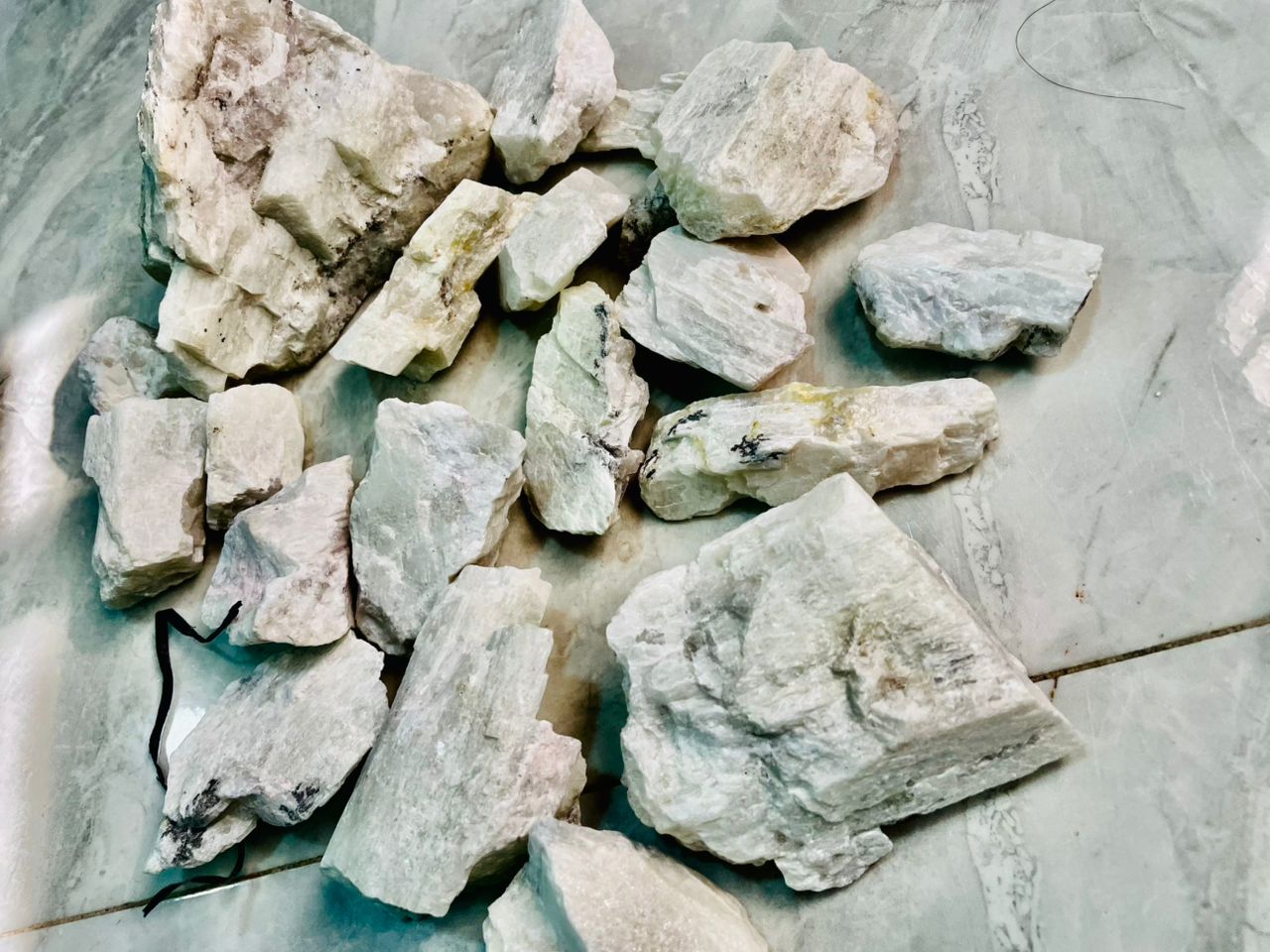
Coltan (the acronym for columbite-tantalite) is the technology metal concentrate that has driven renewed international attention to the Jos Plateau in the 21st century. Columbite (iron-manganese niobate) and tantalite (iron-manganese tantalate) form a continuous solid solution series — the columbite-tantalite mineral group — and are separated by their respective Nb:Ta ratios. The Jos Plateau is one of the world’s premier sources of high-niobium columbite, reflecting the niobium enrichment of the Younger Granite magmatic system.
Augustina Impex supplies two commercial coltan grades from the Jos Plateau, recovered through the HMS processing circuit and additional gravity-density separation stages: Grade 1 (30% total, Nb 27%, Ta 3%) at USD 27/kg FCA Lagos, and Grade 2 (38% total, Nb 35%, Ta 3%) at USD 44/kg FCA Lagos. Supply capacity is 60 MT per month across both grades. Pre-shipment inspection is conducted by Bureau Veritas or CCIC at Lekki Deep Sea Port, Lagos. Payment terms: 60% advance T/T after Supply and Purchase Agreement signing + 40% final payment against CCIC quality inspection report at Lagos port.
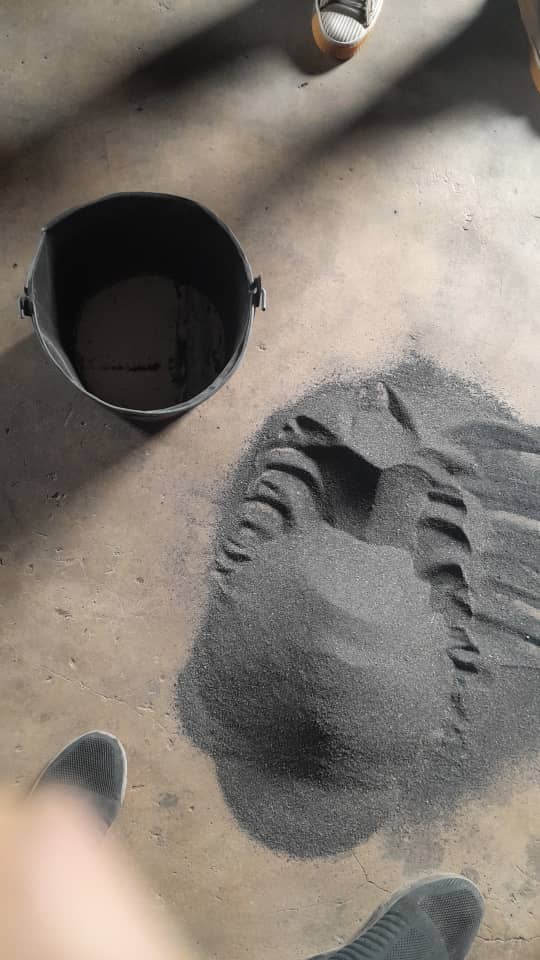
⑥ Monazite Sand — TREO 52.2%, NdPr 12.0%, Ultra-Low ThO₂
Monazite — a rare earth phosphate mineral with the general formula (REE,Th)PO₄ — is the non-conducting, non-magnetic heavy mineral recovered in the final stages of the Jos HMS electrostatic separation circuit. Jos Plateau monazite carries a verified total rare earth oxide (TREO) content of 52.2%, with neodymium-praseodymium oxide (NdPr) content of 12.0% and an exceptionally low thorium oxide (ThO₂) content of approximately 0.05% — a figure dramatically lower than the global monazite average of 3–8% ThO₂.
This ultra-low thorium characteristic is commercially significant. Thorium in monazite is classified as a naturally occurring radioactive material (NORM) and creates substantial radioactive waste handling and disposal challenges for processors in the EU, Japan, and USA. The ultra-low ThO₂ of Nigerian monazite dramatically reduces these challenges, potentially simplifying regulatory compliance under European FANC/NORM frameworks and making Nigerian monazite a more attractive feedstock for Western rare earth processing facilities seeking to establish non-Chinese REE supply chains.
Export of Nigerian monazite requires NNRA (Nigerian Nuclear and Radiological Regulatory Authority) licensing, given its NORM classification. Augustina Impex is experienced in coordinating NNRA compliance for monazite export shipments, including specialised IATA dangerous goods air freight arrangements. Sample parcels from 10 kg upward can be dispatched by DHL special courier for independent assay by prospective buyers.
⑦ Wolframite (Tungsten Ore) — WO₃ 30%–50%
Wolframite ((Fe,Mn)WO₄) — the primary ore mineral of tungsten — is a dense (SG 7.0–7.5), moderately magnetic mineral that is recovered from the Jos HMS circuit through a combination of gravity concentration and medium-intensity magnetic separation. Tungsten is a critical industrial metal used in hard metal (cemented carbide) cutting tools and drill bits, tungsten carbide wear parts, specialty steel alloys, electrical contacts, and filaments. China controls approximately 80% of global tungsten mine production, making non-Chinese tungsten supply increasingly strategically important for European and North American industrial tool manufacturers.
Jos Plateau wolframite with WO₃ grades of 30%–50% is available through Augustina Impex’s supply network. Key buyers include Chinese tungsten processors (despite domestic production dominance, China imports significant additional quantities); Japanese hard metal manufacturers (Sumitomo Electric, Kyocera); and European specialty steel and carbide producers in Germany, Austria, and Sweden. Wolframite is classified as a critical raw material by the EU and USA.
| Product | Grade / Specification | Separation Stage | Key Buyer Markets | Indicative Price Reference |
|---|---|---|---|---|
| Zircon Sand | ZrO₂ 40–66.5% | WHIMS non-mag → HTR non-conductor | China, India, Spain, Italy, Turkey | Per buyer inquiry — grade dependent |
| Ilmenite Concentrate | TiO₂ per specification | WHIMS magnetic fraction | China, India, SE Asia, Ukraine | Per buyer inquiry — TiO₂ basis |
| Rutile Concentrate | TiO₂ 90%+ | HTR conductor fraction | USA, EU, Japan, South Korea, China | Per buyer inquiry — premium vs ilmenite |
| Cassiterite (Tin Conc.) | Sn 60%+ | Spiral gravity + density separation | Malaysia, Indonesia, China, Bolivia | LME Tin price basis — Sn metal contained |
| Coltan — Grade 1 | 30% total (Nb 27%, Ta 3%) | Gravity + medium magnetic | China, Germany, USA, Japan | USD 27/kg FCA Lagos |
| Coltan — Grade 2 | 38% total (Nb 35%, Ta 3%) | Gravity + medium magnetic | China, Germany, USA, Japan | USD 44/kg FCA Lagos |
| Monazite Sand | TREO 52.2%, NdPr 12.0%, ThO₂ ~0.05% | HTR non-conductor (NORM-classified) | EU, Japan, USA (REE diversification) | Per buyer inquiry — NNRA licence required |
| Wolframite | WO₃ 30%–50% | Gravity + medium magnetic separation | China, Japan, Germany, Austria | Per buyer inquiry — AME/ITIA tungsten basis |
Toll Processing Service: Third-Party Ore Processing Through the Jos HMS Plant
One of the most distinctive and commercially valuable services offered through the Augustina Impex — Jos HMS plant partnership is toll processing for third-party ore owners. Many small and medium mining companies, artisanal mining cooperatives, and mine licence holders across Plateau, Nasarawa, Taraba, and surrounding states possess mineral sand deposits — alluvial HMS feed, coltan-bearing gravel, tin-bearing alluvials — but lack access to the physical separation plant infrastructure needed to convert their raw ore into saleable mineral concentrates.
The toll processing arrangement works as follows: the mine owner or aggregator delivers their raw HMS feed to the Jos plant in agreed quantities. The plant processes the feed through the full gravity-magnetic-electrostatic separation circuit and returns the resulting mineral product streams to the ore owner — minus a processing fee agreed on a per-tonne-of-feed or per-tonne-of-product basis. The ore owner then owns the resulting concentrates (zircon, ilmenite, rutile, cassiterite, coltan, etc.) and can sell them independently or engage Augustina Impex to handle the export process on their behalf.
Toll processing is available for: licensed mine owners with alluvial HMS deposits who lack beneficiation infrastructure; artisanal and small-scale mining (ASM) cooperatives seeking to upgrade their raw mineral value before sale; international buyers who have identified a deposit and wish to understand the recoverable products before committing to development investment; and aggregators holding bulk mixed mineral sand stockpiles. To enquire about toll processing arrangements, contact Augustina Impex directly — we will facilitate the initial discussion with the plant management team.
Export Process: From Jos HMS Plant to International Port
Understanding the logistics chain from the Jos HMS plant to the buyer’s port of destination is critical for international buyers planning Nigerian HMS concentrate purchases. Here is the standard export workflow:
① Processing and Quality Control at Jos Plant — Concentrate is produced, sampled, and submitted to the independent assay laboratory. The assay report confirms grade, moisture, and specification compliance against the buyer’s purchase contract requirements.
② Bagging and Weighing — Product is packed in 50 kg woven PP bags or 1MT bulk bags per buyer specification, stacked on pallets where required, and weighed at a certified weighbridge for invoice quantity confirmation.
③ Inland Transport to Lagos or Onne Port — Road transport from Jos to Lagos (approximately 700 km, 8–12 hours) or Onne Port near Port Harcourt (approximately 850 km). Augustina Impex works with established road freight forwarders for this movement. Container stuffing at a Lagos or Onne container freight station (CFS) or direct at port.
④ Pre-Shipment Inspection at Port — CCIC, SGS, or Bureau Veritas conducts physical sampling and inspection at the loading point. Inspection covers: grade verification (assay), quantity (weight), packaging condition, and container load factor. Inspection certificate is issued to both buyer and seller.
⑤ Export Documentation — Augustina Impex/Jase Odus Nigeria Limited prepares and files: Commercial Invoice, Packing List, Bill of Lading (B/L), Certificate of Origin (COO), NESS Certificate, NEPC Export Declaration, SGS/CCIC Inspection Certificate, and any mineral-specific regulatory documents (e.g. NNRA licence for monazite).
⑥ Shipping and Delivery — Container(s) loaded at Lagos (Apapa or Lekki Deep Sea Port) or Onne Port. Vessel booking confirmed with buyer’s nominated freight forwarder or Augustina Impex’s shipping agent. Full shipping document package transmitted to buyer within 24–48 hours of vessel departure.
HMS Geography in Nigeria: State-by-State Guide to Heavy Mineral Sand Deposits
While Jos, Plateau State, is the operational centre of Nigeria’s HMS processing industry, heavy mineral sand deposits occur across multiple states, each with different mineral assemblages, production maturity levels, and logistics characteristics. The following state-by-state guide summarises Nigeria’s HMS geography for international buyers seeking to understand the supply landscape:
| State | HMS Deposit Type | Key HMS Minerals | Processing Maturity | Export Status |
|---|---|---|---|---|
| Plateau State | Alluvial river terrace; eluvial granite weathering | Zircon, Ilmenite, Rutile, Cassiterite, Coltan, Monazite, Wolframite | High — operational HMS plant with full 4-stage separation circuit | Active — Augustina Impex export partnership operational |
| Nasarawa State | Alluvial; basement complex fluvial deposits | Cassiterite, Coltan, Zircon, Wolframite | Medium — toll processing to Jos plant; some on-site sluicing | Active — feeds Jos HMS plant via aggregation |
| Taraba State | Alluvial; river valley placer deposits | Cassiterite, Coltan, Gold, minor Zircon | Low-Medium — artisanal gravity recovery; toll processing potential | Emerging — logistics to Jos required for full processing |
| Bauchi State | Alluvial; extension of Jos Plateau tin fields | Cassiterite, Coltan, Zircon | Low-Medium — artisanal mining active; no fixed HMS plant | Active supply via Jos processing hub |
| Cross River State | Coastal beach sands; riverine placer deposits | Zircon, Ilmenite, Rutile, Monazite, Garnet | Early stage — exploration ongoing; no fixed HMS plant operational | Prospective — Calabar Port provides export access |
| Ondo State | Coastal beach sand HMS; Atlantic shoreline | Zircon, Ilmenite, Rutile, Monazite, Garnet | Exploration — geological surveys completed; significant prospective resource | Prospective — potential for large-scale coastal HMS operation |
| Delta State | Niger Delta alluvial and coastal HMS | Zircon, Ilmenite, minor Rutile | Largely unexplored for HMS — oil sector dominance | Prospective — Warri Port provides potential export access |
| Kaduna State | Pegmatite-associated eluvial and alluvial HMS | Zircon, Coltan, minor Cassiterite, Feldspar | Low-Medium — artisanal coltan and zircon recovery active | Active supply via aggregation to Jos plant |
| Adamawa State | Alluvial placer — basement complex | Cassiterite, Coltan, minor Zircon | Low — remote logistics; artisanal mining active in Guyuk and Shelleng LGAs | Emerging — material transported to Jos for processing |
The convergence of Nigeria’s northern HMS alluvial production (Plateau, Nasarawa, Bauchi, Taraba, Kaduna, Adamawa) through the Jos processing hub — combined with the emerging potential of the southern coastal HMS belt (Cross River, Ondo, Delta) — points toward a long-term trajectory in which Nigeria develops into a multi-basin, multi-product HMS supply centre of genuine global significance. Augustina Impex is positioned at the centre of this development, as both a current active exporter from the Jos processing hub and a facilitator for buyers interested in the emerging coastal HMS opportunity.
Augustina Impex: Your Export Partner for Jos HMS Mineral Concentrates
Augustina Impex Limited (RC 750691) is a NEPC-registered Nigerian solid mineral export company headquartered in Jos, Plateau State. We maintain an operational partnership with the Jos HMS processing plant (managed by Eliezer Onah, +234 706 341 9668) and serve as the professional export intermediary for the plant’s mineral concentrate output. Our export entity is Jase Odus Nigeria Limited (RC 2022462, NEPC RE 0039421 — valid July 2027). Pre-shipment inspection is coordinated with CCIC, SGS, or Bureau Veritas. Products available: Zircon Sand (ZrO₂ 40–66.5%), Ilmenite, Rutile (TiO₂ 90%+), Cassiterite (Sn 60%+), Coltan Grade 1 & 2, Monazite Sand (NNRA-compliant), Wolframite (WO₃ 30–50%).
Working with Augustina Impex as your Nigerian HMS concentrate supplier means you have a single, accountable export partner for multiple mineral products — rather than managing separate counterparties for each concentrate type. We coordinate everything from sample procurement and independent assay through to NESS certification, port logistics, and shipping documentation. Our standard commercial terms are EXW (Ex-Works, Jos) or FCA (Free Carrier, Lagos/Onne Port), with 100% advance T/T as the default payment structure for new buyer relationships.
For buyers interested in the toll processing service — either to process their own Nigerian mineral assets through the Jos plant, or to assess the recoverable products from a new deposit before committing development capital — we facilitate the complete arrangement: toll agreement with plant management, logistics from deposit to plant, processing campaign management, product sampling and assay, and export of resulting concentrates. This makes the Jos HMS plant accessible to international buyers as both a product supplier and a processing service provider — a dual capability that is unique in the Nigerian mineral sector.
Frequently Asked Questions: HMS Processing and Export from Jos, Nigeria
Sample parcels start from 250–500 kg for most products (zircon, ilmenite, rutile, cassiterite, coltan, wolframite), suitable for independent assay and quality confirmation before bulk purchase commitment. Monazite samples can be shipped from 10 kg by DHL special courier due to the NORM classification and specialist air freight requirements. Bulk commercial orders are typically structured by the 20-foot container (approximately 18–22 MT depending on product density and packing) or by the tonne for higher-value products like coltan and cassiterite.
For products currently in stock at the Jos plant or in the export pipeline: sample shipments can be dispatched within 7–14 days of inquiry and commercial confirmation. Bulk first shipments typically take 4–8 weeks from the receipt of a purchase order, covering: production/aggregation at the plant (1–3 weeks depending on volume), assay (1 week), inland transport and export documentation (1–2 weeks), and port loading (3–7 days). For ongoing supply relationships, lead times reduce significantly as the pipeline is established and stock is maintained.
Each commercial shipment from the Jos HMS processing chain comes with: (1) Independent assay certificate from an ISO/IEC 17025-accredited laboratory covering all relevant elemental grades, moisture, and sizing; (2) CCIC/SGS/Bureau Veritas pre-shipment inspection certificate covering quantity (weight), quality (grade), and packaging condition; (3) NESS (Nigerian Export Supervision Scheme) certificate; (4) NEPC export declaration; (5) Certificate of Origin; (6) Commercial invoice and packing list from Jase Odus Nigeria Limited; (7) NNRA licence and special dangerous goods documentation for monazite shipments.
Yes, within the limits of the feed deposit mineralogy. The plant’s magnetic separation stages can be tuned to different field intensity settings to adjust the cut between magnetic ilmenite and non-magnetic zircon/rutile fractions, allowing some customisation of ilmenite TiO₂ grade and zircon recovery. Electrostatic separation parameters can similarly be adjusted to influence the rutile-zircon separation efficiency. Buyers with specific impurity limits — for example, refractory-grade zircon requiring Fe₂O₃ below 0.1% — can discuss processing parameter optimisation with the plant management team through Augustina Impex.
Yes. Augustina Impex welcomes site visits from qualified international buyers wishing to inspect the processing plant, review the feed deposit areas, and meet the plant management team. Site visits can be arranged through coordination with Eliezer Onah (plant representative) and Kolawole King (CEO, Augustina Impex). Jos is served by direct flights from Lagos (Murtala Muhammed International Airport) and Abuja (Nnamdi Azikiwe International Airport) on domestic carriers, making it readily accessible for international buyers transiting through Lagos or Abuja.
Zircon Sand · Ilmenite · Rutile · Cassiterite · Coltan · Monazite · Wolframite — all independently assayed, CCIC/SGS inspected, NEPC-documented, and export-ready from Nigeria’s premier HMS processing hub.
📧 augustinaimpex@gmail.com
📞 WhatsApp: +234 906 090 4274
Kolawole King is the Chief Executive Officer of Augustina Impex Limited (RC 750691), a NEPC-licensed Nigerian solid mineral export company headquartered in Jos, Plateau State — at the heart of Nigeria’s HMS processing industry. Kolawole manages the operational export partnership with the Jos HMS processing plant and leads a multi-state mineral supply network serving international buyers across Asia, Europe, and the Middle East. For HMS concentrate inquiries, toll processing arrangements, or site visit requests: augustinaimpex@gmail.com | WhatsApp: +234 906 090 4274 | www.augustinaimpex.com | Corporate Blog
-
Previous Post
Nigeria Solid Minerals 2026: Opportunities for Buyers
Post a comment
Related Posts
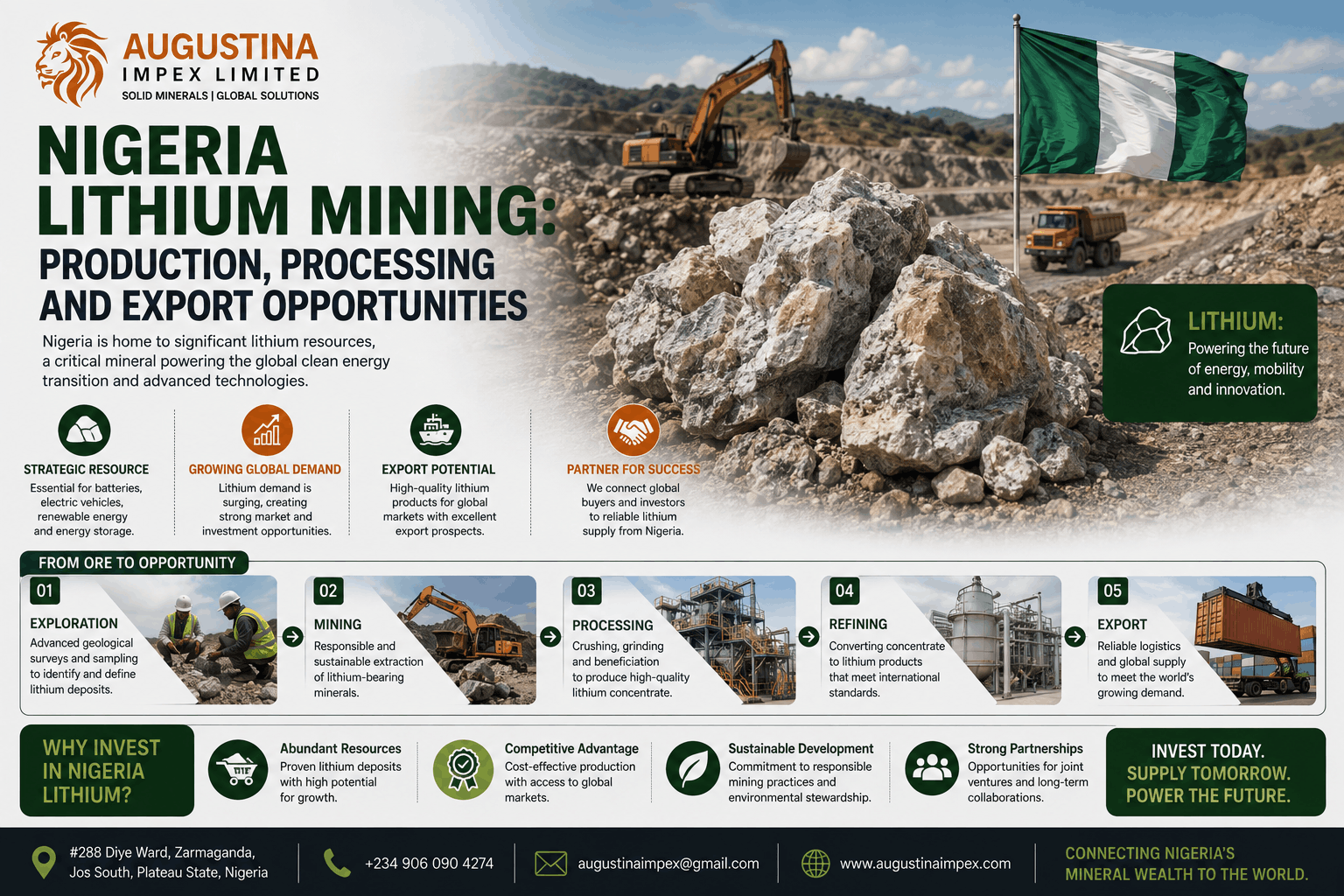
Nigeria Lithium Mining: Production, Processing & Export
Nigeria Lithium Mining: Production, Processing and Export Opportunities By Kolawole King, CEO — Augustina Impex…
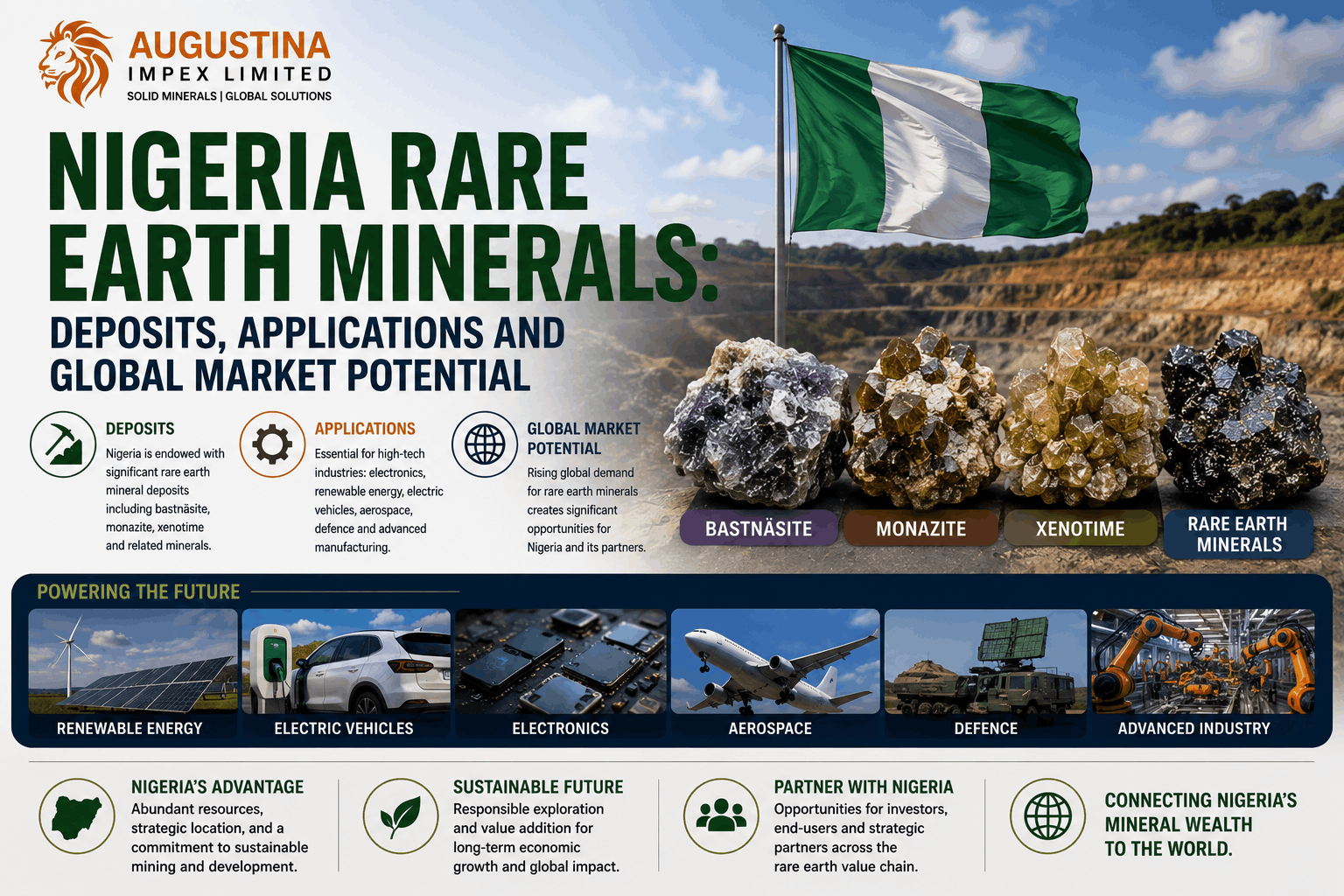
Nigeria Rare Earth Minerals: Deposits & Market Potential
Nigeria Rare Earth Minerals: Deposits, Applications and Global Market Potential By Kolawole King, CEO —…
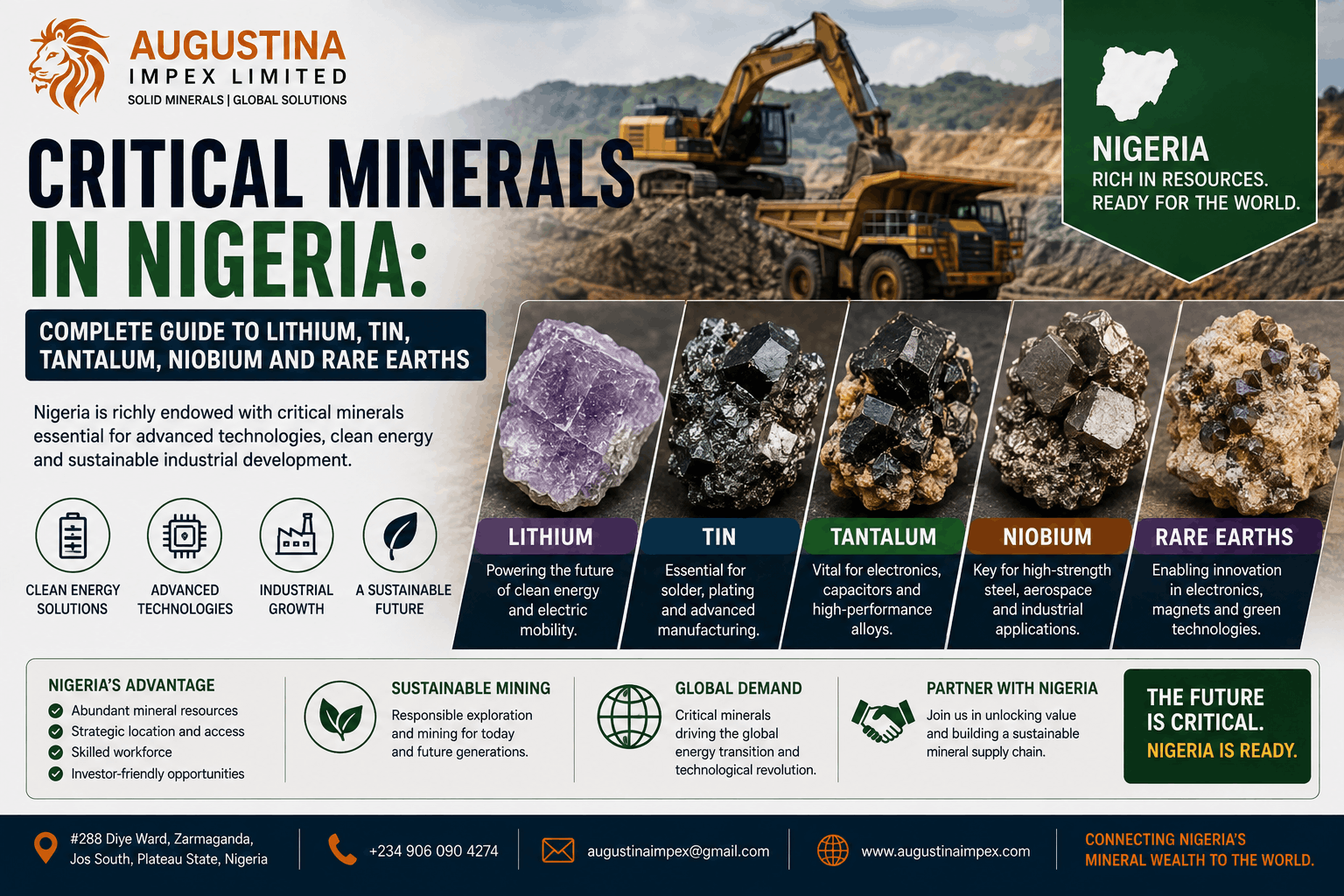
Nigeria Critical Minerals Guide: Lithium, Tin & Rare Earths
Critical Minerals in Nigeria: Complete Guide to Lithium, Tin, Tantalum, Niobium and Rare Earths By…
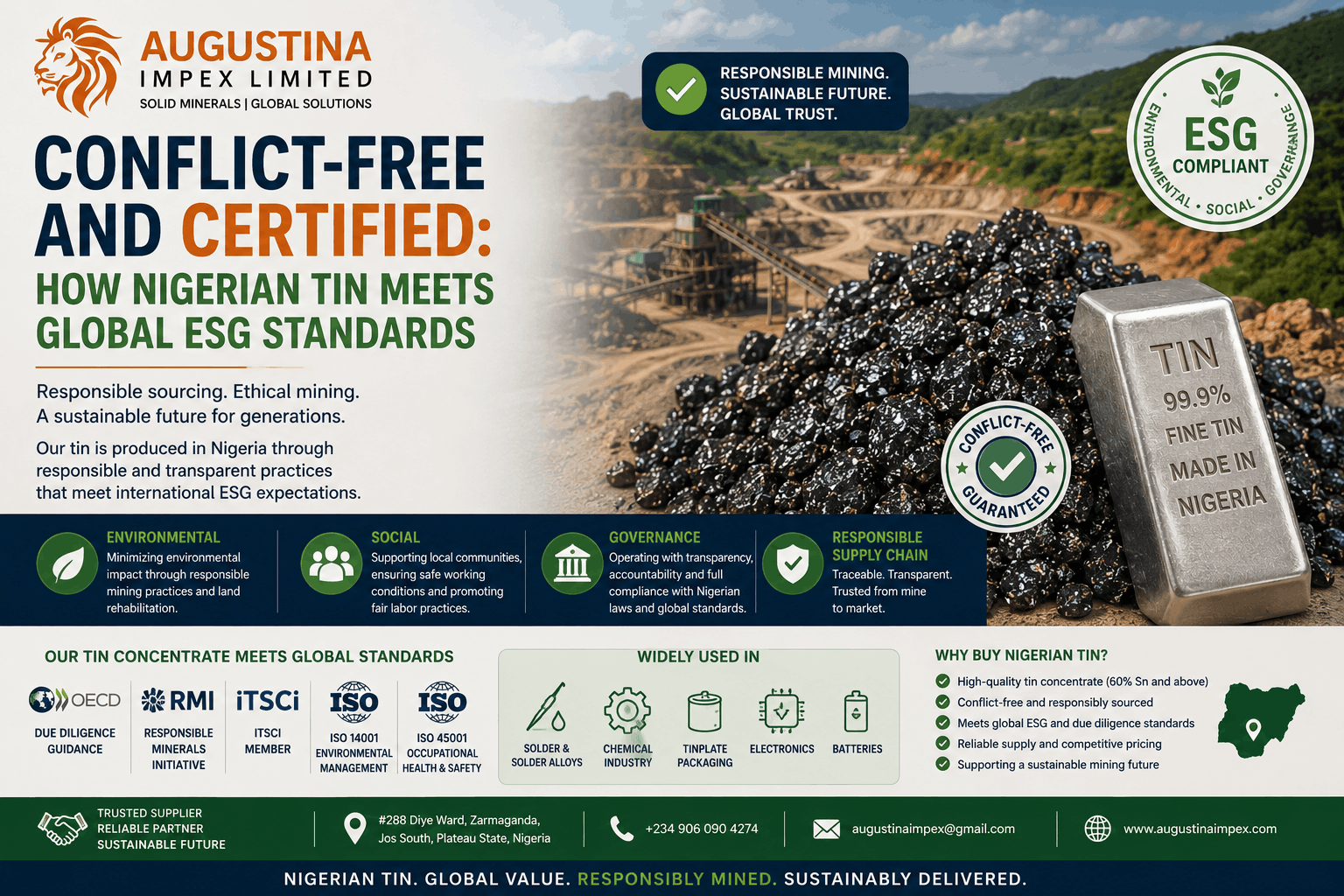
Conflict-Free Nigerian Tin Meets Global ESG Standards
Conflict-Free and Certified: How Nigerian Tin Meets Global ESG Standards By Kolawole King, CEO —…