
If you are searching for a verified Nigerian Monazite Sand supplier, you have arrived at the right place. Augustina Impex Limited is a fully registered and licensed solid minerals export company headquartered in Jos, Plateau State, Nigeria — the historic heartland of Nigeria’s mining industry — and we are among the very few Nigerian companies with a fully operational Monazite Sand supply chain backed by ISO/IEC 17025-accredited laboratory certification, Nigerian Nuclear and Radiological Regulatory Authority (NNRA) compliance documentation, and a proven track record of supplying international buyers across Europe, Asia, and the Middle East.
Monazite Sand is one of the most commercially significant rare earth minerals in the world today. As global demand for Neodymium-Praseodymium (NdPr) oxide — the critical ingredient in high-performance permanent magnets used in electric vehicle motors, wind turbines, and defence systems — continues to accelerate, the international rare earth supply chain is under enormous pressure to diversify away from concentrated, single-country sources. Nigerian Monazite Sand, with its exceptional Total Rare Earth Oxide (TREO) grade, ultra-low thorium content, reagent-free mechanical processing, and conflict-free provenance, is uniquely positioned to meet this critical global need. This article tells you everything you need to know about Nigerian Monazite Sand, our supply capability, verified product specifications, regulatory compliance framework, and how to initiate a commercial relationship with Augustina Impex Limited today.
What Is Monazite Sand? A Complete Scientific Overview
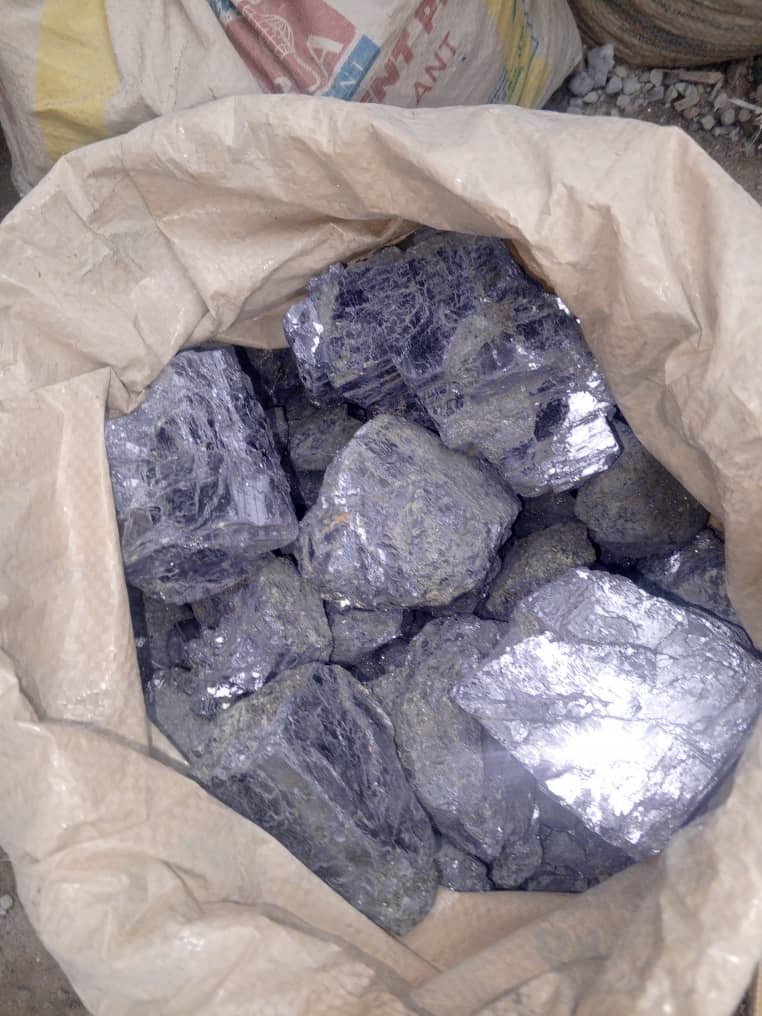
Monazite is a rare earth phosphate mineral belonging to the monoclinic crystal system. Its general chemical formula is (Ce, La, Nd, Pr, Th)PO4 — a complex phosphate mineral that incorporates a range of valuable rare earth elements, principally Cerium (Ce), Lanthanum (La), Neodymium (Nd), and Praseodymium (Pr), along with variable concentrations of Thorium dioxide (ThO2) and, in some geological formations, trace amounts of Uranium oxide (UO2). The mineral is characterised by its distinctive reddish-brown to honey-yellow colouration, a high specific gravity of 4.9 to 5.4 grams per cubic centimetre, and exceptional resistance to both chemical weathering and physical erosion — properties that cause it to concentrate naturally in alluvial and coastal heavy mineral sand (HMS) placer deposits over geological timescales.
Monazite occurs alongside other commercially important heavy minerals including Ilmenite (the primary source of titanium dioxide), Rutile (high-purity TiO2), Zircon (a source of zirconium and hafnium), Xenotime (yttrium phosphate), and various garnet and sillimanite group minerals. These co-occurring mineral assemblages are collectively known as Heavy Mineral Sands (HMS) — one of the most economically important mineral deposit types in the world, with significant concentrations found across Australia, India, South Africa, Mozambique, Sri Lanka, Brazil, Vietnam, and, critically, Nigeria.
From a commercial and industrial perspective, it is the Neodymium (Nd) and Praseodymium (Pr) content of Monazite that commands the greatest market attention and price premium. NdPr oxide is the essential raw material input for the manufacture of Neodymium-Iron-Boron (NdFeB) permanent magnets — the most powerful class of permanent magnets ever produced, and the enabling technology behind an extraordinary range of modern industries. Every electric vehicle on the road contains NdFeB magnets in its traction motor. Every direct-drive offshore wind turbine contains NdFeB magnets in its generator. Military guidance systems, robotics, medical imaging equipment, computer hard drives, industrial servo motors, and consumer electronics all rely on these magnets — and all trace their rare earth supply back to minerals like Monazite Sand.
The Global Demand for Monazite Sand — Why It Has Never Been Higher
The global rare earth market is undergoing a structural transformation of historic proportions. Driven by the simultaneous acceleration of electric vehicle adoption, offshore wind energy deployment, and advanced defence system procurement across the United States, European Union, United Kingdom, Japan, South Korea, India, and Australia, demand for NdPr oxide is growing rapidly — and significantly outpacing existing supply capacity outside of China.
China currently produces approximately 60% of the world’s total rare earth output and refines an even higher proportion of global supply into commercially usable oxides, metals, alloys, and magnets. This concentration of supply in a single jurisdiction — combined with a demonstrated willingness to use rare earth export controls as a geopolitical instrument — has created an urgent international policy imperative to develop diversified, reliable, and geopolitically secure rare earth supply chains. Nigerian Monazite Sand supply is a direct and credible answer to that imperative.
Governments across the developed world have formally classified Rare Earth Elements (REEs) as critical minerals, triggering legislative action, strategic stockpiling initiatives, and significant public and private investment in supply chain diversification. The United States Inflation Reduction Act (IRA), the European Union Critical Raw Materials Act (CRMA), Japan’s Critical Minerals Strategy, and Australia’s Critical Minerals Strategy all specifically target the development of non-Chinese rare earth supply chains. Nigerian Monazite Sand, sourced from a democratic, English-speaking, commercially open country with established export infrastructure, fits precisely into this strategic framework.
Monazite Sand Occurrence in Nigeria — Geology, Distribution, and Production
Nigeria’s Monazite Sand resources are found primarily within the country’s extensive Heavy Mineral Sands (HMS) deposits, which occur across a wide geographical spread spanning Plateau State, Nasarawa State, Taraba State, Zamfara State, Cross River State, and several other states in both the North-Central and South-South geopolitical zones. The geological genesis of these deposits is directly linked to Nigeria’s Precambrian basement geology — a crystalline basement complex of gneisses, schists, and migmatites that hosts extensive granitic intrusions, including the distinctive Younger Granites of the Jos Plateau.
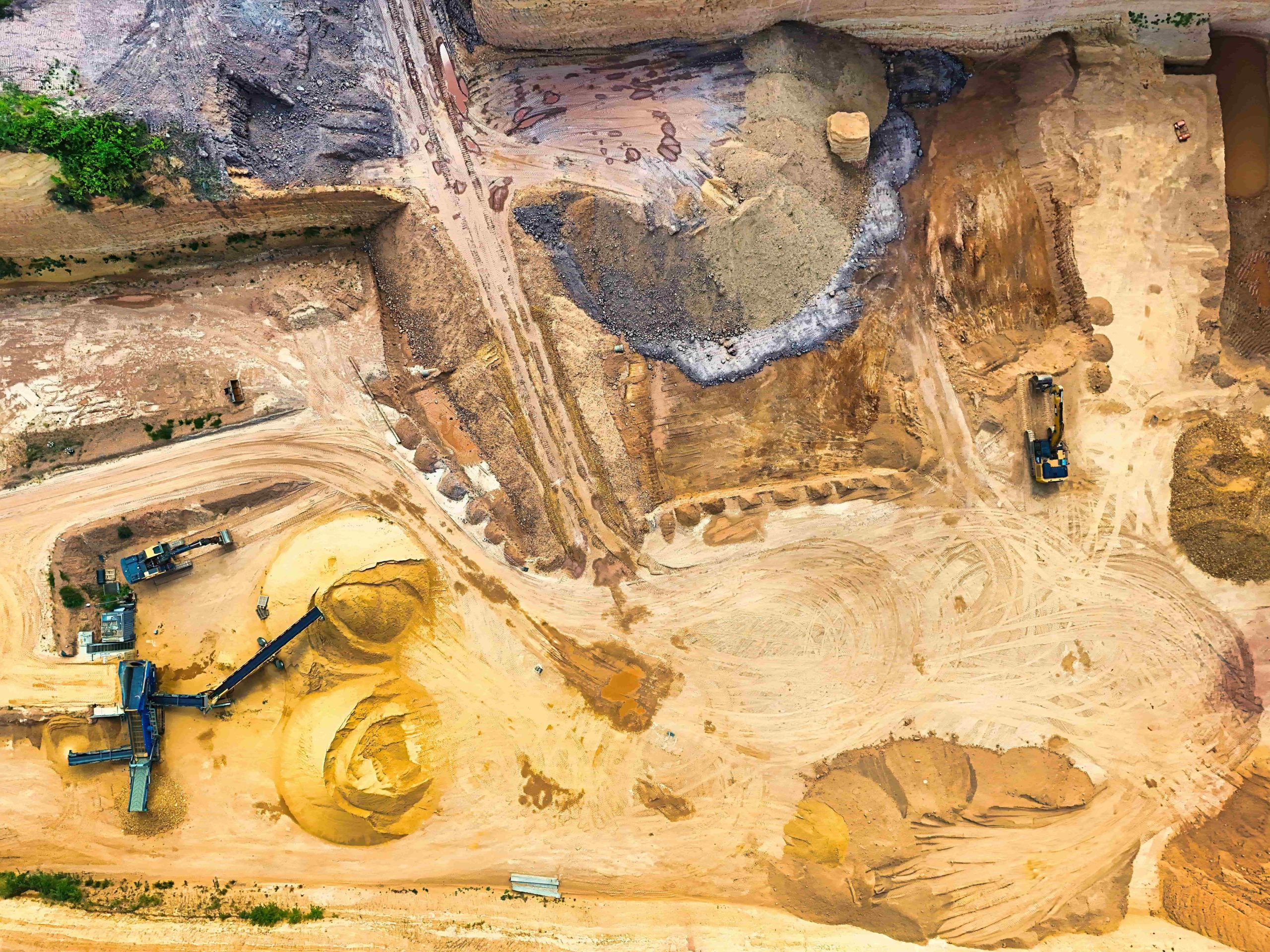
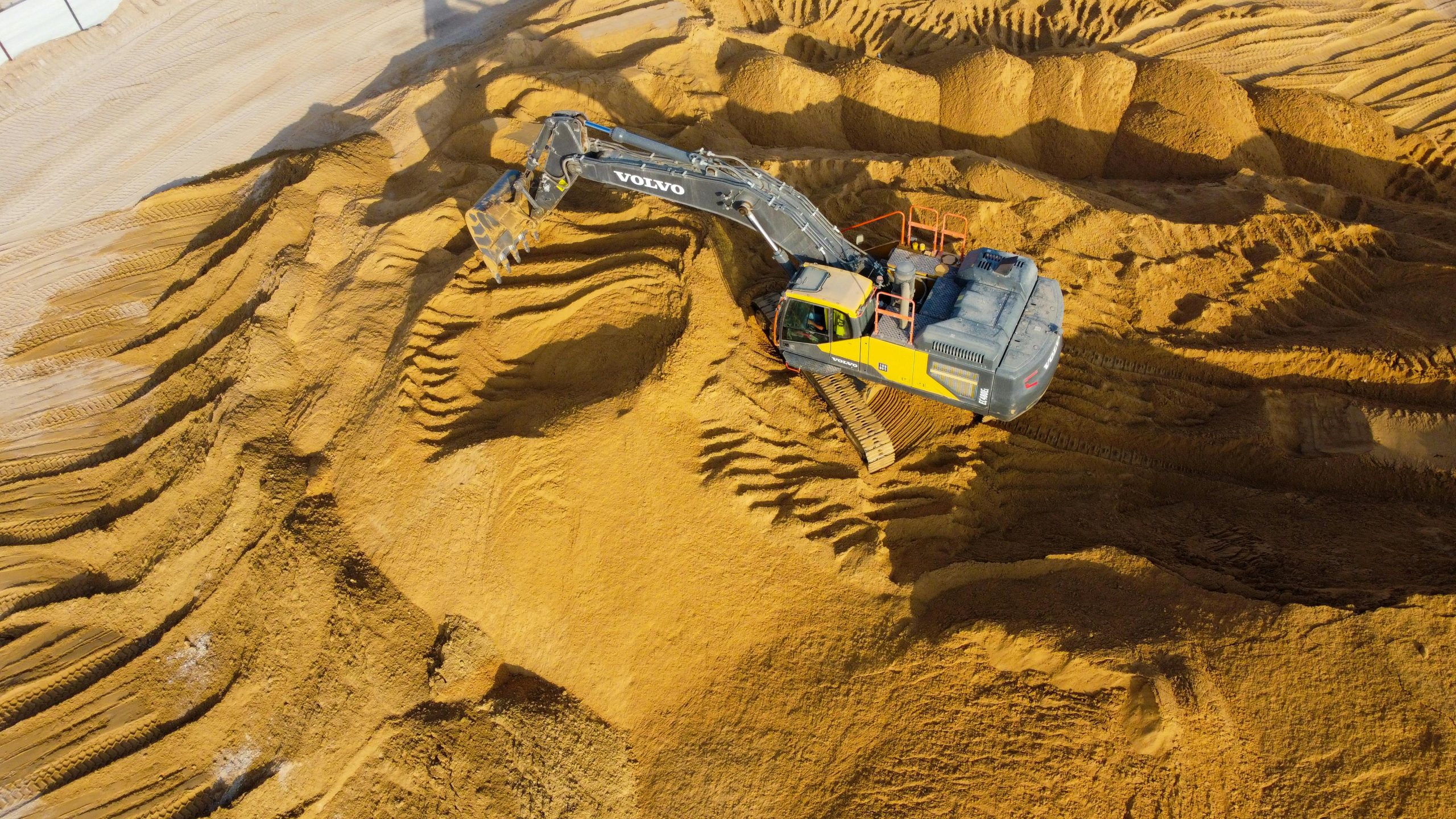
Jos, Plateau State is the most historically significant mineral-producing region in Nigeria. The plateau’s geology is characterised by Jurassic-age Younger Granite ring complexes that host primary mineralisation of cassiterite (tin), columbite, tantalite, and rare earth phosphate minerals including Monazite and Xenotime. Over millions of years, the weathering of these primary mineralised granites has produced extensive alluvial and eluvial placer deposits, concentrating heavy minerals — including Monazite Sand — into commercially recoverable grades. The Jos Plateau has been continuously mined since the early twentieth century, giving it a well-documented mineralogical record and a mature mining ecosystem comprising licensed operators, processing plants, accredited laboratories, logistics infrastructure, and established export channels.
Beyond Jos, Nigeria’s Monazite Sand resources extend into Nasarawa State (particularly the Akiri, Keana, and Lafia areas), Cross River State (coastal and riverine zones near Calabar), and several North-Western states where granitic basement geology hosts analogous placer mineral assemblages. The aggregated Monazite Sand resource base across these states represents a significant and underexploited opportunity for international buyers seeking long-term, diversified, African-origin rare earth supply.
Augustina Impex Limited — Nigeria’s Premier Monazite Sand Supplier
Augustina Impex Limited (RC 750691) is a fully registered Nigerian solid minerals export company, incorporated under the Companies and Allied Matters Act (CAMA) of the Federal Republic of Nigeria and operating under the regulatory authority of the Federal Ministry of Mines and Steel Development (FMMSD), the Nigerian Minerals and Mining Act 2007, the Nigerian Export Supervision Scheme (NESS), the Nigerian Export Promotion Council (NEPC), and — for Monazite Sand and other NORM-classified minerals — the Nigerian Nuclear and Radiological Regulatory Authority (NNRA).
We are headquartered in Jos, Plateau State, Nigeria — placing us at the operational epicentre of the country’s rare earth and heavy mineral sands production landscape. Our company holds a valid NEPC Registration for mineral exports (RE No. 0039421, valid through July 2027), and we export all mineral commodities through our licensed export entity, Jase Odus Nigeria Limited (RC 2022462), which is fully equipped to handle the documentation, compliance, and logistics requirements of international NORM-classified mineral shipments including Monazite Sand.
Our Monazite Sand supply is sourced through a strategic production partnership with Saso Mines Nigeria Limited, a licensed Nigerian mining and mineral processing company with operational capacity in Jos, Plateau State. This partnership model ensures that every consignment we supply carries a documented mine-of-origin, verified laboratory certification from an accredited assay laboratory, full NNRA compliance documentation, and a complete and auditable chain of custody from pit to port.
Nigerian Monazite Sand Specifications — Our Verified Product Profile
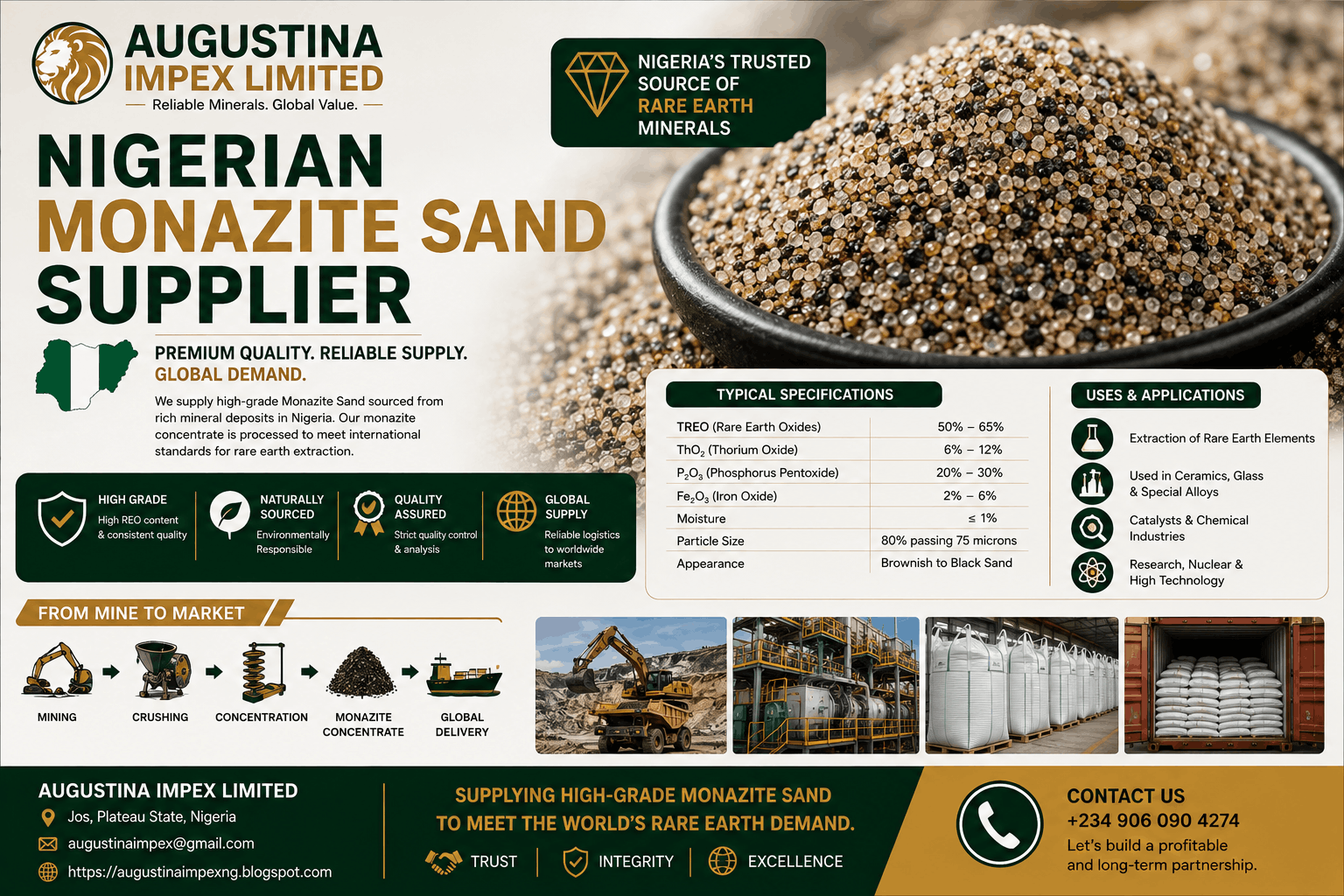
Our Monazite Sand Concentrate from Jos, Plateau State carries the following verified specifications, as certified by our independent ISO/IEC 17025-accredited assay laboratory:
| Parameter | Specification |
|---|---|
| Product Name | Monazite Sand Concentrate |
| Physical Form | Dry Granular Sand — NOT solution, slurry, or dissolved concentrate |
| Particle Size | 450 microns (post-beneficiation classification) |
| Total Rare Earth Oxide (TREO) | 52.2% |
| Neodymium-Praseodymium (NdPr) | 12.0% |
| Thorium Dioxide (ThO2) | ~0.05% (Ultra-Low — Well Within NORM Safe-Handling Threshold) |
| Cerium (Ce), Lanthanum (La) | Present — per detailed Certificate of Analysis |
| Beneficiation Method | Mechanical Only — Gravity, Magnetic, Electrostatic Separation |
| Chemical Treatment | NONE — Reagent-Free. No Acid, Alkali, Leaching, or Roasting Applied |
| Country of Origin | Federal Republic of Nigeria |
| State of Origin | Jos, Plateau State, Nigeria |
| Mining & Processing Partner | Saso Mines Nigeria Limited |
| Export Entity | Jase Odus Nigeria Limited (RC 2022462) |
| Assay Certification | ISO/IEC 17025 Accredited Independent Laboratory |
| Regulatory Status | NORM-Classified and NNRA-Compliant |
| Packaging | 25 kg Woven PP Bags / 1 MT FIBC Big Bags (as agreed) |
| Pre-Shipment Inspection | CCIC / SGS / Bureau Veritas (Buyer’s Choice) |
| Available Incoterms | EXW (Jos, Nigeria) | FCA (Nigerian Export Port) |
| Export Port Options | Onne Port (Rivers State) | Apapa Port | Lekki Deep Sea Port (Lagos) |
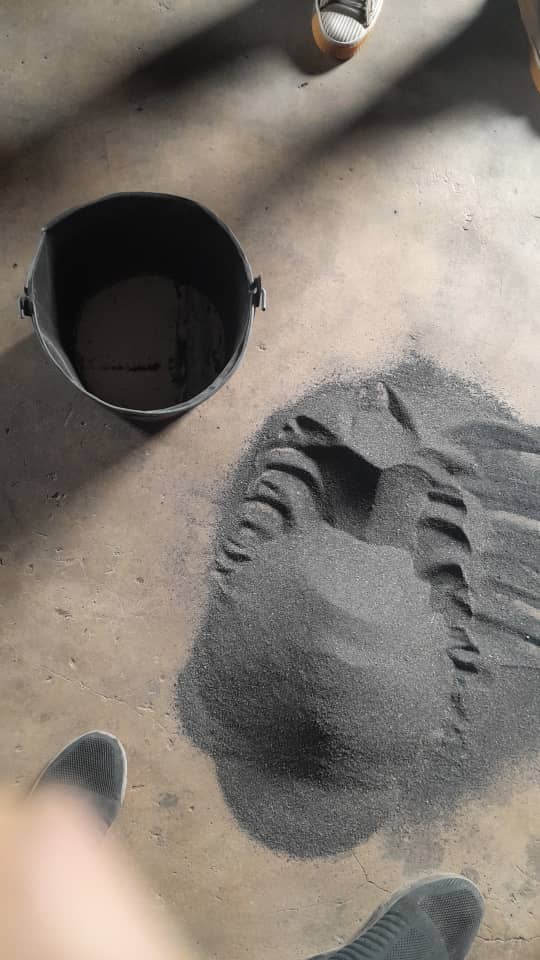
It is important to note for all prospective buyers that our Monazite Sand is supplied exclusively as dry granular sand at a classified particle size of 450 microns. It is not available in solution form, liquid suspension, dissolved concentrate, or slurry. This is the natural physical form of the mineral as it exists after mechanical beneficiation, and it is the standard commercial form in which Monazite Sand is traded internationally. Buyers who require a rare earth solution or dissolved concentrate for downstream processes would need to apply their own wet chemical (hydrometallurgical) processing to the dry sand material upon receipt.
Our Beneficiation Process — Mechanical, Reagent-Free, and Environmentally Responsible
One of the most commercially and regulatorily significant characteristics of our Monazite Sand is the nature of our beneficiation process. Unlike some rare earth mineral producers who apply wet chemical processes — including acid leaching, alkali cracking, solvent extraction, or calcination — our entire beneficiation chain is exclusively mechanical. No chemical reagents of any kind are used at any stage of our processing. This mechanical-only approach yields a product that is truly reagent-free, with important downstream implications for regulatory compliance, environmental responsibility, and import approval in controlled markets.
Stage 1 — Gravity Separation
Run-of-mine heavy mineral sand material is first processed through gravity concentration equipment — primarily spiral concentrators and shaking tables. These devices exploit the significant density difference between the heavy mineral fraction (specific gravity 4.0–5.4 g/cm³) and lighter gangue minerals such as quartz and feldspar (specific gravity ~2.6 g/cm³), producing a Heavy Mineral Concentrate (HMC) containing Monazite, Ilmenite, Rutile, Zircon, and other heavy minerals.
Stage 2 — High-Intensity Magnetic Separation (WHIMS)
The Heavy Mineral Concentrate is fed through a Wet High-Intensity Magnetic Separator (WHIMS), which selectively attracts paramagnetic minerals — including Monazite and Ilmenite — while allowing non-magnetic minerals such as Zircon and Rutile to pass through. This stage effectively separates rare earth-bearing minerals from titanium and zirconium minerals, producing a high-purity magnetics fraction.
Stage 3 — Electrostatic Separation (High-Tension Roll Separator)
The magnetics fraction is then passed through a High-Tension Roll (HTR) electrostatic separator, which exploits the difference in electrical conductivity between Monazite (a non-conductor) and Ilmenite (a semiconductor). This differential behaviour allows the HTR to produce a high-purity Monazite Sand concentrate with minimal Ilmenite contamination.
Stage 4 — Size Classification
The final Monazite Sand concentrate is passed through vibrating screens and classifiers to achieve a consistent particle size distribution. Our standard product is classified to 450 microns — consistent with international rare earth trade standards and compatible with the material handling requirements of rare earth refiners and hydrometallurgical processors worldwide.
NNRA Compliance and Regulatory Framework for Monazite Sand Export from Nigeria
Monazite Sand is classified as a Naturally Occurring Radioactive Material (NORM) due to the natural presence of thorium (ThO2) within its crystal lattice. This NORM classification means that Monazite Sand is subject to specific regulatory oversight in both the country of export and the country of import. In Nigeria, this oversight is exercised by the Nigerian Nuclear and Radiological Regulatory Authority (NNRA) under the NNRA Act 2019.
All Monazite Sand exports from Nigeria require formal NNRA export authorisation covering the material type, quantity, destination country, recipient identity, proposed transportation route, and radiation protection measures at each stage of the supply chain. Augustina Impex Limited and our production partner, Saso Mines Nigeria Limited, maintain the requisite NNRA relationships and compliance documentation to fully support Monazite Sand exports to qualified international buyers.
A critical competitive advantage of our Nigerian Monazite Sand is its exceptionally low thorium content of approximately 0.05% ThO2 — dramatically lower than many other global Monazite Sand sources, which typically range from 3% to 12% ThO2. This ultra-low thorium concentration places our material well within the NORM safe-handling thresholds defined by the IAEA, Euratom, and national nuclear regulatory bodies across Europe (FANC, BfR, ASN, ANVS), Asia (NRA Japan, NSSC South Korea, AERB India, PNRA Pakistan), and the Americas. The low thorium content significantly simplifies the import regulatory process for buyers in strictly controlled markets — making our product among the most regulatory-friendly Monazite Sand available globally.
Why Source Monazite Sand from Nigeria? Five Competitive Advantages
1. Ultra-Low Thorium — A Decisive Regulatory Advantage
With ThO2 at approximately 0.05%, our Nigerian Monazite Sand carries one of the lowest thorium profiles of any commercially available Monazite Sand globally. This translates directly into simpler, faster, and lower-cost import regulatory approval in markets with strict radioactive material controls — particularly in the European Union, where thorium content is the primary determinant of regulatory category, compliance burden, and import licence requirements.
2. Reagent-Free Processing — Clean Product, Clean Supply Chain
Our mechanical-only beneficiation means the product contains no acid residues, no chemical contamination, no process water impurities, and no secondary mineral phase alterations. This is a genuine advantage for downstream processors whose separation and refining plants are designed around clean, uncontaminated feed materials. It also presents a lower environmental liability and a cleaner health and safety profile at the point of receipt and handling.
3. Conflict-Free Provenance and Strong ESG Credentials
Nigeria is not classified as a conflict-affected or high-risk jurisdiction under any major international due diligence framework. Nigerian Monazite Sand does not fall under the OECD Due Diligence Guidance for conflict minerals, nor is it subject to the targeted conflict mineral provisions of the Dodd-Frank Act (Section 1502). For corporate buyers under ESG pressure to demonstrate responsible sourcing, Nigerian Monazite Sand is a clean-provenance material with strong ethical credentials.
4. West African Location — Logistics Efficiency for European and Asian Buyers
Nigeria’s location on the West African coast provides meaningful logistical advantages for buyers in Europe and Asia. Nigerian export ports — Onne Port (Rivers State), Apapa Port (Lagos), and Lekki Deep Sea Port (Lagos) — are well-served by major international shipping lines with regular services to Rotterdam, Hamburg, Antwerp, Shanghai, Qingdao, and Karachi. Transit times from Nigerian ports to major European discharge ports are typically 10–18 days, significantly faster than equivalent shipments from East or Southern Africa.
5. Direct Supply Relationships — Competitive, Transparent Pricing
As an aggregation and export company working directly with producing mining entities on the ground in Nigeria, Augustina Impex Limited is positioned to offer highly competitive pricing without the cost layers that accumulate in multi-tier trading chains. Our direct access to production partnerships means transparent, production-cost-reflective pricing with a clear understanding of the margin structure at each stage of the supply chain.
Who Buys Monazite Sand? Key Industries and End-Use Applications
The global market for Monazite Sand is driven by a growing and diverse range of industrial end-users. Understanding who buys Monazite Sand from Nigeria — and why — is essential context for any company considering entering the rare earth supply chain:
- Rare Earth Separation and Refining Plants: The primary direct buyers of Monazite Sand concentrate are rare earth chemical separation plants, which apply hydrometallurgical processes — acid digestion, selective precipitation, solvent extraction, and ion exchange — to dissolve the Monazite and separate its constituent rare earth elements into individual or mixed oxides, carbonates, and chlorides. Major facilities exist in China, India (Indian Rare Earths Limited), Malaysia (Lynas Advanced Materials Plant in Gebeng), Vietnam, and increasingly in the United States and Europe.
- NdFeB Permanent Magnet Manufacturers: These are the ultimate downstream consumers of the NdPr content of Monazite Sand. Each traction motor in a battery electric vehicle (BEV) requires approximately 1–2 kg of NdFeB magnet material, translating to 200–600 grams of NdPr oxide per motor. With global BEV production projected to reach tens of millions of units annually, demand for NdPr significantly exceeds available non-Chinese supply — making Monazite Sand an increasingly critical complementary source.
- Electric Vehicle and Clean Energy Supply Chains: Automotive OEMs, Tier 1 suppliers, wind turbine manufacturers, and clean energy project developers all ultimately depend on the NdPr oxide chain that Monazite Sand feeds. These companies — and the investment funds backing them — are actively seeking verified, non-Chinese rare earth supply sources, and Nigerian Monazite Sand is a credible candidate.
- Defence, Aerospace, and Advanced Technology Sectors: Military guidance systems, radar and sonar equipment, drone propulsion, satellite attitude control, and advanced aerospace actuators all rely on NdFeB permanent magnets. Western defence establishments are actively building supply chain security around critical materials including rare earths, and Nigerian Monazite Sand — with its conflict-free provenance — is an attractive option.
- Phosphor, Catalyst, and Emerging Technology Applications: Cerium (Ce) and Lanthanum (La) extracted from Monazite find applications in phosphor materials for LED and fluorescent lighting, fluid cracking catalysts (FCC) for petroleum refining, and Lanthanum-based nickel-metal hydride (NiMH) batteries used in hybrid electric vehicles.
Our Export Process — From Mine to International Port, Step by Step
We understand that transparency in the supply chain is essential for international buyers considering Monazite Sand procurement from Nigeria for the first time. Here is our complete, step-by-step export process:
- Buyer Inquiry and Specification Confirmation: The buyer contacts Augustina Impex Limited with target specifications (TREO%, volume, incoterm, destination country and port). We provide product specifications, laboratory certificates, and commercial terms for the buyer’s evaluation.
- Soft Corporate Offer (SCO) Issuance: Upon receiving confirmed buyer specifications and target volume, we issue a formal Soft Corporate Offer within 48 hours, specifying grade, quantity, pricing, incoterm, inspection terms, payment structure, and delivery timeline.
- Supply Agreement Execution: The parties execute a formal Supply Agreement covering all commercial, logistical, and regulatory compliance aspects of the transaction.
- NNRA Export Authorisation: We apply for and obtain the required NNRA export authorisation for the specific consignment, covering the material type, quantity, destination country, and recipient details.
- Production, Weighing, and Independent Assay: Our production partner, Saso Mines Nigeria Limited, produces, weighs, and samples the contracted Monazite Sand quantity. An ISO/IEC 17025-accredited independent assay laboratory conducts official analysis and issues a certified Certificate of Analysis (CoA) and weight report.
- Pre-Shipment Inspection (CCIC / SGS / Bureau Veritas): The buyer’s appointed pre-shipment inspection agency conducts a quantity and quality inspection at origin. The inspection certificate is issued to the buyer upon completion.
- Export Documentation: We prepare and obtain all required documents — Commercial Invoice, Packing List, Certificate of Origin, NESS Certificate, NEPC Export Certificate, NNRA Export Authorisation, and Certificate of Analysis.
- Inland Transport and Port Loading: Packaged Monazite Sand is transported by road from Jos, Plateau State to the agreed export port. Cargo is containerised and loaded under full IMDG compliance protocols.
- Shipment and Document Transmission: Once cargo is loaded and the vessel departs, the full shipping document set — Bill of Lading, Commercial Invoice, Packing List, Certificate of Origin, CoA, and NESS Certificate — is couriered or transmitted electronically to the buyer.
Shipping and Logistics — Monazite Sand Export from Nigeria
Monazite Sand is classified as a Naturally Occurring Radioactive Material (NORM) and is subject to the International Maritime Dangerous Goods (IMDG) Code for sea freight and the IATA Dangerous Goods Regulations (DGR) for air freight. Bulk sea freight under IMDG regulations is the standard and most cost-effective mode of international Monazite Sand shipment from Nigeria, and it is the mode we utilise for all commercial-scale consignments.
Our Monazite Sand is packaged in 25-kilogram woven polypropylene (PP) bags or 1-metric-tonne FIBC big bags, palletised and loaded into standard 20-foot Full Container Load (FCL) containers for ocean freight. Each container is accompanied by a radiation survey report confirming surface and one-metre dose rates, as required under IMDG for NORM shipments.
We operate on EXW (Ex-Works, Jos, Plateau State, Nigeria) or FCA (Free Carrier, designated Nigerian export port) incoterms as standard. We work with experienced freight forwarders who are familiar with NORM material shipments from Nigerian ports, and we can provide guidance on freight forwarding and insurance for buyers requiring CIF pricing.
Frequently Asked Questions About Nigerian Monazite Sand
What is the TREO grade of your Monazite Sand?
Our Monazite Sand concentrate carries a Total Rare Earth Oxide (TREO) grade of 52.2%, as confirmed by our ISO/IEC 17025-accredited independent assay laboratory. This is a commercially competitive grade that meets the specification requirements of rare earth separation plants and oxide refiners worldwide.
Is your Monazite Sand available in solution or dissolved form?
No. Our Monazite Sand is supplied exclusively as dry granular sand at 450 microns particle size. It is not available in solution form, liquid suspension, slurry, or any dissolved form. Our beneficiation is entirely mechanical and reagent-free. Buyers requiring a dissolved rare earth feed should apply their own hydrometallurgical processing to the dry sand material upon receipt.
What is the thorium content, and does it cause import problems?
Our Monazite Sand contains approximately 0.05% ThO2 — exceptionally low compared to many global sources that carry 3%–12% ThO2. This ultra-low thorium content significantly simplifies import regulatory approval in markets with strict NORM import controls, including EU member states, Japan, South Korea, Pakistan, and India. We advise all buyers to consult their national nuclear regulatory authority regarding specific import requirements for their jurisdiction.
Is your Monazite Sand NNRA-compliant?
Yes. All Monazite Sand exports by Augustina Impex Limited and Saso Mines Nigeria Limited are conducted in full compliance with the requirements of the Nigerian Nuclear and Radiological Regulatory Authority (NNRA), including the procurement of formal NNRA export authorisation for each individual consignment.
What volumes can you supply and with what lead time?
We can supply quantities ranging from small evaluation samples (10 kg to 100 kg for laboratory testing) up to multi-tonne commercial consignments. Volumes of several hundred metric tonnes per shipment are achievable with appropriate production scheduling lead time. Contact us with your target volume for an accurate availability and delivery timeline.
What are your payment terms?
Our standard terms are 100% advance T/T (Telegraphic Transfer) before production and shipment. For larger commercial orders, we offer structured payment arrangements — typically 40% advance on contract execution, 20% against laboratory certification, and 40% balance against pre-shipment inspection certificate — subject to the terms of the supply agreement.
Can you supply samples for independent laboratory testing?
Yes. We can supply Monazite Sand samples for independent laboratory analysis. Sample shipments are subject to NNRA export authorisation and IATA DGR compliance for air freight (standard for small sample quantities). Please contact us to discuss sample quantity, destination country, and associated costs.
Which pre-shipment inspection agencies do you work with?
We work with CCIC (China Certification and Inspection Corporation), SGS (Société Générale de Surveillance), and Bureau Veritas — three of the most widely recognised and accepted international pre-shipment inspection agencies in the global commodities trade. The buyer may select their preferred agency. Inspection costs are typically for the buyer’s account.
What export documentation do you provide?
For each consignment we provide: Commercial Invoice, Packing List, Certificate of Origin (NEPC or Chamber of Commerce), NESS Certificate, NEPC Export Certificate, NNRA Export Authorisation, ISO/IEC 17025-certified Certificate of Analysis, Pre-Shipment Inspection Certificate, Bill of Lading, and Radiation Survey Report. Additional documentation as required by the destination country’s import regulatory authority can be arranged.
Contact Augustina Impex Limited — Your Trusted Nigerian Monazite Sand Supplier
If you are a rare earth refiner, oxide processor, permanent magnet manufacturer, critical mineral trading company, or investment entity with an interest in securing a reliable, NNRA-compliant, low-thorium Monazite Sand supply from Nigeria, we welcome your inquiry with the utmost professionalism and commercial seriousness.
Augustina Impex Limited is ready to engage immediately. We have the product, the documentation, the regulatory compliance framework, and the commercial commitment to serve your sourcing requirements — whether you need a small evaluation sample, a formal Soft Corporate Offer for a commercial consignment, or a long-term supply agreement framework.
| Contact Detail | Information |
|---|---|
| Company | Augustina Impex Limited |
| RC Number | RC 750691 |
| CEO | Kolawole King |
| augustinaimpex@gmail.com | |
| +234 906 090 4274 | |
| Website | www.augustinaimpex.com |
| Address | #288 Diye Ward, Zarmaganda, Jos South, Plateau State, Nigeria |
| Export Entity | Jase Odus Nigeria Limited (RC 2022462) |
| NEPC RE No. | 0039421 (Valid: July 2027) |
| Production Partner | Saso Mines Nigeria Limited |
Conclusion — Nigeria’s Monazite Sand Is Ready for the World
The world’s demand for rare earth elements has never been more urgent, more strategically significant, or more commercially compelling than it is today. Electric vehicles, wind turbines, defence systems, medical devices, and the digital economy all depend on rare earth minerals that are becoming increasingly difficult to source from a geopolitically diverse and reliable range of countries. Nigeria’s Monazite Sand — with its strong TREO grade of 52.2%, ultra-low thorium content of 0.05%, reagent-free mechanical processing, conflict-free West African provenance, and NNRA-compliant export framework — is a genuine, verified, and immediately available answer to this global challenge.
Augustina Impex Limited is committed to being the bridge between Nigeria’s extraordinary mineral wealth and the world’s growing rare earth supply chain needs. We operate with full transparency, maintain rigorous regulatory compliance at every level, work with internationally recognised laboratories and inspection agencies, and bring to every commercial relationship the professionalism, honesty, and dedication that the international mineral trade demands and deserves.
We invite you to begin a conversation with us today. Contact us at augustinaimpex@gmail.com or on WhatsApp at +234 906 090 4274 — and discover, for yourself, why Nigerian Monazite Sand from Augustina Impex Limited is one of the most exciting and strategically important rare earth mineral supply opportunities currently available on the global market.
“Connecting Nigeria’s Mineral Wealth to the World — with Transparency, Reliability, and Professionalism.” — Augustina Impex Limited
-
Next Post
Nigerian Monazite Sand Supplier
Post a comment
Related Posts
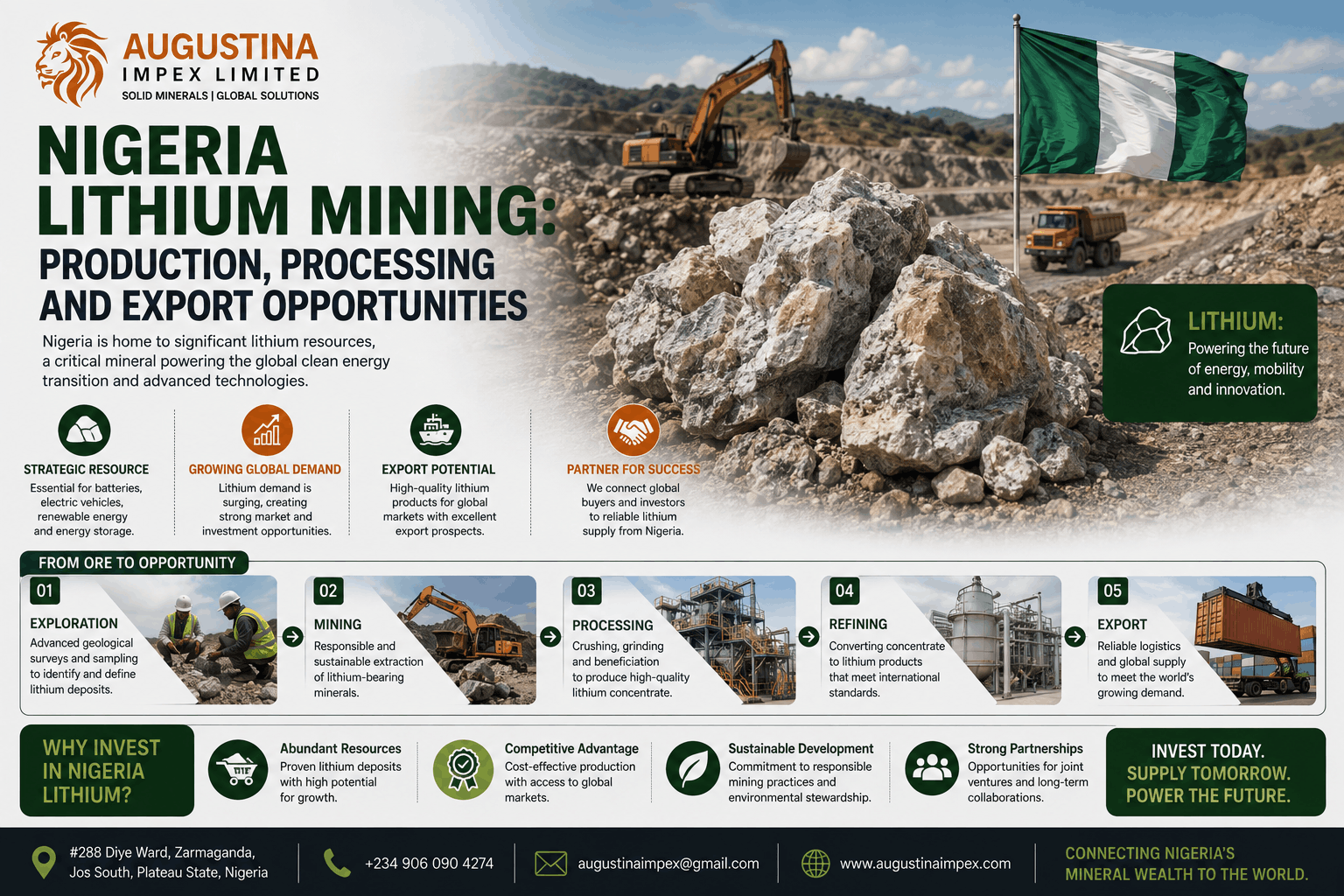
Nigeria Lithium Mining: Production, Processing & Export
Nigeria Lithium Mining: Production, Processing and Export Opportunities By Kolawole King, CEO — Augustina Impex…
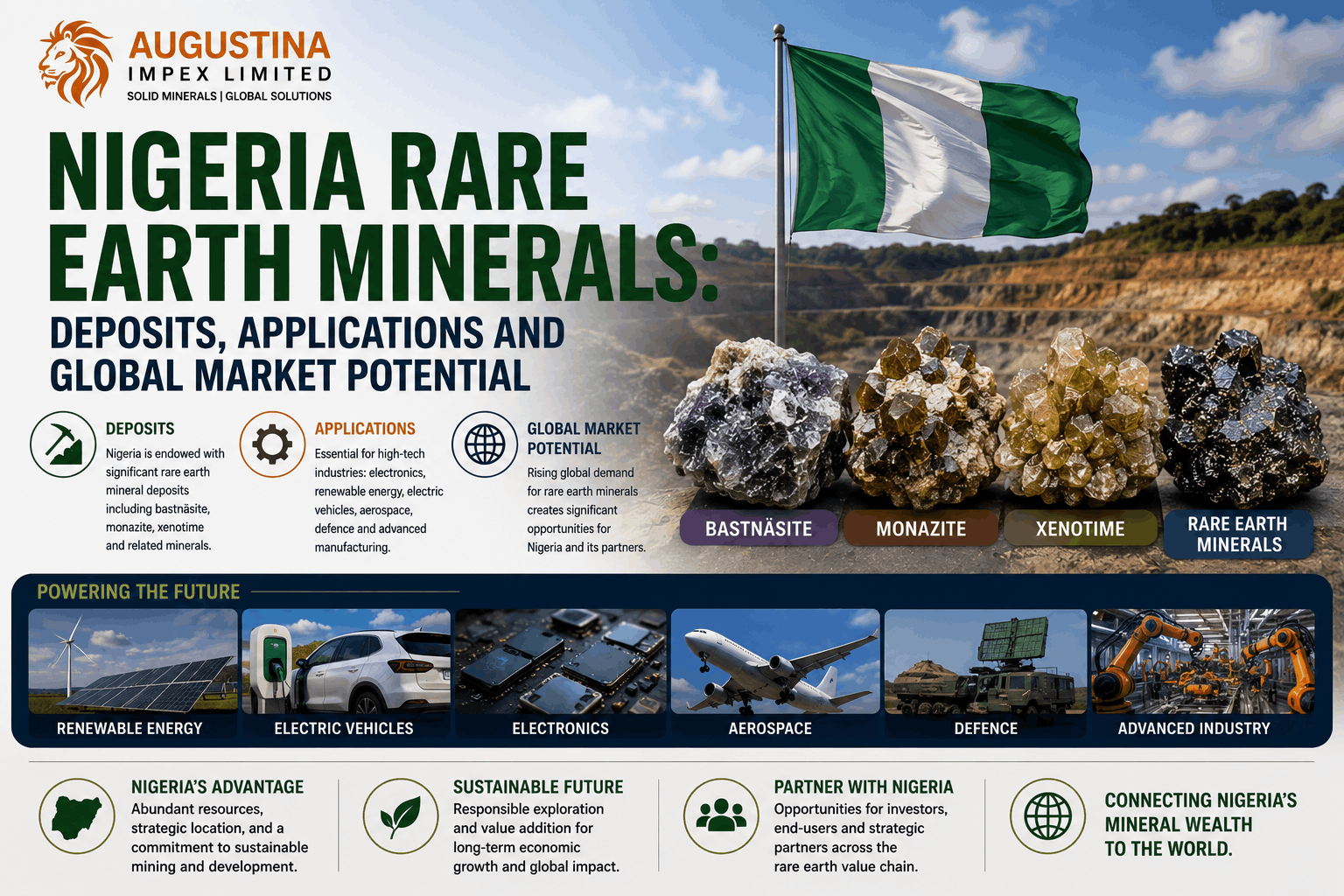
Nigeria Rare Earth Minerals: Deposits & Market Potential
Nigeria Rare Earth Minerals: Deposits, Applications and Global Market Potential By Kolawole King, CEO —…
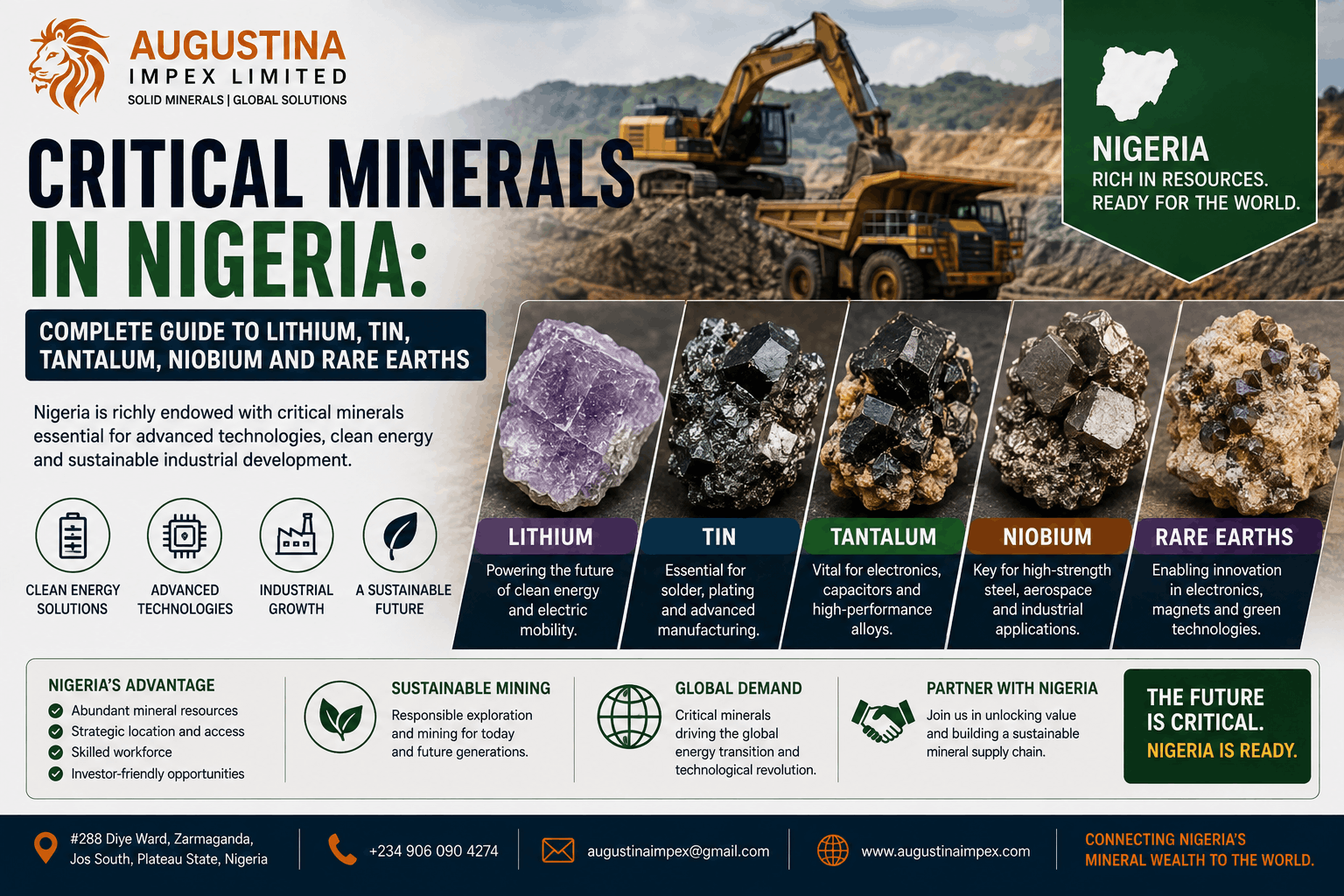
Nigeria Critical Minerals Guide: Lithium, Tin & Rare Earths
Critical Minerals in Nigeria: Complete Guide to Lithium, Tin, Tantalum, Niobium and Rare Earths By…
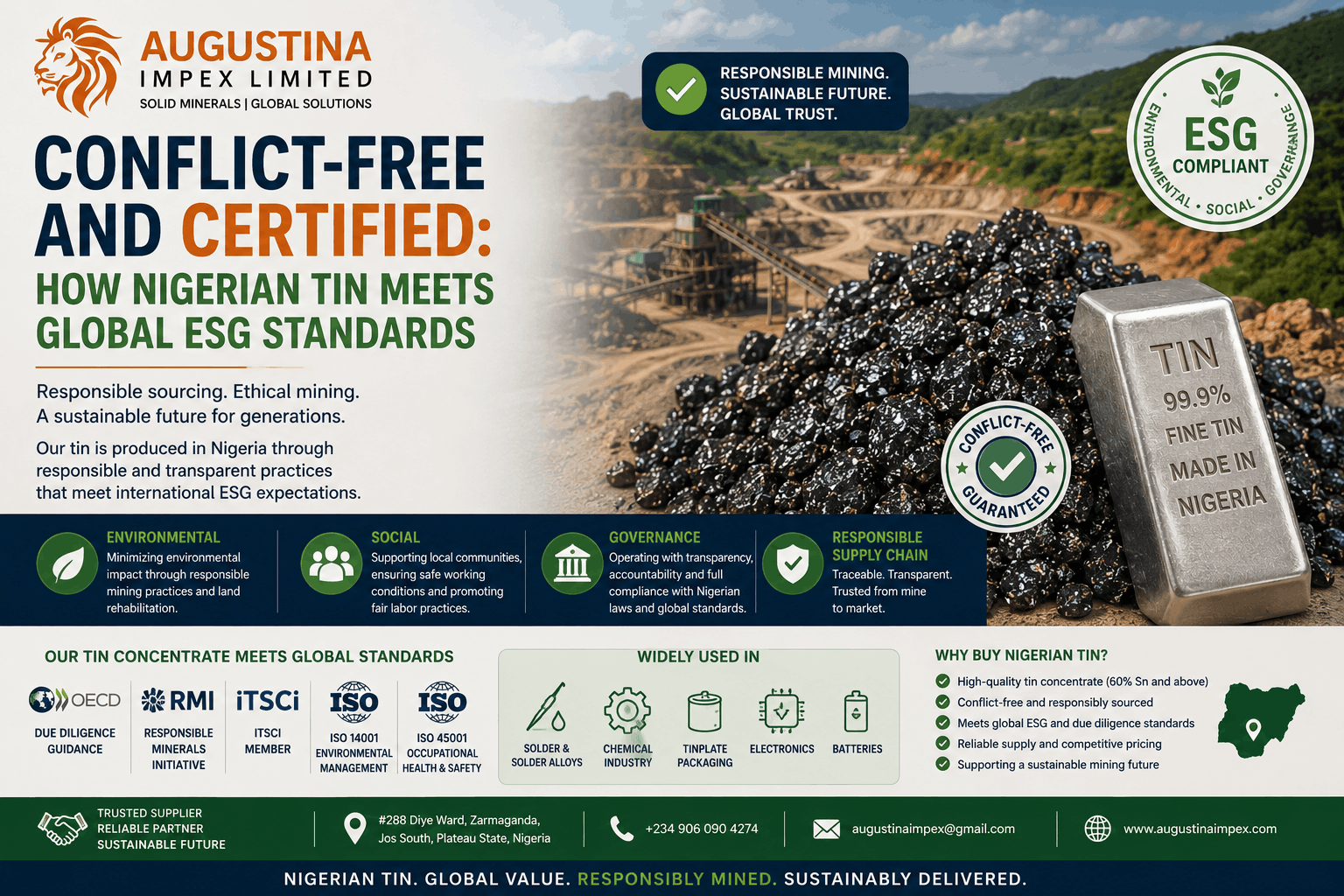
Conflict-Free Nigerian Tin Meets Global ESG Standards
Conflict-Free and Certified: How Nigerian Tin Meets Global ESG Standards By Kolawole King, CEO —…