
Top Industrial Uses of Zircon Sand
By Kolawole King, CEO — Augustina Impex Limited | Published: August 2026 | 14 min read
There is a quiet mineral beneath the surface of modern industry — one that you will find inside the glossy white tiles of a luxury bathroom, the heat-resistant lining of a steel furnace, the precision casting of a jet engine turbine, and the translucent crown fitted by your dentist. That mineral is zircon sand, and its industrial footprint is far larger, and far more diverse, than most people outside the mining and manufacturing world ever realise.
Zircon sand — chemically known as zirconium silicate (ZrSiO₄) — is a heavy mineral recovered from alluvial and coastal beach sand deposits through physical separation processes. It is a by-product and co-product of titanium mineral mining, often recovered alongside ilmenite and rutile. But do not let that secondary billing fool you: zircon commands some of the highest per-tonne values in the heavy mineral sands (HMS) sector and is classified by the European Union, the United States, Australia, and Japan as a critical raw material — a mineral whose supply disruption would deliver immediate and severe consequences across multiple industrial sectors.
In this article, we explore the top industrial uses of zircon sand in depth — unpacking the science, economics, and supply chain behind each application. We also examine Nigeria’s growing position in the global zircon supply picture, and explain how Augustina Impex Limited connects international buyers with verified, high-grade Nigerian zircon sand through a transparent, compliant, and professionally managed export process.
What Is Zircon Sand? Mineralogy and Key Properties
Zircon is a naturally occurring zirconium silicate mineral with the chemical formula ZrSiO₄. It belongs to the nesosilicate group and crystallises in a tetragonal system, forming stubby prisms with square cross-sections. Zircon is extraordinarily stable — it resists chemical attack, retains its crystal structure under high temperatures, and is among the hardest silicate minerals at 7.5 on the Mohs scale.
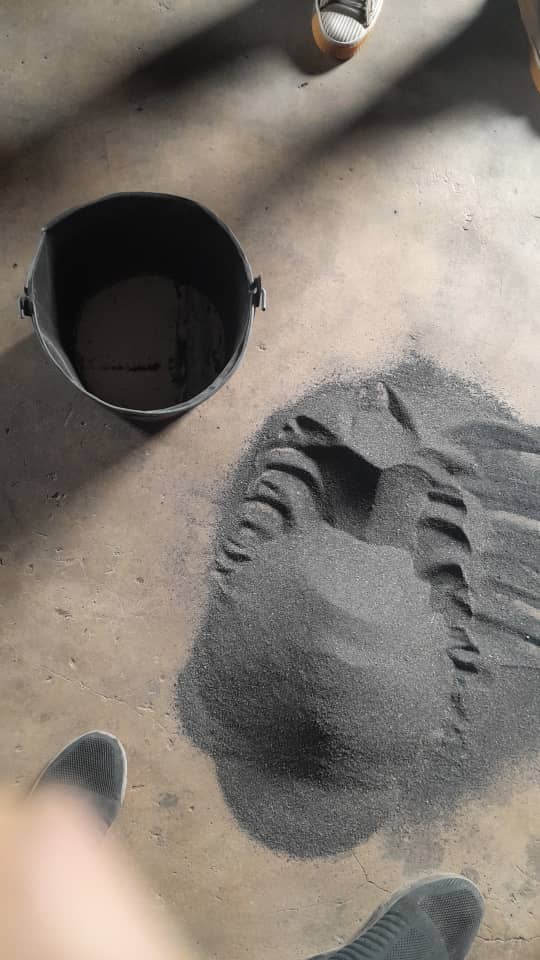
In its natural form as heavy mineral sand, zircon appears as small translucent to reddish-brown grains. Its key physical and chemical properties make it commercially invaluable across a range of industries:
| Property | Value / Characteristic | Industrial Significance |
|---|---|---|
| Chemical Formula | ZrSiO₄ | Stable silicate matrix; controlled ZrO₂ release on decomposition |
| ZrO₂ Content | ~65–67% ZrO₂ (theoretical); 40–66.5% in ore | Determines suitability for ceramics, refractories, and chemicals |
| Melting Point | 2,550°C (4,622°F) | Exceptional thermal stability in furnace linings and casting |
| Hardness (Mohs) | 7.5 | Abrasion resistance; grinding media; surface finishing |
| Specific Gravity | 4.6–4.7 g/cm³ | Classified as heavy mineral; separated by gravity concentration |
| Refractive Index | 1.92–2.01 | Brilliant white opacification in ceramic glazes and tiles |
| Chemical Resistance | Resistant to most acids and alkalis | Durability in harsh chemical environments |
| Radioactivity | Trace U and Th (NORM-classified at high concentrations) | Requires monitoring; specialist handling for high-activity grades |
Two distinct zirconium products flow from the zircon supply chain: zircon sand (ZrSiO₄, used directly) and zirconia (ZrO₂, produced by fusing or chemically decomposing zircon). Understanding the difference between these two forms is essential to understanding the full range of zircon’s industrial applications.
The Global Zircon Sand Market: Production, Demand and Critical Status
Global zircon sand production is concentrated in a small number of countries, making supply concentration risk one of the defining characteristics of this market. Australia dominates global supply, accounting for approximately 40–45% of world production, predominantly from the mineral sand operations of South Australia and Western Australia. South Africa is the second-largest producer, followed by Mozambique, China, and increasingly, emerging West African producers including Senegal and Nigeria.
| Country | Est. Annual Production | Global Share | Key Regions / Operations |
|---|---|---|---|
| Australia | ~550,000 MT | ~43% | South Australia (Murray Basin), WA (Eneabba, Cooljarloo) |
| South Africa | ~350,000 MT | ~27% | KwaZulu-Natal coast (Richards Bay Minerals, Tronox) |
| Mozambique | ~120,000 MT | ~9% | Moma Titanium Minerals (Kenmare Resources) |
| China | ~90,000 MT | ~7% | Hainan Province, Guangdong coastal deposits |
| Senegal | ~70,000 MT | ~5% | Grande Côte Operations (TiZir joint venture) |
| Nigeria + Others | ~80,000 MT combined | ~6% | Jos Plateau (HMS processing), coastal alluvial deposits |
Global demand for zircon is estimated at approximately 1.3–1.5 million metric tonnes per year, with ceramics and tiles consistently consuming the largest share — around 50–55% — of total supply. Demand is driven by the construction boom across Asia (particularly China, India, and Southeast Asia), the automotive and aerospace sectors’ appetite for advanced ceramics, and the expanding nuclear energy sector’s need for zirconium alloys.
Zircon sand is listed as a Critical Raw Material by the European Union (EU CRM List 2023), the United States (USGS Critical Minerals List), Australia (Critical Minerals Strategy), and Japan (Critical Minerals Action Plan). This designation reflects a combination of high economic importance and supply concentration risk. It means manufacturers who rely on zircon cannot afford supply disruptions — and it positions suppliers in diversified, politically stable supply jurisdictions like Nigeria as strategically valuable alternatives to Australia-dominated channels.
The Top Industrial Uses of Zircon Sand — A Deep Dive
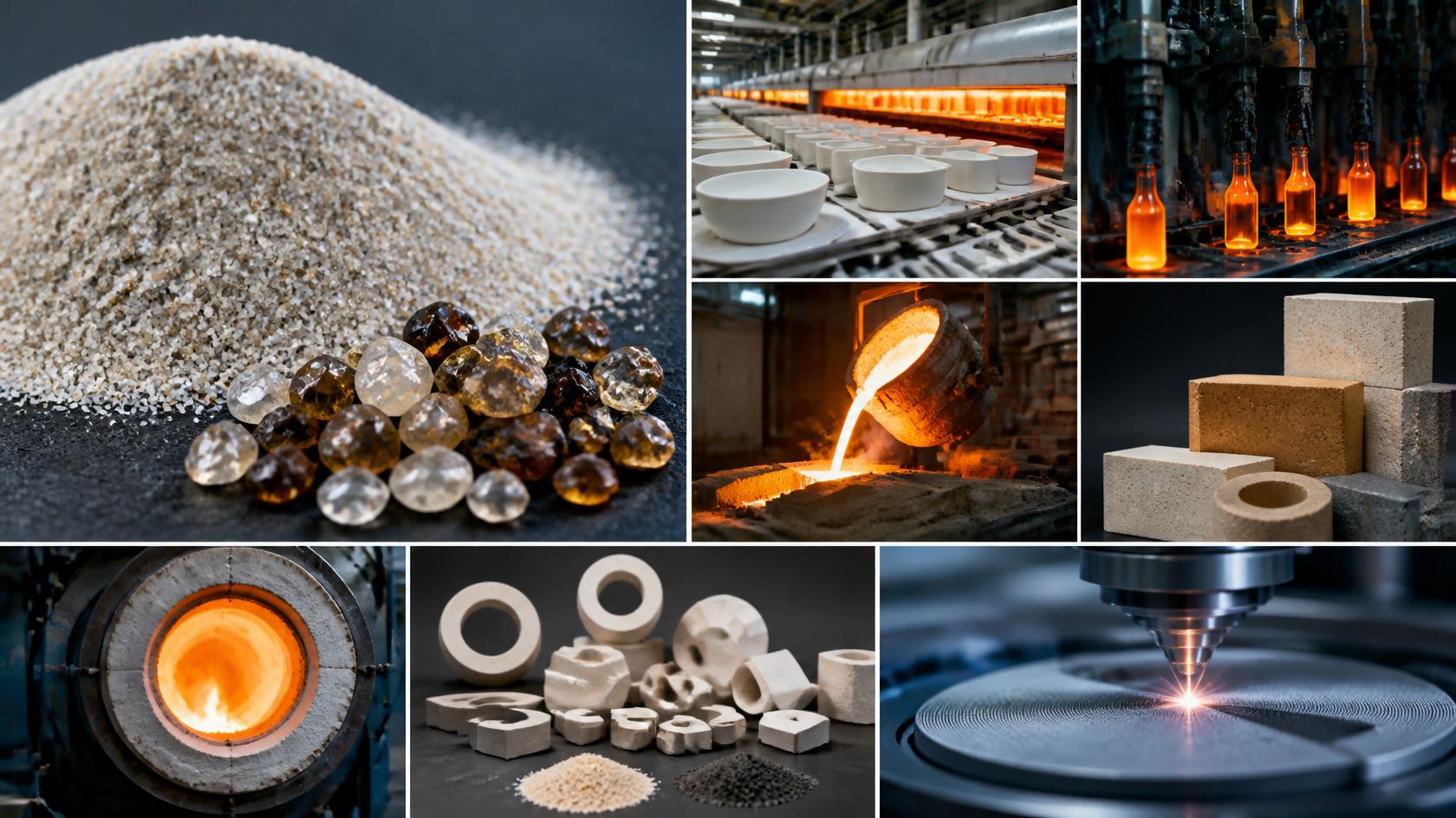
① Ceramic Tiles and Sanitaryware — The Largest Zircon Market
If you have ever admired the brilliant, clean white of a ceramic floor tile or the luminous glaze on a bathroom basin, you have already encountered zircon’s most commercially significant application. Zircon sand — milled into ultrafine zirconium silicate powder — is the world’s dominant ceramic opacifier: the ingredient that gives ceramic glazes their white, opaque appearance by scattering visible light.
The mechanism is straightforward but elegant. Zircon particles have a high refractive index (1.92–2.01) that is significantly different from that of the glassy glaze matrix around them. When light enters the glaze, the refractive index mismatch causes it to scatter at zircon grain boundaries — producing the brilliant white, non-transparent finish that ceramic manufacturers and end consumers prize. The more finely milled the zircon, the more effective the opacification and the smoother the surface finish.
In ceramics manufacturing, zircon is also valued for its ability to improve glaze thermal stability and chemical resistance — helping tiles withstand thermal cycling, cleaning agents, and mechanical wear over decades of use. High-quality floor tiles typically contain 8–12% zirconium silicate by glaze weight. Premium porcelain tiles may contain up to 20%. Sanitaryware (basins, toilets, bathtubs) uses similar concentrations to achieve the deep, glass-like white finish associated with high-end bathroom products.
China alone accounts for over 50% of global ceramic tile production and is the world’s largest single consumer of zircon for ceramics. Spain, Italy, Brazil, India, Turkey, and Vietnam are the next tier of major ceramic tile producers — all heavily dependent on consistent zircon supply. China’s domestic zircon production covers roughly 60% of its own ceramics demand; the balance is imported from Australia, South Africa, and emerging African producers including Nigeria.
② Refractory Materials — Zircon’s Role in Extreme Heat Applications
At 2,550°C, zircon’s melting point is among the highest of any naturally occurring mineral — and this thermal resilience is the foundation of its critical role in refractory applications. Refractories are heat-resistant materials used to line furnaces, kilns, incinerators, and reactors — the industrial vessels where metals are melted, glass is formed, cement is burned, and chemical reactions occur at temperatures that would destroy ordinary materials.
Zircon is used in refractories both directly (as zircon bricks and ramming mixes) and after conversion to fused zirconia (ZrO₂). Zircon-based refractories offer a compelling combination of high-temperature stability, low thermal expansion (which reduces thermal shock cracking), excellent corrosion resistance to molten metals and slag, and good mechanical strength at elevated temperatures.
In the steel industry, zircon refractories are used in continuous casting nozzles, slide gate systems, ladle linings, and tundish covers — the precise, high-wear components through which molten steel flows. In glass manufacturing, zircon-based refractories line the glass furnace tank, where they must resist corrosion by molten glass at temperatures above 1,500°C for campaigns lasting three to seven years. In cement kiln linings, copper smelting, and aluminium processing, zircon refractories similarly serve as first-line thermal protection.
Refractory applications require premium-grade zircon with ZrO₂ content above 65%, very low levels of iron oxide (Fe₂O₃ below 0.1%), low TiO₂, and minimal heavy mineral contamination. This is a tighter specification than ceramic-grade zircon, which tolerates slightly higher impurity levels. Refractory-grade zircon commands a meaningful price premium over standard-grade material, reflecting the precision required in steelmaking and glass furnace environments.
③ Foundry Sand — Precision Metal Casting with Zircon
Walk into any modern metal foundry producing precision components for aerospace, automotive, oil and gas, or defence applications, and there is a good chance that zircon sand is involved in the casting process. Zircon foundry sand is used as a mould and core sand — the material packed around a pattern to form the negative shape of a metal casting — and as a facing sand applied to the mould surface that directly contacts the molten metal.
What makes zircon exceptional for foundry use? Several properties converge. Its high melting point prevents penetration by even the hottest poured metals. Its low and uniform thermal expansion means the mould does not crack or shift as it heats, preserving dimensional accuracy of the casting. Its angular grain shape packs tightly to create dense, low-permeability mould surfaces that resist metal penetration and produce clean, smooth casting finishes. And its high thermal conductivity relative to silica sand means castings cool faster and more uniformly, reducing internal stress and shrinkage defects.
Zircon is particularly valued for casting titanium alloys (where other sands react chemically with the highly reactive molten titanium), stainless steel, high-manganese steel, and aluminium investment castings. The aerospace industry — which demands near-zero tolerance on casting geometry and surface quality — relies heavily on zircon foundry sand for turbine blades, structural frames, and engine components.
④ Zirconium Chemicals and Zirconia (ZrO₂) — High-Value Derivatives
Beyond its use as a sand, zircon is a feedstock for a broad family of high-value zirconium chemical compounds and zirconia (ZrO₂) that penetrate deep into advanced manufacturing. The production pathway involves fusing or chemically reacting zircon to break the ZrSiO₄ crystal lattice and separate the ZrO₂ fraction from silica — a process conducted at facilities in China, the United States, France, Australia, and Japan.
Fused zirconia (ZrO₂) is produced by electric arc fusion of zircon sand at above 2,700°C, driving off the SiO₂ and leaving ZrO₂. Fused zirconia is the primary material for high-performance abrasive grains (zirconia alumina grinding wheels), advanced refractory bricks, and plasma spray coatings used as thermal barrier coatings on jet engine components.
Chemical-grade zirconia — produced through wet chemical routes including alkali fusion or chlorination — feeds into a range of downstream industries: solid oxide fuel cells (SOFC), oxygen sensors, catalytic converters, piezoelectric sensors, optical fibres, and structural ceramics used in cutting tools and pump components. Stabilised zirconia (partially or fully stabilised with yttria, magnesia, or ceria) offers a unique combination of fracture toughness, hardness, and low thermal conductivity that makes it the material of choice for cutting-edge engineering ceramics.
⑤ Nuclear Energy — Zirconium’s Strategic Role in Reactor Technology
One of zircon’s most strategically important — and least publicly discussed — applications is in the nuclear energy sector. Zircon is the primary commercial source of nuclear-grade zirconium metal, used to manufacture zirconium alloy (zircaloy) tubes that clad the uranium fuel pellets inside nuclear reactor cores.
Zirconium’s nuclear relevance stems from a remarkable combination of properties: an extremely low neutron absorption cross-section (meaning it does not “steal” neutrons from the chain reaction, allowing the reactor to operate efficiently), excellent corrosion resistance in hot pressurised water at reactor operating temperatures (300–350°C), and adequate mechanical strength under radiation. There is no commercially viable substitute for zirconium as nuclear fuel cladding in light-water reactors (LWR) — which account for approximately 90% of all nuclear power plants globally.
Nuclear-grade zirconium is a highly purified form that requires the complete removal of hafnium (Hf), which is present in natural zircon at 1–3% and absorbs neutrons strongly. The hafnium removed in this process is itself commercially valuable — hafnium metal is used to make control rods that regulate reactor power output and in superalloys for jet engine hot sections. The nuclear zirconium pathway thus produces two high-value metals from a single zircon feedstock. With the global resurgence of nuclear power as a low-carbon baseload energy source — backed by policies in the EU, US, China, Japan, South Korea, and the UAE — demand for nuclear-grade zirconium is projected to grow significantly through 2035.
⑥ Dental and Medical Zirconia — Transforming Modern Healthcare
Walk into a modern dental clinic and ask your dentist about ceramic crowns — there is a very high probability they will mention zirconia. Yttria-stabilised zirconia (Y-TZP) has become the material of choice for dental crowns, bridges, implant abutments, and full-arch prostheses, displacing metal-based restorations in many applications over the past two decades.
Dental zirconia combines properties that are uniquely well-suited for oral applications: it is biocompatible (non-toxic, non-allergenic, not corroded by saliva or food acids), exceptionally hard (Vickers hardness of ~1,200 HV), and exhibits transformation toughening — a mechanism by which microscopic cracks trigger a phase transformation in the zirconia crystal structure that generates compressive stresses to arrest the crack’s propagation. This makes dental zirconia far tougher than conventional porcelain while remaining translucent enough, in high-translucency formulations, to mimic the natural appearance of tooth enamel.
Beyond dentistry, zirconia is finding application in orthopaedic implants (femoral heads in hip replacements), surgical instruments, bone scaffolding materials for tissue engineering, and drug delivery systems. As the global population ages and demand for durable, biocompatible implant materials grows, the medical zirconia market is one of the fastest-growing segments of the broader zircon value chain.
⑦ Glass Manufacturing — Durability, Clarity, and Chemical Resistance
Zirconium compounds make important contributions to the glass industry across several distinct applications. In glass composition, small additions of zirconia (1–8%) enhance the chemical durability of the glass — particularly its resistance to attack by strong alkalis and acids. This makes zirconia-modified glass suitable for laboratory glassware, chemical storage vessels, pharmaceutical packaging, and industrial piping.
Glass fibre reinforcement represents a particularly significant zirconia application. Ordinary E-glass fibres are attacked and weakened by the alkaline cement matrix in cement-reinforced glass fibre (GRC) composites. Alkali-resistant glass fibres — which contain 16–20% ZrO₂ — resist this attack and retain their tensile strength in cement-based applications, making them essential for GRC cladding panels, roofing products, and prefabricated building components used across the global construction industry.
In the flat glass sector, zirconia is used in the high-performance refractories lining float glass tanks, where the combination of molten glass, tin bath volatiles, and combustion gases creates one of the most chemically aggressive refractory environments in all of manufacturing. The durability and chemical resistance of zircon-based refractories is critical to achieving the multi-year furnace campaigns that underpin the economics of flat glass production.
⑧ Abrasives and Surface Finishing — Zirconia’s Cutting Edge
Zirconia alumina — a fused compound of ZrO₂ (25–40%) and Al₂O₃ — is a premium abrasive grain produced by electric arc fusion and used in high-performance grinding wheels, abrasive belts, fibre discs, and coated abrasive products. Compared to standard aluminium oxide abrasives, zirconia alumina offers significantly superior toughness, self-sharpening fracture behaviour (it fractures along grain boundaries to continuously expose fresh cutting edges), and resistance to heat at the grinding interface.
These properties make zirconia alumina abrasives the preferred choice for demanding metal grinding applications: heavy-duty weld removal on structural steel, precision grinding of stainless steel and nickel superalloys in aerospace manufacturing, and high-speed belt sanding of hardwoods in furniture manufacturing. The abrasives and grinding industry consumes approximately 5–8% of global zircon production, a share that has grown steadily with the expansion of precision manufacturing across Asia.
⑨ Electronics and Advanced Technical Ceramics
Zirconium-based ceramics have penetrated deeply into the electronics and electrical engineering sectors, where their unique combination of electrical, thermal, and mechanical properties opens applications unavailable to conventional ceramic materials. Zirconium dioxide as a solid electrolyte — taking advantage of its oxygen ion conductivity at elevated temperatures — is the core functional material in lambda sensors (oxygen sensors) used in automotive exhaust control systems globally. Every petrol or diesel engine manufactured since the late 1980s carries at least one zirconia-based oxygen sensor controlling its air-fuel ratio.
In solid oxide fuel cells (SOFC) — the most efficient electrochemical power generation technology available — yttria-stabilised zirconia is the primary electrolyte material enabling oxygen ion transport between cathode and anode at operating temperatures of 600–1,000°C. As hydrogen economy infrastructure develops and stationary distributed power generation using SOFCs scales up, this application is expected to grow substantially over the next decade.
Zirconia is also used in thermal barrier coatings (TBC) for gas turbine blades in both aero-engines and industrial power generation turbines. Applied by plasma spray or electron beam physical vapour deposition, zirconia TBCs with thicknesses of 100–300 μm allow turbine inlet temperatures to exceed the melting point of the nickel superalloy substrate by 100–200°C — dramatically improving turbine efficiency and enabling the fuel savings and reduced emissions that define modern high-bypass turbofan engines.
⑩ Pigments, Colours, and Protective Coatings
Zirconium silicate is a host lattice for a family of stable, non-toxic ceramic stains and pigments used in the colouring of ceramic glazes and tiles. Zirconium-based ceramic stains achieve colours ranging from yellow (vanadium-zirconium) and turquoise (vanadium-zirconium) to pink/coral (iron-zirconium) and grey — offering exceptional stability at the high firing temperatures (1,200–1,300°C) required in ceramic production. Unlike many transition metal-based ceramic colours, zirconium stains are generally non-toxic, making them increasingly preferred as the ceramic industry moves away from cadmium, lead, and chromium-based colour systems.
In the coatings industry, zirconium-based surface treatment chemicals — including zirconium carbonate, zirconium acetate, and hexafluorozirconic acid — are used as metal pre-treatment chemicals for aluminium, steel, and zinc substrates before painting. These zirconium conversion coatings provide excellent adhesion promotion for organic coatings and good corrosion resistance, and are increasingly used as replacements for toxic chromate conversion coatings as environmental regulations tighten globally.
Zircon Sand Grades and Commercial Specifications
Not all zircon sand is equal. Commercial zircon is graded primarily on ZrO₂ content, with impurity levels (Fe₂O₃, TiO₂, Al₂O₃, P₂O₅, U, Th) determining suitability for different applications. The table below summarises the principal commercial grades and their typical destinations:
| Grade | ZrO₂ Content | Key Impurity Limits | Primary Application |
|---|---|---|---|
| Premium / Refractory Grade | ≥ 66% ZrO₂ | Fe₂O₃ <0.08%; TiO₂ <0.1% | Nuclear-grade zirconium metal; premium refractory bricks; foundry facing |
| Standard Grade | 62–66% ZrO₂ | Fe₂O₃ <0.15%; TiO₂ <0.2% | Ceramic tile opacifier; general refractories; foundry sand |
| Intermediate Grade | 55–62% ZrO₂ | Higher Fe₂O₃ acceptable | Low-cost ceramics; abrasive precursors; some chemical processing |
| Nigerian Zircon (Augustina Impex) | 40–66.5% ZrO₂ | Per assay — CCIC/SGS pre-shipment | Ceramics; refractories; chemical processing; zirconia production |
How Zircon Sand Is Processed: The HMS Separation Chain
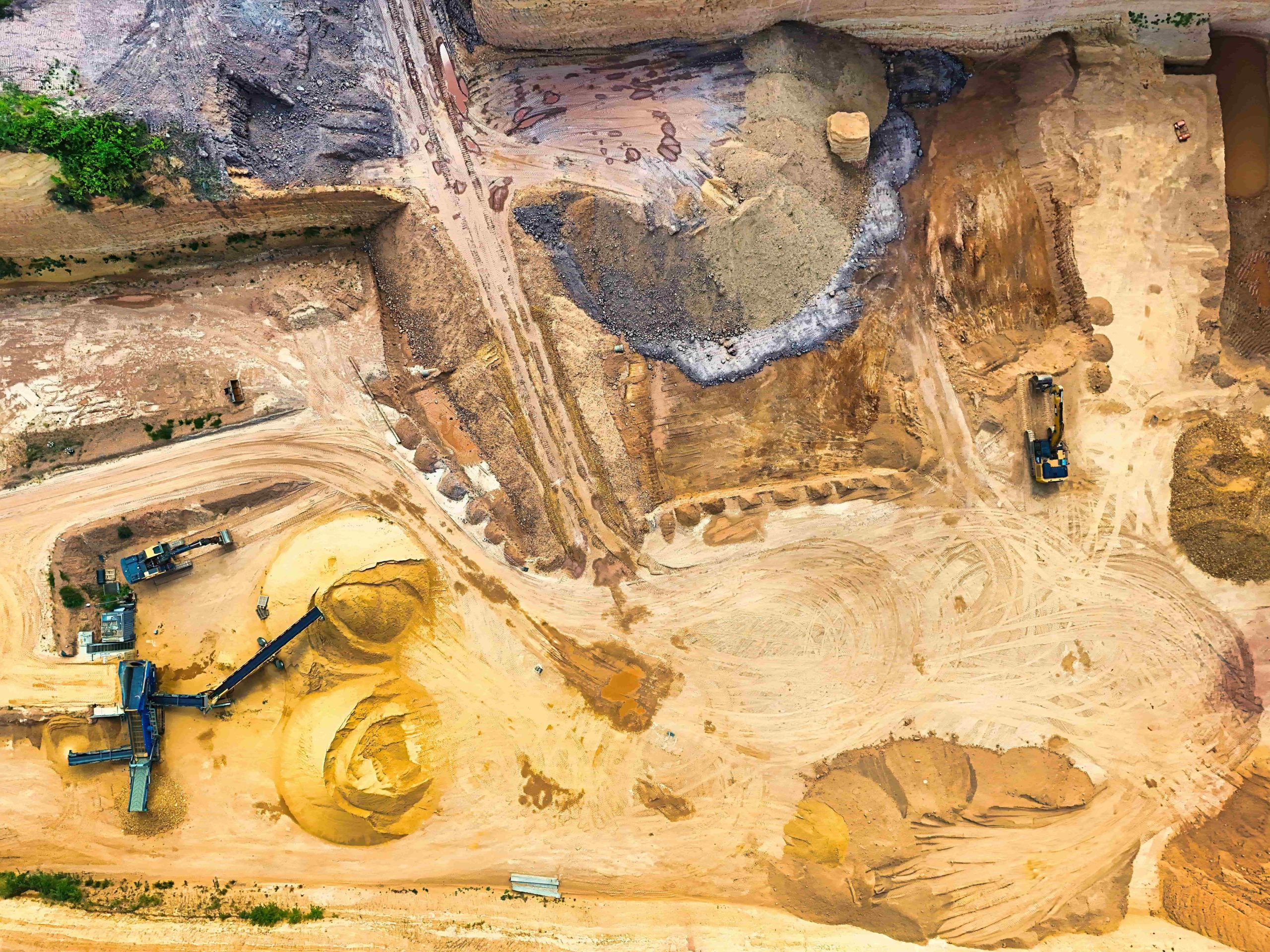
Zircon sand is not mined in isolation. It occurs naturally mixed with other heavy minerals — ilmenite, rutile, leucoxene, monazite, sillimanite — in alluvial and coastal beach sand deposits. Recovering commercial-grade zircon requires a multi-stage physical separation process that exploits differences in specific gravity, magnetic susceptibility, electrical conductivity, and surface wettability between the various mineral species.
The heavy mineral sands (HMS) processing chain typically proceeds as follows:
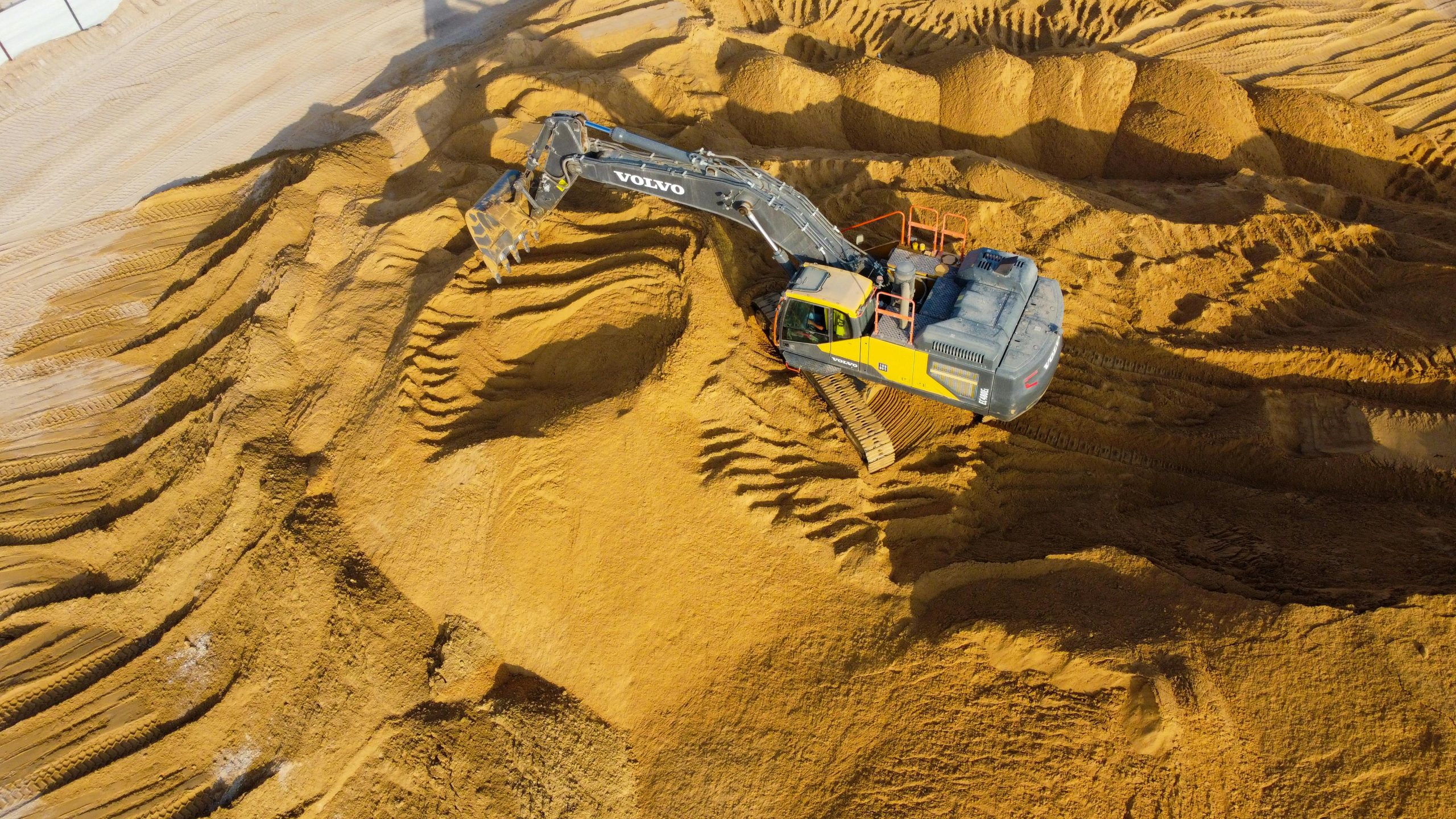
① Dredging or dry mining — bulk sand is excavated from the deposit by dredge or mechanical excavator, with water added to create a slurry.
② Gravity separation (wet spiral concentrators) — the heavy mineral slurry passes over spiral concentrators that exploit the density difference between heavy minerals (SG ~4.6–5.0) and light gangue quartz (SG ~2.65), producing a heavy mineral concentrate (HMC) containing all the valuable minerals.
③ Magnetic separation (WHIMS and rare earth drum magnets) — the HMC is dried and passed through wet high-intensity magnetic separators (WHIMS) to remove ilmenite (magnetic) from the non-magnetic fraction (zircon, rutile, leucoxene, monazite). Multiple stages of magnetic intensity progressively clean each fraction.
④ Electrostatic separation (HTR — High-Tension Roll) — the non-magnetic fraction is fed through high-tension roll electrostatic separators that exploit differences in electrical conductivity. Conductive minerals (rutile, leucoxene) are deflected by the electrostatic field; non-conductive minerals (zircon, monazite) fall straight. This step produces clean zircon and monazite products.
⑤ Final cleaning and sizing — the zircon product is screened to remove oversize and undersize fractions, dried, and bagged or bulk-loaded for shipment. Premium grades may undergo additional magnetic or flotation cleaning to meet tight specification requirements.
Augustina Impex Limited maintains an operational partnership with an HMS processing plant in Jos, Plateau State, Nigeria — managed by Eliezer Onah. The plant operates gravity separation, magnetic separation, and electrostatic separation technologies and is available for toll processing for third-party ore owners. Mineral samples produced at this facility are dispatched to ISO/IEC 17025-accredited independent laboratories for assay certification before export.
Nigeria’s Zircon Sand Deposits: State-by-State Geographic Guide
Nigeria occupies a geologically privileged position in West Africa, with mineral sand deposits distributed across multiple states — from the ancient Precambrian basement complex of the north-central zone to the alluvial and coastal sedimentary sequences of the south and south-south. Nigerian zircon occurs as a co-product of tin and coltan mining in the Jos Plateau region and in coastal heavy mineral sands sequences along the Atlantic coastline. Here is a state-by-state guide to Nigeria’s zircon sand geography:
| State | Deposit Type | Zircon Context | Commercial Status |
|---|---|---|---|
| Plateau State | Alluvial HMS; Jos Plateau tin fields | Zircon recovered alongside cassiterite, ilmenite, rutile, and coltan; HMS plant in Jos operating | Active — Augustina Impex HMS partnership operational |
| Nasarawa State | Alluvial; Precambrian basement alluvials | Associated with tin-bearing alluvials; zircon co-recovery in artisanal mining areas | Emerging — artisanal and small-scale mining active |
| Cross River State | Coastal beach sands; alluvial river terraces | Heavy mineral sand sequences along coastal and riverine zones; ilmenite-zircon-rutile assemblages | Prospected; early-stage exploration ongoing |
| Ondo State | Coastal / beach sand HMS | Alluvial heavy mineral sands along Atlantic coast; zircon, ilmenite, rutile all reported | Exploration-stage; significant prospective resource |
| Delta State | Coastal / Niger Delta alluvial HMS | Niger Delta sedimentary sequences host heavy mineral placer deposits; zircon is a co-product mineral | Prospective — largely untested for HMS potential |
| Rivers State | Coastal beach and estuarine sands | Coastal heavy mineral assemblages reported in geological surveys; zircon present | Unexploited — access challenges in oil-producing zone |
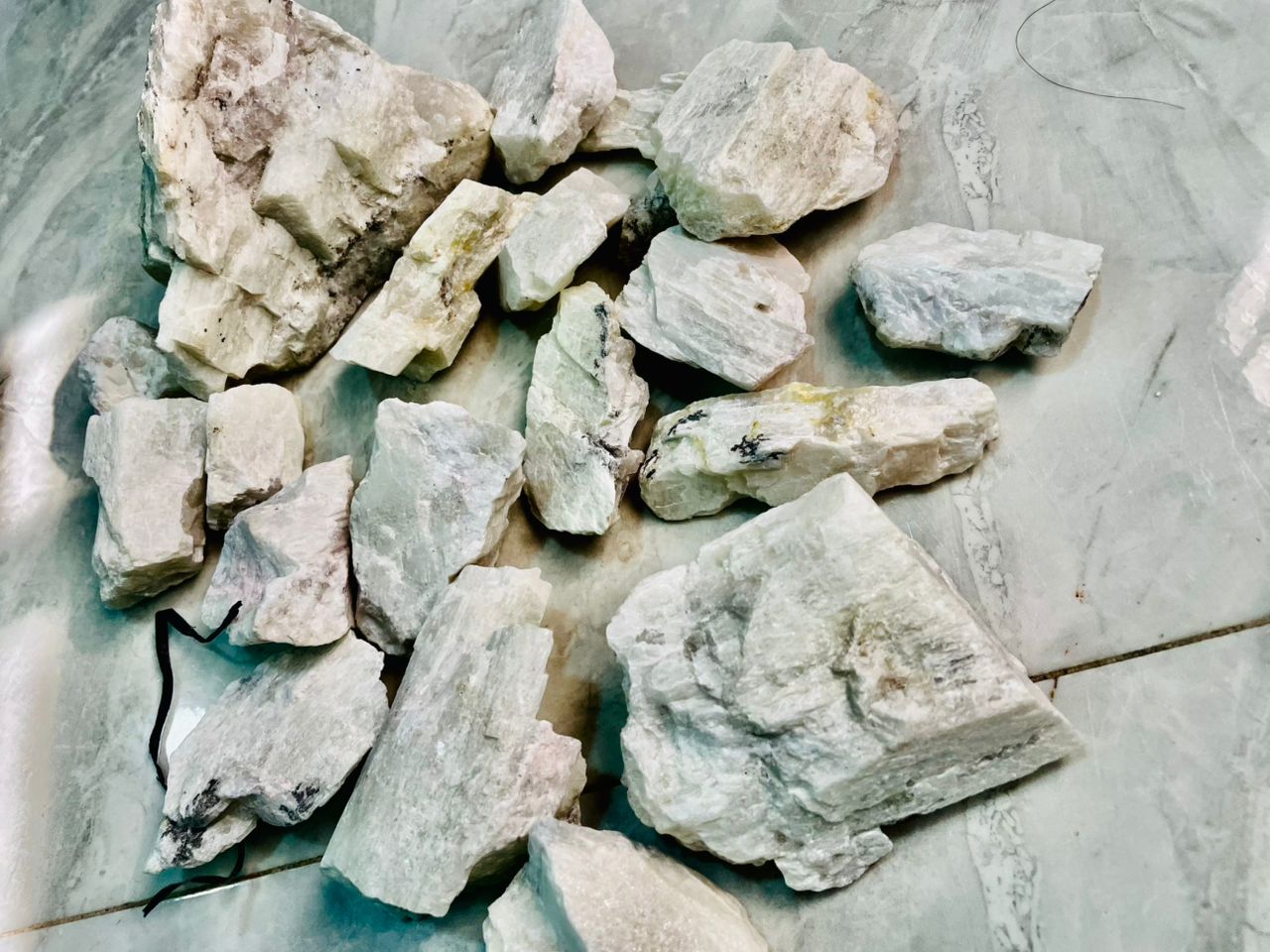
| Kaduna State | Pegmatite-associated alluvials | LCT pegmatite belt; zircon found in weathered pegmatite eluvial and alluvial deposits | Artisanal recovery alongside lithium and coltan |
| Bauchi State | Alluvial; Precambrian basement | Zircon reported in alluvial deposits associated with tin and columbite; extension of Jos Plateau belt | Partially explored; artisanal mining active |
| Kwara State | Basement complex alluvials | Zircon recovery reported as minor by-product in lithium and feldspar mining areas | Emerging — exploration linked to lithium pegmatite activity |
The most commercially active zircon production in Nigeria today centres on Plateau State, where the long history of tin and coltan mining has left behind significant concentrations of zircon in alluvial tailings and active mining areas. The HMS processing plant in Jos provides the physical separation infrastructure necessary to produce marketable zircon concentrate from mixed heavy mineral feed — a capability that most other Nigerian states currently lack but are beginning to develop as global demand for Nigerian zircon grows.
Augustina Impex Limited: Your Verified Nigerian Zircon Sand Supplier
Augustina Impex Limited (RC 750691) is a fully registered and NEPC-licensed Nigerian solid mineral export company headquartered in Jos, Plateau State — at the heart of Nigeria’s historic and expanding mining industry. We operate as the professional bridge between Nigeria’s verified mineral producers and qualified international buyers across Asia, Europe, the Middle East, and beyond. Our export operations are conducted through Jase Odus Nigeria Limited (RC 2022462), with NEPC Registration Number RE 0039421 (valid through July 2027). All pre-shipment inspection is coordinated with CCIC, SGS, or Bureau Veritas at the loading point.
When it comes to Nigerian zircon sand, Augustina Impex offers a complete, end-to-end solution that removes the complexity and risk typically associated with sourcing minerals from West Africa. We maintain an active supply network across the Jos Plateau mining region, with access to HMS processing infrastructure for concentrate production and pre-export quality control. Our zircon is independently assayed at accredited laboratories, with full documentation provided — certificate of analysis, NESS certificate, NEPC documentation, packing list, and commercial invoice — before each shipment departs Nigeria.
Our standard commercial terms are EXW (Ex-Works, Nigeria) or FCA (Free Carrier, Lagos Export Port), with 100% advance payment by T/T as the default payment structure — consistent with industry practice for independent mineral exporters across Sub-Saharan Africa. For established buyer relationships, we are open to discussing structured payment milestones tied to inspection outcomes.
Nigeria’s growing zircon supply offers international buyers a meaningful geographic and political diversification opportunity away from the Australian and South African supply concentration that currently dominates the market. Nigerian zircon is competitively priced, professionally managed through export-compliant channels, and available in smaller parcel sizes that suit buyers who need supply flexibility without committing to the large volume contracts typical of the major mining houses. As Nigerian HMS processing infrastructure continues to develop, supply consistency and volume capacity are improving year on year.
Frequently Asked Questions: Zircon Sand Industrial Uses
The ceramics and tile industry is by far the largest end market for zircon sand globally, consuming 50–55% of total zircon supply. Zirconium silicate is the world’s dominant ceramic opacifier, giving tiles and sanitaryware their brilliant white, non-transparent glaze finish. China is the world’s largest single consumer of zircon for ceramics manufacturing.
Zircon (ZrSiO₄) is the naturally occurring zirconium silicate mineral mined as sand. Zirconia (ZrO₂) is the zirconium dioxide compound derived from zircon by chemical processing or electric arc fusion to separate ZrO₂ from the silica (SiO₂) component. Zirconia is used in higher-value applications including dental prosthetics, fuel cells, thermal barrier coatings, and nuclear-grade zirconium metal production.
Zircon sand is classified as a critical mineral by the EU, USA, Australia, and Japan because of its high economic importance across multiple industrial sectors combined with supply concentration risk — the majority of global production is controlled by a small number of operations in Australia and South Africa. Supply disruption would immediately impact ceramics, refractories, steel casting, nuclear power, and advanced ceramics industries with no short-term substitutes available.
Yes. Nigeria produces zircon sand as a co-product of alluvial tin and coltan mining in the Jos Plateau region, with HMS processing infrastructure in place in Jos to produce commercial-grade concentrate. Nigerian zircon is independently assayed at accredited laboratories, exported through NEPC-registered channels, and comes with full pre-shipment inspection by CCIC, SGS, or Bureau Veritas. Augustina Impex Limited can supply Nigerian zircon sand with ZrO₂ ranging from 40% to 66.5% depending on grade and processing level.
Beyond the established ceramics and refractories markets, the fastest-growing demand segments for zircon are: dental and medical zirconia (driven by the global ageing population and rising demand for ceramic dental prosthetics); solid oxide fuel cells and green hydrogen technology; thermal barrier coatings for next-generation gas turbines; and nuclear energy (driven by the global nuclear renaissance as governments pursue low-carbon baseload power generation). Each of these segments requires high-purity, processed zirconium compounds rather than raw zircon sand, supporting continued growth in the zirconia chemicals processing sector.
Augustina Impex Limited connects qualified international buyers with Nigeria’s growing zircon sand supply — with transparent pricing, independent pre-shipment inspection, and full export documentation through NEPC-registered channels.
📧 augustinaimpex@gmail.com
📞 WhatsApp: +234 906 090 4274
Kolawole King is the Chief Executive Officer of Augustina Impex Limited (RC 750691), a fully registered and NEPC-licensed Nigerian solid mineral export company headquartered in Jos, Plateau State, Nigeria. Kolawole has extensive hands-on experience in the procurement, processing, documentation, and international export of Nigerian solid minerals including zircon sand, ilmenite, rutile, lithium ore, coltan, tin concentrate, and rare earth minerals. He manages a multi-state supply network and HMS processing partnerships across Nigeria’s principal mining states. For zircon sand enquiries and commercial discussions, contact: augustinaimpex@gmail.com | WhatsApp: +234 906 090 4274 | www.augustinaimpex.com | Corporate Blog
-
Previous Post
Future Demand for Lithium in Electric Vehicles
Post a comment
Related Posts
Nigeria Lithium Mining: Production, Processing & Export
Nigeria Lithium Mining: Production, Processing and Export Opportunities By Kolawole King, CEO — Augustina Impex…

Nigeria Rare Earth Minerals: Deposits & Market Potential
Nigeria Rare Earth Minerals: Deposits, Applications and Global Market Potential By Kolawole King, CEO —…
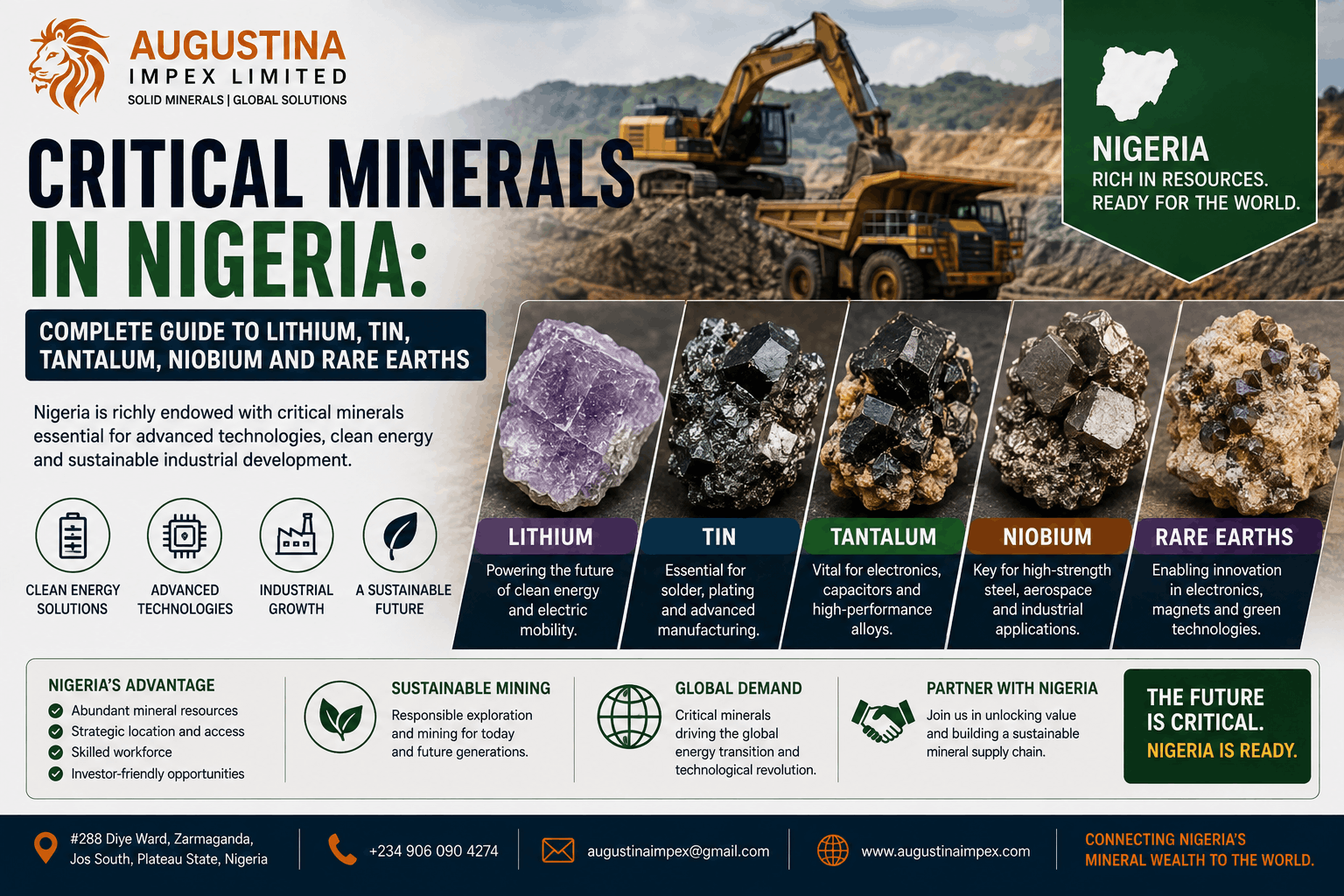
Nigeria Critical Minerals Guide: Lithium, Tin & Rare Earths
Critical Minerals in Nigeria: Complete Guide to Lithium, Tin, Tantalum, Niobium and Rare Earths By…
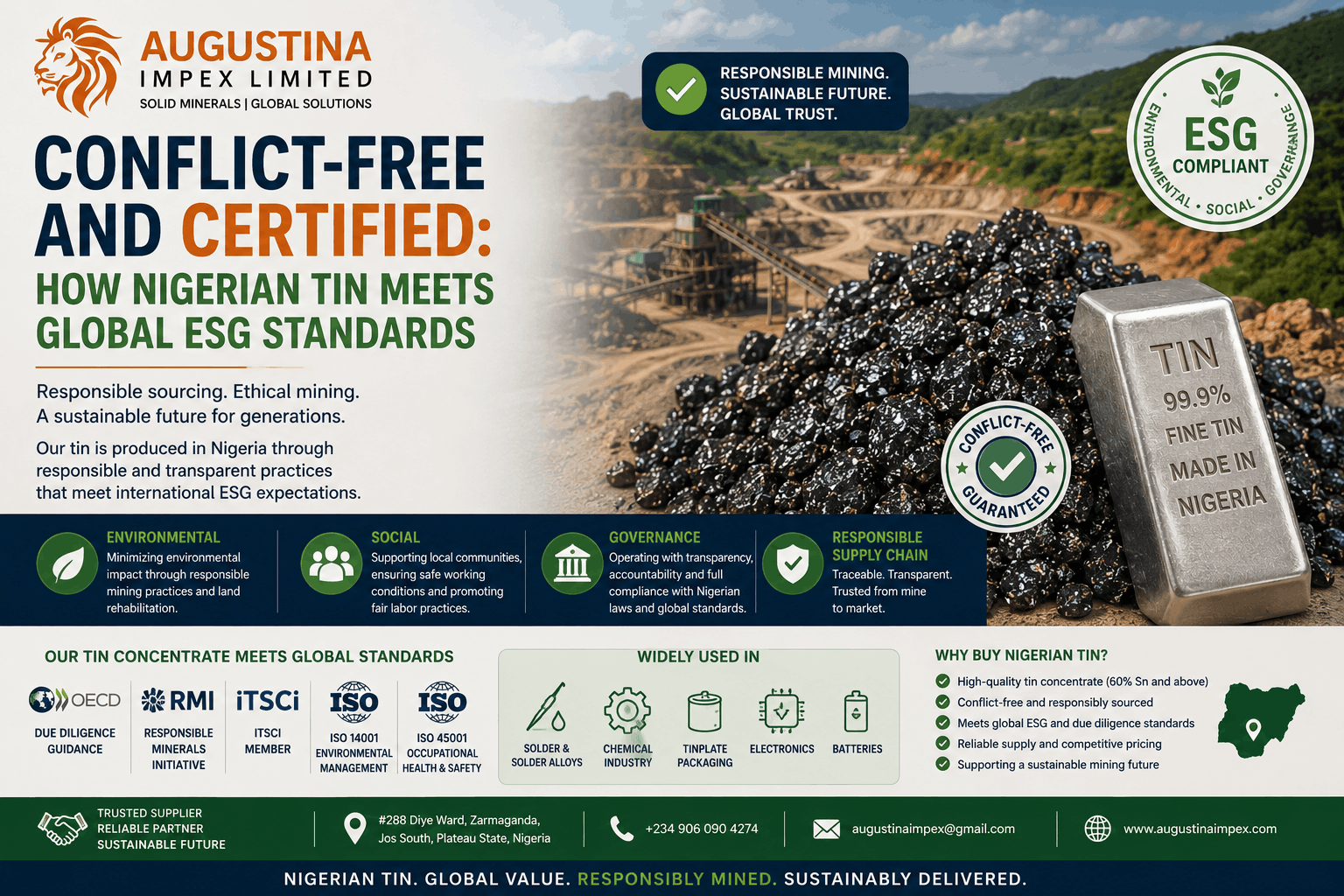
Conflict-Free Nigerian Tin Meets Global ESG Standards
Conflict-Free and Certified: How Nigerian Tin Meets Global ESG Standards By Kolawole King, CEO —…