


The world has made a collective promise to power itself differently — to move from burning fossil fuels toward wind, solar, electrified transport and cleaner grids. It is one of the defining commitments of our age. Yet beneath the inspiring language of the energy transition lies a hard physical reality that is too often glossed over: clean energy is built from materials, and some of the most important of those materials are rare earth minerals. Having spent close to twenty-five years working the mineral belt of the Jos Plateau, where the host minerals of these elements lie in the sands, I have watched the conversation shift from “where will the clean power come from” to “where will the materials to build it come from.” This article sets out, honestly and clearly, how renewable energy technologies depend on rare earths, where that dependence is strong and where it is overstated, and what it means for Africa.

The Material Truth Behind the Energy Transition
Every wind turbine, every electric vehicle, every grid upgrade is a physical object made of mined and processed materials. A cleaner energy system is not less material-intensive than the old one — in many respects it is more so, simply distributed differently. Instead of a continuous flow of fuel, renewable technologies front-load their demand into the hardware itself: the magnets, the conductors, the batteries and the electronics.
This is why the energy transition has quietly become a minerals story. Lithium, copper, nickel, cobalt and graphite all feature heavily, and rightly get attention. But sitting alongside them, less understood and harder to substitute, are the rare earth minerals that make the most efficient generators and motors possible. Understanding the future of clean energy means understanding this material foundation.
What Are Rare Earth Minerals, Briefly
Rare earth minerals are the ores that carry the seventeen rare earth elements — the fifteen lanthanides plus scandium and yttrium. Despite the name, they are not especially scarce in the ground; the difficulty lies in finding them concentrated enough to mine and, above all, in separating them from one another. For renewable energy, four elements do the heavy lifting: neodymium and praseodymium provide raw magnetic strength, while dysprosium and terbium keep magnets stable at the high temperatures of a hard-working generator. Together they form NdFeB permanent magnets, the strongest commercially available magnets in the world.
Wind Power: The Most Rare-Earth-Intensive Renewable
If there is one renewable technology that depends most directly on rare earths, it is wind power — and offshore wind above all. Many large turbines, especially offshore, use direct-drive permanent-magnet generators. These designs replace the heavy, failure-prone gearbox of older turbines with a generator built around powerful NdFeB magnets, allowing the turbine to convert wind into electricity reliably, with fewer moving parts and far lower maintenance.
That reliability is decisive offshore, where sending a maintenance crew to a turbine in open water is enormously expensive. A single large direct-drive turbine can contain hundreds of kilogrammes of rare earth magnets. As nations build out offshore wind at scale, the cumulative demand for wind turbine magnets — and therefore for neodymium, praseodymium and dysprosium — climbs steeply. Wind is where the link between rare earths and the energy transition is at its strongest and least substitutable.
Solar and the Honest Picture of Its Mineral Needs
It is important to be honest here, because credibility matters. Mainstream silicon solar panels are not, in themselves, heavily dependent on rare earth elements. Their main materials are silicon, silver, aluminium and glass. Anyone who tells you every solar panel is packed with rare earths is overstating the case.
But the honest picture is more subtle than “solar needs no rare earths.” Rare earth elements such as cerium are used in the production and polishing of high-purity glass and silicon, and rare earth magnets appear in the motors of solar tracking systems and throughout the power electronics that condition and deliver solar electricity to the grid. So while a solar cell is not a rare earth device, the wider solar system that turns sunlight into usable, grid-ready power draws on them at the edges. Precision about where dependence is real, and where it is not, is exactly what separates a serious analysis from marketing.
Grid Storage, Power Electronics and the Hidden Magnets
A renewable grid needs more than generation; it needs storage and intelligent control. Here too the materials story is nuanced. Battery storage — the lithium-ion systems balancing supply and demand — relies chiefly on lithium, nickel, cobalt, manganese and graphite, not on rare earths. Crediting rare earths for the battery itself would be wrong.
Yet the moment you look at the machinery around storage and transmission, rare earth magnets reappear. They sit in the countless motors, pumps, sensors and actuators that keep a modern grid and its facilities running, and rare earth elements feature in some of the high-performance electronics that manage power flow. The pattern is consistent across the whole clean-energy system: wherever rotation, precision motion or efficient electromagnetic conversion is needed, rare earth minerals tend to be close by.
Why the Magnet Is the Common Thread
Step back from the individual technologies and one component ties them together: the permanent magnet. Whether it is the generator of an offshore turbine, the traction motor of an electric vehicle, or the auxiliary motors threaded through a power plant, the NdFeB magnet keeps appearing because it does something no alternative does as well — it delivers maximum power and efficiency from the smallest, lightest package.
Efficiency is the whole point of the energy transition. Every percentage point of generator or motor efficiency means more clean electricity from the same wind, the same investment, the same footprint. That is why engineers reach for rare earth magnets again and again, and why the clean-energy build-out translates so directly into demand for the elements that make those magnets possible.
The Demand Surge the Energy Transition Is Creating
The scale of what is coming is hard to overstate. The world is moving from deploying renewable capacity in the gigawatts to deploying it relentlessly, year after year, for decades. Each tranche of offshore wind, each wave of electric vehicles, each grid upgrade adds to a demand curve for neodymium, praseodymium and dysprosium that bends steeply upward.
Most analysts across the industry expect demand for these magnet rare earths to outpace current supply growth. Engineers are working hard to reduce the heavy rare earth content of magnets and to improve recycling, and that work genuinely matters. But recycling cannot yet supply a market still growing this fast, because there are not enough end-of-life turbines and vehicles to reclaim at scale. For the foreseeable future, the energy transition will need more freshly mined and separated rare earths — from more sources, in more places.
The Supply Paradox of Clean Energy
Here lies an uncomfortable paradox at the heart of the green transition. For decades, the mining and — far more critically — the refining and separation of rare earths has been overwhelmingly concentrated in a single country. China today dominates global rare earth processing and magnet manufacturing. So the world’s effort to achieve energy independence from fossil fuels currently depends on a highly concentrated supply of the materials that make clean energy possible.
Trading one dependence for another is not true energy security. This realisation has pushed every major economy to diversify the clean energy minerals supply chain — to mine, process and separate rare earths outside the dominant source. New projects are being financed across Australia, North America and Africa, and clean-energy manufacturers are signing offtake agreements directly with miners. This diversification drive is the single largest commercial opportunity in the rare earth space today, and it is redirecting capital and attention toward new producing regions.
Monazite, Africa and the Renewable Energy Opportunity
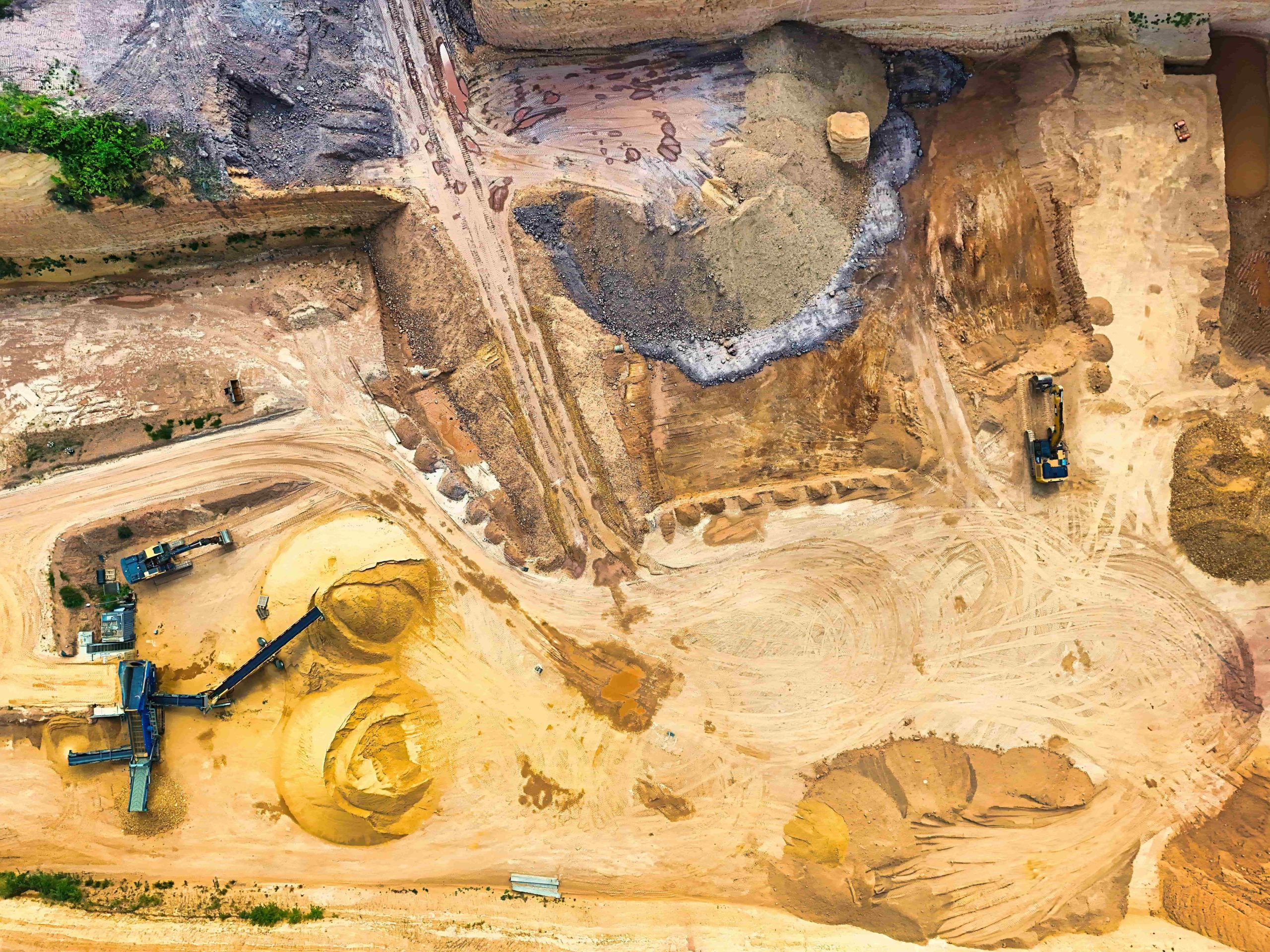
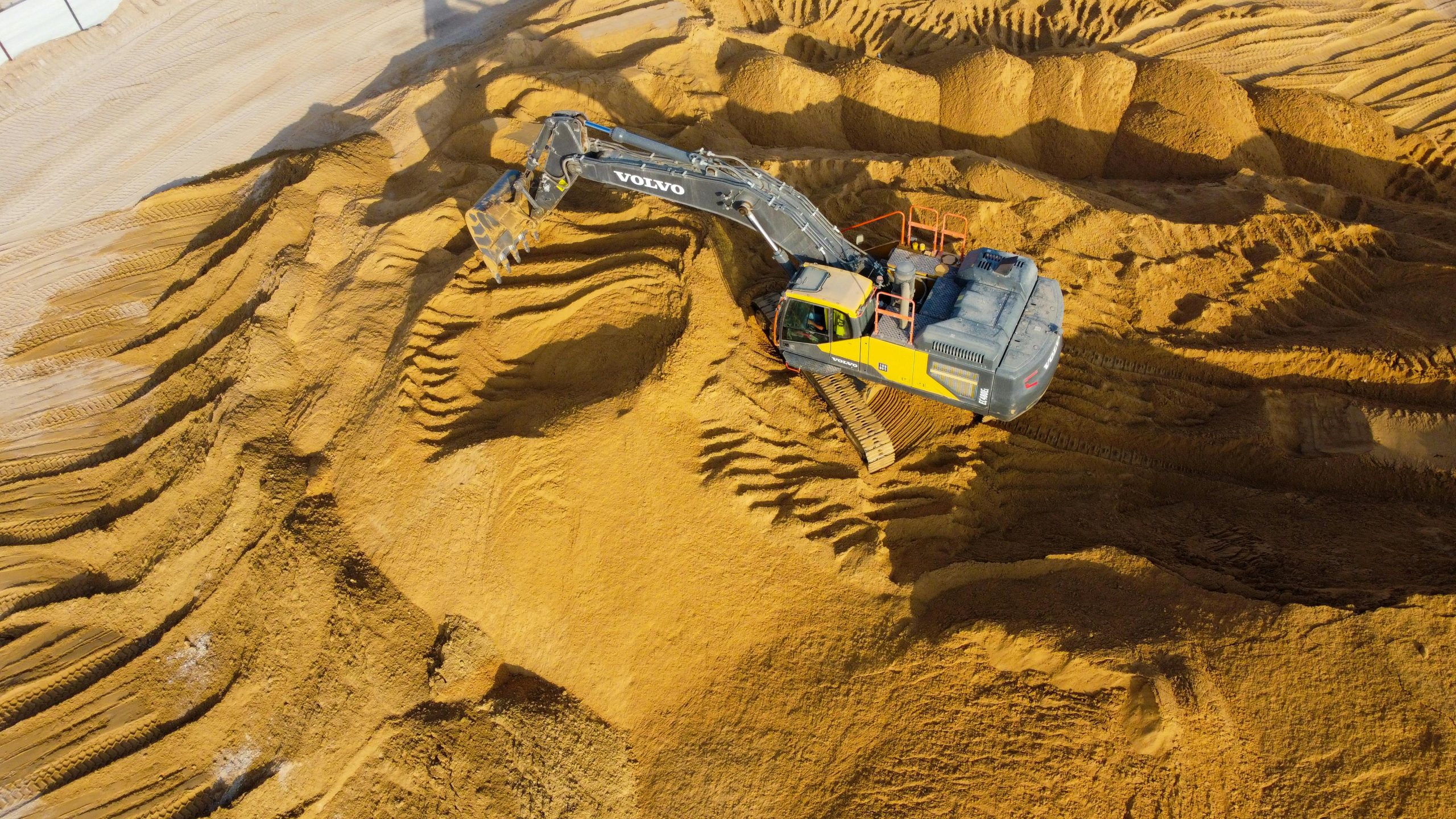
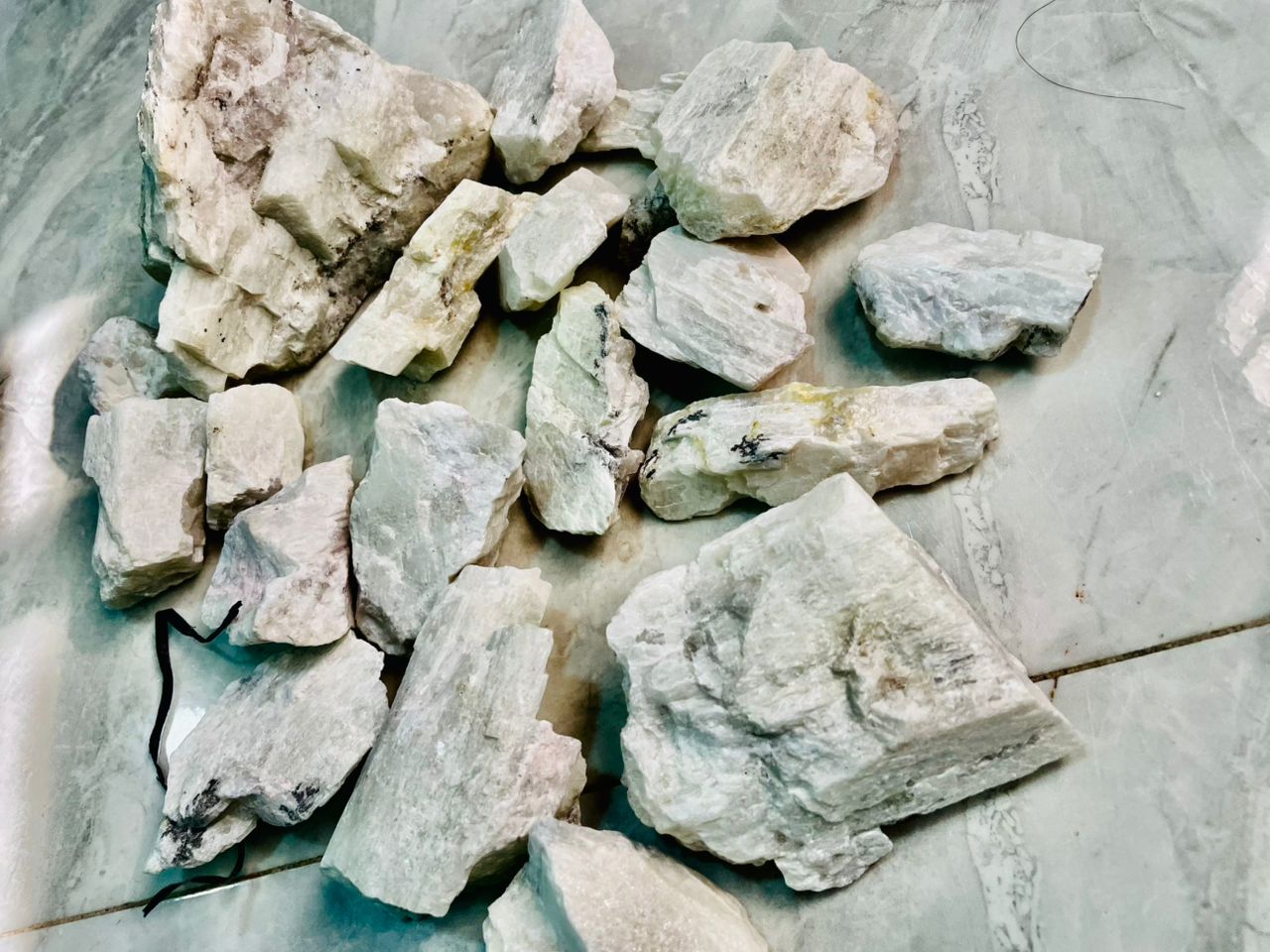
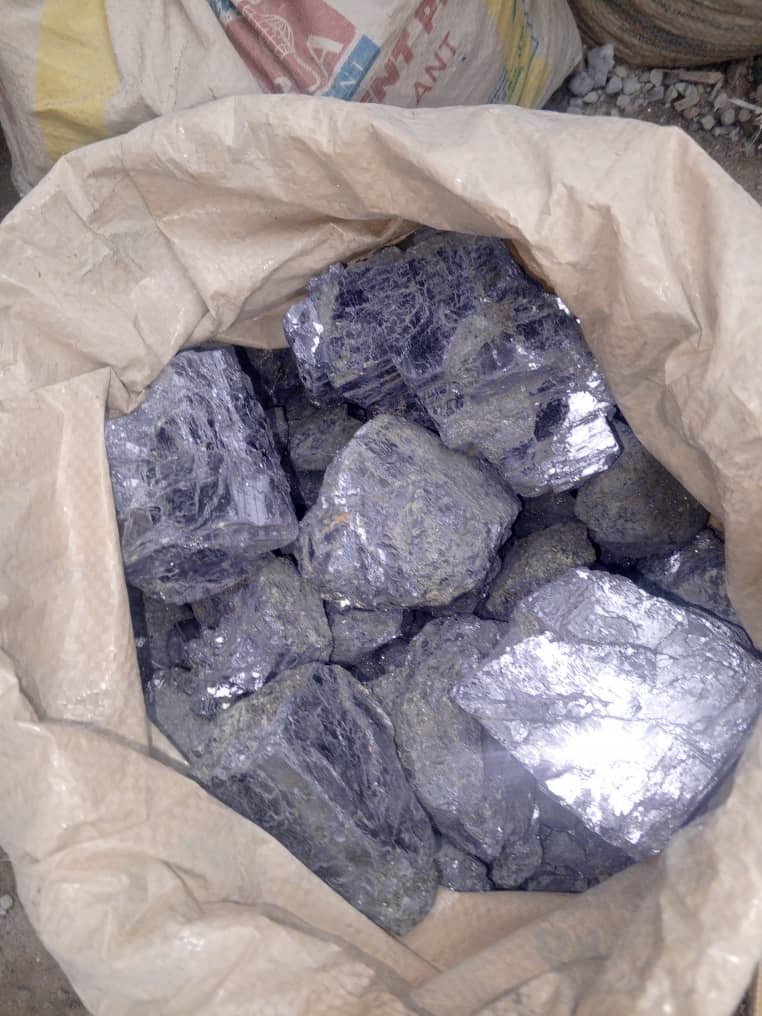
This is where Africa, and Nigeria in particular, enters the story with real advantages. Monazite — one of the great commercial sources of light rare earths, including the neodymium and praseodymium that clean-energy magnets depend on — occurs in substantial quantities in the heavy mineral sands of the Jos Plateau, alongside a deep portfolio of associated minerals such as columbite, tantalite, cassiterite and zircon.
For generations, producers in regions like ours exported raw concentrate and watched the real value created downstream, elsewhere. The global scramble to diversify clean-energy supply chains changes that equation. Buyers in Asia, Europe and the Middle East now actively want reliable, well-documented, responsibly handled sources of rare earth feedstock. For Nigeria, the renewable energy revolution is not a distant headline — it is a direct opportunity to supply the raw materials behind the magnets that will turn the world’s wind and motion into clean power.
From Raw Concentrate to Strategic Supply: The Beneficiation Imperative
Seizing that opportunity demands a shift from extraction to beneficiation. There is a world of difference between shipping unprocessed sand and supplying a verified concentrate with documented total rare earth oxide (TREO) content, supported by XRF and ICP-OES assays and handled in line with NORM and IAEA radiation-safety guidance — a real consideration with monazite, which carries thorium. The first is a low-margin commodity transaction; the second is a strategic input that serious buyers will build long-term relationships around.
At Augustina Impex Limited, this is the discipline we bring to the Nigerian minerals trade — connecting verified monazite and associated concentrates from the Plateau belt to credible international buyers, with the documentation, quality control and export facilitation that turn raw sand into a bankable, traceable, strategic asset. The producers who professionalise now, while the clean-energy world is actively searching for new sources, are the ones who will hold the relationships that matter as the market matures.
What This Means for Developers, Investors and Policymakers
For renewable energy developers, the lesson is that securing magnet-grade rare earths is becoming as strategic as securing turbines or panels, and that building early relationships with emerging, well-run suppliers is a form of supply-chain insurance. For investors, the collision of relentless clean-energy demand with a concentrated, diversifying supply base is one of the clearest long-horizon theses in commodities. For policymakers across Africa, the opportunity is to encourage local processing, transparent regulation and value addition, so that the wealth in the ground becomes jobs, skills and lasting national benefit rather than another round of raw export.
The common thread is that renewable energy technologies and rare earths are now inseparable — and the decisions made over the next few years about where and how these materials are sourced will shape both the pace of the energy transition and the industrial competitiveness of nations.
Final Thoughts
Renewable energy technologies depend on rare earth minerals because the most efficient generators and motors the world knows how to build are made with rare earth permanent magnets. The dependence is strongest in wind power, real but more limited in solar and grid systems, and woven throughout the motors and electronics that hold a clean grid together. The world now understands how concentrated the supply of these materials is, and it is urgently searching for new, reliable, responsibly produced sources.
Africa, and the Jos Plateau in particular, has both the geology and the moment to help meet that need. The task ahead is to do it with professionalism: verified quality, proper documentation, responsible handling and the determination to climb the value chain rather than sit at the bottom of it. That is the work we have committed ourselves to at Augustina Impex Limited. If your business is sourcing the rare earth minerals that power renewable energy, or the associated Nigerian solid minerals that surround them, I would be glad to talk.
Kolawole King, Chief Executive Officer, Augustina Impex Limited
#288 Diye Ward, Zarmaganda, Jos South, Plateau State, Nigeria
Email: augustinaimpex@gmail.com | WhatsApp: +234 906 090 4274
Website: https://augustinaimpex.com | Blog: https://augustinaimpexng.blogspot.com/
Advert Video: https://www.youtube.com/watch?v=Izg0t7By6co
#RareEarthMinerals #RenewableEnergy #WindTurbines #NdFeBMagnets #Neodymium #Dysprosium #CleanEnergyMinerals #EnergyTransition #CriticalMinerals #AfricanRareEarths #NigeriaMining #AugustinaImpex
-
Previous Post
The Future of Light Rare Earth Elements (LREEs)
Post a comment
Related Posts
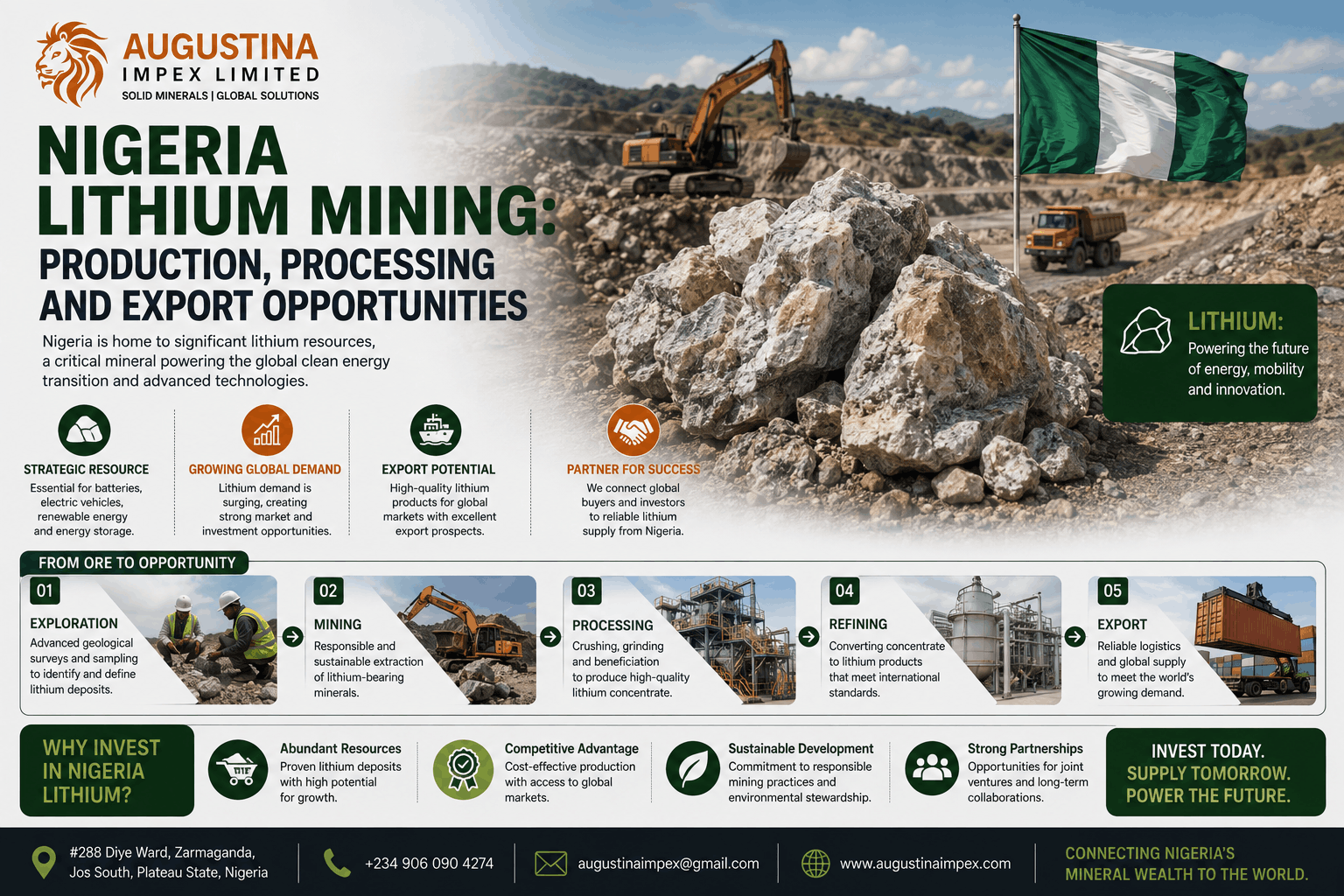
Nigeria Lithium Mining: Production, Processing & Export
Nigeria Lithium Mining: Production, Processing and Export Opportunities By Kolawole King, CEO — Augustina Impex…

Nigeria Rare Earth Minerals: Deposits & Market Potential
Nigeria Rare Earth Minerals: Deposits, Applications and Global Market Potential By Kolawole King, CEO —…
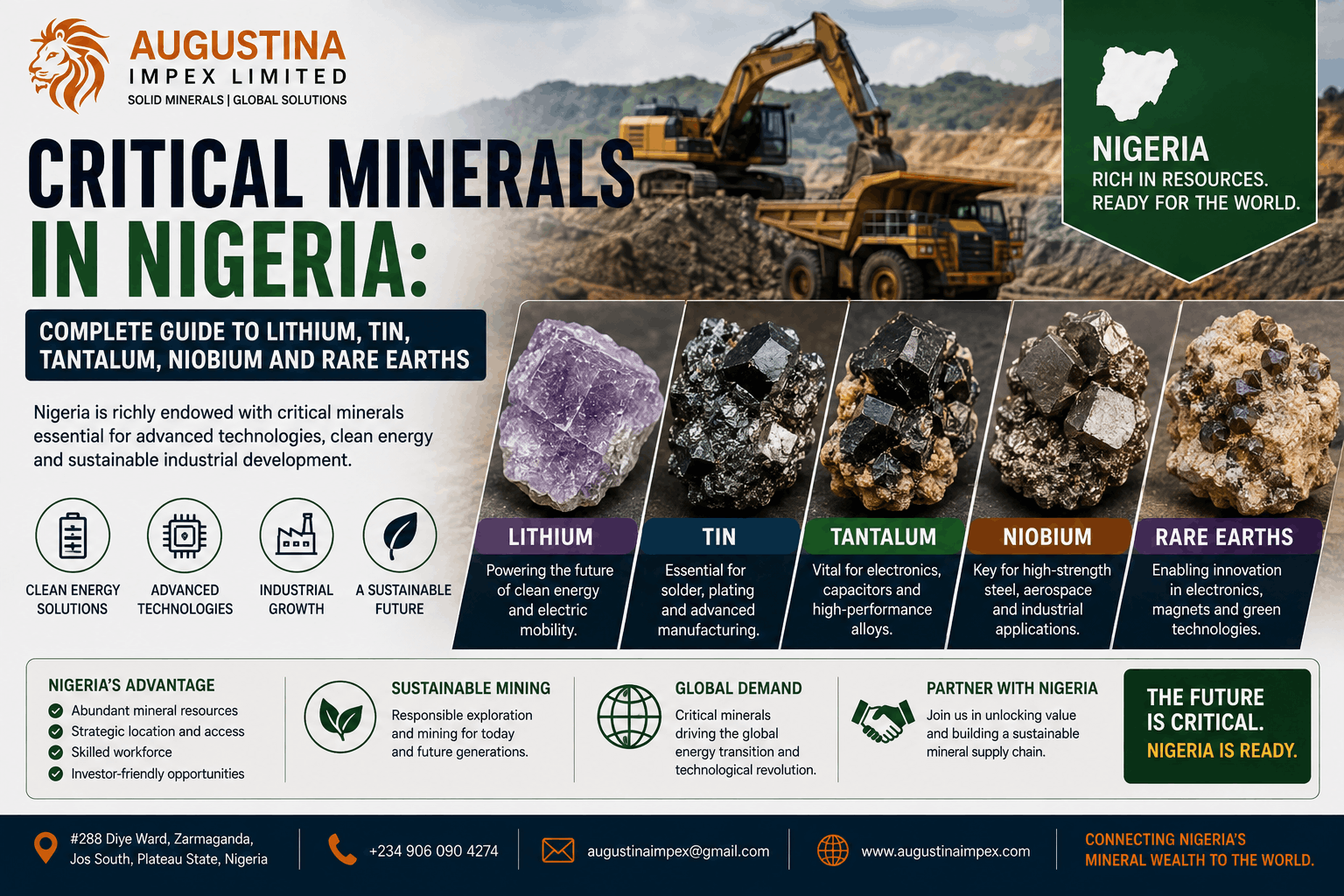
Nigeria Critical Minerals Guide: Lithium, Tin & Rare Earths
Critical Minerals in Nigeria: Complete Guide to Lithium, Tin, Tantalum, Niobium and Rare Earths By…
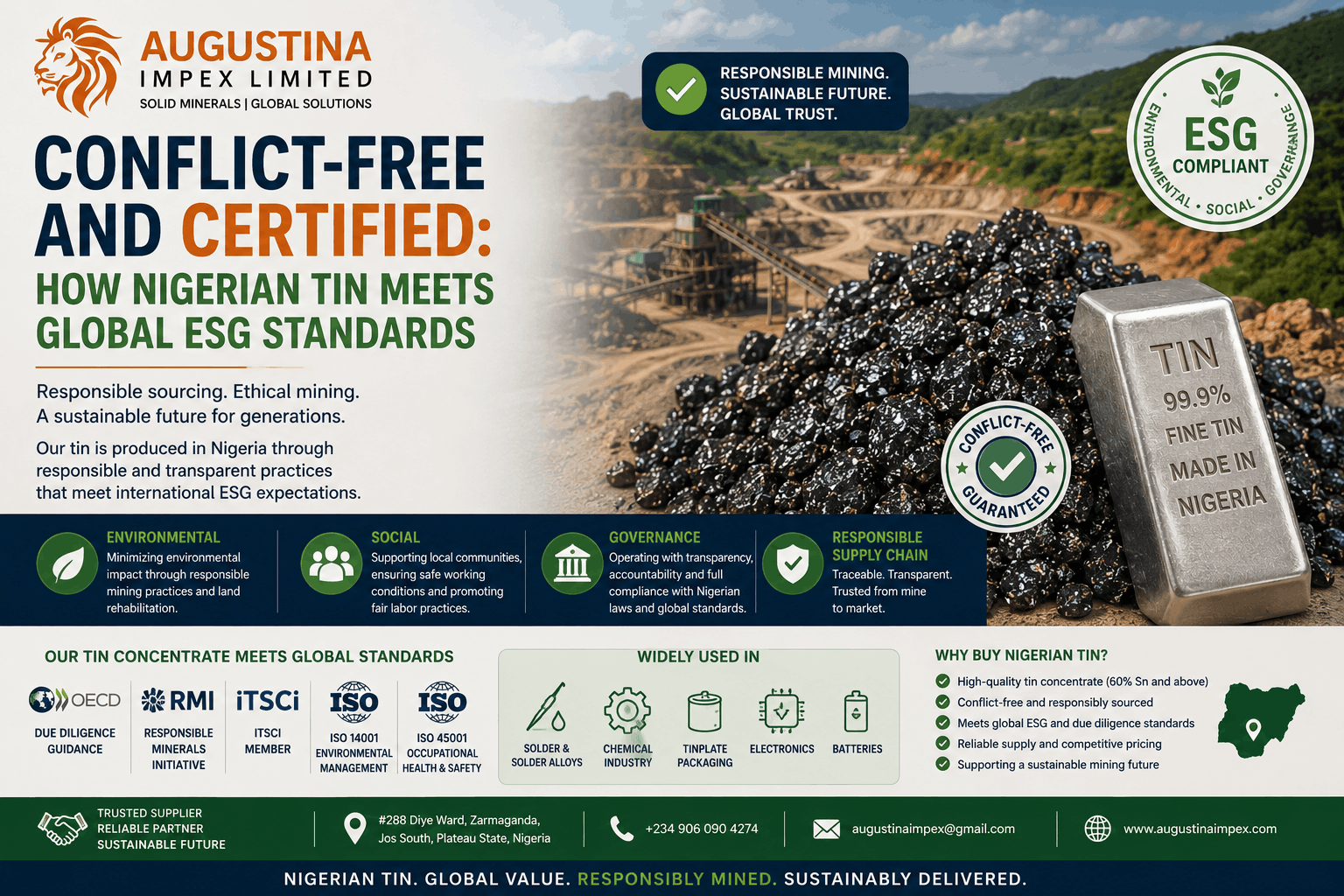
Conflict-Free Nigerian Tin Meets Global ESG Standards
Conflict-Free and Certified: How Nigerian Tin Meets Global ESG Standards By Kolawole King, CEO —…