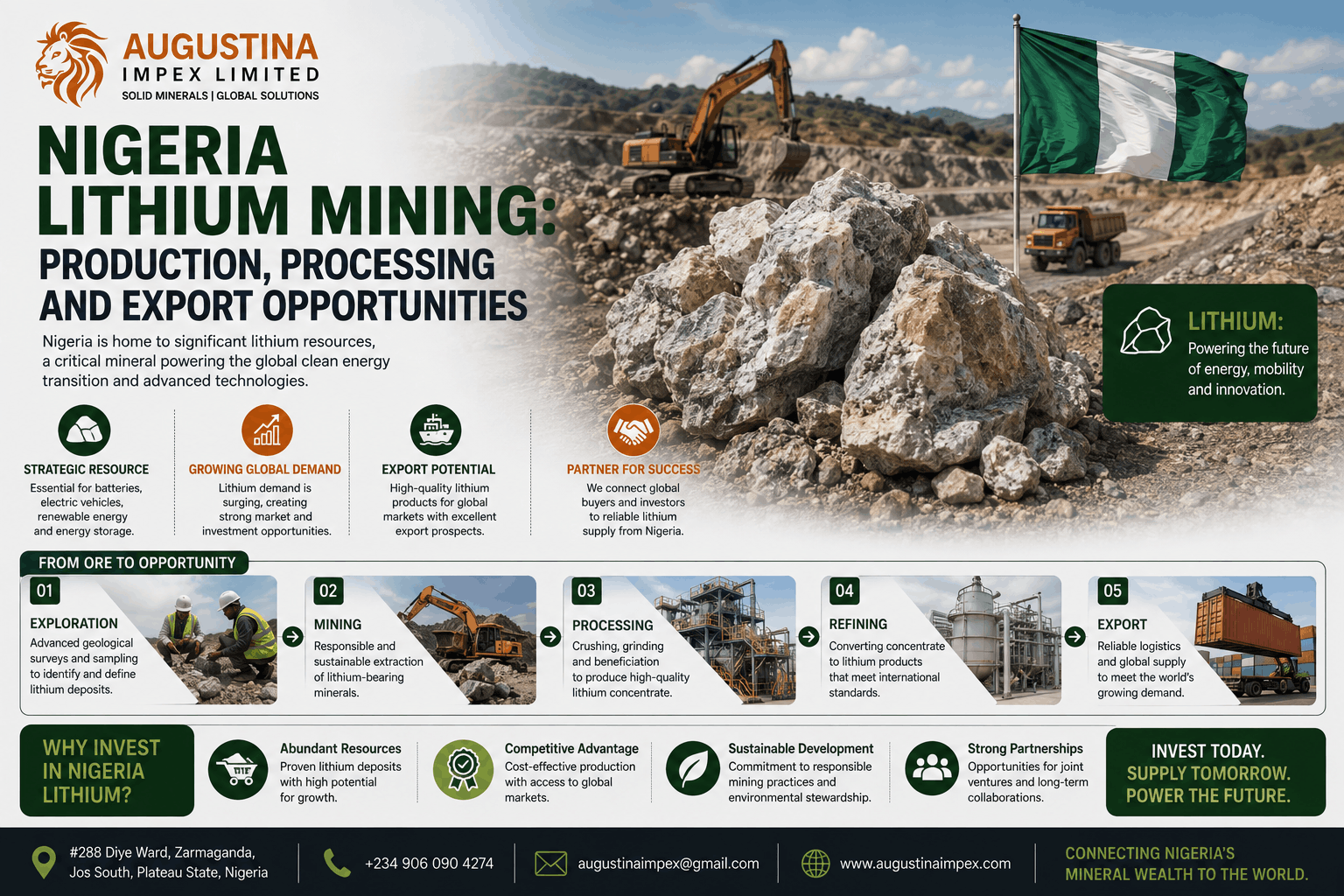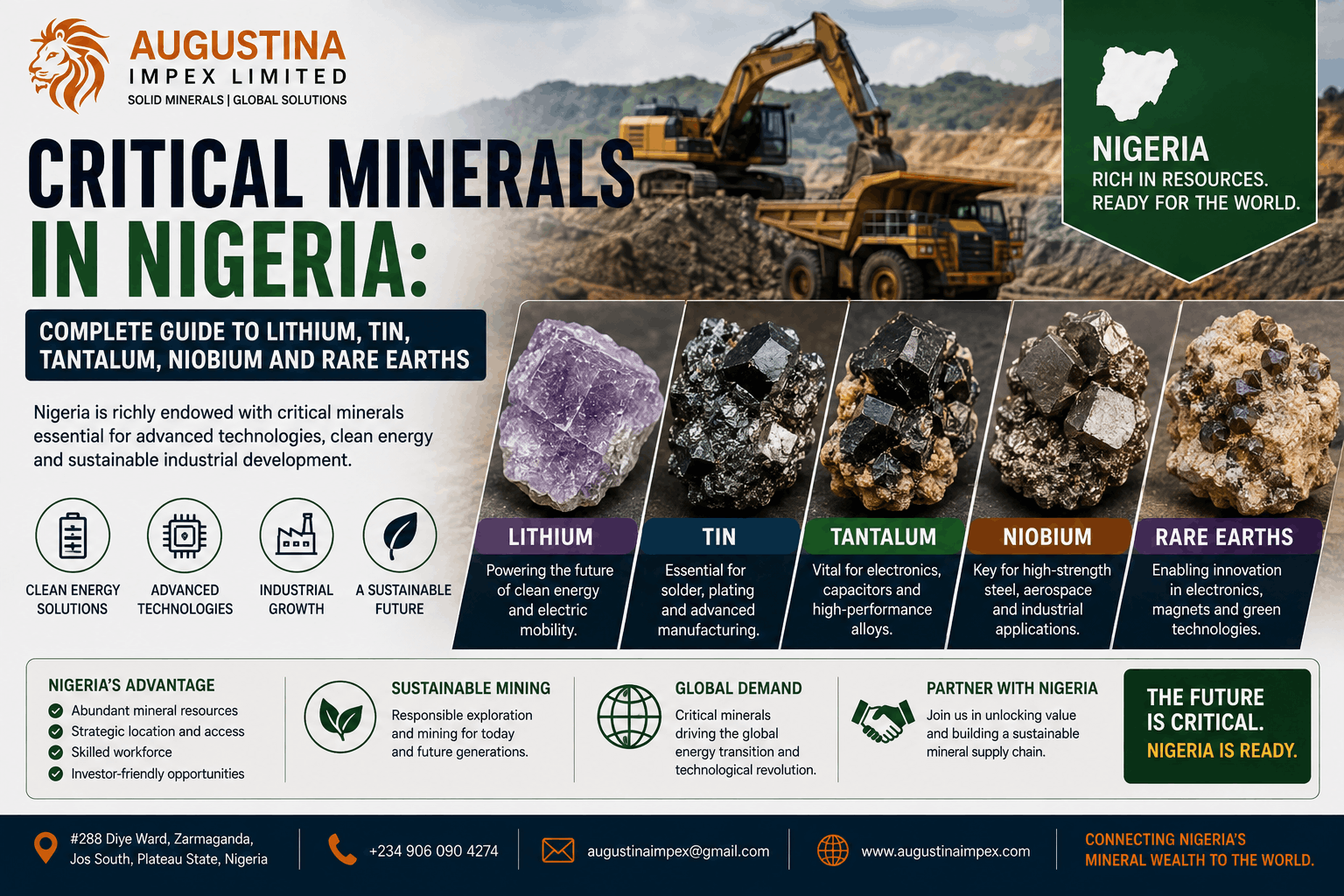


There is a particular kind of mineral that rarely makes headlines yet quietly shapes the technology of an entire era. Monazite is one of them. To the untrained eye it is simply a heavy, reddish-brown grain mixed into the sands of the Jos Plateau and dozens of mineral provinces around the world. To industry, it is one of the most important commercial sources of the rare earth elements that power magnets, defense systems, clean-energy hardware and the electronics we depend on. Having spent close to twenty-five years working the mineral belt of Plateau State, I have watched monazite move from an overlooked by-product of tin mining to a strategically contested raw material. This article explains what monazite is, why it matters so much to modern technology, and why Nigeria sits in a genuinely advantageous position in the global story.
What Is Monazite?
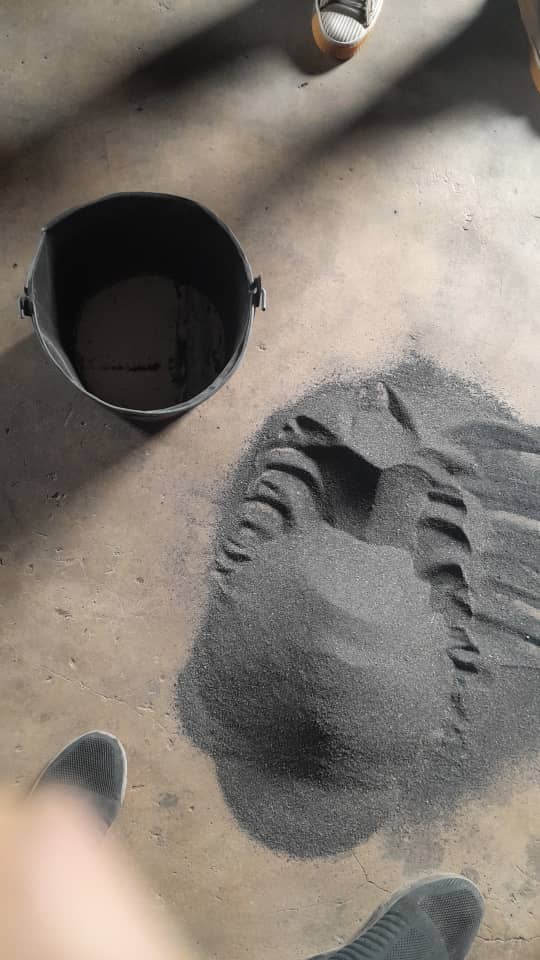
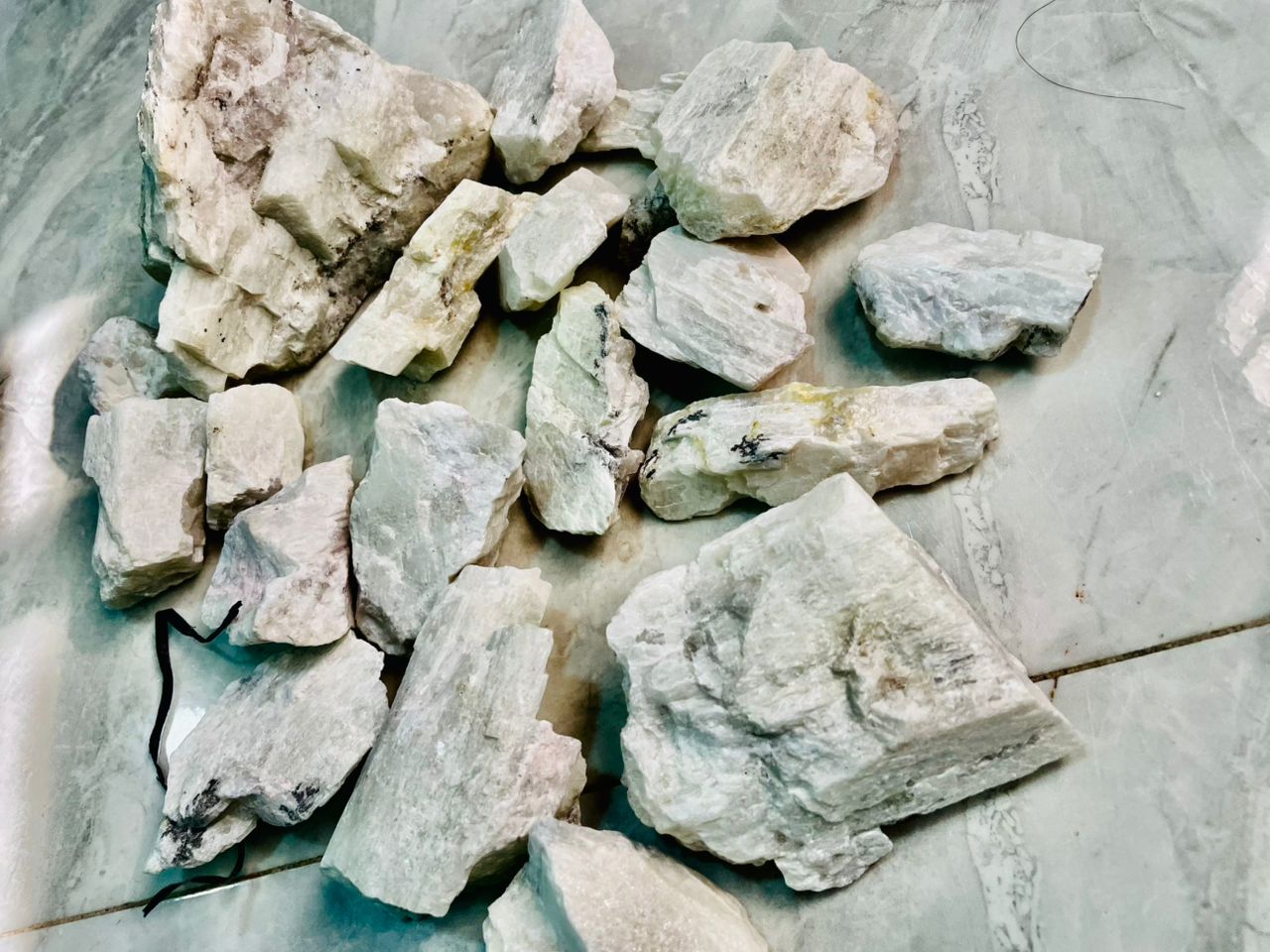
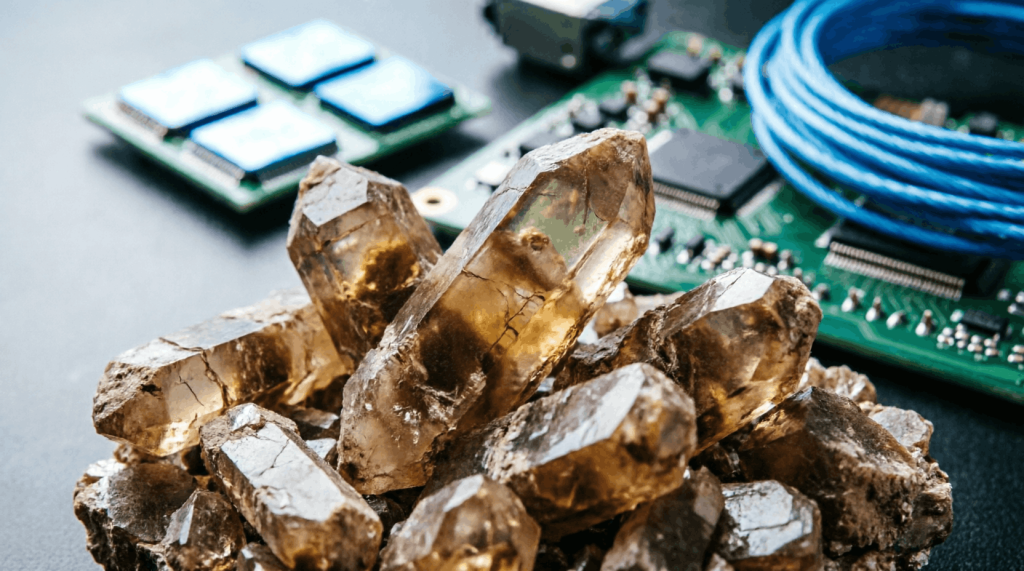
Monazite is a reddish-brown phosphate mineral that occurs as small, dense grains in a wide range of rocks and, most usefully, in heavy mineral sands. It is what geologists call an accessory mineral — present in modest quantities, but concentrated by natural weathering and water action into placer deposits along rivers, beaches and ancient drainage systems. On the Jos Plateau, monazite has long travelled alongside cassiterite, columbite, zircon, ilmenite and rutile in the same mineral-rich sands.
What sets monazite apart is its chemistry. It is a rare earth phosphate, meaning rare earth elements are not a trace impurity but a structural part of the mineral itself. That is precisely why it is so valuable: monazite is not a stone that happens to contain a little rare earth content; it is a mineral built around rare earths.
The Chemistry That Makes Monazite Matter
A typical monazite carries a high concentration of light rare earth elements — chiefly cerium, lanthanum, neodymium and praseodymium — along with smaller amounts of the heavier rare earths. The total rare earth oxide (TREO) content of a good monazite concentrate can be remarkably high compared with many other rare earth ores, which is what makes it commercially attractive even in relatively modest deposits.
Of those elements, neodymium and praseodymium are the prizes. They are the active ingredients in NdFeB permanent magnets, the strongest commercially available magnets in the world. When a buyer evaluates a monazite sand concentrate, they are really asking one question: how much usable rare earth oxide can be recovered, and how cleanly? That is why credible producers report TREO figures backed by XRF and ICP-OES assays rather than vague descriptions — the chemistry is the value.
From Sand to Strategic Resource: How Monazite Is Recovered
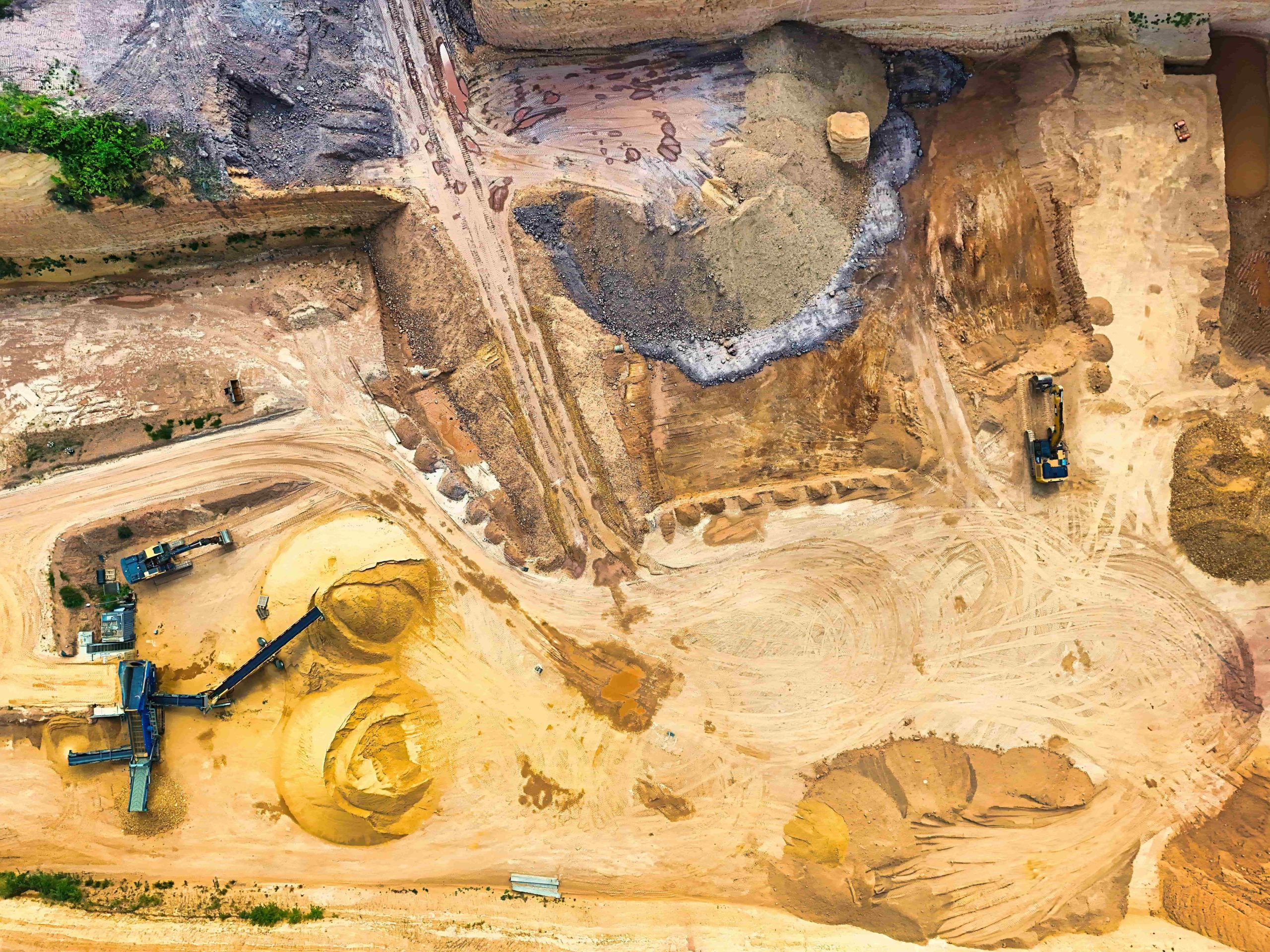
One of monazite’s commercial advantages is that it is dense and weakly magnetic, which makes it separable from lighter sand minerals using well-established physical methods. Gravity separation exploits its weight, magnetic separation exploits its response to magnetic fields, and electrostatic methods exploit its conductivity. Through a sequence of these steps, raw heavy mineral sand can be upgraded into a high-grade monazite concentrate.
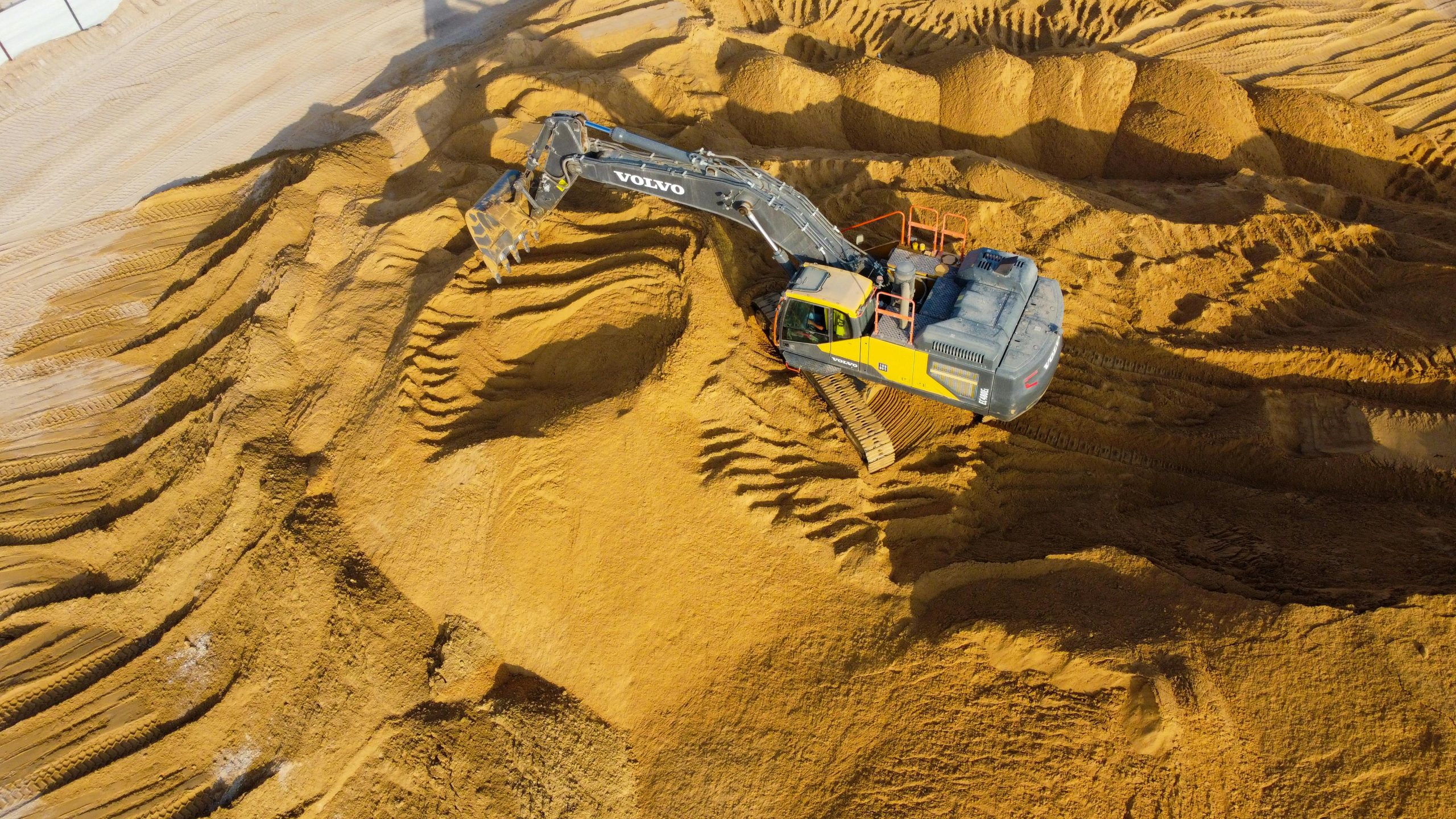
This matters strategically because it means monazite can often be recovered as a co-product alongside other valuable minerals already being mined. On the Jos Plateau, decades of tin and columbite working left tailings and sand bodies that carry monazite. Recovering it adds value to material that has, in many cases, already been moved — turning what was once treated as waste into a sought-after technology feedstock.
Powering the Magnets Behind Modern Technology
To understand why monazite is strategically important, follow the magnet. The neodymium and praseodymium recovered from monazite end up in NdFeB permanent magnets, and those magnets are everywhere modern technology is heading. They drive the traction motors of electric vehicles, the generators of large wind turbines, the precision actuators of robots and the miniature motors inside smartphones, hard drives and medical devices.
The defining trend of modern engineering — smaller, lighter devices doing more work with less energy — rests on these magnets, and therefore on a steady supply of the rare earths that monazite provides. As the world electrifies transport and power generation, demand for neodymium climbs steeply, and every credible source of supply gains in importance. This is the heart of the case for monazite: it is a direct, concentrated feedstock for the single most strategically contested magnet material on Earth.
Beyond Magnets — Monazite’s Wider Technological Footprint
Magnets are the headline, but the rare earths drawn from monazite reach much further. Cerium is the workhorse polishing compound that finishes precision glass and the silicon wafers behind every semiconductor. Lanthanum improves the optics in high-quality camera lenses and serves as a catalyst in refining. Cerium and other rare earths feature in catalytic converters, specialty glass and phosphors for displays and lighting.
Taken together, the elements packed into monazite touch clean energy, electronics, optics, healthcare imaging, defense and advanced manufacturing. Few single minerals feed so many critical industries at once. That breadth is exactly why supply security for monazite-derived rare earths has become a matter of national strategy in major economies, rather than an ordinary commercial concern.
The Thorium Question: Risk, Responsibility and Opportunity
No honest discussion of monazite can skip its complication. Monazite naturally contains thorium, a mildly radioactive element, which classifies it as a source of naturally occurring radioactive material, or NORM. This is the single biggest reason monazite was, for years, set aside in favour of other rare earth ores — handling, transporting and processing it responsibly requires care and proper documentation.
But this challenge is also an opportunity for serious operators. Monazite can be handled safely and compliantly when managed in line with NORM protocols and IAEA radiation-safety guidance, with appropriate monitoring, documentation and worker protection. Producers who treat the thorium content as a discipline to be managed rather than a problem to be hidden are exactly the partners that credible international buyers want. Responsible handling is not a barrier to the monazite trade — it is the entry ticket to the serious end of it. And in the longer term, thorium itself is being studied as a potential nuclear fuel, which may one day turn today’s liability into tomorrow’s asset.
Monazite and the Global Supply Chain Shift
For decades, the mining and — more critically — the refining and separation of rare earths has been overwhelmingly concentrated in a single country. China today dominates global rare earth processing capacity. For every economy that depends on rare earth magnets, that concentration is a structural vulnerability, exposing them to export restrictions, price shocks and geopolitical leverage.
The response has been a global race to diversify, and monazite is squarely in the middle of it. Because monazite is geographically widespread and can be recovered as a co-product of existing mineral-sand operations, it offers a realistic route to new, non-traditional supply. New projects are advancing across Australia, North America and Africa specifically to bring monazite-derived rare earths into a more diversified supply chain. The mineral that was once sidelined for its thorium content is now being actively sought for its strategic value.
Nigeria, the Jos Plateau, and a Monazite Opportunity
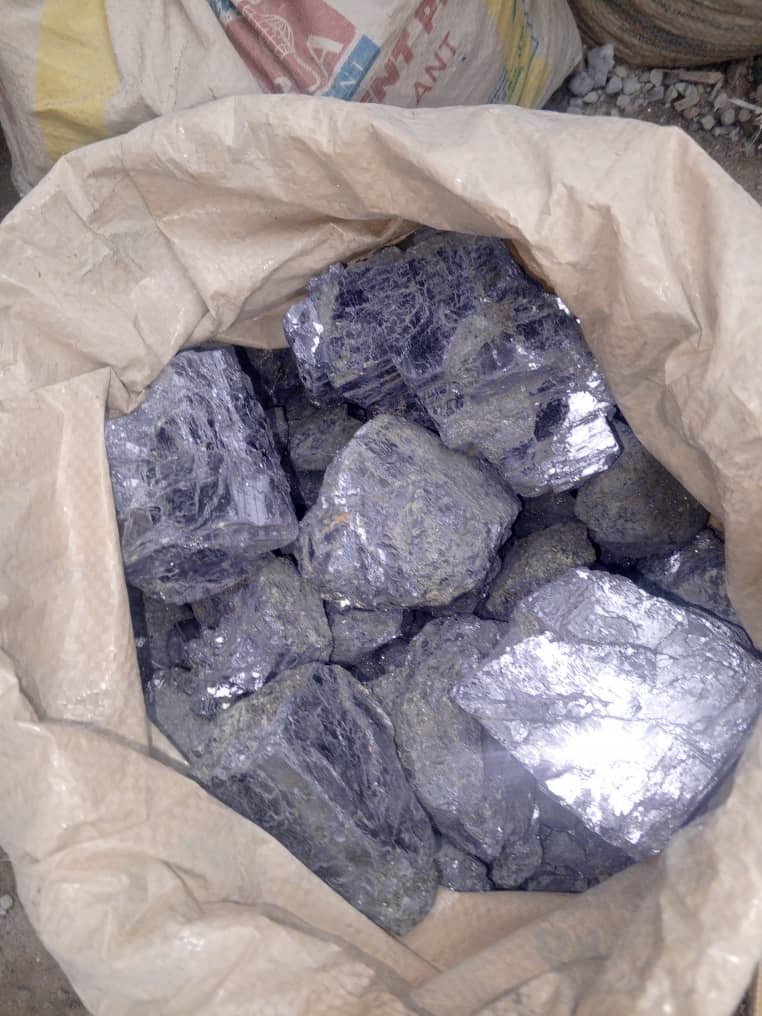
This is where Nigeria — and my home region in particular — enters the story with real advantages. The Jos Plateau mineral belt carries substantial monazite-bearing sands, generated and concentrated over more than a century of natural weathering and, latterly, mining activity. Monazite occurs here alongside a deep portfolio of associated minerals: columbite, tantalite, cassiterite, zircon, ilmenite and rutile. Few mineral provinces offer such a rich, co-located basket.
For generations, producers in regions like ours shipped raw concentrate and watched the real value created downstream, elsewhere. The current scramble to diversify rare earth supply changes that equation decisively. Buyers in Asia, Europe and the Middle East now actively want reliable, well-documented, responsibly handled monazite sand from new sources. For Nigeria, this is a genuine window to move from being an overlooked supplier to a recognised, strategic participant in the global rare earth supply chain.
From Raw Concentrate to Bankable Asset: The Beneficiation Imperative
Seizing that window requires a shift in mindset from extraction to beneficiation. There is a world of difference between shipping unprocessed sand and supplying a verified monazite concentrate with documented TREO content, supported by XRF and ICP-OES assays and handled in line with NORM and IAEA guidance. The first is a low-margin commodity transaction; the second is a strategic input that serious industrial buyers will pay a premium for and build long-term relationships around.
At Augustina Impex Limited, this is precisely the discipline we bring to the Nigerian minerals trade — connecting verified monazite and associated concentrates from the Plateau belt to credible international buyers, with the documentation, quality control, radiation-safety awareness and export facilitation that turn a pile of sand into a bankable, traceable, strategic asset. The producers who professionalise now, while the world is actively searching for new sources, are the ones who will still hold the relationships that matter when the market matures.
What This Means for Buyers, Investors and Policymakers
For industrial buyers, the message is that dependence on a single rare earth supply source is no longer a risk worth carrying, and that building relationships with emerging, well-run monazite suppliers is a form of insurance. For investors, the collision of surging magnet demand with a concentrated, diversifying supply base makes monazite one of the more compelling long-horizon stories in critical minerals. For policymakers across Africa, the opportunity is to encourage local processing, transparent regulation, sound radiation-safety frameworks and value addition, so that the wealth in the ground becomes jobs, skills and lasting national benefit rather than another round of raw export.
The common thread is that monazite has quietly become a board-level and cabinet-level concern — and the decisions made over the next few years about where and how it is sourced will shape industrial competitiveness for a generation.
Final Thoughts
Monazite is strategically important to modern technology because it is a concentrated, widely distributed source of the rare earth elements that power magnets, clean energy, electronics, optics, healthcare and defense. Its thorium content is a discipline to be managed, not a reason to look away, and the world is now actively seeking new, responsibly produced supply outside the dominant established source.
Nigeria, and the Jos Plateau in particular, has both the geology and the moment to help meet that need. The task ahead is to do it with professionalism: verified quality, proper documentation, responsible handling and the determination to climb the value chain rather than sit at the bottom of it. That is the work we have committed ourselves to at Augustina Impex Limited. If your business is looking to secure responsibly sourced monazite or the associated Nigerian solid minerals that surround it, I would be glad to talk.
Kolawole King, Chief Executive Officer, Augustina Impex Limited
#288 Diye Ward, Zarmaganda, Jos South, Plateau State, Nigeria
Email: augustinaimpex@gmail.com | WhatsApp: +234 906 090 4274
Website: https://augustinaimpex.com | Blog: https://augustinaimpexng.blogspot.com/
Advert Video: https://www.youtube.com/watch?v=Izg0t7By6co
#Monazite #MonaziteSand #RareEarthMinerals #RareEarthElements #Neodymium #Thorium #NdFeBMagnets #CriticalMinerals #NigerianMonazite #HeavyMineralSands #NigeriaMining #AugustinaImpex
-
Previous Post
Rare Earth Elements and the Electric Vehicle Revolution