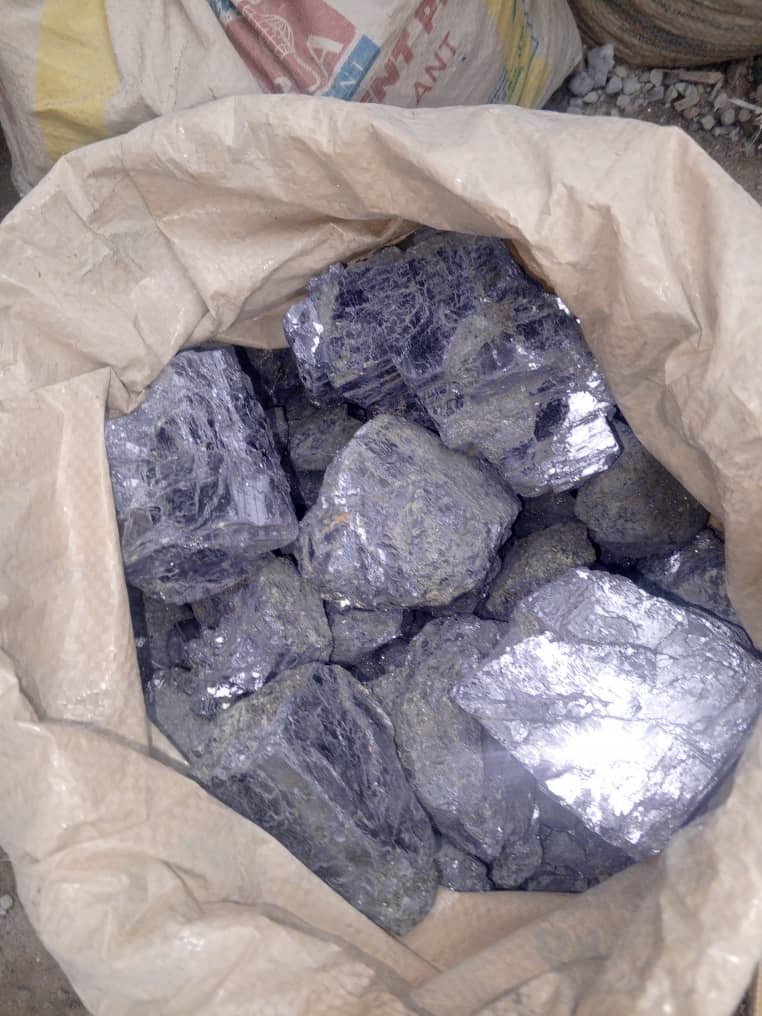
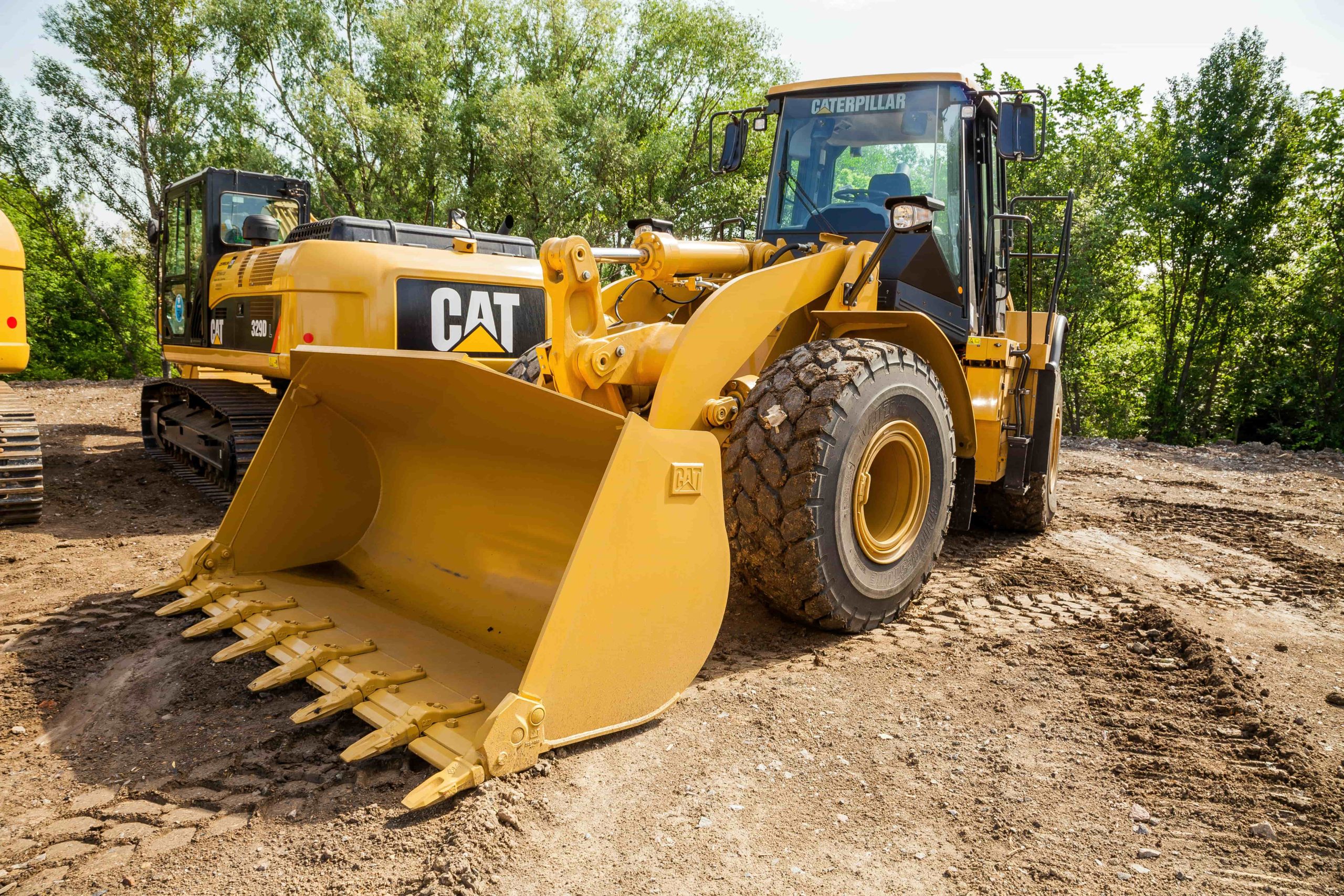


The electric vehicle is often described as a triumph of software, batteries and bold design — and it is all of those things. But spin the story back to its raw materials and you arrive at a quieter, less celebrated truth: the modern EV is, at its core, a machine built around a small group of metals most drivers have never heard of. Rare earth elements are the unsung enablers of the electric vehicle revolution. They sit inside the motor that turns the wheels, and they are part of the reason an electric car can travel further, accelerate harder and run more efficiently than its combustion-engine ancestor. Having spent close to twenty-five years on the Jos Plateau mineral belt, I have watched these elements move from obscurity to the centre of the global automotive supply chain. This article explains how they got there, and why the revolution on our roads is, at a material level, a rare earth story.
The Quiet Heart of Every Electric Car
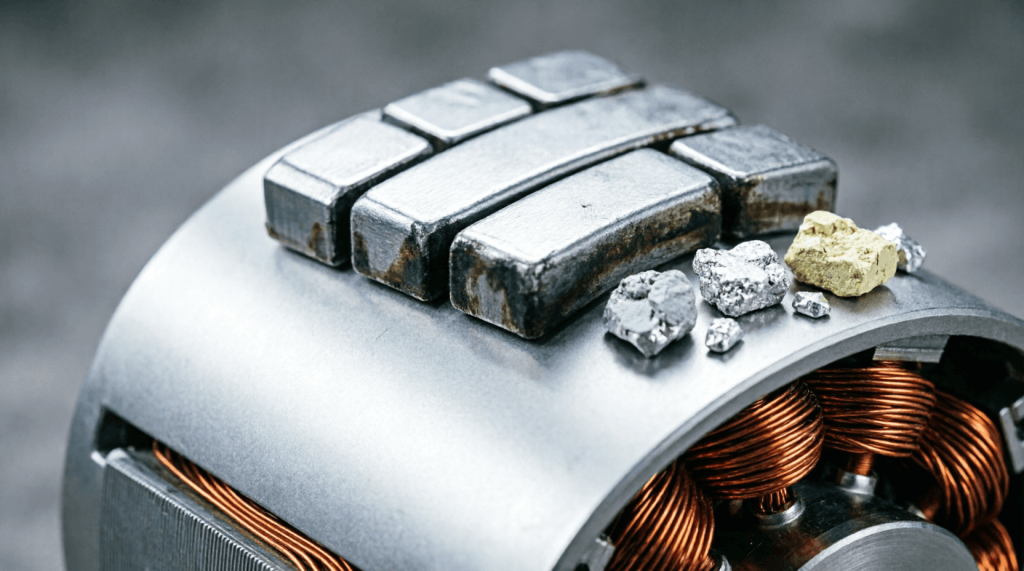
When people picture what makes an EV go, they think of the battery. The battery stores the energy, but it is the electric motor that converts that energy into motion — and in the overwhelming majority of electric vehicles sold today, that motor is built around a rare earth permanent magnet. These magnets are what allow an EV motor to be compact, powerful and remarkably efficient at the same time.
The dominant design is the permanent magnet synchronous motor, prized by engineers because it delivers high torque, excellent efficiency and a small footprint. At the heart of that motor sit magnets made from neodymium, iron and boron, often enhanced with praseodymium, dysprosium and terbium. Without them, carmakers would be forced toward heavier, less efficient alternatives that compromise range — the single metric that buyers care about most.
What Are Rare Earth Elements, and Why EVs Love Them
Rare earth elements are a family of seventeen metals — the fifteen lanthanides plus scandium and yttrium. Despite the name, they are not especially scarce in the Earth’s crust; what is difficult is finding them concentrated enough to mine and, above all, separating them from one another, a task that ranks among the more demanding processes in industrial chemistry.
For electric vehicles, four of these elements do most of the heavy lifting. Neodymium and praseodymium provide raw magnetic strength. Dysprosium and terbium are added in smaller quantities to keep the magnets stable at the high temperatures inside a hard-working motor. Together they form NdFeB permanent magnets — the strongest commercially available magnets in the world. That strength-to-weight advantage is exactly what an EV needs: maximum pulling power from the smallest, lightest possible component. This is why rare earth elements and the electric vehicle revolution are so tightly bound together.
Inside the EV Motor: Why NdFeB Magnets Won
There is more than one way to build an electric motor, and not every EV uses rare earths. Some manufacturers have experimented with induction motors and externally excited designs that avoid permanent magnets altogether. Yet the market has largely converged on rare earth permanent-magnet motors for one stubborn reason: efficiency.
A permanent-magnet motor wastes less energy as heat, which means more of the battery’s charge reaches the road. In a world where every additional kilometre of range is a competitive advantage and every kilowatt-hour of battery is expensive, that efficiency is decisive. It also allows the motor to be smaller and lighter, freeing up space and reducing the overall mass the vehicle has to haul around. When you optimise for range, cost and packaging all at once, NdFeB magnets keep winning. That is why, despite ongoing research into magnet-free designs, rare earths remain embedded in the majority of electric drivetrains on sale today.
It Is Not Just the Motor — Rare Earths Across the Vehicle
The traction motor is the headline application, but rare earths appear throughout a modern vehicle. Small magnets drive the dozens of auxiliary motors that operate windows, seats, mirrors, pumps and cooling fans. Rare earth phosphors and elements feature in sensors, displays and lighting. As cars become more electrified and more automated, the number of these small but essential components only grows.
It is worth being clear about one distinction, because it is often blurred in public conversation. The EV battery itself — typically lithium-ion — relies chiefly on lithium, nickel, cobalt, manganese and graphite, not on rare earths. The rare earths live mainly in the motor and the electronics. Both groups are critical minerals, and a serious electric vehicle programme has to secure supply of both. But when we talk specifically about rare earth elements, we are talking about the magnets that make the car move, not the chemistry that stores its energy.
The Demand Curve That Keeps Bending Upward
The scale of what is coming is hard to overstate. The world is shifting from selling a few million electric vehicles a year to selling tens of millions, driven by tightening emissions rules, falling battery costs and changing consumer preference. Every one of those vehicles that uses a permanent-magnet motor needs roughly one to two kilogrammes of rare earth magnets, and often more in larger or performance models.
Multiply that across a global fleet transition and add the parallel demand from wind turbines, robotics, consumer electronics and defense, and you arrive at a demand curve for neodymium and dysprosium that bends steeply upward for decades. Analysts across the industry expect rare earth magnet demand to outpace current supply growth, creating exactly the kind of structural tightness that rewards new producers and new supply regions. The electric vehicle revolution is, in effect, one of the largest sustained demand drivers the rare earth market has ever seen.
The Supply Squeeze Carmakers Can No Longer Ignore
Here is where the story turns strategic. For decades, the mining and — more critically — the refining, separation and magnet manufacturing of rare earths has been overwhelmingly concentrated in a single country. China today controls the dominant share of global rare earth processing and the lion’s share of finished magnet production.
For an automaker planning to build millions of electric vehicles, that concentration is a profound vulnerability. A single export restriction, price shock or geopolitical dispute could stall production lines on the other side of the world. This realisation has moved rare earths from a procurement footnote to a board-level concern. Carmakers are now signing direct offtake agreements with miners, investing in magnet recycling, and actively backing new rare earth supply chain projects outside the established sources. The single biggest opportunity in this space today is diversification — and that is precisely where new producing regions enter the picture.
Engineering Around Scarcity — and Why It Only Goes So Far
Engineers are not standing still. There is genuine, serious work on reducing the heavy rare earth content of magnets, improving recycling so that magnets from end-of-life vehicles can be reclaimed, and developing magnet-free motor designs for certain applications. All of this is real progress and all of it matters.
But it is important to be honest about the limits. Recycling cannot supply a market that is still growing rapidly, because there simply are not enough end-of-life EVs yet to recycle at the required scale. Magnet-free motors trade away efficiency, which most manufacturers are reluctant to do in mainstream models. Reduced-dysprosium magnets still need neodymium and praseodymium in large quantities. For the foreseeable future, the electric vehicle revolution will continue to rely on freshly mined and processed rare earths — which means the world needs more of them, from more places.
Africa, Nigeria, and the Raw Material Behind the Revolution
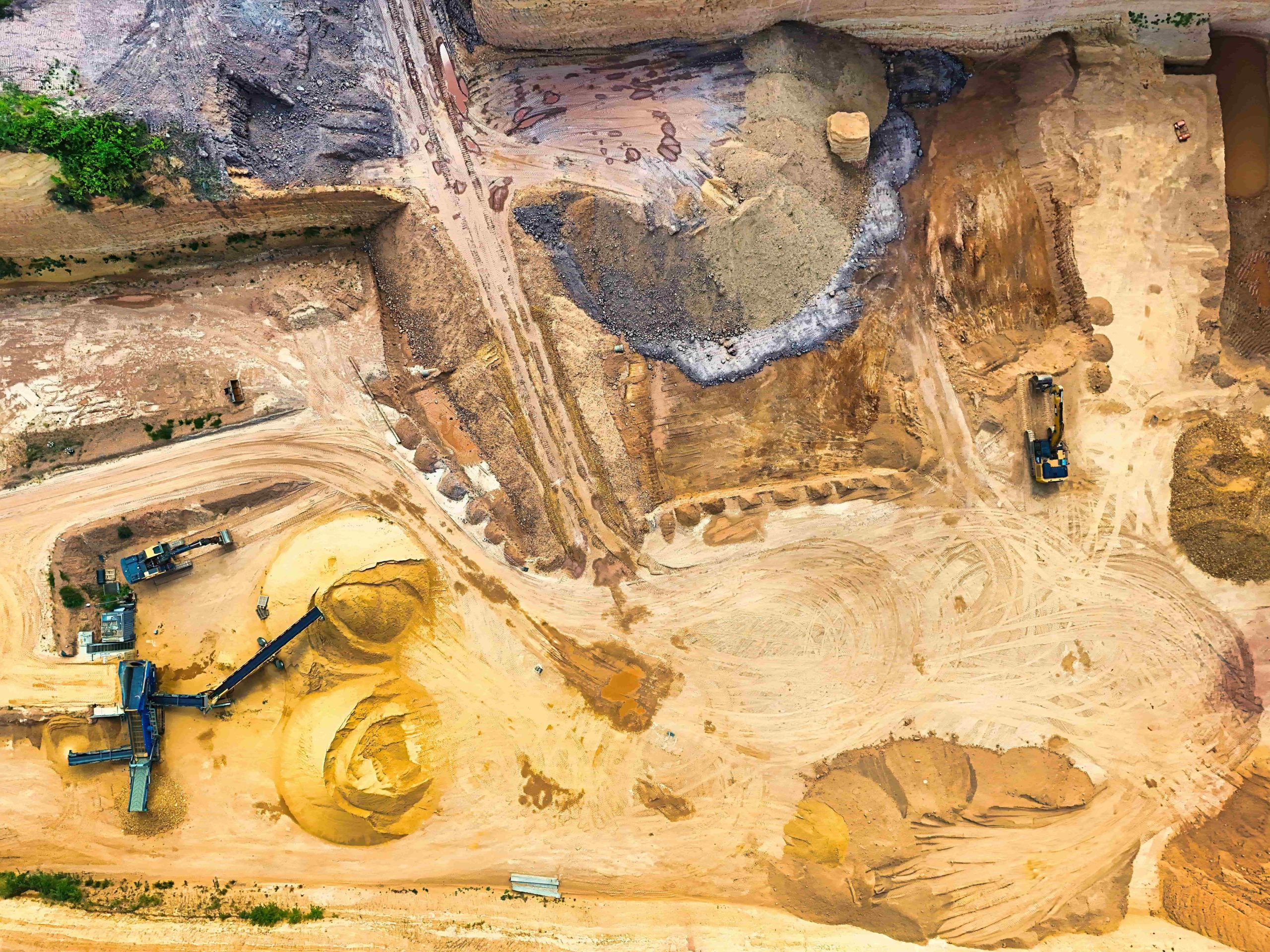
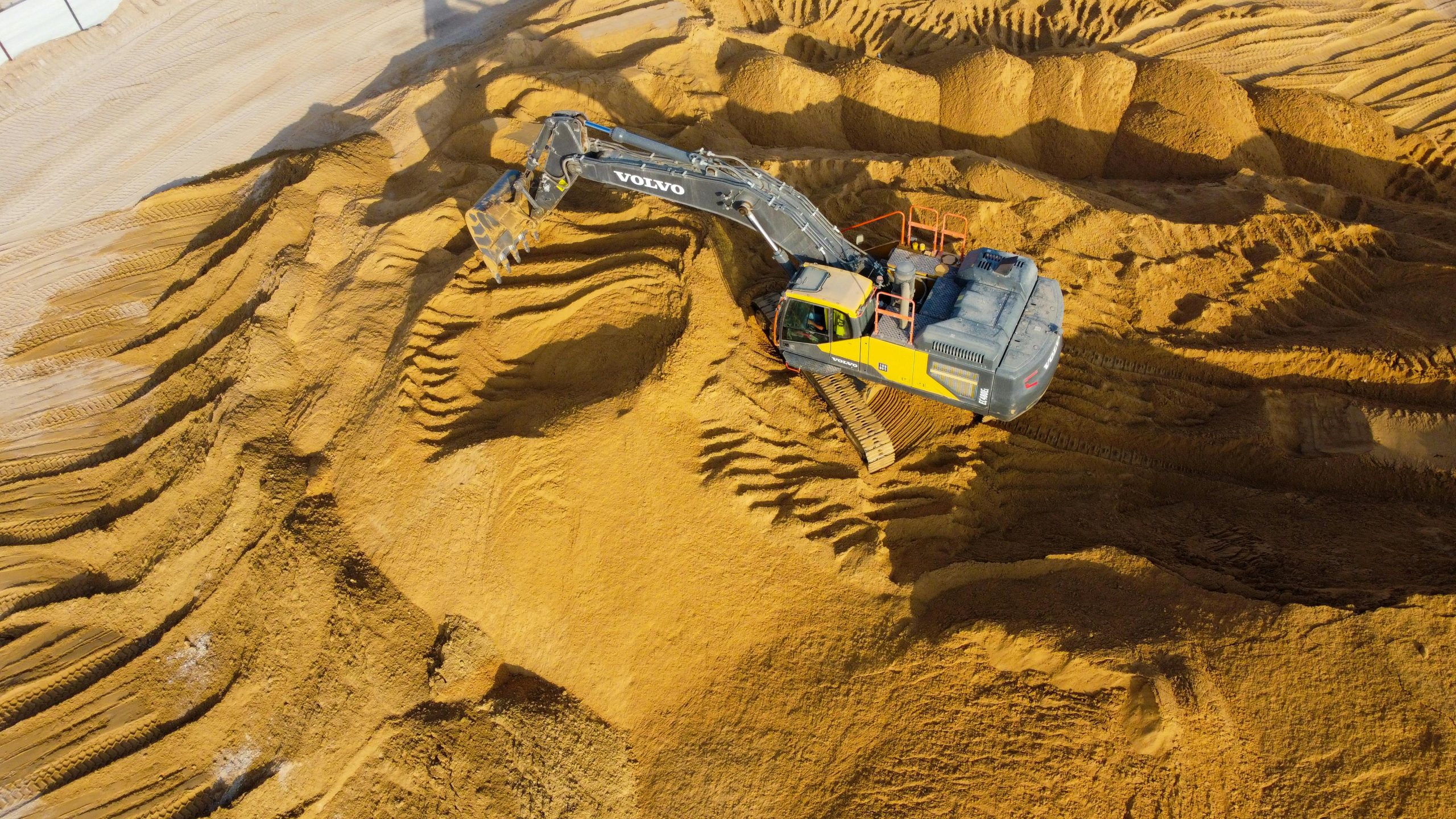
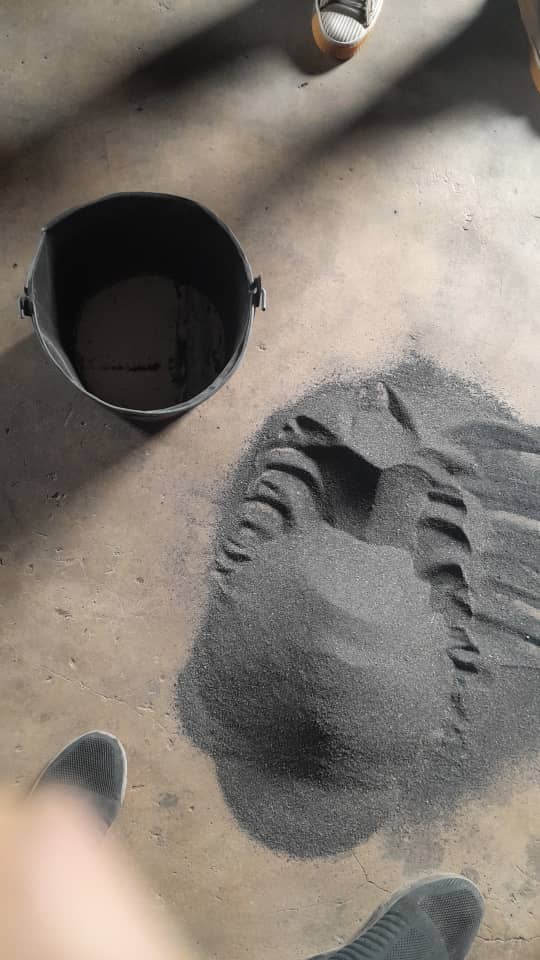
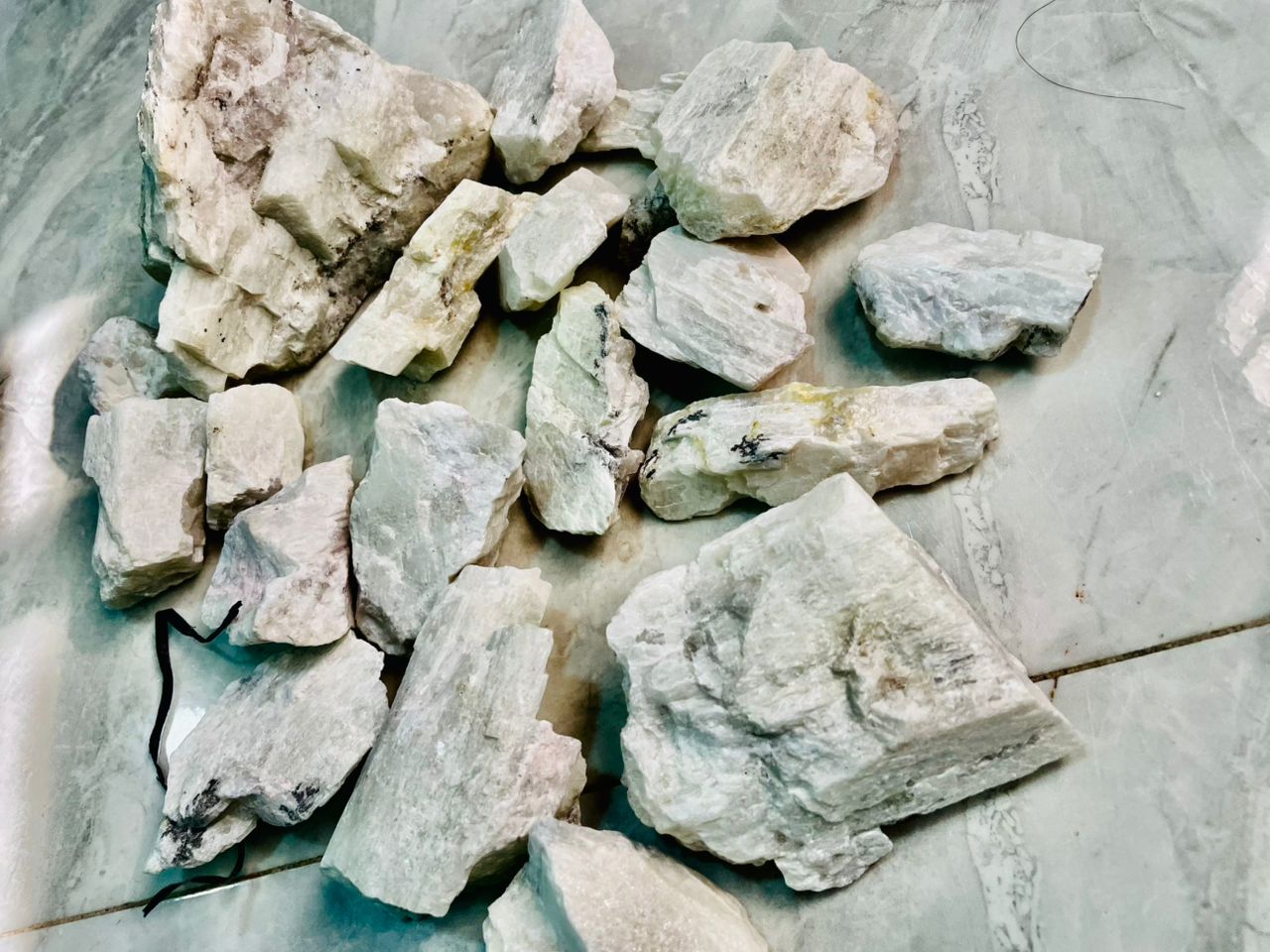
This is where my part of the world has a real role to play. Africa holds globally significant deposits of the host minerals that carry rare earth elements, and Nigeria in particular has substantial monazite-bearing mineral sands across the Jos Plateau, alongside a deep portfolio of associated minerals such as columbite, tantalite, cassiterite and zircon. Monazite is one of the principal commercial sources of the light rare earths — including the neodymium and praseodymium that EV magnets depend on.
For generations, producers in regions like ours exported raw concentrate and watched the real value created downstream, elsewhere. The global scramble to diversify rare earth supply changes that equation. Buyers in Asia, Europe and the Middle East now actively want non-traditional, reliable, well-documented sources of material. For a producing nation like Nigeria, the electric vehicle revolution is not a distant headline — it is a direct commercial opportunity to supply the raw materials behind the magnets that will move the world’s cars.
From Plateau Sands to Strategic Supply: The Beneficiation Imperative
Seizing that opportunity demands a shift from extraction to beneficiation. There is a world of difference between shipping unprocessed sand and supplying a verified mineral concentrate with documented total rare earth oxide (TREO) content, supported by XRF and ICP-OES assays and handled in line with NORM and IAEA radiation-safety guidance. The first is a low-margin commodity transaction; the second is a strategic input that serious industrial buyers will build long-term relationships around.
At Augustina Impex Limited, this is the discipline we bring to the Nigerian minerals trade — connecting verified material from the Plateau belt to credible international buyers, with the documentation, quality control and export facilitation that turn raw ore into a bankable, traceable, strategic asset. The producers who professionalise now, while automakers and magnet manufacturers are actively hunting for new sources, are the ones who will hold the relationships that matter as the market matures.
What This Means for Automakers, Investors and Policymakers
For automakers, the lesson is that securing magnet-grade rare earths is now as important to your EV programme as securing battery materials — and that building early relationships with emerging, well-run suppliers is a form of supply-chain insurance. For investors, the collision of surging EV demand with a concentrated, diversifying supply base is one of the clearest long-horizon theses in commodities. For policymakers across Africa, the opportunity is to encourage local processing, transparent regulation and value addition, so that the wealth in the ground becomes jobs, skills and lasting national benefit rather than another round of raw export.
The thread running through all of this is that EV supply chain decisions made over the next few years will shape automotive competitiveness for a generation — and rare earths sit at the heart of those decisions.
Final Thoughts
The electric vehicle revolution is real, it is accelerating, and it is built on rare earth elements. They are the magnets in the motor, the efficiency in the drivetrain, and the reason an electric car delivers the range and performance buyers expect. The world now understands how dependent this transformation is on a narrow, concentrated supply — and it is urgently searching for new, reliable, responsibly produced sources.
Africa, and Nigeria with it, has both the geology and the moment to help answer that call. The task ahead is to meet it with professionalism: verified quality, proper documentation, responsible handling and the determination to climb the value chain. That is the work we have committed ourselves to at Augustina Impex Limited. If your business is sourcing the rare earth elements that power the electric vehicle revolution, or the associated Nigerian solid minerals that surround them, I would be glad to talk.
Kolawole King, Chief Executive Officer, Augustina Impex Limited
#288 Diye Ward, Zarmaganda, Jos South, Plateau State, Nigeria
Email: augustinaimpex@gmail.com | WhatsApp: +234 906 090 4274
Website: https://augustinaimpex.com | Blog: https://augustinaimpexng.blogspot.com/
Advert Video: https://www.youtube.com/watch?v=Izg0t7By6co
#RareEarthElements #ElectricVehicles #EVRevolution #NdFeBMagnets #Neodymium #EVSupplyChain #CriticalMinerals #EnergyTransition #AfricanRareEarths #NigeriaMining #AugustinaImpex
-
Previous Post
Why Global Industries Need Rare Earth Minerals
Post a comment
Related Posts
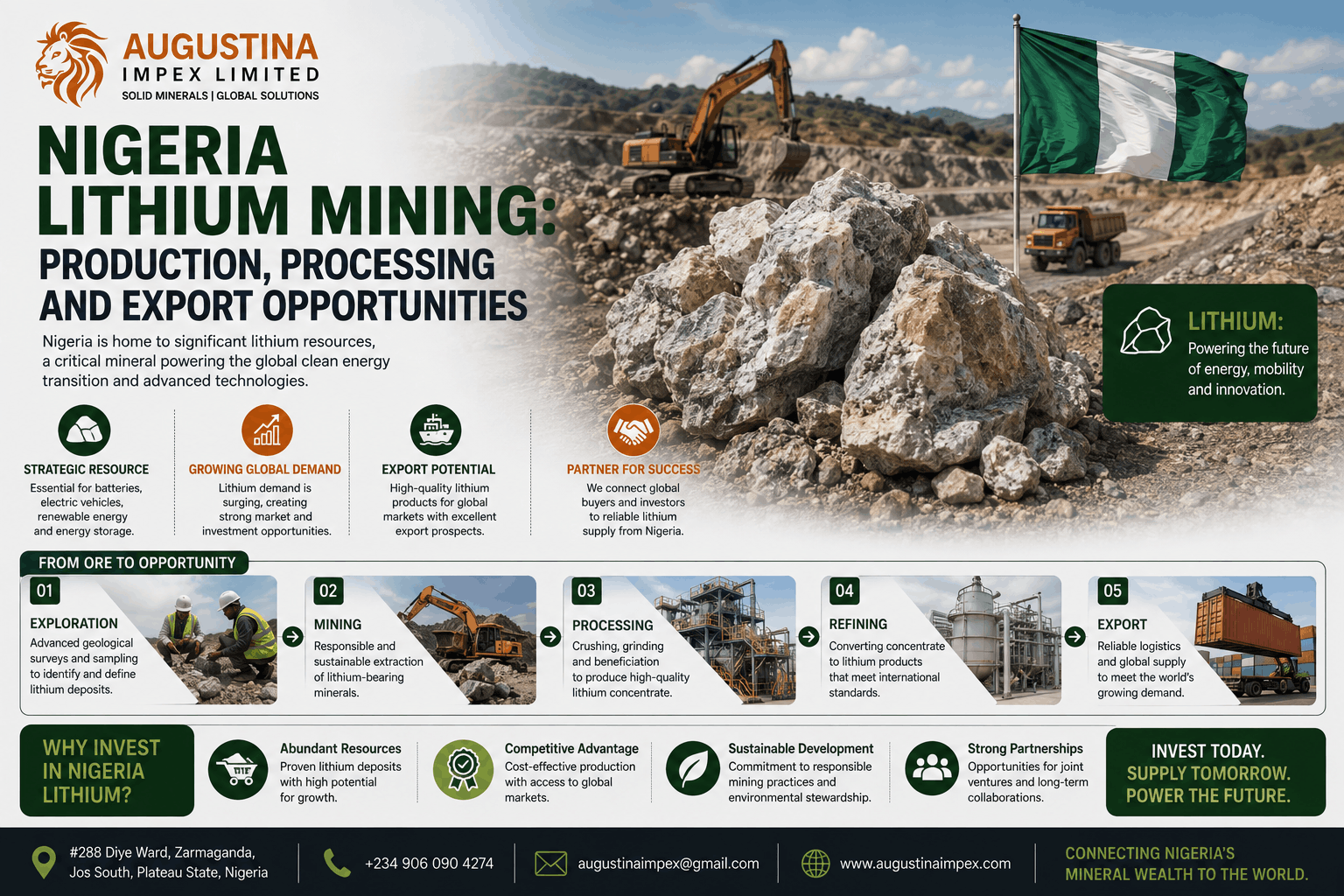
Nigeria Lithium Mining: Production, Processing & Export
Nigeria Lithium Mining: Production, Processing and Export Opportunities By Kolawole King, CEO — Augustina Impex…
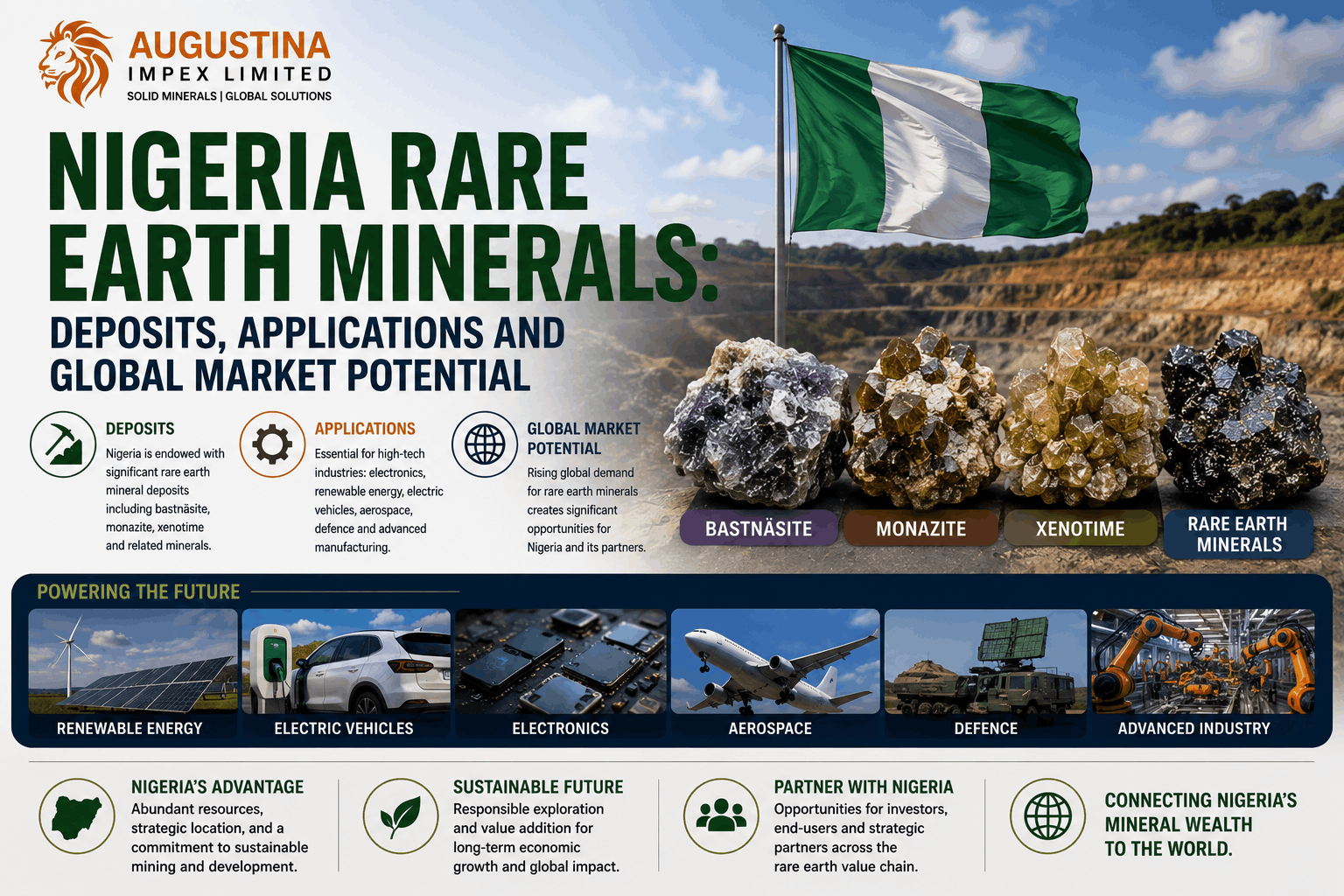
Nigeria Rare Earth Minerals: Deposits & Market Potential
Nigeria Rare Earth Minerals: Deposits, Applications and Global Market Potential By Kolawole King, CEO —…
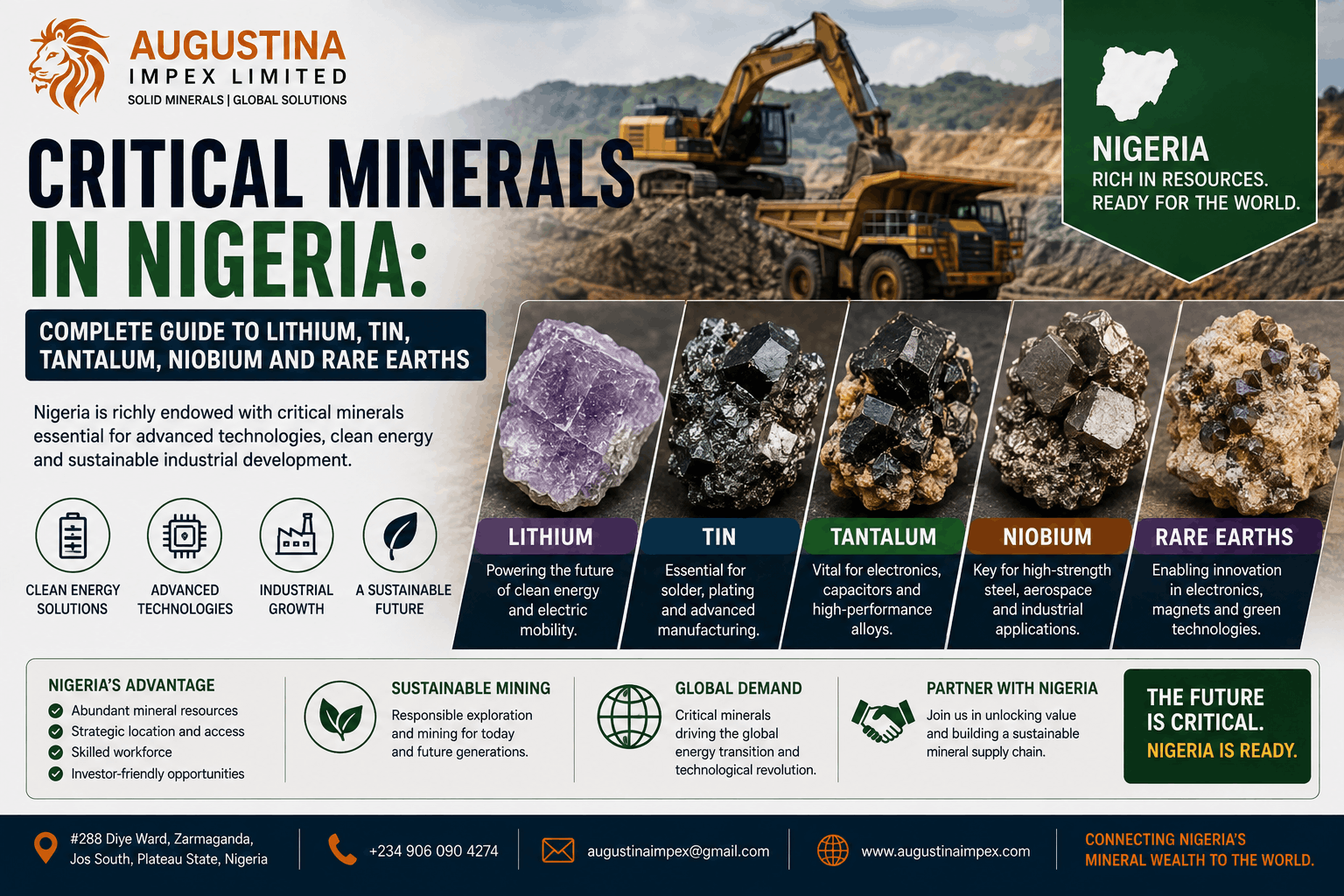
Nigeria Critical Minerals Guide: Lithium, Tin & Rare Earths
Critical Minerals in Nigeria: Complete Guide to Lithium, Tin, Tantalum, Niobium and Rare Earths By…
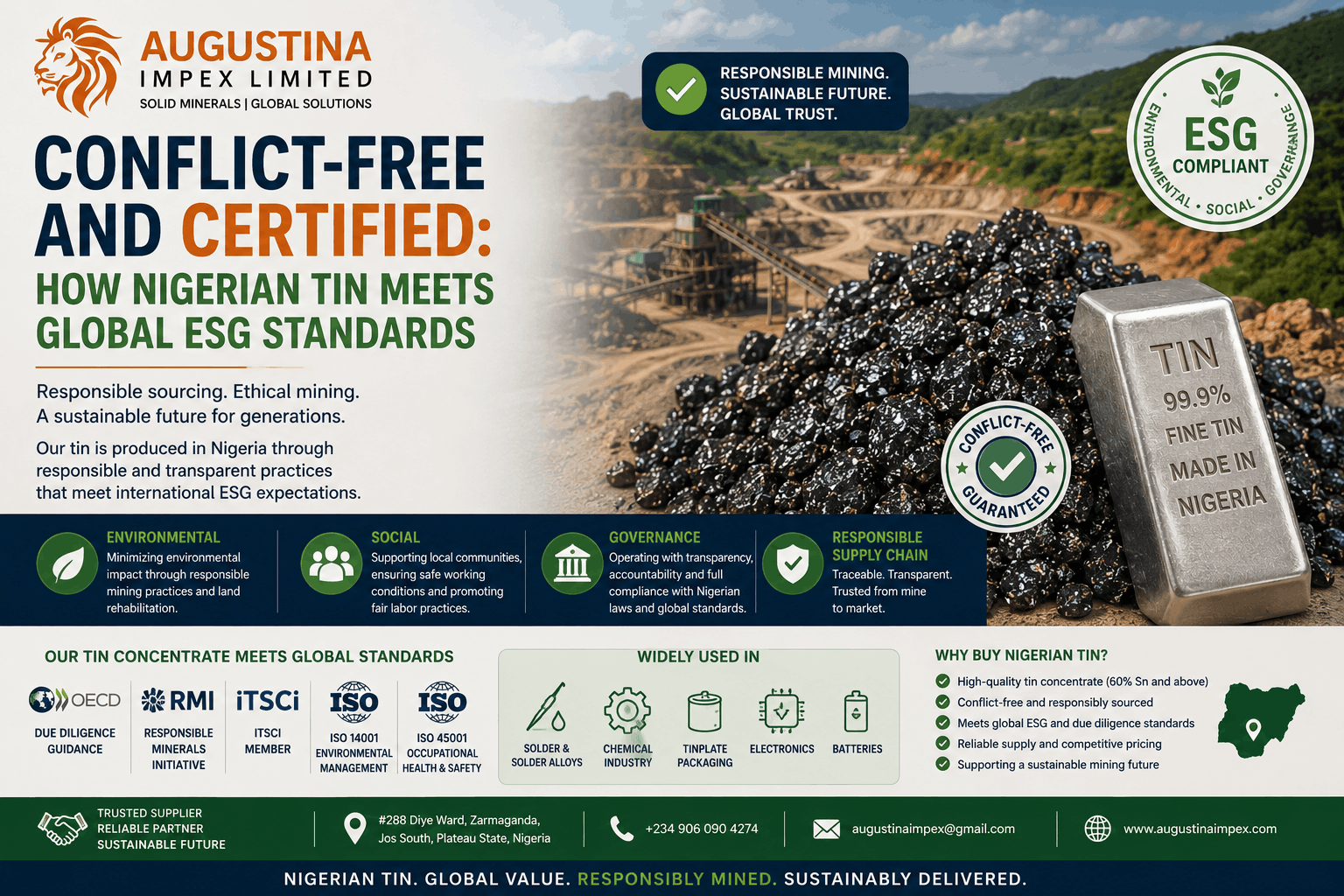
Conflict-Free Nigerian Tin Meets Global ESG Standards
Conflict-Free and Certified: How Nigerian Tin Meets Global ESG Standards By Kolawole King, CEO —…