
Introduction
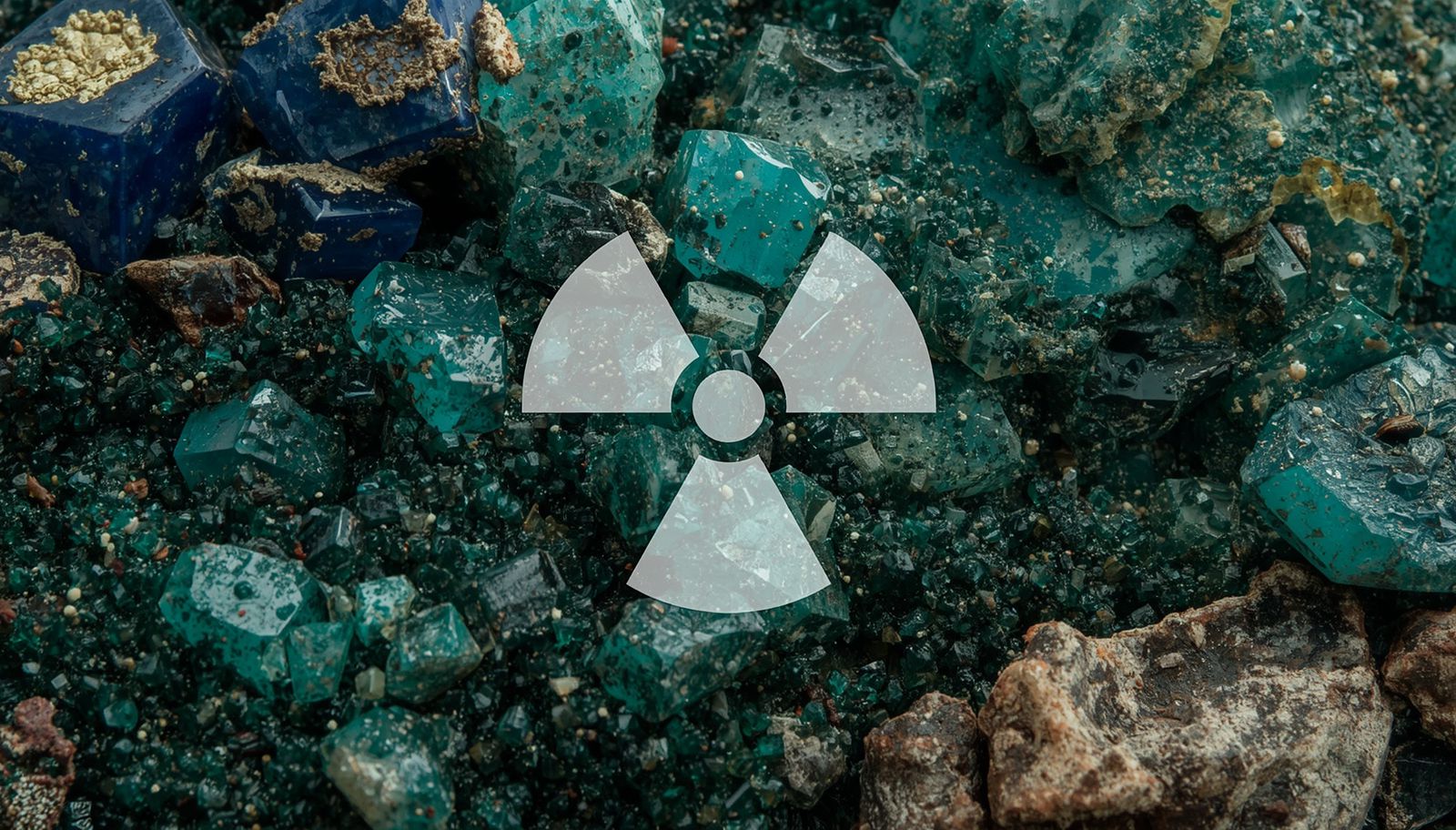
Rare Earth Elements (REEs) have become some of the most strategically important mineral resources in the modern global economy. These minerals are essential for manufacturing technologies that support electric vehicles, renewable energy systems, defense equipment, aerospace applications, semiconductors, smartphones, and advanced industrial manufacturing.
As global demand for rare earth minerals continues to increase, there is also growing interest in understanding one important issue associated with some rare earth deposits — radioactivity.
Many people hear the term “radioactive rare earth minerals” and immediately assume that all rare earth minerals are highly dangerous or unsuitable for commercial use. However, the reality is much more technical and nuanced.
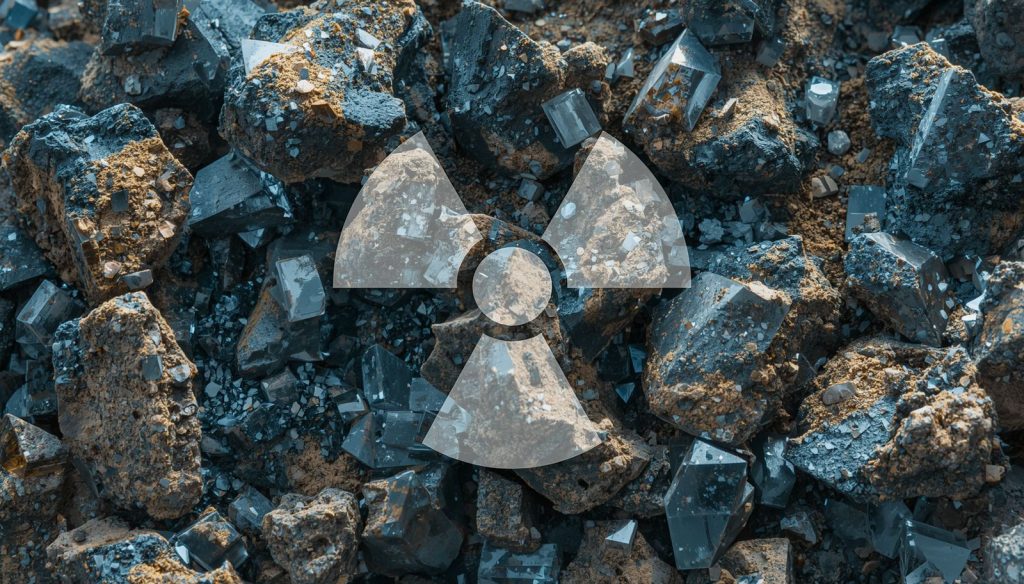
The level of radioactivity in rare earth minerals varies significantly depending on:
- Mineral type
- Geological origin
- Thorium content
- Uranium content
- Mineral processing method
Understanding these differences is extremely important for:
- Mining companies
- Mineral processors
- Exporters
- Investors
- Refiners
- Environmental regulators
- Industrial end-users
In this article, we explain the relationship between radioactivity and rare earth minerals, compare important rare earth minerals such as Monazite and Bastnasite, and discuss why low-radioactivity rare earth feedstock is becoming increasingly important globally.
What Are Rare Earth Minerals?
Rare earth minerals are minerals that contain economically important concentrations of Rare Earth Elements (REEs).
These elements include:
- Cerium (Ce)
- Lanthanum (La)
- Neodymium (Nd)
- Praseodymium (Pr)
- Dysprosium (Dy)
- Samarium (Sm)
- Europium (Eu)
Rare earth elements are divided into:
- Light Rare Earth Elements (LREEs)
- Heavy Rare Earth Elements (HREEs)
They are essential for:
- Electric motors
- Wind turbines
- Permanent magnets
- Batteries
- Electronics
- Defense systems
- Advanced manufacturing
Some of the most commercially important rare earth minerals include:
- Monazite
- Bastnasite
- Xenotime
- Ion-adsorption clays
Why Are Some Rare Earth Minerals Radioactive?
The radioactivity associated with some rare earth minerals primarily comes from the presence of:
- Thorium (Th)
- Uranium (U)
These naturally occurring radioactive elements can become incorporated into the mineral structure during geological formation.
The degree of radioactivity varies greatly between different rare earth minerals.
Some deposits contain:
- Relatively low radioactive content
- Moderate radioactive content
- Elevated radioactive content
This distinction is very important because radioactive content influences:
- Mining regulations
- Environmental management
- Transportation requirements
- Processing complexity
- Export procedures
- Refining costs
Monazite and Radioactivity
Monazite is one of the most important rare earth-bearing minerals in the world.
It is commonly found in:
- Heavy mineral sands
- Alluvial deposits
- Granitic systems
- Tin mining regions
Monazite is highly valued because it often contains significant concentrations of:
- Cerium
- Lanthanum
- Neodymium
- Praseodymium
However, Monazite commonly contains:
- Thorium
- Sometimes uranium
This is why Monazite is frequently described as a radioactive rare earth mineral.
The level of radioactivity can vary considerably depending on the deposit source and geological conditions.
Commercial Challenges Associated with Monazite
Despite its high rare earth value, Monazite presents several commercial and regulatory challenges:
1. Environmental Compliance
Mining and processing operations must comply with radiation-related environmental regulations.
2. Transportation Restrictions
Certain countries impose stricter transportation controls for radioactive materials.
3. Processing Complexity
Thorium-bearing materials may require specialized handling and waste management procedures.
4. Regulatory Oversight
Export and processing activities may require:
- Radiation permits
- Compliance documentation
- Regulatory approvals
However, despite these challenges, Monazite remains commercially important because of its strong rare earth content.
Bastnasite and Low Radioactivity
Bastnasite is another major rare earth mineral and one of the world’s most important sources of Light Rare Earth Elements (LREEs).
Unlike Monazite, Bastnasite generally contains:
- Much lower thorium content
- Lower radioactive characteristics
- Easier processing potential in certain applications
This lower radioactivity profile is one of the major reasons why Bastnasite has become increasingly attractive globally.
Why Low-Radioactivity Rare Earth Minerals Matter
As global demand for rare earths grows, many companies and governments are increasingly seeking:
- Lower-risk feedstock
- Easier refining pathways
- Reduced environmental complications
- Lower compliance costs
Low-radioactivity rare earth minerals may offer:
- Simplified permitting
- Lower waste management costs
- Easier international transportation
- Improved public acceptance
- Reduced regulatory pressure
This is one reason why Bastnasite deposits are attracting growing international attention.
Bastnasite vs Monazite
| Feature | Monazite | Bastnasite |
| Main REE Type | LREE | LREE |
| Thorium Content | Often Higher | Generally Lower |
| Radioactivity | Moderate to High | Low to Moderate |
| Processing Complexity | Higher | Often Easier |
| Commercial Interest | High | Increasing Rapidly |
| Environmental Challenges | More Significant | Generally Lower |
Rare Earth Minerals in Nigeria
Nigeria possesses substantial mineral potential, including:
- Monazite
- Bastnasite-related occurrences
- Tin-associated rare earth minerals
- Heavy mineral sands
Historically, many rare earth-bearing minerals in Nigeria have been associated with:
- Tin mining regions
- Plateau State
- Nasarawa State
- Kaduna State
- Niger State
There is increasing international interest in Nigerian critical minerals because global industries are seeking diversified supply chains outside traditional sourcing regions.
Nigeria’s Strategic Opportunity
Nigeria may benefit significantly from:
- Global energy transition
- Rising EV demand
- Strategic mineral diversification
- Rare earth supply chain restructuring
However, maximizing this opportunity will require:
- Responsible mining
- Beneficiation investment
- Environmental management
- Technical partnerships
- Infrastructure development
- Regulatory clarity
Rare Earth Processing and Beneficiation
Rare earth mineral beneficiation involves:
- Gravity separation
- Magnetic separation
- Particle sizing
- Concentration upgrading
- Mineral sorting
Processing quality directly affects:
- TREO concentration
- Market value
- Refining suitability
- Export competitiveness
At Augustina Impex Limited, we work with processing partners involved in:
- Heavy mineral sands processing
- Beneficiation
- Concentrate upgrading
- Export-grade preparation
About Augustina Impex Limited
Augustina Impex Limited is a Nigerian mineral sourcing, export facilitation, and mining consultancy company with over two decades of industry experience.
We specialize in:
- Mineral sourcing
- Rare earth minerals
- Monazite sand
- Bastnasite
- Ilmenite concentrate
- Zircon sand
- Export facilitation
- Mineral marketing
- International partnerships
Our company works closely with mineral producers and processing partners in Nigeria to support responsible and scalable mineral supply operations.
The Future of Rare Earth Minerals
As the world continues transitioning toward:
- Clean energy
- Electric mobility
- Advanced technology
- Strategic manufacturing
…the importance of rare earth minerals will likely continue increasing.
At the same time, the industry is expected to place greater emphasis on:
- Low-radioactivity feedstock
- Sustainable mining
- Responsible processing
- Diversified supply chains
This may create increasing opportunities for countries such as Nigeria within the global critical minerals sector.
Conclusion
Radioactivity in rare earth minerals is an important technical and commercial issue, but it should be understood scientifically and professionally rather than through misconceptions.
Not all rare earth minerals have the same radioactive characteristics.
While Monazite often contains elevated thorium levels, Bastnasite generally offers lower-radioactivity advantages that are becoming increasingly attractive globally.
As demand for critical minerals continues to grow, understanding the differences between rare earth minerals will become increasingly important for:
- Investors
- Buyers
- Refiners
- Mining companies
- Governments
- Industrial users
Nigeria possesses significant rare earth mineral potential, and responsible development of these resources could play an important role in the country’s future mining industry growth.
Contact Information
Kolawole King
Chief Executive Officer
Augustina Impex Limited
📧 augustinaimpex@gmail.com
🌐 https://augustinaimpex.com
📝 https://augustinaimpexng.blogspot.com/
📱 WhatsApp: +234 906 090 4274
🎥 https://www.youtube.com/watch?v=Izg0t7By6co
-
Next Post
Comparing Monazite and Bastnasite
Post a comment
Related Posts
Nigeria Lithium Mining: Production, Processing & Export
Nigeria Lithium Mining: Production, Processing and Export Opportunities By Kolawole King, CEO — Augustina Impex…

Nigeria Rare Earth Minerals: Deposits & Market Potential
Nigeria Rare Earth Minerals: Deposits, Applications and Global Market Potential By Kolawole King, CEO —…
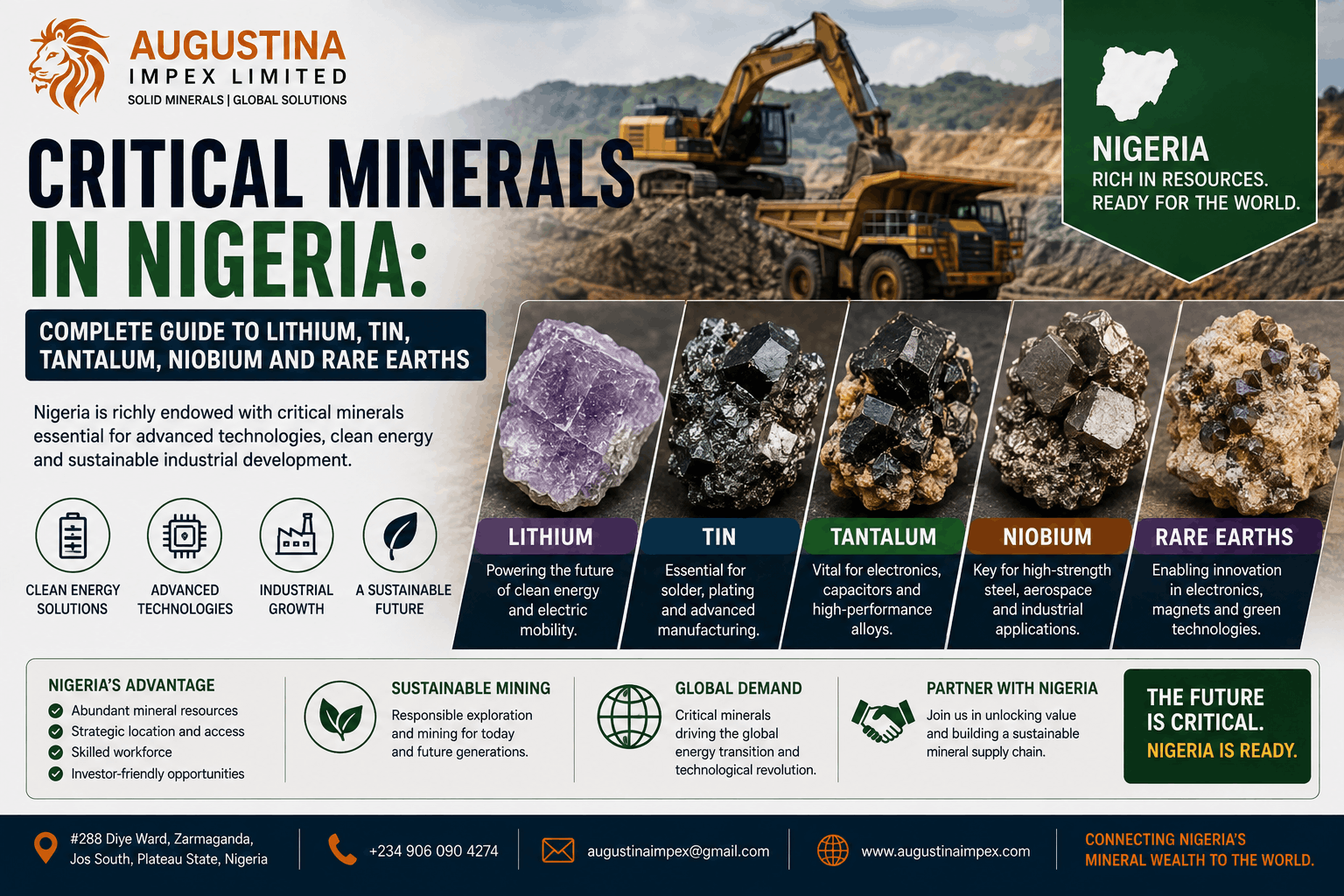
Nigeria Critical Minerals Guide: Lithium, Tin & Rare Earths
Critical Minerals in Nigeria: Complete Guide to Lithium, Tin, Tantalum, Niobium and Rare Earths By…
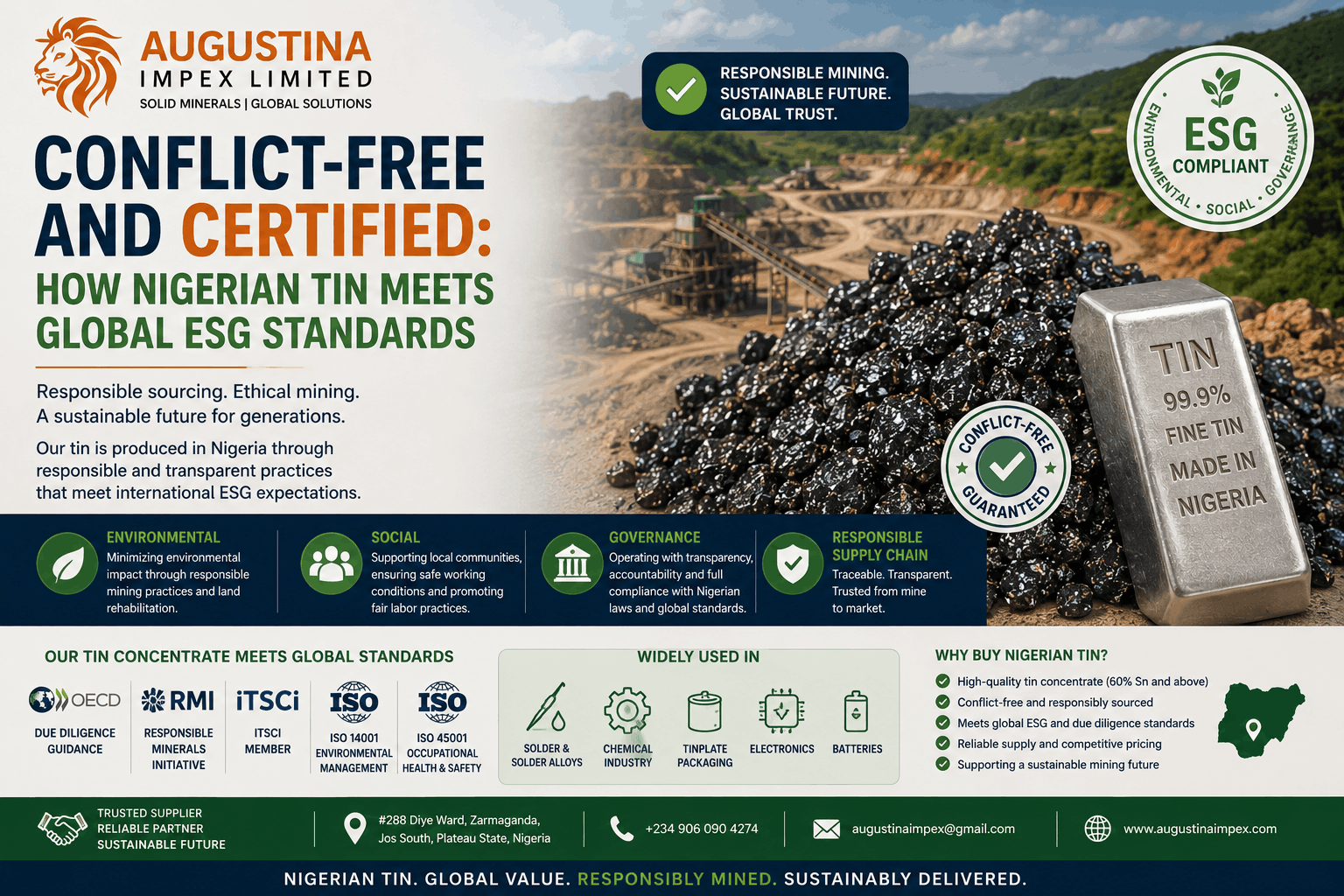
Conflict-Free Nigerian Tin Meets Global ESG Standards
Conflict-Free and Certified: How Nigerian Tin Meets Global ESG Standards By Kolawole King, CEO —…