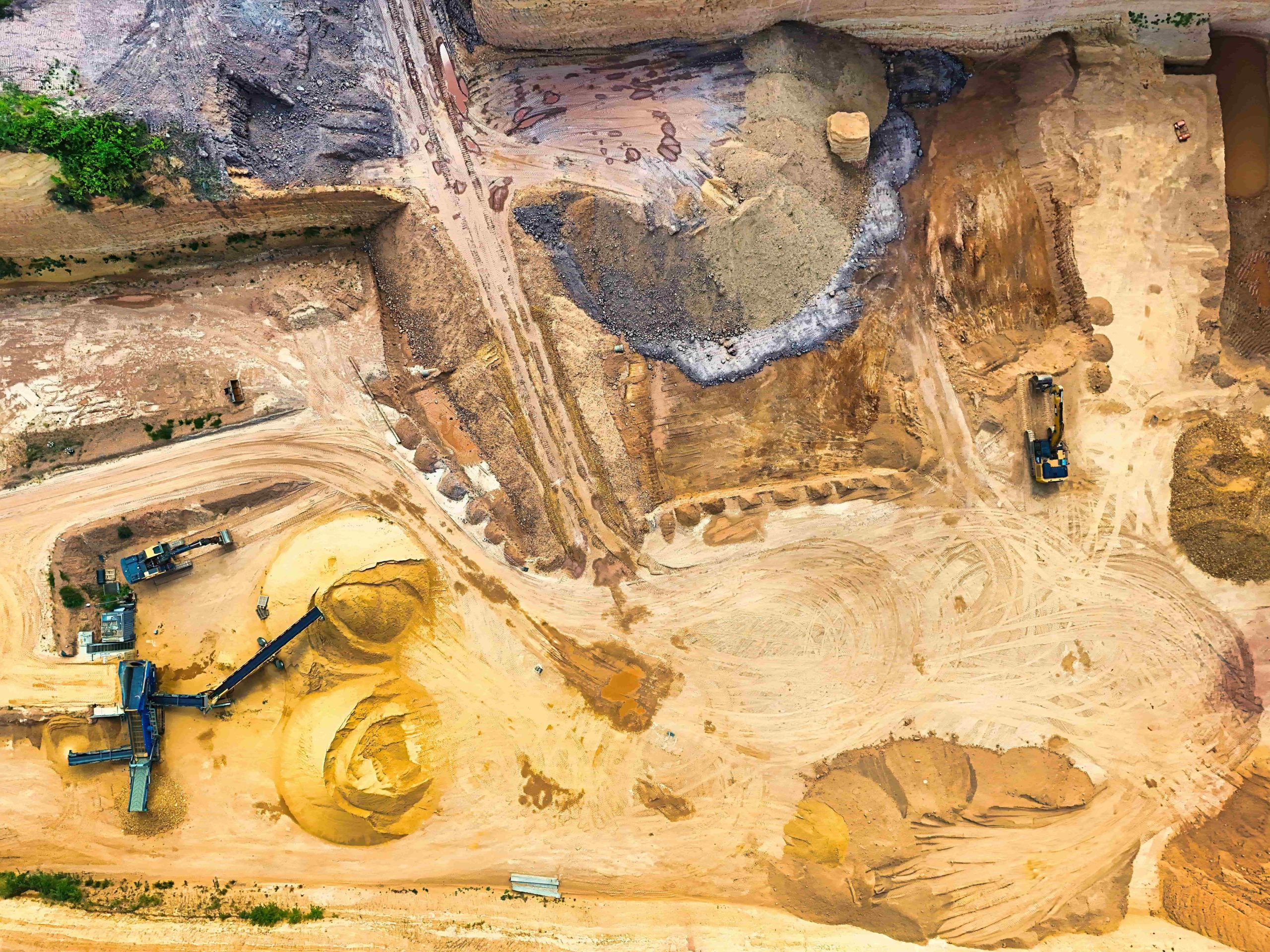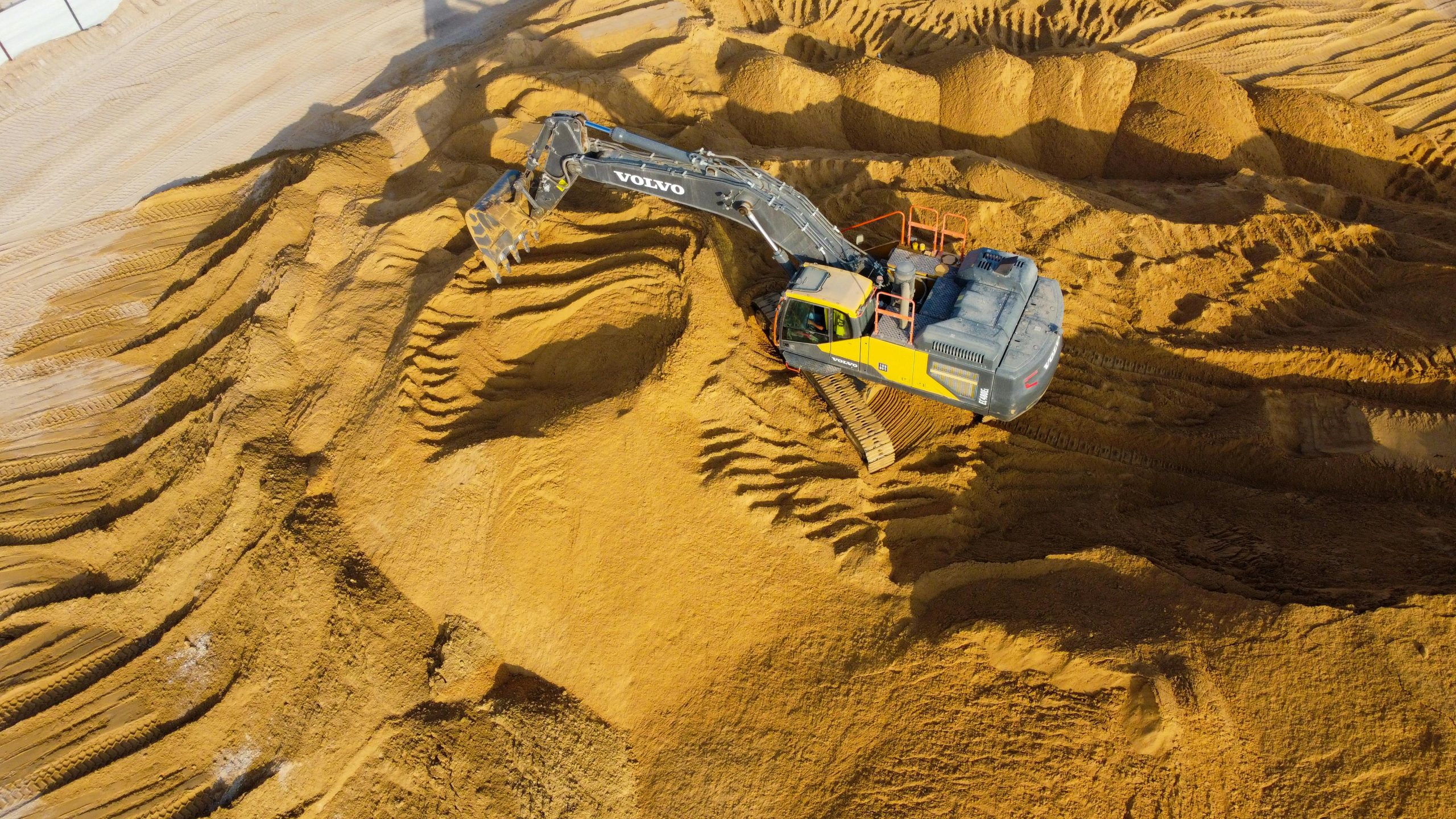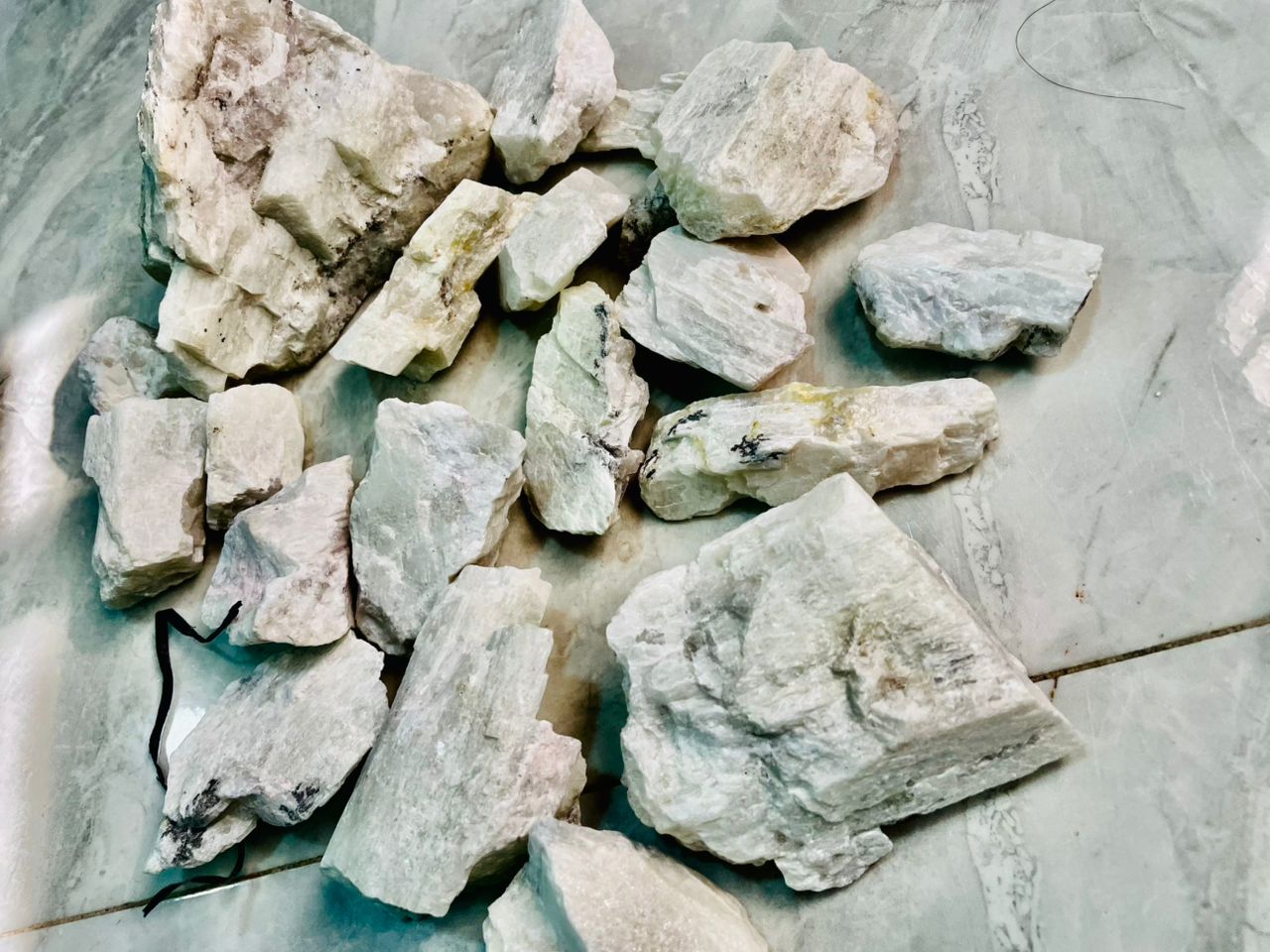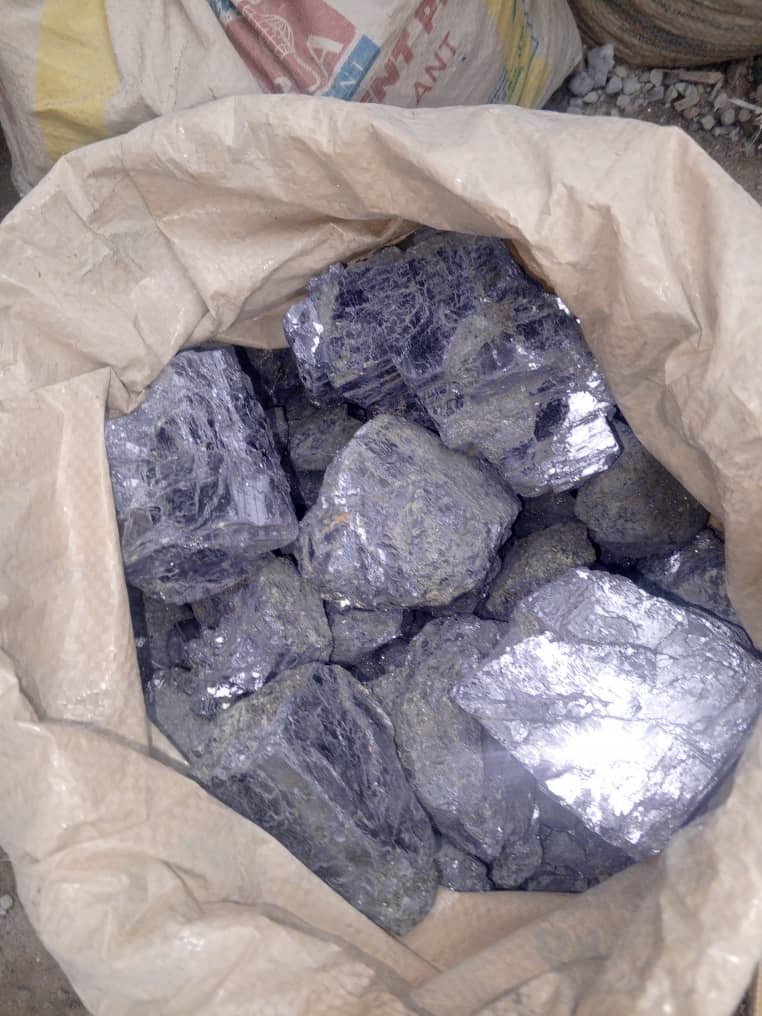


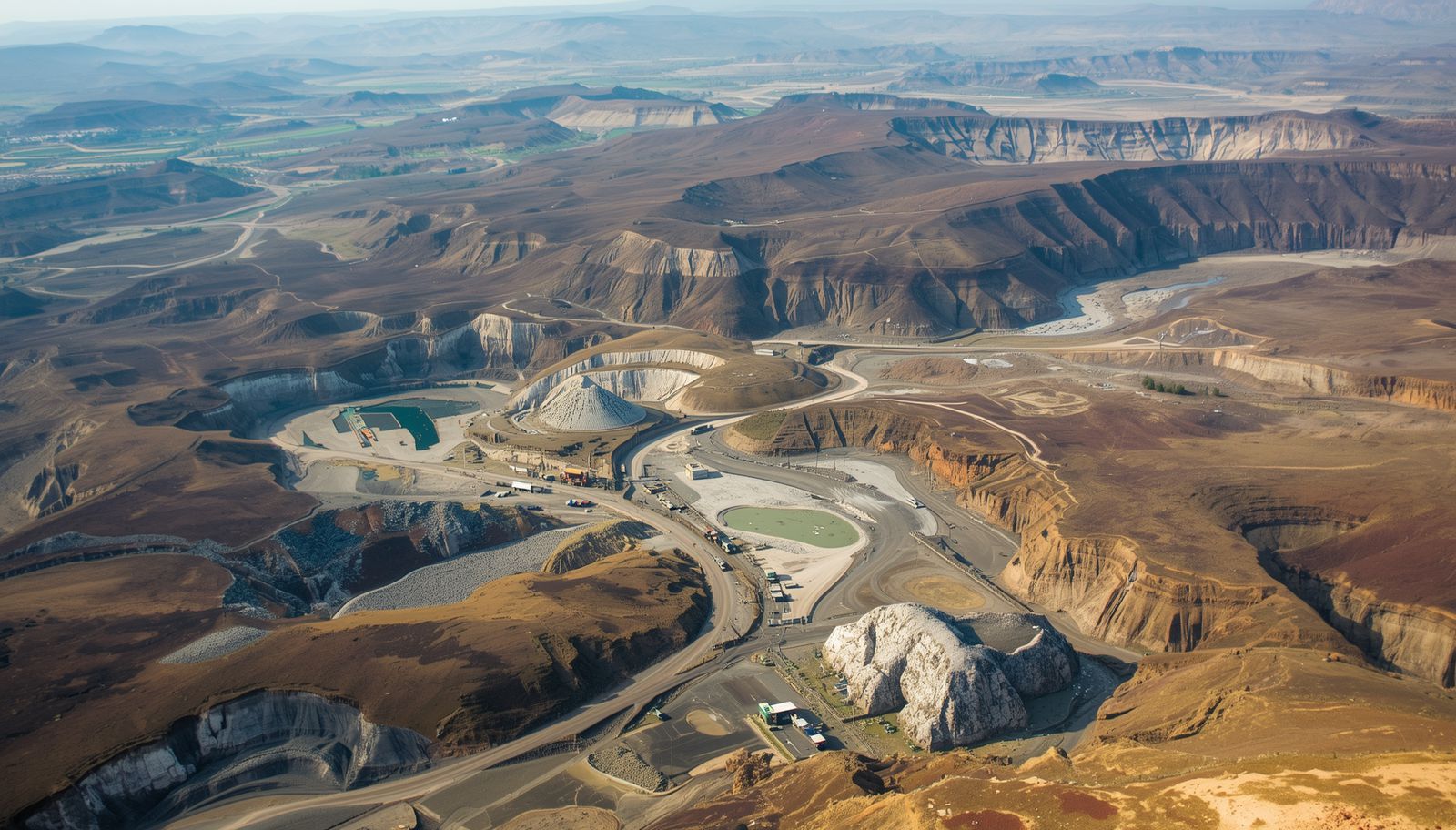
The global economy is rapidly transitioning into a new era driven by advanced technology, clean energy systems, electric mobility, renewable infrastructure, and digital industrialization. At the center of this transformation are critical minerals — strategic mineral resources considered essential for economic development, national security, industrial manufacturing, and modern technological advancement.
As countries worldwide compete to secure stable supplies of these strategic resources, Nigeria is increasingly attracting attention due to its vast and largely underdeveloped mineral wealth. Nigeria possesses significant deposits of several critical minerals that are becoming increasingly important in global supply chains.
From lithium and rare earth minerals to tin, graphite, tantalite, cobalt-associated minerals, and industrial metals, Nigeria’s mining sector is gradually emerging as a potential strategic contributor to the global critical minerals market.
The growing global interest in critical minerals in Nigeria reflects the country’s increasing importance in the future of clean energy, high-tech manufacturing, defense industries, and industrial development.

What Are Critical Minerals?
Critical minerals are mineral resources considered strategically important because of their economic significance and supply chain vulnerability. These minerals are essential for modern industries and advanced technologies but are often concentrated in limited geographical regions globally.
Governments and international organizations classify certain minerals as “critical” because disruptions in supply could affect:
- National security
- Energy systems
- Technology manufacturing
- Defense industries
- Transportation
- Telecommunications
- Industrial production
The global push toward renewable energy and electrification has dramatically increased demand for critical minerals.
Why Critical Minerals Are Important Globally
Critical minerals play a central role in many modern technologies and industrial systems.
They are used in:
- Electric vehicle batteries
- Wind turbines
- Solar panels
- Smartphones
- Aerospace technologies
- Military defense systems
- Semiconductors
- Energy storage systems
- Artificial intelligence infrastructure
- Telecommunications equipment
As countries transition toward cleaner energy and digital economies, demand for critical minerals is expected to rise significantly over the coming decades.
This global trend is creating new opportunities for mineral-rich nations like Nigeria.
Major Critical Minerals Found in Nigeria
Nigeria is endowed with a wide range of mineral resources, several of which are increasingly classified as critical minerals globally.
1. Lithium
Lithium has become one of the world’s most sought-after minerals because of its importance in rechargeable batteries used in:
- Electric vehicles
- Energy storage systems
- Smartphones
- Laptops
- Renewable energy infrastructure
Nigeria has witnessed growing exploration activities for lithium-bearing pegmatites in states such as:
- Nasarawa
- Kaduna
- Kogi
- Kwara
- Ekiti
- Plateau
The increasing global demand for lithium is attracting investors and mining companies to Nigeria’s emerging lithium sector.
2. Rare Earth Minerals
Rare earth elements (REEs) are among the most strategically important critical minerals globally.
These minerals are essential for:
- Permanent magnets
- Wind turbines
- Electric vehicle motors
- Defense technologies
- Advanced electronics
- Aerospace systems
Nigeria possesses several rare earth-bearing minerals, including:
- Monazite
- Bastnasite
- Xenotime
Growing international interest in Nigerian bastnasite and other rare earth minerals reflects the expanding global search for diversified REE supply chains.
Several regions in Nigeria are increasingly being evaluated for rare earth mineral potential.
3. Tin
Nigeria has historically been known for tin production, particularly in Plateau State.
Tin remains an important industrial mineral used in:
- Electronics
- Soldering materials
- Packaging
- Semiconductor manufacturing
- Renewable energy technologies
As demand for electronics and digital infrastructure increases globally, tin continues to maintain strategic importance.
4. Columbite and Tantalite
Columbite and tantalite are critical minerals used in the production of tantalum and niobium.
These materials are important for:
- Smartphones
- Capacitors
- Aerospace alloys
- Medical equipment
- High-performance electronics
Nigeria has long been recognized as a producer of columbite and tantalite, especially within its pegmatite-rich regions.
5. Graphite
Graphite is a key mineral used in lithium-ion batteries and energy storage technologies.
Its applications include:
- EV batteries
- Industrial lubricants
- Fuel cells
- Refractories
- Nuclear technologies
Global demand for graphite is increasing rapidly as battery manufacturing expands worldwide.
6. Copper
Copper is essential for electrification and renewable energy systems.
It is heavily used in:
- Power transmission
- Electric vehicles
- Renewable energy infrastructure
- Construction
- Telecommunications
The global clean energy transition is significantly increasing copper demand worldwide.
Nigeria’s Strategic Position in the Global Critical Minerals Supply Chain
The global supply chain for critical minerals is currently undergoing major restructuring. Many countries are seeking to diversify mineral sourcing away from overdependence on limited suppliers.
Nigeria offers several advantages in this evolving market:
- Large untapped mineral resources
- Strategic geographic location
- Growing mining sector
- Expanding export opportunities
- Access to African trade corridors
- Increasing foreign investment interest
As global industries search for new mineral sources, Nigeria is gradually positioning itself as a potential strategic supplier.
The Role of Critical Minerals in the Energy Transition
The transition toward green energy is impossible without critical minerals.
Electric vehicles alone require substantial quantities of minerals such as:
- Lithium
- Nickel
- Copper
- Rare earth elements
- Graphite
Renewable energy technologies also depend heavily on critical minerals for efficient operation.
For example:
Wind Turbines
Require rare earth magnets containing neodymium and praseodymium.
Solar Panels
Depend on specialized industrial minerals and metals.
Battery Storage Systems
Require lithium, graphite, and other battery minerals.
As global climate policies accelerate clean energy adoption, demand for critical minerals is expected to continue rising sharply.
Economic Opportunities for Nigeria
The growing global importance of critical minerals creates major economic opportunities for Nigeria.
Potential benefits include:
Increased Foreign Investment
International mining companies and investors are showing increasing interest in Nigeria’s mineral sector.
Export Revenue Growth
Critical minerals can contribute significantly to non-oil export earnings.
Job Creation
Mining operations, processing facilities, logistics, and related industries can generate employment opportunities.
Industrial Development
Local mineral beneficiation and processing could stimulate industrial growth.
Infrastructure Development
Mining investments often contribute to transportation and energy infrastructure expansion.
Challenges Facing Nigeria’s Critical Minerals Sector
Despite its enormous potential, Nigeria’s mining sector still faces several challenges.
These include:
- Inadequate geological data
- Infrastructure limitations
- Illegal mining activities
- Regulatory uncertainties
- Limited processing capacity
- Financing challenges
- Environmental concerns
- Security issues in some mining regions
Addressing these challenges will be essential for Nigeria to maximize the benefits of its critical mineral resources.
The Growing International Competition for Critical Minerals
Countries worldwide are increasingly competing for access to critical mineral supplies.
Governments in North America, Europe, Asia, and other regions are investing heavily in securing mineral supply chains needed for future industrial and technological growth.
This global competition is increasing the strategic importance of mineral-rich countries like Nigeria.
As geopolitical concerns and supply chain diversification efforts intensify, Nigeria may become increasingly important in the global minerals landscape.
The Importance of Responsible Mining
As demand for critical minerals grows, responsible and sustainable mining practices are becoming increasingly important.
Global buyers and investors are paying greater attention to:
- Environmental compliance
- Community relations
- Worker safety
- Ethical sourcing
- Regulatory transparency
- Sustainable operations
Nigeria’s mining sector will likely benefit from strengthening responsible mining standards and improving sector governance.
Future Outlook for Critical Minerals in Nigeria
The future outlook for Nigeria’s critical minerals sector appears increasingly promising.
Several factors support this outlook:
- Rising global mineral demand
- Expanding clean energy markets
- Growing investor interest
- Increased exploration activities
- Government focus on mining sector diversification
- International demand for alternative supply sources
If properly developed, Nigeria’s critical minerals sector could become a major contributor to national economic growth and international trade.
Conclusion
Critical minerals in Nigeria are becoming increasingly important in the modern global economy. As the world transitions toward clean energy, advanced technology, electric mobility, and industrial modernization, demand for strategic minerals continues to grow rapidly.
Nigeria possesses significant potential in minerals such as lithium, rare earth elements, tin, tantalite, graphite, and copper. These resources could position the country as an increasingly important participant in the global critical minerals supply chain.
With proper investment, responsible mining practices, improved infrastructure, and supportive policies, Nigeria’s mining sector may play a major role in supporting future global industrial development and energy transformation.
The international attention currently focused on critical minerals reflects not only their economic value but also their strategic importance in shaping the future of global technology, energy security, and industrial competitiveness.
About Augustina Impex Limited
Augustina Impex Limited is a Nigerian mineral sourcing, export facilitation, and mining consultancy company with extensive experience in mineral trading and international commodity supply.
The company provides services including:
- Mineral sourcing and supply
- Mineral export facilitation
- Mining consultancy
- Rare earth mineral marketing
- Investor sourcing
- Mineral due diligence
- Mining compliance advisory
- International commodity trade support
Contact Information
Kolawole King
Chief Executive Officer
Augustina Impex Limited
#288 Diye Ward, Zarmaganda, Jos South, Plateau State, Nigeria
Email: augustinaimpex@gmail.com
WhatsApp: +234 906 090 4274
Website: Augustina Impex Limited Official Website
Blog: Augustina Impex Blog
Advert Video: Watch Our Advert
Post a comment
Related Posts
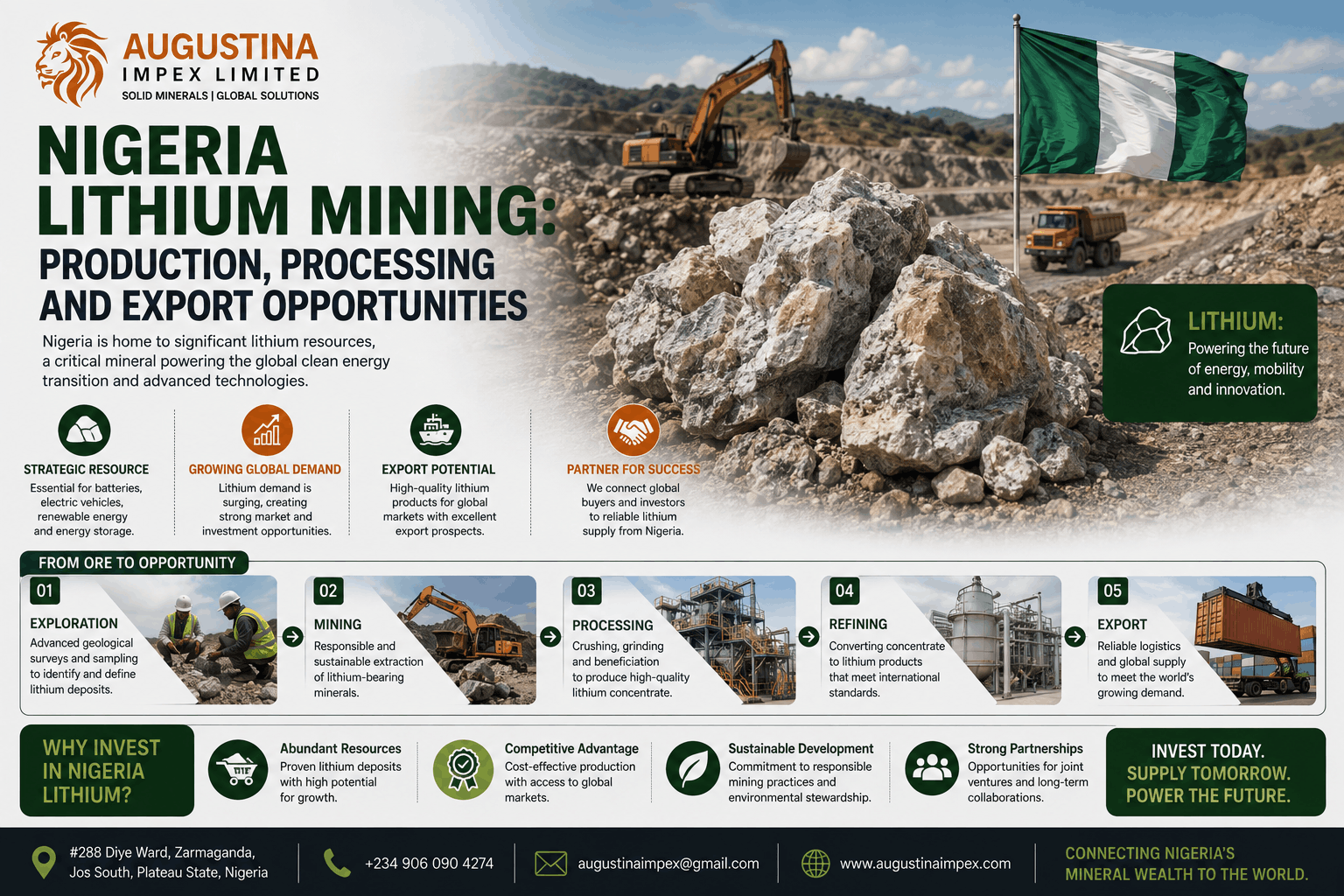
Nigeria Lithium Mining: Production, Processing & Export
Nigeria Lithium Mining: Production, Processing and Export Opportunities By Kolawole King, CEO — Augustina Impex…
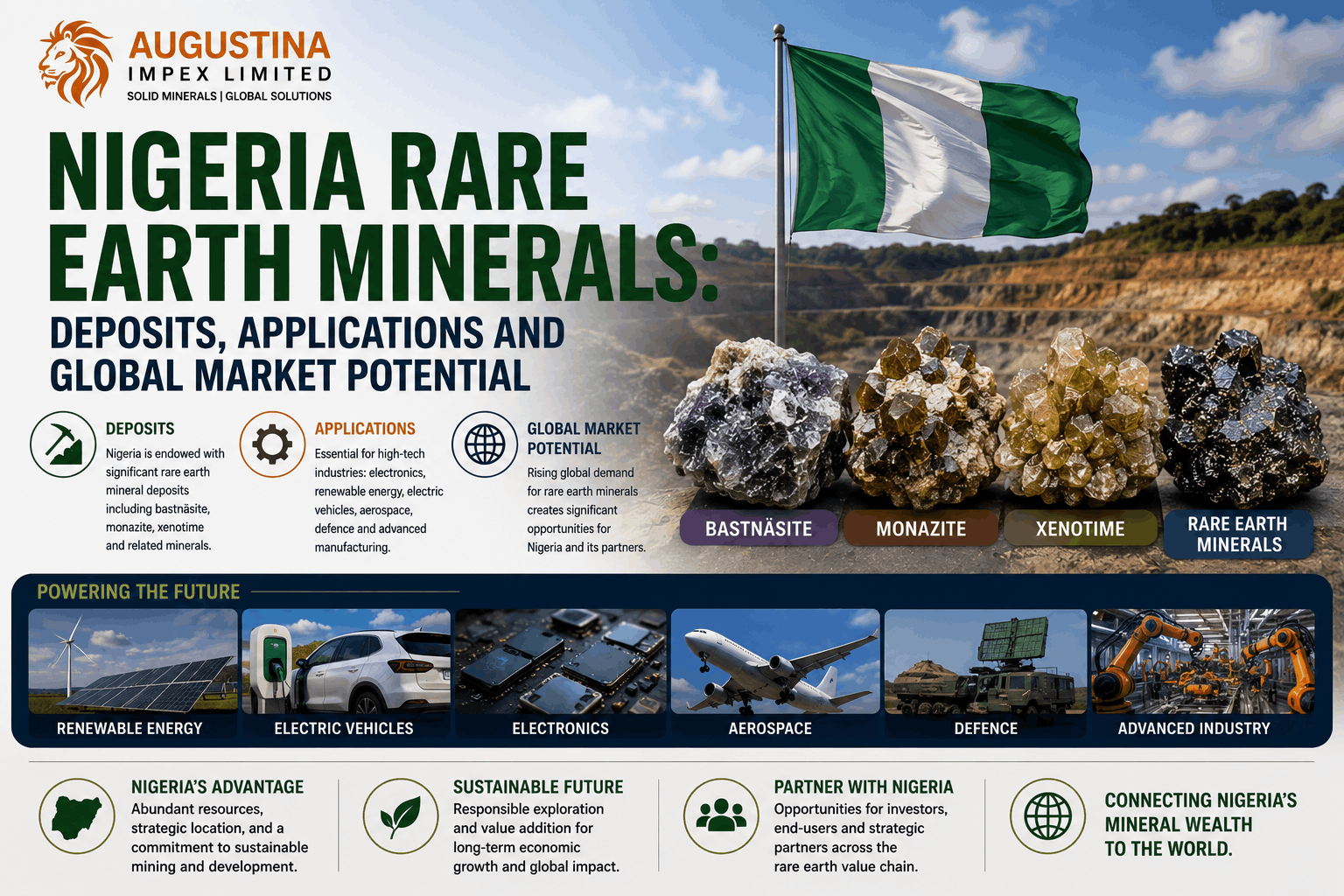
Nigeria Rare Earth Minerals: Deposits & Market Potential
Nigeria Rare Earth Minerals: Deposits, Applications and Global Market Potential By Kolawole King, CEO —…
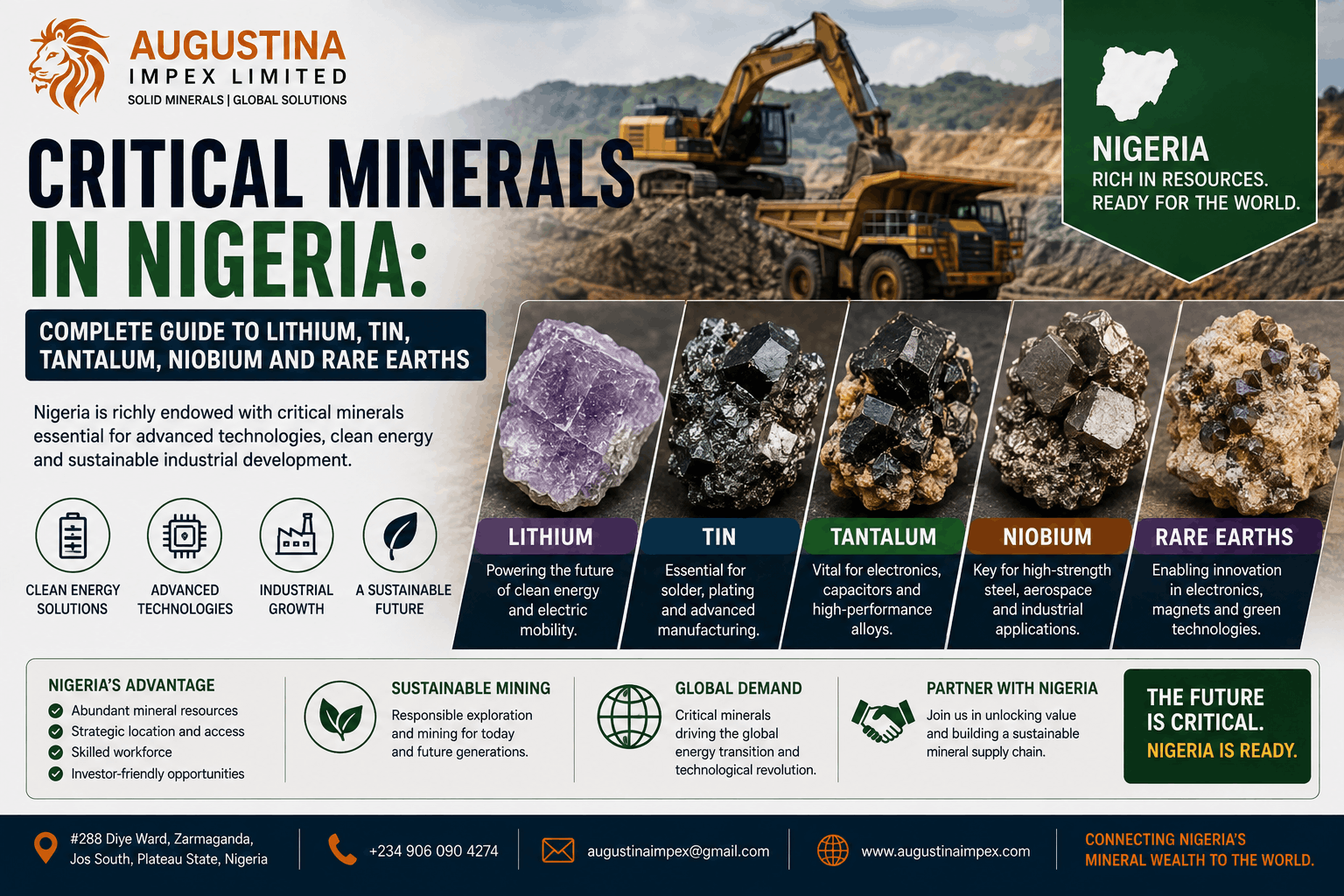
Nigeria Critical Minerals Guide: Lithium, Tin & Rare Earths
Critical Minerals in Nigeria: Complete Guide to Lithium, Tin, Tantalum, Niobium and Rare Earths By…
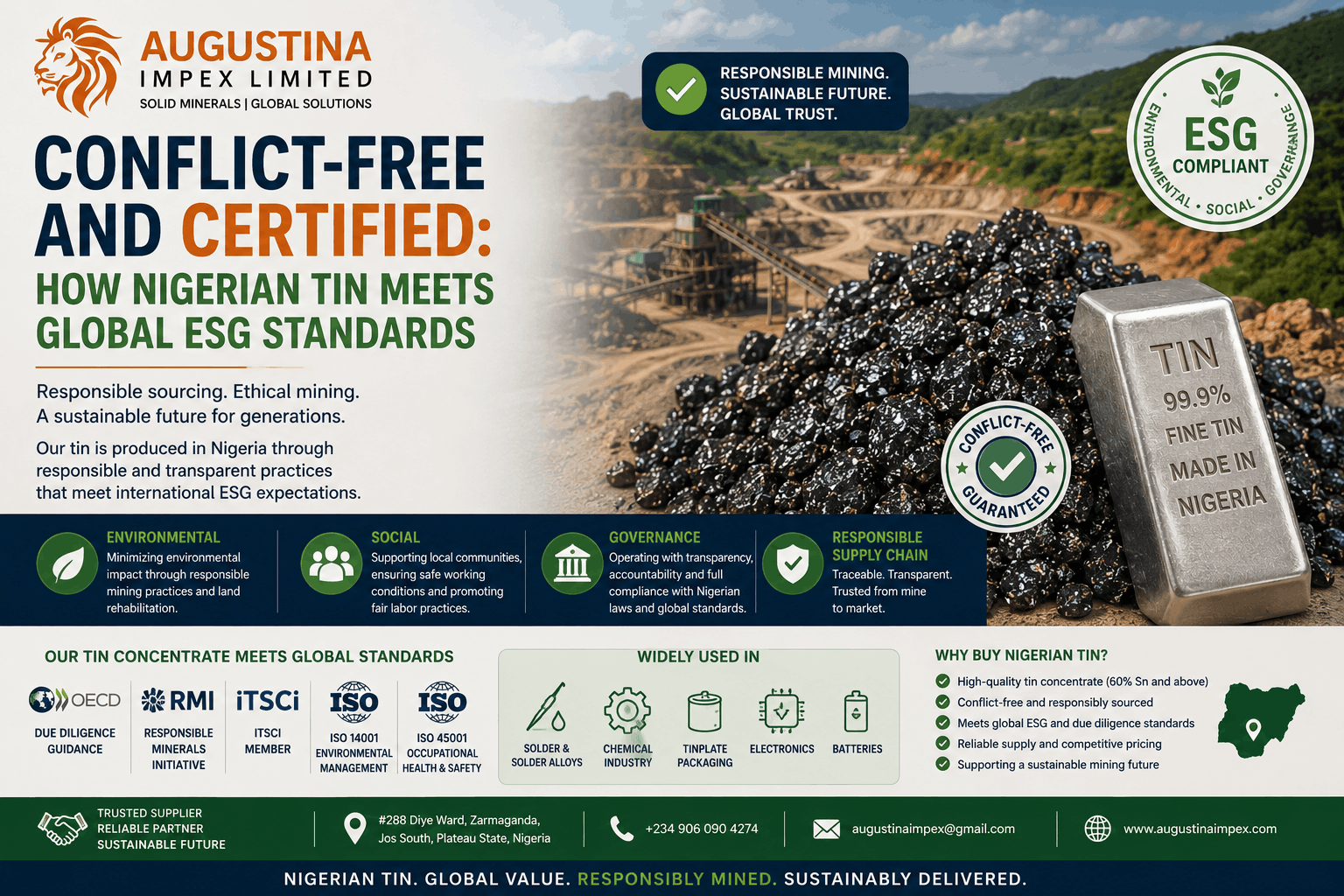
Conflict-Free Nigerian Tin Meets Global ESG Standards
Conflict-Free and Certified: How Nigerian Tin Meets Global ESG Standards By Kolawole King, CEO —…